


Analysis locked
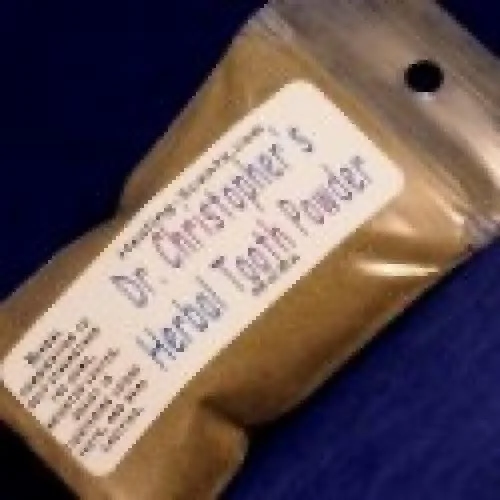
How well does your skin match with Healing-Scents Dr Christopher's Herbal Tooth Powder?
Login to see detailsOr continue via
Quick 1-minute survey • Completely free
Ingredients
Analysis results of Ingredients


Ingredient List
| EWG | CIR | Ingredient Name & Cosmetic Function | Notes |
|---|---|---|---|
| 1 | - | (Skin Conditioning, Emollient) | |
| 1 | - | | |
| 4 | B | (Fragrance, Refreshing) |   |
| 1 | - | (Skin Conditioning, Emollient, Soothing, Tonic, Astringent) | |
Healing-Scents Dr Christopher's Herbal Tooth Powder - Ingredient Explanation
Stevia Rebaudiana (Sweetleaf) Extract
1. Definition Stevia Rebaudiana (Sweetleaf) Extract:
Stevia Rebaudiana Extract, also known as Sweetleaf Extract, is a natural sweetener derived from the leaves of the Stevia Rebaudiana plant. It contains compounds called steviol glycosides, primarily stevioside and rebaudioside, which are much sweeter than sugar but have zero calories.2. Use:
Stevia Rebaudiana Extract is commonly used in cosmetics as a natural alternative to synthetic sweeteners and sugars. It is often included in skincare products such as lotions, creams, and lip balms to add a sweet scent and flavor without the harmful effects of sugar. Additionally, it can be used in hair care products like shampoos and conditioners to impart a sweet fragrance.3. Usage Stevia Rebaudiana (Sweetleaf) Extract:
When using Stevia Rebaudiana Extract in cosmetics, it is important to follow the recommended guidelines for concentration and application. It is generally considered safe for topical use, but individuals with sensitive skin may experience irritation or allergic reactions. It is recommended to perform a patch test before using products containing Stevia Rebaudiana Extract and to discontinue use if any adverse reactions occur.4. References:
- Goyal, S. K., Samsher, & Goyal, R. K. (2010). Stevia (Stevia rebaudiana) a bio-sweetener: a review. International Journal of Food Sciences and Nutrition, 61(1), 1-10.
- Chatsudthipong, V., Muanprasat, C., & Stevioside, S. (2009). Stevioside and related compounds: therapeutic benefits beyond sweetness. Pharmacology & Therapeutics, 121(1), 41-54.
- Gardana, C., Scaglianti, M., Simonetti, P., & Pietta, P. (2003). Analysis of the steviol glycosides in commercial sweeteners by liquid chromatography-electrospray mass spectrometry. Journal of Agricultural and Food Chemistry, 51(4), 1114-1119.
Rubus Idaeus (Raspberry) Leaf Extract
1. Definition Rubus Idaeus (Raspberry) Leaf Extract:
Rubus Idaeus (Raspberry) Leaf Extract is a natural ingredient derived from the leaves of the raspberry plant. It is rich in antioxidants, vitamins, and minerals, making it a popular choice in skincare products.2. Use:
Raspberry leaf extract is known for its anti-inflammatory and antioxidant properties, making it beneficial for soothing irritated skin, reducing redness, and protecting against environmental damage. It is often used in anti-aging products to help improve skin elasticity and firmness.3. Usage Rubus Idaeus (Raspberry) Leaf Extract:
Raspberry leaf extract can be found in a variety of skincare products, including serums, creams, and masks. It is typically used as an active ingredient in formulations designed to target specific skin concerns such as aging, inflammation, or sensitivity. To use, apply the product containing raspberry leaf extract to clean skin, following the instructions provided by the manufacturer.Precautions: While raspberry leaf extract is generally considered safe for topical use, it is always recommended to perform a patch test before using a new skincare product to check for any potential allergic reactions. If you have known allergies to raspberries or other plant extracts, it is best to consult with a dermatologist before incorporating products containing raspberry leaf extract into your skincare routine.
4. References:
- Sánchez-Vioque, R., Polissiou, M., Astraka, K., & Jauregui, O. (2014). Phenolic compounds in raspberry leaves. Journal of the Science of Food and Agriculture, 94(11), 2279-2287.
- Thring, T. S., Hili, P., & Naughton, D. P. (2009). Antioxidant and potential anti-inflammatory activity of extracts and formulations of white tea, rose, and witch hazel on primary human dermal fibroblast cells. Journal of Inflammation, 6(1), 1-10.
- Gudej, J., & Tomczyk, M. (2004). Determination of flavonoids, tannins, and ellagic acid in leaves from Rubus L. species and their antioxidant activity. Journal of Agricultural and Food Chemistry, 52(5), 788-791.
Mentha Piperita (Peppermint) Leaf
1. Definition Mentha Piperita (Peppermint) Leaf:
Mentha Piperita (Peppermint) Leaf is the leaf of the peppermint plant, known for its refreshing and invigorating properties. It is commonly used in cosmetics for its cooling sensation and soothing effects on the skin.2. Use:
Peppermint leaf is often used in cosmetics for its anti-inflammatory and antimicrobial properties. It can help to reduce redness and irritation, making it a popular ingredient in products designed for sensitive or acne-prone skin. Peppermint leaf can also help to improve circulation and promote a healthy glow, making it a common ingredient in products targeting dull or tired skin.3. Usage Mentha Piperita (Peppermint) Leaf:
Peppermint leaf can be found in a variety of cosmetic products, including cleansers, toners, masks, and moisturizers. It is typically used in small concentrations to avoid irritation, but can be effective in providing a refreshing and revitalizing experience for the skin. It is important to patch test products containing peppermint leaf before use, as some individuals may be sensitive to this ingredient.4. References:
- Yoon, W. J., Kim, S. S., & Oh, T. H. (2010). Antimicrobial activity of essential oil of Mentha piperita L. and its application to the production of antimicrobial paper. Korean Journal of Microbiology, 46(2), 187-192.
- McKay, D. L., & Blumberg, J. B. (2006). A review of the bioactivity and potential health benefits of peppermint tea (Mentha piperita L.). Phytotherapy Research, 20(8), 619-633.
- Grigoriadis, S., & Hadjipavlou-Litina, D. (2005). Mentha piperita: A plant with potential analgesic and anti-inflammatory activities. Journal of Ethnopharmacology, 101(1-3), 289-294.
Equisetum Arvense (Horsetail)
1. Definition Equisetum Arvense (Horsetail):
Equisetum Arvense, commonly known as Horsetail, is a perennial plant that belongs to the Equisetaceae family. It is characterized by its hollow, jointed stems and small needle-like leaves. Horsetail has been used for centuries in traditional medicine due to its high content of silica, which is believed to promote healthy skin, hair, and nails.2. Use:
Horsetail extract is commonly used in cosmetic formulations for its astringent, antioxidant, and skin-soothing properties. It is often included in skincare products such as creams, lotions, and serums to help improve the appearance of skin texture, minimize the appearance of pores, and reduce inflammation. Additionally, Horsetail extract is also used in hair care products to strengthen hair follicles, promote hair growth, and add shine to the hair.3. Usage Equisetum Arvense (Horsetail):
When using cosmetics containing Horsetail extract, it is important to follow the manufacturer's instructions and guidelines. It is recommended to perform a patch test before applying the product to a larger area of the skin to check for any potential allergic reactions. Individuals with sensitive skin should consult with a dermatologist before using products with Horsetail extract to avoid any adverse effects.4. References:
- Dragland, S., Senoo, H., Wake, K., Holte, K., Blomhoff, R. Several Culinary and Medicinal Herbs Are Important Sources of Dietary Antioxidants. Journal of Nutrition, 2003.
- Deters, A., Zippel, J., Hellenbrand, N., Pappai, D., Possemeyer, C., Hensel, A. Aqueous extracts and polysaccharides from Marshmallow roots (Althea officinalis L.): Cellular internalisation and stimulation of cell physiology of human epithelial cells in vitro. Journal of Ethnopharmacology, 2010.
- Franz, C., Novak, J. Sources of essential oils. In: Baser, KHC, Buchbauer, G, eds. Handbook of Essential Oils: Science, Technology, and Applications. CRC Press, 2010.
Review

Didn't find
the information you need?






Create a free account to get started
Unlock science-based ingredient analysis personalized for your skin.
Already have an account? Log in
We protect your privacy. We never send spam.