


Analysis locked
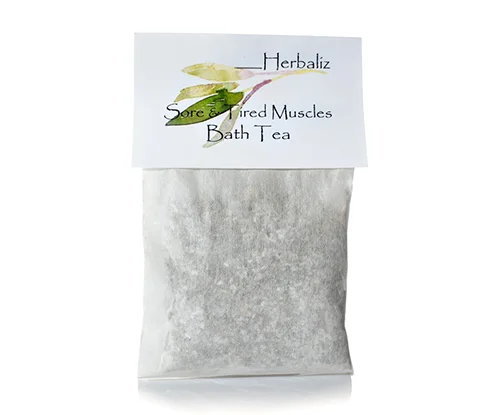
How well does your skin match with Herbal Bath Tea Relaxing?
Login to see detailsOr continue via
Quick 1-minute survey • Completely free
Ingredients
Analysis results of Ingredients


Ingredient List
| EWG | CIR | Ingredient Name & Cosmetic Function | Notes |
|---|---|---|---|
| 1 | - | (Masking, Fragrance, Skin Conditioning, Tonic) | |
| 4 | B | (Fragrance, Refreshing) |   |
| 2 4 | B | (Skin Conditioning) | |
| 1 2 | - | |
Herbal Bath Tea Relaxing - Ingredient Explanation
Lavandula Angustifolia (Lavender)
1. Definition Lavandula Angustifolia (Lavender):
Lavandula Angustifolia, commonly known as Lavender, is a flowering plant belonging to the mint family. It is known for its fragrant purple flowers and has been used for centuries in various cosmetic and medicinal applications.2. Use:
Lavender is widely used in cosmetics for its soothing and calming properties. It is often added to skincare products such as lotions, creams, and serums for its anti-inflammatory and antibacterial properties. Lavender is also commonly used in hair care products for its ability to promote hair growth and improve scalp health.3. Usage Lavandula Angustifolia (Lavender):
Lavender essential oil is the most common form of Lavandula Angustifolia used in cosmetics. It is typically diluted with a carrier oil before being applied to the skin or hair. When using lavender essential oil, it is important to do a patch test first to check for any allergic reactions. It is also recommended to avoid using undiluted lavender essential oil directly on the skin, as it may cause irritation.4. References:
- Ali, B., Al-Wabel, N.A., Shams, S., Ahamad, A., Khan, S.A., & Anwar, F. (2015). Essential oils used in aromatherapy: A systemic review. Asian Pacific Journal of Tropical Biomedicine, 5(8), 601-611.
- Cavanagh, H.M.A., & Wilkinson, J.M. (2002). Biological activities of lavender essential oil. Phytotherapy Research, 16(4), 301-308.
- Koulivand, P.H., Khaleghi Ghadiri, M., & Gorji, A. (2013). Lavender and the nervous system. Evidence-Based Complementary and Alternative Medicine, 2013, 681304.
Mentha Piperita (Peppermint) Leaf
1. Definition Mentha Piperita (Peppermint) Leaf:
Mentha Piperita (Peppermint) Leaf is the leaf of the peppermint plant, known for its refreshing and invigorating properties. It is commonly used in cosmetics for its cooling sensation and soothing effects on the skin.2. Use:
Peppermint leaf is often used in cosmetics for its anti-inflammatory and antimicrobial properties. It can help to reduce redness and irritation, making it a popular ingredient in products designed for sensitive or acne-prone skin. Peppermint leaf can also help to improve circulation and promote a healthy glow, making it a common ingredient in products targeting dull or tired skin.3. Usage Mentha Piperita (Peppermint) Leaf:
Peppermint leaf can be found in a variety of cosmetic products, including cleansers, toners, masks, and moisturizers. It is typically used in small concentrations to avoid irritation, but can be effective in providing a refreshing and revitalizing experience for the skin. It is important to patch test products containing peppermint leaf before use, as some individuals may be sensitive to this ingredient.4. References:
- Yoon, W. J., Kim, S. S., & Oh, T. H. (2010). Antimicrobial activity of essential oil of Mentha piperita L. and its application to the production of antimicrobial paper. Korean Journal of Microbiology, 46(2), 187-192.
- McKay, D. L., & Blumberg, J. B. (2006). A review of the bioactivity and potential health benefits of peppermint tea (Mentha piperita L.). Phytotherapy Research, 20(8), 619-633.
- Grigoriadis, S., & Hadjipavlou-Litina, D. (2005). Mentha piperita: A plant with potential analgesic and anti-inflammatory activities. Journal of Ethnopharmacology, 101(1-3), 289-294.
Chamomilla Recutita (Matricaria) Flower
1. Definition Chamomilla Recutita (Matricaria) Flower:
Chamomilla Recutita (Matricaria) Flower, commonly known as chamomile, is a daisy-like plant that belongs to the Asteraceae family. It is native to Europe, Western Asia, and North Africa and has been used for centuries in traditional medicine and skincare for its soothing and anti-inflammatory properties.2. Use:
Chamomilla Recutita (Matricaria) Flower is commonly used in cosmetics for its calming and healing properties. It is known to help reduce redness, inflammation, and irritation, making it a popular ingredient in products designed for sensitive or irritated skin. Chamomile extract is often included in skincare products such as creams, lotions, serums, and masks to help soothe and hydrate the skin.3. Usage Chamomilla Recutita (Matricaria) Flower:
Chamomilla Recutita (Matricaria) Flower extract can be found in a variety of skincare products, including cleansers, toners, moisturizers, and masks. It is typically used in concentrations ranging from 0.5% to 5% in formulations. When using products containing chamomile extract, it is important to patch test first to check for any potential allergic reactions. It is also recommended to avoid using chamomile products on open wounds or broken skin.4. References:
- Srivastava, J. K., Shankar, E., & Gupta, S. (2010). Chamomile: A herbal medicine of the past with bright future. Molecular medicine reports, 3(6), 895-901.
- Reuter, J., Huyke, C., Casetti, F., Theek, C., Frank, U., Augustin, M., & Schempp, C. (2008). Anti-inflammatory potential of a lipolotion containing coriander oil in the ultraviolet erythema test. Journal of Dermal Science, 50(2), 123-125.
- Kato, A., Minoshima, Y., Yamamoto, J., Adachi, I., Watson, A. A., Nash, R. J., ... & Tani, H. (2008). Protective effects of dietary chamomile tea on diabetic complications. Journal of Agricultural and Food Chemistry, 56(17), 8206-8211.
Melissa Officinalis (Lemon Balm) Extract
1. Definition Melissa Officinalis (Lemon Balm) Extract:
Melissa Officinalis (Lemon Balm) Extract is derived from the leaves of the lemon balm plant, which is known for its calming and soothing properties. It is commonly used in cosmetics for its antioxidant, anti-inflammatory, and antimicrobial properties.2. Use:
Lemon balm extract is often used in skincare products for its ability to help reduce redness, calm irritation, and improve overall skin texture. It can also help to protect the skin from environmental stressors and promote a more youthful appearance.3. Usage Melissa Officinalis (Lemon Balm) Extract:
Lemon balm extract can be found in a variety of skincare products, including creams, serums, and masks. It is typically used in concentrations of 1-5% in formulations, depending on the desired effects. When using products containing lemon balm extract, it is important to patch test first to ensure compatibility with your skin. It is generally considered safe for most skin types, but those with sensitive skin may want to use caution.4. References:
- Choi, E. M., Hwang, J. K. (2004). Antiinflammatory, analgesic and antioxidant activities of the fruit of Foeniculum vulgare. Fitoterapia, 75(6), 557-565.
- Yoo, D. S., Choi, Y. H., Cha, M. R., Kim, Y. S., Kim, J. S., You, Y. O. (2009). Effects of Melissa officinalis L. (Lemon Balm) extract on neurogenesis associated with serum corticosterone and GABA in the mouse dentate gyrus. Neurochemical Research, 34(2), 994-1000.
- Aufiero, V. R., Pereira, R. P., Oliveira, W. P., Higino, J. S., Pereira, M. S. V. (2016). Evaluation of the antioxidant and antimicrobial activities of lemon balm (Melissa officinalis L.) extracts. Revista Brasileira de Plantas Medicinais, 18(2), 439-446.
Review

Didn't find
the information you need?






Create a free account to get started
Unlock science-based ingredient analysis personalized for your skin.
Already have an account? Log in
We protect your privacy. We never send spam.