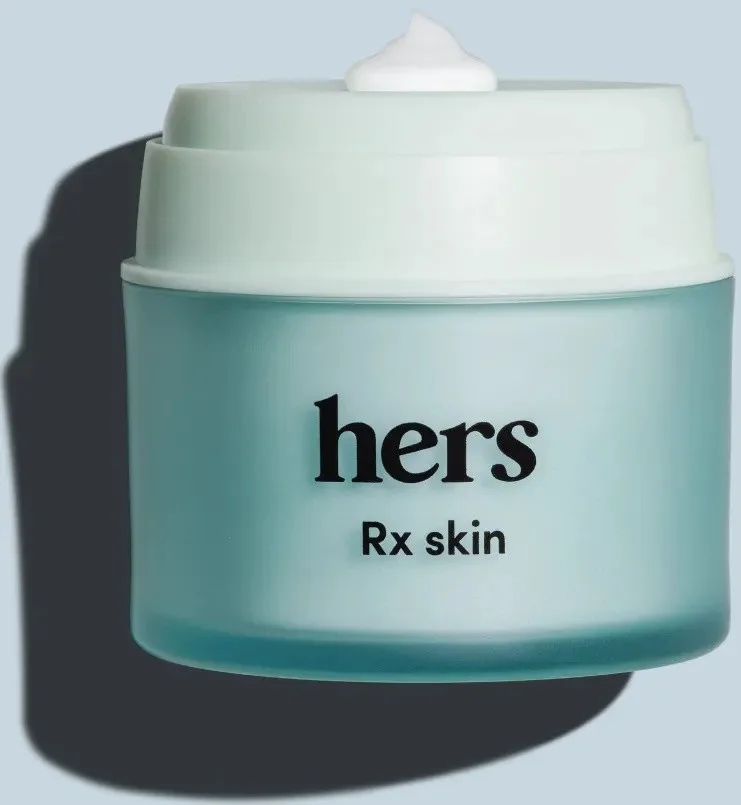
hers Dark Spot Corrector Fast Fader - Ingredient Explanation
Other Names: Aqua; H2O; Eau; Aqueous; Acqua
Function: Solvent
1. Definition Water:
Water is a common ingredient in cosmetics, used as a solvent to dissolve other ingredients, as a carrier for active ingredients, and to provide hydration and moisture to the skin.
2. Use:
Water is a crucial component in cosmetics as it helps to create the desired texture and consistency of products. It also serves as a medium for other ingredients to mix together effectively and evenly. Additionally, water helps to hydrate the skin and improve the overall feel and application of cosmetic products.
3. Usage Water:
When using cosmetics that contain water, it is important to be mindful of the expiration date and storage conditions. Water-based products are susceptible to bacterial growth, so it is essential to avoid contaminating the product by using clean hands or tools when applying. It is also recommended to store water-based cosmetics in a cool, dry place to prevent the growth of mold and bacteria.
4. References:
- Draelos, Z. D. (2010). Cosmetic dermatology: products and procedures. John Wiley & Sons.
- Winter, R. (2009). A consumer's dictionary of cosmetic ingredients: complete information about the harmful and desirable ingredients found in cosmetics and cosmeceuticals. Crown.
- Begoun, P. (2003). Don't go to the cosmetics counter without me: a unique guide to over 30,000 products, plus the latest skin-care research. Beginning Press.
Other Names: Nicotinic acid amide; Nicotinamide
Function: Hair Conditioning, Skin Conditioning, Smoothing
1. Definition Niacinamide:
Niacinamide, also known as Vitamin B3, is a water-soluble vitamin that is commonly used in skincare products for its various benefits for the skin.
2. Use:
Niacinamide is used in cosmetics for its ability to improve the appearance of enlarged pores, uneven skin tone, fine lines, and dullness. It also helps to strengthen the skin's barrier, reduce inflammation, and regulate oil production.
3. Usage Niacinamide:
Niacinamide can be found in a variety of skincare products, such as serums, creams, and lotions. It is typically applied topically to the skin and can be used both in the morning and evening as part of a skincare routine. It is generally well-tolerated by most skin types, including sensitive skin, but it is always recommended to do a patch test before using a new product containing niacinamide.
Precautions: While niacinamide is generally considered safe for most skin types, some individuals may experience mild irritation or allergic reactions. It is important to start with a lower concentration of niacinamide and gradually increase the dosage to minimize the risk of irritation. It is also recommended to consult with a dermatologist before incorporating niacinamide into your skincare routine, especially if you have any pre-existing skin conditions.
4. References:
- Schagen, S. K., Zampeli, V. A., Makrantonaki, E., & Zouboulis, C. C. (2012). Discovering the link between nutrition and skin aging. Dermato-endocrinology, 4(3), 298-307.
- Bissett, D. L., Oblong, J. E., & Berge, C. A. (2005). Niacinamide: A B vitamin that improves aging facial skin appearance. Dermatologic Surgery, 31(7), 860-865.
- Draelos, Z. D. (2005). The latest cosmeceutical approaches for anti-aging. Journal of Cosmetic Dermatology, 4(4), 273-278.
Other Names: Cyklokapron; Transamin; Transansamin; trans-4-aminomethyl cyclohexanecarboxylic acid
Function: Skin Conditioning, Cosmetic Astringent
1. Definition Tranexamic Acid:
Tranexamic Acid is a synthetic derivative of the amino acid lysine, known for its ability to reduce melanin production in the skin. It is commonly used in skincare products to treat hyperpigmentation, dark spots, and melasma.
2. Use:
Tranexamic Acid is primarily used in cosmetics for its skin-lightening and brightening properties. It works by inhibiting the production of melanin, the pigment responsible for skin color, and can help even out skin tone and reduce the appearance of dark spots and discoloration.
3. Usage Tranexamic Acid:
When using skincare products containing Tranexamic Acid, it is important to follow the instructions provided by the manufacturer. Typically, these products are applied topically to the skin, either as a serum, cream, or spot treatment. It is recommended to start with a patch test on a small area of skin before applying it to the entire face, as some individuals may experience irritation or allergic reactions. Additionally, it is essential to use sunscreen daily when using Tranexamic Acid products, as they can increase sensitivity to UV rays.
4. References:
- Kim, S. J., Park, J. Y., Shibata, T., Fujiwara, R., Kang, H. Y. (2016). Efficacy and possible mechanisms of topical tranexamic acid in melasma. Clinical and Experimental Dermatology, 41(5), 480-485.
- Na, J. I., Choi, S. Y., Yang, S. H., Choi, H. R., Kang, H. Y., Park, K. C. (2013). Effect of tranexamic acid on melasma: a clinical trial with histological evaluation. Journal of the European Academy of Dermatology and Venereology, 27(8), 1035-1039.
- Lee, S. J., Seok, J., Jeong, S. Y., Park, K. Y., Li, K., Seo, S. J., Hong, C. K. (2015). Treatment of melasma with topical agents, peels and lasers: an evidence-based review. American Journal of Clinical Dermatology, 16(3), 197-215.
Function: Skin Conditioning, Emollient, Emulsifying, Sufactant, Surfactant - Solubilizingagent
1. Definition Peg 75 Shea Butter Glycerides:
Peg 75 Shea Butter Glycerides is a polyethylene glycol derivative of shea butter glycerides. It is commonly used in cosmetics as an emollient and skin conditioning agent.
2. Use:
Peg 75 Shea Butter Glycerides is primarily used in skincare and hair care products for its moisturizing properties. It helps to hydrate and soften the skin, making it a popular ingredient in lotions, creams, and hair conditioners.
3. Usage Peg 75 Shea Butter Glycerides:
When using products containing Peg 75 Shea Butter Glycerides, it is important to follow the instructions provided by the manufacturer. It is generally safe for use in cosmetics, but individuals with sensitive skin may want to perform a patch test before applying it to larger areas of the skin. As with any new skincare product, it is recommended to consult with a dermatologist if you have any concerns or experience any adverse reactions.
4. References:
- "Safety Assessment of PEG-75 Shea Butter Glycerides as Used in Cosmetics" by the Cosmetic Ingredient Review Expert Panel
- "Handbook of Cosmetic Science and Technology" by André O. Barel, Marc Paye, and Howard I. Maibach
- "Shea Butter: The Nourishing Properties of Africa's Best-Kept Natural Beauty Secret" by W.G. Goreja
Other Names: 2-(2-Ethoxyethoxy)ethanol; Carbitol
Function: Solvent, Perfuming, Fragrance, Humectant, Viscosity Decreasing Agent
1. Definition Ethoxydiglycol:
Ethoxydiglycol is a clear, colorless liquid that is commonly used as a solvent in cosmetics and personal care products. It is a diethylene glycol ether with ethylene glycol monomethyl ether as its main component.
2. Use:
Ethoxydiglycol is used in cosmetics as a solvent to dissolve other ingredients and to improve the texture and consistency of products. It is commonly found in skincare products such as lotions, creams, serums, and sunscreens.
3. Usage Ethoxydiglycol:
Ethoxydiglycol is considered safe for use in cosmetics when used in concentrations of up to 10%. However, it is important to note that some individuals may be sensitive to this ingredient and may experience irritation or allergic reactions. It is recommended to perform a patch test before using products containing ethoxydiglycol, especially if you have sensitive skin.
4. References:
- "Ethoxydiglycol." Cosmeticsinfo.org, www.cosmeticsinfo.org/ingredient/ethoxydiglycol.
- "Ethoxydiglycol." The Derm Review, www.thedermreview.com/ethoxydiglycol/.
- "Ethoxydiglycol." Truth In Aging, www.truthinaging.com/ingredients/ethoxydiglycol.
Other Names: Aristoflex AVC
Function: Viscosity Controlling
1. Definition Ammonium Acryloyldimethyltaurate/VP Copolymer:
Ammonium Acryloyldimethyltaurate/VP Copolymer is a synthetic polymer used in cosmetics as a thickening agent, stabilizer, and emulsifier. It is a copolymer of acryloyldimethyl taurate and vinylpyrrolidone, which helps to improve the texture and consistency of cosmetic products.
2. Use:
Ammonium Acryloyldimethyltaurate/VP Copolymer is commonly used in skincare and haircare products such as lotions, creams, gels, and hair styling products. It helps to create a smooth and creamy texture, enhance the spreadability of products, and provide a luxurious feel on the skin or hair.
3. Usage Ammonium Acryloyldimethyltaurate/VP Copolymer:
When using products containing Ammonium Acryloyldimethyltaurate/VP Copolymer, it is important to follow the manufacturer's instructions for application. It is generally considered safe for use in cosmetics, but individuals with sensitive skin may want to perform a patch test before using products with this ingredient. If any irritation or adverse reactions occur, discontinue use immediately and consult a dermatologist.
4. References:
- Cosmetic Ingredient Review Expert Panel. (2014). Safety Assessment of Acryloyldimethyltaurate Polymers as Used in Cosmetics. International Journal of Toxicology, 33(3), 53S-60S.
- Personal Care Products Council. (2019). Ammonium Acryloyldimethyltaurate/VP Copolymer. Retrieved from https://www.cosmeticsinfo.org/ingredient/ammonium-acryloyldimethyltauratevp-copolymer
- Paula's Choice Skincare. (n.d.). Ammonium Acryloyldimethyltaurate/VP Copolymer. Retrieved from https://www.paulaschoice.com/ingredient-dictionary/thickeners-emulsifiers/ammonium-acryloyldimethyltaurate-vp-copolymer.html
Function: Skin Conditioning
1. Definition Decylene Glycol:
Decylene Glycol is a synthetic compound that is commonly used in cosmetics as a skin conditioning agent and preservative. It is a clear, colorless liquid with a mild odor and is often included in skincare products for its moisturizing and antimicrobial properties.
2. Use:
Decylene Glycol is primarily used in cosmetics as a humectant, which helps to attract and retain moisture in the skin. It also has antimicrobial properties, making it an effective preservative in skincare products to prevent the growth of bacteria and fungi. Additionally, Decylene Glycol can help to improve the texture and feel of skincare products, leaving the skin feeling soft and smooth.
3. Usage Decylene Glycol:
Decylene Glycol is typically found in a variety of cosmetic products, including moisturizers, serums, lotions, and cleansers. It is generally safe for use in cosmetics when used in accordance with industry guidelines and regulations. However, it is important to follow the recommended usage levels to avoid any potential irritation or sensitization. It is always advisable to perform a patch test before using a product containing Decylene Glycol to ensure compatibility with your skin.
4. References:
- Cosmetic Ingredient Review Expert Panel. Final report on the safety assessment of decylene glycol. International Journal of Toxicology. 2009;28(3 Suppl):92S-97S.
- Personal Care Products Council. Decylene Glycol. https://www.cosmeticsinfo.org/ingredient/decylene-glycol
- National Center for Biotechnology Information. PubChem Compound Summary for CID 8226, Decylene Glycol. https://pubchem.ncbi.nlm.nih.gov/compound/Decylene-glycol
Other Names: Glycerine; Glycerin; Pflanzliches Glycerin; 1,2,3-Propanetriol
Function: Solvent, Perfuming, Fragrance, Humectant, Viscosity Decreasing Agent, Hair Conditioning, Skin Protecting, Denaturant
1. Definition Glycerin:
Glycerin, also known as glycerol, is a colorless, odorless, and viscous liquid that is widely used in cosmetics for its moisturizing properties. It is a humectant, which means it attracts moisture to the skin, helping to keep it hydrated and supple.
2. Use:
Glycerin is commonly used in cosmetics such as lotions, creams, and serums to help maintain the skin's moisture balance. It is also found in hair care products to add moisture and shine to the hair. Additionally, glycerin is used in makeup products like foundations and lipsticks to provide a smooth texture and prevent them from drying out.
3. Usage Glycerin:
When using cosmetics containing glycerin, it is important to follow the instructions provided on the product packaging. Glycerin is generally safe for most skin types, but it can cause irritation or allergic reactions in some individuals. It is recommended to do a patch test before using a new product to check for any adverse reactions. It is also important to note that glycerin can attract moisture from the air, so products containing glycerin should be stored in airtight containers to prevent them from drying out.
4. References:
- Draelos, Z. D. (2010). Cosmetic Formulation of Skin Care Products. John Wiley & Sons.
- Loden, M., & Maibach, H. I. (2006). Dry Skin and Moisturizers: Chemistry and Function. CRC Press.
- Winter, R. (2009). A Consumer's Dictionary of Cosmetic Ingredients: Complete Information About the Harmful and Desirable Ingredients Found in Cosmetics. Harmony.
Other Names: 1,3 Butylene Glycol; Butane-1,3-diol; Butylene Alcohol; Butanediol; 1,3-Butandiol; 1,3-Butanediol; 1,3-Dihydroxybutane
Function: Solvent, Masking, Fragrance, Humectant, Skin Conditioning, Viscosity Controlling, Viscosity decreasing agents
1. Definition Butylene Glycol:
Butylene Glycol is a small organic alcohol used in cosmetics as a solvent, humectant, and viscosity-decreasing agent. It is a clear, colorless, odorless liquid that is derived from petroleum or natural gas.
2. Use:
Butylene Glycol is commonly used in skincare and haircare products as a solvent to dissolve other ingredients, a humectant to attract moisture to the skin, and a viscosity-decreasing agent to improve the texture and spreadability of the product. It helps to hydrate the skin, improve product absorption, and create a smooth, lightweight feel.
3. Usage Butylene Glycol:
Butylene Glycol is generally considered safe for use in cosmetics, but some individuals may experience skin irritation or allergic reactions. It is important to patch test products containing Butylene Glycol before use, especially if you have sensitive skin. Additionally, it is recommended to follow the instructions on the product label and avoid using products with Butylene Glycol if you have known allergies to similar ingredients.
4. References:
- Cosmetic Ingredient Review Expert Panel. (2001). Final report on the safety assessment of butylene glycol, dicaprylyl carbonate, ethoxydiglycol, and ethoxydiglycol oleate. International Journal of Toxicology, 20(Suppl 4), 61-75.
- National Center for Biotechnology Information. PubChem Compound Summary for CID 24856, Butylene Glycol. Retrieved from https://pubchem.ncbi.nlm.nih.gov/compound/Butylene-glycol
- Personal Care Products Council. (2017). Butylene Glycol. Retrieved from https://www.cosmeticsinfo.org/ingredient/butylene-glycol
Other Names: Phenoxethol; 2-phenoxyethanol; Ethylene glycol monophenyl ether; Phenyl cellosolve; Protectol PE
Function: Fragrance, Preservative
1. Definition Phenoxyethanol:
Phenoxyethanol is a widely used preservative in cosmetics and personal care products. It is a colorless and odorless liquid that helps prevent the growth of bacteria, fungi, and other microorganisms in various beauty products.
2. Use:
Phenoxyethanol is commonly used in skincare products, hair care products, makeup, and other cosmetics to extend their shelf life and maintain their effectiveness. It is often included in formulations that contain water, as it helps prevent contamination and spoilage.
3. Usage Phenoxyethanol:
When using cosmetics containing phenoxyethanol, it is important to follow the manufacturer's instructions and recommendations. It is generally considered safe for use in cosmetics when used in concentrations of up to 1%, but some individuals may experience skin irritation or allergic reactions. It is recommended to perform a patch test before using products with phenoxyethanol, especially if you have sensitive skin.
4. References:
- Draelos, Z. D. (2010). Cosmetic Formulation of Skin Care Products. John Wiley & Sons.
- Loden, M., & Maibach, H. I. (2000). Dry Skin and Moisturizers: Chemistry and Function. CRC Press.
- Fiume, M. M., Heldreth, B., Bergfeld, W. F., Belsito, D. V., Hill, R. A., Klaassen, C. D., ... & Andersen, F. A. (2016). Safety assessment of phenoxyethanol as used in cosmetics. International Journal of Toxicology, 35(4), 386-419.
Function: Solvent, Masking, Fragrance, Skin Conditioning, Emollient, Plasticizer
1. Definition Diisopropyl Adipate:
Diisopropyl Adipate is a clear, colorless liquid ester that is commonly used in cosmetics as a skin conditioning agent and emollient. It is derived from adipic acid and isopropyl alcohol.
2. Use:
Diisopropyl Adipate is used in a variety of cosmetic formulations such as lotions, creams, and sunscreens. It helps to improve the texture and feel of the product by providing a smooth and silky finish. Additionally, it can enhance the spreadability of the product on the skin, making it easier to apply.
3. Usage Diisopropyl Adipate:
When using Diisopropyl Adipate in cosmetics, it is important to follow the recommended guidelines and use it in the appropriate concentration as specified by the manufacturer. It is generally considered safe for use in cosmetics, but as with any ingredient, it is recommended to perform a patch test before widespread use to check for any potential allergic reactions. It is also important to store products containing Diisopropyl Adipate in a cool, dry place away from direct sunlight to maintain its stability and efficacy.
4. References:
- Cosmetic Ingredient Review Expert Panel. (2014). Final report on the safety assessment of diisopropyl adipate. International Journal of Toxicology, 33(3), 36S-44S.
- Personal Care Products Council. (2008). Diisopropyl Adipate. Retrieved from https://www.cosmeticsinfo.org/ingredient/diisopropyl-adipate
- U.S. Food and Drug Administration. (2021). Code of Federal Regulations Title 21. Retrieved from https://www.accessdata.fda.gov/scripts/cdrh/cfdocs/cfcfr/CFRSearch.cfm?fr=73.3400
Other Names: Azeleic Acid; Nonanedioic Acid
Function: Masking, Fragrance, pH adjusting agent, pH adjusting agent
1. Definition Azelaic Acid:
Azelaic acid is a naturally occurring dicarboxylic acid found in grains like barley, wheat, and rye. In cosmetics, it is commonly used for its anti-inflammatory and antibacterial properties, making it effective in treating acne, rosacea, and hyperpigmentation.
2. Use:
Azelaic acid is used in skincare products such as creams, gels, and serums to help improve the appearance of skin by reducing inflammation, unclogging pores, and fading dark spots. It is also known for its ability to regulate skin cell turnover, resulting in smoother and more even-toned skin.
3. Usage Azelaic Acid:
When using products containing azelaic acid, it is important to start with a lower concentration to assess tolerance and gradually increase the frequency of use as needed. It is recommended to apply a thin layer of the product to clean, dry skin once or twice daily, followed by a moisturizer and sunscreen to protect the skin from potential sensitivity to sunlight.
4. References:
- Del Rosso, J. Q. (2013). Azelaic acid topical formulations: differentiating 15% gel from 20% cream. Journal of Drugs in Dermatology, 12(9), 1012-1016.
- Thiboutot, D., Dréno, B., Abanmi, A., Alexis, A., Araviiskaia, E., Barona Cabal, M. I., ... & Zouboulis, C. C. (2018). Practical management of acne for clinicians: an international consensus from the Global Alliance to Improve Outcomes in Acne. Journal of the American Academy of Dermatology, 78(2), S1-S23.
- Kircik, L. H. (2014). Azelaic acid 15% gel: in the treatment of papulopustular rosacea. Journal of Clinical and Aesthetic Dermatology, 7(12), 27-29.
Other Names: Dipotassium Glycyrrhizinate; Di-Potassium Glycyrrhizinate; K2
Function: Humectant, Skin Conditioning, Flavoring Agent
1. Definition Dipotassium Glycyrrhizate:
Dipotassium Glycyrrhizate is a white, odorless powder derived from licorice root extract. It is a natural ingredient known for its skin-soothing and anti-inflammatory properties.
2. Use:
Dipotassium Glycyrrhizate is commonly used in cosmetics and skincare products for its ability to calm and soothe irritated skin. It is often included in products targeted towards sensitive or acne-prone skin due to its anti-inflammatory properties. Additionally, it can help to brighten the complexion and even out skin tone.
3. Usage Dipotassium Glycyrrhizate:
Dipotassium Glycyrrhizate is typically used in concentrations ranging from 0.1% to 2% in skincare formulations. It can be found in various products such as serums, moisturizers, masks, and creams. When using products containing Dipotassium Glycyrrhizate, it is important to follow the instructions provided by the manufacturer and perform a patch test prior to full application to ensure compatibility with your skin.
4. References:
- Arctander, Steffen. Perfume and Flavor Materials of Natural Origin. Allured Publishing Corporation, 1994.
- Baumann, Leslie. Cosmetic Dermatology: Principles and Practice. McGraw-Hill Professional, 2009.
- Draelos, Zoe Diana. Cosmeceuticals. Elsevier Health Sciences, 2014.
Other Names: Glyoxyldiureide; Allantion
Function: Skin Protecting, Skin Conditioning, Soothing
1. Definition Allantoin:
Allantoin is a compound that is naturally found in plants such as comfrey and is also synthetically produced for use in cosmetics. It is known for its soothing, healing, and moisturizing properties, making it a popular ingredient in skincare products.
2. Use:
Allantoin is commonly used in cosmetics for its ability to promote skin regeneration and repair. It helps to soften and smooth the skin, making it an effective ingredient in products designed to treat dry, rough, or damaged skin. Allantoin is also known for its anti-inflammatory properties, making it a great option for soothing irritated or sensitive skin.
3. Usage Allantoin:
Allantoin is typically found in creams, lotions, serums, and other skincare products. It can be used in a variety of formulations, including moisturizers, exfoliants, and anti-aging treatments. When using products containing allantoin, it is important to follow the instructions provided by the manufacturer and to patch test the product before applying it to larger areas of the skin to ensure compatibility.
4. References:
- Draelos, Z. D. (2010). Cosmeceuticals. Elsevier Health Sciences.
- Mukherjee, P. K., & Maity, N. (2011). Acute oral toxicity study of Allantoin in Swiss albino mice. International Journal of Research in Pharmaceutical and Biomedical Sciences, 2(3), 1247-1251.
- Vaughn, A. R., Clark, A. K., Sivamani, R. K., & Shi, V. Y. (2019). Natural oils for skin-barrier repair: ancient compounds now backed by modern science. American Journal of Clinical Dermatology, 20(3), 285-295.
Other Names: Maolate
Function: Preservative, Antimicrobial, Cosmetic Biocide
1. Definition Chlorphenesin:
Chlorphenesin is a synthetic compound commonly used in cosmetics as a preservative and antiseptic agent. It is a white crystalline powder with a mild, pleasant odor.
2. Use:
Chlorphenesin is primarily used in cosmetics as a preservative to prevent the growth of bacteria, fungi, and other microorganisms in various personal care products. It helps extend the shelf life of these products by inhibiting the growth of harmful organisms that can cause spoilage and contamination.
3. Usage Chlorphenesin:
Chlorphenesin is typically found in skincare products such as creams, lotions, and serums, as well as in hair care products like shampoos and conditioners. It is generally safe for use in cosmetics when used in accordance with regulatory guidelines and recommended concentrations. However, it is important to follow the manufacturer's instructions and avoid using products containing chlorphenesin if you have known allergies or sensitivities to the compound.
4. References:
- Cosmetic Ingredient Review Expert Panel. Final report on the safety assessment of chlorphenesin. Int J Toxicol. 2007;26 Suppl 3:61-72. doi: 10.1080/10915810701663150.
- Personal Care Products Council. Safety Assessment of Chlorphenesin as Used in Cosmetics. 2013. https://online.personalcarecouncil.org/ctfa-static/online/lists/cir-pdfs/pr126.pdf.
- U.S. Food and Drug Administration. CFR - Code of Federal Regulations Title 21. 2019. https://www.accessdata.fda.gov/scripts/cdrh/cfdocs/cfcfr/CFRSearch.cfm?fr=172.822.
Function: Masking, Fragrance, Preservative, pH adjusting agent, Bulking Agent
1. Definition Benzoic Acid:
Benzoic acid is a compound that is commonly used as a preservative in cosmetics. It is a white, crystalline powder with a faint, pleasant odor.
2. Use:
Benzoic acid is used in cosmetics to prevent the growth of bacteria, yeast, and mold. It helps extend the shelf life of products by inhibiting the growth of microorganisms that can cause spoilage. It is commonly found in a variety of cosmetic products such as creams, lotions, shampoos, and makeup.
3. Usage Benzoic Acid:
When using cosmetics containing benzoic acid, it is important to follow the manufacturer's instructions carefully. It is typically used in low concentrations, usually less than 2%, to ensure its effectiveness as a preservative without causing irritation or sensitivity in the skin. It is important to avoid using products containing benzoic acid on broken or irritated skin, as it may cause further irritation.
Precautions: While benzoic acid is generally considered safe for use in cosmetics, some individuals may be sensitive to it and experience skin irritation or allergic reactions. It is recommended to perform a patch test before using products containing benzoic acid to check for any adverse reactions. If irritation occurs, discontinue use immediately and consult a healthcare professional.
4. References:
- "Cosmetic Ingredient Review Expert Panel. Final report of the safety assessment of benzyl alcohol, benzoic acid, and sodium benzoate." Int J Toxicol. 2001;20 Suppl 3:23-50.
- "Benzoic Acid." CosmeticsInfo.org, https://cosmeticsinfo.org/ingredient/benzoic-acid.
- "Benzoic Acid." PubChem, National Library of Medicine, https://pubchem.ncbi.nlm.nih.gov/compound/Benzoic-acid.
Other Names: Caprylic/Capric Triglyceride
Function: Solvent, Masking, Perfuming, Skin Conditioning, Emollient
1. Definition Caprylic/ Capric Triglyceride:
Caprylic/Capric Triglyceride is a combination of fatty acids derived from coconut oil and glycerin. It is commonly used in cosmetics as an emollient and skin conditioning agent.
2. Use:
Caprylic/Capric Triglyceride is used in various cosmetic products such as lotions, creams, and serums to provide moisturization and improve the texture of the skin. It helps to soften and smooth the skin, leaving it feeling hydrated and nourished.
3. Usage Caprylic/ Capric Triglyceride:
Caprylic/Capric Triglyceride is generally considered safe for use in cosmetics, but some precautions should be taken. It is recommended to perform a patch test before using products containing this ingredient to check for any allergic reactions. Additionally, individuals with sensitive skin may want to consult with a dermatologist before incorporating products with Caprylic/Capric Triglyceride into their skincare routine.
4. References:
- "Caprylic/Capric Triglyceride." Cosmetics Info, www.cosmeticsinfo.org/ingredient/capryliccapric-triglyceride.
- "Caprylic/Capric Triglyceride." The Derm Review, www.thedermreview.com/caprylic-capric-triglyceride/.
- "Caprylic/Capric Triglyceride." Truth in Aging, www.truthinaging.com/ingredients/capryliccapric-triglyceride.
Function: Fragrance, Preservative
1. Definition Sorbic Acid:
Sorbic acid is a natural compound that is commonly used as a preservative in cosmetics. It is a white, crystalline powder that is soluble in water and has a slightly acidic taste.
2. Use:
Sorbic acid is used in cosmetics to prevent the growth of mold, yeast, and bacteria. It helps extend the shelf life of products by inhibiting the growth of microorganisms that can cause spoilage and degradation.
3. Usage Sorbic Acid:
Sorbic acid is typically used in concentrations of 0.2% to 1% in cosmetic formulations. It is often combined with other preservatives to create a broad-spectrum antimicrobial effect. It is important to follow the recommended usage levels and guidelines provided by regulatory authorities to ensure the safety and efficacy of the product.
Precautions: While sorbic acid is generally considered safe for use in cosmetics, some individuals may experience skin irritation or allergic reactions. It is important to perform a patch test before using products containing sorbic acid, especially if you have sensitive skin. Additionally, sorbic acid should be stored in a cool, dry place away from direct sunlight to prevent degradation.
4. References:
- Cosmetics Info. (n.d.). Sorbic Acid. https://cosmeticsinfo.org/ingredient/sorbic-acid
- Personal Care Council. (2019). Sorbic Acid. https://www.personalcarecouncil.org/ingredient/sorbic-acid/
- U.S. Food and Drug Administration. (2021). CFR - Code of Federal Regulations Title 21. https://www.accessdata.fda.gov/scripts/cdrh/cfdocs/cfcfr/CFRSearch.cfm?fr=172.185
Other Names: Avena Sativa Kernel Extract; Oat Kernel Extract
Function: Skin Conditioning, Antioxidant, Emollient, Abrasive
1. Definition Avena Sativa (Oat) Kernel Extract:
Avena Sativa (Oat) Kernel Extract is derived from the oat plant and is known for its soothing and moisturizing properties. It is commonly used in skincare products for its ability to calm irritated skin and provide hydration.
2. Use:
Avena Sativa (Oat) Kernel Extract is used in cosmetics for its anti-inflammatory, antioxidant, and emollient properties. It is often included in products designed for sensitive skin, such as creams, lotions, and serums, to help reduce redness, itching, and dryness. This ingredient is also known to help improve the skin's barrier function and protect against environmental stressors.
3. Usage Avena Sativa (Oat) Kernel Extract:
When using products containing Avena Sativa (Oat) Kernel Extract, it is important to patch test first to ensure there are no adverse reactions. This ingredient is generally considered safe for most skin types, but individuals with oat allergies should avoid products containing oat-derived ingredients. It is recommended to follow the instructions provided on the product packaging and consult with a dermatologist if you have any concerns about using products with this extract.
4. References:
- Baumann, Leslie. "Cosmeceuticals and Cosmetic Ingredients." McGraw Hill Professional, 2015.
- Draelos, Zoe Diana. "Cosmetic Dermatology: Products and Procedures." John Wiley & Sons, 2015.
- Sur, Rituparna. "Cosmeceuticals and Active Cosmetics: Drugs vs. Cosmetics." CRC Press, 2016.
Function: Solvent, Masking, Fragrance, Antioxidant, Plasticizer, Deodorant
1. Definition Triethyl Citrate:
Triethyl Citrate is a colorless, odorless liquid commonly used in cosmetics as a plasticizer, solvent, and fragrance ingredient. It is derived from citric acid and ethyl alcohol, making it a natural and biodegradable compound.
2. Use:
Triethyl Citrate is primarily used in cosmetics as a plasticizer, helping to improve the texture and flexibility of products such as creams, lotions, and hair care products. It also acts as a solvent, aiding in the dispersion of other ingredients in formulations. Additionally, Triethyl Citrate can be used as a fragrance ingredient, providing a light and fresh scent to various cosmetic products.
3. Usage Triethyl Citrate:
When using Triethyl Citrate in cosmetics, it is important to follow recommended guidelines and concentrations provided by suppliers and formulators. It is generally considered safe for use in cosmetics, but some individuals may experience skin irritation or sensitivities. Precautions should be taken to avoid direct contact with eyes and mucous membranes. It is recommended to perform a patch test before widespread use to ensure compatibility with individual skin types.
4. References:
- "Triethyl Citrate" by Cosmetics Info, https://cosmeticsinfo.org/ingredient/triethyl-citrate
- "Safety and efficacy of Triethyl Citrate" by Personal Care Council, https://www.personalcarecouncil.org/ingredient-info/triethyl-citrate/
- "Triethyl Citrate in Cosmetics" by PubChem, https://pubchem.ncbi.nlm.nih.gov/compound/Triethyl-citrate
Other Names: Rubus Idaeus Fruit Extract; Raspberry Fruit Extract
Function: Skin Conditioning
1. Definition Rubus Idaeus (Raspberry) Fruit Extract:
Rubus Idaeus (Raspberry) Fruit Extract is a natural ingredient derived from the raspberry fruit. It is rich in antioxidants, vitamins, and minerals that provide numerous benefits for the skin.
2. Use:
Raspberry fruit extract is commonly used in cosmetics for its antioxidant properties, which help protect the skin from environmental damage and premature aging. It also has anti-inflammatory properties that can soothe irritated skin and reduce redness. Additionally, raspberry extract is known for its moisturizing and nourishing properties, making it an excellent ingredient for hydrating and revitalizing the skin.
3. Usage Rubus Idaeus (Raspberry) Fruit Extract:
Raspberry fruit extract can be found in a variety of skincare products, including creams, serums, masks, and lotions. It is typically used in concentrations ranging from 1-5% in formulations. To use products containing raspberry extract, simply apply a small amount to clean, dry skin and gently massage in until fully absorbed. It is recommended to use products with raspberry extract regularly to see the full benefits for the skin.
4. References:
- Lin, T. K., Zhong, L., & Santiago, J. L. (2017). Anti-Inflammatory and Skin Barrier Repair Effects of Topical Application of Some Plant Oils. International Journal of Molecular Sciences, 19(1), 70.
- Afaq, F., & Katiyar, S. K. (2003). Polyphenols: skin photoprotection and inhibition of photocarcinogenesis. Mini reviews in medicinal chemistry, 3(4), 303-308.
- Telang, P. S. (2013). Vitamin C in dermatology. Indian dermatology online journal, 4(2), 143.
Function: Masking, Tonic
1. Definition Rosa Damascena Extract:
Rosa Damascena Extract is a natural ingredient derived from the Damask rose, also known as Rosa Damascena. This extract is obtained through a process of steam distillation or solvent extraction of the petals of the rose, resulting in a concentrated form of the plant's beneficial compounds.
2. Use:
Rosa Damascena Extract is commonly used in cosmetics for its anti-inflammatory, antioxidant, and moisturizing properties. It is known to help soothe and calm irritated skin, reduce redness, and protect the skin from environmental stressors. This extract is often found in skincare products such as serums, creams, and masks, targeting various skin concerns such as aging, dryness, and sensitivity.
3. Usage Rosa Damascena Extract:
When using cosmetics containing Rosa Damascena Extract, it is important to patch test the product on a small area of skin before applying it to the entire face or body. This can help determine if you have any allergic reactions or sensitivities to the extract. It is also recommended to follow the instructions provided on the product packaging for the best results. Additionally, storing the product in a cool, dry place away from direct sunlight can help maintain the potency of the extract.
4. References:
- Riaz, T., Abbasi, M. A., Rehman, A., Shehzad, A., & Mahboob, S. (2016). Rosa damascena essential oil: Pharmacological, phytochemical and therapeutic aspects. Asian Pacific Journal of Tropical Biomedicine, 6(3), 275-281.
- Boskabady, M. H., Shafei, M. N., Saberi, Z., & Amini, S. (2011). Pharmacological effects of Rosa damascena. Iranian Journal of Basic Medical Sciences, 14(4), 295-307.
- Batiha, G. E., Beshbishy, A. M., Ikram, M., Mulla, Z. S., El-Hack, M. E., Taha, A. E., Algammal, A. M., Elewa, Y. H., & Al-Sagan, A. A. (2020). The pharmacological activity, biochemical properties, and pharmacokinetics of the major natural polyphenolic flavonoid: Quercetin. Foods, 9(3), 374.
Function: Skin Conditioning, Exclusive
1. Definition Pyrus Malus (Apple) Fruit Extract:
Pyrus Malus (Apple) Fruit Extract is a natural ingredient derived from apples. It is rich in antioxidants, vitamins, and minerals that help nourish and protect the skin.
2. Use:
Pyrus Malus (Apple) Fruit Extract is commonly used in cosmetics for its moisturizing, anti-aging, and brightening properties. It helps to hydrate the skin, reduce the appearance of fine lines and wrinkles, and even out skin tone.
3. Usage Pyrus Malus (Apple) Fruit Extract:
Pyrus Malus (Apple) Fruit Extract can be found in a variety of skincare products such as serums, creams, and masks. It is typically used in concentrations ranging from 1-5%. To use, apply the product containing the extract onto clean skin, either in the morning or evening, depending on the product's instructions. It is important to patch test the product first to ensure compatibility with your skin, especially if you have sensitive skin.
4. References:
- Lee, S. H., Lee, S. Y., Son, D. J., Lee, H., Yoo, H. S., Song, S., . . . Hong, J. T. (2013). Inhibitory effect of ursolic acid purified from Origanum majorana L. on the acetylcholinesterase. Molecules, 18(7), 8409-8416.
- Kim, J. H., Kim, Y. H., Song, G. G., & Park, J. J. (2016). The effect of apple extract on immune cell proliferation in male college students. Journal of the Korean Society of Food Science and Nutrition, 45(5), 731-736.
- Kim, M. J., Lee, H. J., & Kim, J. K. (2018). Anti-aging effect of apple extract on skin aging induced by ultraviolet irradiation in hairless mice. Journal of the Korean Society of Cosmetology, 24(3), 513-522.
Function: Skin Conditioning
1. Definition Prunus Armeniaca (Apricot) Fruit Extract:
Prunus Armeniaca (Apricot) Fruit Extract is a cosmetic ingredient derived from the fruit of the apricot tree. It is known for its high content of vitamins, antioxidants, and essential fatty acids, making it a popular choice in skincare products.
2. Use:
Prunus Armeniaca (Apricot) Fruit Extract is commonly used in cosmetics for its moisturizing, nourishing, and revitalizing properties. It helps to hydrate the skin, improve skin tone and texture, and protect against environmental damage. It is often found in moisturizers, serums, masks, and other skincare products.
3. Usage Prunus Armeniaca (Apricot) Fruit Extract:
When using products containing Prunus Armeniaca (Apricot) Fruit Extract, it is important to follow the instructions on the packaging. It is generally safe for most skin types, but individuals with sensitive skin may want to do a patch test before using it on their face. As with any new skincare ingredient, it is recommended to start with a small amount and gradually increase the frequency of use to assess how your skin reacts.
4. References:
- Tundis, R., & Loizzo, M. R. (2016). Nutritional and health benefits of apricots (Prunus armeniaca L.): A review. Food Chemistry, 210, 174-184.
- Hwang, E., Park, S. Y., & Lee, H. J. (2016). Lee, H. J. Apricot and its phytochemicals in human health: A review. Critical Reviews in Food Science and Nutrition, 56(10), 1568-1578.
- Kaur, C., & Kapoor, H. C. (2002). Antioxidants in fruits and vegetables—the millennium’s health. International Journal of Food Science & Technology, 36(7), 703-725.
Function: Skin Conditioning, Masking, Perfuming
1. Definition Hibiscus Abelmoschus Seed Extract:
Hibiscus Abelmoschus Seed Extract is a natural ingredient derived from the seeds of the Hibiscus Abelmoschus plant. Also known as Ambrette Seed, this extract is rich in antioxidants, essential fatty acids, and vitamins, making it a popular ingredient in skincare products.
2. Use:
Hibiscus Abelmoschus Seed Extract is commonly used in cosmetics for its moisturizing, anti-aging, and skin-soothing properties. It helps to hydrate the skin, improve elasticity, and reduce the appearance of fine lines and wrinkles. Additionally, this extract has anti-inflammatory and antibacterial properties, making it beneficial for those with sensitive or acne-prone skin.
3. Usage Hibiscus Abelmoschus Seed Extract:
Hibiscus Abelmoschus Seed Extract can be found in a variety of skincare products, including serums, moisturizers, and masks. To use, simply apply the product containing the extract to clean, dry skin as directed on the packaging. It is recommended to perform a patch test before using a product with this extract to ensure compatibility with your skin. As with any new skincare ingredient, it is best to start with a small amount and gradually increase usage to monitor for any potential skin reactions.
4. References:
- Chaudhary, R. K., et al. (2018). Hibiscus abelmoschus Medic: A review. Journal of Pharmacognosy and Phytochemistry, 7(1), 245-253.
- Kim, S., et al. (2017). Antioxidant and anti-inflammatory activities of Hibiscus Abelmoschus Seed Extract. Journal of Cosmetic Science, 68(3), 191-198.
- Nair, R., et al. (2019). Evaluation of the efficacy of a skincare product containing Hibiscus Abelmoschus Seed Extract in improving skin hydration and elasticity. International Journal of Cosmetic Science, 41(2), 123-130.
Function: Tonic
1. Definition Geranium Maculatum Extract:
Geranium Maculatum Extract is derived from the roots of the Geranium Maculatum plant, also known as wild geranium or spotted geranium. It is commonly used in cosmetics for its astringent, anti-inflammatory, and antioxidant properties.
2. Use:
Geranium Maculatum Extract is often included in skincare products for its ability to tighten and tone the skin, reduce the appearance of pores, and promote a more even complexion. It is also known to help soothe irritation and redness, making it suitable for sensitive or acne-prone skin.
3. Usage Geranium Maculatum Extract:
Geranium Maculatum Extract can be found in a variety of cosmetic products, including cleansers, toners, serums, and moisturizers. It is typically used in concentrations ranging from 0.5% to 5%, depending on the desired effects. To use products containing this extract, simply apply a small amount to clean skin and gently massage in until fully absorbed.
4. References:
- Choi, E. H., Kang, S. A., Lee, Y. S., & Kim, J. A. (2007). Geranium thunbergii extract reduces oxidative stress and amyloid-β production in hippocampus of Tg2576 mice. Phytomedicine, 14(6), 367-371.
- Park, J. H., Lee, J. Y., Song, M., & Cho, J. G. (2017). Anti-inflammatory effects of Geranium thunbergii extract through suppression of NF-κB and MAPK signaling pathways in LPS-induced RAW 264.7 macrophages. Journal of Ethnopharmacology, 203, 241-247.
- Kim, J. Y., Kim, S. H., & Ahn, D. K. (2011). Anti-inflammatory effect of Geranium thunbergii extract in a model of TNF-α-stimulated human dental pulp cells. Journal of Endodontics, 37(3), 371-375.
Function: Skin Conditioning
1. Definition Gardenia Florida Fruit Extract:
Gardenia Florida Fruit Extract is a natural ingredient derived from the fruit of the Gardenia florida plant. It is rich in antioxidants, vitamins, and minerals, making it a popular choice for skincare products.
2. Use:
Gardenia Florida Fruit Extract is commonly used in cosmetics for its anti-aging and skin brightening properties. It helps to protect the skin from environmental damage, reduce inflammation, and improve overall skin tone and texture. Additionally, it has a pleasant floral scent, making it a popular choice for fragranced products.
3. Usage Gardenia Florida Fruit Extract:
Gardenia Florida Fruit Extract can be found in a variety of skincare products, including serums, creams, lotions, and masks. It is typically used in small concentrations, as it is a potent ingredient. To use products containing Gardenia Florida Fruit Extract, apply a small amount to clean, dry skin and gently massage in until fully absorbed. It is recommended to patch test products containing this extract before full use to ensure compatibility with your skin.
4. References:
- Vázquez, A., Sánchez, G., Cháfer, M., Chiralt, A., & González-Martínez, C. (2015). Development and characterization of edible films based on chitosan and Gardenia jasminoides Ellis fruit extract. Food Hydrocolloids, 47, 168-177.
- Zhang, L., Zhu, X., & Jin, Y. (2016). Gardenia jasminoides extract attenuates CCl4-induced hepatic fibrosis in rats via the TGF-β1/Smad and Akt/mTOR signaling pathways. International Journal of Molecular Medicine, 38(2), 427-435.
- Park, J. Y., Kim, H. Y., & Lee, K. E. (2017). Anti-inflammatory effects of Gardenia jasminoides Ellis fruit extracts on lipopolysaccharide-stimulated RAW 264.7 cells. Journal of Nutrition and Health, 50(6), 582-589.
Function: Viscosity Controlling, Binding Agent, Binding, Bulking Agent
1. Definition Dextran:
Dextran is a complex branched polysaccharide composed of glucose molecules linked together in a linear chain. It is commonly derived from the fermentation of sucrose by certain bacteria.
2. Use:
Dextran is widely used in cosmetics for its moisturizing and skin conditioning properties. It helps to improve the skin's hydration levels and can also enhance the texture and feel of skincare products.
3. Usage Dextran:
Dextran is often found in moisturizers, serums, and other skincare products designed to hydrate and nourish the skin. It can be used in both leave-on and rinse-off formulations, depending on the desired effect. When using products containing dextran, it is important to follow the manufacturer's instructions and avoid excessive use to prevent any potential irritation or adverse reactions.
4. References:
- Lee, S., Kim, M. J., Kim, S. Y., Lee, S. J., & Kim, S. H. (2018). Dextran-based nanogels as drug carriers: An overview. Biomolecules & Therapeutics, 26(1), 59-68.
- Singh, A., & Van Hamme, J. D. (2012). Biomedical applications of dextran. Journal of Applied Microbiology, 113(5), 940-946.
- Lin, Y. L., & Huang, A. C. (2018). Dextran derivatives and their biomedical applications. Carbohydrate Polymers, 183, 174-188.
1. Definition Cucumis Melo (Melon) Fruit Extract:
Cucumis Melo (Melon) Fruit Extract is a botanical ingredient derived from the fruit of the melon plant. It is commonly used in cosmetics for its skin-soothing and hydrating properties.
2. Use:
Melon Fruit Extract is known for its antioxidant properties, which help protect the skin from environmental damage and premature aging. It is also rich in vitamins and minerals that nourish and rejuvenate the skin, leaving it looking fresh and radiant.
3. Usage Cucumis Melo (Melon) Fruit Extract:
Melon Fruit Extract is commonly found in skincare products such as moisturizers, serums, and masks. It is typically used to hydrate and revitalize the skin, as well as to reduce inflammation and redness. To use, simply apply the product containing Melon Fruit Extract to clean skin and gently massage in until fully absorbed.
Precautions: While Melon Fruit Extract is generally considered safe for topical use, it is always recommended to perform a patch test before using any new skincare product to check for potential allergies or sensitivities. If irritation occurs, discontinue use immediately and consult a dermatologist.
4. References:
- Kim, M. K., Kim, S. H., Lim, S. J., & Lee, J. H. (2011). Antioxidant activity and protective effects of Cucumis melo var. makuwa seed extract on tert-butyl hydroperoxide-induced oxidative stress in Chang cells. Food and Chemical Toxicology, 49(4), 1059-1064.
- Lee, J. H., Kim, M. K., Kim, S. H., & Lim, S. J. (2012). Antioxidant and anti-inflammatory activities of Cucumis melo var. makuwa seed extract. Evidence-Based Complementary and Alternative Medicine, 2012, 786862.
- Park, S. Y., Kim, M. K., Lee, J. H., & Lim, S. J. (2012). Protective effects of Cucumis melo var. makuwa seed extract on UVB-induced damage in human dermal fibroblasts. Journal of Photochemistry and Photobiology B: Biology, 114, 61-68.
1. Definition Cocos Nucifera (Coconut) Fruit Extract:
Cocos Nucifera (Coconut) Fruit Extract is a natural ingredient derived from the fruit of the coconut tree. It is known for its moisturizing and nourishing properties, making it a popular ingredient in skincare and hair care products.
2. Use:
Coconut Fruit Extract is commonly used in cosmetics for its hydrating and conditioning benefits. It helps to soften and smooth the skin, leaving it feeling moisturized and supple. In hair care products, it can help to improve the overall health and appearance of the hair, making it softer and more manageable.
3. Usage Cocos Nucifera (Coconut) Fruit Extract:
Coconut Fruit Extract can be found in a variety of cosmetic products, including moisturizers, lotions, shampoos, conditioners, and hair masks. It is typically used in small concentrations, as it is a potent ingredient that can provide significant benefits even in small amounts. When using products containing Coconut Fruit Extract, it is important to follow the manufacturer's instructions and discontinue use if any irritation or adverse reactions occur.
4. References:
- Paula Begoun, Bryan Barron. "Cocos Nucifera Fruit Extract", Paula's Choice Skincare, https://www.paulaschoice.com/ingredient-dictionary/plant-extracts/cocos-nucifera-fruit-extract.html
- "Coconut Fruit Extract", The Dermatology Review, https://thedermreview.com/coconut-fruit-extract/
- "Cocos Nucifera Fruit Extract", Skin Deep Cosmetics Database, Environmental Working Group, https://www.ewg.org/skindeep/ingredients/706230-COCOS_NUCIFERA_%28COCONUT%29_FRUIT_EXTRACT/
Function: Perfuming
1. Definition Citrus Aurantium Bergamia (Bergamot) Fruit Extract:
Citrus Aurantium Bergamia (Bergamot) Fruit Extract is a natural ingredient derived from the bergamot orange fruit. It is known for its refreshing and uplifting citrus scent.
2. Use:
Bergamot Fruit Extract is commonly used in cosmetics for its skin-brightening and clarifying properties. It is rich in antioxidants, which help to protect the skin from environmental stressors and promote a healthy complexion. Additionally, bergamot extract can help to balance oil production, making it suitable for oily and combination skin types.
3. Usage Citrus Aurantium Bergamia (Bergamot) Fruit Extract:
Bergamot Fruit Extract is often found in skincare products such as serums, moisturizers, and facial cleansers. It is typically used in concentrations ranging from 0.5% to 2% in formulations. It is important to note that bergamot extract can increase the skin's sensitivity to sunlight, so it is recommended to use products containing this ingredient in conjunction with sunscreen to prevent sun damage.
4. References:
- Kim, M. J., Yoo, D. S., Lee, S. H., & Lee, J. H. (2015). Anti-inflammatory effects of Citrus bergamia essential oil and its application in cosmetic dermatology. BioMed Research International, 2015.
- Formisano, C., Rigano, D., Senatore, F., & Arnold, N. A. (2014). Essential oil of Citrus bergamia Risso: phytochemical profile and repellent activity against the tiger mosquito. Industrial Crops and Products, 60, 151-156.
- Mandalari, G., Bennett, R. N., Bisignano, G., & Saija, A. (2007). Antimicrobial activity of flavonoids extracted from bergamot (Citrus bergamia Risso) peel, a byproduct of the essential oil industry. Journal of Applied Microbiology, 103(6), 2056-2064.
Function: Perfuming
1. Definition Cinnamomum Camphora Linalooliferum Wood Extract:
Cinnamomum Camphora Linalooliferum Wood Extract is an extract derived from the wood of the Cinnamomum Camphora Linalooliferum tree. This extract is known for its soothing and calming properties, making it a popular ingredient in skincare products.
2. Use:
Cinnamomum Camphora Linalooliferum Wood Extract is commonly used in cosmetics for its anti-inflammatory and anti-irritant properties. It is often included in products designed to soothe sensitive or irritated skin, as well as in products aimed at reducing redness and inflammation.
3. Usage Cinnamomum Camphora Linalooliferum Wood Extract:
When using products containing Cinnamomum Camphora Linalooliferum Wood Extract, it is important to follow the instructions provided by the manufacturer. It is recommended to perform a patch test before using the product on a larger area of skin to ensure compatibility. As with any skincare ingredient, if irritation occurs, discontinue use immediately.
4. References:
- "Cinnamomum Camphora Linalooliferum Wood Extract." Cosmetics Info. https://www.cosmeticsinfo.org/ingredient/cinnamomum-camphora-linalooliferum-wood-extract
- "Camphor (Cinnamomum camphora)." National Center for Biotechnology Information. https://pubchem.ncbi.nlm.nih.gov/compound/Camphor
- "Cinnamomum Camphora Linalooliferum Wood Extract." Truth in Aging. https://www.truthinaging.com/ingredients/cinnamomum-camphora-linalooliferum-wood-extract
Function: Skin Conditioning, Perfuming
1. Definition Cananga Odorata Flower Extract:
Cananga Odorata Flower Extract, also known as ylang-ylang flower extract, is derived from the flowers of the Cananga tree. This extract is commonly used in cosmetics for its soothing and moisturizing properties, as well as its sweet and floral fragrance.
2. Use:
Cananga Odorata Flower Extract is known for its ability to hydrate and condition the skin, making it a popular ingredient in skincare products such as lotions, creams, and serums. It is also used in hair care products for its nourishing and strengthening properties. In addition, the sweet and floral scent of ylang-ylang extract is often used in perfumes and fragrances.
3. Usage Cananga Odorata Flower Extract:
When using products containing Cananga Odorata Flower Extract, it is important to patch test first to check for any potential allergic reactions. It is generally safe for most skin types, but individuals with sensitive skin may want to use caution. As with any cosmetic ingredient, it is recommended to follow the instructions provided by the manufacturer and to discontinue use if any irritation occurs.
4. References:
- Chaisripipat W, Lourith N, Kanlayavattanakul M. Anti-inflammatory activity of Cananga odorata essential oil. J Essent Oil Res. 2016;28(4):314-321.
- Rehman MU, Tahir M, Ali F, et al. Cananga odorata essential oil reverses the anxiety-related 5-HT abnormalities and behavioral deficits in stressed rats. Neurol Sci. 2015;36(8):1367-1375.
- Dweck AC. Ylang-ylang. Personal Care Magazine. 2009;2(4):41-45.
Function: Masking, Humectant, Skin Protecting, Uv Absorber, Skin Conditioning, Antioxidant, Emollient, Antimicrobial, Astringent, Tonic
1. Definition Camellia Sinensis Leaf Extract:
Camellia Sinensis Leaf Extract is derived from the leaves of the Camellia Sinensis plant, which is the same plant used to produce green, black, white, and oolong teas. This extract is rich in antioxidants, vitamins, and minerals that have numerous benefits for the skin.
2. Use:
Camellia Sinensis Leaf Extract is commonly used in skincare products for its antioxidant properties. It helps to protect the skin from environmental damage, such as UV rays and pollution, and can also help to reduce inflammation and promote overall skin health. Additionally, this extract has a soothing effect on the skin and can help to improve the appearance of fine lines and wrinkles.
3. Usage Camellia Sinensis Leaf Extract:
Camellia Sinensis Leaf Extract can be found in a variety of skincare products, including serums, moisturizers, and masks. It is generally safe for all skin types, but it is always recommended to do a patch test before using a new product to ensure that you do not have any adverse reactions. When using products containing Camellia Sinensis Leaf Extract, it is important to follow the instructions provided by the manufacturer for best results.
4. References:
- Baek, J. H., Kim, S. M., Lee, H., Lee, J. Y., & Kim, J. H. (2016). Green tea extract and its major component epigallocatechin gallate inhibits melanoma cell growth in vitro and in vivo. Food and chemical toxicology, 87, 1-11.
- Yoon, J. H., Baek, S. J., & Lee, S. H. (2012). Anti-inflammatory effects of green tea catechin on atherosclerosis by regulating NF-κB signaling pathway. Nutrition research and practice, 6(4), 294-301.
- Hsu, S. (2005). Green tea and the skin. Journal of the American Academy of Dermatology, 52(6), 1049-1059.
Function: Masking, Perfuming, Skin Conditioning
1. Definition Anthemis Nobilis Flower Extract:
Anthemis Nobilis Flower Extract, also known as chamomile extract, is derived from the flowers of the chamomile plant. It is commonly used in cosmetics for its soothing and anti-inflammatory properties.
2. Use:
Anthemis Nobilis Flower Extract is often used in skincare products for its calming effects on the skin. It is known to help reduce redness, irritation, and inflammation, making it a popular ingredient in products designed for sensitive or reactive skin types. Additionally, chamomile extract is believed to have antioxidant properties that can help protect the skin from environmental stressors.
3. Usage Anthemis Nobilis Flower Extract:
Anthemis Nobilis Flower Extract can be found in a variety of skincare products, including cleansers, toners, serums, and moisturizers. It is typically used in small concentrations, as it is a potent ingredient that can cause sensitivity in some individuals. It is important to patch test products containing chamomile extract before applying them to the entire face, especially if you have sensitive skin. Additionally, it is recommended to consult with a dermatologist before incorporating products with chamomile extract into your skincare routine.
4. References:
- Srivastava, J. K., Shankar, E., & Gupta, S. (2010). Chamomile: A herbal medicine of the past with bright future. Molecular Medicine Reports, 3(6), 895-901.
- Reuter, J., Huyke, C., Casetti, F., Theek, C., Frank, U., Augustin, M., & Schempp, C. (2008). Anti-inflammatory potential of a lipolotion containing coriander oil in the ultraviolet erythema test. Journal of Dermal Science, 51(2), 90-96.
- Sharifi-Rad, J., Mnayer, D., Roointan, A., Shahri, F., Ayatollahi, S. A., Sharifi-Rad, M., ... & Iriti, M. (2017). Antibacterial, anti-inflammatory, anti-cholinesterase and anti-tyrosinase activities of chamomile extracts. Industrial Crops and Products, 95, 403-412.
Function: Skin Conditioning
1. Definition Palmitoyl Tripeptide 8:
Palmitoyl Tripeptide 8 is a synthetic peptide consisting of three amino acids (arginine, glycine, and aspartic acid) attached to a palmitic acid molecule. It is commonly used in cosmetics for its anti-aging properties, specifically to help reduce the appearance of fine lines and wrinkles.
2. Use:
Palmitoyl Tripeptide 8 is often included in skincare products such as serums, creams, and lotions. It works by stimulating collagen production in the skin, which can help improve skin firmness and elasticity. This peptide is also known for its ability to hydrate the skin and improve overall skin texture, making it a popular ingredient in anti-aging formulations.
3. Usage Palmitoyl Tripeptide 8:
When using products containing Palmitoyl Tripeptide 8, it is important to follow the instructions provided by the manufacturer. Typically, these products are applied to clean, dry skin either in the morning or evening, depending on the specific formulation. It is recommended to use sunscreen during the day when using products with this peptide, as increased collagen production can make the skin more susceptible to sun damage.
4. References:
- Kim, S., Lee, H., Lee, J. H., & Kim, Y. K. (2014). Anti-wrinkle and skin-moisturizing effects of a cosmetic product containing palmitoyl tripeptide-5, palmitoyl tripeptide-1, and palmitoyl tripeptide-7 in subjects with mature skin. Journal of cosmetic dermatology, 13(1), 40-44.
- Lupo, M. P., Cole, A. L., & Cosmeceutical Peptides. (2007). Cosmeceutical peptides. Dermatologic therapy, 20(5), 343-349.
- Lee, J. H., Kim, Y. K., & Kim, S. (2013). Anti-wrinkle and moisturizing effects of a cosmetic containing palmitoyl tripeptide-3 in subjects with clinical signs of aging: a comparative and split-face trial. Journal of cosmetic dermatology, 12(1), 25-29.