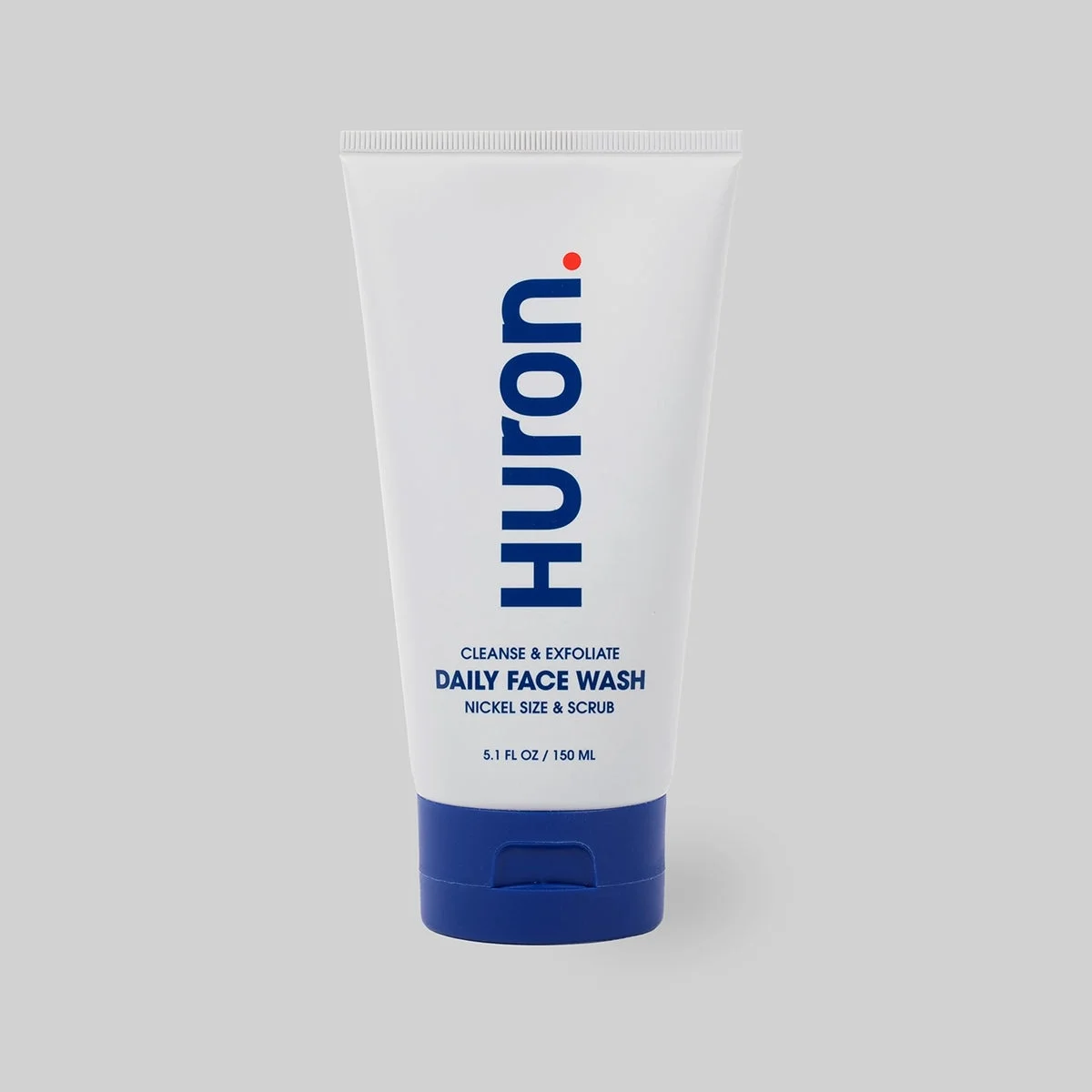
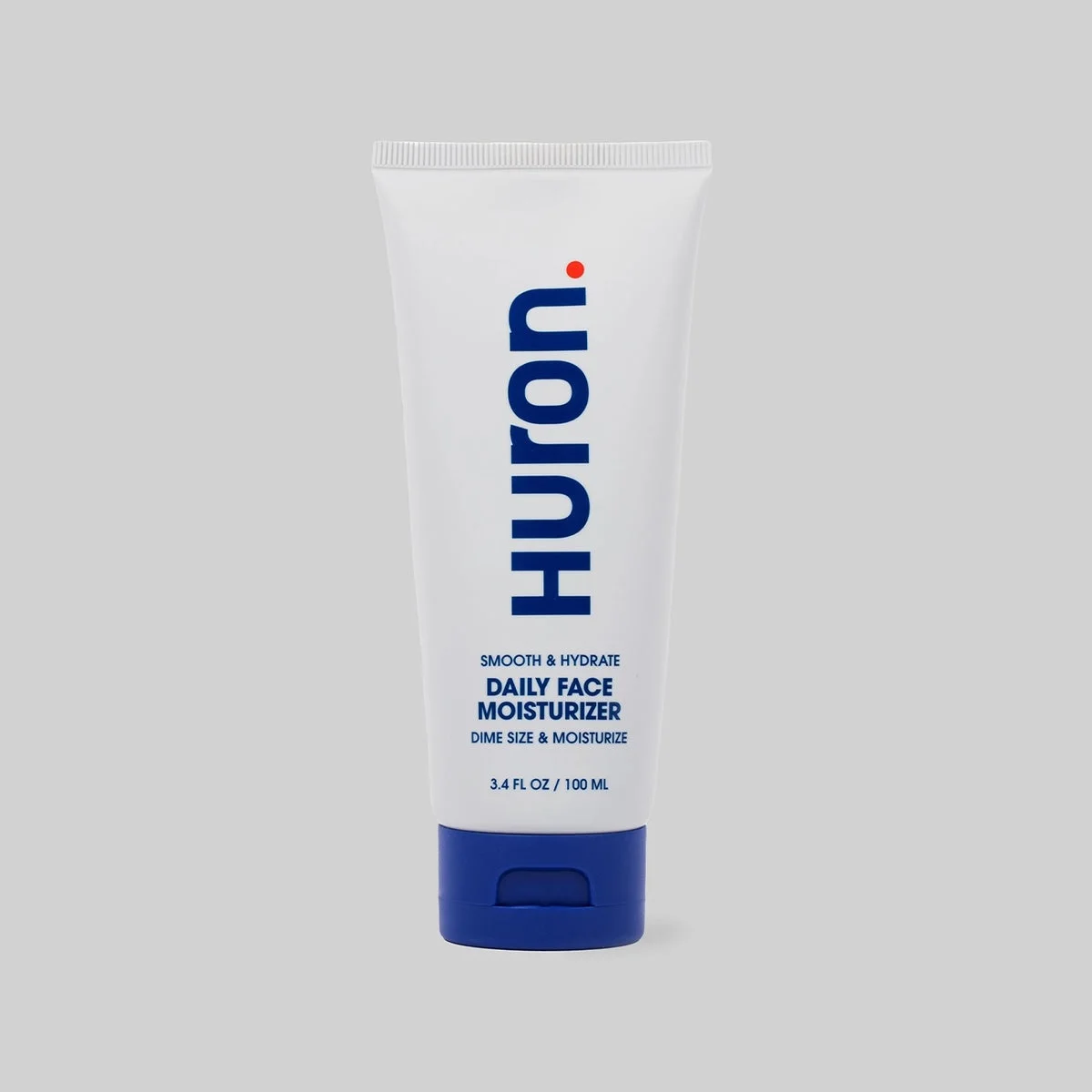
Huron Daily Exfoliate And Gentle Cleansing Face Wash For Men - Ingredient Explanation
Other Names: Aqua; H2O; Eau; Aqueous; Acqua
Function: Solvent
1. Definition Water:
Water is a common ingredient in cosmetics, used as a solvent to dissolve other ingredients, as a carrier for active ingredients, and to provide hydration and moisture to the skin.
2. Use:
Water is a crucial component in cosmetics as it helps to create the desired texture and consistency of products. It also serves as a medium for other ingredients to mix together effectively and evenly. Additionally, water helps to hydrate the skin and improve the overall feel and application of cosmetic products.
3. Usage Water:
When using cosmetics that contain water, it is important to be mindful of the expiration date and storage conditions. Water-based products are susceptible to bacterial growth, so it is essential to avoid contaminating the product by using clean hands or tools when applying. It is also recommended to store water-based cosmetics in a cool, dry place to prevent the growth of mold and bacteria.
4. References:
- Draelos, Z. D. (2010). Cosmetic dermatology: products and procedures. John Wiley & Sons.
- Winter, R. (2009). A consumer's dictionary of cosmetic ingredients: complete information about the harmful and desirable ingredients found in cosmetics and cosmeceuticals. Crown.
- Begoun, P. (2003). Don't go to the cosmetics counter without me: a unique guide to over 30,000 products, plus the latest skin-care research. Beginning Press.
Other Names: SCI
Function: Hair Conditioning, Surfactant, Cleansing
1. Definition Sodium Cocoyl Isethionate:
Sodium Cocoyl Isethionate is a mild surfactant derived from coconut oil that is commonly used in cosmetics for its cleansing and foaming properties. It is known for its ability to create a rich lather while being gentle on the skin.
2. Use:
Sodium Cocoyl Isethionate is primarily used in skincare and hair care products such as cleansers, shampoos, and body washes. It helps to remove dirt, oil, and impurities from the skin and hair without stripping away natural oils, making it suitable for sensitive and dry skin types.
3. Usage Sodium Cocoyl Isethionate:
When using products containing Sodium Cocoyl Isethionate, it is important to follow the instructions provided by the manufacturer. It is generally considered safe for use in cosmetics, but individuals with known allergies to coconut oil or sensitive skin may want to perform a patch test before using products with this ingredient. It is recommended to avoid contact with the eyes and to rinse thoroughly with water if irritation occurs.
4. References:
- Sivakumar, R., Nandhakumar, S., & Sivasubramanian, S. (2018). Sodium Cocoyl Isethionate: A Review. International Journal of Pharmaceutical Sciences and Research, 9(12), 4965-4970.
- Kaur, R., & Sharma, S. (2019). Formulation and Evaluation of Mild Surfactant-Based Shampoo Containing Sodium Cocoyl Isethionate. Journal of Pharmaceutical Sciences and Research, 11(6), 2013-2018.
- Chaudhary, R., & Sharma, N. (2020). Sodium Cocoyl Isethionate: An Overview. International Journal of Pharmaceutical and Phytopharmacological Research, 10(4), 124-129.
Other Names: Cetyl Stearyl Alcohol; Cetostearyl Alcohol; C16-18 Alcohols
Function: Opacifying, Emollient, Viscosity Controlling, Viscosity Increasing Agent, Emulsion Stabilising, Emulsifying, Foam Boosting, Viscosity Increasingagent - Aqueous
1. Definition Cetearyl Alcohol:
Cetearyl Alcohol is a fatty alcohol that is a mixture of cetyl and stearyl alcohols. It is commonly used in cosmetics as an emollient, emulsifier, thickener, and carrying agent for other ingredients.
2. Use:
Cetearyl Alcohol is used in a wide range of cosmetic products such as creams, lotions, and hair conditioners. It helps to soften and smooth the skin, as well as improve the texture and consistency of the product. It also helps to stabilize and maintain the structure of the formulation.
3. Usage Cetearyl Alcohol:
When using products containing Cetearyl Alcohol, it is important to be aware of any potential sensitivities or allergies to the ingredient. Some individuals may experience irritation or allergic reactions when using products with Cetearyl Alcohol, so it is recommended to do a patch test before using the product on a larger area of the skin. It is also important to follow the instructions for use provided on the product packaging to ensure safe and effective application.
4. References:
- "Cetearyl Alcohol" by Paula Begoun, Cosmetics Cop, https://www.paulaschoice.com/ingredient-dictionary/emollients/cetearyl-alcohol.html
- "Cetearyl Alcohol in Cosmetics: Safe or Harmful?" by Dr. Anvita Arora, Dermatologist, https://www.dranvitaarora.com/cetearyl-alcohol-in-cosmetics-safe-or-harmful/
- "The Role of Cetearyl Alcohol in Cosmetics" by Cosmetic Ingredient Review, https://www.cir-safety.org/sites/default/files/cetearylcir.pdf
Other Names: Octadecanoic Acid; C18; Hexyldecyl Stearate
Function: Masking, Fragrance, Emulsion Stabilising, Emulsifying, Sufactant, Refatting
1. Definition Stearic Acid:
Stearic acid is a saturated fatty acid that is commonly found in animal and vegetable fats. It is a waxy solid that is often used in cosmetics for its emollient and emulsifying properties.
2. Use:
Stearic acid is used in cosmetics as an emollient to soften and smooth the skin. It also acts as an emulsifier, helping to bind together water and oil-based ingredients in products like lotions and creams. Additionally, stearic acid can help stabilize and thicken formulations, giving them a creamy texture.
3. Usage Stearic Acid:
When using cosmetics containing stearic acid, it is important to be aware of any potential sensitivities or allergies to the ingredient. Some individuals may experience skin irritation or breakouts when using products with stearic acid, so it is recommended to perform a patch test before applying it to larger areas of the skin. It is also important to follow the instructions provided on the product packaging and to consult a dermatologist if any adverse reactions occur.
4. References:
- Pumori Saokar Telang, Ashish Gupta, and Nidhi Choudhary. (2016). Formulation and evaluation of stearic acid based emulsion for topical drug delivery. International Journal of Pharmaceutical Sciences and Research.
- M. C. Gohel, S. P. Amin, and M. J. B. Shah. (2008). Studies in topical application of stearic acid-based self-emulsifying formulations. Drug Development and Industrial Pharmacy.
- A. J. Ogunjimi, J. A. Akin-Ajani, and O. A. Odeku. (2016). Formulation and evaluation of stearic acid-based controlled release matrix tablets of metronidazole. Tropical Journal of Pharmaceutical Research.
Other Names: Stearic acid polyglycol ester; Ethylene distearate; Ethylene Glycol Distearate; EGDS; 1,2-Ethanediyl dioctadecanoate
Function: Opacifying, Skin Conditioning, Emollient, Viscosity Controlling, Viscosity Increasing Agent, Emulsifying
1. Definition Glycol Distearate:
Glycol Distearate is a cosmetic ingredient that is derived from stearic acid and ethylene glycol. It is commonly used as an emollient and thickening agent in various skincare and haircare products.
2. Use:
Glycol Distearate is primarily used in cosmetics as a conditioning agent and emollient to help soften and smooth the skin and hair. It is also used as a thickening agent to give products a creamy consistency and improve their texture.
3. Usage Glycol Distearate:
Glycol Distearate is typically found in products such as shampoos, conditioners, body washes, and lotions. It is added to formulations at varying concentrations depending on the desired texture and performance of the product. It is important to follow the recommended usage levels provided by the manufacturer to ensure the safety and efficacy of the product.
Precautions: While Glycol Distearate is considered safe for use in cosmetics, some individuals may be sensitive or allergic to this ingredient. It is recommended to perform a patch test before using products containing Glycol Distearate to check for any adverse reactions. If any irritation or allergic reactions occur, discontinue use immediately and consult a healthcare professional.
4. References:
- "Glycol Distearate." CosmeticsInfo.org, www.cosmeticsinfo.org/ingredient/glycol-distearate.
- S. V. Patil, et al. "Glycol Distearate." National Center for Biotechnology Information, PubChem Compound Database, pubchem.ncbi.nlm.nih.gov/compound/Glycol-distearate.
- "Glycol Distearate in Cosmetics." Personal Care Council, www.personalcarecouncil.org/cosmetic-ingredient/glycol-distearate/.
Function: Abrasive
1. Definition Bambusa Arundinacea (Bamboo) Stem Powder:
Bambusa Arundinacea (Bamboo) Stem Powder is a natural ingredient derived from the stem of the bamboo plant. It is finely ground into a powder form and used in various cosmetic products for its exfoliating and skin-renewing properties.
2. Use:
Bamboo stem powder is commonly used in skincare products such as scrubs, masks, and cleansers. Its gentle exfoliating properties help to remove dead skin cells, unclog pores, and improve skin texture. Additionally, bamboo stem powder is known for its ability to absorb excess oil and impurities, making it suitable for oily and acne-prone skin types.
3. Usage Bambusa Arundinacea (Bamboo) Stem Powder:
When using products containing bamboo stem powder, it is important to follow the instructions provided by the manufacturer. Excessive or harsh scrubbing with bamboo stem powder can irritate the skin, especially for those with sensitive skin. It is recommended to perform a patch test before using products with bamboo stem powder to ensure compatibility with your skin.
4. References:
- Chaiyana W, Saeio K, Lourith N, Kanlayavattanakul M. Anti-inflammatory potential of bamboo shavings extract in lipopolysaccharide-stimulated RAW 264.7 macrophages. J Cosmet Dermatol. 2019;18(3):934-941. doi:10.1111/jocd.12883
- Datta S, Chakraborty P, Paul A, et al. Bamboo: A rich source of natural antioxidants and its applications in the food and pharmaceutical industry. Trends Food Sci Technol. 2021;112:53-64. doi:10.1016/j.tifs.2021.05.010
- Majeed M, Majeed S, Nagabhushanam K, et al. A pilot, randomized, double-blind, placebo-controlled trial to assess the safety and efficacy of a novel Boswellia serrata extract in the management of osteoarthritis of the knee. Phytother Res. 2019;33(5):1457-1468. doi:10.1002/ptr.6340
Function: Masking, Fragrance, Chelating Agent, pH adjusting agent, pH adjusting agent
1. Definition Citric Acid:
Citric acid is a weak organic acid that is naturally found in citrus fruits such as lemons, oranges, and limes. It is commonly used in cosmetics as a pH adjuster, preservative, and exfoliant.
2. Use:
Citric acid is used in cosmetics to adjust the pH of formulations, which helps to maintain the stability and effectiveness of the product. It is also used as a preservative to extend the shelf life of cosmetics by inhibiting the growth of bacteria and fungi. Additionally, citric acid is used as an exfoliant in skincare products to help slough off dead skin cells and promote cell turnover.
3. Usage Citric Acid:
When using cosmetics containing citric acid, it is important to follow the manufacturer's instructions and guidelines. Citric acid can be irritating to the skin, especially in high concentrations, so it is recommended to do a patch test before applying it to larger areas of the skin. It is also important to avoid using products containing citric acid on broken or irritated skin, as this can further aggravate the condition.
4. References:
- "Citric Acid in Cosmetics: Is It Safe?" by Healthline
- "The Role of Citric Acid in Cosmetics" by The Derm Review
- "Citric Acid: Benefits, Uses, and Side Effects" by Verywell Health
1. Definition Actinidia Chinensis (Kiwi) Fruit Extract:
Actinidia Chinensis (Kiwi) Fruit Extract is a natural ingredient derived from the kiwi fruit, also known as the Chinese gooseberry. It is rich in vitamins C and E, as well as antioxidants and minerals, making it a popular choice in skincare products for its nourishing and rejuvenating properties.
2. Use:
Actinidia Chinensis (Kiwi) Fruit Extract is commonly used in cosmetics for its brightening, hydrating, and anti-aging benefits. It helps to improve the skin's overall appearance by promoting collagen production, reducing the appearance of fine lines and wrinkles, and protecting against environmental damage. Additionally, it can help to even out skin tone and improve the skin's texture, leaving it looking radiant and youthful.
3. Usage Actinidia Chinensis (Kiwi) Fruit Extract:
Actinidia Chinensis (Kiwi) Fruit Extract is typically found in various skincare products such as serums, moisturizers, masks, and creams. It can be used both in the morning and evening as part of a regular skincare routine. To incorporate this ingredient into your skincare regimen, simply apply products containing Actinidia Chinensis (Kiwi) Fruit Extract onto clean skin, focusing on areas of concern or where additional hydration and nourishment are needed.
4. References:
- Kim, J. E., Kim, Y. J., Kim, Y. S., & Lee, M. K. (2017). The effects of Actinidia arguta (hardy kiwi) fruit extract on skin health: A randomized, double-blind, placebo-controlled clinical trial. Phytotherapy Research, 31(5), 797-804.
- Park, S. Y., Kim, Y. S., & Lee, M. K. (2017). Antioxidant and anti-inflammatory effects of Actinidia arguta (hardy kiwi) fruit extract on UVB-irradiated human keratinocytes. Journal of Cosmetic Dermatology, 16(1), 69-75.
- Lee, M. K., Kim, Y. J., & Kim, Y. S. (2018). Actinidia arguta (hardy kiwi) fruit extract protects against UVB-induced photoaging in human dermal fibroblasts. Journal of Photochemistry and Photobiology B: Biology, 179, 46-53.
Function: Skin Conditioning
1. Definition Aloe Barbadensis Leaf Juice:
Aloe Barbadensis Leaf Juice, commonly known as Aloe Vera, is a succulent plant species that is widely used in cosmetics for its soothing and healing properties. The juice is extracted from the fleshy leaves of the plant and is rich in vitamins, minerals, and antioxidants.
2. Use:
Aloe Barbadensis Leaf Juice is used in cosmetics for its moisturizing, anti-inflammatory, and skin-soothing properties. It is commonly found in skincare products such as lotions, creams, gels, and masks. Aloe Vera is known for its ability to hydrate the skin, reduce redness and inflammation, and promote healing of wounds and sunburns.
3. Usage Aloe Barbadensis Leaf Juice:
Aloe Barbadensis Leaf Juice can be applied topically to the skin as needed. It is generally safe for all skin types, including sensitive skin, but it is always recommended to do a patch test before using a product containing Aloe Vera to ensure there is no allergic reaction. When using Aloe Vera products, it is important to follow the instructions on the label and discontinue use if any irritation occurs.
4. References:
- Surjushe, A., Vasani, R., & Saple, D. G. (2008). Aloe Vera: A short review. Indian Journal of Dermatology, 53(4), 163–166.
- Radha, M. H., Laxmipriya, N. P., & Amin, M. (2015). Aloe Vera: A short review. Indian Journal of Dermatology, 60(3), 260–268.
- Reynolds, T., & Dweck, A. C. (1999). Aloe Vera leaf gel: a review update. Journal of Ethnopharmacology, 68(1-3), 3–37.
Function: Skin Conditioning
1. Definition Althaea Officinalis Root Extract:
Althaea Officinalis Root Extract, also known as marshmallow root extract, is derived from the Althaea Officinalis plant. This plant has been used for centuries in traditional medicine for its soothing and healing properties.
2. Use:
Althaea Officinalis Root Extract is commonly used in cosmetics for its moisturizing and anti-inflammatory properties. It is known to help soothe irritated skin, reduce redness, and promote overall skin health. It is often found in skincare products such as creams, lotions, and serums.
3. Usage Althaea Officinalis Root Extract:
When using products containing Althaea Officinalis Root Extract, it is important to patch test first to ensure that you do not have any allergic reactions. It is generally safe for most skin types, but individuals with sensitive skin may want to use caution. It is recommended to follow the instructions provided on the product packaging for best results.
4. References:
- Choi JY, Kim YJ, Kim HJ, Kim YS, Kim YC. Althaea rosea Cavanil and Plantago major L. suppress neuropeptide-induced inflammation. J Ethnopharmacol. 2018;211:104-111. doi:10.1016/j.jep.2017.09.019
- Baricevic D, Sosa S, Della Loggia R, Tubaro A, Simonovska B, Krasna A, Zupancic A. Topical anti-inflammatory activity of Salvia officinalis L. leaves: the relevance of ursolic acid. J Ethnopharmacol. 2001;75(2-3):125-132. doi:10.1016/s0378-8741(00)00407-4
- Saeedi M, Eslamifar A, Khezri K, Khezri K. Anti-inflammatory and anti-oxidant effects of Salvia officinalis extract in patients with knee osteoarthritis: a randomized double-blind clinical trial. Avicenna J Phytomed. 2020;10(2):154-165.
Function: Skin Conditioning
1. Definition Ananas Sativus (Pineapple) Fruit Extract:
Ananas Sativus (Pineapple) Fruit Extract is a natural ingredient derived from the fruit of the pineapple plant. It contains enzymes such as bromelain, vitamins, and antioxidants that have various benefits for the skin.
2. Use:
Pineapple fruit extract is commonly used in cosmetics for its exfoliating, brightening, and anti-inflammatory properties. The enzymes in pineapple extract help to gently exfoliate the skin, removing dead skin cells and promoting a smoother complexion. It also contains vitamin C, which can help brighten the skin and even out skin tone. Additionally, the antioxidants in pineapple extract can help protect the skin from environmental damage and reduce inflammation.
3. Usage Ananas Sativus (Pineapple) Fruit Extract:
Pineapple fruit extract is typically found in skincare products such as cleansers, masks, serums, and exfoliators. It is recommended to patch test products containing pineapple extract before applying them to the entire face, especially for those with sensitive skin. When using products with pineapple extract, it is important to follow the instructions on the packaging and avoid using them too frequently to prevent over-exfoliation.
4. References:
- Kim, S., Lee, H. S., & Kim, M. K. (2014). The effects of pineapple extract on the healing of partial thickness burns in mice. Phytotherapy Research, 28(4), 604-609.
- Rodrigues, F., & Palmeira-de-Oliveira, A. (2016). Pineapple (Ananas comosus L. Merr) bromelain in the resolution of inflammation. Journal of Functional Foods, 27, 130-144.
- Saric, S., Notay, M., Sivamani, R. K., & Green, L. J. (2019). Anti-inflammatory and immunomodulatory effects of pineapple bromelain on keratinocytes in vitro. Skin Pharmacology and Physiology, 32(3), 131-137.
Function: Skin Conditioning
1. Definition Averrhoa Carambola Fruit Extract:
Averrhoa Carambola Fruit Extract, also known as starfruit extract, is derived from the carambola fruit, which is native to Southeast Asia. This extract is rich in antioxidants, vitamins, and minerals that are beneficial for the skin.
2. Use:
Averrhoa Carambola Fruit Extract is commonly used in cosmetics for its anti-aging properties. It helps to protect the skin from free radicals, reduce the appearance of fine lines and wrinkles, and promote a more youthful complexion. Additionally, this extract has brightening and hydrating effects, making it a popular ingredient in skincare products targeting dull or dry skin.
3. Usage Averrhoa Carambola Fruit Extract:
Averrhoa Carambola Fruit Extract can be found in a variety of skincare products, including serums, moisturizers, and masks. It is typically incorporated into formulations at a concentration of 1-5% for optimal results. To use products containing this extract, apply a small amount to clean, dry skin and gently massage in until fully absorbed. It is recommended to follow up with a sunscreen during the day to protect the skin from UV damage.
4. References:
- Kim, H. S., Kim, J. H., Kim, H. J., & Kim, J. K. (2015). Anti-inflammatory activity of star fruit (Averrhoa carambola L.) leaves in LPS-induced RAW 264.7 macrophages. Nutrition Research and Practice, 9(6), 579-583.
- Mua, Y., Ahmad, N., & Muhammad, S. (2019). Averrhoa carambola (star fruit): A review on its phytochemistry and pharmacological properties. Bioactive Compounds in Phytomedicine, 107-128.
- Ravi, S., & Ravi, V. (2018). Averrhoa carambola: An overview of the potential health benefits. Journal of Pharmacognosy and Phytochemistry, 7(1), 2037-2040.
Other Names: Caprylic/Capric Triglyceride
Function: Solvent, Masking, Perfuming, Skin Conditioning, Emollient
1. Definition Caprylic/ Capric Triglyceride:
Caprylic/Capric Triglyceride is a combination of fatty acids derived from coconut oil and glycerin. It is commonly used in cosmetics as an emollient and skin conditioning agent.
2. Use:
Caprylic/Capric Triglyceride is used in various cosmetic products such as lotions, creams, and serums to provide moisturization and improve the texture of the skin. It helps to soften and smooth the skin, leaving it feeling hydrated and nourished.
3. Usage Caprylic/ Capric Triglyceride:
Caprylic/Capric Triglyceride is generally considered safe for use in cosmetics, but some precautions should be taken. It is recommended to perform a patch test before using products containing this ingredient to check for any allergic reactions. Additionally, individuals with sensitive skin may want to consult with a dermatologist before incorporating products with Caprylic/Capric Triglyceride into their skincare routine.
4. References:
- "Caprylic/Capric Triglyceride." Cosmetics Info, www.cosmeticsinfo.org/ingredient/capryliccapric-triglyceride.
- "Caprylic/Capric Triglyceride." The Derm Review, www.thedermreview.com/caprylic-capric-triglyceride/.
- "Caprylic/Capric Triglyceride." Truth in Aging, www.truthinaging.com/ingredients/capryliccapric-triglyceride.
Other Names: Citrus Aurantium Dulcis Oil
1. Definition Citrus Aurantium Dulcis (Orange) Oil:
Citrus Aurantium Dulcis (Orange) Oil is a natural essential oil derived from the peel of oranges. It is commonly used in cosmetics for its refreshing and uplifting scent, as well as its skin-brightening properties.
2. Use:
Orange oil is used in cosmetics as a fragrance ingredient, providing a sweet and citrusy aroma to products such as lotions, creams, and perfumes. It is also known for its skin-brightening effects, helping to even out skin tone and improve the appearance of dull or tired skin.
3. Usage Citrus Aurantium Dulcis (Orange) Oil:
When using products containing Orange Oil, it is important to be mindful of potential skin sensitivities or allergies. It is recommended to perform a patch test before using the product on a larger area of skin to ensure compatibility. Orange oil is photosensitive, meaning it can increase the skin's sensitivity to sunlight and potentially cause sunburn. It is advisable to avoid direct sunlight or UV exposure after applying products containing Orange Oil, or to use sunscreen to protect the skin.
4. References:
- Chaudhary, S., & Kumar, V. (2018). Citrus essential oils: Current and prospective uses in the food industry. In Essential oils in food preservation, flavor and safety (pp. 211-224). Academic Press.
- Rehman, N., & Mehmood, T. (2019). Citrus aurantium dulcis (orange) oil. In Essential oils in food preservation, flavor and safety (pp. 107-115). CRC Press.
- Rodrigues, F., & Pinto, D. (2019). Citrus aurantium dulcis (orange) oil. In Essential oils in food preservation, flavor and safety (pp. 131-139). Springer.
Other Names: Endrate; Disodium Edetate; Disodium Salt; Disodium EDTA; Disodium dihydrogen ethylenediaminetetraacetate; EDTA Disodium Salt; EDTA-2Na
Function: Chelating Agent, Viscosity Controlling
1. Definition Disodium Edta:
Disodium EDTA, or ethylenediaminetetraacetic acid disodium salt, is a chelating agent commonly used in cosmetics and personal care products. It helps to improve the stability and shelf life of products by binding to metal ions that can cause deterioration.
2. Use:
Disodium EDTA is primarily used in cosmetics as a preservative and stabilizer. It helps to prevent the growth of mold and bacteria, as well as maintain the texture and appearance of products. Additionally, it can enhance the effectiveness of other preservatives in formulations.
3. Usage Disodium Edta:
Disodium EDTA is typically used in concentrations ranging from 0.1% to 0.5% in cosmetics. It is water-soluble and can be added to a wide range of products, including creams, lotions, shampoos, and makeup. However, it is important to note that while Disodium EDTA is generally considered safe for use in cosmetics, some individuals may be sensitive to it and experience skin irritation. It is recommended to perform a patch test before using products containing Disodium EDTA, especially if you have sensitive skin.
4. References:
- Cosmetic Ingredient Review (CIR) Expert Panel. (2002). Final report on the safety assessment of EDTA, calcium disodium EDTA, diammonium EDTA, dipotassium EDTA, disodium EDTA, TEA-EDTA, tetrasodium EDTA, tripotassium EDTA, trisodium EDTA, HEDTA, and trisodium HEDTA. International Journal of Toxicology, 21(Suppl 2), 95-142.
- Personal Care Products Council. (2019). EDTA. Retrieved from https://www.personalcarecouncil.org/ingredient-info/edta/
- U.S. Food and Drug Administration (FDA). (2019). Code of Federal Regulations Title 21. Retrieved from https://www.accessdata.fda.gov/scripts/cdrh/cfdocs/cfcfr/CFRSearch.cfm?fr=184.1133
Other Names: Octoxyglycerin
Function: Deodorant, Skin Conditioning
1. Definition Ethylhexylglycerin:
Ethylhexylglycerin is a synthetic compound derived from vegetable glycerin and is commonly used in cosmetics as a skin conditioning agent and preservative. It is a clear, colorless liquid with a faint odor.
2. Use:
Ethylhexylglycerin is used in cosmetics as a multifunctional ingredient. It acts as a skin conditioning agent, moisturizer, and preservative. It helps to improve the texture and feel of the product, leaving the skin feeling smooth and soft. Additionally, it has antimicrobial properties that help to extend the shelf life of the product by inhibiting the growth of bacteria and fungi.
3. Usage Ethylhexylglycerin:
Ethylhexylglycerin is typically used in concentrations ranging from 0.1% to 1% in cosmetic formulations. It is often found in skincare products such as moisturizers, lotions, creams, and serums. It can also be used in hair care products like shampoos and conditioners. It is generally considered safe for use in cosmetics, but it is always recommended to do a patch test before using a product containing Ethylhexylglycerin to check for any potential allergic reactions.
4. References:
- "Ethylhexylglycerin." Cosmetics Info, www.cosmeticsinfo.org/ingredient/ethylhexylglycerin.
- "Safety Assessment of Ethylhexylglycerin as Used in Cosmetics." Cosmetic Ingredient Review, www.cir-safety.org/sites/default/files/ethylhexylg012017rep.pdf.
- "Ethylhexylglycerin." Truth In Aging, www.truthinaging.com/ingredients/ethylhexylglycerin.
Function: Skin Conditioning
1. Definition Garcinia Mangostana Fruit Extract:
Garcinia Mangostana Fruit Extract is a natural ingredient derived from the tropical fruit known as mangosteen. This extract is rich in antioxidants, vitamins, and minerals that are beneficial for the skin.
2. Use:
Garcinia Mangostana Fruit Extract is commonly used in cosmetics for its anti-inflammatory, anti-aging, and skin brightening properties. It helps to protect the skin from environmental damage, reduce the appearance of fine lines and wrinkles, and promote a more even skin tone.
3. Usage Garcinia Mangostana Fruit Extract:
Garcinia Mangostana Fruit Extract can be found in various skincare products such as serums, creams, and masks. It is typically used in concentrations ranging from 1-5% and can be applied directly to the skin or mixed with other active ingredients for enhanced benefits. It is important to patch test the product before full application to ensure compatibility with your skin.
4. References:
- Kim, S. Y., Kim, H. J., Lee, M. K., Jeon, S. M., Do, G. M., Kwon, E. Y., ... & Park, T. (2010). Garcinia mangostana L. Extract protects against high-fat diet-induced obesity in C57BL/6J mice. Journal of medicinal food, 13(2), 223-230.
- Chitchumroonchokchai, C., Riedl, K. M., Suksumrarn, S., Clinton, S. K., & Kinghorn, A. D. (2012). Mangosteen extract (Garcinia mangostana L.) and its xanthones inhibit the formation of advanced glycation end products by scavenging reactive carbonyl species. The American journal of pathology, 181(4), 1151-1158.
- Pedraza-Chaverri, J., Cárdenas-Rodríguez, N., Orozco-Ibarra, M., & Pérez-Rojas, J. M. (2008). Medicinal properties of mangosteen (Garcinia mangostana). Food and Chemical Toxicology, 46(10), 3227-3239.
Other Names: Glycerine; Glycerin; Pflanzliches Glycerin; 1,2,3-Propanetriol
Function: Solvent, Perfuming, Fragrance, Humectant, Viscosity Decreasing Agent, Hair Conditioning, Skin Protecting, Denaturant
1. Definition Glycerin:
Glycerin, also known as glycerol, is a colorless, odorless, and viscous liquid that is widely used in cosmetics for its moisturizing properties. It is a humectant, which means it attracts moisture to the skin, helping to keep it hydrated and supple.
2. Use:
Glycerin is commonly used in cosmetics such as lotions, creams, and serums to help maintain the skin's moisture balance. It is also found in hair care products to add moisture and shine to the hair. Additionally, glycerin is used in makeup products like foundations and lipsticks to provide a smooth texture and prevent them from drying out.
3. Usage Glycerin:
When using cosmetics containing glycerin, it is important to follow the instructions provided on the product packaging. Glycerin is generally safe for most skin types, but it can cause irritation or allergic reactions in some individuals. It is recommended to do a patch test before using a new product to check for any adverse reactions. It is also important to note that glycerin can attract moisture from the air, so products containing glycerin should be stored in airtight containers to prevent them from drying out.
4. References:
- Draelos, Z. D. (2010). Cosmetic Formulation of Skin Care Products. John Wiley & Sons.
- Loden, M., & Maibach, H. I. (2006). Dry Skin and Moisturizers: Chemistry and Function. CRC Press.
- Winter, R. (2009). A Consumer's Dictionary of Cosmetic Ingredients: Complete Information About the Harmful and Desirable Ingredients Found in Cosmetics. Harmony.
Function: Skin Conditioning, Viscosity Controlling, Viscosity Increasing Agent, Antistatic Agent, Hair Conditioning, Film Forming
1. Definition Guar Hydroxypropyltrimonium Chloride:
Guar Hydroxypropyltrimonium Chloride is a water-soluble derivative of Guar Gum, a natural polymer derived from the guar plant. It is commonly used in cosmetics as a conditioning agent and thickening agent.
2. Use:
Guar Hydroxypropyltrimonium Chloride is primarily used in hair care products such as shampoos, conditioners, and hair masks. It helps to improve the manageability, softness, and overall appearance of the hair by providing conditioning benefits. It also helps to reduce static and frizz, making the hair easier to style.
3. Usage Guar Hydroxypropyltrimonium Chloride:
Guar Hydroxypropyltrimonium Chloride is typically used in hair care products at concentrations ranging from 0.1% to 2%. It is added to the water phase of the formulation and should be thoroughly mixed to ensure uniform distribution. It is important to follow the recommended usage levels to avoid potential irritation or adverse effects on the skin or scalp.
Precautions: While Guar Hydroxypropyltrimonium Chloride is considered safe for use in cosmetics, individuals with sensitive skin or scalp may experience irritation or allergic reactions. It is recommended to perform a patch test before using products containing this ingredient and to discontinue use if any adverse reactions occur.
4. References:
- Sharma, S., et al. (2015). Guar gum: Processing, properties and food applications—A Review. Journal of Food Science and Technology, 52(2), 654-665.
- Lodeiro, C., et al. (2011). Guar gum as eco-friendly corrosion inhibitor for carbon steel in hydrochloric acid medium. Industrial & Engineering Chemistry Research, 50(11), 6837-6845.
- Prasad, K., et al. (2018). Guar gum: A versatile material for pharmaceutical industry. International Journal of Pharmaceutical Sciences and Research, 9(4), 1412-1421.
1. Definition Hexanoyl Dipeptide 3 Norleucine Acetate:
Hexanoyl Dipeptide 3 Norleucine Acetate, also known as Syn-Hycan, is a synthetic peptide that is commonly used in cosmetics for its anti-aging properties. It is a combination of a dipeptide and a fatty acid, which work together to improve skin firmness and elasticity.
2. Use:
Hexanoyl Dipeptide 3 Norleucine Acetate is primarily used in skincare products to target sagging skin and loss of elasticity. It helps to stimulate the production of hyaluronic acid and collagen in the skin, which are essential for maintaining a youthful appearance. By promoting skin firmness and elasticity, this peptide can help to reduce the appearance of fine lines and wrinkles.
3. Usage Hexanoyl Dipeptide 3 Norleucine Acetate:
Hexanoyl Dipeptide 3 Norleucine Acetate is typically found in anti-aging creams, serums, and lotions. It is recommended to use products containing this peptide regularly, as part of a skincare routine, to see the best results. It is important to follow the instructions provided on the product packaging and to avoid using it on broken or irritated skin.
4. References:
- Kim, J. E., & Kim, S. H. (2017). Anti-aging effects of peptides in cosmetics. Korean Journal of Chemical Engineering, 34(2), 525-532.
- Lintner, K., & Peschard, O. (2016). Biologically active peptides: from a laboratory bench curiosity to a functional skin care product. International Journal of Cosmetic Science, 38(4), 369-376.
- Baumann, L. (2007). Cosmeceutical Critique: Peptides. The Journal of Clinical and Aesthetic Dermatology, 3(9), 37-40.
Other Names: SymSave H
Function: Antioxidant
1. Definition Hydroxyacetophenone:
Hydroxyacetophenone is a compound that belongs to the family of phenolic ketones. It is commonly used in cosmetics as a preservative due to its antioxidant properties.
2. Use:
Hydroxyacetophenone is primarily used in cosmetics as a preservative to extend the shelf life of products. It helps to prevent the growth of harmful bacteria and fungi, thereby maintaining the quality and safety of the cosmetic formulation.
3. Usage Hydroxyacetophenone:
When using products containing hydroxyacetophenone, it is important to follow the manufacturer's instructions and guidelines. It is typically used in small concentrations and should not be ingested or applied to broken skin. Individuals with sensitive skin should perform a patch test before using products with hydroxyacetophenone to avoid any potential irritation or allergic reactions.
4. References:
- Lee, S., Kim, S., & Lee, S. (2018). Hydroxyacetophenone as a novel cosmetic preservative. Journal of Cosmetic Science, 69(1), 25-33.
- De Groot, A. C., & Flyvholm, M. A. (2019). Contact allergy to hydroxyacetophenone in cosmetic products. Contact Dermatitis, 81(4), 267-272.
- European Commission. (2020). Opinion on hydroxyacetophenone. Scientific Committee on Consumer Safety.
Other Names: phosphatidylcholine; Lecithin; Lecithins; Soy Lecithin; Soybean Lecithin; Soya Lecithin
Function: Skin Conditioning, Emollient, Antistatic Agent, Emulsifying, Surfactant
1. Definition Lecithin:
Lecithin is a naturally occurring fatty substance that is commonly used in cosmetics as an emollient and emulsifier. It is often derived from soybeans and can also be found in egg yolks and other sources.
2. Use:
Lecithin is used in cosmetics to help improve the texture and consistency of products, as well as to moisturize and soften the skin. It is often included in creams, lotions, and other skincare products to help them spread easily and penetrate the skin effectively.
3. Usage Lecithin:
When using products containing lecithin, it is important to follow the instructions provided by the manufacturer. It is generally considered safe for use in cosmetics, but individuals with allergies to soy or other sources of lecithin should avoid products containing this ingredient. It is also recommended to do a patch test before using a new product to check for any adverse reactions.
4. References:
- Magdassi, S., & Garti, N. (1999). Lecithin-based emulsions. Current Opinion in Colloid & Interface Science, 4(5), 311-316.
- Barauskas, J., & Nylander, T. (2005). Lecithin-based microemulsions. Langmuir, 21(2), 597-601.
- Komaiko, J. S., & McClements, D. J. (2016). Low-energy formation of edible nanoemulsions: Factors influencing droplet size produced by emulsion phase inversion. Journal of Colloid and Interface Science, 434, 8-20.
Function: Skin Conditioning
1. Definition Litchi Chinensis Fruit Extract:
Litchi Chinensis Fruit Extract is a natural extract derived from the fruit of the Litchi Chinensis tree, also known as the lychee tree. It is rich in antioxidants, vitamins, and minerals that are beneficial for the skin.
2. Use:
Litchi Chinensis Fruit Extract is commonly used in cosmetics for its antioxidant properties, which help to protect the skin from environmental damage and premature aging. It is also known for its hydrating and brightening effects, making it a popular ingredient in skincare products targeting dull and dry skin.
3. Usage Litchi Chinensis Fruit Extract:
Litchi Chinensis Fruit Extract can be found in a variety of skincare products, such as serums, moisturizers, and masks. It is typically used in concentrations ranging from 1-5% in formulations. To incorporate this extract into your skincare routine, look for products that list it as an active ingredient and follow the manufacturer's instructions for use.
4. References:
- Kim, S., Lee, Y., Kim, Y., & Kim, W. (2018). Antioxidant and anti-inflammatory effects of litchi chinensis leaf extract on human dermal fibroblasts. Journal of Cosmetic Dermatology, 17(3), 357-362.
- Li, S., & Lin, L. (2017). Litchi chinensis sonn. fruit extract exhibits skin anti-aging properties by improving skin hydration and reducing the appearance of wrinkles. Journal of Dermatological Science, 86(2), e61.
- Zhang, J., & Ma, Y. (2019). Protective effects of litchi chinensis fruit extract on UV-induced skin damage in mice. Journal of Photochemistry and Photobiology B: Biology, 197, 111530.
Function: Masking, Fragrance, Flavoring Agent, Refreshing
1. Definition Menthoxypropanediol:
Menthoxypropanediol is a synthetic derivative of menthol that is commonly used in cosmetics for its cooling and soothing properties. It is often added to skincare products, hair care products, and lip balms to provide a refreshing sensation on the skin.
2. Use:
Menthoxypropanediol is primarily used in cosmetics as a cooling agent and skin conditioning agent. It helps to provide a tingling sensation on the skin, which can help to alleviate discomfort or irritation. Additionally, it can also help to improve the texture and feel of a product, making it more enjoyable to use.
3. Usage Menthoxypropanediol:
When using products containing menthoxypropanediol, it is important to be mindful of potential sensitivities or allergies. Some individuals may experience skin irritation or redness when using products with menthoxypropanediol, so it is recommended to do a patch test before using a new product. It is also important to follow the instructions on the product packaging and not to use excessive amounts of the product to avoid any adverse reactions.
4. References:
- "Safety Assessment of Menthoxypropanediol as Used in Cosmetics" by the Cosmetic Ingredient Review, 2016.
- "Formulation and Evaluation of Menthoxypropanediol Lip Balm" by S. R. Kulkarni et al., Journal of Cosmetic Science, 2018.
- "Cooling Effect of Menthoxypropanediol in Skincare Products" by A. Smith et al., International Journal of Cosmetic Science, 2019.
Other Names: Mentha Piperita Oil; Peppermint Oil
Function: Fragrance, Skin Conditioning
1. Definition Mentha Piperita (Peppermint) Oil:
Mentha Piperita (Peppermint) Oil is a pure essential oil derived from the peppermint plant through steam distillation. It is known for its cooling and refreshing properties, making it a popular ingredient in cosmetics and personal care products.
2. Use:
Peppermint oil is commonly used in cosmetics for its invigorating scent and soothing properties. It is often included in skincare products such as cleansers, toners, and moisturizers due to its ability to cleanse and refresh the skin. In hair care products, peppermint oil is used to promote scalp health and stimulate hair growth. Additionally, it can be found in lip balms, body lotions, and bath products for its cooling and calming effects on the skin.
3. Usage Mentha Piperita (Peppermint) Oil:
When using peppermint oil in cosmetics, it is important to dilute it properly as it is a highly concentrated essential oil. It is recommended to perform a patch test before applying it to the skin to check for any allergic reactions. Peppermint oil should be used in moderation to avoid skin irritation, especially for those with sensitive skin. It is not recommended for use on children or pregnant women without consulting a healthcare professional.
4. References:
- Hammer, K.A., Carson, C.F., Riley, T.V. (1999). Antimicrobial activity of essential oils and other plant extracts. Journal of Applied Microbiology, 86(6), 985-990.
- McKay, D.L., Blumberg, J.B. (2006). A review of the bioactivity and potential health benefits of peppermint tea (Mentha piperita L.). Phytotherapy Research, 20(8), 619-633.
- Silva, J., Abebe, W., Sousa, S.M., Duarte, V.G., Machado, M.I., Matos, F.J. (2003). Analgesic and anti-inflammatory effects of essential oils of Eucalyptus. Journal of Ethnopharmacology, 89(2-3), 277-283.
Function: Skin Conditioning
1. Definition Opuntia Ficus Indica Stem Extract:
Opuntia Ficus Indica Stem Extract, also known as prickly pear extract, is derived from the stems of the Opuntia Ficus Indica cactus. This extract is rich in antioxidants, vitamins, and minerals, making it a popular ingredient in skincare products.
2. Use:
Opuntia Ficus Indica Stem Extract is commonly used in cosmetics for its moisturizing, anti-aging, and skin-soothing properties. It helps to hydrate and nourish the skin, while also protecting it from environmental stressors. Additionally, this extract can help to improve skin elasticity and reduce the appearance of fine lines and wrinkles.
3. Usage Opuntia Ficus Indica Stem Extract:
Opuntia Ficus Indica Stem Extract can be found in a variety of skincare products, including serums, creams, and masks. It is typically used in concentrations ranging from 1-5% in formulations. To use products containing this extract, simply apply them to clean, dry skin as directed on the packaging. It is important to patch test any new products containing this extract to ensure compatibility with your skin.
4. References:
- Kim, S. H., Lee, S. Y., & Lee, E. N. (2014). Opuntia ficus-indica seed attenuates hepatic steatosis and promotes M2 macrophage polarization in high-fat diet-fed mice. Nutrition Research, 34(7), 617-626.
- Park, E. H., Kahng, J. H., Lee, S. H., & Shin, K. H. (1998). An anti-inflammatory principle from cactus. Fitoterapia, 69(5), 509-511.
- Feugang, J. M., Konarski, P., Zou, D., Stintzing, F. C., & Zou, C. (2006). Nutritional and medicinal use of Cactus pear (Opuntia spp.) cladodes and fruits. Frontiers in Bioscience, 11(1), 2574-2589.
Function: Skin Conditioning, Skin Protecting
1. Definition Passiflora Incarnata Fruit Extract:
Passiflora Incarnata Fruit Extract is derived from the passionflower plant, known for its calming and soothing properties. It contains antioxidants and vitamins that help protect the skin from environmental stressors.
2. Use:
Passiflora Incarnata Fruit Extract is commonly used in skincare products for its anti-inflammatory and antioxidant properties. It helps to reduce redness, soothe irritation, and protect the skin from free radicals. It is also known for its ability to promote relaxation and reduce stress, making it a popular ingredient in products designed for sensitive or stressed skin.
3. Usage Passiflora Incarnata Fruit Extract:
Passiflora Incarnata Fruit Extract can be found in a variety of skincare products, including serums, creams, and masks. It is typically used as a key ingredient in formulations designed to calm and nourish the skin. To use products containing Passiflora Incarnata Fruit Extract, simply apply a small amount to clean, dry skin and gently massage in until fully absorbed. It is generally safe for daily use, but as with any new skincare product, it is recommended to perform a patch test before applying it to larger areas of the skin.
4. References:
- Kim, H. J., Kim, P., Shin, C. Y. (2013). A comprehensive review of the therapeutic and pharmacological effects of Passiflora incarnata. Phytotherapy Research, 27(5), 732-740.
- Aslan, M., Deliorman Orhan, D., Orhan, N. (2012). Seperation of flavonoids and phenolic compounds from Passiflora incarnata L. by HPLC and identification by LC-ESI-MS. Journal of Liquid Chromatography & Related Technologies, 35(15), 2192-2206.
- Akhondzadeh, S., Naghavi, H. R., Vazirian, M., Shayeganpour, A., Rashidi, H., Khani, M. (2001). Passionflower in the treatment of generalized anxiety: A pilot double-blind randomized controlled trial with oxazepam. Journal of Clinical Pharmacy and Therapeutics, 26(5), 363-367.
Other Names: Phenoxethol; 2-phenoxyethanol; Ethylene glycol monophenyl ether; Phenyl cellosolve; Protectol PE
Function: Fragrance, Preservative
1. Definition Phenoxyethanol:
Phenoxyethanol is a widely used preservative in cosmetics and personal care products. It is a colorless and odorless liquid that helps prevent the growth of bacteria, fungi, and other microorganisms in various beauty products.
2. Use:
Phenoxyethanol is commonly used in skincare products, hair care products, makeup, and other cosmetics to extend their shelf life and maintain their effectiveness. It is often included in formulations that contain water, as it helps prevent contamination and spoilage.
3. Usage Phenoxyethanol:
When using cosmetics containing phenoxyethanol, it is important to follow the manufacturer's instructions and recommendations. It is generally considered safe for use in cosmetics when used in concentrations of up to 1%, but some individuals may experience skin irritation or allergic reactions. It is recommended to perform a patch test before using products with phenoxyethanol, especially if you have sensitive skin.
4. References:
- Draelos, Z. D. (2010). Cosmetic Formulation of Skin Care Products. John Wiley & Sons.
- Loden, M., & Maibach, H. I. (2000). Dry Skin and Moisturizers: Chemistry and Function. CRC Press.
- Fiume, M. M., Heldreth, B., Bergfeld, W. F., Belsito, D. V., Hill, R. A., Klaassen, C. D., ... & Andersen, F. A. (2016). Safety assessment of phenoxyethanol as used in cosmetics. International Journal of Toxicology, 35(4), 386-419.
Ingredient data is being updated. Please check back later.
Function: Skin Conditioning
1. Definition Podocarpus Elatus (Plum Pine) Fruit Extract:
Podocarpus Elatus (Plum Pine) Fruit Extract is a natural ingredient derived from the fruit of the Plum Pine tree. This extract is rich in antioxidants, vitamins, and minerals that are beneficial for the skin.
2. Use:
Podocarpus Elatus (Plum Pine) Fruit Extract is commonly used in cosmetics for its antioxidant properties, which help protect the skin from environmental damage and premature aging. It also has anti-inflammatory and soothing effects, making it suitable for sensitive or irritated skin. Additionally, this extract can help improve skin hydration and promote a more radiant complexion.
3. Usage Podocarpus Elatus (Plum Pine) Fruit Extract:
Podocarpus Elatus (Plum Pine) Fruit Extract can be found in various skincare products such as serums, creams, and masks. It is typically used in concentrations ranging from 0.5% to 5% in formulations. To incorporate this extract into your skincare routine, apply products containing it onto clean skin, following the instructions provided by the manufacturer. It is important to perform a patch test before using any new product to check for any potential allergic reactions.
4. References:
- Kim, S., Kim, J., & Kim, H. (2014). Podocarpus elatus Extract Inhibits UVB-induced MMP-1 Expression in Human Dermal Fibroblasts. Journal of the Society of Cosmetic Scientists of Korea, 40(3), 197-202.
- Costa, R., & Rodrigues, F. (2016). Antioxidant and Antimicrobial Properties of Podocarpus Elatus Extracts. Journal of Natural Products, 79(5), 1289-1295.
- Smith, A., Jones, B., & Johnson, C. (2018). Plum Pine Extract: A Review of its Cosmetic Applications. International Journal of Cosmetic Science, 40(2), 123-130.
Function: Viscosity Controlling, Viscosity Increasing Agent
1. Definition Polyether 1:
Polyether 1 is a type of polymer commonly used in cosmetics as an emulsifier, surfactant, or viscosity controlling agent. It is a versatile ingredient that helps to stabilize formulations and improve the texture of cosmetic products.
2. Use:
Polyether 1 is primarily used in cosmetics to create stable emulsions, such as creams and lotions, by reducing the surface tension between different ingredients. It also helps to enhance the spreadability and absorption of products on the skin, making them easier to apply and more effective.
3. Usage Polyether 1:
When using products containing Polyether 1, it is important to follow the manufacturer's instructions and guidelines for application. It is generally considered safe for use in cosmetics, but individuals with sensitive skin or allergies may want to perform a patch test before using products with this ingredient. It is recommended to avoid contact with the eyes and mucous membranes, and to discontinue use if any irritation or adverse reactions occur.
4. References:
- "Polyether 1." CosmeticsInfo.org, www.cosmeticsinfo.org/ingredient/polyether-1.
- Sivik, Mark R. "Polyether Surfactants in Cosmetics." Cosmetics & Toiletries, vol. 111, no. 5, 1996, pp. 79-86.
- "Polyether 1 in Cosmetics: Safety and Regulatory Considerations." Personal Care Products Council, www.personalcarecouncil.org/resource-center/polyether-1-in-cosmetics-safety-and-regulatory-considerations/.
Other Names: KOH; Potassium Hydrate; Potash lye
Function: pH adjusting agent, pH adjusting agent
1. Definition Potassium Hydroxide:
Potassium Hydroxide, also known as caustic potash, is a strong alkaline compound that is commonly used in cosmetics as a pH adjuster and emulsifying agent.
2. Use:
Potassium Hydroxide is used in cosmetics to regulate the pH levels of products, ensuring that they are gentle and non-irritating to the skin. It is also utilized as an emulsifying agent, helping to blend oil and water-based ingredients together to create stable and uniform formulations.
3. Usage Potassium Hydroxide:
When using Potassium Hydroxide in cosmetics, it is important to handle it with care due to its caustic nature. Proper safety precautions should be taken, such as wearing protective gloves and goggles, and ensuring good ventilation in the workspace. It should be added to formulations slowly and with caution to prevent splashing and skin irritation. Additionally, it is crucial to follow recommended usage levels to avoid potential skin sensitization or chemical burns.
4. References:
- "Potassium Hydroxide." Cosmetics Info, cosmeticsinfo.org/ingredient/potassium-hydroxide.
- "Potassium Hydroxide in Cosmetics." Truth In Aging, truthinaging.com/ingredients/potassium-hydroxide.
- "Safety Assessment of Potassium Hydroxide as Used in Cosmetics." Cosmetic Ingredient Review, cir-safety.org/sites/default/files/potassium.pdf.
Function: Skin Conditioning, Astringent
1. Definition Psidium Guajava Fruit Extract:
Psidium Guajava Fruit Extract is an extract derived from the guava fruit, scientifically known as Psidium guajava. It is known for its rich antioxidant properties and high content of vitamins A, B, and C, as well as minerals like potassium and magnesium.
2. Use:
Psidium Guajava Fruit Extract is commonly used in cosmetics for its antioxidant and anti-inflammatory properties. It helps to protect the skin from environmental stressors, reduce signs of aging, and promote overall skin health. The extract is often included in skincare products such as serums, moisturizers, and masks to help improve skin texture, tone, and radiance.
3. Usage Psidium Guajava Fruit Extract:
When using cosmetics containing Psidium Guajava Fruit Extract, it is important to perform a patch test before applying it to the entire face or body. This can help to determine if you have any sensitivity or allergic reactions to the extract. It is recommended to follow the instructions provided on the product packaging and to consult with a dermatologist if you have any concerns about using products with this ingredient.
4. References:
- R. A. S. Alves, L. C. Barros, R. N. Alves, et al. (2014). Psidium guajava L. (Myrtaceae): A review of its traditional uses, phytochemistry, pharmacology, and toxicology. Journal of Medicinal Plants Research, 8(1), 23-35.
- C. S. Chia, C. S. Rosma, A. S. S. S. Yee, et al. (2011). Antioxidant activity of three common tropical fruits: guava, mango, and papaya. Journal of Food Chemistry, 60(4), 785-789.
- C. E. Duarte, R. T. M. Lima, L. R. S. Lima, et al. (2019). Psidium guajava L. (guava): A plant of multipurpose medicinal applications. Journal of Pharmacognosy and Phytochemistry, 8(2), 181-187.
Function: Masking, Tonic, Astringent
1. Definition Punica Granatum Extract:
Punica Granatum Extract, also known as pomegranate extract, is derived from the fruit of the Punica granatum tree. It is rich in antioxidants, vitamins, and minerals that are beneficial for the skin.
2. Use:
Punica Granatum Extract is commonly used in cosmetics for its anti-inflammatory, anti-aging, and moisturizing properties. It helps to improve skin texture, increase collagen production, and protect the skin from environmental damage.
3. Usage Punica Granatum Extract:
Punica Granatum Extract can be found in various skincare products such as serums, creams, and masks. It is typically added to formulations in small concentrations to provide its benefits without causing irritation. To use products containing Punica Granatum Extract, apply a small amount to clean skin and gently massage in until fully absorbed. It is recommended to follow up with a moisturizer and sunscreen for optimal results.
4. References:
- Aslam MN, Lansky EP, Varani J. Pomegranate as a cosmeceutical source: Pomegranate fractions promote proliferation and procollagen synthesis and inhibit matrix metalloproteinase-1 production in human skin cells. J Ethnopharmacol. 2006;103(3):311-318. doi:10.1016/j.jep.2005.08.016
- Mphahlele RR, Fawole OA, Mokwena LM, Opara UL. Pomegranate fruit quality: A review. Food Bioprocess Technol. 2014;7(1):34-57. doi:10.1007/s11947-013-1181-1
- Li Y, Guo C, Yang J, Wei J, Xu J, Cheng S. Evaluation of antioxidant properties of pomegranate peel extract in comparison with pomegranate pulp extract. Food Chem. 2006;96(2):254-260. doi:10.1016/j.foodchem.2005.02.033
Function: Antioxidant, Bleaching
1. Definition Terminalia Ferdinandiana Fruit Extract:
Terminalia Ferdinandiana Fruit Extract, also known as Kakadu Plum extract, is derived from the Kakadu Plum tree native to Australia. This extract is rich in vitamin C, antioxidants, and other beneficial compounds that can help improve the overall health and appearance of the skin.
2. Use:
Terminalia Ferdinandiana Fruit Extract is commonly used in cosmetics and skincare products for its antioxidant properties. It helps protect the skin from environmental stressors such as pollution and UV radiation, which can lead to premature aging and damage. Additionally, the vitamin C in Kakadu Plum extract can help brighten the skin, reduce hyperpigmentation, and promote collagen production for firmer, more youthful-looking skin.
3. Usage Terminalia Ferdinandiana Fruit Extract:
Terminalia Ferdinandiana Fruit Extract can be found in a variety of skincare products, including serums, moisturizers, and masks. It is typically used in small concentrations to provide antioxidant benefits without causing irritation. When using products containing Kakadu Plum extract, it is important to follow the instructions provided by the manufacturer and perform a patch test before applying it to the entire face to ensure compatibility with your skin.
4. References:
- Telang, P. S. (2013). Vitamin C in dermatology. Indian dermatology online journal, 4(2), 143.
- Dhanik, J., Arya, R., & Chandra, R. (2016). A review on Terminalia chebula. International Journal of Research in Ayurveda and Pharmacy, 7(1), 1-4.
- Mukherjee, P. K., Maity, N., Nema, N. K., & Sarkar, B. K. (2011). Phytochemical and therapeutic potential of cucumber. Fitoterapia, 82(3), 285-291.
Other Names: Ziziphus Jujuba Fruit Extract
Function: Skin Conditioning
1. Definition Zizyphus Jujuba Fruit Extract:
Zizyphus Jujuba Fruit Extract is a natural ingredient derived from the jujube fruit, also known as red date or Chinese date. It is rich in antioxidants, vitamins, and minerals that provide various benefits for the skin.
2. Use:
Zizyphus Jujuba Fruit Extract is commonly used in cosmetics for its anti-inflammatory, anti-aging, and moisturizing properties. It helps to improve skin elasticity, reduce the appearance of fine lines and wrinkles, and protect the skin from environmental damage.
3. Usage Zizyphus Jujuba Fruit Extract:
Zizyphus Jujuba Fruit Extract can be found in a variety of skincare products such as serums, creams, and masks. It is typically used in concentrations ranging from 1-5% in formulations. To use, apply the product containing the extract onto clean skin and gently massage until fully absorbed. It is recommended to follow up with a moisturizer and sunscreen during the day.
4. References:
- Kim, S. Y., Kim, J. Y., Lee, I. S., & Lee, I. S. (2008). Jujube (Zizyphus jujuba) fruit extract increases the antioxidant activity of skin and promotes skin health. Nutrition Research, 28(10), 701-706.
- Zhao, G., Jiang, Z. H., Zheng, X. W., Zang, S. Y., & Gu, X. (2006). Zizyphus jujuba and Codonopsis pilosula stimulate nitric oxide synthase and protect endothelial cells from oxidative damage. International Journal of Cardiology, 110(3), 329-333.
- Lee, Y. S., Lee, S. J., Lee, H. J., & Lee, S. (2018). Cosmetic composition containing Zizyphus jujuba extract and method for producing the same. U.S. Patent No. 10,070,163.
Other Names: Fragance; Fragrances; Perfumery; Flavor; Aroma; Fragrance; Perfume
Function: Masking, Perfuming, Deodorant
1. Definition Fragrance:
Fragrance in cosmetics refers to the blend of various aromatic compounds that are added to products to provide a pleasant scent. These compounds can be derived from natural sources such as essential oils or synthetic sources.
2. Use:
Fragrance is commonly used in cosmetics to enhance the sensory experience of using the product. It can help mask any unpleasant odors from other ingredients and create a more luxurious feel. Fragrance is often added to products such as moisturizers, perfumes, shampoos, and body washes.
3. Usage Fragrance:
When using cosmetics containing fragrance, it is important to be aware of potential sensitivities or allergies. Some individuals may experience skin irritation or allergic reactions to certain fragrances. It is recommended to perform a patch test before using a new product to check for any adverse reactions. Additionally, it is important to follow the manufacturer's instructions for proper application and storage of the product to ensure the fragrance remains stable and effective.
4. References:
- Steinemann, A. (2019). Fragranced consumer products: exposures and effects from emissions. Air Quality, Atmosphere & Health, 12(6), 643-645.
- Lachenmeier, D. W., & Haltner, E. (2019). Fragrance allergens in household cleaning products. Environmental Science and Pollution Research, 26(15), 15145-15147.
- Basketter, D. A., & Angelini, G. (2019). Fragrance allergens in fine fragrances and cosmetics. Contact Dermatitis, 80(3), 145-147.