


Analysis locked
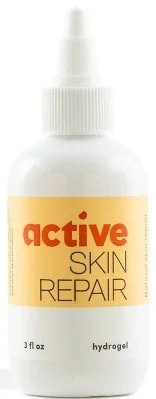
How well does your skin match with Active Skin Repair Hydrogel?
Login to see detailsOr continue via
Quick 1-minute survey • Completely free
Ingredients
Analysis results of Ingredients


Ingredient List
| EWG | CIR | Ingredient Name & Cosmetic Function | Notes |
|---|---|---|---|
| 1 3 | - | (Antiseborrhoeic, Deodorant, Oxidising Agent) | |
| - | - | Electrolyzed Water (H2O) | |
| 1 | - | (Masking, Viscosity Controlling, Bulking Agent) | |
| 3 4 | - | (Oxidising Agent) | |
Active Skin Repair Hydrogel - Ingredient Explanation
Hypochlorous Acid
1. Definition Hypochlorous Acid:
Hypochlorous Acid is a weak acid that is naturally produced by our white blood cells to help fight off bacteria and viruses. It is a powerful oxidizing agent that is known for its antimicrobial properties.2. Use:
Hypochlorous Acid is commonly used in cosmetics for its antibacterial and antifungal properties. It is often included in skincare products to help treat acne, eczema, and other skin conditions. It can also be used as a disinfectant for makeup brushes and other beauty tools.3. Usage Hypochlorous Acid:
When using skincare products containing Hypochlorous Acid, it is important to follow the instructions provided by the manufacturer. It is generally safe for most skin types, but it is always recommended to do a patch test before using it on your face. It is also important to avoid getting it in your eyes or mouth, as it can cause irritation.4. References:
- Kim, M. S., Kim, J. Y., Lee, J. H., Lee, J. H., & Jung, J. Y. (2018). Antimicrobial effect of hypochlorous acid in acne vulgaris: a randomized, double-blind, placebo-controlled trial. Skin Pharmacology and Physiology, 31(2), 107-113.
- Lee, S. H., Kim, M. S., Lee, J. H., & Jung, J. Y. (2019). The efficacy of hypochlorous acid for the treatment of acne vulgaris: A single-blinded, split-face study. Journal of Dermatological Treatment, 30(1), 37-41.
- Lee, J. H., & Kim, M. S. (2020). Hypochlorous acid: A review. Clinical, Cosmetic and Investigational Dermatology, 13, 157-169.
Electrolyzed Water (H2O)
Ingredient data is being updated. Please check back later.
Sodium Chloride
1. Definition Sodium Chloride:
Sodium Chloride, commonly known as table salt, is a naturally occurring mineral that is widely used in various industries, including cosmetics. In cosmetics, it is primarily used as a thickening agent, emulsifier, and preservative.2. Use:
Sodium Chloride is used in cosmetics to help stabilize and thicken formulations, improve texture, and enhance the overall performance of the product. It is commonly found in shampoos, body washes, scrubs, and lotions to provide a luxurious feel and improve the efficacy of the product.3. Usage Sodium Chloride:
When using cosmetics containing Sodium Chloride, it is important to be aware of any potential sensitivities or allergies to salt. Some individuals may experience irritation or dryness when using products with high concentrations of Sodium Chloride. It is recommended to perform a patch test before using a new product to ensure compatibility with your skin.Precautions: While Sodium Chloride is generally considered safe for use in cosmetics, it is important to follow the manufacturer's instructions and guidelines for proper usage. Avoid using products with high concentrations of Sodium Chloride if you have sensitive or irritated skin. If you experience any adverse reactions, discontinue use immediately and consult a healthcare professional.
4. References:
- "Sodium Chloride in Cosmetics: Functions and Safety." Cosmetics & Toiletries, www.cosmeticsandtoiletries.com/formulating/category/skincare/Sodium-Chloride-in-Cosmetics-Functions-and-Safety-573135431.html.
- "The Benefits of Sodium Chloride in Skincare." The Derm Review, www.thedermreview.com/Sodium-Chloride-in-skincare/.
- "Safety Assessment of Sodium Chloride as Used in Cosmetics." Cosmetic Ingredient Review, www.cir-safety.org/sites/default/files/SodiumChloride.pdf.
Sodium Hypochlorite
1. Definition Sodium Hypochlorite:
Sodium Hypochlorite is a chemical compound with the formula NaClO. It is commonly known as bleach and is used for its disinfectant and bleaching properties.2. Use:
Sodium Hypochlorite is commonly used in cosmetics as a bleaching agent to lighten hair or skin, as well as to remove stains from fabrics. It is also used as a disinfectant in skincare products to kill bacteria and other harmful microorganisms.3. Usage Sodium Hypochlorite:
When using products containing Sodium Hypochlorite, it is important to follow the instructions provided on the product label. It should not be applied directly to the skin in its concentrated form, as it can cause irritation and burns. It is recommended to dilute it with water before use and to perform a patch test on a small area of skin before applying it to a larger area.Precautions: It is important to wear gloves and protective eyewear when handling products containing Sodium Hypochlorite to avoid skin and eye irritation. It should be stored in a cool, dry place away from direct sunlight and heat sources. Keep out of reach of children and pets.
4. References:
- "Sodium Hypochlorite." National Center for Biotechnology Information, U.S. National Library of Medicine, pubchem.ncbi.nlm.nih.gov/compound/Sodium-hypochlorite.
- "Safety Data Sheet - Sodium Hypochlorite." Sigma-Aldrich, www.sigmaaldrich.com/MSDS/MSDS/DisplayMSDSPage.do?country=US&language=en&productNumber=71696&brand=ALDRICH.
- "Sodium Hypochlorite in Cosmetics." Cosmetics Info, www.cosmeticsinfo.org/ingredient/sodium-hypochlorite.
Review








Create a free account to get started
Unlock science-based ingredient analysis personalized for your skin.
Already have an account? Log in
We protect your privacy. We never send spam.