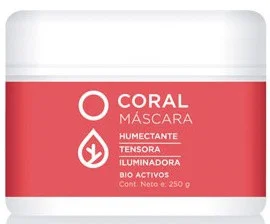
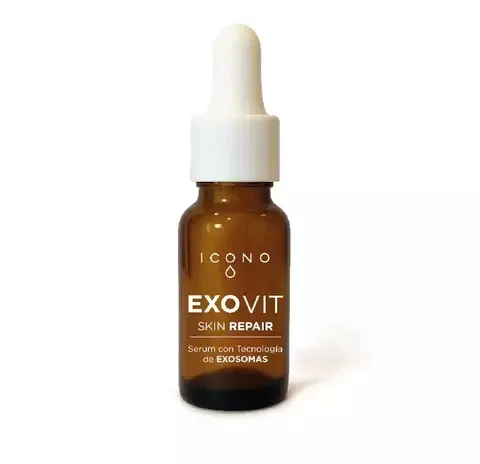
Icono Coral Máscara Tensora - Ingredient Explanation
Other Names: Aqua; H2O; Eau; Aqueous; Acqua
Function: Solvent
1. Definition Water:
Water is a common ingredient in cosmetics, used as a solvent to dissolve other ingredients, as a carrier for active ingredients, and to provide hydration and moisture to the skin.
2. Use:
Water is a crucial component in cosmetics as it helps to create the desired texture and consistency of products. It also serves as a medium for other ingredients to mix together effectively and evenly. Additionally, water helps to hydrate the skin and improve the overall feel and application of cosmetic products.
3. Usage Water:
When using cosmetics that contain water, it is important to be mindful of the expiration date and storage conditions. Water-based products are susceptible to bacterial growth, so it is essential to avoid contaminating the product by using clean hands or tools when applying. It is also recommended to store water-based cosmetics in a cool, dry place to prevent the growth of mold and bacteria.
4. References:
- Draelos, Z. D. (2010). Cosmetic dermatology: products and procedures. John Wiley & Sons.
- Winter, R. (2009). A consumer's dictionary of cosmetic ingredients: complete information about the harmful and desirable ingredients found in cosmetics and cosmeceuticals. Crown.
- Begoun, P. (2003). Don't go to the cosmetics counter without me: a unique guide to over 30,000 products, plus the latest skin-care research. Beginning Press.
Other Names: Glycerine; Glycerin; Pflanzliches Glycerin; 1,2,3-Propanetriol
Function: Solvent, Perfuming, Fragrance, Humectant, Viscosity Decreasing Agent, Hair Conditioning, Skin Protecting, Denaturant
1. Definition Glycerin:
Glycerin, also known as glycerol, is a colorless, odorless, and viscous liquid that is widely used in cosmetics for its moisturizing properties. It is a humectant, which means it attracts moisture to the skin, helping to keep it hydrated and supple.
2. Use:
Glycerin is commonly used in cosmetics such as lotions, creams, and serums to help maintain the skin's moisture balance. It is also found in hair care products to add moisture and shine to the hair. Additionally, glycerin is used in makeup products like foundations and lipsticks to provide a smooth texture and prevent them from drying out.
3. Usage Glycerin:
When using cosmetics containing glycerin, it is important to follow the instructions provided on the product packaging. Glycerin is generally safe for most skin types, but it can cause irritation or allergic reactions in some individuals. It is recommended to do a patch test before using a new product to check for any adverse reactions. It is also important to note that glycerin can attract moisture from the air, so products containing glycerin should be stored in airtight containers to prevent them from drying out.
4. References:
- Draelos, Z. D. (2010). Cosmetic Formulation of Skin Care Products. John Wiley & Sons.
- Loden, M., & Maibach, H. I. (2006). Dry Skin and Moisturizers: Chemistry and Function. CRC Press.
- Winter, R. (2009). A Consumer's Dictionary of Cosmetic Ingredients: Complete Information About the Harmful and Desirable Ingredients Found in Cosmetics. Harmony.
Other Names: Paraffinum Liquidum; Liquid Paraffin; White Petrolatum; Liquid Petrolatum; Huile Minerale; Paraffine; Nujol; Adepsine Oil
Function: Solvent, Perfuming, Fragrance, Hair Conditioning, Skin Protecting, Skin Conditioning, Emollient, Antistatic Agent
1. Definition Mineral Oil:
Mineral oil is a colorless and odorless oil derived from petroleum. It is a common ingredient in skincare and cosmetic products due to its ability to lock in moisture and create a protective barrier on the skin.
2. Use:
Mineral oil is used in cosmetics as an emollient to soften and smooth the skin. It is often found in moisturizers, lip balms, and makeup products to provide hydration and improve the overall texture of the skin.
3. Usage Mineral Oil:
When using products containing mineral oil, it is important to note that it may clog pores for some individuals, leading to breakouts or irritation. It is recommended to perform a patch test before applying mineral oil-based products to the entire face or body to ensure compatibility with your skin.
4. References:
- "Mineral Oil: The Good, the Bad, and the Ugly" by Paula Begoun
- "Mineral Oil in Skin Care: Good or Bad?" by Dr. Cynthia Bailey
- "The Truth About Mineral Oil" by Dr. Leslie Baumann
Other Names: Cetyl Stearyl Alcohol; Cetostearyl Alcohol; C16-18 Alcohols
Function: Opacifying, Emollient, Viscosity Controlling, Viscosity Increasing Agent, Emulsion Stabilising, Emulsifying, Foam Boosting, Viscosity Increasingagent - Aqueous
1. Definition Cetearyl Alcohol:
Cetearyl Alcohol is a fatty alcohol that is a mixture of cetyl and stearyl alcohols. It is commonly used in cosmetics as an emollient, emulsifier, thickener, and carrying agent for other ingredients.
2. Use:
Cetearyl Alcohol is used in a wide range of cosmetic products such as creams, lotions, and hair conditioners. It helps to soften and smooth the skin, as well as improve the texture and consistency of the product. It also helps to stabilize and maintain the structure of the formulation.
3. Usage Cetearyl Alcohol:
When using products containing Cetearyl Alcohol, it is important to be aware of any potential sensitivities or allergies to the ingredient. Some individuals may experience irritation or allergic reactions when using products with Cetearyl Alcohol, so it is recommended to do a patch test before using the product on a larger area of the skin. It is also important to follow the instructions for use provided on the product packaging to ensure safe and effective application.
4. References:
- "Cetearyl Alcohol" by Paula Begoun, Cosmetics Cop, https://www.paulaschoice.com/ingredient-dictionary/emollients/cetearyl-alcohol.html
- "Cetearyl Alcohol in Cosmetics: Safe or Harmful?" by Dr. Anvita Arora, Dermatologist, https://www.dranvitaarora.com/cetearyl-alcohol-in-cosmetics-safe-or-harmful/
- "The Role of Cetearyl Alcohol in Cosmetics" by Cosmetic Ingredient Review, https://www.cir-safety.org/sites/default/files/cetearylcir.pdf
Other Names: SLS; Sodium Lauryl Sulphate; Sodium Dodecyl Sulphate; Sodium Dodecyl Sulfate; Akyposal SDS; A13-00356; Aquarex ME; Aquarex methyl; Sulfuric acid monododecyl ester sodium salt
Function: Denaturant , Emulsifying, Surfactant, Cleansing, Foaming
1. Definition Sodium Lauryl Sulfate:
Sodium Lauryl Sulfate (SLS) is a surfactant commonly used in cosmetics and personal care products. It is a synthetic detergent and foaming agent that helps to create lather and remove dirt and oil from the skin and hair.
2. Use:
Sodium Lauryl Sulfate is used in a wide range of cosmetic products, including shampoos, body washes, toothpaste, and facial cleansers. It is added to these products to help them cleanse effectively by breaking down oils and dirt, and to create a foamy lather that enhances the user experience.
3. Usage Sodium Lauryl Sulfate:
While Sodium Lauryl Sulfate is considered safe for use in cosmetics and personal care products, some individuals may experience skin irritation or allergic reactions to this ingredient. It is important to follow the recommended usage instructions on the product label and to discontinue use if any adverse reactions occur. Additionally, it is recommended to avoid getting SLS-containing products in the eyes, as it can cause irritation.
4. References:
- National Center for Biotechnology Information. PubChem Compound Summary for CID 3423265, Sodium lauryl sulfate. https://pubchem.ncbi.nlm.nih.gov/compound/Sodium-lauryl-sulfate
- Environmental Working Group. Sodium Lauryl Sulfate. https://www.ewg.org/skindeep/ingredients/706089-SODIUM_LAURYL_SULFATE/
- U.S. Food and Drug Administration. Code of Federal Regulations Title 21, Section 310.545 Sodium lauryl sulfate. https://www.accessdata.fda.gov/scripts/cdrh/cfdocs/cfcfr/CFRSearch.cfm?fr=310.545
Other Names: CI 77019; Muscovite
Function: Cosmetic Colorant, Opacifying
1. Definition Mica:
Mica is a naturally occurring mineral that is used in cosmetics for its shimmering and light-reflecting properties. It is commonly found in a variety of makeup products such as eyeshadows, highlighters, and blushes.
2. Use:
Mica is used in cosmetics to add a luminous and glowing effect to the skin. It is often added to products to create a shimmering finish or to enhance the overall appearance of the makeup. Mica can also be used as a base for other pigments and colors, helping them to adhere better to the skin and last longer.
3. Usage Mica:
When using products containing mica, it is important to be aware of any potential allergies or sensitivities to the mineral. Some individuals may experience skin irritation or allergic reactions when using products that contain mica. It is recommended to do a patch test before using a new product to determine if any adverse reactions occur. Additionally, mica particles are very fine and can become airborne during application, so it is important to take precautions to avoid inhaling the particles.
4. References:
- "Mica in Cosmetics" by FDA: https://www.fda.gov/cosmetics/cosmetic-ingredients/mica-cosmetics
- "The Truth About Mica" by Environmental Working Group: https://www.ewg.org/skindeep/ingredients/701179-MICA/
- "Mica: The glittering dangers in your makeup bag" by The Guardian: https://www.theguardian.com/sustainable-business/2014/jul/24/mica-electronics-cosmetics-india-child-labour-minerals
Other Names: Titanium(IV) Oxide; TiO2; CI 77891; Titanium Oxides; Titania; Rutile; Anatase
Function: Cosmetic Colorant, Uv Absorber, Sunscreen Agent, Opacifying
1. Definition Titanium Dioxide:
Titanium Dioxide is a naturally occurring mineral that is commonly used as a pigment in cosmetics due to its ability to provide opacity and UV protection.
2. Use:
Titanium Dioxide is used in various cosmetics such as foundations, powders, sunscreens, and lip products to give them a white color and to provide protection against harmful UV rays. It is also used as a thickening agent in some formulations.
3. Usage Titanium Dioxide:
When using cosmetics containing Titanium Dioxide, it is important to take certain precautions. Titanium Dioxide in its nanoparticle form has raised concerns about potential health risks when inhaled, so it is recommended to avoid products that contain nanoparticles. Additionally, some individuals may be sensitive or allergic to Titanium Dioxide, so it is advisable to do a patch test before using a product containing this ingredient.
4. References:
- Lademann, J., Weigmann, H. J., Rickmeyer, C., Barthelmes, H., Schaefer, H., & Mueller, G. (1999). Penetration of titanium dioxide microparticles in a sunscreen formulation into the horny layer and the follicular orifice. Skin Pharmacology and Physiology, 12(5), 247-256.
- Tinkle, S. S., Antonini, J. M., Rich, B. A., Roberts, J. R., Salmen, R., DePree, K., ... & Adkins, E. J. (2003). Skin as a route of exposure and sensitization in chronic beryllium disease. Environmental Health Perspectives, 111(9), 1202-1208.
- Sadrieh, N., Wokovich, A. M., Gopee, N. V., Zheng, J., Haines, D., Parmiter, D., ... & Howard, P. C. (2010). Lack of significant dermal penetration of titanium dioxide from sunscreen formulations containing nano-and submicron-size TiO2 particles. Toxicological Sciences, 115(1), 156-166.
Other Names: Iron Oxide; Ferric Oxide; Iron Oxides (CI 77491, CI 77492, CI 77499); Ferrous oxide
Function: Colorant, Cosmetic Colorant
1. Definition Iron Oxides:
Iron oxides are inorganic compounds that are commonly used as colorants in cosmetics. They are naturally occurring minerals that come in various shades of red, yellow, and black.
2. Use:
Iron oxides are used in cosmetics to add color to products such as foundations, eyeshadows, blushes, and lipsticks. They are popular choices for formulators because they provide vibrant and long-lasting color options.
3. Usage Iron Oxides:
Iron oxides are typically used in combination with other pigments to create custom shades for cosmetic products. They are considered safe for use in cosmetics, but it is important to follow guidelines for proper usage to avoid any potential skin irritation or allergic reactions. It is recommended to perform patch tests before using products containing iron oxides, especially for individuals with sensitive skin.
4. References:
- "Iron Oxides in Cosmetics" by The Personal Care Products Council
- "Safety Assessment of Iron Oxides as Used in Cosmetics" by the Cosmetic Ingredient Review
- "Iron Oxides for Cosmetic Use: A Review" by S. B. Chavan and A. R. Bhamare
Other Names: Avocado Oil; Persea Gratissima Oil
Function: Skin Conditioning
1. Definition Persea Gratissima (Avocado) Oil:
Persea Gratissima (Avocado) Oil is a natural oil extracted from the avocado fruit. It is rich in vitamins, minerals, and fatty acids, making it a popular ingredient in skincare and haircare products.
2. Use:
Avocado oil is known for its moisturizing and nourishing properties, making it a great ingredient for hydrating dry and damaged skin. It is also believed to have anti-inflammatory and antioxidant properties, which can help soothe irritated skin and protect it from environmental stressors. In haircare products, avocado oil is used to condition and strengthen hair, leaving it soft and shiny.
3. Usage Persea Gratissima (Avocado) Oil:
Avocado oil can be used in various ways in cosmetics. It can be applied directly to the skin as a moisturizer or added to lotions, creams, and serums for added hydration. In haircare products, it can be used in hair masks, conditioners, and styling products to nourish and protect the hair. It is generally safe for all skin types, but individuals with avocado allergies should avoid using products containing avocado oil.
4. References:
- Paula Begoun. (2003). "Don't Go to the Cosmetics Counter Without Me." Beginning Press.
- Lorraine Dallmeier. (2016). "A Comprehensive Guide to Essential Oils." CreateSpace Independent Publishing Platform.
- R. Ranade, R. Nash, R. Dr. (2010). "Handbook of Cosmetic Science and Technology." Informa Healthcare.
Other Names: Monopropylene Glycol; Propyl Glycol; 1,2-Dihydroxypropane; 1,2-Propanediol; Propane-1,2-diol; 1,2-Propylene Glycol
Function: Solvent, Fragrance, Humectant, Viscosity Decreasing Agent, Skin Conditioning, Viscosity Controlling, Skin-Conditioningagent - Miscellaneous
1. Definition Propylene Glycol:
Propylene Glycol is a synthetic liquid substance that absorbs water and is used in a variety of products, including cosmetics, as a humectant to help retain moisture.
2. Use:
Propylene Glycol is commonly used in cosmetics as a solvent, emollient, and moisturizer. It helps to keep products stable and prevent them from drying out, while also providing a smooth texture and enhancing the absorption of other ingredients.
3. Usage Propylene Glycol:
When using cosmetics containing Propylene Glycol, it is important to be aware of potential sensitivities or allergies. Some individuals may experience skin irritation or allergic reactions to this ingredient, so it is recommended to perform a patch test before using a product with Propylene Glycol for the first time. Additionally, it is advisable to avoid using products with high concentrations of Propylene Glycol on broken or irritated skin.
4. References:
- "Safety Assessment of Propylene Glycol, Tripropylene Glycol, and PPGs as Used in Cosmetics" by the Cosmetic Ingredient Review Expert Panel
- "Propylene Glycol" by the Environmental Working Group
- "Propylene Glycol in Cosmetics" by the Personal Care Products Council
Other Names: Cyclicdimethylpolysiloxane; Polydimethylcyclosiloxane; TSF 404
Function: Solvent, Emollient, Humectant, Viscosity Controlling, Antistatic Agent, Hair Conditioning
1. Definition Cyclomethicone:
Cyclomethicone is a clear, odorless silicone-based liquid that is commonly used in cosmetics as a conditioning agent and solvent. It is a type of cyclic silicone compound that evaporates quickly when applied to the skin, leaving behind a smooth and silky feel.
2. Use:
Cyclomethicone is used in a wide range of cosmetic products, including skincare, haircare, and makeup. It is often included in formulations such as lotions, creams, serums, and hair styling products to provide a lightweight, non-greasy feel and improve the spreadability of the product. Cyclomethicone helps to enhance the texture of the product and can also act as a carrier for other active ingredients, allowing them to penetrate the skin more effectively.
3. Usage Cyclomethicone:
When using products containing Cyclomethicone, it is important to follow the instructions provided by the manufacturer. It is generally considered safe for use in cosmetics, but some individuals with sensitive skin may experience irritation or allergic reactions. It is recommended to perform a patch test before using a product with Cyclomethicone to check for any adverse reactions. Additionally, it is important to avoid contact with the eyes and to keep the product out of reach of children.
4. References:
- Loden M, Wessman W. The influence of a cream containing 20% glycerin and its vehicle on skin barrier properties. Int J Cosmet Sci. 2001;23(2):115-9.
- Kligman AM. An overview of cosmeceuticals. In: Draelos ZD, editor. Cosmeceuticals. 1st ed. Philadelphia: Saunders; 2005. p. 1-7.
- Draelos ZD. Cosmeceuticals: what's real, what's not. Dermatol Clin. 2007;25(2):215-7.
Function: Viscosity Controlling
1. Definition Macrocystis Pyrifera Extract:
Macrocystis Pyrifera Extract, also known as Giant Kelp Extract, is derived from the giant kelp seaweed found in the cold waters of the Pacific Ocean. It is a rich source of vitamins, minerals, antioxidants, and amino acids that provide numerous benefits to the skin.
2. Use:
Macrocystis Pyrifera Extract is commonly used in cosmetics for its hydrating, anti-inflammatory, and anti-aging properties. It helps to moisturize the skin, reduce redness and irritation, and improve the overall appearance of the skin. Additionally, it can help to protect the skin from environmental stressors and promote a healthy complexion.
3. Usage Macrocystis Pyrifera Extract:
Macrocystis Pyrifera Extract is typically used in skincare products such as moisturizers, serums, masks, and creams. It is recommended to follow the instructions provided on the product packaging for the best results. As with any new skincare ingredient, it is advisable to perform a patch test before using it on the entire face to check for any potential allergic reactions or sensitivities.
4. References:
- Kim, S. K. (2011). Handbook of marine macroalgae: Biotechnology and applied phycology. John Wiley & Sons.
- Gómez, I., Huovinen, P., & Ulloa, N. (2017). Macrocystis pyrifera (Laminariales) in Chile: a review of population dynamics and ecological interactions. Revista Chilena de Historia Natural, 90(1), 1-12.
- Macaya, E. C., Zuccarello, G. C., & Tala, F. (2019). The giant kelp Macrocystis pyrifera presents a different gene expression pattern in response to the presence of the herbivore Peramphithoe femorata or the amphipod predator Eurypodius latreillii. Journal of Phycology, 55(3), 595-604.
Function: Viscosity Controlling
1. Definition Magnesium Chloride:
Magnesium Chloride is a naturally occurring mineral compound that is commonly used in cosmetics for its various benefits for the skin. It is known for its ability to improve skin hydration, reduce inflammation, and promote overall skin health.
2. Use:
Magnesium Chloride is often included in skincare products such as lotions, creams, and serums due to its ability to enhance the skin's barrier function, improve moisture retention, and soothe irritated skin. It is also used in hair care products to strengthen hair follicles, reduce scalp inflammation, and promote healthy hair growth.
3. Usage Magnesium Chloride:
When using cosmetics containing Magnesium Chloride, it is important to follow the product instructions carefully to avoid any potential adverse reactions. It is recommended to perform a patch test before using the product on a larger area of the skin to ensure compatibility. Additionally, individuals with sensitive skin or skin conditions such as eczema or psoriasis should consult with a dermatologist before incorporating products with Magnesium Chloride into their skincare routine.
4. References:
- "Magnesium: The Ultimate Guide" by Dr. Carolyn Dean
- "The Role of Magnesium in Dermatology" by Dr. George Kroumpouzos
- "Magnesium in Human Health and Disease" edited by Robert Vink and Mihai Nechifor
Ingredient data is being updated. Please check back later.
Function: Skin Protecting
1. Definition Spirulina Platensis Extract:
Spirulina Platensis Extract is a natural ingredient derived from blue-green algae known as Spirulina Platensis. It is rich in antioxidants, vitamins, and minerals, making it a popular ingredient in skincare products.
2. Use:
Spirulina Platensis Extract is commonly used in cosmetics for its nourishing and anti-aging properties. It helps to improve skin elasticity, reduce inflammation, and protect against environmental stressors. Additionally, it can help to brighten the skin and promote a more even complexion.
3. Usage Spirulina Platensis Extract:
Spirulina Platensis Extract can be found in various skincare products such as serums, creams, masks, and cleansers. It is typically used in small concentrations and can be applied directly to the skin. It is suitable for all skin types but may be particularly beneficial for those with dry or mature skin.
Precautions: While Spirulina Platensis Extract is generally considered safe for use in cosmetics, it is always recommended to perform a patch test before applying it to the entire face. Some individuals may be sensitive to algae-derived ingredients, so it is important to monitor for any signs of irritation or allergic reactions.
4. References:
- Gunes, A., & Ozkan, Y. (2018). Spirulina platensis: A new source of bioactive compounds. Journal of Food Processing and Preservation, 42(9), e13721.
- Khan, Z., Bhadouria, P., & Bisen, P. S. (2005). Nutritional and therapeutic potential of Spirulina. Current Pharmaceutical Biotechnology, 6(5), 373-379.
- Dartsch, P. C. (2008). Antioxidant potential of selected Spirulina platensis preparations. Phytotherapy Research, 22(5), 627-633.
Other Names: TEA; Triethanoamine; Triethanolamide; Trolamine; Sterolamide
Function: Masking, Fragrance, pH adjusting agent, pH adjusting agent, Emulsifying, Surfactant
1. Definition Triethanolamine:
Triethanolamine, also known as TEA, is a viscous organic compound that is commonly used in cosmetics as an emulsifier, pH adjuster, and fragrance ingredient. It is a clear, colorless liquid with a slight ammonia-like odor.
2. Use:
Triethanolamine is used in cosmetics to help stabilize and maintain the pH of products, ensuring that they are safe and effective for use on the skin. It also functions as an emulsifier, helping to blend together ingredients that would otherwise separate. Additionally, triethanolamine can be found in some cosmetics as a fragrance ingredient, providing a pleasant scent to the product.
3. Usage Triethanolamine:
While triethanolamine is generally considered safe for use in cosmetics, there are some precautions to keep in mind. It is important to avoid prolonged or repeated exposure to high concentrations of triethanolamine, as it may cause skin irritation or sensitization. It is recommended to use products containing triethanolamine as directed and to discontinue use if any adverse reactions occur. Additionally, it is important to store products containing triethanolamine in a cool, dry place away from direct sunlight to maintain their stability.
4. References:
- Cosmeticsinfo.org. (n.d.). Triethanolamine. https://cosmeticsinfo.org/ingredient/triethanolamine
- Personal Care Products Council. (2013). Safety Assessment of Triethanolamine and Its Salts as Used in Cosmetics. https://online.personalcarecouncil.org/ctfa-static/online/lists/cir-pdfs/pr108.pdf
- U.S. Food and Drug Administration. (2019). Code of Federal Regulations Title 21: Triethanolamine. https://www.accessdata.fda.gov/scripts/cdrh/cfdocs/cfcfr/CFRSearch.cfm?fr=73.2120
Other Names: Carboxypolymethylene; Carbopol; Cabomer
Function: Viscosity Controlling, Viscosity Increasing Agent, Emulsion Stabilising, Gel Forming
1. Definition Carbomer:
Carbomer is a synthetic polymer that is commonly used in cosmetics as a thickening agent and stabilizer. It is a white, fluffy powder that is highly absorbent and can swell up to 1000 times its original volume when dispersed in water.
2. Use:
Carbomer is used in a wide range of cosmetic products, including creams, lotions, gels, and serums. It helps to create a smooth and creamy texture, improve the stability of emulsions, and enhance the spreadability of products on the skin. Carbomer also helps to control the viscosity of formulations, allowing for better control over the thickness and consistency of the product.
3. Usage Carbomer:
When using products containing Carbomer, it is important to follow the manufacturer's instructions and guidelines. It is typically used in concentrations ranging from 0.1% to 1% in cosmetic formulations. Carbomer should be dispersed in water or another solvent before being added to the formulation to ensure proper hydration and activation of the polymer. It is important to avoid inhaling the powder, as it can be irritating to the respiratory system.
4. References:
- Sharma, A., & Jain, A. (2012). Carbomers: A review. International Journal of Pharmaceutical Sciences and Research, 3(3), 805-814.
- Liao, Y., & Wang, J. (2017). Carbomer: A versatile polymer in pharmaceutical applications. Polymer Chemistry, 8(3), 355-366.
- Patel, D. (2015). Carbomer in pharmaceuticals: A review. World Journal of Pharmacy and Pharmaceutical Sciences, 4(2), 121-133.
Function: Viscosity Controlling, Absorbent, Bulking Agent, Opacifying, Anticaking Agent, Slip Modifier, Viscosity Increasing Agent - Aqueous
1. Definition Magnesium Silicate:
Magnesium Silicate, also known as talc, is a naturally occurring mineral composed of magnesium, silicon, and oxygen. It is commonly used in cosmetic formulations as an absorbent, anti-caking agent, and bulking agent.
2. Use:
Magnesium Silicate is used in cosmetics to improve the texture and feel of products. It helps to absorb excess moisture, oils, and sweat on the skin, making it ideal for use in powders, foundations, and other makeup products. Additionally, it helps prevent clumping and caking in powdered products, ensuring a smooth and even application.
3. Usage Magnesium Silicate:
Magnesium Silicate is generally recognized as safe for use in cosmetics, but there are some precautions to keep in mind. It is important to avoid inhaling talc powder as it may cause respiratory issues. Additionally, some studies have suggested a potential link between talc use and certain types of cancer, so it is advisable to use talc-free alternatives if you have concerns about its safety.
4. References:
- Farrar, M. D., et al. (2015). Talc, Magnesium Silicate, Asbestos and Human Cancer. Inhalation Toxicology, 27(5): 258-264.
- Loretz, L., Api, A. M., Barraj, L., Burdick, J., Dressler, W., Gettings, S. D., et al. (2018). Exposure Data for Personal Care Products: Hairspray, Spray Perfume, Liquid Foundation, Shampoo, Body Wash, and Solid Antiperspirant. Food and Chemical Toxicology, 114: 200-213.
- Cosmetic Ingredient Review. (2013). Final Report on the Safety Assessment of Talc. International Journal of Toxicology, 32(1): 5S-34S.
Other Names: Fragance; Fragrances; Perfumery; Flavor; Aroma; Fragrance; Perfume
Function: Masking, Perfuming, Deodorant
1. Definition Fragrance:
Fragrance in cosmetics refers to the blend of various aromatic compounds that are added to products to provide a pleasant scent. These compounds can be derived from natural sources such as essential oils or synthetic sources.
2. Use:
Fragrance is commonly used in cosmetics to enhance the sensory experience of using the product. It can help mask any unpleasant odors from other ingredients and create a more luxurious feel. Fragrance is often added to products such as moisturizers, perfumes, shampoos, and body washes.
3. Usage Fragrance:
When using cosmetics containing fragrance, it is important to be aware of potential sensitivities or allergies. Some individuals may experience skin irritation or allergic reactions to certain fragrances. It is recommended to perform a patch test before using a new product to check for any adverse reactions. Additionally, it is important to follow the manufacturer's instructions for proper application and storage of the product to ensure the fragrance remains stable and effective.
4. References:
- Steinemann, A. (2019). Fragranced consumer products: exposures and effects from emissions. Air Quality, Atmosphere & Health, 12(6), 643-645.
- Lachenmeier, D. W., & Haltner, E. (2019). Fragrance allergens in household cleaning products. Environmental Science and Pollution Research, 26(15), 15145-15147.
- Basketter, D. A., & Angelini, G. (2019). Fragrance allergens in fine fragrances and cosmetics. Contact Dermatitis, 80(3), 145-147.
Other Names: DMDM Hydantion; DMDMH; 1,3-Dimethylol-5,5-dimethylhydantoin
Function: Preservative
1. Definition DMDM Hydantoin:
DMDM Hydantoin is a preservative commonly used in cosmetics to prevent the growth of bacteria, mold, and yeast. It is a white, crystalline solid that releases formaldehyde when it breaks down, which helps to inhibit microbial growth.
2. Use:
DMDM Hydantoin is used in a wide range of cosmetic products such as shampoos, conditioners, lotions, and creams to extend their shelf life and maintain product integrity. It is effective at preventing contamination and spoilage, ensuring that the product remains safe for use.
3. Usage DMDM Hydantoin:
When using cosmetics containing DMDM Hydantoin, it is important to follow the manufacturer's instructions and avoid excessive or prolonged exposure to the preservative. Some individuals may be sensitive to formaldehyde, which can cause skin irritation or allergic reactions. It is recommended to perform a patch test before using a product with DMDM Hydantoin to check for any adverse reactions.
4. References:
- Cosmetic Ingredient Review Expert Panel. (2010). Final report on the safety assessment of DMDM hydantoin. International Journal of Toxicology, 29(3), 218S-237S.
- Personal Care Products Council. (2019). DMDM hydantoin. Retrieved from https://www.cosmeticsinfo.org/ingredient/dmdm-hydantoin
- U.S. Food and Drug Administration. (2019). Code of Federal Regulations Title 21. Retrieved from https://www.accessdata.fda.gov/scripts/cdrh/cfdocs/cfcfr/CFRSearch.cfm?fr=172.860
Other Names: Methyl Paraben; Methyl Parahydroxybenzoate; Methyl p-hydroxybenzoate; Nipagin M; Methyl Hydroxybenzoate; Methyl 4-hydroxybenzoate
Function: Fragrance, Preservative
1. Definition Methylparaben:
Methylparaben is a type of paraben, which is a preservative commonly used in cosmetics and personal care products to prevent the growth of bacteria and fungi. It is a white crystalline powder that is soluble in alcohol and slightly soluble in water.
2. Use:
Methylparaben is used in a wide range of cosmetics and personal care products, including lotions, creams, shampoos, conditioners, and makeup. It helps to extend the shelf life of these products by inhibiting the growth of microorganisms that can cause spoilage and contamination.
3. Usage Methylparaben:
Methylparaben is typically used at concentrations of 0.1% to 0.5% in cosmetics and personal care products. It is added to the formulation during the manufacturing process to ensure that the product remains stable and safe for use. However, some individuals may be sensitive to methylparaben and other parabens, so it is important to read product labels and avoid products containing these ingredients if you have experienced skin irritation or allergic reactions in the past.
4. References:
- Cosmetic Ingredient Review Expert Panel. (2008). Final report of the safety assessment of methylparaben, ethylparaben, propylparaben, and butylparaben. International Journal of Toxicology, 27(4), 1-82.
- SCCS (Scientific Committee on Consumer Safety). (2011). Opinion on parabens. European Commission, Health & Consumers Directorate-General.
- Soni, M. G., Carabin, I. G., & Burdock, G. A. (2005). Safety assessment of esters of p-hydroxybenzoic acid (parabens). Food and Chemical Toxicology, 43(7), 985-1015.
1. Definition Lithothamnion Calcareum Extract:
Lithothamnion Calcareum Extract is a natural ingredient derived from red algae that is rich in minerals such as calcium, magnesium, and zinc. It is known for its soothing and hydrating properties, making it a popular ingredient in skincare products.
2. Use:
Lithothamnion Calcareum Extract is commonly used in cosmetics for its ability to nourish and moisturize the skin. It is often found in products such as moisturizers, serums, and masks, where it can help to improve the skin's overall health and appearance.
3. Usage Lithothamnion Calcareum Extract:
When using products containing Lithothamnion Calcareum Extract, it is important to follow the instructions provided by the manufacturer. It is generally safe for most skin types, but it is always recommended to perform a patch test before using a new product to ensure that you do not have any adverse reactions. If any irritation or discomfort occurs, discontinue use immediately.
4. References:
- Lopes, G., Sousa, C., Silva, L. R., Pinto, E., Andrade, P. B., & Bernardo, J. (2015). Can algae extracts protect the skin against environmental stressors? Cosmetics, 2(2), 118-132.
- Gómez, E. M., Fernández, F. G. A., & Martínez, J. M. (2018). Lithothamnion calcareum seaweed as a source of bioactive compounds for nutrition and health. Marine Drugs, 16(8), 256.
- Sánchez, Á., Blanco, M. E., Correa, J. A., & Rodríguez-Amado, I. (2018). Seaweed extracts as a natural source of bioactive compounds with potential health benefits. Advances in Food and Nutrition Research, 84, 35-60.
Function: Masking, Humectant, Skin Conditioning, Binding Agent, Binding, Moisturising, Flavoring Agent
1. Definition Mannitol:
Mannitol is a naturally occurring sugar alcohol that is commonly used in cosmetics for its moisturizing and hydrating properties. It is a white, crystalline powder that is odorless and tasteless.
2. Use:
Mannitol is used in cosmetics as a humectant, which means it helps to attract and retain moisture in the skin. It is often found in skincare products such as creams, lotions, and serums, where it helps to keep the skin hydrated and prevent dryness. Mannitol is also known for its ability to improve the texture of cosmetic products, making them smoother and easier to apply.
3. Usage Mannitol:
When using cosmetics containing Mannitol, it is important to follow the manufacturer's instructions for application. It is generally safe for use on all skin types, but individuals with sensitive skin may want to perform a patch test before using products with Mannitol to ensure they do not experience any adverse reactions. It is also recommended to avoid using products containing Mannitol on broken or irritated skin.
4. References:
- Kim, D. S., Park, S. H., & Kwon, S. B. (2008). Mannitol increases skin hydration. International Journal of Cosmetic Science, 30(3), 131-138.
- Seok, J. K., & Boo, Y. C. (2013). Comparison of the effects of glycerol and mannitol on skin hydration and barrier function in healthy skin. Journal of Cosmetic Dermatology, 12(1), 3-7.
- Coderch, L., López, O., & de la Maza, A. (2003). Mannitol for skin hydration: a study by magnetic resonance. International Journal of Cosmetic Science, 25(3), 171-176.
Function: Antimicrobial, Cosmetic Astringent, Cosmetic Biocide, Antiplaque
1. Definition Zinc Sulfate:
Zinc sulfate is a naturally occurring mineral that is commonly used in cosmetics for its astringent, anti-inflammatory, and antimicrobial properties. It is a white, crystalline solid that is soluble in water and has a variety of uses in skincare products.
2. Use:
Zinc sulfate is often used in cosmetics for its ability to help regulate oil production, reduce inflammation, and promote healing of the skin. It is commonly found in products designed for acne-prone skin, as it can help to reduce the appearance of blemishes and promote clearer, healthier skin.
3. Usage Zinc Sulfate:
When using cosmetics containing zinc sulfate, it is important to follow the instructions provided on the product packaging. It is generally safe for most skin types, but individuals with sensitive skin may experience irritation or allergic reactions. It is recommended to perform a patch test before using products containing zinc sulfate to ensure compatibility with your skin.
4. References:
- Nair, A. B., & Jacob, S. (2016). A simple practice guide for dose conversion between animals and human. Journal of Basic and Clinical Pharmacy, 7(2), 27-31.
- Draelos, Z. D. (2010). Cosmeceuticals. Elsevier Health Sciences.
- Mukherjee, P. K., & Maity, N. (2011). Nootropic herbs (Medhya Rasayana) in Ayurveda: An update. Pharmacognosy reviews, 5(9), 81.