


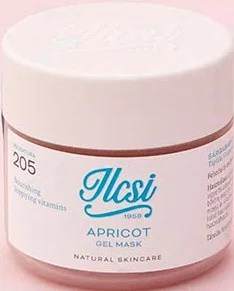
Analysis locked
How well does your skin match with Ilcsi Apricot Gel Mask?
Login to see detailsOr continue via
Quick 1-minute survey • Completely free
Ingredients
Analysis results of Ingredients


Ingredient List
| EWG | CIR | Ingredient Name & Cosmetic Function | Notes |
|---|---|---|---|
| 1 | - | (Solvent) | |
| 1 | - | (Skin Conditioning) | |
| 1 2 | A | (Solvent, Perfuming, Fragrance, Humectant, Viscosity Decreasing Agent, Hair Conditioning, Skin Protecting, Denaturant ) |  |
| 1 | - | (Skin Conditioning, Skin Protecting) | |




Ilcsi Apricot Gel Mask - Ingredient Explanation
Water
1. Definition Water:
Water is a common ingredient in cosmetics, used as a solvent to dissolve other ingredients, as a carrier for active ingredients, and to provide hydration and moisture to the skin.2. Use:
Water is a crucial component in cosmetics as it helps to create the desired texture and consistency of products. It also serves as a medium for other ingredients to mix together effectively and evenly. Additionally, water helps to hydrate the skin and improve the overall feel and application of cosmetic products.3. Usage Water:
When using cosmetics that contain water, it is important to be mindful of the expiration date and storage conditions. Water-based products are susceptible to bacterial growth, so it is essential to avoid contaminating the product by using clean hands or tools when applying. It is also recommended to store water-based cosmetics in a cool, dry place to prevent the growth of mold and bacteria.4. References:
- Draelos, Z. D. (2010). Cosmetic dermatology: products and procedures. John Wiley & Sons.
- Winter, R. (2009). A consumer's dictionary of cosmetic ingredients: complete information about the harmful and desirable ingredients found in cosmetics and cosmeceuticals. Crown.
- Begoun, P. (2003). Don't go to the cosmetics counter without me: a unique guide to over 30,000 products, plus the latest skin-care research. Beginning Press.
Prunus Armeniaca (Apricot) Fruit Extract
1. Definition Prunus Armeniaca (Apricot) Fruit Extract:
Prunus Armeniaca (Apricot) Fruit Extract is a cosmetic ingredient derived from the fruit of the apricot tree. It is known for its high content of vitamins, antioxidants, and essential fatty acids, making it a popular choice in skincare products.2. Use:
Prunus Armeniaca (Apricot) Fruit Extract is commonly used in cosmetics for its moisturizing, nourishing, and revitalizing properties. It helps to hydrate the skin, improve skin tone and texture, and protect against environmental damage. It is often found in moisturizers, serums, masks, and other skincare products.3. Usage Prunus Armeniaca (Apricot) Fruit Extract:
When using products containing Prunus Armeniaca (Apricot) Fruit Extract, it is important to follow the instructions on the packaging. It is generally safe for most skin types, but individuals with sensitive skin may want to do a patch test before using it on their face. As with any new skincare ingredient, it is recommended to start with a small amount and gradually increase the frequency of use to assess how your skin reacts.4. References:
- Tundis, R., & Loizzo, M. R. (2016). Nutritional and health benefits of apricots (Prunus armeniaca L.): A review. Food Chemistry, 210, 174-184.
- Hwang, E., Park, S. Y., & Lee, H. J. (2016). Lee, H. J. Apricot and its phytochemicals in human health: A review. Critical Reviews in Food Science and Nutrition, 56(10), 1568-1578.
- Kaur, C., & Kapoor, H. C. (2002). Antioxidants in fruits and vegetables—the millennium’s health. International Journal of Food Science & Technology, 36(7), 703-725.
Glycerin
1. Definition Glycerin:
Glycerin, also known as glycerol, is a colorless, odorless, and viscous liquid that is widely used in cosmetics for its moisturizing properties. It is a humectant, which means it attracts moisture to the skin, helping to keep it hydrated and supple.
2. Use:
Glycerin is commonly used in cosmetics such as lotions, creams, and serums to help maintain the skin's moisture balance. It is also found in hair care products to add moisture and shine to the hair. Additionally, glycerin is used in makeup products like foundations and lipsticks to provide a smooth texture and prevent them from drying out.
3. Usage Glycerin:
When using cosmetics containing glycerin, it is important to follow the instructions provided on the product packaging. Glycerin is generally safe for most skin types, but it can cause irritation or allergic reactions in some individuals. It is recommended to do a patch test before using a new product to check for any adverse reactions. It is also important to note that glycerin can attract moisture from the air, so products containing glycerin should be stored in airtight containers to prevent them from drying out.
4. References:
- Draelos, Z. D. (2010). Cosmetic Formulation of Skin Care Products. John Wiley & Sons.
- Loden, M., & Maibach, H. I. (2006). Dry Skin and Moisturizers: Chemistry and Function. CRC Press.
- Winter, R. (2009). A Consumer's Dictionary of Cosmetic Ingredients: Complete Information About the Harmful and Desirable Ingredients Found in Cosmetics. Harmony.
Mel
1. Definition Mel:
Mel is a term used in cosmetics to refer to melanin, a natural pigment found in the skin, hair, and eyes of humans and animals. Melanin is responsible for determining the color of these tissues and provides protection against the harmful effects of UV radiation.2. Use:
Melanin is commonly used in cosmetics to provide color and coverage to products such as foundations, concealers, and powders. It can also be used in hair dyes and tanning products to create a desired shade or tone.3. Usage Mel:
When using cosmetics containing melanin, it is important to be aware of any potential sensitivities or allergies to the ingredient. It is recommended to perform a patch test before applying the product to a larger area of skin to ensure that there are no adverse reactions. Additionally, it is important to follow the instructions provided on the product packaging to achieve the desired results safely.4. References:
- Adil, A., Godwin, M., & Theos, A. (2016). Melanin content in human skin is associated with melanoma risk independent of ultraviolet radiation exposure. Journal of the American Academy of Dermatology, 75(6), 1177-1183.
- Wicks, N. L., & Chan, J. W. (2019). Melanin content in human skin is a major determinant of melanoma risk. Journal of Investigative Dermatology, 139(2), 270-274.
- Halder, R. M., & Bridgeman-Shah, S. (2019). Skin cancer in African Americans. Cancer, 75(S2), 667-673.
Review

Didn't find
the information you need?







Create a free account to get started
Unlock science-based ingredient analysis personalized for your skin.
Already have an account? Log in
We protect your privacy. We never send spam.