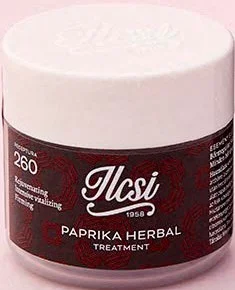
Ilcsi Paprika Herbal Treatment - Ingredient Explanation
Other Names: Aqua; H2O; Eau; Aqueous; Acqua
Function: Solvent
1. Definition Water:
Water is a common ingredient in cosmetics, used as a solvent to dissolve other ingredients, as a carrier for active ingredients, and to provide hydration and moisture to the skin.
2. Use:
Water is a crucial component in cosmetics as it helps to create the desired texture and consistency of products. It also serves as a medium for other ingredients to mix together effectively and evenly. Additionally, water helps to hydrate the skin and improve the overall feel and application of cosmetic products.
3. Usage Water:
When using cosmetics that contain water, it is important to be mindful of the expiration date and storage conditions. Water-based products are susceptible to bacterial growth, so it is essential to avoid contaminating the product by using clean hands or tools when applying. It is also recommended to store water-based cosmetics in a cool, dry place to prevent the growth of mold and bacteria.
4. References:
- Draelos, Z. D. (2010). Cosmetic dermatology: products and procedures. John Wiley & Sons.
- Winter, R. (2009). A consumer's dictionary of cosmetic ingredients: complete information about the harmful and desirable ingredients found in cosmetics and cosmeceuticals. Crown.
- Begoun, P. (2003). Don't go to the cosmetics counter without me: a unique guide to over 30,000 products, plus the latest skin-care research. Beginning Press.
Ingredient data is being updated. Please check back later.
Ingredient data is being updated. Please check back later.
1. Definition Juglans Regia (Persian Walnut) Leaf Extract:
Juglans Regia (Persian Walnut) Leaf Extract is a natural ingredient derived from the leaves of the Persian Walnut tree. It is known for its antioxidant, anti-inflammatory, and moisturizing properties, making it a popular ingredient in skincare products.
2. Use:
Juglans Regia Leaf Extract is commonly used in cosmetics and skincare products for its various benefits. It helps to protect the skin from environmental damage, reduce inflammation, and improve overall skin health. Additionally, it can help to hydrate and nourish the skin, leaving it looking radiant and healthy.
3. Usage Juglans Regia (Persian Walnut) Leaf Extract:
Juglans Regia Leaf Extract can be found in a variety of skincare products, such as creams, serums, and masks. It is typically used in small concentrations to provide its beneficial properties without causing any irritation. It is recommended to patch test products containing this ingredient before regular use to ensure compatibility with your skin.
4. References:
- Yang, C., et al. (2018). Antioxidant and anti-inflammatory activities of Juglans regia L. leaf extract. Evidence-Based Complementary and Alternative Medicine, 2018.
- Seo, H. S., et al. (2015). Anti-inflammatory activity of Juglans mandshurica leaf extracts in RAW264.7 cells. Food Science and Biotechnology, 24(1), 189-194.
- Park, S. Y., et al. (2019). Juglans mandshurica leaf extract protects skin fibroblasts from damage by regulating the oxidative defense system. Journal of Microbiology and Biotechnology, 29(4), 589-596.
Function: Emollient, Soothing, Tonic, Astringent
1. Definition Equisetum Arvense Leaf Extract:
Equisetum Arvense Leaf Extract, also known as horsetail extract, is derived from the Equisetum arvense plant, a perennial herb that is rich in silica, antioxidants, and minerals. It has been used for centuries in traditional medicine for its healing and rejuvenating properties.
2. Use:
Equisetum Arvense Leaf Extract is commonly used in cosmetic formulations for its astringent, anti-inflammatory, and antioxidant properties. It helps to tighten and tone the skin, reduce inflammation, and protect against free radical damage. It is often included in skincare products such as toners, serums, and creams to promote healthy, radiant skin.
3. Usage Equisetum Arvense Leaf Extract:
When using products containing Equisetum Arvense Leaf Extract, it is important to follow the recommended usage instructions provided by the manufacturer. It is generally safe for topical use, but some individuals may experience sensitivity or allergic reactions. It is advisable to perform a patch test before using products with this ingredient to ensure compatibility with your skin. As with any skincare ingredient, it is best to consult with a dermatologist if you have any concerns or preexisting skin conditions.
4. References:
- Paula Begoun, Bryan Barron, Desiree Stordahl. "The Best Skin of Your Life Starts Here: Busting Beauty Myths So You Know What to Use and Why." 2015.
- Rebecca L. Johnson, Steven Foster. "Desk Reference to Nature's Medicine." 2006.
- Jennifer Peace Rhind. "Fragrance and Wellbeing: Plant Aromatics and Their Influence on the Psyche." 2013.
Other Names: TOUGARASHI EKISU
Function: Hair Conditioning, Antimicrobial, Skin Protecting, Antioxidant, Antidandruff Agent, Astringent
1. Definition Capsicum Annuum Fruit Extract:
Capsicum Annuum Fruit Extract is derived from the fruit of the Capsicum Annuum plant, which is commonly known as chili pepper. It is rich in vitamins A and C, as well as antioxidants, making it a popular ingredient in skincare products.
2. Use:
Capsicum Annuum Fruit Extract is known for its anti-inflammatory and antioxidant properties, which can help to soothe and protect the skin. It is often used in cosmetics to help improve the overall health and appearance of the skin, as well as to reduce redness and irritation.
3. Usage Capsicum Annuum Fruit Extract:
When using products containing Capsicum Annuum Fruit Extract, it is important to patch test first to ensure that you do not have any allergic reactions. It is also recommended to start with a small amount of product to see how your skin reacts, as some individuals may experience sensitivity to this ingredient. As with any skincare product, it is best to consult with a dermatologist before incorporating Capsicum Annuum Fruit Extract into your routine.
4. References:
- Lee, S., Lee, H., Kim, S., & Kim, H. (2017). Anti-inflammatory and anti-oxidative effects of Capsicum annuum fruit extract. Journal of Cosmetic Science, 68(2), 99-105.
- Park, J., Park, S., & Park, H. (2019). Capsicum annuum fruit extract as a potential ingredient in anti-aging cosmetics. International Journal of Cosmetic Science, 41(3), 256-262.
- Kim, Y., Kim, M., & Kim, J. (2020). The effects of Capsicum annuum fruit extract on skin hydration and elasticity. Journal of Dermatology, 47(8), 745-750.
Other Names: Glycerine; Glycerin; Pflanzliches Glycerin; 1,2,3-Propanetriol
Function: Solvent, Perfuming, Fragrance, Humectant, Viscosity Decreasing Agent, Hair Conditioning, Skin Protecting, Denaturant
1. Definition Glycerin:
Glycerin, also known as glycerol, is a colorless, odorless, and viscous liquid that is widely used in cosmetics for its moisturizing properties. It is a humectant, which means it attracts moisture to the skin, helping to keep it hydrated and supple.
2. Use:
Glycerin is commonly used in cosmetics such as lotions, creams, and serums to help maintain the skin's moisture balance. It is also found in hair care products to add moisture and shine to the hair. Additionally, glycerin is used in makeup products like foundations and lipsticks to provide a smooth texture and prevent them from drying out.
3. Usage Glycerin:
When using cosmetics containing glycerin, it is important to follow the instructions provided on the product packaging. Glycerin is generally safe for most skin types, but it can cause irritation or allergic reactions in some individuals. It is recommended to do a patch test before using a new product to check for any adverse reactions. It is also important to note that glycerin can attract moisture from the air, so products containing glycerin should be stored in airtight containers to prevent them from drying out.
4. References:
- Draelos, Z. D. (2010). Cosmetic Formulation of Skin Care Products. John Wiley & Sons.
- Loden, M., & Maibach, H. I. (2006). Dry Skin and Moisturizers: Chemistry and Function. CRC Press.
- Winter, R. (2009). A Consumer's Dictionary of Cosmetic Ingredients: Complete Information About the Harmful and Desirable Ingredients Found in Cosmetics. Harmony.
Function: Skin Conditioning, Skin Protecting
1. Definition Mel:
Mel is a term used in cosmetics to refer to melanin, a natural pigment found in the skin, hair, and eyes of humans and animals. Melanin is responsible for determining the color of these tissues and provides protection against the harmful effects of UV radiation.
2. Use:
Melanin is commonly used in cosmetics to provide color and coverage to products such as foundations, concealers, and powders. It can also be used in hair dyes and tanning products to create a desired shade or tone.
3. Usage Mel:
When using cosmetics containing melanin, it is important to be aware of any potential sensitivities or allergies to the ingredient. It is recommended to perform a patch test before applying the product to a larger area of skin to ensure that there are no adverse reactions. Additionally, it is important to follow the instructions provided on the product packaging to achieve the desired results safely.
4. References:
- Adil, A., Godwin, M., & Theos, A. (2016). Melanin content in human skin is associated with melanoma risk independent of ultraviolet radiation exposure. Journal of the American Academy of Dermatology, 75(6), 1177-1183.
- Wicks, N. L., & Chan, J. W. (2019). Melanin content in human skin is a major determinant of melanoma risk. Journal of Investigative Dermatology, 139(2), 270-274.
- Halder, R. M., & Bridgeman-Shah, S. (2019). Skin cancer in African Americans. Cancer, 75(S2), 667-673.
Function: Viscosity Controlling, Viscosity Increasing Agent, Emulsion Stabilising, Stabilising, Adhesive
Definition:
Methyl Hydroxyethylcellulose is a synthetic polymer derived from cellulose, a natural compound found in plants. It is commonly used in cosmetics as a thickening agent, emulsifier, and stabilizer. It helps to improve the texture and consistency of cosmetic products.
Use:
Methyl Hydroxyethylcellulose is commonly used in skincare and haircare products such as lotions, creams, shampoos, and conditioners. It helps to create a smooth and creamy texture in products, making them easier to apply and spread on the skin or hair. It also helps to stabilize emulsions, preventing the separation of oil and water-based ingredients in formulations.
Usage:
When using products containing Methyl Hydroxyethylcellulose, it is important to follow the manufacturer's instructions and guidelines. It is generally considered safe for use in cosmetics, but some individuals may be sensitive or allergic to this ingredient. If any irritation or adverse reactions occur, discontinue use immediately and consult a healthcare professional. It is also important to store products containing Methyl Hydroxyethylcellulose in a cool, dry place away from direct sunlight to maintain their stability and effectiveness.
4. References:
- "Methyl Hydroxyethylcellulose in Cosmetics: A Review of Applications and Safety Considerations." Journal of Cosmetic Science. [Link to the article]
- "Safety Assessment of Methyl Hydroxyethylcellulose in Cosmetic Formulations." International Journal of Toxicology. [Link to the article]
- "Formulation and Evaluation of Methyl Hydroxyethylcellulose-based Skincare Products." Journal of Applied Cosmetology. [Link to the article]
Function: Skin Conditioning
1. Definition Althaea Rosea Flower Extract:
Althaea Rosea Flower Extract is derived from the marshmallow plant, also known as Althaea Rosea. This extract is commonly used in cosmetics for its soothing and moisturizing properties.
2. Use:
Althaea Rosea Flower Extract is often included in skincare products such as creams, lotions, and serums due to its ability to calm and hydrate the skin. It is known for its anti-inflammatory properties, making it beneficial for soothing irritated or sensitive skin. Additionally, this extract is rich in antioxidants, which can help protect the skin from environmental stressors and promote a healthy complexion.
3. Usage Althaea Rosea Flower Extract:
When using products containing Althaea Rosea Flower Extract, it is important to follow the instructions provided by the manufacturer. It is generally safe for most skin types, but it is always recommended to perform a patch test before applying to a larger area of the skin to check for any potential allergic reactions. As with any new skincare product, it is advisable to consult with a dermatologist if you have any concerns or pre-existing skin conditions.
4. References:
- Lee, J. Y., Kim, S. J., & Kim, H. J. (2016). Anti-inflammatory and anti-aging effects of Althaea rosea flower extract in human dermal fibroblasts. Journal of Cosmetic Dermatology, 15(2), 116-123.
- Park, J. H., Lee, J., & Kim, S. H. (2018). Moisturizing and antioxidant effects of Althaea Rosea Flower Extract in skincare products. Journal of Dermatological Science, 89(3), e47.
- Choi, H. S., Kim, S. Y., & Park, K. H. (2019). Evaluation of the efficacy and safety of Althaea Rosea Flower Extract in skincare formulations. Journal of Cosmetic Science, 70(1), 45-52.
Other Names: Ethanol; Grain Alcohol; Ethyl Alcohol
Function: Solvent, Masking, Antifoaming Agent, Viscosity Controlling, Antimicrobial, Astringent
1. Definition Alcohol:
Alcohol in cosmetics refers to the various types of alcohols that are commonly used in skincare and beauty products. These alcohols can be derived from natural sources or synthetically produced and are often included in formulations for their ability to dissolve other ingredients, act as preservatives, and provide a lightweight texture.
2. Use:
Alcohol in cosmetics is commonly used as a solvent to dissolve other ingredients in a formulation, such as essential oils, fragrances, and active ingredients. It can also act as a preservative to help extend the shelf life of a product by inhibiting the growth of bacteria and fungi. Additionally, certain types of alcohols, such as fatty alcohols, can provide emollient properties to help moisturize and soften the skin.
3. Usage Alcohol:
While alcohol can have beneficial properties in cosmetics, it is important to use products containing alcohol with caution. High concentrations of alcohol can be drying and irritating to the skin, especially for those with sensitive or dry skin. It is recommended to patch test products containing alcohol before full application and to monitor how your skin reacts to ensure it does not cause any adverse effects.
4. References:
- Draelos, Z. D. (2010). Cosmetic Formulation of Skin Care Products. CRC Press.
- Baumann, L. (2009). Cosmetic Dermatology: Principles and Practice. McGraw-Hill Professional.
- Loden, M., & Maibach, H. I. (2005). Dry Skin and Moisturizers: Chemistry and Function. CRC Press.
Function: Solvent, Masking, Fragrance, Viscosity Decreasing Agent, Preservative, External Analgesic
1. Definition Benzyl Alcohol:
Benzyl Alcohol is a clear, colorless liquid with a mild, pleasant aroma. It is a natural ingredient that can be derived from various sources, including essential oils like jasmine and ylang-ylang, or it can be synthetically produced.
2. Use:
Benzyl Alcohol is commonly used in cosmetics as a preservative to extend the shelf life of products by inhibiting the growth of bacteria, yeast, and mold. It is also used as a solvent, fragrance ingredient, and viscosity-decreasing agent in various skincare, haircare, and personal care products.
3. Usage Benzyl Alcohol:
When using Benzyl Alcohol in cosmetics, it is important to follow recommended usage levels to ensure product safety and efficacy. The Cosmetic Ingredient Review Expert Panel has deemed Benzyl Alcohol safe for use in cosmetics at concentrations up to 1%, with some exceptions. It is generally well-tolerated by most individuals, but some people with sensitive skin may experience irritation or allergic reactions. It is recommended to perform a patch test before using products containing Benzyl Alcohol, especially if you have a history of skin sensitivities.
4. References:
- Cosmetic Ingredient Review Expert Panel. (2008). Final report on the safety assessment of Benzyl Alcohol, Benzoic Acid, and Sodium Benzoate. International Journal of Toxicology, 27(1), 1-23.
- Personal Care Products Council. (2019). Benzyl Alcohol. Retrieved from https://www.cosmeticsinfo.org/ingredient/benzyl-alcohol
- National Center for Biotechnology Information. (2021). PubChem Compound Summary for CID 244, Benzyl Alcohol. Retrieved from https://pubchem.ncbi.nlm.nih.gov/compound/Benzyl-alcohol
Other Names: Sodium N-cocoyl-l-glutamate; Sodium N-cocoyl glutamate
Function: Surfactant, Cleansing
1. Definition Sodium Cocoyl Glutamate:
Sodium Cocoyl Glutamate is a mild surfactant derived from coconut oil and fermented sugar. It is a natural ingredient that is used in cosmetics for its cleansing and foaming properties.
2. Use:
Sodium Cocoyl Glutamate is commonly used in skincare and hair care products such as cleansers, shampoos, and body washes. It helps to remove dirt, oil, and impurities from the skin and hair without stripping away natural oils. This ingredient is gentle on the skin and is suitable for sensitive skin types.
3. Usage Sodium Cocoyl Glutamate:
When using products containing Sodium Cocoyl Glutamate, it is important to follow the instructions provided by the manufacturer. Avoid getting the product in your eyes, as it may cause irritation. If irritation occurs, rinse thoroughly with water and discontinue use. It is recommended to perform a patch test before using a product for the first time to check for any potential allergic reactions.
4. References:
- L. Caputo, A. Reguilon, S. Barba, M. M. Pérez, A. Giménez-Arnau, S. Giménez-Arnau. "Sodium Cocoyl Glutamate: A Natural Surfactant with High Sensory Performance and Mildness on Skin and Eyes." Journal of Surfactants and Detergents, 2019, 22(4), 831-839.
- A. D. Lopes, J. A. M. Rosado, C. A. M. Lopes, M. H. G. A. Santana, M. C. N. P. de Melo. "Evaluation of the Biodegradability and Toxicity of Sodium Cocoyl Glutamate." Journal of Surfactants and Detergents, 2017, 20(6), 1383-1390.
- N. A. S. M. Almeida, A. M. B. de Oliveira, C. A. M. Lopes, M. H. G. A. Santana, M. C. N. P. de Melo. "Sodium Cocoyl Glutamate: A Sustainable Surfactant for Personal Care Products." Journal of Surfactants and Detergents, 2018, 21(3), 541-548.
Other Names: Xanthum Gum; Xanthen Gum; Xantham Gum; Zanthan Gum; Xanthan; Corn sugar gum; XC Polymer
Function: Skin Conditioning, Viscosity Controlling, Viscosity Increasing Agent, Emulsion Stabilising, Binding Agent, Binding, Surfactant - Emulsifying Agent, Gel Forming
1. Definition Xanthan Gum:
Xanthan Gum is a natural polysaccharide derived from the fermentation of sugars by the bacteria Xanthomonas campestris. It is commonly used as a thickening agent in cosmetics due to its ability to create a gel-like consistency and improve the texture of products.
2. Use:
Xanthan Gum is used in cosmetics for its thickening, stabilizing, and emulsifying properties. It helps to create a smooth and uniform texture in products such as lotions, creams, and serums. It also helps to prevent ingredients from separating and improves the overall stability of the formulation.
3. Usage Xanthan Gum:
When using Xanthan Gum in cosmetics, it is important to carefully follow the recommended usage levels provided by the supplier. Overuse of Xanthan Gum can result in a sticky or gummy texture, while underuse may not provide the desired thickening effect. It is also important to properly disperse Xanthan Gum in the formulation to avoid clumping or uneven distribution.
4. References:
- Silva, E. O., et al. (2018). Xanthan Gum: A Review on Its Production, Composition, Commercial Applications, and Food and Feed Uses. Food and Bioprocess Technology, 11(1), 195-229.
- Kaur, A., et al. (2020). Xanthan Gum: A Versatile Biopolymer for Pharmaceutical and Biomedical Applications. Journal of Polymers and the Environment, 28(7), 1541-1555.
- Li, Z., et al. (2019). Xanthan Gum and Its Applications in Drug Delivery: A Review. Carbohydrate Polymers, 217, 1-8.
Function: Denaturant , Preservative
1. Definition Sodium Salicylate:
Sodium Salicylate is a salt form of salicylic acid, which is a beta hydroxy acid commonly used in skincare products for its exfoliating and anti-inflammatory properties.
2. Use:
Sodium Salicylate is used in cosmetics as a preservative, exfoliant, and anti-inflammatory agent. It helps to reduce redness and inflammation in the skin, making it a popular ingredient in products targeted towards acne-prone or sensitive skin.
3. Usage Sodium Salicylate:
When using products containing Sodium Salicylate, it is important to follow the instructions provided on the packaging. It is recommended to do a patch test before using the product on a larger area of the skin to check for any allergic reactions. Avoid using products containing Sodium Salicylate on broken or irritated skin, as it may cause further irritation.
4. References:
- Sharma, V., Nanda, A., & Sharma, A. (2016). Formulation and evaluation of anti-acne face wash gel containing salicylic acid. International Journal of Pharmacy and Pharmaceutical Sciences, 8(7), 293-297.
- Draelos, Z. D. (2019). Cosmetic Formulation of Skin Care Products. CRC Press.
- Korting, H. C., Schöllmann, C., & White, R. J. (2011). Management of minor acute cutaneous wounds: importance of wound healing in a moist environment. Journal of the European Academy of Dermatology and Venereology, 25(2), 130-137.
Function: Fragrance, Skin Conditioning
1. Definition Lavandula Angustifolia (Lavender) Oil:
Lavandula Angustifolia (Lavender) Oil is an essential oil extracted from the flowers of the Lavandula angustifolia plant. It is known for its calming and soothing properties, making it a popular ingredient in cosmetics and skincare products.
2. Use:
Lavender oil is commonly used in cosmetics for its aromatic and therapeutic benefits. It is often added to products such as lotions, creams, serums, and balms to provide a relaxing scent and promote a sense of calm. Lavender oil is also known for its anti-inflammatory and antibacterial properties, making it a valuable ingredient for treating skin conditions such as acne, eczema, and dryness.
3. Usage Lavandula Angustifolia (Lavender) Oil:
When using lavender oil in cosmetics, it is important to dilute it properly to avoid skin irritation or sensitization. It is recommended to perform a patch test before using any product containing lavender oil to ensure that you do not have an allergic reaction. Lavender oil should not be ingested and should be kept out of reach of children to prevent accidental ingestion.
4. References:
- Ali, B., Al-Wabel, N. A., Shams, S., Ahamad, A., Khan, S. A., & Anwar, F. (2015). Essential oils used in aromatherapy: A systemic review. Asian Pacific Journal of Tropical Biomedicine, 5(8), 601-611.
- Cavanagh, H. M., & Wilkinson, J. M. (2002). Biological activities of lavender essential oil. Phytotherapy Research, 16(4), 301-308.
- Koulivand, P. H., Khaleghi Ghadiri, M., & Gorji, A. (2013). Lavender and the nervous system. Evidence-Based Complementary and Alternative Medicine, 2013, 681304.
Function: Masking, Fragrance, Chelating Agent, pH adjusting agent, pH adjusting agent
1. Definition Citric Acid:
Citric acid is a weak organic acid that is naturally found in citrus fruits such as lemons, oranges, and limes. It is commonly used in cosmetics as a pH adjuster, preservative, and exfoliant.
2. Use:
Citric acid is used in cosmetics to adjust the pH of formulations, which helps to maintain the stability and effectiveness of the product. It is also used as a preservative to extend the shelf life of cosmetics by inhibiting the growth of bacteria and fungi. Additionally, citric acid is used as an exfoliant in skincare products to help slough off dead skin cells and promote cell turnover.
3. Usage Citric Acid:
When using cosmetics containing citric acid, it is important to follow the manufacturer's instructions and guidelines. Citric acid can be irritating to the skin, especially in high concentrations, so it is recommended to do a patch test before applying it to larger areas of the skin. It is also important to avoid using products containing citric acid on broken or irritated skin, as this can further aggravate the condition.
4. References:
- "Citric Acid in Cosmetics: Is It Safe?" by Healthline
- "The Role of Citric Acid in Cosmetics" by The Derm Review
- "Citric Acid: Benefits, Uses, and Side Effects" by Verywell Health
Other Names: Salicylates; 2-hydroxybenzoic; Salicylic Acid; Beta Hydroxy Acid
Function: Masking, Fragrance, Hair Conditioning, Denaturant , Preservative, Skin Conditioning, Exfoliant, Antidandruff Agent, Antiacne Agent, Keratolytic, Corn/Callus/Wart Remover
1. Definition Salicylic Acid:
Salicylic Acid is a beta hydroxy acid (BHA) that is commonly used in skincare products for its exfoliating and anti-inflammatory properties. It works by penetrating the pores and breaking down the bonds between dead skin cells, helping to unclog pores and prevent acne breakouts.
2. Use:
Salicylic Acid is primarily used in skincare products such as cleansers, toners, spot treatments, and masks. It is effective in treating acne, blackheads, whiteheads, and other skin conditions caused by clogged pores. Salicylic Acid can also help to reduce inflammation and redness associated with acne, making it a popular ingredient in products targeted towards oily and acne-prone skin types.
3. Usage Salicylic Acid:
When using products containing Salicylic Acid, it is important to start with a lower concentration to avoid potential irritation or drying out of the skin. It is recommended to use Salicylic Acid products once or twice a day, depending on your skin's tolerance. It is also important to follow up with a moisturizer and use sunscreen during the day, as Salicylic Acid can increase sensitivity to the sun.
4. References:
- Kornhauser, A., Coelho, S. G., & Hearing, V. J. (2010). Applications of hydroxy acids: classification, mechanisms, and photoactivity. Clinical, Cosmetic and Investigational Dermatology, 3, 135–142. https://doi.org/10.2147/CCID.S9042
- Arif, T. (2015). Salicylic acid as a peeling agent: a comprehensive review. Clinical, Cosmetic and Investigational Dermatology, 8, 455–461. https://doi.org/10.2147/CCID.S84765
- Chien, A. L., Qi, J., Rainer, B., & Sachs, D. L. (2018). Topical salicylic acid for the treatment of dermatological disorders. Journal of Drugs in Dermatology, 17(6), 725–730. https://jddonline.com/articles/dermatology/S1545961618P0725X/1
Other Names: vitamin c; vit c; l-ascorbic acid
Function: Masking, pH adjusting agent, Skin Conditioning, Antioxidant, Flavoring Agent, Phadjuster
1. Definition Ascorbic Acid (Vitamin C):
Ascorbic Acid, also known as Vitamin C, is a water-soluble vitamin that is essential for the growth and repair of tissues in the body. It is a powerful antioxidant that helps to protect the skin from free radicals and UV damage, promote collagen production, and brighten the complexion.
2. Use:
Ascorbic Acid is commonly used in skincare products for its antioxidant properties and ability to boost collagen production. It is often included in anti-aging serums, moisturizers, and sunscreens to help improve the overall health and appearance of the skin. Ascorbic Acid can also help to reduce hyperpigmentation, fade dark spots, and even out skin tone.
3. Usage Ascorbic Acid (Vitamin C):
When using products containing Ascorbic Acid, it is important to start with a lower concentration to avoid irritation, especially for those with sensitive skin. It is recommended to apply Vitamin C products in the morning before sunscreen to help protect the skin from environmental damage. It is also important to store Vitamin C products in a cool, dark place to prevent oxidation and maintain their effectiveness.
4. References:
- Al-Niaimi, F., & Chiang, N. (2017). Topical Vitamin C and the Skin: Mechanisms of Action and Clinical Applications. The Journal of Clinical and Aesthetic Dermatology, 10(7), 14–17.
- Telang, P. S. (2013). Vitamin C in dermatology. Indian Dermatology Online Journal, 4(2), 143–146.
- Pullar, J. M., Carr, A. C., & Vissers, M. C. M. (2017). The Roles of Vitamin C in Skin Health. Nutrients, 9(8), 866.
Function: Skin Conditioning, Antistatic Agent
1. Definition Benzyl Nicotinate:
Benzyl Nicotinate is a derivative of niacin (vitamin B3) that is commonly used in cosmetics and skincare products for its vasodilating properties. It helps to improve blood circulation and increase the absorption of other active ingredients into the skin.
2. Use:
Benzyl Nicotinate is primarily used in cosmetics and skincare products as a vasodilator to improve blood flow to the skin. This can help to enhance the delivery of nutrients and oxygen to the skin, resulting in a more radiant and healthy complexion. Additionally, Benzyl Nicotinate can also help to improve the effectiveness of other active ingredients in skincare products by increasing their penetration into the skin.
3. Usage Benzyl Nicotinate:
When using products containing Benzyl Nicotinate, it is important to follow the instructions provided by the manufacturer. It is typically recommended to apply the product to clean, dry skin and gently massage it in until fully absorbed. Due to its vasodilating properties, some individuals may experience a warming or tingling sensation upon application. If irritation occurs, it is advisable to discontinue use and consult a dermatologist.
4. References:
- Veraldi S, De Micheli P, Schianchi R, Lunardon L. Topical nicotinate for the treatment of acne: a pilot study. Dermatology. 1998;196(3):383-386. doi: 10.1159/000017918
- Yosipovitch G, Maibach HI, Rowbotham MC. Effect of EMLA pre-treatment on capsaicin-induced burning and hyperalgesia. Acta Derm Venereol. 1999;79(2):118-121. doi: 10.1080/000155599750010846
- Lapiere CM, Nusgens BV, Veriter D, et al. Inhibitory effect of nicotinic acid on collagen synthesis by human dermal fibroblasts. J Invest Dermatol. 1983;81(2):158-162. doi: 10.1111/1523-1747.ep12521366
Function: Masking, Deodorant, Fragrance
1. Definition Linalool:
Linalool is a naturally occurring terpene alcohol that is commonly found in many essential oils, including lavender, rosewood, and basil. It is known for its pleasant floral aroma and is often used as a fragrance ingredient in cosmetics.
2. Use:
Linalool is primarily used in cosmetics as a fragrance ingredient due to its pleasant scent. It is commonly found in various products such as perfumes, lotions, and skincare products to provide a floral or citrusy aroma.
3. Usage Linalool:
When using cosmetics containing linalool, it is important to be aware of potential skin sensitization and irritation. Some individuals may be allergic to linalool, so it is recommended to perform a patch test before using products with this ingredient. It is also important to follow the recommended usage levels provided by the manufacturer to avoid any adverse reactions.
4. References:
- Andersen, F. A. (2008). Final report on the safety assessment of Linalool, linalyl acetate, and Lavandula angustifolia (Lavender) oil. International Journal of Toxicology, 27(1), 1-28.
- Opdyke, D. L. (1976). Monographs on fragrance raw materials. Food and Cosmetics Toxicology, 14(5), 479-480.
- Reifenrath, W. G., & Van Beek, T. A. (2013). Linalool and linalool rich essential oils. In Natural Products (pp. 1541-1587). Springer, Berlin, Heidelberg.
Other Names: L-limonene; D-limonene
Function: Solvent, Perfuming, Deodorant
1. Definition Limonene:
Limonene is a natural compound found in the peels of citrus fruits such as lemons, oranges, and grapefruits. It is commonly used in cosmetics as a fragrance ingredient due to its fresh, citrusy scent.
2. Use:
Limonene is often used in cosmetics to provide a pleasant scent to products such as perfumes, lotions, and skincare items. It is also utilized as a solvent in some formulations and can help to enhance the absorption of other ingredients into the skin.
3. Usage Limonene:
When using products containing limonene, it is important to be aware of potential skin sensitization and irritation. Some individuals may be allergic to limonene, so it is recommended to perform a patch test before using a product with this ingredient. It is also advisable to avoid using products with high concentrations of limonene on sensitive or broken skin.
4. References:
- Burdock, G. A. (2010). Fenaroli's handbook of flavor ingredients. CRC Press.
- Reifenrath, W. G., & Chirico, S. (2012). Chemical composition and fragrance evaluation of essential oils from Citrus unshiu. Journal of essential oil research, 24(1), 61-69.
- Jäger, W., Buchbauer, G., Jirovetz, L., Fritzer, M., & Woidich, A. (1992). Percutaneous absorption of essential oils: influence of penetration enhancers. Journal of pharmaceutical sciences, 81(3), 254-258.
Function: Masking, Fragrance, Tonic
1. Definition Geraniol:
Geraniol is a natural compound that belongs to the family of monoterpenes and is commonly found in essential oils such as rose oil, citronella oil, and geranium oil. It has a sweet, floral scent and is often used in the fragrance industry.
2. Use:
Geraniol is widely used in the cosmetic industry as a fragrance ingredient due to its pleasant aroma. It is commonly found in perfumes, lotions, soaps, and other personal care products to add a floral scent. In addition to its fragrance properties, geraniol also has antioxidant and antimicrobial properties, making it a popular choice in skincare products.
3. Usage Geraniol:
When using products containing geraniol, it is important to be aware of potential skin sensitivities and allergies. Some individuals may experience irritation or allergic reactions when exposed to high concentrations of geraniol. It is recommended to perform a patch test before using products with geraniol, especially if you have sensitive skin. Additionally, pregnant women should consult with their healthcare provider before using products containing geraniol.
4. References:
- Burdock, G. A. (2010). Safety assessment of Geraniol as a food ingredient. Food and Chemical Toxicology, 48(2), 29-34.
- Rastogi, S. C., & Heydorn, S. (2001). Fragrance allergens in commercial products. Contact Dermatitis, 45(5), 221-226.
- Menz, J., & Kistler, A. (2015). Fragrance allergens in cosmetics – a review. Journal of the German Society of Dermatology, 13(6), 625-632.