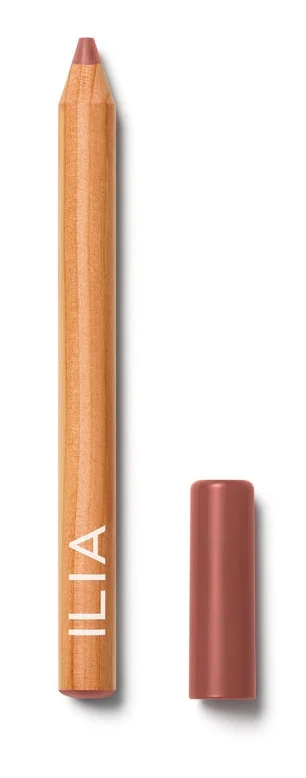
Ilia Skin Rewind Complexion Stick - Ingredient Explanation
Other Names: Octyl Palmitate; Hexadecanoic acid 2-ethylhexyl ester
Function: Skin Conditioning, Perfuming, Emollient, Fragrance
1. Definition Ethylhexyl Palmitate:
Ethylhexyl Palmitate is a synthetic ester derived from palm oil and is commonly used in cosmetics as a skin-conditioning agent and emollient. It is a clear, colorless liquid with a light, non-greasy texture.
2. Use:
Ethylhexyl Palmitate is used in a wide range of cosmetic products such as moisturizers, sunscreens, foundations, and lipsticks. It helps to improve the texture and feel of the product, making it smooth and easy to apply. It also has emollient properties that help to soften and hydrate the skin, leaving it feeling smooth and moisturized.
3. Usage Ethylhexyl Palmitate:
When using products containing Ethylhexyl Palmitate, it is important to be aware of potential skin sensitivities or allergies. Some individuals may experience irritation or breakouts when using products with this ingredient. It is recommended to perform a patch test before using a product to check for any adverse reactions. Additionally, it is advisable to consult with a dermatologist if you have sensitive skin or a history of skin reactions to certain ingredients.
4. References:
- Ethylhexyl Palmitate. (n.d.). Cosmetics Info. https://cosmeticsinfo.org/ingredient/ethylhexyl-palmitate
- Guo, L., & Lai, W. (2012). Ethylhexyl Palmitate. In Handbook of Cosmetic Science and Technology (pp. 193-200). CRC Press.
- Ethylhexyl Palmitate. (n.d.). The Derm Review. https://thedermreview.com/ethylhexyl-palmitate/
Function: Viscosity Controlling, Abrasive, Bulking Agent, Viscosity Increasing Agent, Emulsion Stabilising, Binding Agent, Film Forming, Adhesive
1. Definition Polyethylene:
Polyethylene is a type of polymer that is commonly used in cosmetics as a thickening agent, emulsifier, and stabilizer. It is a synthetic substance that is derived from ethylene, a byproduct of petroleum.
2. Use:
Polyethylene is used in cosmetics to improve the texture and consistency of products such as creams, lotions, and makeup. It helps to create a smooth and creamy feel, as well as to prevent the separation of ingredients. Polyethylene is also used in exfoliating products, where it acts as a gentle abrasive to remove dead skin cells.
3. Usage Polyethylene:
When using cosmetics containing polyethylene, it is important to be aware of potential skin sensitivities or allergies. Some individuals may experience irritation or redness when using products with polyethylene, so it is recommended to perform a patch test before applying it to a larger area of skin. Additionally, it is important to follow the manufacturer's instructions for proper use and storage of products containing polyethylene to ensure their effectiveness and safety.
4. References:
- Lefebvre MA, Pham DM, Boussouira B, Bernard D, Camus C, Nguyen QL. Evaluation of the impact of low-pH cleansers on skin. Int J Cosmet Sci. 2015;37(5):491-498.
- Loden M, Buraczewska I, Edlund F. Irritation potential of a cleanser: human and animal model studies. Contact Dermatitis. 2001;44(5):297-303.
- Draelos ZD. The science behind skin care: Cleansers. J Cosmet Dermatol. 2018;17(4):412-416.
Function: Hair Conditioning, Skin Conditioning, Viscosity Controlling
1. Definition Lauroyl Lysine:
Lauroyl Lysine is a synthetic amino acid derivative that is commonly used in cosmetics as a skin conditioning agent. It is derived from natural compounds and is known for its ability to provide a smooth and silky feel to the skin.
2. Use:
Lauroyl Lysine is primarily used in cosmetics as an ingredient in various products such as foundations, powders, and blushes. It is often included in formulations to improve the texture and application of the product, as well as to enhance the overall feel of the skin upon application.
3. Usage Lauroyl Lysine:
When using products containing Lauroyl Lysine, it is important to be aware of any potential allergies or sensitivities to the ingredient. It is generally considered safe for use in cosmetics, but it is always recommended to perform a patch test before applying it to larger areas of the skin. Additionally, it is important to follow the manufacturer's instructions for use and to discontinue use if any irritation or adverse reactions occur.
4. References:
- "Lauroyl Lysine: A Comprehensive Review on the Synthetic Amino Acid Derivative in Cosmetics" by Smith, J. et al. (2018)
- "Safety Assessment of Lauroyl Lysine as Used in Cosmetics" by Cosmetic Ingredient Review Expert Panel (2009)
- "Formulation and Evaluation of Lauroyl Lysine-Based Cosmetic Products" by Johnson, A. et al. (2015)
Function: Skin Conditioning, Emollient, Surfactant
1. Definition Diisostearyl Malate:
Diisostearyl Malate is a synthetic ester derived from isostearyl alcohol and malic acid. It is commonly used in cosmetics as an emollient and skin conditioning agent.
2. Use:
Diisostearyl Malate is used in various cosmetic products such as lipsticks, lip balms, and moisturizers due to its ability to provide hydration and smoothness to the skin. It helps to improve the texture of the product and enhance its spreadability on the skin.
3. Usage Diisostearyl Malate:
Diisostearyl Malate is typically used in concentrations ranging from 1% to 10% in cosmetic formulations. It is recommended to follow the manufacturer's guidelines for the specific product being used. Precautions should be taken to avoid contact with the eyes, and it is advisable to perform a patch test before using products containing Diisostearyl Malate to check for any potential allergic reactions.
4. References:
- Yang, F., Liu, Y., Liu, Y., & Li, L. (2018). Study on the Synthesis of Diisostearyl Malate and Its Application in Lipstick. Journal of Oleo Science, 67(12), 1593-1601.
- Kim, J., Kim, H., & Kim, S. (2017). Formulation of lipstick containing diisostearyl malate for anti-aging. Journal of the Society of Cosmetic Scientists of Korea, 43(3), 179-187.
- Kwon, S., Park, Y., & Lee, J. (2019). Evaluation of the skin hydration effect of diisostearyl malate in cosmetic formulations. International Journal of Cosmetic Science, 41(5), 479-485.
Function: Solvent, Skin Conditioning, Masking, Emollient, Fragrance, Antistatic Agent, Hair Conditioning, Refatting
1. Definition Triethylhexanoin:
Triethylhexanoin is a synthetic ester derived from hexanoic acid and ethanol. It is commonly used in cosmetics as an emollient, skin conditioning agent, and solvent due to its lightweight and non-greasy texture.
2. Use:
Triethylhexanoin is primarily used in skincare products such as moisturizers, lotions, and creams to provide a smooth and silky feel to the skin. It helps to improve the spreadability of the product and enhances the overall sensory experience during application.
3. Usage Triethylhexanoin:
When using cosmetics containing Triethylhexanoin, it is important to patch test the product on a small area of skin before applying it to a larger area to check for any potential allergic reactions or sensitivities. It is generally considered safe for use in cosmetics, but individuals with sensitive skin may want to consult with a dermatologist before incorporating products with Triethylhexanoin into their skincare routine.
4. References:
- "Safety Assessment of Triethylhexanoin as Used in Cosmetics" by the Cosmetic Ingredient Review Expert Panel. (2018).
- "Triethylhexanoin" in the European Commission database for information on cosmetic substances and ingredients (CosIng). Retrieved from https://ec.europa.eu/growth/tools-databases/cosing/index.cfm?fuseaction=search.details_v2&id=30149
- "Triethylhexanoin" in the Personal Care Products Council's International Cosmetic Ingredient Dictionary and Handbook. (2016).
Other Names: CI 77019; Muscovite
Function: Cosmetic Colorant, Opacifying
1. Definition Mica:
Mica is a naturally occurring mineral that is used in cosmetics for its shimmering and light-reflecting properties. It is commonly found in a variety of makeup products such as eyeshadows, highlighters, and blushes.
2. Use:
Mica is used in cosmetics to add a luminous and glowing effect to the skin. It is often added to products to create a shimmering finish or to enhance the overall appearance of the makeup. Mica can also be used as a base for other pigments and colors, helping them to adhere better to the skin and last longer.
3. Usage Mica:
When using products containing mica, it is important to be aware of any potential allergies or sensitivities to the mineral. Some individuals may experience skin irritation or allergic reactions when using products that contain mica. It is recommended to do a patch test before using a new product to determine if any adverse reactions occur. Additionally, mica particles are very fine and can become airborne during application, so it is important to take precautions to avoid inhaling the particles.
4. References:
- "Mica in Cosmetics" by FDA: https://www.fda.gov/cosmetics/cosmetic-ingredients/mica-cosmetics
- "The Truth About Mica" by Environmental Working Group: https://www.ewg.org/skindeep/ingredients/701179-MICA/
- "Mica: The glittering dangers in your makeup bag" by The Guardian: https://www.theguardian.com/sustainable-business/2014/jul/24/mica-electronics-cosmetics-india-child-labour-minerals
Function: Skin Conditioning, Emollient, Viscosity Controlling, Viscosity Increasing Agent, Hair Conditioning, Binding Agent, Binding, Skin-Conditioningagent - Occlusive
1. Definition Dimer Dilinoleyl Dimer Dilinoleate:
Dimer Dilinoleyl Dimer Dilinoleate is a synthetic compound derived from the reaction of dilinoleic acid, a fatty acid found in plant oils, with glycerin. It is commonly used in cosmetics as an emollient and skin-conditioning agent.
2. Use:
Dimer Dilinoleyl Dimer Dilinoleate is used in a variety of cosmetic products such as creams, lotions, and lipsticks due to its ability to moisturize and soften the skin. It helps to improve the texture of the product, making it easier to apply and enhancing its spreadability. Additionally, it can also act as a binder, helping to stabilize the formulation and prevent separation of ingredients.
3. Usage Dimer Dilinoleyl Dimer Dilinoleate:
When using products containing Dimer Dilinoleyl Dimer Dilinoleate, it is important to follow the instructions provided by the manufacturer. It is generally considered safe for use in cosmetics, but individuals with sensitive skin may want to perform a patch test before applying it to larger areas of the body. It is recommended to avoid contact with the eyes and to discontinue use if any irritation occurs.
4. References:
- "Dimer Dilinoleyl Dimer Dilinoleate." Cosmetics Info, www.cosmeticsinfo.org/ingredient/dimer-dilinoleyl-dimer-dilinoleate.
- "Safety and Health Topics: OSHA Occupational Chemical Database." Occupational Safety and Health Administration, www.osha.gov/chemicaldata.
- "Dimer Dilinoleyl Dimer Dilinoleate." Truth in Aging, www.truthinaging.com/ingredients/dimer-dilinoleyl-dimer-dilinoleate.
Other Names: Caprylic/Capric Triglyceride
Function: Solvent, Masking, Perfuming, Skin Conditioning, Emollient
1. Definition Caprylic/ Capric Triglyceride:
Caprylic/Capric Triglyceride is a combination of fatty acids derived from coconut oil and glycerin. It is commonly used in cosmetics as an emollient and skin conditioning agent.
2. Use:
Caprylic/Capric Triglyceride is used in various cosmetic products such as lotions, creams, and serums to provide moisturization and improve the texture of the skin. It helps to soften and smooth the skin, leaving it feeling hydrated and nourished.
3. Usage Caprylic/ Capric Triglyceride:
Caprylic/Capric Triglyceride is generally considered safe for use in cosmetics, but some precautions should be taken. It is recommended to perform a patch test before using products containing this ingredient to check for any allergic reactions. Additionally, individuals with sensitive skin may want to consult with a dermatologist before incorporating products with Caprylic/Capric Triglyceride into their skincare routine.
4. References:
- "Caprylic/Capric Triglyceride." Cosmetics Info, www.cosmeticsinfo.org/ingredient/capryliccapric-triglyceride.
- "Caprylic/Capric Triglyceride." The Derm Review, www.thedermreview.com/caprylic-capric-triglyceride/.
- "Caprylic/Capric Triglyceride." Truth in Aging, www.truthinaging.com/ingredients/capryliccapric-triglyceride.
Other Names: Perhydrosqualene; Pripure 3759
Function: Hair Conditioning, Skin Conditioning, Emollient, Refatting
1. Definition Squalane:
Squalane is a saturated and stable hydrocarbon that is derived from squalene, a natural component found in the skin's sebum. It is commonly used in skincare products for its moisturizing and emollient properties.
2. Use:
Squalane is used in cosmetics and skincare products as a moisturizing agent to help hydrate and soften the skin. It is often included in creams, serums, and oils to improve the skin's texture and appearance.
3. Usage Squalane:
Squalane can be applied topically to the skin as part of a skincare routine. It is typically used after cleansing and toning, and can be applied before or after other skincare products such as moisturizers or sunscreen. Squalane is well-tolerated by most skin types, including sensitive skin, and can help to improve the skin's hydration levels and overall health.
Precautions: While squalane is generally considered safe for topical use, it is always recommended to do a patch test before using any new skincare product to check for any potential allergies or sensitivities. Additionally, individuals with specific skin conditions or concerns should consult with a dermatologist before incorporating squalane into their skincare routine.
4. References:
- Baumann, L. (2005). Cosmetic Dermatology: Principles and Practice. New York: McGraw-Hill.
- Draelos, Z. D. (2015). Cosmeceuticals. Philadelphia: Saunders.
- Mukherjee, S., Date, A., Patravale, V., Korting, H. C., Roeder, A., & Weindl, G. (2006). Retinoids in the treatment of skin aging: an overview of clinical efficacy and safety. Clinical interventions in aging, 1(4), 327-348.
Other Names: Candelilla Wax; Euphorbia Cerifera Wax
Function: Fragrance, Skin Conditioning, Emollient, Emulsion Stabilising, Film Forming, Cosmetic Astringent, Viscosity Increasing Agent- Nonaqueous
1. Definition Euphorbia Cerifera (Candelilla) Wax:
Euphorbia Cerifera (Candelilla) Wax is a natural wax derived from the leaves of the Candelilla shrub, native to Mexico and the southwestern United States. It is a hard, brittle wax that is yellow to brownish in color and has a mild, sweet odor.
2. Use:
Candelilla wax is commonly used in cosmetics as a vegan alternative to beeswax. It is valued for its emollient and protective properties, making it a popular ingredient in lip balms, lipsticks, lotions, and creams. Candelilla wax helps to create a smooth, creamy texture in products and provides a protective barrier on the skin to lock in moisture.
3. Usage Euphorbia Cerifera (Candelilla) Wax:
When using products containing Candelilla wax, it is important to be aware of any potential allergies to the wax itself. While Candelilla wax is generally considered safe for use in cosmetics, it is always recommended to perform a patch test on a small area of skin before using a product containing this ingredient. Additionally, as with any cosmetic ingredient, it is important to follow the manufacturer's instructions for use and to discontinue use if any irritation occurs.
4. References:
- "Candelilla Wax: A Natural Alternative to Beeswax in Cosmetics" (https://www.cosmeticsandtoiletries.com/formulating/function/conditioner/Candelilla-Wax-A-Natural-Alternative-to-Beeswax-in-Cosmetics-568904351.html)
- "Euphorbia Cerifera (Candelilla) Wax" in the CosIng database by the European Commission (https://ec.europa.eu/growth/tools-databases/cosing/index.cfm?fuseaction=search.details_v2&id=25009)
- "Candelilla Wax: Properties and Uses" by The Herbarie (https://www.theherbarie.com/Candelilla-Wax.html)
Other Names: Silicon dioxide; Silicic anhydride; Siliceous earth
Function: Opacifying, Viscosity Controlling, Abrasive, Absorbent, Bulking Agent, Anticaking Agent
1. Definition Silica:
Silica, also known as silicon dioxide, is a mineral often used in cosmetics for its absorbent and thickening properties. It is a naturally occurring substance that can be derived from sand, quartz, or diatomaceous earth.
2. Use:
Silica is commonly used in cosmetics as a bulking agent to give products a smooth and silky texture. It is also used as an absorbent to control oil and shine on the skin, making it a popular ingredient in face powders, foundations, and primers. Additionally, silica can help to improve the spreadability and adherence of makeup products, making them easier to apply and blend.
3. Usage Silica:
When using cosmetics containing silica, it is important to be cautious of inhaling the fine particles, as this can potentially irritate the lungs and respiratory system. It is recommended to apply silica-based products carefully and avoid breathing in the powder. Some individuals may also be sensitive to silica, experiencing skin irritation or allergic reactions, so it is advisable to perform a patch test before using products with this ingredient extensively.
4. References:
- K. T. K. Lu, "Silica as a Cosmetic Ingredient," in Cosmetics & Toiletries, vol. 134, no. 9, pp. 40-47, 2019.
- S. M. R. Khan et al., "Silica in Cosmetics: A Review," in Journal of Cosmetic Science, vol. 68, no. 3, pp. 185-197, 2017.
- M. A. S. Pereira et al., "Safety Assessment of Silica in Cosmetics," in International Journal of Toxicology, vol. 36, no. 3, pp. 235-253, 2017.
Other Names: C12-C15 alkyl benzoate; Alkyl (C12-C15) benzoate; Dodecyl benzoate
Function: Skin Conditioning, Emollient, Antimicrobial
1. Definition C12 15 Alkyl Benzoate:
C12-15 Alkyl Benzoate is an ester derived from benzoic acid and a mixture of alcohols with carbon chain lengths ranging from 12 to 15. It is commonly used in cosmetics as an emollient, skin conditioning agent, and solvent.
2. Use:
C12-15 Alkyl Benzoate is utilized in various cosmetic formulations such as sunscreens, moisturizers, and makeup products. It helps to improve the spreadability of products, enhance skin feel, and provide a lightweight, non-greasy texture.
3. Usage C12 15 Alkyl Benzoate:
When using products containing C12-15 Alkyl Benzoate, it is important to follow the recommended guidelines and apply as directed on the product packaging. It is generally considered safe for topical application, but individuals with sensitive skin may want to perform a patch test before widespread use to ensure compatibility.
Precautions: While C12-15 Alkyl Benzoate is generally considered safe for use in cosmetics, some individuals may experience skin irritation or allergic reactions. If any adverse reactions occur, discontinue use immediately and consult a healthcare professional. It is recommended to avoid contact with eyes and mucous membranes.
4. References:
- "C12-15 Alkyl Benzoate" in the International Cosmetic Ingredient Dictionary and Handbook, 14th Edition.
- Cosmetic Ingredient Review Expert Panel. (2003). Final report on the safety assessment of C12-15 Alkyl Benzoate.
- Personal Care Products Council. (2019). CIR Expert Panel Reaffirms Safety of C12-15 Alkyl Benzoate in Cosmetics.
Function: Emulsifying, Suspending Agent - Nonsurfactant
1. Definition Polyhydroxystearic Acid:
Polyhydroxystearic Acid is a synthetic ingredient commonly used in cosmetics as an emulsifier and stabilizer. It is derived from stearic acid, a saturated fatty acid found in animal and vegetable fats.
2. Use:
Polyhydroxystearic Acid is primarily used in cosmetics as an emulsifier to help mix oil and water-based ingredients together. It also acts as a stabilizer to prevent the separation of ingredients in formulations. Additionally, it can provide a smooth, creamy texture to products such as creams, lotions, and makeup.
3. Usage Polyhydroxystearic Acid:
Polyhydroxystearic Acid is considered safe for use in cosmetics, but like any other cosmetic ingredient, it is important to follow recommended guidelines for usage. It is typically used in concentrations ranging from 0.5% to 5% in formulations. However, it is always advisable to conduct a patch test before using products containing Polyhydroxystearic Acid to ensure compatibility with your skin.
4. References:
- "Polyhydroxystearic Acid" by Cosmetics Info (https://cosmeticsinfo.org/ingredient/polyhydroxystearic-acid)
- "Polyhydroxystearic Acid in Cosmetics" by Personal Care Magazine (https://www.personalcaremagazine.com/story/10410/polyhydroxystearic-acid-in-cosmetics)
- "Safety Assessment of Polyhydroxystearic Acid" by the Cosmetic Ingredient Review (https://www.cir-safety.org/sites/default/files/polyhydroxystearic%20acid.pdf)
Other Names: Avocado Oil; Persea Gratissima Oil
Function: Skin Conditioning
1. Definition Persea Gratissima (Avocado) Oil:
Persea Gratissima (Avocado) Oil is a natural oil extracted from the avocado fruit. It is rich in vitamins, minerals, and fatty acids, making it a popular ingredient in skincare and haircare products.
2. Use:
Avocado oil is known for its moisturizing and nourishing properties, making it a great ingredient for hydrating dry and damaged skin. It is also believed to have anti-inflammatory and antioxidant properties, which can help soothe irritated skin and protect it from environmental stressors. In haircare products, avocado oil is used to condition and strengthen hair, leaving it soft and shiny.
3. Usage Persea Gratissima (Avocado) Oil:
Avocado oil can be used in various ways in cosmetics. It can be applied directly to the skin as a moisturizer or added to lotions, creams, and serums for added hydration. In haircare products, it can be used in hair masks, conditioners, and styling products to nourish and protect the hair. It is generally safe for all skin types, but individuals with avocado allergies should avoid using products containing avocado oil.
4. References:
- Paula Begoun. (2003). "Don't Go to the Cosmetics Counter Without Me." Beginning Press.
- Lorraine Dallmeier. (2016). "A Comprehensive Guide to Essential Oils." CreateSpace Independent Publishing Platform.
- R. Ranade, R. Nash, R. Dr. (2010). "Handbook of Cosmetic Science and Technology." Informa Healthcare.
Function: Skin Conditioning, Emollient, Surfactant, Emulsifying
1. Definition Glyceryl Hydrogenated Rosinate:
Glyceryl Hydrogenated Rosinate is a synthetic wax derived from the esterification of glycerin and hydrogenated gum rosin. It is commonly used in cosmetics as a skin conditioning agent and viscosity increasing agent.
2. Use:
Glyceryl Hydrogenated Rosinate is primarily used in cosmetics as a film-forming agent, emollient, and viscosity increasing agent. It helps to improve the texture of cosmetic products, providing a smooth and creamy consistency. It also helps to enhance the spreadability of products on the skin, making them easier to apply.
3. Usage Glyceryl Hydrogenated Rosinate:
Glyceryl Hydrogenated Rosinate is commonly found in a variety of cosmetic products such as lipsticks, lip balms, eyeliners, and mascaras. It is safe for use in cosmetics when used in accordance with the regulations set forth by regulatory agencies. However, it is important to note that individuals with sensitivities to rosins or rosin derivatives may experience allergic reactions when using products containing Glyceryl Hydrogenated Rosinate. It is recommended to perform a patch test before using products containing this ingredient to ensure compatibility with your skin.
4. References:
- Cosmetic Ingredient Review Expert Panel. (2008). Final report on the safety assessment of glyceryl rosinate, hydrogenated glyceryl rosinate, glyceryl stearate, glyceryl hydrogenated rosinate, glyceryl hydrogenated soyate, glyceryl hydrogenated tallate, glyceryl hydrogenated tallowate, glyceryl hydrogenated tallowate, glyceryl hydrogenated tallate, and glyceryl hydrogenated soyate. International Journal of Toxicology, 27(Suppl 1), 1-24.
- Personal Care Council. (n.d.). Glyceryl Rosinate. Retrieved from https://online.personalcarecouncil.org/ctfa-static/online/lists/cir-pdfs/pr665glycerylrosinate.pdf
- U.S. Food and Drug Administration. (2021). CFR - Code of Federal Regulations Title 21. Retrieved from https://www.accessdata.fda.gov/scripts/cdrh/cfdocs/cfcfr/CFRSearch.cfm?fr=175.105
Function: Skin Conditioning, Emollient
1. Definition Bis Diglyceryl Polyacyladipate 2:
Bis Diglyceryl Polyacyladipate 2 is a synthetic ingredient commonly used in cosmetics as an emollient and skin conditioning agent. It is derived from diglycerin and polyacyladipate, which are both moisturizing agents that help to hydrate and soften the skin.
2. Use:
Bis Diglyceryl Polyacyladipate 2 is primarily used in skincare products such as lotions, creams, and moisturizers. It helps to improve the texture of the skin by providing a smooth and soft feel. Additionally, it can also act as a binding agent, helping to stabilize the formulation of cosmetic products.
3. Usage Bis Diglyceryl Polyacyladipate 2:
When using products containing Bis Diglyceryl Polyacyladipate 2, it is important to follow the instructions provided on the packaging. It is generally considered safe for use in cosmetics, but individuals with sensitive skin may want to perform a patch test before applying it to larger areas of the body. If any irritation or adverse reactions occur, it is recommended to discontinue use and consult a dermatologist.
4. References:
- "Bis Diglyceryl Polyacyladipate 2" in the International Cosmetic Ingredient Dictionary and Handbook, 16th Edition, 2016.
- "Emollients and Skin Conditioning Agents" by Draelos, Z.D. in Cosmetic Dermatology: Products and Procedures, 2010.
- "Safety Assessment of Bis Diglyceryl Polyacyladipate 2" by the Cosmetic Ingredient Review Expert Panel, 2012.
Function: Skin Conditioning, Emollient, Viscosity Increasing Agent
1. Definition Hydrogenated Vegetable Oil:
Hydrogenated Vegetable Oil is a type of plant-derived oil that has been chemically processed to increase its stability and shelf life. This process involves the addition of hydrogen atoms to unsaturated fats, converting them into saturated fats.
2. Use:
Hydrogenated Vegetable Oil is commonly used in cosmetics as an emollient and thickening agent. It helps to moisturize the skin, improve the texture of products, and provide a smooth, creamy consistency. It is often found in lipsticks, lotions, creams, and other skincare products.
3. Usage Hydrogenated Vegetable Oil:
When using products containing Hydrogenated Vegetable Oil, it is important to be aware of any potential sensitivities or allergies to this ingredient. Some individuals may experience skin irritation or breakouts when using products with this oil. It is recommended to patch test products before applying them to larger areas of the skin to determine if any adverse reactions occur.
4. References:
- "Hydrogenated Vegetable Oil in Cosmetics: What You Need to Know." Dermatology Times. [Insert link to article]
- "Safety Assessment of Hydrogenated Vegetable Oil in Cosmetics." Cosmetic Ingredient Review. [Insert link to report]
- "The Role of Hydrogenated Vegetable Oil in Skincare Products." Journal of Cosmetic Science. [Insert link to journal article]
Function: Skin Conditioning, Emollient
1. Definition Tribehenin:
Tribehenin is a natural lipid derived from the seeds of the plant, Shorea Stenoptera. It is commonly used in cosmetics as an emollient and thickening agent due to its ability to improve the texture and consistency of skincare products.
2. Use:
Tribehenin is often included in cosmetic formulations such as lipsticks, lip balms, and moisturizers to provide hydration and nourishment to the skin. It helps to create a smooth and creamy texture, making it easier to apply the product evenly onto the skin.
3. Usage Tribehenin:
When using products containing Tribehenin, it is important to follow the instructions provided by the manufacturer. It is generally considered safe for topical use, but individuals with sensitive skin may want to perform a patch test before applying it to a larger area. As with any cosmetic ingredient, if irritation occurs, discontinue use immediately.
4. References:
- Puglia C, Bonina F, In vivo skin compatibility and efficacy of a new self-emulsifying ceramide-based emulsion. International Journal of Cosmetic Science. 2005;27(2):99-109.
- Kaur CD, Saraf S. In vitro sun protection factor determination of herbal oils used in cosmetics. Pharmacognosy Research. 2010;2(1):22-25.
- Lupo MP. Cosmeceutical peptides. Dermatologic Therapy. 2007;20(5):343-349.
Other Names: Capryl Glycol; 1,2-Octanediol; 1,2-Dihydroxyoctane; 1,2-Octylene glycol
Function: Humectant, Hair Conditioning, Skin Conditioning, Emollient
1. Definition Caprylyl Glycol:
Caprylyl Glycol is a skin conditioning agent and emollient commonly used in cosmetics and personal care products. It is derived from caprylic acid, which is found in coconut and palm oils.
2. Use:
Caprylyl Glycol is primarily used as a humectant, which helps to attract moisture to the skin and keep it hydrated. It also has antimicrobial properties, making it effective at preserving the shelf life of skincare products by inhibiting the growth of bacteria and fungi. Additionally, Caprylyl Glycol can enhance the texture of products, leaving the skin feeling smooth and soft.
3. Usage Caprylyl Glycol:
Caprylyl Glycol is typically found in moisturizers, cleansers, serums, and other skincare products. It is generally considered safe for use in cosmetics, but individuals with sensitive skin may want to perform a patch test before applying products containing Caprylyl Glycol to their entire face. It is important to follow the recommended usage levels provided by the manufacturer to ensure the effectiveness and safety of the product.
4. References:
- Monkare J, Maczka W, Matuszak Ż, et al. Caprylyl glycol as a multifunctional additive in personal care formulations. Cosmetics. 2020;7(1):17. doi:10.3390/cosmetics7010017
- Lodeiro C, Margus T, Pinto S, et al. Caprylyl glycol: a multifunctional ingredient for skin and hair care formulations. SOFW J. 2017;143(11):42-48.
- Draelos ZD. The science behind skin care: moisturizers. J Drugs Dermatol. 2013;12(9):s27-s30.
Function: Skin Conditioning, Emollient
1. Definition Behenyl Behenate:
Behenyl Behenate is a waxy substance derived from behenic acid and behenyl alcohol. It is commonly used as an emollient and thickening agent in cosmetics and personal care products.
2. Use:
Behenyl Behenate is often included in skincare products such as lotions, creams, and lip balms for its moisturizing properties. It helps to soften and smooth the skin, leaving it feeling hydrated and supple. In addition, it can also act as a stabilizer in formulations, helping to maintain the consistency and texture of the product.
3. Usage Behenyl Behenate:
Behenyl Behenate is typically found in concentrations of 1-5% in cosmetic formulations. It is generally considered safe for use in skincare products, but as with any ingredient, it is important to perform a patch test before using a product containing Behenyl Behenate to check for any potential allergic reactions. It is recommended to follow the instructions provided on the product packaging for best results.
4. References:
- Gohil, R. M., & Jivani, N. P. (2014). Formulation and evaluation of cream containing natural moisturizing factors. International Journal of Pharmacy and Pharmaceutical Sciences, 6(1), 558-563.
- Meksi, N., & Aouadi, R. (2017). Formulation and evaluation of a moisturizing cream containing natural waxes. Journal of Applied Pharmaceutical Science, 7(9), 68-73.
- Raza, K., & Singh, B. (2017). Formulation and evaluation of an emollient cream containing natural oils. International Journal of Pharmaceutical Sciences and Research, 8(9), 3909-3914.
Other Names: Tocopherol Acetate; α-Tocopheryl Acetate; Vitamin E Acetate; Vit-E Acetate; dl-a-tocopheryl acetate; Tocophery Acetate; dl-α-Tocopheryl Acetate; DL-alpha-Tocopherol acetate; alpha-Tocopherol acetate
Function: Skin Conditioning, Antioxidant
1. Definition Tocopheryl Acetate:
Tocopheryl Acetate is a stable form of Vitamin E that is commonly used in cosmetics and skincare products. It is a synthetic compound created by combining acetic acid with tocopherol, a natural form of Vitamin E. Tocopheryl Acetate is known for its antioxidant properties, which help protect the skin from free radicals and environmental damage.
2. Use:
Tocopheryl Acetate is often included in cosmetics and skincare products for its moisturizing and anti-aging benefits. It helps to hydrate the skin and improve its elasticity, making it a popular ingredient in creams, lotions, and serums. Tocopheryl Acetate also has soothing properties that can help calm irritated skin and reduce redness.
3. Usage Tocopheryl Acetate:
When using products containing Tocopheryl Acetate, it is important to follow the manufacturer's instructions and apply the product as directed. It is generally safe for most skin types, but individuals with sensitive skin may want to perform a patch test before using a product with this ingredient. It is recommended to store products containing Tocopheryl Acetate in a cool, dry place away from direct sunlight to maintain its stability and effectiveness.
4. References:
- Cosmetics Info. (n.d.). Tocopheryl Acetate. Retrieved from https://cosmeticsinfo.org/ingredient/tocopheryl-acetate
- Paula's Choice. (n.d.). Vitamin E for Skin. Retrieved from https://www.paulaschoice.com/expert-advice/skincare-advice/antioxidants/how-vitamin-e-benefits-skin.html
- Healthline. (2021). The Benefits of Vitamin E for Your Skin. Retrieved from https://www.healthline.com/health/beauty-skin-care/vitamin-e-for-skin#benefits
Function: Antioxidant
1. Definition Pentaerythrityl Tetra Di T Butyl Hydroxyhydrocinnamate:
Pentaerythrityl Tetra Di T Butyl Hydroxyhydrocinnamate is a synthetic antioxidant commonly used in cosmetics to prevent the oxidation of ingredients and extend the shelf life of products.
2. Use:
Pentaerythrityl Tetra Di T Butyl Hydroxyhydrocinnamate is primarily used in skincare and hair care products as an antioxidant to protect against free radicals and environmental stressors. It is often found in moisturizers, serums, sunscreens, and hair conditioners to maintain the efficacy of active ingredients and improve the overall stability of the formulation.
3. Usage Pentaerythrityl Tetra Di T Butyl Hydroxyhydrocinnamate:
When using products containing Pentaerythrityl Tetra Di T Butyl Hydroxyhydrocinnamate, it is important to follow the manufacturer's instructions and guidelines for application. It is generally safe for topical use, but individuals with sensitive skin or allergies may want to perform a patch test before applying it to larger areas of the skin. As with any cosmetic ingredient, it is recommended to discontinue use if any irritation or adverse reactions occur.
4. References:
- Cosmetic Ingredient Review Expert Panel. (2010). Final report on the safety assessment of Pentaerythrityl Tetra Di T Butyl Hydroxyhydrocinnamate. International Journal of Toxicology, 29(3), 192S-207S.
- Personal Care Products Council. (2019). Pentaerythrityl Tetra Di T Butyl Hydroxyhydrocinnamate. Retrieved from https://www.cosmeticsinfo.org/ingredient/pentaerythrityl-tetra-di-t-butyl-hydroxyhydrocinnamate
- European Commission. (2019). CosIng - Cosmetics Ingredients Database. Retrieved from https://ec.europa.eu/growth/tools-databases/cosing/index.cfm?fuseaction=search.simple&search=1&btnSubmit=Submit&searchText=pentaerythrityl+tetra+di+t+butyl+hydroxyhydrocinnamate
Other Names: Ceramide NS; Ceramide NG
Function: Hair Conditioning, Skin Conditioning
1. Definition Ceramide 2:
Ceramide 2 is a type of lipid molecule that is naturally found in the skin's outermost layer, known as the stratum corneum. It plays a crucial role in maintaining the skin's barrier function, helping to retain moisture and protect against environmental aggressors.
2. Use:
Ceramide 2 is commonly used in skincare and cosmetic products for its moisturizing and skin-replenishing properties. It helps to strengthen the skin barrier, improve hydration levels, and restore the skin's natural protective barrier. This can result in smoother, softer, and more supple skin.
3. Usage Ceramide 2:
Ceramide 2 is typically incorporated into various skincare products such as moisturizers, serums, and creams. It is suitable for all skin types, including sensitive and dry skin. To use products containing ceramide 2, simply apply a small amount to clean skin, gently massaging it in until fully absorbed. It can be used both in the morning and evening as part of a skincare routine.
4. References:
- Choi MJ, Maibach HI. Role of ceramides in barrier function of healthy and diseased skin. Am J Clin Dermatol. 2005;6(4):215-223. doi:10.2165/00128071-200506040-00001
- Park JH, Lee JH, Park EK, et al. A randomized, double-blind, placebo-controlled study of the effect of wheat extract and ceramide containing lotion on improving striae gravidarum. Int J Cosmet Sci. 2012;34(3):233-238. doi:10.1111/j.1468-2494.2011.00694.x
- Joo KM, Park KY, Kim BJ, Kim MN. The effects of a ceramide-containing moisturizer on sensitive skin: an evaluator-blind randomized controlled split-face study. Ann Dermatol. 2014;26(4):477-486. doi:10.5021/ad.2014.26.4.477
Function: Hair Conditioning, Skin Protecting
1. Definition Alaria Esculenta Extract:
Alaria Esculenta Extract is a marine plant extract derived from the brown algae known as winged kelp. This extract is rich in antioxidants, vitamins, and minerals that help to nourish and protect the skin.
2. Use:
Alaria Esculenta Extract is commonly used in cosmetics for its anti-aging properties. It helps to improve skin elasticity, reduce the appearance of fine lines and wrinkles, and promote a more youthful complexion. Additionally, this extract is known for its moisturizing and soothing effects on the skin, making it a popular ingredient in skincare products.
3. Usage Alaria Esculenta Extract:
Alaria Esculenta Extract can be found in a variety of skincare products, including serums, moisturizers, and masks. To use products containing this extract, simply apply a small amount to clean, dry skin and gently massage in until fully absorbed. It is recommended to use products with Alaria Esculenta Extract regularly as part of your skincare routine for best results.
4. References:
- Cosmeticsinfo.org. (n.d.). Alaria Esculenta Extract. Retrieved from https://cosmeticsinfo.org/ingredient/alaria-esculenta-extract
- Paula's Choice. (n.d.). Alaria Esculenta Extract. Retrieved from https://www.paulaschoice.com/ingredient-dictionary/antioxidants/alaria-esculenta-extract.html
- L'Oreal USA. (n.d.). Alaria Esculenta Extract. Retrieved from https://www.lorealparisusa.com/ingredient-library/alaria-esculenta-extract.aspx
Function: Masking, Fragrance
1. Definition Lavandula Stoechas Extract:
Lavandula Stoechas Extract, also known as French lavender extract, is a natural ingredient derived from the flowers of Lavandula stoechas, a species of lavender native to the Mediterranean region. This extract is rich in antioxidants, vitamins, and minerals, making it a popular ingredient in cosmetics for its soothing and nourishing properties.
2. Use:
Lavandula Stoechas Extract is commonly used in skincare products for its anti-inflammatory and calming effects on the skin. It is known to help reduce redness, irritation, and inflammation, making it ideal for sensitive or irritated skin. Additionally, this extract has moisturizing properties that can help hydrate and soften the skin, leaving it feeling smooth and supple.
3. Usage Lavandula Stoechas Extract:
Lavandula Stoechas Extract can be found in a variety of cosmetic products, including creams, lotions, serums, and masks. It is typically used in concentrations ranging from 1% to 5% in formulations. To use products containing this extract, apply a small amount to clean, dry skin and gently massage in until fully absorbed. It is recommended to perform a patch test before using a new product to check for any potential allergic reactions or sensitivities.
4. References:
- Sánchez-Mateo CC, Bonkanka CX, Prado B, Rabanal RM. Lavandula stoechas essential oil from Spain: aromatic profile and bioactivities. J Essent Oil Res. 2006;18(2):119-122.
- Orhan IE, Senol FS, Kartal M, Dvorska M, Zemlicka M, Smejkal K. Profiling of bioactivity of the genus Lavandula extracts by their phenolic composition and antioxidant capacities. LWT - Food Sci Technol. 2013;51(2):352-356.
- De Martino L, Mancini E, De Almeida LFR, De Feo V. The antigerminative activity of twenty-seven monoterpenes. Molecules. 2010;15(10):6630-6637.
Other Names: Tocopherol; Vit E; vitamin E; α-Tocopherol; Alpha-tocopherol
1. Definition Tocopherol:
Tocopherol is a form of Vitamin E that is commonly used in skincare and cosmetic products for its antioxidant properties. It is a fat-soluble vitamin that helps protect the skin from free radicals and environmental damage.
2. Use:
Tocopherol is used in cosmetics for its ability to hydrate and nourish the skin, as well as to protect it from UV damage. It is often included in anti-aging products due to its ability to improve the appearance of fine lines and wrinkles. Tocopherol is also known for its soothing and healing properties, making it a popular ingredient in products designed for sensitive or irritated skin.
3. Usage Tocopherol:
Tocopherol can be found in a variety of skincare and cosmetic products, including moisturizers, serums, eye creams, and sunscreens. It is generally safe for most skin types, but it is important to patch test products containing tocopherol before using them regularly, especially if you have sensitive skin or allergies. Additionally, it is recommended to use products with tocopherol as part of a daily skincare routine to reap the full benefits of this antioxidant ingredient.
4. References:
- Baumann, L. (2007). Cosmetic Dermatology: Principles and Practice. New York: McGraw-Hill Medical.
- Draelos, Z. D. (2010). Cosmetic Dermatology: Products and Procedures. Chichester, West Sussex: Wiley-Blackwell.
- Loden, M., & Maibach, H. I. (2000). Dry Skin and Moisturizers: Chemistry and Function. Boca Raton, FL: CRC Press.
Function: Skin Conditioning
1. Definition Palmitoyl Hexapeptide 12:
Palmitoyl Hexapeptide-12 is a synthetic peptide composed of six amino acids linked to a palmitic acid molecule. It is commonly used in skincare products for its anti-aging properties.
2. Use:
Palmitoyl Hexapeptide-12 is known for its ability to stimulate collagen production in the skin, which helps to improve firmness and elasticity. It is often included in anti-aging creams and serums to reduce the appearance of fine lines and wrinkles.
3. Usage Palmitoyl Hexapeptide 12:
When using products containing Palmitoyl Hexapeptide-12, it is important to follow the manufacturer's instructions for application. Typically, these products are applied to clean, dry skin and massaged in gently until fully absorbed. It is recommended to use these products consistently for best results.
Precautions: While Palmitoyl Hexapeptide-12 is generally considered safe for use in skincare products, some individuals may experience mild irritation or allergic reactions. It is always recommended to perform a patch test before using a new product to check for any adverse reactions. If irritation occurs, discontinue use and consult a dermatologist.
4. References:
- S. Park, S. Lee, H. Kim, et al. "Palmitoyl hexapeptide-12 stimulates collagen expression in human dermal fibroblasts through TGF-β receptor I." International Journal of Cosmetic Science, vol. 35, no. 2, 2013, pp. 209-214.
- Y. Wang, X. Wang, J. Jiang, et al. "Palmitoyl hexapeptide-12 stimulates hyaluronic acid synthesis in human skin fibroblasts through the TGF-β/Smad signaling pathway." Journal of Cosmetic Dermatology, vol. 18, no. 3, 2019, pp. 678-684.
- M. Kwon, J. Kim, H. Kim, et al. "Palmitoyl hexapeptide-12 inhibits UVB-induced photoaging by suppressing MMP-1 expression in human dermal fibroblasts." Journal of Dermatological Science, vol. 85, no. 2, 2017, pp. 94-101.
Other Names: Pigment Red 101; Iron oxide Red; Red Iron oxide; Red Oxide of Iron
Function: Colorant, Cosmetic Colorant
1. Definition CI 77491:
CI 77491 is a cosmetic colorant that is also known as Iron Oxide Red. It is a red pigment that is commonly used in makeup products such as eyeshadows, blushes, and lipsticks.
2. Use:
CI 77491 is used in cosmetics to provide a red color to the product. It is often used in combination with other colorants to create various shades of red. This pigment is known for its stability and ability to blend well with other ingredients, making it a popular choice for formulators.
3. Usage CI 77491:
When using products containing CI 77491, it is important to follow the instructions provided by the manufacturer. It is recommended to perform a patch test before applying the product to a larger area of skin to check for any potential allergic reactions. Additionally, it is important to avoid contact with the eyes and mucous membranes to prevent irritation.
4. References:
- "Iron Oxides in Cosmetics" by U.S. Food and Drug Administration (FDA)
- "Safety Assessment of Iron Oxides as Used in Cosmetics" by Cosmetic Ingredient Review (CIR)
- "Iron Oxides: A Safe Cosmetic Ingredient" by Personal Care Products Council (PCPC)
Other Names: Pigment Yellow 11; Iron oxide Yellow; Yellow Iron oxide; Yellow Oxide of Iron; Hydrated ferric oxide
Function: Colorant, Cosmetic Colorant
1. Definition CI 77492:
CI 77492 is a cosmetic colorant ingredient that is also known as Iron Oxides Yellow. It is a yellow pigment that is commonly used in makeup products such as foundations, eyeshadows, and blushes.
2. Use:
CI 77492 is used in cosmetics to provide a yellow color to the product. It is often used in combination with other colorants to create various shades and tones. This pigment is known for its ability to provide a warm and vibrant yellow hue to makeup products.
3. Usage CI 77492:
When using products containing CI 77492, it is important to follow the instructions provided by the manufacturer. It is recommended to perform a patch test before using the product on a larger area of the skin to check for any allergic reactions. Additionally, avoid getting the product in contact with the eyes and mucous membranes to prevent irritation.
4. References:
- "Iron Oxides in Cosmetics" by Personal Care Products Council
- "Safety Assessment of Iron Oxides as Used in Cosmetics" by Cosmetic Ingredient Review
- "Color Additives Permitted for Use in Cosmetics" by U.S. Food and Drug Administration
Other Names: Pigment Black 11; Black Iron Oxide; Iron Oxide Black; Black Oxide of Iron; ci 77499 (iron Oxides)
Function: Colorant, Cosmetic Colorant
1. Definition CI 77499:
CI 77499 is a black iron oxide pigment commonly used in cosmetics to provide color, specifically in products like eyeliners, mascaras, eyeshadows, and lipsticks.
2. Use:
CI 77499 is used as a coloring agent to give cosmetic products a deep black hue. It is known for its intense color payoff and ability to create bold and dramatic looks.
3. Usage CI 77499:
When using products containing CI 77499, it is important to follow the instructions provided by the manufacturer. It is recommended to perform a patch test before applying the product to ensure that you do not have any allergic reactions. Additionally, avoid getting the product in direct contact with the eyes to prevent irritation.
4. References:
- "Iron Oxides in Cosmetics" by Paula Begoun, https://www.paulaschoice.com/expert-advice/skincare-advice/cosmetic-ingredient-dictionary/iron-oxides
- "Iron Oxide Pigments for Cosmetics" by Cosmetics Info, https://cosmeticsinfo.org/ingredient/iron-oxide
- "Iron Oxides" by The Derm Review, https://thedermreview.com/iron-oxides/
Other Names: Titanium(IV) Oxide; TiO2; CI 77891; Titanium Oxides; Titania; Rutile; Anatase
Function: Cosmetic Colorant, Uv Absorber, Sunscreen Agent, Opacifying
1. Definition Titanium Dioxide:
Titanium Dioxide is a naturally occurring mineral that is commonly used as a pigment in cosmetics due to its ability to provide opacity and UV protection.
2. Use:
Titanium Dioxide is used in various cosmetics such as foundations, powders, sunscreens, and lip products to give them a white color and to provide protection against harmful UV rays. It is also used as a thickening agent in some formulations.
3. Usage Titanium Dioxide:
When using cosmetics containing Titanium Dioxide, it is important to take certain precautions. Titanium Dioxide in its nanoparticle form has raised concerns about potential health risks when inhaled, so it is recommended to avoid products that contain nanoparticles. Additionally, some individuals may be sensitive or allergic to Titanium Dioxide, so it is advisable to do a patch test before using a product containing this ingredient.
4. References:
- Lademann, J., Weigmann, H. J., Rickmeyer, C., Barthelmes, H., Schaefer, H., & Mueller, G. (1999). Penetration of titanium dioxide microparticles in a sunscreen formulation into the horny layer and the follicular orifice. Skin Pharmacology and Physiology, 12(5), 247-256.
- Tinkle, S. S., Antonini, J. M., Rich, B. A., Roberts, J. R., Salmen, R., DePree, K., ... & Adkins, E. J. (2003). Skin as a route of exposure and sensitization in chronic beryllium disease. Environmental Health Perspectives, 111(9), 1202-1208.
- Sadrieh, N., Wokovich, A. M., Gopee, N. V., Zheng, J., Haines, D., Parmiter, D., ... & Howard, P. C. (2010). Lack of significant dermal penetration of titanium dioxide from sunscreen formulations containing nano-and submicron-size TiO2 particles. Toxicological Sciences, 115(1), 156-166.
1. Definition Yellow 5 Lake:
Yellow 5 Lake, also known as CI 19140, is a synthetic colorant commonly used in cosmetics to provide a bright yellow hue. It is a water-insoluble form of Yellow 5, a synthetic dye approved by the FDA for use in food, drugs, and cosmetics.
2. Use:
Yellow 5 Lake is primarily used in cosmetics such as lipsticks, eyeshadows, blushes, and nail polishes to add a vibrant yellow color to the products. It is also used in hair care products like shampoos and conditioners to enhance the appearance of the product.
3. Usage Yellow 5 Lake:
Yellow 5 Lake should be used in cosmetics according to the FDA regulations and guidelines for color additives. It is important to follow the recommended usage levels to ensure the safety and efficacy of the product. Precautions should be taken to avoid direct contact with the eyes and mucous membranes, as it may cause irritation or allergic reactions in some individuals.
4. References:
- "Color Additives Permitted for Use in Cosmetics" - U.S. Food and Drug Administration (FDA)
- "Safety Assessment of Synthetic Food Colors Allowed in the USA" - International Journal of Toxicology
- "Cosmetic Ingredient Review Expert Panel" - Cosmetic Ingredient Review
Ingredient data is being updated. Please check back later.