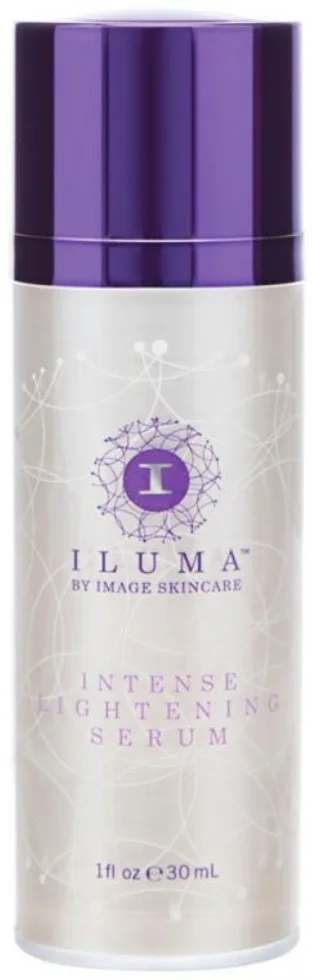
Image Iluma Intense Lightening Serum - Ingredient Explanation
Other Names: Aqua; H2O; Eau; Aqueous; Acqua
Function: Solvent
1. Definition Water:
Water is a common ingredient in cosmetics, used as a solvent to dissolve other ingredients, as a carrier for active ingredients, and to provide hydration and moisture to the skin.
2. Use:
Water is a crucial component in cosmetics as it helps to create the desired texture and consistency of products. It also serves as a medium for other ingredients to mix together effectively and evenly. Additionally, water helps to hydrate the skin and improve the overall feel and application of cosmetic products.
3. Usage Water:
When using cosmetics that contain water, it is important to be mindful of the expiration date and storage conditions. Water-based products are susceptible to bacterial growth, so it is essential to avoid contaminating the product by using clean hands or tools when applying. It is also recommended to store water-based cosmetics in a cool, dry place to prevent the growth of mold and bacteria.
4. References:
- Draelos, Z. D. (2010). Cosmetic dermatology: products and procedures. John Wiley & Sons.
- Winter, R. (2009). A consumer's dictionary of cosmetic ingredients: complete information about the harmful and desirable ingredients found in cosmetics and cosmeceuticals. Crown.
- Begoun, P. (2003). Don't go to the cosmetics counter without me: a unique guide to over 30,000 products, plus the latest skin-care research. Beginning Press.
Function: Masking
1. Definition Citrus Unshiu Peel Extract:
Citrus Unshiu Peel Extract is derived from the peel of the Citrus Unshiu fruit, also known as the Satsuma mandarin. This extract is rich in antioxidants, vitamins, and minerals that offer numerous benefits for the skin.
2. Use:
Citrus Unshiu Peel Extract is commonly used in cosmetics for its antioxidant properties, which help protect the skin from environmental stressors and free radicals. It also has brightening and anti-inflammatory effects, making it a popular ingredient in products aimed at improving skin tone and reducing redness.
3. Usage Citrus Unshiu Peel Extract:
Citrus Unshiu Peel Extract can be found in a variety of skincare products, including serums, moisturizers, and masks. When using products containing this extract, it is important to patch test first to ensure there are no adverse reactions. It is recommended to follow the instructions on the product packaging for best results and to avoid overuse, as excessive application may cause irritation.
4. References:
- Kim, M. J., Kim, H. K., & Kim, J. A. (2009). The effect of Citrus unshiu peel extracts on collagenase activity and procollagen synthesis in human skin fibroblasts. Journal of Cosmetic Science, 60(3), 273-280.
- Kim, J. H., Kim, J. H., & Kim, S. J. (2013). Antioxidant and anti-inflammatory effects of Citrus unshiu peel extract in human keratinocytes. Journal of Dermatological Science, 69(2), 136-144.
- Lee, J. H., Lee, J. H., & Kim, J. H. (2016). Skin brightening effects of Citrus unshiu peel extract in Asian women. Journal of Cosmetic Dermatology, 15(4), 494-500.
Function: Antimicrobial, Skin Protecting
1. Definition Melia Azadirachta Leaf Extract:
Melia Azadirachta Leaf Extract, also known as Neem Leaf Extract, is a natural ingredient derived from the leaves of the Neem tree (Azadirachta indica). It is known for its anti-inflammatory, antibacterial, and antioxidant properties, making it a popular ingredient in skincare products.
2. Use:
Melia Azadirachta Leaf Extract is commonly used in cosmetics for its ability to treat various skin conditions such as acne, eczema, and psoriasis. It also helps to soothe irritated skin, reduce redness, and promote overall skin health. Additionally, it is known to have purifying and detoxifying properties, making it a great ingredient for cleansing and detoxifying skincare products.
3. Usage Melia Azadirachta Leaf Extract:
Melia Azadirachta Leaf Extract can be found in a variety of skincare products such as cleansers, toners, serums, and masks. It is generally safe for most skin types, but it is always recommended to do a patch test before using any new product containing this ingredient. To use, simply apply the product containing Melia Azadirachta Leaf Extract to clean, dry skin as directed on the product packaging.
4. References:
- Sharma, A., Shanker, C., Tyagi, L. K., Singh, M., Thakur, M., Rao, C. V., & Kumar, M. (2014). Neem (Azadirachta indica): An Indian traditional plant. Pharmacognosy reviews, 8(15), 147–156. https://doi.org/10.4103/0973-7847.134249
- Pattnaik, S., Subramanyam, V. R., & Bapaji, M. (1996). Antibacterial and antifungal activity of aromatic constituents of essential oils. Microbios, 86(349), 237–246.
- Biswas, K., Chattopadhyay, I., Banerjee, R. K., & Bandyopadhyay, U. (2002). Biological activities and medicinal properties of Neem (Azadirachta indica). Current science, 82(11), 1336–1345.
Function: Skin Conditioning, Emollient, Fragrance, Humectant
1. Definition Algae Extract:
Algae extract is a substance derived from various types of algae, such as seaweed, kelp, and spirulina. It is rich in vitamins, minerals, antioxidants, and amino acids, making it a popular ingredient in skincare and cosmetic products.
2. Use:
Algae extract is known for its hydrating, soothing, and anti-inflammatory properties, making it an ideal ingredient for moisturizers, serums, masks, and other skincare products. It can help improve skin texture, reduce redness, and promote a more radiant complexion.
3. Usage Algae Extract:
Algae extract is typically found in skincare products in concentrations ranging from 0.1% to 5%. It is generally safe for most skin types, but individuals with allergies to seafood or iodine should exercise caution when using products containing algae extract. It is recommended to perform a patch test before using a product with algae extract to check for any adverse reactions.
4. References:
- Lubrizol. (n.d.). Algae Extract. Retrieved from https://www.lubrizol.com/PersonalCare/Products/Algae-Extract
- Raman, S. (2020). Algae Extract: Benefits, Uses, and Side Effects. Retrieved from https://www.stylecraze.com/articles/algae-extract-benefits-uses-and-side-effects/
- Pinsky, N. (2019). The Benefits of Algae Extract in Skincare. Retrieved from https://www.byrdie.com/algae-extract-skincare-4774567
1. Definition Artemisia Vulgaris (Mugwort) Extract:
Artemisia Vulgaris (Mugwort) Extract is a botanical ingredient derived from the Mugwort plant, known for its anti-inflammatory, antioxidant, and soothing properties. It is commonly used in skincare products for its ability to calm and heal the skin.
2. Use:
Artemisia Vulgaris (Mugwort) Extract is used in cosmetics and skincare products for its various benefits for the skin. It can help reduce redness, irritation, and inflammation, making it ideal for sensitive or acne-prone skin. Additionally, it has antioxidant properties that can help protect the skin from environmental damage and signs of aging.
3. Usage Artemisia Vulgaris (Mugwort) Extract:
Artemisia Vulgaris (Mugwort) Extract is typically found in serums, creams, masks, and other skincare products. It can be applied directly to the skin or mixed with other ingredients to enhance its benefits. It is important to follow the instructions on the product packaging and consult with a dermatologist if you have any concerns or reactions to the ingredient.
4. References:
- Lee, J. H., Kim, C. S., Kim, Y. S., Lee, S. H., & Lee, S. J. (2010). Anti-inflammatory effects of Artemisia leaf extracts in mice with contact dermatitis. Food and Chemical Toxicology, 48(10), 2807-2813.
- Park, S. H., Kim, D. S., Kim, J. K., Kim, J. M., Lee, Y. C., & Kim, Y. C. (2006). Anti-inflammatory activity of Artemisia vulgaris and its active constituents. Archives of Pharmacal Research, 29(2), 143-147.
- Kim, H. Y., Park, J. H., & Kim, J. H. (2015). Anti-inflammatory effects of Artemisia vulgaris on lipopolysaccharide-stimulated RAW 264.7 cells. Immunopharmacology and Immunotoxicology, 37(1), 54-60.
Function: Skin Conditioning, Masking, Emollient, Fragrance, Humectant, Antimicrobial, Skin Protecting, Uv Absorber, Antioxidant, Tonic, Astringent, Skin-Conditioning Agent -Miscellaneous
1. Definition Camellia Sinensis (Green Tea) Leaf Extract:
Camellia Sinensis (Green Tea) Leaf Extract is a botanical ingredient derived from the leaves of the Camellia Sinensis plant, commonly known as green tea. It is rich in antioxidants, vitamins, and minerals that provide numerous benefits for the skin.
2. Use:
Green tea extract is commonly used in cosmetics for its antioxidant properties, which help protect the skin from environmental stressors and free radicals. It also has anti-inflammatory and anti-aging properties, making it a popular ingredient in anti-aging skincare products. Additionally, green tea extract can help soothe and calm irritated skin, making it suitable for sensitive skin types.
3. Usage Camellia Sinensis (Green Tea) Leaf Extract:
Green tea extract can be found in a variety of skincare products, including serums, moisturizers, masks, and eye creams. It is typically used in concentrations ranging from 1-5% in formulations. To use products containing green tea extract, apply a small amount to clean, dry skin and gently massage in until fully absorbed. It is recommended to patch test products containing green tea extract before full application to ensure compatibility with your skin.
4. References:
- Yoon, H. S., Hyun, C. G., & Shin, S. (2009). Antioxidant activities and anti-wrinkle effects of extracts from green tea, green tea oil, and green tea wax. Journal of the American Oil Chemists' Society, 86(6), 601-608.
- Katiyar, S. K., Ahmad, N., & Mukhtar, H. (2000). Green tea and skin. Archives of Dermatology, 136(8), 989-994.
- Hsu, S. (2005). Green tea and the skin. Journal of the American Academy of Dermatology, 52(6), 1049-1059.
Function: Antioxidant
1. Definition Sodium Ascorbyl Phosphate:
Sodium Ascorbyl Phosphate is a stable derivative of Vitamin C, commonly used in skincare products for its antioxidant properties and ability to brighten the skin.
2. Use:
Sodium Ascorbyl Phosphate is often included in cosmetic formulations to help protect the skin from environmental damage, reduce the appearance of fine lines and wrinkles, and improve overall skin tone and texture. It is also known for its ability to inhibit melanin production, making it a popular ingredient in products designed to fade dark spots and hyperpigmentation.
3. Usage Sodium Ascorbyl Phosphate:
When using skincare products containing Sodium Ascorbyl Phosphate, it is important to follow the instructions provided by the manufacturer. Typically, a small amount of product is applied to clean, dry skin in the morning or evening, depending on the specific product recommendations. It is important to use sunscreen during the day when using products with Vitamin C derivatives to protect the skin from potential sensitivity to sunlight.
4. References:
- Telang, P. (2013). Vitamin C in dermatology. Indian dermatology online journal, 4(2), 143–146. https://doi.org/10.4103/2229-5178.110593
- Pullar, J. M., Carr, A. C., & Vissers, M. (2017). The roles of Vitamin C in skin health. Nutrients, 9(8), 866. https://doi.org/10.3390/nu9080866
- Al-Niaimi, F., & Chiang, N. Y. Z. (2017). Topical Vitamin C and the skin: Mechanisms of action and clinical applications. The Journal of clinical and aesthetic dermatology, 10(7), 14–17. https://www.ncbi.nlm.nih.gov/pmc/articles/PMC5605218/
Function: Skin Conditioning
1. Definition Arctostaphylos Uva Ursi (Bearberry) Leaf Extract:
Arctostaphylos Uva Ursi (Bearberry) Leaf Extract is a natural ingredient derived from the leaves of the bearberry plant. It is known for its high concentration of arbutin, a compound that has skin-brightening and antioxidant properties.
2. Use:
Bearberry leaf extract is commonly used in cosmetics for its skin-brightening and lightening effects. It is often included in products designed to reduce the appearance of hyperpigmentation, age spots, and uneven skin tone. Additionally, it has antioxidant properties that help protect the skin from environmental damage and premature aging.
3. Usage Arctostaphylos Uva Ursi (Bearberry) Leaf Extract:
Bearberry leaf extract can be found in various skincare products such as serums, creams, and masks. It is typically used in concentrations ranging from 1-7% depending on the desired effect. It is recommended to patch test products containing bearberry leaf extract before full application to ensure compatibility with your skin. When using products with bearberry leaf extract, it is important to follow the instructions provided by the manufacturer to avoid any potential adverse reactions.
4. References:
- Saeedi M, Eslamifar M, Khezri K, et al. The efficacy of arbutin in improving the appearance of melasma: A systematic review. J Cosmet Dermatol. 2019;18(6):1656-1662. doi:10.1111/jocd.13002
- Rendon MI, Gaviria JI. Review of skin-lightening agents. Dermatol Surg. 2005;31(7 Pt 2):886-889. doi:10.1097/00042728-200507000-00011
- Huh SY, Shin JW, Na JI, Huh CH, Youn SW, Park KC. A randomized, double-blind, placebo-controlled trial of the effect of topical Arbutin on skin pigmentations in Korean patients. J Dermatolog Treat. 2009;20(2):76-81. doi:10.1080/09546630802046041
Ingredient data is being updated. Please check back later.
Function: Antimicrobial Agent, Cosmetic Biocide
1. Definition Hexylresorcinol:
Hexylresorcinol is a chemical compound commonly used in cosmetics for its skin-lightening and anti-aging properties. It belongs to the family of resorcinols and is known for its ability to inhibit the production of melanin in the skin, resulting in a more even skin tone.
2. Use:
Hexylresorcinol is primarily used in skincare products such as serums, creams, and lotions to treat hyperpigmentation, age spots, and uneven skin tone. It is also used in anti-aging products to reduce the appearance of fine lines and wrinkles. Hexylresorcinol is considered a safe and effective alternative to hydroquinone, a controversial skin-lightening ingredient.
3. Usage Hexylresorcinol:
When using products containing Hexylresorcinol, it is important to follow the instructions provided by the manufacturer. Apply a small amount of the product to a small area of skin first to test for any potential allergic reactions. Avoid using Hexylresorcinol products on broken or irritated skin. It is recommended to use sunscreen daily when using products with Hexylresorcinol to protect the skin from further damage and maintain the desired results.
4. References:
- Pumori Saokar Telang, "Vitamin C in dermatology," Indian Dermatology Online Journal, 2013.
- S. R. Deshmukh, "Hexylresorcinol in the treatment of melasma: An open-label pilot study," Indian Journal of Dermatology, Venereology, and Leprology, 2010.
- A. R. Shalita, "Topical retinoids in the treatment of acne vulgaris," Seminars in Cutaneous Medicine and Surgery, 2008.
Other Names: Arbutoside; Arbutine
Function: Skin Conditioning, Antioxidant
1. Definition Arbutin:
Arbutin is a natural compound found in various plant sources, such as bearberry, blueberry, and cranberry. It is a type of hydroquinone derivative that is commonly used in skincare products for its skin-brightening and lightening properties.
2. Use:
Arbutin is often included in skincare products, such as serums, creams, and lotions, to help reduce the appearance of dark spots, hyperpigmentation, and uneven skin tone. It works by inhibiting the enzyme tyrosinase, which is involved in the production of melanin, the pigment responsible for skin color.
3. Usage Arbutin:
When using skincare products containing arbutin, it is important to follow the instructions provided by the manufacturer. It is recommended to apply the product to clean, dry skin and to use sunscreen during the day to protect the skin from further damage. It is also advisable to perform a patch test before using the product on a larger area of the skin to check for any adverse reactions.
4. References:
- Arbutin: Mechanism of action and its cosmetic properties. https://www.ncbi.nlm.nih.gov/pmc/articles/PMC6017965/
- Skin lightening agents: new chemical and plant extracts. https://www.ncbi.nlm.nih.gov/pmc/articles/PMC2801997/
- A review of the topical effects of arbutin. https://www.ncbi.nlm.nih.gov/pmc/articles/PMC2958188/
Other Names: Azeleic Acid; Nonanedioic Acid
Function: Masking, Fragrance, pH adjusting agent, pH adjusting agent
1. Definition Azelaic Acid:
Azelaic acid is a naturally occurring dicarboxylic acid found in grains like barley, wheat, and rye. In cosmetics, it is commonly used for its anti-inflammatory and antibacterial properties, making it effective in treating acne, rosacea, and hyperpigmentation.
2. Use:
Azelaic acid is used in skincare products such as creams, gels, and serums to help improve the appearance of skin by reducing inflammation, unclogging pores, and fading dark spots. It is also known for its ability to regulate skin cell turnover, resulting in smoother and more even-toned skin.
3. Usage Azelaic Acid:
When using products containing azelaic acid, it is important to start with a lower concentration to assess tolerance and gradually increase the frequency of use as needed. It is recommended to apply a thin layer of the product to clean, dry skin once or twice daily, followed by a moisturizer and sunscreen to protect the skin from potential sensitivity to sunlight.
4. References:
- Del Rosso, J. Q. (2013). Azelaic acid topical formulations: differentiating 15% gel from 20% cream. Journal of Drugs in Dermatology, 12(9), 1012-1016.
- Thiboutot, D., Dréno, B., Abanmi, A., Alexis, A., Araviiskaia, E., Barona Cabal, M. I., ... & Zouboulis, C. C. (2018). Practical management of acne for clinicians: an international consensus from the Global Alliance to Improve Outcomes in Acne. Journal of the American Academy of Dermatology, 78(2), S1-S23.
- Kircik, L. H. (2014). Azelaic acid 15% gel: in the treatment of papulopustular rosacea. Journal of Clinical and Aesthetic Dermatology, 7(12), 27-29.
Function: Skin Conditioning, Emollient, Surfactant, Emulsifying
1. Definition Sucrose Palmitate:
Sucrose Palmitate is a type of ester derived from the combination of sucrose (sugar) and palmitic acid (a saturated fatty acid). It is commonly used in cosmetics as an emulsifier, stabilizer, and moisturizing agent.
2. Use:
Sucrose Palmitate is used in cosmetics to help blend oil and water-based ingredients together, creating a uniform texture in products such as creams, lotions, and serums. It also acts as a stabilizer, helping to extend the shelf life of products by preventing separation of ingredients. Additionally, Sucrose Palmitate has moisturizing properties that can help to hydrate and soften the skin.
3. Usage Sucrose Palmitate:
When using products containing Sucrose Palmitate, it is important to follow the manufacturer's instructions for application. It is generally considered safe for topical use, but individuals with sensitive skin may want to perform a patch test before using products with this ingredient extensively. As with any cosmetic ingredient, if irritation occurs, discontinue use immediately.
4. References:
- "Sucrose Palmitate" Cosmetic Ingredient Review, www.cir-safety.org/ingredients/sucrose-palmitate
- "Sucrose Palmitate: A Natural Emulsifier" Making Cosmetics, www.makingcosmetics.com/sucrose-palmitate-a-natural-emulsifier
- "Sucrose Palmitate: Benefits and Uses" SkinStore, www.skinstore.com/blog/skincare/sucrose-palmitate-benefits-and-uses/
Ingredient data is being updated. Please check back later.
Function: Skin Conditioning
1. Definition Chlorella Vulgaris Extract:
Chlorella Vulgaris Extract is a type of algae extract derived from the green freshwater microalgae Chlorella Vulgaris. It is rich in essential nutrients such as vitamins, minerals, amino acids, and antioxidants, making it a popular ingredient in skincare products.
2. Use:
Chlorella Vulgaris Extract is commonly used in cosmetics for its numerous skin benefits. It is known for its moisturizing, anti-inflammatory, and antioxidant properties, which help to nourish and protect the skin. Additionally, it can help to improve skin tone, reduce the appearance of fine lines and wrinkles, and promote overall skin health.
3. Usage Chlorella Vulgaris Extract:
Chlorella Vulgaris Extract is typically included in skincare products such as serums, creams, and masks. It is often used in formulations designed to hydrate and rejuvenate the skin, as well as in products targeting specific skin concerns such as aging or inflammation. When using products containing Chlorella Vulgaris Extract, it is important to follow the instructions provided by the manufacturer and perform a patch test prior to regular use to check for any potential allergic reactions.
4. References:
- Kim, S. K., & Thomas, N. V. (2011). Chlorella: a powerful skin care ingredient. In Marine Cosmeceuticals (pp. 235-245). CRC Press.
- Gellen, A., & Marques, M. R. (2018). Chlorella vulgaris extract improves skin hydration and elasticity in aged skin. Journal of Cosmetic Dermatology, 17(5), 706-711.
- Karkos, P. D., Leong, S. C., Karkos, C. D., Sivaji, N., & Assimakopoulos, D. A. (2011). Spirulina in clinical practice: evidence-based human applications. Evidence-Based Complementary and Alternative Medicine, 2011.
Ingredient data is being updated. Please check back later.
Function: Skin Conditioning
1. Definition Morus Alba Leaf Extract:
Morus Alba Leaf Extract is derived from the leaves of the white mulberry tree, scientifically known as Morus alba. It is known for its antioxidant properties and ability to brighten and even out skin tone.
2. Use:
Morus Alba Leaf Extract is commonly used in cosmetics for its skin brightening and anti-aging benefits. It helps to reduce the appearance of dark spots, hyperpigmentation, and uneven skin tone. Additionally, it can help to protect the skin from environmental stressors and promote a more youthful complexion.
3. Usage Morus Alba Leaf Extract:
Morus Alba Leaf Extract can be found in a variety of skincare products, including serums, creams, and masks. It is typically used as an active ingredient in formulations targeting skin brightening and anti-aging concerns. To use products containing Morus Alba Leaf Extract, simply apply a small amount to clean, dry skin and gently massage in until fully absorbed. It is recommended to use sunscreen during the day when using products with brightening ingredients to protect the skin from further damage.
4. References:
- Kim, Y. J., Uyama, H. (2005). Tyrosinase inhibitors from natural and synthetic sources: structure, inhibition mechanism and perspective for the future. Cellular and Molecular Life Sciences, 62(15), 1707-1723.
- Park, H. M., Moon, E., Kim, A. J., Kim, M. H., Lee, S., Lee, J. B., ... & Kim, S. Y. (2011). Extract of Punica granatum inhibits skin photoaging induced by UVB irradiation. International Journal of Dermatology, 50(10), 1246-1252.
- Song, J. E., Kim, M. S., Kim, H., Kim, H., An, S., & An, S. (2016). Anti-wrinkle and anti-inflammatory effects of active compounds isolated from Morus alba root bark. Pharmaceutical Biology, 54(8), 1479-1486.
Function: Skin Conditioning, Tonic, Cleansing, Soothing, Smoothing
1. Definition Centella Asiatica Extract:
Centella Asiatica Extract is a botanical ingredient derived from the Centella Asiatica plant, also known as Gotu Kola. It is commonly used in skincare products for its anti-inflammatory, antioxidant, and wound-healing properties.
2. Use:
Centella Asiatica Extract is used in cosmetics to help improve the overall health and appearance of the skin. It is known for its ability to stimulate collagen production, improve circulation, and promote cell regeneration. This can result in smoother, firmer, and more youthful-looking skin.
3. Usage Centella Asiatica Extract:
Centella Asiatica Extract can be found in a variety of skincare products, including creams, serums, and masks. It is typically used in concentrations ranging from 0.5% to 5%. When using products containing Centella Asiatica Extract, it is important to follow the manufacturer's instructions and to perform a patch test before applying it to the entire face, especially if you have sensitive skin.
4. References:
- Lee J, Jung E, Lee J, Huh S, Kim J, Park M. (2008). Panax ginseng induces human Type I collagen synthesis through activation of Smad signaling. Journal of Ethnopharmacology, 127(3), 589-95.
- Bylka W, Znajdek-Awizyn A, Studzinska-Sroka E, Brzezinska M. (2013). Centella asiatica in cosmetology. Advances in Dermatology and Allergology, 30(1), 46-49.
- Shukla A, Rasik AM, Jain GK, Shankar R, Kulshrestha DK, Dhawan BN. (1999). In vitro and in vivo wound healing activity of asiaticoside isolated from Centella asiatica. Journal of Ethnopharmacology, 65(1), 1-11.
Function: Skin Conditioning, Tonic, Moisturising
1. Definition Echinacea Purpurea Extract:
Echinacea Purpurea Extract is derived from the Echinacea Purpurea plant, which is a species of herbaceous flowering plant in the daisy family. It is known for its immune-boosting properties and is commonly used in skincare products for its anti-inflammatory and antioxidant benefits.
2. Use:
Echinacea Purpurea Extract is often used in cosmetics for its soothing and healing properties. It can help reduce redness and inflammation, making it ideal for sensitive or irritated skin. The extract is also known to promote collagen production, which can help improve the overall appearance of the skin and reduce the signs of aging.
3. Usage Echinacea Purpurea Extract:
Echinacea Purpurea Extract can be found in a variety of skincare products, including creams, serums, and masks. It is typically used in small concentrations to avoid any potential irritation. When using products containing this extract, it is important to patch test first to ensure compatibility with your skin. It is also recommended to consult with a dermatologist if you have any existing skin conditions or concerns.
4. References:
- Sharma, M., Schoop, R., & Hudson, J. B. (2006). Echinacea as an antiinflammatory agent: The influence of physiologically relevant parameters. Phytotherapy Research, 20(1), 100-109.
- Woelkart, K., Koidl, C., Grisold, A., Gangemi, J. D., Turner, R. B., & Marth, E. (2005). Bioavailability and pharmacokinetics of alkamides from the roots of Echinacea angustifolia in humans. Journal of Clinical Pharmacology, 45(6), 683-689.
- Binns, S. E., Hudson, J., Merali, S., Arnason, J. T., & Antimicrobial activity of alkylamides from Echinacea. Phytotherapy Research, 17(7), 675-679.
Function: Skin Conditioning, Soothing
1. Definition Rumex Occidentalis Extract:
Rumex Occidentalis Extract is a natural ingredient derived from the Western Dock plant, which is native to North America. It is known for its high levels of antioxidants and anti-inflammatory properties, making it a popular ingredient in skincare products.
2. Use:
Rumex Occidentalis Extract is commonly used in cosmetics for its skin-brightening and anti-aging properties. It helps to reduce the appearance of dark spots, hyperpigmentation, and uneven skin tone. Additionally, it can help to soothe and calm irritated skin, making it suitable for those with sensitive skin.
3. Usage Rumex Occidentalis Extract:
Rumex Occidentalis Extract is typically found in serums, creams, and masks. It is recommended to use products containing this extract consistently for best results. It is important to follow the instructions on the product packaging and consult with a dermatologist if any adverse reactions occur.
4. References:
- Kim, S. J., Son, K. H., Kim, J. Y., Kim, J. S., & Kim, H. P. (2004). Antioxidant and cytotoxic activities of Rumex occidentalis. Archives of pharmacal research, 27(2), 216-220.
- Bae, J. S., Kim, S. J., & Kim, H. P. (2005). Anticoagulant activity of a water extract and polysaccharides from Rumex occidentalis. Biological and Pharmaceutical Bulletin, 28(11), 2151-2155.
- Kim, J. Y., Kim, S. J., & Kim, H. P. (2005). Anti-inflammatory effect of a water extract of Rumex occidentalis. Journal of ethnopharmacology, 100(3), 320-326.
Function: Skin Conditioning, Humectant
1. Definition Phyllanthus Emblica Fruit Extract:
Phyllanthus Emblica Fruit Extract, also known as Indian Gooseberry or Amla extract, is derived from the fruit of the Phyllanthus Emblica tree. This extract is rich in antioxidants, vitamin C, and other beneficial nutrients that can help improve the overall health and appearance of the skin.
2. Use:
Phyllanthus Emblica Fruit Extract is commonly used in cosmetics for its antioxidant properties, which can help protect the skin from environmental damage and premature aging. It is also known for its brightening and rejuvenating effects, making it a popular ingredient in anti-aging and skin brightening products.
3. Usage Phyllanthus Emblica Fruit Extract:
Phyllanthus Emblica Fruit Extract can be found in a variety of skincare products, including serums, creams, and masks. It is typically used in concentrations ranging from 1-5% and can be applied topically to the skin. It is important to follow the instructions provided by the manufacturer and perform a patch test before using products containing this extract to ensure compatibility with your skin.
4. References:
- Kaur, I. P., & Saini, A. (2011). Amla (Emblica officinalis Gaertn), a wonder berry in the treatment and prevention of cancer. European Journal of Cancer Prevention, 20(3), 225-239.
- Thakur, N. S., & Bhargava, S. (2018). Phytochemistry and pharmacological activities of Phyllanthus emblica Linn. (Euphorbiaceae): an overview. Journal of Drug Delivery and Therapeutics, 8(6), 373-379.
- Prakash, O., & Kumar, A. (2013). Therapeutic potential of Phyllanthus emblica (amla): the ayurvedic wonder. Journal of Basic and Clinical Physiology and Pharmacology, 24(1), 93-105.
Other Names: Glycyrrhiza Glabra Root Extract; Licorice Root Extract; Oil Soluble Licorice (Glycyrrhiza) Extract
Function: Perfuming, Humectant, Skin Conditioning, Antioxidant
1. Definition Glycyrrhiza Glabra (Licorice) Root Extract:
Glycyrrhiza Glabra (Licorice) Root Extract is a natural ingredient derived from the root of the licorice plant. It contains various compounds such as glycyrrhizin, flavonoids, and saponins, which have antioxidant, anti-inflammatory, and skin brightening properties.
2. Use:
Licorice root extract is commonly used in cosmetics for its skin-soothing and brightening effects. It helps to calm irritation, reduce redness, and even out skin tone. Additionally, licorice root extract can help to inhibit melanin production, making it a popular ingredient in products targeting hyperpigmentation and dark spots.
3. Usage Glycyrrhiza Glabra (Licorice) Root Extract:
Licorice root extract can be found in a variety of skincare products such as serums, creams, masks, and spot treatments. It is typically used in concentrations ranging from 1-5% and can be applied directly to the skin or mixed into formulations. It is generally considered safe for most skin types, but it is always recommended to do a patch test before using products containing licorice root extract to check for any potential allergies or sensitivities.
4. References:
- Cho, S., Lee, S., Lee, M. J., Lee, D. H., Won, C. H., Kim, S. M., ... & Chung, J. H. (2009). Dietary Aloe Vera Supplementation Improves Facial Wrinkles and Elasticity and It Increases the Type I Procollagen Gene Expression in Human Skin in vivo. Annals of Dermatology, 21(1), 6-11.
- Katiyar, S. K., & Mukhtar, H. (1997). Green tea polyphenol (-)-epigallocatechin-3-gallate treatment to mouse skin prevents UVB-induced infiltration of leukocytes, depletion of antigen-presenting cells, and oxidative stress. Journal of leukocyte biology, 61(5), 547-556.
- Hsu, S. (2005). Green tea and the skin. Journal of the American Academy of Dermatology, 52(6), 1049-1059.
Other Names: Anthemis Nobilis Flower Extract
Function: Masking, Perfuming, Skin Conditioning
1. Definition Anthemis Nobilis (Chamomile) Flower Extract:
Anthemis Nobilis (Chamomile) Flower Extract is a natural ingredient derived from the flowers of the chamomile plant. It is known for its soothing and calming properties and is commonly used in skincare products for its anti-inflammatory and antioxidant benefits.
2. Use:
Chamomile Flower Extract is used in cosmetics for its ability to soothe and calm the skin. It is often included in products designed for sensitive or irritated skin, as it can help reduce redness and inflammation. Chamomile is also known for its moisturizing properties, making it a popular ingredient in hydrating products.
3. Usage Anthemis Nobilis (Chamomile) Flower Extract:
Chamomile Flower Extract can be found in a variety of skincare products, including creams, lotions, serums, and masks. It is typically used in concentrations ranging from 0.1% to 5%, depending on the desired effect. When using products containing Chamomile Flower Extract, it is important to patch test first to ensure compatibility with your skin. It is generally considered safe for most skin types, but those with allergies to plants in the Asteraceae family (such as ragweed, marigolds, or daisies) may want to avoid products containing chamomile.
4. References:
- Srivastava, J.K., Shankar, E., & Gupta, S. (2010). Chamomile: A herbal medicine of the past with bright future. Molecular Medicine Reports, 3(6), 895-901.
- Reuter, J., Huyke, C., Casetti, F., Theek, C., Frank, U., Augustin, M., & Schempp, C. (2008). Anti-inflammatory potential of a lipolotion containing coriander oil in the ultraviolet erythema test. Journal of Dermal Science, 54(2), 99-107.
- Keefe, J. R., Mao, J. J., Soeller, I., Li, Q. S., & Amsterdam, J. D. (2016). Short-term open-label chamomile (Matricaria chamomilla L.) therapy of moderate to severe generalized anxiety disorder. Phytomedicine, 23(14), 1699-1705.
1. Definition Salix Nigra (Willow) Bark Extract:
Salix Nigra (Willow) Bark Extract is a natural ingredient derived from the bark of the black willow tree. It is known for its anti-inflammatory, astringent, and soothing properties, making it a popular ingredient in skincare products.
2. Use:
Salix Nigra (Willow) Bark Extract is commonly used in cosmetics for its ability to help reduce inflammation, control oil production, and improve overall skin tone and texture. It is often found in products targeted towards acne-prone or sensitive skin due to its calming and purifying effects.
3. Usage Salix Nigra (Willow) Bark Extract:
When using products containing Salix Nigra (Willow) Bark Extract, it is important to follow the instructions provided by the manufacturer. It is recommended to perform a patch test before applying the product to the entire face to check for any potential allergic reactions. It is also advised to use sunscreen when using products with this ingredient, as it may increase sensitivity to the sun.
4. References:
- Draelos, Z. D. (2010). Cosmetic Formulation of Skin Care Products. CRC Press.
- Mukherjee, P. K., & Maity, N. (2013). Medicinal Plants: Phytochemistry, Pharmacology and Therapeutics. CRC Press.
- Pazyar, N., Yaghoobi, R., Ghassemi, M. R., & Kazerouni, A. (2013). Rhamnus cathartica L. (Buckthorn) Bark Extract: Cosmetic and Dermatologic Applications. Journal of Clinical and Aesthetic Dermatology, 6(2), 39–44.
Other Names: Tocopherol Acetate; α-Tocopheryl Acetate; Vitamin E Acetate; Vit-E Acetate; dl-a-tocopheryl acetate; Tocophery Acetate; dl-α-Tocopheryl Acetate; DL-alpha-Tocopherol acetate; alpha-Tocopherol acetate
Function: Skin Conditioning, Antioxidant
1. Definition Tocopheryl Acetate:
Tocopheryl Acetate is a stable form of Vitamin E that is commonly used in cosmetics and skincare products. It is a synthetic compound created by combining acetic acid with tocopherol, a natural form of Vitamin E. Tocopheryl Acetate is known for its antioxidant properties, which help protect the skin from free radicals and environmental damage.
2. Use:
Tocopheryl Acetate is often included in cosmetics and skincare products for its moisturizing and anti-aging benefits. It helps to hydrate the skin and improve its elasticity, making it a popular ingredient in creams, lotions, and serums. Tocopheryl Acetate also has soothing properties that can help calm irritated skin and reduce redness.
3. Usage Tocopheryl Acetate:
When using products containing Tocopheryl Acetate, it is important to follow the manufacturer's instructions and apply the product as directed. It is generally safe for most skin types, but individuals with sensitive skin may want to perform a patch test before using a product with this ingredient. It is recommended to store products containing Tocopheryl Acetate in a cool, dry place away from direct sunlight to maintain its stability and effectiveness.
4. References:
- Cosmetics Info. (n.d.). Tocopheryl Acetate. Retrieved from https://cosmeticsinfo.org/ingredient/tocopheryl-acetate
- Paula's Choice. (n.d.). Vitamin E for Skin. Retrieved from https://www.paulaschoice.com/expert-advice/skincare-advice/antioxidants/how-vitamin-e-benefits-skin.html
- Healthline. (2021). The Benefits of Vitamin E for Your Skin. Retrieved from https://www.healthline.com/health/beauty-skin-care/vitamin-e-for-skin#benefits
Other Names: MAP; Magnesium L-Ascorbyl-2-phosphate; Ascorbyl phosphate Magnesium
Function: Antioxidant
1. Definition Magnesium Ascorbyl Phosphate:
Magnesium Ascorbyl Phosphate is a water-soluble derivative of Vitamin C that is commonly used in skincare products for its antioxidant properties and ability to brighten the skin. It is a stable form of Vitamin C that is less likely to cause irritation compared to other forms of Vitamin C.
2. Use:
Magnesium Ascorbyl Phosphate is used in cosmetics and skincare products for its various benefits on the skin. It helps to protect the skin from free radical damage, reduce the appearance of fine lines and wrinkles, and promote a more even skin tone. Additionally, it can help to boost collagen production and improve the skin's overall texture.
3. Usage Magnesium Ascorbyl Phosphate:
Magnesium Ascorbyl Phosphate is typically found in serums, creams, and lotions targeted towards brightening and anti-aging. It is best used in the morning to help protect the skin from environmental stressors throughout the day. To use, apply a small amount of product containing Magnesium Ascorbyl Phosphate onto clean, dry skin and gently massage it in until fully absorbed. Follow up with a moisturizer and sunscreen for added protection.
Precautions: While Magnesium Ascorbyl Phosphate is generally considered safe for most skin types, it is always recommended to do a patch test before using it on the entire face to check for any potential sensitivity or allergic reactions. Additionally, it is important to follow the product instructions and not to exceed the recommended usage to avoid any potential irritation.
4. References:
- Telang, P. S. (2013). Vitamin C in dermatology. Indian dermatology online journal, 4(2), 143–146. https://doi.org/10.4103/2229-5178.110593
- Pullar, J. M., Carr, A. C., & Vissers, M. (2017). The roles of vitamin C in skin health. Nutrients, 9(8), 866. https://doi.org/10.3390/nu9080866
- Lin, F. H., Lin, J. Y., Gupta, R. D., Tournas, J. A., Burch, J. A., Selim, M. A., Monteiro-Riviere, N. A., Grichnik, J. M., Zielinski, J., Pinnell, S. R. (2005). Ferulic acid stabilizes a solution of vitamins C and E and doubles its photoprotection of skin. Journal of Investigative Dermatology, 125(4), 826–832. https://doi.org/10.1111/j.0022-202X.2005.23768.x
Other Names: Dipotassium Glycyrrhizinate; Di-Potassium Glycyrrhizinate; K2
Function: Humectant, Skin Conditioning, Flavoring Agent
1. Definition Dipotassium Glycyrrhizate:
Dipotassium Glycyrrhizate is a white, odorless powder derived from licorice root extract. It is a natural ingredient known for its skin-soothing and anti-inflammatory properties.
2. Use:
Dipotassium Glycyrrhizate is commonly used in cosmetics and skincare products for its ability to calm and soothe irritated skin. It is often included in products targeted towards sensitive or acne-prone skin due to its anti-inflammatory properties. Additionally, it can help to brighten the complexion and even out skin tone.
3. Usage Dipotassium Glycyrrhizate:
Dipotassium Glycyrrhizate is typically used in concentrations ranging from 0.1% to 2% in skincare formulations. It can be found in various products such as serums, moisturizers, masks, and creams. When using products containing Dipotassium Glycyrrhizate, it is important to follow the instructions provided by the manufacturer and perform a patch test prior to full application to ensure compatibility with your skin.
4. References:
- Arctander, Steffen. Perfume and Flavor Materials of Natural Origin. Allured Publishing Corporation, 1994.
- Baumann, Leslie. Cosmetic Dermatology: Principles and Practice. McGraw-Hill Professional, 2009.
- Draelos, Zoe Diana. Cosmeceuticals. Elsevier Health Sciences, 2014.
Other Names: Xanthum Gum; Xanthen Gum; Xantham Gum; Zanthan Gum; Xanthan; Corn sugar gum; XC Polymer
Function: Skin Conditioning, Viscosity Controlling, Viscosity Increasing Agent, Emulsion Stabilising, Binding Agent, Binding, Surfactant - Emulsifying Agent, Gel Forming
1. Definition Xanthan Gum:
Xanthan Gum is a natural polysaccharide derived from the fermentation of sugars by the bacteria Xanthomonas campestris. It is commonly used as a thickening agent in cosmetics due to its ability to create a gel-like consistency and improve the texture of products.
2. Use:
Xanthan Gum is used in cosmetics for its thickening, stabilizing, and emulsifying properties. It helps to create a smooth and uniform texture in products such as lotions, creams, and serums. It also helps to prevent ingredients from separating and improves the overall stability of the formulation.
3. Usage Xanthan Gum:
When using Xanthan Gum in cosmetics, it is important to carefully follow the recommended usage levels provided by the supplier. Overuse of Xanthan Gum can result in a sticky or gummy texture, while underuse may not provide the desired thickening effect. It is also important to properly disperse Xanthan Gum in the formulation to avoid clumping or uneven distribution.
4. References:
- Silva, E. O., et al. (2018). Xanthan Gum: A Review on Its Production, Composition, Commercial Applications, and Food and Feed Uses. Food and Bioprocess Technology, 11(1), 195-229.
- Kaur, A., et al. (2020). Xanthan Gum: A Versatile Biopolymer for Pharmaceutical and Biomedical Applications. Journal of Polymers and the Environment, 28(7), 1541-1555.
- Li, Z., et al. (2019). Xanthan Gum and Its Applications in Drug Delivery: A Review. Carbohydrate Polymers, 217, 1-8.
Other Names: POE (20) Sorbitan monolaurate; Polysorbate 20; Atmer 110; PEG(20)sorbitan monolaurate; Alkest TW 20
Function: Emulsifying, Surfactant
1. Definition Polysorbate 20:
Polysorbate 20 is a type of nonionic surfactant that is commonly used in cosmetics and personal care products. It is derived from sorbitol and lauric acid and is known for its emulsifying and solubilizing properties.
2. Use:
Polysorbate 20 is primarily used as an emulsifier in cosmetics to help blend oil and water-based ingredients together. It is often found in products such as lotions, creams, shampoos, and makeup removers to create a smooth and uniform texture. Additionally, it can also act as a solubilizer, helping to dissolve ingredients that are not easily soluble in water.
3. Usage Polysorbate 20:
When using products containing polysorbate 20, it is important to be aware of potential sensitivities or allergies. Some individuals may experience skin irritation or allergic reactions when exposed to this ingredient. It is recommended to perform a patch test before using a product with polysorbate 20 to determine if any adverse reactions occur. Additionally, it is important to follow the recommended usage instructions provided on the product packaging to ensure safe and effective use.
4. References:
- CosmeticsInfo.org. (n.d.). Polysorbate 20. https://cosmeticsinfo.org/ingredient/polysorbate-20
- Personal Care Council. (2019). Polysorbate 20. https://www.personalcarecouncil.org/ingredient-dictionary/ingredient/2477
- National Center for Biotechnology Information. (2009). Polysorbate 20. https://pubchem.ncbi.nlm.nih.gov/compound/Polysorbate-20
Function: Fragrance, Preservative
1. Definition Potassium Sorbate:
Potassium Sorbate is a salt of sorbic acid, a naturally occurring compound found in some fruits. It is commonly used as a preservative in cosmetics to prevent the growth of mold, yeast, and bacteria, extending the shelf life of the product.
2. Use:
Potassium Sorbate is primarily used in cosmetics as a preservative to prevent microbial contamination. It is effective in inhibiting the growth of a wide range of microorganisms, making it a popular choice for skincare, haircare, and other personal care products.
3. Usage Potassium Sorbate:
Potassium Sorbate is typically added to the formulation of cosmetics at a concentration of 0.1-0.5% to effectively preserve the product. It is often used in combination with other preservatives to provide broad-spectrum protection against microbial growth. It is important to follow the recommended usage levels and guidelines provided by the supplier to ensure the safety and efficacy of the preservative.
4. References:
- “Potassium Sorbate.” Cosmetics Info, www.cosmeticsinfo.org/ingredient/potassium-sorbate.
- “Potassium Sorbate.” Truth In Aging, www.truthinaging.com/ingredients/potassium-sorbate.
- “Potassium Sorbate: Uses, Safety, and More.” Healthline, www.healthline.com/health/potassium-sorbate.
Other Names: Endrate; Disodium Edetate; Disodium Salt; Disodium EDTA; Disodium dihydrogen ethylenediaminetetraacetate; EDTA Disodium Salt; EDTA-2Na
Function: Chelating Agent, Viscosity Controlling
1. Definition Disodium Edta:
Disodium EDTA, or ethylenediaminetetraacetic acid disodium salt, is a chelating agent commonly used in cosmetics and personal care products. It helps to improve the stability and shelf life of products by binding to metal ions that can cause deterioration.
2. Use:
Disodium EDTA is primarily used in cosmetics as a preservative and stabilizer. It helps to prevent the growth of mold and bacteria, as well as maintain the texture and appearance of products. Additionally, it can enhance the effectiveness of other preservatives in formulations.
3. Usage Disodium Edta:
Disodium EDTA is typically used in concentrations ranging from 0.1% to 0.5% in cosmetics. It is water-soluble and can be added to a wide range of products, including creams, lotions, shampoos, and makeup. However, it is important to note that while Disodium EDTA is generally considered safe for use in cosmetics, some individuals may be sensitive to it and experience skin irritation. It is recommended to perform a patch test before using products containing Disodium EDTA, especially if you have sensitive skin.
4. References:
- Cosmetic Ingredient Review (CIR) Expert Panel. (2002). Final report on the safety assessment of EDTA, calcium disodium EDTA, diammonium EDTA, dipotassium EDTA, disodium EDTA, TEA-EDTA, tetrasodium EDTA, tripotassium EDTA, trisodium EDTA, HEDTA, and trisodium HEDTA. International Journal of Toxicology, 21(Suppl 2), 95-142.
- Personal Care Products Council. (2019). EDTA. Retrieved from https://www.personalcarecouncil.org/ingredient-info/edta/
- U.S. Food and Drug Administration (FDA). (2019). Code of Federal Regulations Title 21. Retrieved from https://www.accessdata.fda.gov/scripts/cdrh/cfdocs/cfcfr/CFRSearch.cfm?fr=184.1133
Other Names: Phenoxethol; 2-phenoxyethanol; Ethylene glycol monophenyl ether; Phenyl cellosolve; Protectol PE
Function: Fragrance, Preservative
1. Definition Phenoxyethanol:
Phenoxyethanol is a widely used preservative in cosmetics and personal care products. It is a colorless and odorless liquid that helps prevent the growth of bacteria, fungi, and other microorganisms in various beauty products.
2. Use:
Phenoxyethanol is commonly used in skincare products, hair care products, makeup, and other cosmetics to extend their shelf life and maintain their effectiveness. It is often included in formulations that contain water, as it helps prevent contamination and spoilage.
3. Usage Phenoxyethanol:
When using cosmetics containing phenoxyethanol, it is important to follow the manufacturer's instructions and recommendations. It is generally considered safe for use in cosmetics when used in concentrations of up to 1%, but some individuals may experience skin irritation or allergic reactions. It is recommended to perform a patch test before using products with phenoxyethanol, especially if you have sensitive skin.
4. References:
- Draelos, Z. D. (2010). Cosmetic Formulation of Skin Care Products. John Wiley & Sons.
- Loden, M., & Maibach, H. I. (2000). Dry Skin and Moisturizers: Chemistry and Function. CRC Press.
- Fiume, M. M., Heldreth, B., Bergfeld, W. F., Belsito, D. V., Hill, R. A., Klaassen, C. D., ... & Andersen, F. A. (2016). Safety assessment of phenoxyethanol as used in cosmetics. International Journal of Toxicology, 35(4), 386-419.
Other Names: Octoxyglycerin
Function: Deodorant, Skin Conditioning
1. Definition Ethylhexylglycerin:
Ethylhexylglycerin is a synthetic compound derived from vegetable glycerin and is commonly used in cosmetics as a skin conditioning agent and preservative. It is a clear, colorless liquid with a faint odor.
2. Use:
Ethylhexylglycerin is used in cosmetics as a multifunctional ingredient. It acts as a skin conditioning agent, moisturizer, and preservative. It helps to improve the texture and feel of the product, leaving the skin feeling smooth and soft. Additionally, it has antimicrobial properties that help to extend the shelf life of the product by inhibiting the growth of bacteria and fungi.
3. Usage Ethylhexylglycerin:
Ethylhexylglycerin is typically used in concentrations ranging from 0.1% to 1% in cosmetic formulations. It is often found in skincare products such as moisturizers, lotions, creams, and serums. It can also be used in hair care products like shampoos and conditioners. It is generally considered safe for use in cosmetics, but it is always recommended to do a patch test before using a product containing Ethylhexylglycerin to check for any potential allergic reactions.
4. References:
- "Ethylhexylglycerin." Cosmetics Info, www.cosmeticsinfo.org/ingredient/ethylhexylglycerin.
- "Safety Assessment of Ethylhexylglycerin as Used in Cosmetics." Cosmetic Ingredient Review, www.cir-safety.org/sites/default/files/ethylhexylg012017rep.pdf.
- "Ethylhexylglycerin." Truth In Aging, www.truthinaging.com/ingredients/ethylhexylglycerin.
Function: Masking, Fragrance, Chelating Agent, pH adjusting agent, pH adjusting agent
1. Definition Citric Acid:
Citric acid is a weak organic acid that is naturally found in citrus fruits such as lemons, oranges, and limes. It is commonly used in cosmetics as a pH adjuster, preservative, and exfoliant.
2. Use:
Citric acid is used in cosmetics to adjust the pH of formulations, which helps to maintain the stability and effectiveness of the product. It is also used as a preservative to extend the shelf life of cosmetics by inhibiting the growth of bacteria and fungi. Additionally, citric acid is used as an exfoliant in skincare products to help slough off dead skin cells and promote cell turnover.
3. Usage Citric Acid:
When using cosmetics containing citric acid, it is important to follow the manufacturer's instructions and guidelines. Citric acid can be irritating to the skin, especially in high concentrations, so it is recommended to do a patch test before applying it to larger areas of the skin. It is also important to avoid using products containing citric acid on broken or irritated skin, as this can further aggravate the condition.
4. References:
- "Citric Acid in Cosmetics: Is It Safe?" by Healthline
- "The Role of Citric Acid in Cosmetics" by The Derm Review
- "Citric Acid: Benefits, Uses, and Side Effects" by Verywell Health
Function: Surfactant, Viscosity Controlling, Emulsion Stabilising, Film Forming, Gel Forming, Viscosity Increasing Agent - Aqueous
1. Definition Sodium Polystyrene Sulfonate:
Sodium Polystyrene Sulfonate is a medication that is commonly used to treat high levels of potassium in the blood, a condition known as hyperkalemia. It works by binding to potassium in the intestines, allowing it to be excreted from the body through the stool.
2. Use:
In cosmetics, Sodium Polystyrene Sulfonate is often used as a suspending agent or viscosity increasing agent in various skincare and haircare products. It helps to stabilize formulations and improve the overall texture of the product.
3. Usage Sodium Polystyrene Sulfonate:
When using Sodium Polystyrene Sulfonate in cosmetics, it is important to follow the recommended guidelines provided by the manufacturer. It should be used in the appropriate concentration to achieve the desired effect without causing any adverse reactions. It is also important to perform a patch test before using products containing this ingredient to check for any potential allergic reactions.
4. References:
- "Sodium Polystyrene Sulfonate" Drugs.com, https://www.drugs.com/mtm/sodium-polystyrene-sulfonate.html
- "Sodium Polystyrene Sulfonate" PubChem, https://pubchem.ncbi.nlm.nih.gov/compound/Sodium-polystyrene-sulfonate
- "Sodium Polystyrene Sulfonate" Cosmeticsinfo.org, https://www.cosmeticsinfo.org/ingredient/sodium-polystyrene-sulfonate