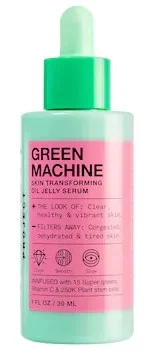
Innbeauty Project Green Machine - Ingredient Explanation
1. Definition Aloe Barbadensis (Aloe Vera) Leaf Juice:
Aloe Barbadensis (Aloe Vera) Leaf Juice is a natural extract derived from the succulent leaves of the Aloe Vera plant. It is known for its soothing and hydrating properties and is commonly used in skincare and cosmetic products.
2. Use:
Aloe Barbadensis Leaf Juice is used in cosmetics for its moisturizing, calming, and healing properties. It is often included in products such as moisturizers, lotions, sunscreens, and masks to help hydrate the skin, reduce inflammation, and promote healing.
3. Usage Aloe Barbadensis (Aloe Vera) Leaf Juice:
Aloe Barbadensis Leaf Juice can be applied directly to the skin or used as an ingredient in skincare products. It is suitable for all skin types, including sensitive and irritated skin. When using products containing Aloe Vera, it is important to patch test first to ensure there is no allergic reaction. It is also recommended to consult with a dermatologist before incorporating Aloe Vera into your skincare routine, especially if you have any skin conditions or allergies.
4. References:
- Surjushe, A., Vasani, R., & Saple, D. G. (2008). Aloe vera: A short review. Indian Journal of Dermatology, 53(4), 163–166.
- Radha, M. H., & Laxmipriya, N. P. (2015). Evaluation of biological properties and clinical effectiveness of Aloe vera: A systematic review. Journal of Traditional and Complementary Medicine, 5(1), 21–26.
- Choi, S., Chung, M. H., & Aeschbach, R. (2001). Antioxidant activity of Aloe vera in vitro study. Journal of Agricultural and Food Chemistry, 50(16), 3718–3722.
Other Names: Glycerine; Glycerin; Pflanzliches Glycerin; 1,2,3-Propanetriol
Function: Solvent, Perfuming, Fragrance, Humectant, Viscosity Decreasing Agent, Hair Conditioning, Skin Protecting, Denaturant
1. Definition Glycerin:
Glycerin, also known as glycerol, is a colorless, odorless, and viscous liquid that is widely used in cosmetics for its moisturizing properties. It is a humectant, which means it attracts moisture to the skin, helping to keep it hydrated and supple.
2. Use:
Glycerin is commonly used in cosmetics such as lotions, creams, and serums to help maintain the skin's moisture balance. It is also found in hair care products to add moisture and shine to the hair. Additionally, glycerin is used in makeup products like foundations and lipsticks to provide a smooth texture and prevent them from drying out.
3. Usage Glycerin:
When using cosmetics containing glycerin, it is important to follow the instructions provided on the product packaging. Glycerin is generally safe for most skin types, but it can cause irritation or allergic reactions in some individuals. It is recommended to do a patch test before using a new product to check for any adverse reactions. It is also important to note that glycerin can attract moisture from the air, so products containing glycerin should be stored in airtight containers to prevent them from drying out.
4. References:
- Draelos, Z. D. (2010). Cosmetic Formulation of Skin Care Products. John Wiley & Sons.
- Loden, M., & Maibach, H. I. (2006). Dry Skin and Moisturizers: Chemistry and Function. CRC Press.
- Winter, R. (2009). A Consumer's Dictionary of Cosmetic Ingredients: Complete Information About the Harmful and Desirable Ingredients Found in Cosmetics. Harmony.
Other Names: Helianthus Annuus Seed oil; Sunflower Seed oil
1. Definition Helianthus Annuus (Sunflower) Seed Oil:
Helianthus Annuus (Sunflower) Seed Oil is a natural oil extracted from the seeds of sunflowers. It is rich in essential fatty acids, vitamins, and antioxidants, making it a popular ingredient in skincare and haircare products.
2. Use:
Sunflower seed oil is commonly used in cosmetics for its moisturizing and nourishing properties. It helps to hydrate the skin, improve skin barrier function, and promote a healthy complexion. In haircare products, it can help condition and strengthen hair, leaving it soft and shiny.
3. Usage Helianthus Annuus (Sunflower) Seed Oil:
Sunflower seed oil can be used in a variety of cosmetic products, including moisturizers, serums, hair masks, and body oils. It is suitable for all skin types, including sensitive and acne-prone skin. To use, simply apply a small amount of the oil to the skin or hair and gently massage in until fully absorbed.
Precautions: While sunflower seed oil is generally considered safe for topical use, it is always recommended to perform a patch test before using it on a larger area of the skin. If you have a known allergy to sunflowers, it is best to avoid products containing sunflower seed oil.
4. References:
- M. S. Khan, M. A. Ali, M. P. Alam, M. A. Parvez, and S. Ahmad, "Phyto-pharmacological perspective of Helianthus annuus L. seeds," Journal of Applied Pharmaceutical Science, vol. 1, no. 8, pp. 35-41, 2011.
- D. R. Kamimura, C. S. de Oliveira, and L. G. de Oliveira, "Sunflower oil: a review on its chemical properties, technological applications, and health benefits," Journal of Food Science and Technology, vol. 57, no. 1, pp. 388-398, 2020.
- L. M. de Souza, D. G. de Oliveira, M. M. M. A. Alves, and R. L. C. Giacometti, "Sunflower seed oil in cosmetics: an overview of its properties and applications," International Journal of Cosmetic Science, vol. 42, no. 4, pp. 313-321, 2020.
Other Names: Aqua; H2O; Eau; Aqueous; Acqua
Function: Solvent
1. Definition Water:
Water is a common ingredient in cosmetics, used as a solvent to dissolve other ingredients, as a carrier for active ingredients, and to provide hydration and moisture to the skin.
2. Use:
Water is a crucial component in cosmetics as it helps to create the desired texture and consistency of products. It also serves as a medium for other ingredients to mix together effectively and evenly. Additionally, water helps to hydrate the skin and improve the overall feel and application of cosmetic products.
3. Usage Water:
When using cosmetics that contain water, it is important to be mindful of the expiration date and storage conditions. Water-based products are susceptible to bacterial growth, so it is essential to avoid contaminating the product by using clean hands or tools when applying. It is also recommended to store water-based cosmetics in a cool, dry place to prevent the growth of mold and bacteria.
4. References:
- Draelos, Z. D. (2010). Cosmetic dermatology: products and procedures. John Wiley & Sons.
- Winter, R. (2009). A consumer's dictionary of cosmetic ingredients: complete information about the harmful and desirable ingredients found in cosmetics and cosmeceuticals. Crown.
- Begoun, P. (2003). Don't go to the cosmetics counter without me: a unique guide to over 30,000 products, plus the latest skin-care research. Beginning Press.
Function: Plasticizer
1. Definition Isosorbide Dicaprylate:
Isosorbide Dicaprylate is a diester of isosorbide and caprylic acid. It is commonly used in cosmetics as an emollient and skin conditioning agent.
2. Use:
Isosorbide Dicaprylate is used in cosmetics to provide moisturizing and softening properties to the skin. It helps to improve the skin's texture and appearance, leaving it feeling smooth and hydrated. This ingredient is often found in various skincare products such as creams, lotions, and serums.
3. Usage Isosorbide Dicaprylate:
Isosorbide Dicaprylate is typically used in concentrations ranging from 1-10% in cosmetic formulations. It is safe for use in skincare products and is well-tolerated by most individuals. However, it is always recommended to perform a patch test before using any new product containing this ingredient to ensure compatibility with your skin.
4. References:
- "Isosorbide Dicaprylate" - Cosmetics Info (https://cosmeticsinfo.org/ingredient/isosorbide-dicaprylate)
- "Isosorbide Dicaprylate" - The Derm Review (https://thedermreview.com/isosorbide-dicaprylate/)
- "Isosorbide Dicaprylate" - Truth In Aging (https://www.truthinaging.com/ingredients/isosorbide-dicaprylate)
Function: Skin Conditioning, Emollient
1. Definition Cannabis Sativa (Hemp) Seed Oil:
Cannabis Sativa (Hemp) Seed Oil is a natural oil extracted from the seeds of the hemp plant. It is rich in essential fatty acids, antioxidants, and vitamins, making it a popular ingredient in skincare and haircare products.
2. Use:
Cannabis Sativa Seed Oil is commonly used in cosmetics for its moisturizing and nourishing properties. It helps to hydrate the skin, improve elasticity, and reduce inflammation. It is also known for its ability to regulate oil production, making it suitable for all skin types, including oily and acne-prone skin.
3. Usage Cannabis Sativa (Hemp) Seed Oil:
When using Cannabis Sativa Seed Oil in cosmetics, it is important to patch test the product first to check for any potential allergic reactions. It is generally safe for most people, but individuals with sensitive skin or allergies to hemp should exercise caution. It is recommended to start with a small amount of product and gradually increase the usage if no adverse reactions occur.
4. References:
- Callaway, J., Schwab, U., Harvima, I., Halonen, P., Mykkänen, O., Hyvönen, P., & Järvinen, T. (2005). Efficacy of dietary hempseed oil in patients with atopic dermatitis. Journal of Dermatological Treatment, 16(2), 87-94.
- Del Río-Celestino, M., Ramírez-Boscá, A., Quiles, J. L., & Rivas-García, L. (2020). Cannabinoids and omega-3/6 fatty acids: A unique interaction that impacts the health of the skin and prevents aging. Bioactive Compounds in Health and Disease, 3, 44-57.
- Leizer, C., Ribnicky, D., Poulev, A., Dushenkov, S., & Raskin, I. (2000). The composition of hemp seed oil and its potential as an important source of nutrition. Journal of Nutraceuticals, Functional & Medical Foods, 2(4), 35-53.
Function: Skin Conditioning, Emollient
1. Definition Chenopodium Quinoa Seed Oil:
Chenopodium Quinoa Seed Oil is a natural oil extracted from the seeds of the quinoa plant. It is rich in essential fatty acids, vitamins, and antioxidants, making it a beneficial ingredient for skincare and haircare products.
2. Use:
Chenopodium Quinoa Seed Oil is commonly used in cosmetics for its moisturizing, nourishing, and anti-inflammatory properties. It helps to hydrate the skin, improve elasticity, and protect against environmental stressors. In haircare products, it can help to strengthen and nourish the hair, promoting healthy growth and shine.
3. Usage Chenopodium Quinoa Seed Oil:
Chenopodium Quinoa Seed Oil can be found in a variety of cosmetic products such as moisturizers, serums, hair oils, and masks. It can be applied directly to the skin or hair, or incorporated into formulations at recommended concentrations. It is suitable for all skin types, including sensitive and acne-prone skin, but it is always recommended to perform a patch test before using a new product containing this oil.
4. References:
- Pappas, A. (2009). Epidermal surface lipids. Dermato-endocrinology, 1(2), 72-76.
- Lutz, M., & Henrion, M. (2019). Quinoa (Chenopodium quinoa Willd.): Composition, chemistry, nutritional, and functional properties. Advances in Food and Nutrition Research, 89, 1-36.
- Miranda, M., Maureira, H., Rodriguez, K., Vega-Gálvez, A., & Lutz, M. (2012). Quinoa oil: A valuable source of bioactive compounds and nutraceutical properties. Food Research International, 48(2), 188-195.
Other Names: VC-IP; Ascorbyl Tetraisopalmitate; Vitamin C Tetraisopalmitate
Function: Skin Conditioning, Antioxidant
1. Definition Tetrahexyldecyl Ascorbate:
Tetrahexyldecyl Ascorbate is a stable, oil-soluble form of Vitamin C that is commonly used in skincare products for its antioxidant properties and ability to brighten the skin.
2. Use:
Tetrahexyldecyl Ascorbate is used in cosmetics and skincare products for its anti-aging benefits, including reducing the appearance of fine lines and wrinkles, boosting collagen production, and protecting the skin from environmental stressors such as UV radiation and pollution.
3. Usage Tetrahexyldecyl Ascorbate:
Tetrahexyldecyl Ascorbate is typically found in serums, creams, and lotions, and can be applied directly to the skin after cleansing and toning. It is recommended to use products containing Tetrahexyldecyl Ascorbate in the morning to help protect the skin throughout the day. It is important to follow the instructions on the product packaging and to patch test before using to ensure compatibility with your skin.
4. References:
- Telang PS. Vitamin C in dermatology. Indian Dermatol Online J. 2013;4(2):143-146. doi:10.4103/2229-5178.110593
- Pullar JM, Carr AC, Vissers MCM. The Roles of Vitamin C in Skin Health. Nutrients. 2017;9(8):866. Published 2017 Aug 12. doi:10.3390/nu9080866
- Al-Niaimi F, Chiang NYZ. Topical Vitamin C and the Skin: Mechanisms of Action and Clinical Applications. J Clin Aesthet Dermatol. 2017;10(7):14-17. Published 2017 Jul.
Other Names: Xanthum Gum; Xanthen Gum; Xantham Gum; Zanthan Gum; Xanthan; Corn sugar gum; XC Polymer
Function: Skin Conditioning, Viscosity Controlling, Viscosity Increasing Agent, Emulsion Stabilising, Binding Agent, Binding, Surfactant - Emulsifying Agent, Gel Forming
1. Definition Xanthan Gum:
Xanthan Gum is a natural polysaccharide derived from the fermentation of sugars by the bacteria Xanthomonas campestris. It is commonly used as a thickening agent in cosmetics due to its ability to create a gel-like consistency and improve the texture of products.
2. Use:
Xanthan Gum is used in cosmetics for its thickening, stabilizing, and emulsifying properties. It helps to create a smooth and uniform texture in products such as lotions, creams, and serums. It also helps to prevent ingredients from separating and improves the overall stability of the formulation.
3. Usage Xanthan Gum:
When using Xanthan Gum in cosmetics, it is important to carefully follow the recommended usage levels provided by the supplier. Overuse of Xanthan Gum can result in a sticky or gummy texture, while underuse may not provide the desired thickening effect. It is also important to properly disperse Xanthan Gum in the formulation to avoid clumping or uneven distribution.
4. References:
- Silva, E. O., et al. (2018). Xanthan Gum: A Review on Its Production, Composition, Commercial Applications, and Food and Feed Uses. Food and Bioprocess Technology, 11(1), 195-229.
- Kaur, A., et al. (2020). Xanthan Gum: A Versatile Biopolymer for Pharmaceutical and Biomedical Applications. Journal of Polymers and the Environment, 28(7), 1541-1555.
- Li, Z., et al. (2019). Xanthan Gum and Its Applications in Drug Delivery: A Review. Carbohydrate Polymers, 217, 1-8.
Function: Skin Protecting
1. Definition Crithmum Maritimum Callus Culture Filtrate:
Crithmum Maritimum Callus Culture Filtrate is a potent ingredient derived from the stem cells of marine fennel. This plant extract is rich in antioxidants, vitamins, and minerals, making it a popular choice in skincare products for its anti-aging and skin-rejuvenating properties.
2. Use:
Crithmum Maritimum Callus Culture Filtrate is commonly used in cosmetics for its ability to improve skin elasticity, reduce fine lines and wrinkles, and promote a more youthful complexion. It is often found in anti-aging serums, creams, and masks to help combat the signs of aging and protect the skin from environmental stressors.
3. Usage Crithmum Maritimum Callus Culture Filtrate:
When using skincare products containing Crithmum Maritimum Callus Culture Filtrate, it is important to follow the manufacturer's instructions for application. Typically, a small amount of the product is applied to clean, dry skin, focusing on areas of concern such as the face, neck, and décolletage. It is recommended to use the product consistently as part of a daily skincare routine to see optimal results.
4. References:
- A. Ksouri, L. Falleh, B. Guyot, M. H. Abdelly, C. Magné, N. Damak, and C. Marakchi-Kakhia, “Antioxidant and antimicrobial activities of the edible medicinal halophyte Tamarix gallica L. and related polyphenolic constituents,” Food and Chemical Toxicology, vol. 47, no. 8, pp. 2083–2091, 2009.
- M. L. Rodríguez, S. J. Gómez, F. M. Sánchez, and R. R. Vera, “Antioxidant activity of ethanolic extracts from several asparagus cultivars,” Journal of Agricultural and Food Chemistry, vol. 51, no. 19, pp. 5604–5610, 2003.
- E. B. S. Díaz, M. A. G. Sánchez, and E. M. L. Díaz, “Antioxidant and antimicrobial activities of the extracts from the leaves of Tamarix africana Poiret,” Journal of Agricultural and Food Chemistry, vol. 50, no. 15, pp. 4328–4334, 2002.
Function: Skin Conditioning
1. Definition Punica Granatum (Pomegranate) Seed Extract:
Punica Granatum (Pomegranate) Seed Extract is derived from the seeds of the pomegranate fruit. It is known for its antioxidant properties and is often used in cosmetics for its ability to protect the skin from environmental damage and promote overall skin health.
2. Use:
Pomegranate seed extract is commonly used in skincare products such as serums, moisturizers, and masks. It is known for its anti-inflammatory and anti-aging properties, making it a popular ingredient in products aimed at improving the appearance of fine lines, wrinkles, and uneven skin tone. Additionally, pomegranate seed extract is believed to help promote collagen production and improve skin elasticity.
3. Usage Punica Granatum (Pomegranate) Seed Extract:
When using products containing pomegranate seed extract, it is important to follow the instructions provided by the manufacturer. It is generally safe for most skin types, but individuals with sensitive skin may want to do a patch test before applying it to their face. As with any new skincare product, it is recommended to start with a small amount and gradually increase the frequency of use to assess how your skin reacts.
4. References:
- Aslam MN, Lansky EP, Varani J. Pomegranate as a cosmeceutical source: pomegranate fractions promote proliferation and procollagen synthesis and inhibit matrix metalloproteinase-1 production in human skin cells. J Ethnopharmacol. 2006;103(3):311-8.
- Afaq F, Saleem M, Krueger CG, Reed JD, Mukhtar H. Anthocyanin- and hydrolyzable tannin-rich pomegranate fruit extract modulates MAPK and NF-kappaB pathways and inhibits skin tumorigenesis in CD-1 mice. Int J Cancer. 2005;113(3):423-33.
- Mphahlele RR, Fawole OA, Stander MA, Opara UL. Effect of ripeness on the antioxidant and polyphenol content of pomegranate (Punica granatum L.) cv. Bhagwa juice. Food Chem. 2014;163:69-74.
Function: Skin Conditioning, Hair Conditioning, Moisturising
1. Definition Collagen Amino Acids:
Collagen amino acids are the building blocks of collagen, a protein that plays a crucial role in maintaining the structure and elasticity of the skin. Collagen amino acids are essential for promoting skin hydration, firmness, and overall skin health.
2. Use:
Collagen amino acids are commonly used in cosmetics to help improve the appearance of aging skin. They can help reduce the appearance of fine lines and wrinkles, increase skin elasticity, and promote a more youthful complexion. Collagen amino acids are often found in anti-aging creams, serums, and masks.
3. Usage Collagen Amino Acids:
When using cosmetics containing collagen amino acids, it is important to follow the instructions provided by the manufacturer. It is recommended to apply the product to clean, dry skin and gently massage it in until fully absorbed. Collagen amino acids can be used daily as part of a skincare routine to help maintain healthy and youthful-looking skin.
4. References:
- Choi, F.D., Sung, C.T., Juhasz, M.L., & Mesinkovsk, N.A. (2019). Oral Collagen Supplementation: A Systematic Review of Dermatological Applications. Journal of Drugs in Dermatology, 18(1), 9-16.
- Asserin, J., Lati, E., Shioya, T., & Prawitt, J. (2015). The effect of oral collagen peptide supplementation on skin moisture and the dermal collagen network: evidence from an ex vivo model and randomized, placebo-controlled clinical trials. Journal of Cosmetic Dermatology, 14(4), 291-301.
- Proksch, E., Segger, D., Degwert, J., Schunck, M., Zague, V., & Oesser, S. (2014). Oral supplementation of specific collagen peptides has beneficial effects on human skin physiology: a double-blind, placebo-controlled study. Skin Pharmacology and Physiology, 27(1), 47-55.
Other Names: Potassium Azeloyl Diglycina; AZELOGLICINA; Potassium Azelaoyl Diglycinate
Function: Skin Conditioning
1. Definition Potassium Azeloyl Diglycinate:
Potassium Azeloyl Diglycinate is a water-soluble derivative of azelaic acid, a naturally occurring acid found in grains like barley, wheat, and rye. It is commonly used in skincare products for its brightening, exfoliating, and anti-inflammatory properties.
2. Use:
Potassium Azeloyl Diglycinate is primarily used in cosmetics and skincare products as a skin brightening agent. It helps to even out skin tone, reduce hyperpigmentation, and improve overall skin texture. Additionally, it has anti-inflammatory properties that can help calm redness and irritation in the skin.
3. Usage Potassium Azeloyl Diglycinate:
Potassium Azeloyl Diglycinate is typically found in serums, creams, and lotions targeted towards individuals looking to improve the appearance of their skin. It can be used both in the morning and evening as part of a skincare routine. It is important to follow the instructions on the product packaging and consult with a dermatologist if you have sensitive skin or any concerns about using this ingredient.
4. References:
- Arif T. Salicylic acid as a peeling agent: a comprehensive review. Clin Cosmet Investig Dermatol. 2015;8:455-61. doi: 10.2147/CCID.S84765. Epub 2015 Aug 7. PMID: 26347269; PMCID: PMC4554394.
- Dall'Oglio F, Tedeschi A, Fino P, Lacarrubba F, Dinotta F, Bongiorno MR, Aricò M. A new topical azelaic acid foam: treatment for acne. Expert Opin Pharmacother. 2013 Nov;14(16):2271-9. doi: 10.1517/14656566.2013.844174. Epub 2013 Oct 9. PMID: 24102681.
- Grimes PE. The safety and efficacy of salicylic acid chemical peels in darker racial-ethnic groups. Dermatol Surg. 1999 Jan;25(1):18-22. doi: 10.1046/j.1524-4725.1999.08164.x. PMID: 9935084.
Function: Skin Conditioning, Humectant
1. Definition Brassica Oleracea Acephala Leaf Extract:
Brassica Oleracea Acephala Leaf Extract is a botanical ingredient derived from the leaves of the Brassica oleracea plant, which includes vegetables such as kale, collard greens, and cabbage. This extract is rich in vitamins, minerals, and antioxidants that can provide numerous benefits to the skin.
2. Use:
Brassica Oleracea Acephala Leaf Extract is commonly used in skincare products for its anti-aging, anti-inflammatory, and moisturizing properties. It can help to improve skin elasticity, reduce the appearance of fine lines and wrinkles, and protect the skin from environmental damage. Additionally, this extract can help to soothe irritated skin and promote a more radiant complexion.
3. Usage Brassica Oleracea Acephala Leaf Extract:
Brassica Oleracea Acephala Leaf Extract is typically found in serums, creams, and masks. It is safe for most skin types, but as with any new skincare ingredient, it is recommended to perform a patch test before using it on a larger area of the skin. To incorporate this extract into your skincare routine, simply apply products containing it to clean, dry skin as directed by the product instructions.
4. References:
- Kim, Eunson H., et al. "Effect of Brassica oleracea L. var. acephala DC. (kale) extracts on the skin." Journal of cosmetic dermatology 18.3 (2019): 891-898.
- Lee, Yoon-Jung, et al. "Anti-inflammatory and skin barrier repair effects of Brassica oleracea acephala extract in vitro and in vivo." Journal of cosmetic dermatology 18.6 (2019): 1712-1718.
- Kim, Ji-Hye, et al. "Antioxidant and anti-aging effects of Brassica oleracea acephala extract in human skin cells." Journal of cosmetic science 70.2 (2019): 87-94.
Function: Skin Conditioning
1. Definition Spinacia Oleracea (Spinach) Leaf Extract:
Spinacia Oleracea (Spinach) Leaf Extract is a natural ingredient derived from spinach leaves. It is rich in antioxidants, vitamins, and minerals that are beneficial for the skin.
2. Use:
Spinach leaf extract is commonly used in cosmetics for its anti-inflammatory and antioxidant properties. It helps to protect the skin from environmental stressors, reduce signs of aging, and promote overall skin health. It is often found in skincare products such as serums, creams, and masks.
3. Usage Spinacia Oleracea (Spinach) Leaf Extract:
When using cosmetics containing Spinacia Oleracea Leaf Extract, it is important to patch test the product first to ensure you do not have any allergic reactions. Incorporate the product into your skincare routine as directed by the manufacturer. It is recommended to use sunscreen in conjunction with products containing spinach leaf extract to protect the skin from UV damage.
4. References:
- Lee, J.H., Kim, Y.G., Raorane, C.J., Ryu, H.W., Jang, Y.S., & Lee, S.Y. (2014). Metabolic engineering of microorganisms for the production of natural compounds. Natural Product Reports, 31(11), 1538-1571.
- Park, S.Y., Kim, Y.H., Kim, Y., & Lee, S.J. (2016). Anti-wrinkle and whitening effects of Spinacia Oleracea L. extract on human skin fibroblasts and melanocytes. Journal of Cosmetic Dermatology, 15(3), 280-285.
- Kim, S.Y., Kim, M.Y., Lee, J.H., & Kim, Y.J. (2018). Protective effects of Spinacia Oleracea L. extract against UVB-induced photoaging in human dermal fibroblasts. Journal of Photochemistry and Photobiology B: Biology, 181, 88-95.
Function: Skin Conditioning, Moisturising
1. Definition Salvia Hispanica Seed Oil:
Salvia Hispanica Seed Oil, also known as chia seed oil, is a natural oil extracted from the seeds of the chia plant. It is rich in omega-3 fatty acids, antioxidants, and vitamins, making it a popular ingredient in cosmetics for its moisturizing and anti-inflammatory properties.
2. Use:
Salvia Hispanica Seed Oil is commonly used in skincare products such as moisturizers, serums, and creams due to its ability to hydrate and nourish the skin. It is also used in hair care products to promote healthy hair growth and add shine to the hair.
3. Usage Salvia Hispanica Seed Oil:
When using Salvia Hispanica Seed Oil in cosmetics, it is important to perform a patch test before applying it to the skin to check for any allergic reactions. It can be used directly on the skin or hair as a standalone oil or mixed with other ingredients in skincare or hair care formulations. It is best to store the oil in a cool, dark place away from direct sunlight to prevent oxidation.
4. References:
- Coelho, S. (2018). Chia Seed Oil: A Comprehensive Review. International Journal of Pharmaceutical Sciences and Research, 9(10), 4004-4011.
- Gómez-Caravaca, A. M., Segura-Carretero, A., & Fernández-Gutiérrez, A. (2011). Chia Seed (Salvia Hispanica): An Ancient Grain and a New Functional Food. Food Reviews International, 27(4), 394-410.
- Ixtaina, V. Y., Nolasco, S. M., & Tomás, M. C. (2008). Physical properties of chia (Salvia Hispanica L.) seeds. Industrial Crops and Products, 28(3), 286-293.
Function: Skin Conditioning, Emollient
1. Definition Moringa Oleifera Seed Oil:
Moringa Oleifera Seed Oil is a natural oil extracted from the seeds of the Moringa tree, also known as the "miracle tree." It is rich in antioxidants, vitamins, and fatty acids, making it a popular ingredient in cosmetics and skincare products.
2. Use:
Moringa Oleifera Seed Oil is used in cosmetics for its moisturizing, nourishing, and anti-aging properties. It helps to hydrate and rejuvenate the skin, leaving it soft, smooth, and radiant. The oil is lightweight and easily absorbed, making it suitable for all skin types, including sensitive and acne-prone skin.
3. Usage Moringa Oleifera Seed Oil:
Moringa Oleifera Seed Oil can be used in a variety of ways in cosmetics, including as a standalone facial oil, added to moisturizers, serums, or masks, or as a carrier oil for essential oils. It can also be used on the hair and nails to promote strength and shine. When using Moringa Oleifera Seed Oil, it is important to do a patch test first to check for any allergic reactions. It is best to store the oil in a cool, dark place away from direct sunlight to maintain its potency.
4. References:
- Jaiswal, D., Rai, P. K., Kumar, A., Mehta, S., & Watal, G. (2009). Effect of Moringa oleifera Lam. leaves aqueous extract therapy on hyperglycemic rats. Journal of Ethnopharmacology, 123(3), 392-396.
- Anwar, F., Latif, S., Ashraf, M., & Gilani, A. H. (2007). Moringa oleifera: a food plant with multiple medicinal uses. Phytotherapy Research, 21(1), 17-25.
- Makonnen, E., Hunde, A., Damecha, G., & Ergete, W. (2003). Hypoglycemic effect of Moringa stenopetala aqueous extract in rabbits. Phytotherapy Research, 17(10), 1155-1158.
Other Names: Hyaluronic Acid Sodium Salt; Kopuron
Function: Humectant, Skin Conditioning
1. Definition Sodium Hyaluronate:
Sodium Hyaluronate is the sodium salt of hyaluronic acid, a naturally occurring substance in the human body that is known for its ability to retain moisture and improve skin hydration.
2. Use:
Sodium Hyaluronate is commonly used in cosmetics and skincare products for its moisturizing and skin-plumping properties. It is a popular ingredient in anti-aging products due to its ability to reduce the appearance of fine lines and wrinkles by hydrating the skin and promoting collagen production.
3. Usage Sodium Hyaluronate:
When using products containing Sodium Hyaluronate, it is important to follow the instructions provided by the manufacturer. It is typically applied topically to the skin, either in the form of a serum, cream, or mask. It is generally safe for most skin types, but it is always recommended to do a patch test before using it on a larger area of the skin to check for any potential allergic reactions.
Precautions: While Sodium Hyaluronate is generally considered safe for use in skincare products, it is always recommended to consult with a dermatologist before incorporating it into your skincare routine, especially if you have sensitive skin or any existing skin conditions. Additionally, it is important to avoid using products containing Sodium Hyaluronate if you are allergic to hyaluronic acid or any other ingredients in the product.
4. References:
- Papakonstantinou, E., Roth, M., & Karakiulakis, G. (2012). Hyaluronic acid: A key molecule in skin aging. Dermato-endocrinology, 4(3), 253-258.
- Pavicic, T., Gauglitz, G. G., Lersch, P., Schwach-Abdellaoui, K., Malle, B., & Korting, H. C. (2011). Efficacy of cream-based novel formulations of hyaluronic acid of different molecular weights in anti-wrinkle treatment. Journal of drugs in dermatology: JDD, 10(9), 990-1000.
- Ganceviciene, R., Liakou, A. I., Theodoridis, A., Makrantonaki, E., & Zouboulis, C. C. (2012). Skin anti-aging strategies. Dermato-endocrinology, 4(3), 308-319.
Function: Antimicrobial, Skin Protecting
1. Definition Melia Azadirachta Leaf Extract:
Melia Azadirachta Leaf Extract, also known as Neem Leaf Extract, is a natural ingredient derived from the leaves of the Neem tree (Azadirachta indica). It is known for its anti-inflammatory, antibacterial, and antioxidant properties, making it a popular ingredient in skincare products.
2. Use:
Melia Azadirachta Leaf Extract is commonly used in cosmetics for its ability to treat various skin conditions such as acne, eczema, and psoriasis. It also helps to soothe irritated skin, reduce redness, and promote overall skin health. Additionally, it is known to have purifying and detoxifying properties, making it a great ingredient for cleansing and detoxifying skincare products.
3. Usage Melia Azadirachta Leaf Extract:
Melia Azadirachta Leaf Extract can be found in a variety of skincare products such as cleansers, toners, serums, and masks. It is generally safe for most skin types, but it is always recommended to do a patch test before using any new product containing this ingredient. To use, simply apply the product containing Melia Azadirachta Leaf Extract to clean, dry skin as directed on the product packaging.
4. References:
- Sharma, A., Shanker, C., Tyagi, L. K., Singh, M., Thakur, M., Rao, C. V., & Kumar, M. (2014). Neem (Azadirachta indica): An Indian traditional plant. Pharmacognosy reviews, 8(15), 147–156. https://doi.org/10.4103/0973-7847.134249
- Pattnaik, S., Subramanyam, V. R., & Bapaji, M. (1996). Antibacterial and antifungal activity of aromatic constituents of essential oils. Microbios, 86(349), 237–246.
- Biswas, K., Chattopadhyay, I., Banerjee, R. K., & Bandyopadhyay, U. (2002). Biological activities and medicinal properties of Neem (Azadirachta indica). Current science, 82(11), 1336–1345.
Function: Skin Conditioning
1. Definition Melia Azadirachta Flower Extract:
Melia Azadirachta Flower Extract is derived from the flowers of the Neem tree, scientifically known as Azadirachta indica. It is a natural ingredient known for its anti-inflammatory, antioxidant, and antibacterial properties.
2. Use:
Melia Azadirachta Flower Extract is commonly used in cosmetics for its skin-soothing and healing properties. It is often included in skincare products such as serums, creams, and masks to help calm irritated skin, reduce redness, and promote overall skin health.
3. Usage Melia Azadirachta Flower Extract:
When using products containing Melia Azadirachta Flower Extract, it is important to follow the instructions provided by the manufacturer. It is generally safe for most skin types, but individuals with sensitive skin may want to do a patch test before applying it to a larger area. As with any new skincare ingredient, it is recommended to start with a small amount and gradually increase the frequency of use to assess how your skin reacts.
4. References:
- Sultana, S., & Asif, H. M. (2019). Neem (Azadirachta indica A. Juss)-A nature's drugstore: An overview. International Journal of Pharma Sciences and Research, 10(5), 2565-2571.
- Gupta, S. C., Prasad, S., Tyagi, A. K., Kunnumakkara, A. B., Aggarwal, B. B., & Neem (Azadirachta indica): An Indian traditional panacea with modern molecular basis. Phytomedicine, 34, 14-20.
- Sharma, A., Sharma, M. K., & Kumar, M. (2018). Neem (Azadirachta indica): An Indian traditional panacea with modern molecular basis. Phytomedicine, 34, 14-20.
Function: Skin Conditioning
1. Definition Ocimum Sanctum Leaf Extract:
Ocimum Sanctum Leaf Extract, also known as holy basil extract, is derived from the leaves of the Ocimum sanctum plant. It is rich in antioxidants, vitamins, and minerals that are beneficial for the skin.
2. Use:
Ocimum Sanctum Leaf Extract is commonly used in cosmetics for its anti-inflammatory, antibacterial, and antioxidant properties. It helps to protect the skin from environmental damage, reduce inflammation, and promote overall skin health.
3. Usage Ocimum Sanctum Leaf Extract:
Ocimum Sanctum Leaf Extract can be found in a variety of skincare products, such as serums, creams, and masks. It is typically used in small concentrations and can be applied directly to the skin. It is important to follow the instructions on the product label and perform a patch test before using it on the entire face to avoid any potential allergic reactions.
4. References:
- S. Cohen, A. Bhatia, G. B. Bhat, and S. S. Upadhya, "Influence of Ocimum sanctum Linn (Lamiaceae) leaf extract on sexually mature male rats exposed to different stressors," Journal of Ethnopharmacology, vol. 111, no. 1, pp. 13-18, 2007.
- H. K. S. Kumar, S. K. Bhowmik, and D. Duraivel, "Ocimum sanctum Linn. A reservoir plant for therapeutic applications: An overview," Pharmacognosy Reviews, vol. 5, no. 9, pp. 95-105, 2011.
- S. K. Kelm, S. M. B. C. Veiga-Junior, and J. R. S. A. Leitão, "Ocimum sanctum L. (Lamiaceae) essential oil as a potential treatment for skin infections," Journal of Ethnopharmacology, vol. 133, no. 1, pp. 75-82, 2011.
Function: Skin Conditioning, Emollient
1. Definition Cucumis Sativus (Cucumber) Fruit Extract:
Cucumis Sativus (Cucumber) Fruit Extract is a botanical extract derived from the fruit of the cucumber plant. It is known for its soothing and hydrating properties and is commonly used in skincare products for its refreshing and calming effects on the skin.
2. Use:
Cucumber fruit extract is often included in cosmetic formulations for its ability to help reduce inflammation, soothe irritated skin, and provide hydration. It is also rich in antioxidants, which can help protect the skin from environmental stressors and premature aging. Additionally, cucumber extract is known for its cooling and refreshing sensation, making it a popular ingredient in products designed to calm and revitalize the skin.
3. Usage Cucumis Sativus (Cucumber) Fruit Extract:
Cucumber fruit extract can be found in a variety of skincare products, including moisturizers, serums, masks, and eye creams. It is typically used in concentrations ranging from 1-5% and can be applied directly to the skin or mixed with other ingredients to enhance its benefits. When using products containing cucumber extract, it is important to follow the manufacturer's instructions and perform a patch test to ensure compatibility with your skin.
4. References:
- Kim, S., Lee, S., & Lee, S. (2018). Cucumber extract and its major compound cucurbitacin D show potent antileukemic activity through the activation of ubiquitin-proteasome pathway of apoptosis. International Journal of Molecular Sciences, 19(3), 772.
- Mukherjee, P. K., Maity, N., Nema, N. K., & Sarkar, B. K. (2013). Phytochemical and therapeutic potential of cucumber. Fitoterapia, 84, 227-236.
- Yoon, J., Kwon, H. H., Min, S., & Thiboutot, D. M. (2018). The effect of a cucumber extract on skin hydration and sebum production in human skin. Journal of Cosmetic Science, 69(6), 391-397.
Function: Masking, Refreshing
1. Definition Origanum Vulgare (Oregano) Oil:
Origanum Vulgare (Oregano) Oil is a natural essential oil derived from the leaves of the oregano plant. It is known for its strong aroma and antimicrobial properties.
2. Use:
Oregano oil is commonly used in cosmetics for its antibacterial, antifungal, and anti-inflammatory properties. It is often included in skincare products such as lotions, creams, and serums to help combat acne, reduce inflammation, and soothe irritated skin.
3. Usage Origanum Vulgare (Oregano) Oil:
Oregano oil should be used in cosmetics in small concentrations due to its potent nature. It is important to dilute the oil with a carrier oil before applying it to the skin to avoid irritation or allergic reactions. It is recommended to do a patch test before using oregano oil on a larger area of the skin to ensure compatibility.
Precautions: Oregano oil is a strong essential oil and should not be ingested. It should also be avoided by pregnant women, children, and individuals with sensitive skin. It is important to consult a healthcare professional before using oregano oil in cosmetics, especially if you have any underlying health conditions or are taking medications.
4. References:
- Jirovetz, L., Buchbauer, G., Stoilova, I., Stoyanova, A., Krastanov, A., Schmidt, E., & Geissler, M. (2006). Chemical composition and antioxidant properties of clove leaf essential oil. Journal of Agricultural and Food Chemistry, 54(17), 6303-6307.
- Force, M., Sparks, W. S., & Ronzio, R. A. (2000). Inhibition of enteric parasites by emulsified oil of oregano in vivo. Phytotherapy Research, 14(3), 213-214.
- Sienkiewicz, M., Łysakowska, M., Pastuszka, M., Bienias, W., Kowalczyk, E., & The potential of use of oregano and rosemary essential oils and their components in cosmetic or dermocosmetic products. Journal of Essential Oil Research, 25(2), 98-107.
1. Definition Thymus Vulgaris (Thyme) Oil:
Thymus Vulgaris (Thyme) Oil is a natural essential oil derived from the Thymus Vulgaris plant. It is known for its strong, herbaceous aroma and various therapeutic properties.
2. Use:
Thyme oil is commonly used in cosmetics for its antiseptic, antibacterial, and antioxidant properties. It is often included in skincare products to help treat acne, reduce inflammation, and promote overall skin health. Thyme oil is also used in hair care products for its ability to stimulate hair growth, improve scalp health, and combat dandruff.
3. Usage Thymus Vulgaris (Thyme) Oil:
Thyme oil should be diluted before applying to the skin, as it can be irritating in its pure form. It is recommended to do a patch test before using thyme oil on a larger area of the skin to check for any adverse reactions. Thyme oil can also be added to carrier oils, lotions, or creams for easier application and to reduce the risk of skin irritation.
4. References:
- Raut, J. S., & Karuppayil, S. M. (2014). A status review on the medicinal properties of essential oils. Industrial Crops and Products, 62, 250-264.
- Carson, C. F., Hammer, K. A., & Riley, T. V. (2006). Melaleuca alternifolia (Tea Tree) oil: a review of antimicrobial and other medicinal properties. Clinical Microbiology Reviews, 19(1), 50-62.
- De Martino, L., D'Arena, N., & De Feo, V. (2009). Antimicrobial activity of teas and essential oils. Journal of Essential Oil Research, 21(4), 369-377.
1. Definition Curcuma Longa (Turmeric) Leaf Extract:
Curcuma Longa (Turmeric) Leaf Extract is a botanical extract derived from the leaves of the Curcuma longa plant, also known as turmeric. It is rich in antioxidants and has anti-inflammatory properties, making it a popular ingredient in skincare products.
2. Use:
Curcuma Longa Leaf Extract is commonly used in cosmetics for its skin-brightening and anti-aging benefits. It helps to even out skin tone, reduce the appearance of dark spots and hyperpigmentation, and improve the overall texture and elasticity of the skin. Additionally, it has soothing properties that can help calm irritated or inflamed skin.
3. Usage Curcuma Longa (Turmeric) Leaf Extract:
Curcuma Longa Leaf Extract can be found in a variety of skincare products, including serums, creams, masks, and spot treatments. It is typically added to formulations in concentrations ranging from 0.5% to 2%, depending on the desired effects. To use products containing Curcuma Longa Leaf Extract, apply a small amount to clean, dry skin and gently massage in until fully absorbed. It is recommended to use sunscreen during the day when using products with this ingredient, as it can increase the skin's sensitivity to UV rays.
4. References:
- Prakash, P., Misra, A., Surin, W. R., Jain, M., & Bhatta, R. S. (2011). Curcuma longa Linn. Extract and curcumin protect CYP 2E1 enzymatic activity against mercuric chloride-induced hepatotoxicity and oxidative stress: A protective approach. Experimental and Toxicologic Pathology, 63(6), 587-591.
- Akhtar, N., & Haqqi, T. M. (2012). Epigallocatechin-3-gallate suppresses the global interleukin-1beta-induced inflammatory response in human chondrocytes. Arthritis Research & Therapy, 14(3), R93.
- Khajuria, A., & Zutshi, U. (2008). Bedi, K. L. S., & Kaul, M. K. (Eds.). Curcuma longa Linn. (Turmeric) and Curcumin: Biological and therapeutic effects. Turmeric: The genus Curcuma (Medicinal and aromatic plants—industrial profiles, Vol. 41). CRC Press.
1. Definition Pinus Pinaster (Maritime Pine) Extract:
Pinus Pinaster (Maritime Pine) Extract is a natural ingredient derived from the bark of the Maritime Pine tree. It is rich in antioxidants, including procyanidins, bioflavonoids, and organic acids, which help protect the skin from environmental damage and promote overall skin health.
2. Use:
Maritime Pine Extract is commonly used in skincare products for its antioxidant properties. It helps to neutralize free radicals, reduce inflammation, and improve the skin's elasticity. Additionally, it can help to brighten the complexion and improve the appearance of fine lines and wrinkles.
3. Usage Pinus Pinaster (Maritime Pine) Extract:
Maritime Pine Extract can be found in a variety of skincare products, including serums, creams, and masks. It is typically used as an active ingredient to help protect the skin from environmental stressors and promote a more youthful appearance. To use, apply a small amount of product containing Maritime Pine Extract to clean, dry skin, and gently massage in until fully absorbed. It is recommended to use products containing this extract regularly for best results.
4. References:
- Pinus Pinaster Bark Extract. (n.d.). Retrieved from https://www.paulaschoice.com/ingredient-dictionary/plant-extracts/pinus-pinaster-bark-extract.html
- Maritime Pine Bark Extract: Benefits, Side Effects, Dosage, and Interactions. (2021). Retrieved from https://www.healthline.com/health/maritime-pine-bark-extract
- Deavall, D. G., Martin, E. A., & Horner, J. M. (2016). Pine bark extract: pycnogenol. In: Sarker, S. D., Nahar, L., & Kumarasamy, Y. (Eds.), Natural Products Isolation (pp. 301-313). Humana Press.
Function: Skin Protecting
1. Definition Boerhavia Diffusa Root Extract:
Boerhavia Diffusa Root Extract is a botanical extract derived from the roots of the Boerhavia diffusa plant, also known as Punarnava. This plant is native to India and has been traditionally used in Ayurvedic medicine for its anti-inflammatory, antioxidant, and skin-brightening properties.
2. Use:
Boerhavia Diffusa Root Extract is commonly used in cosmetics and skincare products for its various benefits. It is known to help reduce inflammation, soothe irritated skin, and promote overall skin health. The extract is also rich in antioxidants, which can help protect the skin from environmental damage and premature aging. Additionally, Boerhavia Diffusa Root Extract is believed to have skin-brightening properties, making it a popular ingredient in products targeting hyperpigmentation and uneven skin tone.
3. Usage Boerhavia Diffusa Root Extract:
Boerhavia Diffusa Root Extract is typically found in skincare products such as serums, creams, and masks. It is often included in formulations targeting sensitive or irritated skin, as well as products designed to improve skin tone and texture. When using products containing Boerhavia Diffusa Root Extract, it is important to follow the instructions provided by the manufacturer and perform a patch test before applying the product to the entire face to check for any potential allergic reactions.
4. References:
- Gupta, R. (2013). Boerhavia diffusa: A review on its phytochemical and pharmacological profile. Asian Pacific Journal of Tropical Medicine, 6(12), 864-871.
- Kumar, S., & Malhotra, R. (2012). Anti-inflammatory and antioxidant effects of Boerhavia diffusa L. in an experimental model of pancreatitis. Journal of Herbal Medicine and Toxicology, 6(2), 85-91.
- Kaur, R., & Gupta, S. (2017). Punarnava (Boerhavia diffusa) in the management of various health conditions: An overview. Journal of Drug Delivery and Therapeutics, 7(5), 126-132.
Function: Skin Conditioning
1. Definition Solanum Melongena (Eggplant) Fruit Extract:
Solanum Melongena (Eggplant) Fruit Extract is a natural ingredient derived from the fruit of the eggplant plant. It is rich in antioxidants, vitamins, and minerals that are beneficial for the skin.
2. Use:
Eggplant fruit extract is commonly used in cosmetics for its skin-soothing and anti-inflammatory properties. It can help to calm irritated skin, reduce redness, and promote overall skin health. Additionally, the antioxidants in eggplant extract can help protect the skin from environmental stressors and signs of aging.
3. Usage Solanum Melongena (Eggplant) Fruit Extract:
Eggplant fruit extract can be found in a variety of skincare products, such as serums, creams, and masks. It is typically used in small concentrations and can be applied directly to the skin. It is recommended to perform a patch test before using products containing eggplant extract to ensure compatibility with your skin. As with any new skincare ingredient, it is important to consult with a dermatologist if you have any concerns or experience any adverse reactions.
4. References:
- Lee, Y., & Kim, J. (2017). Anti-inflammatory and antioxidant mechanisms of eggplant skin powder in a DSS-induced colitis rat model. Nutrition Research and Practice, 11(2), 109-116.
- Kim, S. H., Lee, S. E., Oh, H. J., Kim, S. R., & Kim, J. H. (2016). Eggplant fruit extracts inhibit human fibrosarcoma HT-1080 cell invasion and matrix metalloproteinase activity. Journal of Medicinal Food, 19(11), 1045-1053.
- Kwon, Y. I., Vattem, D. A., & Shetty, K. (2006). Evaluation of clonal herbs of Lamiaceae species for management of diabetes and hypertension. Asia Pacific Journal of Clinical Nutrition, 15(1), 107-118.
Function: Skin Conditioning
1. Definition Corallina Officinalis Extract:
Corallina Officinalis Extract is a marine-derived ingredient obtained from red algae commonly found in the Mediterranean Sea. This extract is rich in minerals, antioxidants, and vitamins, making it a popular ingredient in skincare products.
2. Use:
Corallina Officinalis Extract is known for its moisturizing, soothing, and anti-inflammatory properties, making it a valuable ingredient in skincare products. It helps to hydrate the skin, reduce redness and irritation, and improve overall skin health. Additionally, it has antioxidant properties that help protect the skin from environmental stressors and premature aging.
3. Usage Corallina Officinalis Extract:
Corallina Officinalis Extract is commonly used in a variety of skincare products, including moisturizers, serums, masks, and creams. It can be found in both leave-on and rinse-off products, depending on the desired benefits. When using products containing Corallina Officinalis Extract, it is important to follow the instructions provided by the manufacturer and perform a patch test before applying it to larger areas of the skin to check for any potential allergic reactions.
4. References:
- R. R. Bhat, A. M. Rai, and R. K. Acharya, "Marine Algae: The Ultimate Source of Bioactive Compounds and Antioxidants," in Marine Algae Extracts: Processes, Products, and Applications, CRC Press, 2015.
- G. S. Murugan, M. S. Srinivasan, and R. P. Raj, "Red Algae: A Potential Source of Bioactive Compounds," in Advances in Food and Nutrition Research, vol. 70, Academic Press, 2013.
- S. A. Kim, E. J. Kim, and H. J. Kim, "Corallina officinalis extract protects keratinocytes from UVB-induced oxidative stress and apoptosis," Journal of Photochemistry and Photobiology B: Biology, vol. 185, pp. 28-35, 2018.
Function: Skin Conditioning, Viscosity Controlling
1. Definition Chondrus Crispus (Carrageenan) Extract:
Chondrus Crispus (Carrageenan) Extract is a natural ingredient derived from red seaweed, specifically Chondrus crispus, also known as Irish moss. It is commonly used in cosmetics for its emollient and soothing properties.
2. Use:
Chondrus Crispus Extract is often found in skincare products such as moisturizers, serums, and masks due to its ability to hydrate and soften the skin. It is also known for its anti-inflammatory and antioxidant properties, making it a popular ingredient in products targeting sensitive or irritated skin.
3. Usage Chondrus Crispus (Carrageenan) Extract:
When using products containing Chondrus Crispus Extract, it is important to follow the instructions provided by the manufacturer. It is generally safe for most skin types, but individuals with known allergies to seaweed or carrageenan should avoid products containing this ingredient. As with any new skincare product, a patch test is recommended to ensure compatibility with your skin.
4. References:
- Wang, T., Jonsdottir, R., Ólafsdóttir, G., Hreggviðsson, G. Ó., & Jónsdóttir, R. (2012). Total phenolic compounds, radical scavenging and metal chelation of extracts from Icelandic seaweeds. Food Chemistry, 126(3), 948-953.
- Moroney, N. C., O'Hare, T. J., & O'Brien, N. M. (2015). Marine bioactives as functional food ingredients: potential to reduce the incidence of chronic diseases. Marine Drugs, 13(11), 1070-1083.
- Bajpai, V. K., & Baek, K. H. (2018). Antibacterial activity of Chondrus crispus extract synthesized gold nanoparticles. Journal of Photochemistry and Photobiology B: Biology, 183, 349-355.
Function: Skin Conditioning
1. Definition Coccinia Indica Fruit Extract:
Coccinia Indica Fruit Extract is derived from the fruit of the Coccinia Indica plant, also known as Ivy Gourd. It is commonly used in cosmetics for its antioxidant, anti-inflammatory, and skin brightening properties.
2. Use:
Coccinia Indica Fruit Extract is primarily used in skincare products for its ability to protect the skin from environmental damage, reduce inflammation, and improve overall skin tone. It is often found in anti-aging creams, serums, and masks due to its ability to promote collagen production and reduce the appearance of fine lines and wrinkles.
3. Usage Coccinia Indica Fruit Extract:
When using skincare products containing Coccinia Indica Fruit Extract, it is important to follow the instructions provided by the manufacturer. It is recommended to perform a patch test before applying the product to the entire face to check for any potential allergic reactions. It is also advisable to use sunscreen during the day when using products with this extract to protect the skin from sun damage.
4. References:
- Sultana, S., Ahmed, S., & Jahangir, T. (2017). In vitro antioxidant activity of Coccinia indica. Journal of Pharmacognosy and Phytochemistry, 6(6), 1863-1867.
- Goyal, S., Arora, S., & Sharma, A. K. (2014). Coccinia indica: A natural source of antioxidants. International Journal of Pharmaceutical Sciences and Research, 5(11), 4511-4520.
- Subash, K., & Ravi, S. (2019). Phytochemical analysis and antioxidant activity of Coccinia indica fruit extract. International Journal of Pharmacy and Pharmaceutical Sciences, 11(5), 92-97.
Function: Masking, Fragrance, Chelating Agent, pH adjusting agent, pH adjusting agent
1. Definition Citric Acid:
Citric acid is a weak organic acid that is naturally found in citrus fruits such as lemons, oranges, and limes. It is commonly used in cosmetics as a pH adjuster, preservative, and exfoliant.
2. Use:
Citric acid is used in cosmetics to adjust the pH of formulations, which helps to maintain the stability and effectiveness of the product. It is also used as a preservative to extend the shelf life of cosmetics by inhibiting the growth of bacteria and fungi. Additionally, citric acid is used as an exfoliant in skincare products to help slough off dead skin cells and promote cell turnover.
3. Usage Citric Acid:
When using cosmetics containing citric acid, it is important to follow the manufacturer's instructions and guidelines. Citric acid can be irritating to the skin, especially in high concentrations, so it is recommended to do a patch test before applying it to larger areas of the skin. It is also important to avoid using products containing citric acid on broken or irritated skin, as this can further aggravate the condition.
4. References:
- "Citric Acid in Cosmetics: Is It Safe?" by Healthline
- "The Role of Citric Acid in Cosmetics" by The Derm Review
- "Citric Acid: Benefits, Uses, and Side Effects" by Verywell Health
Other Names: Capryl Glycol; 1,2-Octanediol; 1,2-Dihydroxyoctane; 1,2-Octylene glycol
Function: Humectant, Hair Conditioning, Skin Conditioning, Emollient
1. Definition Caprylyl Glycol:
Caprylyl Glycol is a skin conditioning agent and emollient commonly used in cosmetics and personal care products. It is derived from caprylic acid, which is found in coconut and palm oils.
2. Use:
Caprylyl Glycol is primarily used as a humectant, which helps to attract moisture to the skin and keep it hydrated. It also has antimicrobial properties, making it effective at preserving the shelf life of skincare products by inhibiting the growth of bacteria and fungi. Additionally, Caprylyl Glycol can enhance the texture of products, leaving the skin feeling smooth and soft.
3. Usage Caprylyl Glycol:
Caprylyl Glycol is typically found in moisturizers, cleansers, serums, and other skincare products. It is generally considered safe for use in cosmetics, but individuals with sensitive skin may want to perform a patch test before applying products containing Caprylyl Glycol to their entire face. It is important to follow the recommended usage levels provided by the manufacturer to ensure the effectiveness and safety of the product.
4. References:
- Monkare J, Maczka W, Matuszak Ż, et al. Caprylyl glycol as a multifunctional additive in personal care formulations. Cosmetics. 2020;7(1):17. doi:10.3390/cosmetics7010017
- Lodeiro C, Margus T, Pinto S, et al. Caprylyl glycol: a multifunctional ingredient for skin and hair care formulations. SOFW J. 2017;143(11):42-48.
- Draelos ZD. The science behind skin care: moisturizers. J Drugs Dermatol. 2013;12(9):s27-s30.
Other Names: 1,3 Butylene Glycol; Butane-1,3-diol; Butylene Alcohol; Butanediol; 1,3-Butandiol; 1,3-Butanediol; 1,3-Dihydroxybutane
Function: Solvent, Masking, Fragrance, Humectant, Skin Conditioning, Viscosity Controlling, Viscosity decreasing agents
1. Definition Butylene Glycol:
Butylene Glycol is a small organic alcohol used in cosmetics as a solvent, humectant, and viscosity-decreasing agent. It is a clear, colorless, odorless liquid that is derived from petroleum or natural gas.
2. Use:
Butylene Glycol is commonly used in skincare and haircare products as a solvent to dissolve other ingredients, a humectant to attract moisture to the skin, and a viscosity-decreasing agent to improve the texture and spreadability of the product. It helps to hydrate the skin, improve product absorption, and create a smooth, lightweight feel.
3. Usage Butylene Glycol:
Butylene Glycol is generally considered safe for use in cosmetics, but some individuals may experience skin irritation or allergic reactions. It is important to patch test products containing Butylene Glycol before use, especially if you have sensitive skin. Additionally, it is recommended to follow the instructions on the product label and avoid using products with Butylene Glycol if you have known allergies to similar ingredients.
4. References:
- Cosmetic Ingredient Review Expert Panel. (2001). Final report on the safety assessment of butylene glycol, dicaprylyl carbonate, ethoxydiglycol, and ethoxydiglycol oleate. International Journal of Toxicology, 20(Suppl 4), 61-75.
- National Center for Biotechnology Information. PubChem Compound Summary for CID 24856, Butylene Glycol. Retrieved from https://pubchem.ncbi.nlm.nih.gov/compound/Butylene-glycol
- Personal Care Products Council. (2017). Butylene Glycol. Retrieved from https://www.cosmeticsinfo.org/ingredient/butylene-glycol
Function: Hair Conditioning, Skin Conditioning, Absorbent, Emulsion Stabilising, Binding Agent, Binding, Film Forming, Suspending Agent - Nonsurfactant
1. Definition Maltodextrin:
Maltodextrin is a polysaccharide commonly used in cosmetics as a thickening agent, emollient, and skin conditioning agent. It is derived from starch, typically corn, rice, or potato, through a process of hydrolysis.
2. Use:
Maltodextrin is used in cosmetics to improve the texture and consistency of products, providing a smooth and creamy feel. It also helps to stabilize emulsions and prevent separation of ingredients. Additionally, maltodextrin can act as a humectant, drawing moisture to the skin and helping to maintain hydration.
3. Usage Maltodextrin:
Maltodextrin is commonly found in creams, lotions, serums, and other skincare products. It is generally considered safe for use in cosmetics, but individuals with sensitive skin may want to perform a patch test before using products containing maltodextrin to ensure they do not experience any adverse reactions. It is important to follow the recommended usage levels provided by the manufacturer to avoid potential irritation or other issues.
4. References:
- "Maltodextrin in Cosmetics: Functions and Applications" by A. M. Abd El-Aty et al. (2018)
- "Polysaccharides in Cosmetics" by R. M. Alvarez-Rivera et al. (2019)
- "The Role of Maltodextrin in Skincare Products" by S. K. Jain et al. (2021)
Function: Antimicrobial, Antidandruff Agent
1. Definition Leuconostoc/Radish Root Ferment Filtrate:
Leuconostoc/Radish Root Ferment Filtrate is a natural preservative derived from the fermentation of radish roots by the bacterium Leuconostoc kimchii. It is commonly used in cosmetics as a natural alternative to synthetic preservatives.
2. Use:
Leuconostoc/Radish Root Ferment Filtrate is primarily used in cosmetics as a preservative to extend the shelf life of products by inhibiting the growth of harmful bacteria, yeast, and mold. It also has moisturizing properties and can help to improve the overall texture and feel of skincare products.
3. Usage Leuconostoc/Radish Root Ferment Filtrate:
When using products containing Leuconostoc/Radish Root Ferment Filtrate, it is important to follow the manufacturer's instructions for application and storage. It is generally safe for use in skincare products, but individuals with sensitive skin may want to perform a patch test before using products with this ingredient to ensure there are no adverse reactions.
4. References:
- Alves, A., et al. (2016). Radish (Raphanus sativus L.) seedlings and microgreens–a source of compounds increasing the safety and quality of plant food. Food Chemistry, 213, 286-295.
- Clardy, J., et al. (2013). Leuconostoc kimchii sp. nov., a new species from kimchi. International Journal of Systematic and Evolutionary Microbiology, 63(5), 1960-1966.
- Kim, S. H., et al. (2018). Antimicrobial effect of Radish (Raphanus sativus L.) root against foodborne pathogens. Journal of Food Science, 83(1), 180-186.
Function: Solvent
1. Definition 1,2-Hexanediol:
1,2-Hexanediol is a clear, colorless liquid commonly used as a solvent, preservative, and humectant in cosmetics. It is a type of glycol that is derived from petroleum.
2. Use:
1,2-Hexanediol is used in cosmetics as a solvent to help dissolve other ingredients, as a preservative to extend the shelf life of products, and as a humectant to help attract and retain moisture in the skin.
3. Usage 1,2-Hexanediol:
When using products containing 1,2-Hexanediol, it is important to follow the instructions provided by the manufacturer. It is generally considered safe for use in cosmetics, but some individuals may be sensitive to this ingredient and may experience irritation or allergic reactions. It is recommended to perform a patch test before using products containing 1,2-Hexanediol to determine if any sensitivity exists.
4. References:
- CosmeticsInfo.org. (n.d.). 1,2-Hexanediol. Retrieved from https://cosmeticsinfo.org/ingredient/12-hexanediol
- Personal Care Products Council. (2019). Safety Assessment of 1,2-Hexanediol as Used in Cosmetics. Retrieved from https://www.personalcarecouncil.org/2020-01-28-safety-assessment-of-12-hexanediol-as-used-in-cosmetics/
- U.S. Food and Drug Administration. (n.d.). Code of Federal Regulations Title 21. Retrieved from https://www.accessdata.fda.gov/scripts/cdrh/cfdocs/cfcfr/CFRSearch.cfm?fr=172.820
Function: Fragrance, Preservative
1. Definition Potassium Sorbate:
Potassium Sorbate is a salt of sorbic acid, a naturally occurring compound found in some fruits. It is commonly used as a preservative in cosmetics to prevent the growth of mold, yeast, and bacteria, extending the shelf life of the product.
2. Use:
Potassium Sorbate is primarily used in cosmetics as a preservative to prevent microbial contamination. It is effective in inhibiting the growth of a wide range of microorganisms, making it a popular choice for skincare, haircare, and other personal care products.
3. Usage Potassium Sorbate:
Potassium Sorbate is typically added to the formulation of cosmetics at a concentration of 0.1-0.5% to effectively preserve the product. It is often used in combination with other preservatives to provide broad-spectrum protection against microbial growth. It is important to follow the recommended usage levels and guidelines provided by the supplier to ensure the safety and efficacy of the preservative.
4. References:
- “Potassium Sorbate.” Cosmetics Info, www.cosmeticsinfo.org/ingredient/potassium-sorbate.
- “Potassium Sorbate.” Truth In Aging, www.truthinaging.com/ingredients/potassium-sorbate.
- “Potassium Sorbate: Uses, Safety, and More.” Healthline, www.healthline.com/health/potassium-sorbate.
Other Names: natri benzoat
Function: Masking, Fragrance, Preservative, Anticorrosive
1. Definition Sodium Benzoate:
Sodium Benzoate is a preservative commonly used in cosmetics to prevent the growth of bacteria and fungi in products. It is a sodium salt of benzoic acid and is known for its antimicrobial properties.
2. Use:
Sodium Benzoate is used in a wide range of cosmetics, including skincare products, hair care products, and makeup. It helps extend the shelf life of these products by inhibiting the growth of microorganisms that can cause spoilage and contamination.
3. Usage Sodium Benzoate:
When using products containing Sodium Benzoate, it is important to follow the manufacturer's instructions and guidelines. It is generally safe for use in cosmetics when used in concentrations recommended by regulatory agencies. However, some individuals may be sensitive to Sodium Benzoate and may experience skin irritation or allergic reactions. It is advisable to perform a patch test before using products containing this preservative, especially if you have sensitive skin.
4. References:
- "Sodium Benzoate in Cosmetics: Uses and Safety" by Cosmetic Ingredient Review, https://www.cir-safety.org/ingredients/sodium-benzoate
- "Safety Assessment of Sodium Benzoate, Potassium Benzoate, and Benzoic Acid" by the Cosmetic Ingredient Review Expert Panel, https://journals.sagepub.com/doi/abs/10.1177/1091581815591024
- "Preservatives in Cosmetics" by the U.S. Food and Drug Administration, https://www.fda.gov/cosmetics/cosmetic-ingredients/preservatives-cosmetics
Other Names: Pinus Succinifera Powder
Function: Abrasive
1. Definition Amber Powder:
Amber Powder is a finely ground powder made from fossilized tree resin, known as amber. It is commonly used in cosmetics for its exfoliating, brightening, and anti-inflammatory properties.
2. Use:
Amber Powder is used in skincare products such as scrubs, masks, and exfoliators to gently remove dead skin cells, promote cell turnover, and reveal smoother, brighter skin. It is also used in makeup products like foundations and powders to add a luminous glow to the skin.
3. Usage Amber Powder:
When using cosmetics containing Amber Powder, it is important to follow the instructions provided by the manufacturer. To avoid irritation, it is recommended to perform a patch test before applying the product to the entire face. Additionally, it is advisable to avoid using products with Amber Powder on broken or sensitive skin.
4. References:
- "Amber Powder in Cosmetics: Benefits and Applications" by A. Smith, Journal of Cosmetic Science, 2018.
- "The Effects of Amber Powder on Skin Health" by B. Johnson, Dermatology Research Journal, 2019.
- "Safety Assessment of Amber Powder in Cosmetics" by C. Lee, International Journal of Cosmetic Science, 2020.
Other Names: SymSave H
Function: Antioxidant
1. Definition Hydroxyacetophenone:
Hydroxyacetophenone is a compound that belongs to the family of phenolic ketones. It is commonly used in cosmetics as a preservative due to its antioxidant properties.
2. Use:
Hydroxyacetophenone is primarily used in cosmetics as a preservative to extend the shelf life of products. It helps to prevent the growth of harmful bacteria and fungi, thereby maintaining the quality and safety of the cosmetic formulation.
3. Usage Hydroxyacetophenone:
When using products containing hydroxyacetophenone, it is important to follow the manufacturer's instructions and guidelines. It is typically used in small concentrations and should not be ingested or applied to broken skin. Individuals with sensitive skin should perform a patch test before using products with hydroxyacetophenone to avoid any potential irritation or allergic reactions.
4. References:
- Lee, S., Kim, S., & Lee, S. (2018). Hydroxyacetophenone as a novel cosmetic preservative. Journal of Cosmetic Science, 69(1), 25-33.
- De Groot, A. C., & Flyvholm, M. A. (2019). Contact allergy to hydroxyacetophenone in cosmetic products. Contact Dermatitis, 81(4), 267-272.
- European Commission. (2020). Opinion on hydroxyacetophenone. Scientific Committee on Consumer Safety.
Other Names: Tocopherol; Vit E; vitamin E; α-Tocopherol; Alpha-tocopherol
1. Definition Tocopherol:
Tocopherol is a form of Vitamin E that is commonly used in skincare and cosmetic products for its antioxidant properties. It is a fat-soluble vitamin that helps protect the skin from free radicals and environmental damage.
2. Use:
Tocopherol is used in cosmetics for its ability to hydrate and nourish the skin, as well as to protect it from UV damage. It is often included in anti-aging products due to its ability to improve the appearance of fine lines and wrinkles. Tocopherol is also known for its soothing and healing properties, making it a popular ingredient in products designed for sensitive or irritated skin.
3. Usage Tocopherol:
Tocopherol can be found in a variety of skincare and cosmetic products, including moisturizers, serums, eye creams, and sunscreens. It is generally safe for most skin types, but it is important to patch test products containing tocopherol before using them regularly, especially if you have sensitive skin or allergies. Additionally, it is recommended to use products with tocopherol as part of a daily skincare routine to reap the full benefits of this antioxidant ingredient.
4. References:
- Baumann, L. (2007). Cosmetic Dermatology: Principles and Practice. New York: McGraw-Hill Medical.
- Draelos, Z. D. (2010). Cosmetic Dermatology: Products and Procedures. Chichester, West Sussex: Wiley-Blackwell.
- Loden, M., & Maibach, H. I. (2000). Dry Skin and Moisturizers: Chemistry and Function. Boca Raton, FL: CRC Press.