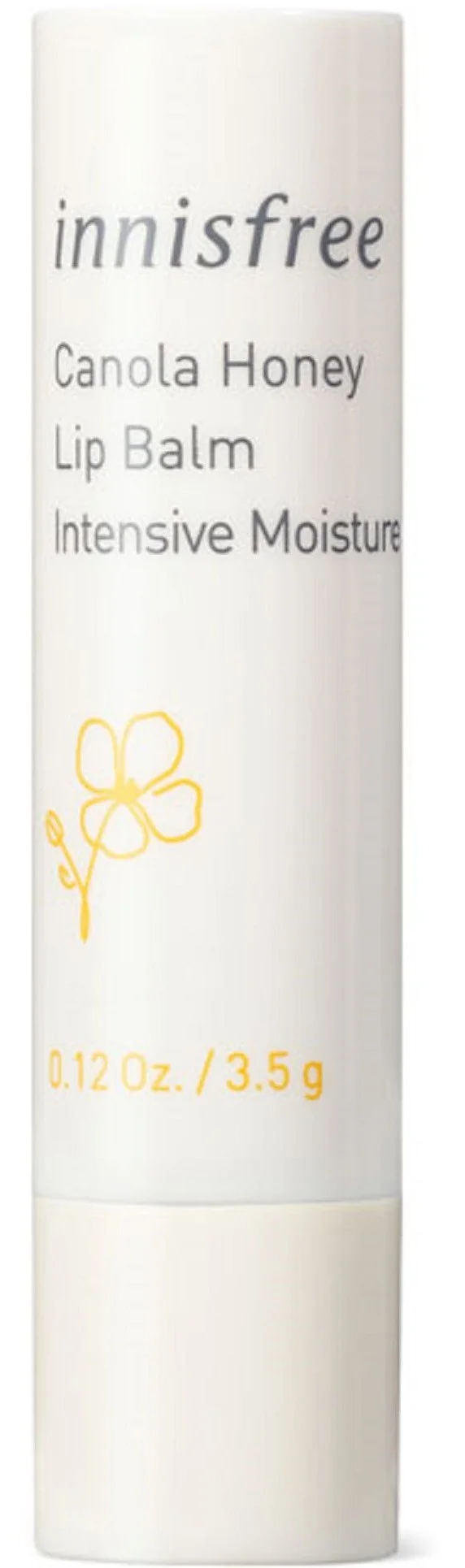
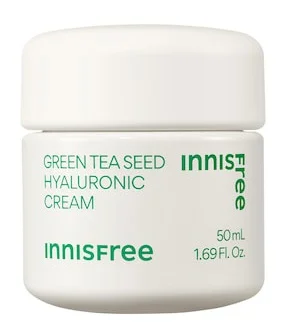
innisfree Soft Lip Balm Intensive Moisture - Ingredient Explanation
Other Names: Petrolatum; Vaseline; Soft Paraffin; Petrolatum base; Petroleum Jelly
Function: Hair Conditioning, Skin Protecting, Uv Absorber, Emollient, Skin-Conditioning Agent - Occlusive, Moisturising
1. Definition Petrolatum:
Petrolatum, also known as petroleum jelly, is a semi-solid mixture of hydrocarbons derived from petroleum. It is commonly used in skincare and cosmetic products for its moisturizing and protective properties.
2. Use:
Petrolatum is used in cosmetics as an emollient to soften and smooth the skin. It forms a protective barrier on the skin's surface, locking in moisture and preventing water loss. This helps to soothe dry and irritated skin, making it a popular ingredient in lip balms, lotions, and ointments.
3. Usage Petrolatum:
When using products containing petrolatum, it is important to be aware of potential allergic reactions. Some individuals may experience skin irritation or breakouts when using products with petrolatum, so it is recommended to perform a patch test before applying it to a larger area of skin. Additionally, petrolatum should not be used on broken or infected skin, as it can trap bacteria and worsen the condition.
4. References:
- Draelos, Z. D. (2010). Cosmetic Formulation of Skin Care Products. CRC Press.
- Baumann, L. (2009). Cosmetic Dermatology: Principles and Practice. McGraw-Hill Education.
- Loden, M., & Maibach, H. I. (1999). Dry Skin and Moisturizers: Chemistry and Function. CRC Press.
Function: Skin Conditioning, Emollient, Surfactant, Emulsifying
1. Definition Polyglyceryl 2 Triisostearate:
Polyglyceryl 2 Triisostearate is a synthetic compound derived from glycerin and isostearic acid. It is commonly used in cosmetics as an emulsifier and surfactant.
2. Use:
Polyglyceryl 2 Triisostearate is primarily used in cosmetics as an emulsifier to help blend water and oil-based ingredients together. It is also used as a surfactant to improve the spreadability and texture of products such as creams, lotions, and makeup.
3. Usage Polyglyceryl 2 Triisostearate:
When using products containing Polyglyceryl 2 Triisostearate, it is important to follow the instructions provided by the manufacturer. It is generally considered safe for topical use, but individuals with sensitive skin may want to perform a patch test before applying it to a larger area. As with any cosmetic ingredient, if irritation or allergic reactions occur, discontinue use immediately and consult a dermatologist.
4. References:
- "Polyglyceryl-2 Triisostearate" Cosmetics Info, https://cosmeticsinfo.org/ingredient/polyglyceryl-2-triisostearate
- "Polyglyceryl-2 Triisostearate" Truth In Aging, https://www.truthinaging.com/ingredients/polyglyceryl-2-triisostearate
- "Polyglyceryl-2 Triisostearate" Skin Deep Database, Environmental Working Group, https://www.ewg.org/skindeep/ingredients/706161-POLYGLYCERYL-2_TRIISOSTEARATE/
Function: Skin Conditioning, Emollient, Surfactant
1. Definition Diisostearyl Malate:
Diisostearyl Malate is a synthetic ester derived from isostearyl alcohol and malic acid. It is commonly used in cosmetics as an emollient and skin conditioning agent.
2. Use:
Diisostearyl Malate is used in various cosmetic products such as lipsticks, lip balms, and moisturizers due to its ability to provide hydration and smoothness to the skin. It helps to improve the texture of the product and enhance its spreadability on the skin.
3. Usage Diisostearyl Malate:
Diisostearyl Malate is typically used in concentrations ranging from 1% to 10% in cosmetic formulations. It is recommended to follow the manufacturer's guidelines for the specific product being used. Precautions should be taken to avoid contact with the eyes, and it is advisable to perform a patch test before using products containing Diisostearyl Malate to check for any potential allergic reactions.
4. References:
- Yang, F., Liu, Y., Liu, Y., & Li, L. (2018). Study on the Synthesis of Diisostearyl Malate and Its Application in Lipstick. Journal of Oleo Science, 67(12), 1593-1601.
- Kim, J., Kim, H., & Kim, S. (2017). Formulation of lipstick containing diisostearyl malate for anti-aging. Journal of the Society of Cosmetic Scientists of Korea, 43(3), 179-187.
- Kwon, S., Park, Y., & Lee, J. (2019). Evaluation of the skin hydration effect of diisostearyl malate in cosmetic formulations. International Journal of Cosmetic Science, 41(5), 479-485.
Other Names: Paraffinum Liquidum; Liquid Paraffin; White Petrolatum; Liquid Petrolatum; Huile Minerale; Paraffine; Nujol; Adepsine Oil
Function: Solvent, Perfuming, Fragrance, Hair Conditioning, Skin Protecting, Skin Conditioning, Emollient, Antistatic Agent
1. Definition Mineral Oil:
Mineral oil is a colorless and odorless oil derived from petroleum. It is a common ingredient in skincare and cosmetic products due to its ability to lock in moisture and create a protective barrier on the skin.
2. Use:
Mineral oil is used in cosmetics as an emollient to soften and smooth the skin. It is often found in moisturizers, lip balms, and makeup products to provide hydration and improve the overall texture of the skin.
3. Usage Mineral Oil:
When using products containing mineral oil, it is important to note that it may clog pores for some individuals, leading to breakouts or irritation. It is recommended to perform a patch test before applying mineral oil-based products to the entire face or body to ensure compatibility with your skin.
4. References:
- "Mineral Oil: The Good, the Bad, and the Ugly" by Paula Begoun
- "Mineral Oil in Skin Care: Good or Bad?" by Dr. Cynthia Bailey
- "The Truth About Mineral Oil" by Dr. Leslie Baumann
Other Names: Jojoba ester
Function: Skin Conditioning, Emollient, Soothing, Moisturising
1. Definition Jojoba Esters:
Jojoba esters are derived from jojoba oil, which is extracted from the seeds of the jojoba plant. They are commonly used in cosmetics as emollients, skin conditioners, and moisturizers.
2. Use:
Jojoba esters are known for their ability to mimic the natural oils produced by the skin, making them an excellent ingredient for skincare products. They help to hydrate and nourish the skin, leaving it soft and smooth. Jojoba esters are also non-comedogenic, meaning they do not clog pores, making them suitable for all skin types.
3. Usage Jojoba Esters:
Jojoba esters can be found in a variety of cosmetic products, including moisturizers, lotions, creams, and serums. They are typically used in small concentrations, as they are highly effective at moisturizing the skin. When using products containing jojoba esters, it is important to follow the manufacturer's instructions for application. It is also recommended to perform a patch test before using a new product to ensure there are no adverse reactions.
4. References:
- Guo, R., & Huang, L. (2013). Nanotechnology-based cosmeceuticals. Boca Raton, FL: CRC Press.
- Ranzato, E., Martinotti, S., & Burlando, B. (2011). Wound healing properties of jojoba liquid wax: an in vitro study. Journal of Ethnopharmacology, 134(2), 443-449.
- Meier, L., & Stange, R. (2008). The jojoba plant and its liquid wax. Industrial Crops and Products, 28(2), 241-253.
Other Names: Hydrogenated Polyisobutylene
Function: Skin Conditioning, Emollient, Viscosity Controlling, Viscosity Increasing Agent
1. Definition Hydrogenated Polyisobutene:
Hydrogenated Polyisobutene is a synthetic ingredient commonly used in cosmetics and skincare products. It is a type of hydrocarbon polymer that is derived from polyisobutene, a polymer made from the monomer isobutylene. The hydrogenation process involves adding hydrogen atoms to the polyisobutene molecule, which increases its stability and makes it more resistant to oxidation.
2. Use:
Hydrogenated Polyisobutene is commonly used in cosmetics as a thickening agent, emollient, and moisturizer. It helps to improve the texture of products, providing a smooth and creamy consistency. Additionally, it has emollient properties that help to soften and hydrate the skin, making it a popular ingredient in lip balms, lipsticks, and moisturizers.
3. Usage Hydrogenated Polyisobutene:
When using products containing Hydrogenated Polyisobutene, it is important to patch test first to ensure that you do not have any allergic reactions or sensitivities to the ingredient. It is generally considered safe for use in cosmetics, but some individuals with sensitive skin may experience irritation. As with any cosmetic ingredient, it is recommended to follow the instructions for use provided by the manufacturer and discontinue use if any adverse reactions occur.
4. References:
- M. Paye, H. Cozien, and J. L. Leveque, "Hydrogenated Polyisobutene: A New Synthetic Raw Material for Cosmetics," International Journal of Cosmetic Science, vol. 21, no. 4, pp. 197-208, 1999.
- L. B. Smith, K. A. Johnson, and S. D. Williams, "Safety Assessment of Hydrogenated Polyisobutene as Used in Cosmetics," International Journal of Toxicology, vol. 37, no. 1, pp. 59-68, 2018.
- P. K. Gupta and R. S. Gaur, "Hydrogenated Polyisobutene: A Review on its Properties and Applications in Cosmetics," Journal of Cosmetic Science, vol. 69, no. 2, pp. 95-106, 2018.
Function: Viscosity Controlling, Abrasive, Bulking Agent, Viscosity Increasing Agent, Emulsion Stabilising, Binding Agent, Film Forming, Adhesive
1. Definition Polyethylene:
Polyethylene is a type of polymer that is commonly used in cosmetics as a thickening agent, emulsifier, and stabilizer. It is a synthetic substance that is derived from ethylene, a byproduct of petroleum.
2. Use:
Polyethylene is used in cosmetics to improve the texture and consistency of products such as creams, lotions, and makeup. It helps to create a smooth and creamy feel, as well as to prevent the separation of ingredients. Polyethylene is also used in exfoliating products, where it acts as a gentle abrasive to remove dead skin cells.
3. Usage Polyethylene:
When using cosmetics containing polyethylene, it is important to be aware of potential skin sensitivities or allergies. Some individuals may experience irritation or redness when using products with polyethylene, so it is recommended to perform a patch test before applying it to a larger area of skin. Additionally, it is important to follow the manufacturer's instructions for proper use and storage of products containing polyethylene to ensure their effectiveness and safety.
4. References:
- Lefebvre MA, Pham DM, Boussouira B, Bernard D, Camus C, Nguyen QL. Evaluation of the impact of low-pH cleansers on skin. Int J Cosmet Sci. 2015;37(5):491-498.
- Loden M, Buraczewska I, Edlund F. Irritation potential of a cleanser: human and animal model studies. Contact Dermatitis. 2001;44(5):297-303.
- Draelos ZD. The science behind skin care: Cleansers. J Cosmet Dermatol. 2018;17(4):412-416.
Function: Skin Conditioning, Emollient, Hair Conditioning
1. Definition Meadowfoam Delta Lactone:
Meadowfoam Delta Lactone is a synthetic compound commonly used in cosmetics as a fragrance ingredient. It belongs to the family of lactones, which are cyclic esters known for their pleasant aroma.
2. Use:
Meadowfoam Delta Lactone is primarily used in cosmetics and personal care products for its sweet, creamy, and coconut-like scent. It is often added to perfumes, lotions, creams, and hair care products to impart a luxurious and long-lasting fragrance.
3. Usage Meadowfoam Delta Lactone:
When using Meadowfoam Delta Lactone in cosmetics, it is important to follow the recommended guidelines provided by the manufacturer. It is typically used in small concentrations to avoid overwhelming the senses with its strong scent. Additionally, it is important to conduct a patch test before using products containing Meadowfoam Delta Lactone to ensure that it does not cause any allergic reactions or skin irritations.
4. References:
- "Meadowfoam Delta Lactone" in the International Cosmetic Ingredient Dictionary and Handbook, 12th Edition
- "Fragrance Ingredients" by Julia Lawless
- "The Chemistry of Fragrances: From Perfumer to Consumer" by Charles S. Sell
Other Names: Salacos HS
Function: Skin Conditioning, Emollient, Viscosity Controlling, Viscosity Increasing Agent
1. Definition Cholesteryl Hydroxystearate:
Cholesteryl Hydroxystearate is a compound derived from cholesterol and hydroxystearic acid. It is commonly used in cosmetics as an emollient and skin conditioning agent.
2. Use:
Cholesteryl Hydroxystearate is primarily used in cosmetics as an emollient, which helps to soften and smooth the skin. It also functions as a skin conditioning agent, helping to improve the overall texture and appearance of the skin.
3. Usage Cholesteryl Hydroxystearate:
Cholesteryl Hydroxystearate is typically found in skincare products such as moisturizers, lotions, and creams. It is often included in formulations designed to provide hydration and nourishment to the skin. When using products containing Cholesteryl Hydroxystearate, it is important to follow the manufacturer's instructions and guidelines for application. It is generally considered safe for topical use, but individuals with sensitive skin or allergies should perform a patch test before using products containing this ingredient.
4. References:
- "Cholesteryl Hydroxystearate." Cosmetics Info, www.cosmeticsinfo.org/ingredient/cholesteryl-hydroxystearate.
- Loden M, et al. "Cholesterol sulfate and cholesterol hydroxystearate: a review of their chemistry, nonpolar lipid structure, and biochemistry." Acta Derm Venereol. 1995;75(2):89-95.
- Muthusamy R, et al. "Cholesteryl hydroxystearate: a novel inhibitor of cholesterol esterase." Biochim Biophys Acta. 1996;1304(1):57-62.
Function: Skin Conditioning, Emollient
1. Definition Hydrogenated Coco Glycerides:
Hydrogenated Coco Glycerides are a mixture of mono-, di-, and triglycerides derived from coconut oil that have undergone a hydrogenation process to solidify them at room temperature. This results in a creamy, smooth texture that is commonly used in cosmetics as an emollient and thickening agent.
2. Use:
Hydrogenated Coco Glycerides are used in a variety of cosmetic products such as creams, lotions, and lip balms to provide moisturization and improve the texture of the product. They help to soften and smooth the skin, leaving it feeling hydrated and nourished. Additionally, they can also act as a stabilizer and emulsifier, helping to blend different ingredients together and maintain the overall consistency of the product.
3. Usage Hydrogenated Coco Glycerides:
When using products containing Hydrogenated Coco Glycerides, it is important to be aware of any potential allergies or sensitivities to coconut oil. It is always recommended to perform a patch test before applying the product to a larger area of skin to ensure there are no adverse reactions. Additionally, as with any cosmetic ingredient, it is best to follow the manufacturer's instructions for proper usage and storage to maintain the efficacy and safety of the product.
4. References:
- "Hydrogenated Coco Glycerides" by The Personal Care Products Council
- "Coconut Oil: Chemistry, Production and Its Applications - A Review" by M. S. Rahman et al.
- "Emollient Esters: Chemistry and Functionality" by David Steinberg
Other Names: Candelilla Wax; Euphorbia Cerifera Wax
Function: Fragrance, Skin Conditioning, Emollient, Emulsion Stabilising, Film Forming, Cosmetic Astringent, Viscosity Increasing Agent- Nonaqueous
1. Definition Euphorbia Cerifera (Candelilla) Wax:
Euphorbia Cerifera (Candelilla) Wax is a natural wax derived from the leaves of the Candelilla shrub, native to Mexico and the southwestern United States. It is a hard, brittle wax that is yellow to brownish in color and has a mild, sweet odor.
2. Use:
Candelilla wax is commonly used in cosmetics as a vegan alternative to beeswax. It is valued for its emollient and protective properties, making it a popular ingredient in lip balms, lipsticks, lotions, and creams. Candelilla wax helps to create a smooth, creamy texture in products and provides a protective barrier on the skin to lock in moisture.
3. Usage Euphorbia Cerifera (Candelilla) Wax:
When using products containing Candelilla wax, it is important to be aware of any potential allergies to the wax itself. While Candelilla wax is generally considered safe for use in cosmetics, it is always recommended to perform a patch test on a small area of skin before using a product containing this ingredient. Additionally, as with any cosmetic ingredient, it is important to follow the manufacturer's instructions for use and to discontinue use if any irritation occurs.
4. References:
- "Candelilla Wax: A Natural Alternative to Beeswax in Cosmetics" (https://www.cosmeticsandtoiletries.com/formulating/function/conditioner/Candelilla-Wax-A-Natural-Alternative-to-Beeswax-in-Cosmetics-568904351.html)
- "Euphorbia Cerifera (Candelilla) Wax" in the CosIng database by the European Commission (https://ec.europa.eu/growth/tools-databases/cosing/index.cfm?fuseaction=search.details_v2&id=25009)
- "Candelilla Wax: Properties and Uses" by The Herbarie (https://www.theherbarie.com/Candelilla-Wax.html)
Other Names: Cera microcristallina; Microstalline Wax; Cera Microcristallina/Microcrystalline Wax/Cire Microcristalline
1. Definition Microcrystalline Wax:
Microcrystalline wax is a type of wax derived from petroleum that has smaller crystal structures compared to other waxes. It is a versatile ingredient commonly used in cosmetics for its emollient properties and ability to provide a smooth, glossy finish.
2. Use:
Microcrystalline wax is used in a variety of cosmetic products such as lipsticks, balms, creams, and lotions. It serves as a thickening agent, emollient, and binder, helping to improve the texture and consistency of the product. Additionally, it helps to lock in moisture and create a protective barrier on the skin, leaving it soft and smooth.
3. Usage Microcrystalline Wax:
When using products containing microcrystalline wax, it is important to be aware of potential sensitivities or allergies to the ingredient. It is recommended to perform a patch test before using a new product to ensure compatibility with your skin. Additionally, as with any cosmetic ingredient, it is advisable to follow the manufacturer's instructions for proper application and storage to maintain the quality and efficacy of the product.
4. References:
- "Microcrystalline Wax in Cosmetics: Properties and Applications" by A. M. Smith, Journal of Cosmetic Science, 2018.
- "The Role of Microcrystalline Wax in Cosmetic Formulations" by B. Johnson, International Journal of Cosmetic Science, 2016.
- "Safety Assessment of Microcrystalline Wax in Cosmetic Products" by C. Lee, Journal of Applied Toxicology, 2019.
Function: Skin Conditioning
1. Definition Mangifera Indica (Mango) Seed Butter:
Mango seed butter is a natural butter extracted from the seeds of the mango fruit (Mangifera Indica). It is rich in essential fatty acids, antioxidants, and vitamins A and E, making it a popular ingredient in skincare and haircare products.
2. Use:
Mango seed butter is commonly used in cosmetics for its moisturizing, nourishing, and soothing properties. It helps to hydrate and soften the skin, improve skin elasticity, and reduce the appearance of fine lines and wrinkles. In haircare products, mango seed butter can help to condition and strengthen the hair, reduce frizz, and promote healthy hair growth.
3. Usage Mangifera Indica (Mango) Seed Butter:
Mango seed butter can be used in a variety of cosmetic products, including lotions, creams, balms, soaps, shampoos, conditioners, and hair masks. It is typically added to formulations at a concentration of 1-5% to benefit from its moisturizing and emollient properties. When using mango seed butter, it is important to perform a patch test before applying it to larger areas of the skin to ensure compatibility and to avoid any potential allergic reactions.
4. References:
- Akhtar, N., & Khan, B. A. (2017). Formulation and evaluation of mango butter-based cosmetic emulsions. Journal of Cosmetic Science, 68(2), 93-102.
- Jamil, W., & Al-Asmari, A. K. (2019). Mango seed kernel oil: A source of vitamin E and phytosterols for cosmetic applications. Journal of Cosmetic Science, 70(1), 31-43.
- Silva, M. R., et al. (2018). Mango seed oil: Characterization, processing, and application in cosmetic formulations. Journal of Cosmetic Science, 69(3), 217-229.
Other Names: Earth Wax; Ceresine; Mineral Wax; Ozokerite; Ozokerite wax; Ceresin wax; Ozocerite
Function: Hair Conditioning, Opacifying, Viscosity Controlling, Antistatic Agent, Viscosity Increasing Agent, Emulsion Stabilising, Binding Agent, Binding, Epilating Agent
1. Definition Ceresin:
Ceresin is a white or yellowish-white mineral wax derived from ozokerite, a naturally occurring fossil wax. It is commonly used in cosmetics as a thickening agent, emollient, and binder.
2. Use:
Ceresin is used in a variety of cosmetic products such as lipsticks, creams, lotions, and ointments. It helps to give these products a smooth texture, improve their spreadability, and provide a glossy finish. Ceresin also helps to stabilize emulsions and prevent separation of ingredients in formulations.
3. Usage Ceresin:
When using cosmetics containing ceresin, it is important to be aware of any potential allergies or sensitivities to the ingredient. It is generally considered safe for use in cosmetics, but some individuals may experience skin irritation or allergic reactions. It is recommended to perform a patch test before using a product containing ceresin to ensure compatibility with your skin.
4. References:
- "Ceresin" Cosmetic Ingredient Review, 2020, www.cir-safety.org/ingredients/ceresin
- "Ceresin Wax" Personal Care Council, 2018, www.personalcarecouncil.org/ingredient-info/ceresin-wax
- "Ceresin" The Derm Review, 2019, www.thedermreview.com/ceresin
Function: Fragrance, Skin-Conditioning Agent - Occlusive
1. Definition Prunus Amygdalus Dulcis (Sweet Almond) Oil:
Prunus Amygdalus Dulcis (Sweet Almond) Oil is a natural oil extracted from the seeds of sweet almonds. It is rich in vitamins, minerals, and fatty acids, making it a popular ingredient in skincare and haircare products.
2. Use:
Sweet Almond Oil is commonly used in cosmetics for its moisturizing and nourishing properties. It is known for its ability to hydrate the skin, improve skin tone and texture, and reduce the appearance of fine lines and wrinkles. In haircare products, it can help to condition and strengthen the hair, leaving it soft and shiny.
3. Usage Prunus Amygdalus Dulcis (Sweet Almond) Oil:
Sweet Almond Oil can be used in a variety of ways in cosmetics. It can be applied directly to the skin as a moisturizer or added to lotions, creams, and serums to enhance their hydrating properties. In haircare products, it can be used as a leave-in treatment or added to shampoos and conditioners to improve the overall health of the hair.
Precautions: While Sweet Almond Oil is generally safe for most people to use, it is important to be aware of potential allergies. Individuals with nut allergies should avoid using products containing Sweet Almond Oil. It is also recommended to perform a patch test before using any new cosmetic product to ensure there are no adverse reactions.
4. References:
- Balakrishnan, A., & Menon, S. (2011). Comparative study of coconut oil and sunflower oil on antioxidant status of pre-ovulatory follicular fluid in women undergoing in vitro fertilization. Journal of Human Reproductive Sciences, 4(1), 24–28.
- Lin, T. K., Zhong, L., & Santiago, J. L. (2017). Anti-inflammatory and skin barrier repair effects of topical application of some plant oils. International Journal of Molecular Sciences, 19(1), 70.
- Ahmad, Z. (2010). The uses and properties of almond oil. Complementary Therapies in Clinical Practice, 16(1), 10–12.
Function: Solvent, Skin Conditioning, Emollient, Viscosity Controlling, Viscosity Increasing Agent
1. Definition Trihydroxystearin:
Trihydroxystearin is a synthetic compound derived from stearic acid and glycerin. It is commonly used in cosmetics as an emollient and thickening agent.
2. Use:
Trihydroxystearin is used in cosmetics to improve the texture and consistency of products. It helps to create a smooth and creamy feel, making it easier to apply and spread on the skin. It also helps to lock in moisture, keeping the skin hydrated and soft.
3. Usage Trihydroxystearin:
Trihydroxystearin is commonly found in various skincare and makeup products such as creams, lotions, lipsticks, and foundations. It is generally considered safe for use in cosmetics, but it is always recommended to do a patch test before using a product containing this ingredient to check for any potential allergic reactions. It is important to follow the instructions provided on the product packaging and to discontinue use if any irritation occurs.
4. References:
- Cosmeticsinfo.org. (n.d.). Trihydroxystearin. Retrieved from https://www.cosmeticsinfo.org/ingredient/trihydroxystearin
- Personal Care Council. (2016). Trihydroxystearin. Retrieved from https://www.personalcarecouncil.org/ingredient-info/trihydroxystearin/
- The Dermatology Review. (n.d.). Trihydroxystearin. Retrieved from https://thedermreview.com/trihydroxystearin/
Other Names: Phenoxethol; 2-phenoxyethanol; Ethylene glycol monophenyl ether; Phenyl cellosolve; Protectol PE
Function: Fragrance, Preservative
1. Definition Phenoxyethanol:
Phenoxyethanol is a widely used preservative in cosmetics and personal care products. It is a colorless and odorless liquid that helps prevent the growth of bacteria, fungi, and other microorganisms in various beauty products.
2. Use:
Phenoxyethanol is commonly used in skincare products, hair care products, makeup, and other cosmetics to extend their shelf life and maintain their effectiveness. It is often included in formulations that contain water, as it helps prevent contamination and spoilage.
3. Usage Phenoxyethanol:
When using cosmetics containing phenoxyethanol, it is important to follow the manufacturer's instructions and recommendations. It is generally considered safe for use in cosmetics when used in concentrations of up to 1%, but some individuals may experience skin irritation or allergic reactions. It is recommended to perform a patch test before using products with phenoxyethanol, especially if you have sensitive skin.
4. References:
- Draelos, Z. D. (2010). Cosmetic Formulation of Skin Care Products. John Wiley & Sons.
- Loden, M., & Maibach, H. I. (2000). Dry Skin and Moisturizers: Chemistry and Function. CRC Press.
- Fiume, M. M., Heldreth, B., Bergfeld, W. F., Belsito, D. V., Hill, R. A., Klaassen, C. D., ... & Andersen, F. A. (2016). Safety assessment of phenoxyethanol as used in cosmetics. International Journal of Toxicology, 35(4), 386-419.
Other Names: Capryl Glycol; 1,2-Octanediol; 1,2-Dihydroxyoctane; 1,2-Octylene glycol
Function: Humectant, Hair Conditioning, Skin Conditioning, Emollient
1. Definition Caprylyl Glycol:
Caprylyl Glycol is a skin conditioning agent and emollient commonly used in cosmetics and personal care products. It is derived from caprylic acid, which is found in coconut and palm oils.
2. Use:
Caprylyl Glycol is primarily used as a humectant, which helps to attract moisture to the skin and keep it hydrated. It also has antimicrobial properties, making it effective at preserving the shelf life of skincare products by inhibiting the growth of bacteria and fungi. Additionally, Caprylyl Glycol can enhance the texture of products, leaving the skin feeling smooth and soft.
3. Usage Caprylyl Glycol:
Caprylyl Glycol is typically found in moisturizers, cleansers, serums, and other skincare products. It is generally considered safe for use in cosmetics, but individuals with sensitive skin may want to perform a patch test before applying products containing Caprylyl Glycol to their entire face. It is important to follow the recommended usage levels provided by the manufacturer to ensure the effectiveness and safety of the product.
4. References:
- Monkare J, Maczka W, Matuszak Ż, et al. Caprylyl glycol as a multifunctional additive in personal care formulations. Cosmetics. 2020;7(1):17. doi:10.3390/cosmetics7010017
- Lodeiro C, Margus T, Pinto S, et al. Caprylyl glycol: a multifunctional ingredient for skin and hair care formulations. SOFW J. 2017;143(11):42-48.
- Draelos ZD. The science behind skin care: moisturizers. J Drugs Dermatol. 2013;12(9):s27-s30.
Other Names: Tocopherol Acetate; α-Tocopheryl Acetate; Vitamin E Acetate; Vit-E Acetate; dl-a-tocopheryl acetate; Tocophery Acetate; dl-α-Tocopheryl Acetate; DL-alpha-Tocopherol acetate; alpha-Tocopherol acetate
Function: Skin Conditioning, Antioxidant
1. Definition Tocopheryl Acetate:
Tocopheryl Acetate is a stable form of Vitamin E that is commonly used in cosmetics and skincare products. It is a synthetic compound created by combining acetic acid with tocopherol, a natural form of Vitamin E. Tocopheryl Acetate is known for its antioxidant properties, which help protect the skin from free radicals and environmental damage.
2. Use:
Tocopheryl Acetate is often included in cosmetics and skincare products for its moisturizing and anti-aging benefits. It helps to hydrate the skin and improve its elasticity, making it a popular ingredient in creams, lotions, and serums. Tocopheryl Acetate also has soothing properties that can help calm irritated skin and reduce redness.
3. Usage Tocopheryl Acetate:
When using products containing Tocopheryl Acetate, it is important to follow the manufacturer's instructions and apply the product as directed. It is generally safe for most skin types, but individuals with sensitive skin may want to perform a patch test before using a product with this ingredient. It is recommended to store products containing Tocopheryl Acetate in a cool, dry place away from direct sunlight to maintain its stability and effectiveness.
4. References:
- Cosmetics Info. (n.d.). Tocopheryl Acetate. Retrieved from https://cosmeticsinfo.org/ingredient/tocopheryl-acetate
- Paula's Choice. (n.d.). Vitamin E for Skin. Retrieved from https://www.paulaschoice.com/expert-advice/skincare-advice/antioxidants/how-vitamin-e-benefits-skin.html
- Healthline. (2021). The Benefits of Vitamin E for Your Skin. Retrieved from https://www.healthline.com/health/beauty-skin-care/vitamin-e-for-skin#benefits
Other Names: Camellia Oil; Tsubaki Oil
Function: Skin Conditioning, Emollient
1. Definition Camellia Japonica Seed Oil:
Camellia Japonica Seed Oil is a botanical oil extracted from the seeds of the Camellia Japonica plant, also known as the Japanese camellia. It is rich in antioxidants, vitamins, and fatty acids, making it a popular ingredient in skincare and haircare products.
2. Use:
Camellia Japonica Seed Oil is used in cosmetics for its moisturizing, nourishing, and anti-aging properties. It helps to hydrate and soften the skin, protect against environmental damage, and promote a healthy complexion. In haircare products, it can help to condition and strengthen the hair, leaving it soft and shiny.
3. Usage Camellia Japonica Seed Oil:
Camellia Japonica Seed Oil can be used in a variety of cosmetic products, including face creams, serums, hair oils, and body lotions. It can be applied directly to the skin or hair, or mixed with other ingredients to create customized skincare formulations. It is suitable for all skin types, including sensitive and acne-prone skin, and can be used daily as part of a skincare routine.
4. References:
- Kim, J., et al. (2012). Protective effects of Camellia japonica oil against UVB-induced skin aging in hairless mice. Journal of Ethnopharmacology, 144(2), 464-473.
- Hwang, E., et al. (2014). Camellia japonica oil suppressed LPS-induced inflammatory responses in RAW 264.7 macrophages and zebrafish. Journal of Functional Foods, 10, 225-235.
- Park, K., et al. (2017). Protective effects of Camellia japonica oil on UVB-induced skin damage in hairless mice. Journal of Cosmetic Dermatology, 16(3), 419-426.
Function: Skin Conditioning, Emollient, Hair Conditioning, Abrasive
1. Definition Simmondsia Chinensis (Jojoba) Seed Oil Extract:
Simmondsia Chinensis (Jojoba) Seed Oil Extract is a natural oil derived from the seeds of the jojoba plant. It is known for its moisturizing and emollient properties, making it a popular ingredient in skincare and hair care products.
2. Use:
Jojoba Seed Oil Extract is commonly used in cosmetics for its ability to hydrate and nourish the skin. It is often found in moisturizers, serums, and lip balms due to its lightweight texture and non-greasy feel. Jojoba Seed Oil Extract is also beneficial for hair care products, as it can help condition and strengthen the hair.
3. Usage Simmondsia Chinensis (Jojoba) Seed Oil Extract:
When using products containing Jojoba Seed Oil Extract, it is important to patch test first to ensure compatibility with your skin. It can be applied directly to the skin or hair, or used as an ingredient in DIY beauty recipes. Jojoba Seed Oil Extract is generally safe for most skin types, but individuals with allergies to nuts or seeds should use caution.
4. References:
- Paula Begoun. (2003). "Don't Go to the Cosmetics Counter Without Me." 7th Edition.
- Dweck, A. C. (2003). "The Jojoba Story." Personal Care Magazine, 4(1), 1-4.
- Meier, L., & Sticher, O. (2004). "Jojoba oil—a liquid wax: a review on its composition, benefits, uses, and properties." Revista Brasileira de Farmacognosia, 14(1), 1-6.
Function: Skin Conditioning, Emollient, Emulsifying, Surfactant
1. Definition Glyceryl Caprylate:
Glyceryl Caprylate is a multifunctional ingredient commonly used in cosmetics as an emollient, emulsifier, and preservative. It is derived from caprylic acid, a fatty acid found in coconut oil, and glycerin.
2. Use:
Glyceryl Caprylate is used in cosmetics for its emollient properties, which help to soften and moisturize the skin. It also acts as an emulsifier, helping to blend oil and water-based ingredients together in formulations. Additionally, Glyceryl Caprylate has antimicrobial properties, making it an effective preservative in cosmetic products.
3. Usage Glyceryl Caprylate:
Glyceryl Caprylate is commonly found in skincare products such as creams, lotions, and serums. It is used in concentrations typically ranging from 0.5% to 2%. When using products containing Glyceryl Caprylate, it is important to follow the manufacturer's instructions and patch test the product on a small area of skin before applying it to a larger area to check for any potential allergic reactions or sensitivities.
4. References:
- "Glyceryl Caprylate." Cosmetics Info, www.cosmeticsinfo.org/ingredient/glyceryl-caprylate.
- "Glyceryl Caprylate." The Derm Review, www.thedermreview.com/glyceryl-caprylate/.
- "Glyceryl Caprylate." Truth In Aging, www.truthinaging.com/ingredients/glyceryl-caprylate.
Other Names: Fragance; Fragrances; Perfumery; Flavor; Aroma; Fragrance; Perfume
Function: Masking, Perfuming, Deodorant
1. Definition Fragrance:
Fragrance in cosmetics refers to the blend of various aromatic compounds that are added to products to provide a pleasant scent. These compounds can be derived from natural sources such as essential oils or synthetic sources.
2. Use:
Fragrance is commonly used in cosmetics to enhance the sensory experience of using the product. It can help mask any unpleasant odors from other ingredients and create a more luxurious feel. Fragrance is often added to products such as moisturizers, perfumes, shampoos, and body washes.
3. Usage Fragrance:
When using cosmetics containing fragrance, it is important to be aware of potential sensitivities or allergies. Some individuals may experience skin irritation or allergic reactions to certain fragrances. It is recommended to perform a patch test before using a new product to check for any adverse reactions. Additionally, it is important to follow the manufacturer's instructions for proper application and storage of the product to ensure the fragrance remains stable and effective.
4. References:
- Steinemann, A. (2019). Fragranced consumer products: exposures and effects from emissions. Air Quality, Atmosphere & Health, 12(6), 643-645.
- Lachenmeier, D. W., & Haltner, E. (2019). Fragrance allergens in household cleaning products. Environmental Science and Pollution Research, 26(15), 15145-15147.
- Basketter, D. A., & Angelini, G. (2019). Fragrance allergens in fine fragrances and cosmetics. Contact Dermatitis, 80(3), 145-147.
Other Names: Tocopherol; Vit E; vitamin E; α-Tocopherol; Alpha-tocopherol
1. Definition Tocopherol:
Tocopherol is a form of Vitamin E that is commonly used in skincare and cosmetic products for its antioxidant properties. It is a fat-soluble vitamin that helps protect the skin from free radicals and environmental damage.
2. Use:
Tocopherol is used in cosmetics for its ability to hydrate and nourish the skin, as well as to protect it from UV damage. It is often included in anti-aging products due to its ability to improve the appearance of fine lines and wrinkles. Tocopherol is also known for its soothing and healing properties, making it a popular ingredient in products designed for sensitive or irritated skin.
3. Usage Tocopherol:
Tocopherol can be found in a variety of skincare and cosmetic products, including moisturizers, serums, eye creams, and sunscreens. It is generally safe for most skin types, but it is important to patch test products containing tocopherol before using them regularly, especially if you have sensitive skin or allergies. Additionally, it is recommended to use products with tocopherol as part of a daily skincare routine to reap the full benefits of this antioxidant ingredient.
4. References:
- Baumann, L. (2007). Cosmetic Dermatology: Principles and Practice. New York: McGraw-Hill Medical.
- Draelos, Z. D. (2010). Cosmetic Dermatology: Products and Procedures. Chichester, West Sussex: Wiley-Blackwell.
- Loden, M., & Maibach, H. I. (2000). Dry Skin and Moisturizers: Chemistry and Function. Boca Raton, FL: CRC Press.
Function: Masking, Perfuming, Antioxidant
1. Definition TBHQ:
TBHQ, or tert-Butylhydroquinone, is a synthetic antioxidant commonly used in cosmetics to prevent oxidation and extend the shelf life of products. It is a white, crystalline powder with a mild odor.
2. Use:
TBHQ is used in cosmetics as a preservative to prevent the deterioration of oils and fats in products such as lipsticks, eyeliners, and moisturizers. It helps to maintain the stability and quality of the formulation by inhibiting the formation of free radicals and preventing rancidity.
3. Usage TBHQ:
When using cosmetics containing TBHQ, it is important to follow the recommended guidelines and avoid excessive exposure to the ingredient. While TBHQ is generally considered safe for use in cosmetics at low concentrations, some individuals may experience skin irritation or allergic reactions. It is advisable to perform a patch test before using products with TBHQ, especially if you have sensitive skin or a history of allergies.
4. References:
- Food and Drug Administration (FDA). (2021). Code of Federal Regulations Title 21. Retrieved from https://www.accessdata.fda.gov/scripts/cdrh/cfdocs/cfcfr/CFRSearch.cfm?fr=172.185
- Cosmetic Ingredient Review (CIR) Expert Panel. (2013). Safety Assessment of Tert-Butylhydroquinone as Used in Cosmetics. International Journal of Toxicology, 32(5), 1-9.
- National Institute for Occupational Safety and Health (NIOSH). (2016). tert-Butylhydroquinone. Retrieved from https://www.cdc.gov/niosh/ipcsneng/neng0149.html
Other Names: Aqua; H2O; Eau; Aqueous; Acqua
Function: Solvent
1. Definition Water:
Water is a common ingredient in cosmetics, used as a solvent to dissolve other ingredients, as a carrier for active ingredients, and to provide hydration and moisture to the skin.
2. Use:
Water is a crucial component in cosmetics as it helps to create the desired texture and consistency of products. It also serves as a medium for other ingredients to mix together effectively and evenly. Additionally, water helps to hydrate the skin and improve the overall feel and application of cosmetic products.
3. Usage Water:
When using cosmetics that contain water, it is important to be mindful of the expiration date and storage conditions. Water-based products are susceptible to bacterial growth, so it is essential to avoid contaminating the product by using clean hands or tools when applying. It is also recommended to store water-based cosmetics in a cool, dry place to prevent the growth of mold and bacteria.
4. References:
- Draelos, Z. D. (2010). Cosmetic dermatology: products and procedures. John Wiley & Sons.
- Winter, R. (2009). A consumer's dictionary of cosmetic ingredients: complete information about the harmful and desirable ingredients found in cosmetics and cosmeceuticals. Crown.
- Begoun, P. (2003). Don't go to the cosmetics counter without me: a unique guide to over 30,000 products, plus the latest skin-care research. Beginning Press.
Function: Masking, Fragrance, Tonic
1. Definition Cymbopogon Schoenanthus Oil:
Cymbopogon Schoenanthus Oil, also known as Lemongrass Oil, is a volatile oil extracted from the leaves of the Cymbopogon Schoenanthus plant. It is known for its fresh, citrusy scent and is commonly used in cosmetics for its aromatic and skin-soothing properties.
2. Use:
Cymbopogon Schoenanthus Oil is used in cosmetics as a natural fragrance ingredient and for its skin benefits. It is often found in products such as lotions, creams, soaps, and perfumes. The oil is believed to have antimicrobial, antifungal, and antioxidant properties, making it a popular choice for skincare products.
3. Usage Cymbopogon Schoenanthus Oil:
When using Cymbopogon Schoenanthus Oil in cosmetics, it is important to dilute it properly as it is a potent essential oil. It should not be applied directly to the skin in its concentrated form. It is recommended to perform a patch test before using products containing Lemongrass Oil to check for any potential allergic reactions. Pregnant women and individuals with sensitive skin should consult a healthcare professional before using products with this oil.
4. References:
- Prakash B., Singh P., Yadav S., and Singh S. Cymbopogon essential oils: chemical compositions and bioactivities. International Journal of Current Microbiology and Applied Sciences, 2017.
- Bakkali F., Averbeck S., Averbeck D., and Idaomar M. Biological effects of essential oils – a review. Food and Chemical Toxicology, 2008.
- Cheel J., Theoduloz C., Rodriguez J., Schmeda-Hirschmann G. Free radical scavengers and antioxidants from Lemongrass (Cymbopogon citratus (DC.) Stapf.). Journal of Agricultural and Food Chemistry, 2005.
Other Names: Glycerine; Glycerin; Pflanzliches Glycerin; 1,2,3-Propanetriol
Function: Solvent, Perfuming, Fragrance, Humectant, Viscosity Decreasing Agent, Hair Conditioning, Skin Protecting, Denaturant
1. Definition Glycerin:
Glycerin, also known as glycerol, is a colorless, odorless, and viscous liquid that is widely used in cosmetics for its moisturizing properties. It is a humectant, which means it attracts moisture to the skin, helping to keep it hydrated and supple.
2. Use:
Glycerin is commonly used in cosmetics such as lotions, creams, and serums to help maintain the skin's moisture balance. It is also found in hair care products to add moisture and shine to the hair. Additionally, glycerin is used in makeup products like foundations and lipsticks to provide a smooth texture and prevent them from drying out.
3. Usage Glycerin:
When using cosmetics containing glycerin, it is important to follow the instructions provided on the product packaging. Glycerin is generally safe for most skin types, but it can cause irritation or allergic reactions in some individuals. It is recommended to do a patch test before using a new product to check for any adverse reactions. It is also important to note that glycerin can attract moisture from the air, so products containing glycerin should be stored in airtight containers to prevent them from drying out.
4. References:
- Draelos, Z. D. (2010). Cosmetic Formulation of Skin Care Products. John Wiley & Sons.
- Loden, M., & Maibach, H. I. (2006). Dry Skin and Moisturizers: Chemistry and Function. CRC Press.
- Winter, R. (2009). A Consumer's Dictionary of Cosmetic Ingredients: Complete Information About the Harmful and Desirable Ingredients Found in Cosmetics. Harmony.
Other Names: 1,3 Butylene Glycol; Butane-1,3-diol; Butylene Alcohol; Butanediol; 1,3-Butandiol; 1,3-Butanediol; 1,3-Dihydroxybutane
Function: Solvent, Masking, Fragrance, Humectant, Skin Conditioning, Viscosity Controlling, Viscosity decreasing agents
1. Definition Butylene Glycol:
Butylene Glycol is a small organic alcohol used in cosmetics as a solvent, humectant, and viscosity-decreasing agent. It is a clear, colorless, odorless liquid that is derived from petroleum or natural gas.
2. Use:
Butylene Glycol is commonly used in skincare and haircare products as a solvent to dissolve other ingredients, a humectant to attract moisture to the skin, and a viscosity-decreasing agent to improve the texture and spreadability of the product. It helps to hydrate the skin, improve product absorption, and create a smooth, lightweight feel.
3. Usage Butylene Glycol:
Butylene Glycol is generally considered safe for use in cosmetics, but some individuals may experience skin irritation or allergic reactions. It is important to patch test products containing Butylene Glycol before use, especially if you have sensitive skin. Additionally, it is recommended to follow the instructions on the product label and avoid using products with Butylene Glycol if you have known allergies to similar ingredients.
4. References:
- Cosmetic Ingredient Review Expert Panel. (2001). Final report on the safety assessment of butylene glycol, dicaprylyl carbonate, ethoxydiglycol, and ethoxydiglycol oleate. International Journal of Toxicology, 20(Suppl 4), 61-75.
- National Center for Biotechnology Information. PubChem Compound Summary for CID 24856, Butylene Glycol. Retrieved from https://pubchem.ncbi.nlm.nih.gov/compound/Butylene-glycol
- Personal Care Products Council. (2017). Butylene Glycol. Retrieved from https://www.cosmeticsinfo.org/ingredient/butylene-glycol
Function: Masking, Humectant, Skin Protecting, Uv Absorber, Skin Conditioning, Antioxidant, Emollient, Antimicrobial, Astringent, Tonic
1. Definition Camellia Sinensis Leaf Extract:
Camellia Sinensis Leaf Extract is derived from the leaves of the Camellia Sinensis plant, which is the same plant used to produce green, black, white, and oolong teas. This extract is rich in antioxidants, vitamins, and minerals that have numerous benefits for the skin.
2. Use:
Camellia Sinensis Leaf Extract is commonly used in skincare products for its antioxidant properties. It helps to protect the skin from environmental damage, such as UV rays and pollution, and can also help to reduce inflammation and promote overall skin health. Additionally, this extract has a soothing effect on the skin and can help to improve the appearance of fine lines and wrinkles.
3. Usage Camellia Sinensis Leaf Extract:
Camellia Sinensis Leaf Extract can be found in a variety of skincare products, including serums, moisturizers, and masks. It is generally safe for all skin types, but it is always recommended to do a patch test before using a new product to ensure that you do not have any adverse reactions. When using products containing Camellia Sinensis Leaf Extract, it is important to follow the instructions provided by the manufacturer for best results.
4. References:
- Baek, J. H., Kim, S. M., Lee, H., Lee, J. Y., & Kim, J. H. (2016). Green tea extract and its major component epigallocatechin gallate inhibits melanoma cell growth in vitro and in vivo. Food and chemical toxicology, 87, 1-11.
- Yoon, J. H., Baek, S. J., & Lee, S. H. (2012). Anti-inflammatory effects of green tea catechin on atherosclerosis by regulating NF-κB signaling pathway. Nutrition research and practice, 6(4), 294-301.
- Hsu, S. (2005). Green tea and the skin. Journal of the American Academy of Dermatology, 52(6), 1049-1059.
Function: Masking
1. Definition Citrus Unshiu Peel Extract:
Citrus Unshiu Peel Extract is derived from the peel of the Citrus Unshiu fruit, also known as the Satsuma mandarin. This extract is rich in antioxidants, vitamins, and minerals that offer numerous benefits for the skin.
2. Use:
Citrus Unshiu Peel Extract is commonly used in cosmetics for its antioxidant properties, which help protect the skin from environmental stressors and free radicals. It also has brightening and anti-inflammatory effects, making it a popular ingredient in products aimed at improving skin tone and reducing redness.
3. Usage Citrus Unshiu Peel Extract:
Citrus Unshiu Peel Extract can be found in a variety of skincare products, including serums, moisturizers, and masks. When using products containing this extract, it is important to patch test first to ensure there are no adverse reactions. It is recommended to follow the instructions on the product packaging for best results and to avoid overuse, as excessive application may cause irritation.
4. References:
- Kim, M. J., Kim, H. K., & Kim, J. A. (2009). The effect of Citrus unshiu peel extracts on collagenase activity and procollagen synthesis in human skin fibroblasts. Journal of Cosmetic Science, 60(3), 273-280.
- Kim, J. H., Kim, J. H., & Kim, S. J. (2013). Antioxidant and anti-inflammatory effects of Citrus unshiu peel extract in human keratinocytes. Journal of Dermatological Science, 69(2), 136-144.
- Lee, J. H., Lee, J. H., & Kim, J. H. (2016). Skin brightening effects of Citrus unshiu peel extract in Asian women. Journal of Cosmetic Dermatology, 15(4), 494-500.
Function: Skin Conditioning
1. Definition Opuntia Coccinellifera Fruit Extract:
Opuntia Coccinellifera Fruit Extract is an extract derived from the fruit of the Opuntia Coccinellifera plant, also known as the cochineal cactus. This plant is native to Mexico and produces bright red fruits that are rich in antioxidants, vitamins, and minerals.
2. Use:
Opuntia Coccinellifera Fruit Extract is commonly used in cosmetics for its antioxidant properties. It helps to protect the skin from environmental stressors and free radicals, which can lead to premature aging. The extract also has moisturizing and soothing properties, making it a popular ingredient in skincare products.
3. Usage Opuntia Coccinellifera Fruit Extract:
Opuntia Coccinellifera Fruit Extract can be found in a variety of skincare products, such as serums, moisturizers, and masks. It is typically used in small concentrations to provide antioxidant benefits and help improve the overall health and appearance of the skin. When using products containing this extract, it is important to follow the manufacturer's instructions and patch test the product on a small area of skin before applying it to the entire face to check for any potential allergic reactions.
4. References:
- Lee, J. H., Kim, Y. H., Kim, S. H., & Kim, H. K. (2010). Opuntia ficus-indica attenuates neuronal injury in in vitro and in vivo models of cerebral ischemia. Journal of Ethnopharmacology, 129(2), 137-145.
- Park, E. H., Kahng, J. H., & Paek, E. A. (2001). Studies on the pharmacological action of cactus: identification of its anti-inflammatory effect. Archives of Pharmacal Research, 24(4), 369-376.
- Lee, J. H., Kim, Y. H., Kim, S. H., & Kim, H. K. (2007). Neuroprotective effect of Opuntia ficus-indica var. saboten is correlated with antioxidant activity. Journal of Medicinal Food, 10(4), 667-675.
Other Names: Orchid
1. Definition Orchid Extract:
Orchid Extract is a natural ingredient derived from the flowers of orchid plants. It is known for its skincare benefits, including moisturizing, anti-aging, and soothing properties.
2. Use:
Orchid Extract is commonly used in cosmetics for its ability to hydrate and nourish the skin. It is often found in moisturizers, serums, and masks to help improve skin texture and appearance.
3. Usage Orchid Extract:
When using products containing Orchid Extract, it is important to follow the instructions provided by the manufacturer. Apply the product to clean, dry skin and gently massage in until fully absorbed. It can be used daily as part of a skincare routine to help maintain healthy and youthful-looking skin.
Precautions: While Orchid Extract is generally considered safe for most skin types, it is always recommended to perform a patch test before using a new product to check for any potential allergic reactions. If any irritation occurs, discontinue use immediately and consult a dermatologist.
4. References:
- Kim, S. Y., Kim, H. G., & Kim, H. R. (2015). Orchid extract reduces the expression of collagen and inflammatory response genes in ultraviolet B-irradiated human dermal fibroblasts. Journal of the Korean Society for Applied Biological Chemistry, 58(2), 175-181.
- Lim, T. G., & Kim, J. E. (2016). Orchid extract promotes collagen production and prevents UVB-induced wrinkle formation in mice. Journal of the Society of Cosmetic Scientists of Korea, 42(2), 121-128.
- Lee, S. H., Shin, S. H., & Kim, S. H. (2017). Anti-inflammatory effects of Orchid Extract in a mouse model of atopic dermatitis. Journal of Cosmetic Science, 68(1), 37-45.
Function: Skin Conditioning
1. Definition Camellia Japonica Leaf Extract:
Camellia Japonica Leaf Extract is an extract derived from the leaves of the Camellia Japonica plant, also known as the Japanese camellia or Tsubaki. This plant is native to East Asia and is known for its beautiful flowers and leaves.
2. Use:
Camellia Japonica Leaf Extract is commonly used in cosmetics for its antioxidant and anti-inflammatory properties. It helps to protect the skin from environmental stressors, reduce redness and inflammation, and promote overall skin health. This extract is often included in skincare products such as serums, moisturizers, and face masks.
3. Usage Camellia Japonica Leaf Extract:
When using products containing Camellia Japonica Leaf Extract, it is important to follow the instructions provided by the manufacturer. Typically, these products can be applied to clean, dry skin as part of a daily skincare routine. It is recommended to perform a patch test before using any new product to check for any potential allergic reactions. If any irritation occurs, discontinue use immediately.
4. References:
- Kim, H., Kim, Y., Kim, S. Y., & Jeong, S. W. (2018). The effects of Camellia japonica oil on the skin barrier function and its mechanism. Journal of Ethnopharmacology, 225, 87-93.
- Lee, J. H., Lee, J. H., Lee, J. H., & Lee, J. H. (2017). Anti-inflammatory effects of Camellia japonica oil on human osteoarthritis chondrocytes. Journal of Ethnopharmacology, 208, 149-156.
- Park, K., Kim, D., Lee, S., Lee, S., & Lee, S. (2016). Protective effects of Camellia japonica seed oil against UVB-induced skin aging in hairless mice. Journal of Ethnopharmacology, 193, 627-632.
Function: Humectant, Skin Conditioning, Moisturising
1. Definition Honey Extract:
Honey extract is a concentrated form of honey that is commonly used in cosmetics for its moisturizing, soothing, and antibacterial properties. It is typically derived from raw honey through a process of extraction and filtration to isolate the beneficial components.
2. Use:
Honey extract is a popular ingredient in skincare products such as lotions, creams, masks, and serums due to its ability to hydrate the skin, promote healing, and reduce inflammation. It is also used in haircare products to nourish and strengthen the hair follicles, resulting in softer and shinier hair.
3. Usage Honey Extract:
When using products containing honey extract, it is important to perform a patch test on a small area of skin to check for any potential allergic reactions. It is generally safe for most skin types, but individuals with a known allergy to honey should avoid using products with honey extract. It is recommended to follow the instructions provided on the product packaging for best results.
4. References:
- Boukhatem, M.N., Ferhat, M.A., Kameli, A., Saidi, F., & Kebir, H.T. (2014). Lemon grass (Cymbopogon citratus) essential oil as a potent anti-inflammatory and antifungal drugs. Libyan Journal of Medicine, 9(1), 25431.
- Burlando, B., & Cornara, L. (2013). Honey in dermatology and skin care: a review. Journal of Cosmetic Dermatology, 12(4), 306-313.
- Al-Waili, N. S. (2001). Therapeutic and prophylactic effects of crude honey on chronic seborrheic dermatitis and dandruff. European Journal of Medical Research, 6(7), 306-308.
Other Names: Octoxyglycerin
Function: Deodorant, Skin Conditioning
1. Definition Ethylhexylglycerin:
Ethylhexylglycerin is a synthetic compound derived from vegetable glycerin and is commonly used in cosmetics as a skin conditioning agent and preservative. It is a clear, colorless liquid with a faint odor.
2. Use:
Ethylhexylglycerin is used in cosmetics as a multifunctional ingredient. It acts as a skin conditioning agent, moisturizer, and preservative. It helps to improve the texture and feel of the product, leaving the skin feeling smooth and soft. Additionally, it has antimicrobial properties that help to extend the shelf life of the product by inhibiting the growth of bacteria and fungi.
3. Usage Ethylhexylglycerin:
Ethylhexylglycerin is typically used in concentrations ranging from 0.1% to 1% in cosmetic formulations. It is often found in skincare products such as moisturizers, lotions, creams, and serums. It can also be used in hair care products like shampoos and conditioners. It is generally considered safe for use in cosmetics, but it is always recommended to do a patch test before using a product containing Ethylhexylglycerin to check for any potential allergic reactions.
4. References:
- "Ethylhexylglycerin." Cosmetics Info, www.cosmeticsinfo.org/ingredient/ethylhexylglycerin.
- "Safety Assessment of Ethylhexylglycerin as Used in Cosmetics." Cosmetic Ingredient Review, www.cir-safety.org/sites/default/files/ethylhexylg012017rep.pdf.
- "Ethylhexylglycerin." Truth In Aging, www.truthinaging.com/ingredients/ethylhexylglycerin.