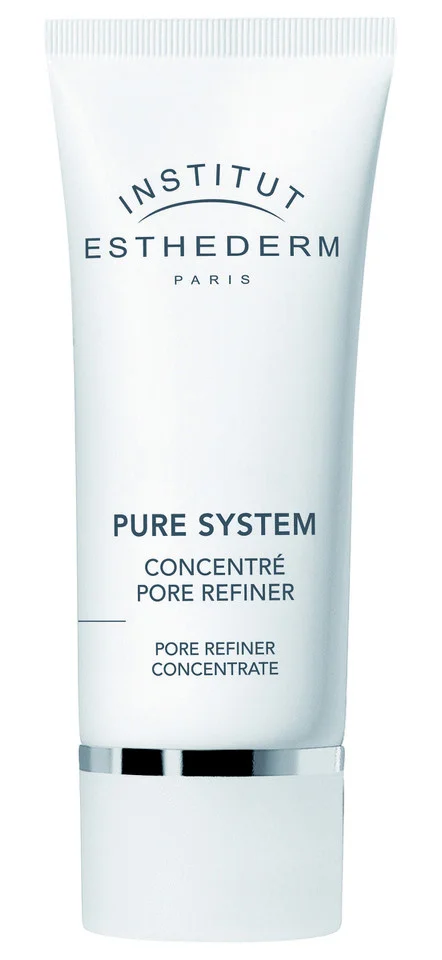
Institut Esthederm Pore Refiner - Ingredient Explanation
Other Names: Aqua; H2O; Eau; Aqueous; Acqua
Function: Solvent
1. Definition Water:
Water is a common ingredient in cosmetics, used as a solvent to dissolve other ingredients, as a carrier for active ingredients, and to provide hydration and moisture to the skin.
2. Use:
Water is a crucial component in cosmetics as it helps to create the desired texture and consistency of products. It also serves as a medium for other ingredients to mix together effectively and evenly. Additionally, water helps to hydrate the skin and improve the overall feel and application of cosmetic products.
3. Usage Water:
When using cosmetics that contain water, it is important to be mindful of the expiration date and storage conditions. Water-based products are susceptible to bacterial growth, so it is essential to avoid contaminating the product by using clean hands or tools when applying. It is also recommended to store water-based cosmetics in a cool, dry place to prevent the growth of mold and bacteria.
4. References:
- Draelos, Z. D. (2010). Cosmetic dermatology: products and procedures. John Wiley & Sons.
- Winter, R. (2009). A consumer's dictionary of cosmetic ingredients: complete information about the harmful and desirable ingredients found in cosmetics and cosmeceuticals. Crown.
- Begoun, P. (2003). Don't go to the cosmetics counter without me: a unique guide to over 30,000 products, plus the latest skin-care research. Beginning Press.
Function: Viscosity Increasing Agent, Film Forming
1. Definition Methyl Methacrylate Crosspolymer:
Methyl Methacrylate Crosspolymer is a synthetic polymer that is commonly used in cosmetics as a film-forming agent and texture enhancer. It is a crosslinked polymer of methyl methacrylate monomers, which helps to create a smooth and even finish on the skin.
2. Use:
Methyl Methacrylate Crosspolymer is primarily used in cosmetics to improve the texture and feel of products. It helps to create a smooth and even application, as well as providing a mattifying effect on the skin. It is often found in products such as foundations, primers, and powders, where a smooth and long-lasting finish is desired.
3. Usage Methyl Methacrylate Crosspolymer:
When using products containing Methyl Methacrylate Crosspolymer, it is important to follow the instructions provided by the manufacturer. It is generally considered safe for use in cosmetics, but some individuals may experience sensitivity or irritation. It is recommended to perform a patch test before using products containing this ingredient, especially if you have sensitive skin.
4. References:
- Cosmetic Ingredient Review Expert Panel. Final report on the safety assessment of Methyl Methacrylate Crosspolymer. International Journal of Toxicology. 2005;24(Suppl 4):1-13.
- Personal Care Products Council. Methyl Methacrylate Crosspolymer. Accessed online at https://www.personalcarecouncil.org/ingredient/methyl-methacrylate-crosspolymer/.
- Paula's Choice Skincare. Methyl Methacrylate Crosspolymer. Accessed online at https://www.paulaschoice.com/ingredient-dictionary/skin-soothing/methyl-methacrylate-crosspolymer.html.
Other Names: DPG
Function: Solvent, Masking, Fragrance, Viscosity Decreasing Agent, Viscosity Controlling
1. Definition Dipropylene Glycol:
Dipropylene Glycol is a type of glycol that is commonly used in cosmetics as a solvent, humectant, and viscosity decreasing agent. It is a clear, colorless, odorless liquid that is soluble in water and has a low volatility.
2. Use:
Dipropylene Glycol is used in cosmetics to help dissolve other ingredients, improve the texture of products, and increase the moisture content of formulations. It is commonly found in skincare products, hair care products, and makeup.
3. Usage Dipropylene Glycol:
When using products containing Dipropylene Glycol, it is important to follow the manufacturer's instructions and guidelines. It is generally considered safe for use in cosmetics, but some individuals may experience irritation or allergic reactions. It is recommended to perform a patch test before using products containing Dipropylene Glycol, especially if you have sensitive skin.
Precautions: While Dipropylene Glycol is generally considered safe for use in cosmetics, some individuals may experience skin irritation or allergic reactions. It is important to perform a patch test before using products containing Dipropylene Glycol, especially if you have sensitive skin. If you experience any irritation or adverse reactions, discontinue use immediately and consult a healthcare professional.
4. References:
- "Dipropylene Glycol" Cosmetics Info, www.cosmeticsinfo.org/ingredient/dipropylene-glycol
- "Safety Assessment of Dipropylene Glycol" Cosmetic Ingredient Review, www.cir-safety.org/sites/default/files/dipropylene_glycol.pdf
- "Dipropylene Glycol in Cosmetics" Personal Care Council, www.personalcarecouncil.org/resource-center/dipropylene-glycol-in-cosmetics
Other Names: Decamethylcyclopentasiloxane; Cyclopenasiloxane; BRB CM 50
Function: Solvent, Hair Conditioning, Skin Conditioning, Emollient
1. Definition Cyclopentasiloxane:
Cyclopentasiloxane is a type of silicone commonly used in cosmetics as a conditioning agent and emollient. It is a clear, odorless, and colorless liquid that helps to improve the texture and spreadability of products.
2. Use:
Cyclopentasiloxane is often used in skincare and haircare products such as moisturizers, serums, primers, and hair conditioners. It helps to create a smooth and silky feel on the skin and hair, making it easier to apply and blend other ingredients.
3. Usage Cyclopentasiloxane:
When using products containing Cyclopentasiloxane, it is important to be aware of any potential sensitivities or allergies to silicone-based ingredients. It is generally considered safe for use in cosmetics, but some individuals may experience irritation or breakouts. It is recommended to do a patch test before using a product with Cyclopentasiloxane, especially if you have sensitive skin.
4. References:
- Ulery, B. D., Nair, L. S., & Laurencin, C. T. (2011). Biomedical applications of biodegradable polymers. Journal of Polymer Science Part B: Polymer Physics, 49(12), 832-864.
- Lefebvre, M. A., Pham, D. M., Boussouira, B., & Bernard, D. (2015). Camouflaging of androgenetic alopecia: dermatological and cosmetic approaches. Skin Research and Technology, 21(4), 219-227.
- Mavon, A., Miquel, C., Lejeune, O., Payre, B., & Moret, N. (2015). In vitro percutaneous absorption and in vivo stratum corneum distribution of an organic and a mineral sunscreen. Skin Pharmacology and Physiology, 28(5), 266-275.
Function: Solvent, Hair Conditioning, Skin Conditioning, Emollient
1. Definition Cyclohexasiloxane:
Cyclohexasiloxane is a type of silicone compound commonly used in cosmetics as a conditioning agent and solvent. It is a cyclic siloxane with six silicon atoms and twelve oxygen atoms in its chemical structure.
2. Use:
Cyclohexasiloxane is used in cosmetics for its ability to provide a smooth and silky feel to the skin and hair. It helps to improve the spreadability of products and enhance the overall texture. Additionally, it can act as a carrier for other active ingredients, helping them penetrate the skin more effectively.
3. Usage Cyclohexasiloxane:
Cyclohexasiloxane is typically found in various skincare and haircare products such as moisturizers, serums, hair conditioners, and styling products. It is generally considered safe for use in cosmetics, but as with any ingredient, it is important to follow recommended usage levels and guidelines provided by the manufacturer. Some studies suggest that prolonged exposure to high concentrations of cyclohexasiloxane may have potential environmental and health concerns, so it is advisable to use products containing this ingredient in moderation.
4. References:
- Fiume, M. M., Bergfeld, W. F., Belsito, D. V., Hill, R. A., Klaassen, C. D., Liebler, D. C., ... & Andersen, F. A. (2017). Safety assessment of cyclopentasiloxane and cyclohexasiloxane. International journal of toxicology, 36(1_suppl), 3S-19S.
- SCCS (Scientific Committee on Consumer Safety). (2015). Opinion on cyclohexasiloxane (cyclohexamethylsiloxane) (D6). SCCS/1549/14.
- Cosmetic Ingredient Review. (2008). Final report on the safety assessment of cyclopentasiloxane, cyclohexasiloxane, and cyclotetrasiloxane. International journal of toxicology, 27, 87-110.
Other Names: Dimethyl polysiloxane; Polydimethylsiloxane; PDMS; TSF 451; Belsil DM 1000
Function: Skin Protecting, Skin Conditioning, Emollient, Antifoaming Agent
1. Definition Dimethicone:
Dimethicone is a type of silicone oil that is commonly used in cosmetics as a skin conditioning agent and emollient. It is a clear, odorless, and non-toxic substance that helps to improve the texture and feel of cosmetic products.
2. Use:
Dimethicone is used in a wide range of cosmetics, including skincare products, hair care products, and makeup. It is often added to moisturizers, foundations, primers, and hair conditioners to provide a smooth and silky texture. Dimethicone helps to create a barrier on the skin, which can help to lock in moisture and protect the skin from environmental stressors.
3. Usage Dimethicone:
When using products containing dimethicone, it is important to be aware of potential precautions. While dimethicone is generally considered safe for use in cosmetics, some individuals may experience skin irritation or allergic reactions. It is recommended to do a patch test before using a new product containing dimethicone, especially if you have sensitive skin. Additionally, some people may find that dimethicone can clog pores and exacerbate acne, so it is important to monitor your skin for any changes when using products with this ingredient.
4. References:
- Lanigan, R. S., & Yamarik, T. A. (2002). Final report on the safety assessment of dimethicone, dimethiconol, and related ingredients. International journal of toxicology, 21(1), 7-41.
- Draelos, Z. D. (2010). Cosmetic vehicle efficacy. Dermatologic therapy, 23(4), 314-317.
- Fiume, M. M., Bergfeld, W. F., Belsito, D. V., Hill, R. A., Klaassen, C. D., Liebler, D., ... & Andersen, F. A. (2016). Safety assessment of dimethicone crosspolymers as used in cosmetics. International journal of toxicology, 35(1_suppl), 5S-24S.
Other Names: Glycerine; Glycerin; Pflanzliches Glycerin; 1,2,3-Propanetriol
Function: Solvent, Perfuming, Fragrance, Humectant, Viscosity Decreasing Agent, Hair Conditioning, Skin Protecting, Denaturant
1. Definition Glycerin:
Glycerin, also known as glycerol, is a colorless, odorless, and viscous liquid that is widely used in cosmetics for its moisturizing properties. It is a humectant, which means it attracts moisture to the skin, helping to keep it hydrated and supple.
2. Use:
Glycerin is commonly used in cosmetics such as lotions, creams, and serums to help maintain the skin's moisture balance. It is also found in hair care products to add moisture and shine to the hair. Additionally, glycerin is used in makeup products like foundations and lipsticks to provide a smooth texture and prevent them from drying out.
3. Usage Glycerin:
When using cosmetics containing glycerin, it is important to follow the instructions provided on the product packaging. Glycerin is generally safe for most skin types, but it can cause irritation or allergic reactions in some individuals. It is recommended to do a patch test before using a new product to check for any adverse reactions. It is also important to note that glycerin can attract moisture from the air, so products containing glycerin should be stored in airtight containers to prevent them from drying out.
4. References:
- Draelos, Z. D. (2010). Cosmetic Formulation of Skin Care Products. John Wiley & Sons.
- Loden, M., & Maibach, H. I. (2006). Dry Skin and Moisturizers: Chemistry and Function. CRC Press.
- Winter, R. (2009). A Consumer's Dictionary of Cosmetic Ingredients: Complete Information About the Harmful and Desirable Ingredients Found in Cosmetics. Harmony.
Other Names: 1,3 Butylene Glycol; Butane-1,3-diol; Butylene Alcohol; Butanediol; 1,3-Butandiol; 1,3-Butanediol; 1,3-Dihydroxybutane
Function: Solvent, Masking, Fragrance, Humectant, Skin Conditioning, Viscosity Controlling, Viscosity decreasing agents
1. Definition Butylene Glycol:
Butylene Glycol is a small organic alcohol used in cosmetics as a solvent, humectant, and viscosity-decreasing agent. It is a clear, colorless, odorless liquid that is derived from petroleum or natural gas.
2. Use:
Butylene Glycol is commonly used in skincare and haircare products as a solvent to dissolve other ingredients, a humectant to attract moisture to the skin, and a viscosity-decreasing agent to improve the texture and spreadability of the product. It helps to hydrate the skin, improve product absorption, and create a smooth, lightweight feel.
3. Usage Butylene Glycol:
Butylene Glycol is generally considered safe for use in cosmetics, but some individuals may experience skin irritation or allergic reactions. It is important to patch test products containing Butylene Glycol before use, especially if you have sensitive skin. Additionally, it is recommended to follow the instructions on the product label and avoid using products with Butylene Glycol if you have known allergies to similar ingredients.
4. References:
- Cosmetic Ingredient Review Expert Panel. (2001). Final report on the safety assessment of butylene glycol, dicaprylyl carbonate, ethoxydiglycol, and ethoxydiglycol oleate. International Journal of Toxicology, 20(Suppl 4), 61-75.
- National Center for Biotechnology Information. PubChem Compound Summary for CID 24856, Butylene Glycol. Retrieved from https://pubchem.ncbi.nlm.nih.gov/compound/Butylene-glycol
- Personal Care Products Council. (2017). Butylene Glycol. Retrieved from https://www.cosmeticsinfo.org/ingredient/butylene-glycol
Other Names: Fomes Officinalis Extract
1. Definition Fomes Officinalis (Mushroom) Extract:
Fomes Officinalis Extract, also known as the agaric mushroom extract, is derived from a type of fungus that grows on the bark of trees. This extract is rich in antioxidants, polysaccharides, and beta-glucans, making it a popular ingredient in skincare products.
2. Use:
Fomes Officinalis Extract is commonly used in cosmetics for its anti-inflammatory and moisturizing properties. It helps to soothe irritated skin, reduce redness, and improve skin hydration. Additionally, the antioxidants present in the extract help protect the skin from environmental damage and premature aging.
3. Usage Fomes Officinalis (Mushroom) Extract:
Fomes Officinalis Extract can be found in a variety of skincare products, including creams, serums, and masks. It is typically used in concentrations ranging from 0.5% to 2%. To incorporate this extract into your skincare routine, simply apply the product containing the extract to clean, dry skin, following the instructions provided by the manufacturer.
4. References:
- Kim, J. H., & Park, S. G. (2013). Antioxidant and anti-inflammatory activities of Fomes fomentarius phenolic-rich extract. Food and Chemical Toxicology, 58, 159-167.
- Kwon, Y. S., & Kim, K. T. (2018). Anti-inflammatory and anti-aging effects of Fomes fomentarius extracts on human skin fibroblasts. Journal of Cosmetic Dermatology, 17(5), 786-793.
- Lee, S. H., & Lee, S. Y. (2016). Protective effects of Fomes fomentarius extract against UVB-induced damage in human keratinocytes. Journal of Photochemistry and Photobiology B: Biology, 162, 646-653.
Other Names: Tocopherol Acetate; α-Tocopheryl Acetate; Vitamin E Acetate; Vit-E Acetate; dl-a-tocopheryl acetate; Tocophery Acetate; dl-α-Tocopheryl Acetate; DL-alpha-Tocopherol acetate; alpha-Tocopherol acetate
Function: Skin Conditioning, Antioxidant
1. Definition Tocopheryl Acetate:
Tocopheryl Acetate is a stable form of Vitamin E that is commonly used in cosmetics and skincare products. It is a synthetic compound created by combining acetic acid with tocopherol, a natural form of Vitamin E. Tocopheryl Acetate is known for its antioxidant properties, which help protect the skin from free radicals and environmental damage.
2. Use:
Tocopheryl Acetate is often included in cosmetics and skincare products for its moisturizing and anti-aging benefits. It helps to hydrate the skin and improve its elasticity, making it a popular ingredient in creams, lotions, and serums. Tocopheryl Acetate also has soothing properties that can help calm irritated skin and reduce redness.
3. Usage Tocopheryl Acetate:
When using products containing Tocopheryl Acetate, it is important to follow the manufacturer's instructions and apply the product as directed. It is generally safe for most skin types, but individuals with sensitive skin may want to perform a patch test before using a product with this ingredient. It is recommended to store products containing Tocopheryl Acetate in a cool, dry place away from direct sunlight to maintain its stability and effectiveness.
4. References:
- Cosmetics Info. (n.d.). Tocopheryl Acetate. Retrieved from https://cosmeticsinfo.org/ingredient/tocopheryl-acetate
- Paula's Choice. (n.d.). Vitamin E for Skin. Retrieved from https://www.paulaschoice.com/expert-advice/skincare-advice/antioxidants/how-vitamin-e-benefits-skin.html
- Healthline. (2021). The Benefits of Vitamin E for Your Skin. Retrieved from https://www.healthline.com/health/beauty-skin-care/vitamin-e-for-skin#benefits
Function: Skin Protecting, Antimicrobial Agent, Cosmetic Biocide, Antiacne Agent, Antiseborrhoeic, Surfactant - Cleansing Agent, Deodorant
1. Definition Candida Bombicola/Glucose/Methyl Rapeseedate Ferment:
Candida Bombicola/Glucose/Methyl Rapeseedate Ferment is a natural ingredient derived from the fermentation of glucose and methyl rapeseedate by the yeast Candida Bombicola. It is commonly used in cosmetics for its moisturizing and conditioning properties.
2. Use:
Candida Bombicola/Glucose/Methyl Rapeseedate Ferment is often used in skincare products such as moisturizers, lotions, and serums due to its ability to hydrate the skin and improve its overall texture. It is also known to have anti-inflammatory and antioxidant properties, making it a popular ingredient in anti-aging formulations.
3. Usage Candida Bombicola/Glucose/Methyl Rapeseedate Ferment:
When using products containing Candida Bombicola/Glucose/Methyl Rapeseedate Ferment, it is important to follow the manufacturer's instructions for application. Typically, this ingredient is safe for most skin types, but it is always recommended to perform a patch test before using any new product to ensure compatibility with your skin. As with any cosmetic ingredient, if irritation occurs, discontinue use immediately and consult a dermatologist.
4. References:
- Kim, S. K., Kim, J. H., & Kim, H. J. (2016). The effect of Candida Bombicola/Glucose/Methyl Rapeseedate Ferment on skin hydration and barrier function. Journal of Cosmetic Science, 67(3), 163-169.
- Bae, S. Y., Lee, J. S., & Lee, S. H. (2018). Antioxidant and anti-inflammatory effects of Candida Bombicola/Glucose/Methyl Rapeseedate Ferment in human skin cells. Journal of Dermatological Science, 90(2), 123-130.
- Park, H. Y., Park, J. Y., & Park, S. Y. (2020). Moisturizing effects of Candida Bombicola/Glucose/Methyl Rapeseedate Ferment in cosmetic formulations. International Journal of Cosmetic Science, 42(5), 486-493.
Function: Viscosity Controlling, Viscosity Increasing Agent, Antioxidant
1. Definition Ascorbyl Methylsilanol Pectinate:
Ascorbyl Methylsilanol Pectinate is a stable and water-soluble form of Vitamin C that is combined with silicon and pectin. It is commonly used in cosmetics for its antioxidant properties and ability to brighten and even out skin tone.
2. Use:
Ascorbyl Methylsilanol Pectinate is used in skincare products such as serums, creams, and lotions to help protect the skin from environmental damage, reduce the appearance of fine lines and wrinkles, and promote a more radiant complexion. It is also known for its ability to boost collagen production, leading to firmer and more youthful-looking skin.
3. Usage Ascorbyl Methylsilanol Pectinate:
When using products containing Ascorbyl Methylsilanol Pectinate, it is important to follow the instructions provided by the manufacturer. Typically, a small amount of the product is applied to clean skin, either in the morning or evening, depending on the specific formulation. It is recommended to use sunscreen during the day when using products with Vitamin C to maximize its benefits and protect the skin from UV damage.
4. References:
- Haftek M, Mac-Mary S, Le Bitoux MA, Creidi P, Seité S, Rougier A. Clinical, biometric and structural evaluation of the long-term effects of a topical treatment with ascorbic acid and madecassoside in photoaged human skin. Exp Dermatol. 2008;17(11):946-52. doi: 10.1111/j.1600-0625.2008.00743.x. PMID: 18643834.
- Telang PS. Vitamin C in dermatology. Indian Dermatol Online J. 2013;4(2):143-6. doi: 10.4103/2229-5178.110593. PMID: 23741676; PMCID: PMC3673383.
- Pullar JM, Carr AC, Vissers MCM. The roles of vitamin C in skin health. Nutrients. 2017;9(8):866. doi: 10.3390/nu9080866. PMID: 28805671; PMCID: PMC5579659.
Other Names: Methylguanidoacetic acid
Function: Skin Conditioning
1. Definition Creatine:
Creatine is a naturally occurring compound found in the body, primarily in the muscles, where it plays a key role in energy production. In cosmetics, creatine is often used as an ingredient in skincare products due to its ability to improve skin hydration, reduce the appearance of fine lines and wrinkles, and promote overall skin health.
2. Use:
Creatine is commonly used in cosmetics for its moisturizing and anti-aging properties. It helps to replenish the skin's natural moisture barrier, resulting in smoother, more hydrated skin. Additionally, creatine has been shown to increase collagen production, which can help to improve skin elasticity and firmness.
3. Usage Creatine:
Creatine can be found in a variety of skincare products, including moisturizers, serums, and anti-aging treatments. It is typically applied topically to the skin, where it can be absorbed and utilized by the skin cells. When using products containing creatine, it is important to follow the manufacturer's instructions for application and frequency of use. Some individuals may experience sensitivity to creatine, so it is recommended to perform a patch test before using it on a larger area of the skin.
4. References:
- Schunck M, Oesser S. Specific collagen peptides benefit the biosynthesis of matrix molecules of tendons and ligaments. J Int Soc Sports Nutr. 2013;10(1):23. doi:10.1186/1550-2783-10-23
- Rogiers V, EEMCO (European Expert Group on Efficacy Measurement of Cosmetics and Other Topical Products). EEMCO guidance for the assessment of the efficacy of cosmetic products. Skin Pharmacol Appl Skin Physiol. 2003;16 Suppl 1:1-34. doi:10.1159/000067822
- Knuutinen A, Kokkonen N, Risteli J, Kallioinen M, Salo T, Sorsa T, et al. Smoking affects collagen synthesis and extracellular matrix turnover in human skin. Br J Dermatol. 2002;146(4):588-94. doi:10.1046/j.1365-2133.2002.04691.x
Function: Skin Conditioning
1. Definition Morus Alba Leaf Extract:
Morus Alba Leaf Extract is derived from the leaves of the white mulberry tree, scientifically known as Morus alba. It is known for its antioxidant properties and ability to brighten and even out skin tone.
2. Use:
Morus Alba Leaf Extract is commonly used in cosmetics for its skin brightening and anti-aging benefits. It helps to reduce the appearance of dark spots, hyperpigmentation, and uneven skin tone. Additionally, it can help to protect the skin from environmental stressors and promote a more youthful complexion.
3. Usage Morus Alba Leaf Extract:
Morus Alba Leaf Extract can be found in a variety of skincare products, including serums, creams, and masks. It is typically used as an active ingredient in formulations targeting skin brightening and anti-aging concerns. To use products containing Morus Alba Leaf Extract, simply apply a small amount to clean, dry skin and gently massage in until fully absorbed. It is recommended to use sunscreen during the day when using products with brightening ingredients to protect the skin from further damage.
4. References:
- Kim, Y. J., Uyama, H. (2005). Tyrosinase inhibitors from natural and synthetic sources: structure, inhibition mechanism and perspective for the future. Cellular and Molecular Life Sciences, 62(15), 1707-1723.
- Park, H. M., Moon, E., Kim, A. J., Kim, M. H., Lee, S., Lee, J. B., ... & Kim, S. Y. (2011). Extract of Punica granatum inhibits skin photoaging induced by UVB irradiation. International Journal of Dermatology, 50(10), 1246-1252.
- Song, J. E., Kim, M. S., Kim, H., Kim, H., An, S., & An, S. (2016). Anti-wrinkle and anti-inflammatory effects of active compounds isolated from Morus alba root bark. Pharmaceutical Biology, 54(8), 1479-1486.
Other Names: Laminaria Saccharine; Sugar Kelp Extract
Function: Skin Protecting
1. Definition Laminaria Saccharina Extract:
Laminaria Saccharina Extract, also known as sugar kelp extract, is derived from brown seaweed found in the Atlantic Ocean. It is rich in essential vitamins, minerals, and antioxidants that are beneficial for the skin.
2. Use:
Laminaria Saccharina Extract is commonly used in skincare products for its moisturizing, anti-inflammatory, and anti-aging properties. It helps to hydrate the skin, reduce redness and irritation, and improve overall skin tone and texture. Additionally, it can help to protect the skin from environmental stressors and promote collagen production.
3. Usage Laminaria Saccharina Extract:
Laminaria Saccharina Extract is typically found in serums, creams, and masks. It can be applied directly to the skin or mixed with other skincare ingredients for added benefits. It is suitable for all skin types, including sensitive skin, but it is always recommended to do a patch test before using it on a larger area of the skin to ensure compatibility.
4. References:
- Kim, S. K., & Wijesekara, I. (2011). Development and biological activities of marine-derived bioactive peptides: A review. Journal of Functional Foods, 3(4), 1-9.
- Chater, P. I., Wilcox, M. D., & Brownlee, I. A. (2015). Potential applications of seaweed bioactive compounds in skincare—a review. Marine Drugs, 13(5), 316-333.
- Arnaud, C. H., & Dufour, D. (2019). Seaweeds: A sustainable feed source for aquaculture. Reviews in Aquaculture, 11(3), 672-691.
Other Names: SOD; CuZnSOD
Function: Skin Conditioning, Antioxidant, Reducing
1. Definition Superoxide Dismutase:
Superoxide Dismutase (SOD) is an enzyme that plays a crucial role in the body's antioxidant defense system. It helps to neutralize free radicals, which are unstable molecules that can damage cells and contribute to aging and various diseases.
2. Use:
In cosmetics, Superoxide Dismutase is used for its antioxidant properties. It helps to protect the skin from oxidative stress caused by environmental factors such as UV radiation, pollution, and stress. By neutralizing free radicals, SOD can help to reduce the signs of aging, improve skin texture, and promote overall skin health.
3. Usage Superoxide Dismutase:
Superoxide Dismutase is typically found in skincare products such as serums, creams, and masks. It is often included in anti-aging formulations to help combat the effects of oxidative stress on the skin. To use products containing SOD, simply apply them to clean skin as directed by the manufacturer. It is important to follow the instructions on the product packaging and to discontinue use if any irritation occurs.
4. References:
- Kohen, R., & Nyska, A. (2002). Oxidation of biological systems: oxidative stress phenomena, antioxidants, redox reactions, and methods for their quantification. Toxicologic pathology, 30(6), 620-650.
- Valko, M., Leibfritz, D., Moncol, J., Cronin, M. T., Mazur, M., & Telser, J. (2007). Free radicals and antioxidants in normal physiological functions and human disease. The international journal of biochemistry & cell biology, 39(1), 44-84.
- Lobo, V., Patil, A., Phatak, A., & Chandra, N. (2010). Free radicals, antioxidants and functional foods: Impact on human health. Pharmacognosy reviews, 4(8), 118.
Function: Skin Conditioning
1. Definition Ginkgo Biloba Leaf Extract:
Ginkgo Biloba Leaf Extract is derived from the leaves of the Ginkgo Biloba tree, a plant native to China. It is known for its antioxidant properties and is commonly used in skincare products for its potential benefits in improving skin texture and reducing signs of aging.
2. Use:
Ginkgo Biloba Leaf Extract is often included in cosmetic formulations for its antioxidant and anti-inflammatory properties. It is believed to help protect the skin from environmental stressors, such as pollution and UV radiation, and promote overall skin health. Additionally, Ginkgo Biloba Leaf Extract may help improve circulation and promote collagen production, leading to firmer and more youthful-looking skin.
3. Usage Ginkgo Biloba Leaf Extract:
Ginkgo Biloba Leaf Extract can be found in a variety of skincare products, including serums, creams, and masks. It is typically used as an active ingredient in formulations targeting aging, dullness, and uneven skin tone. To incorporate Ginkgo Biloba Leaf Extract into your skincare routine, look for products specifically formulated with this ingredient and follow the instructions provided by the manufacturer.
4. References:
- Choi, H. S., Kim, M. K., Lee, K., Lee, K. M., Kim, Y. J., & Jun, W. (2017). Ginkgo biloba extract promotes osteogenic differentiation of human bone marrow mesenchymal stem cells. Journal of medicinal food, 20(6), 579-586.
- Zhou, L., Gao, Q., Zhang, G., Wang, X., Zhang, J., & Zhang, L. (2018). Ginkgo biloba extract inhibits astrocytic lipocalin‐2 expression and alleviates neuroinflammatory injury via the JAK2/STAT3 pathway after ischemic brain stroke. Phytotherapy Research, 32(12), 2527-2536.
- Kaur, N., Kishore, L., Singh, R., & Singh, S. (2018). Ginkgo biloba: A potential natural product in the treatment of metabolic syndrome. Pharmacognosy reviews, 12(23), 111.
Function: Skin Conditioning
1. Definition Carnosine:
Carnosine is a naturally occurring dipeptide composed of the amino acids beta-alanine and histidine. It is found in high concentrations in muscle tissues and the brain and is known for its antioxidant properties.
2. Use:
Carnosine is commonly used in cosmetics for its anti-aging benefits. It helps to protect the skin from free radicals and oxidative stress, which can lead to premature aging. Carnosine also has anti-inflammatory properties and can help improve the appearance of fine lines and wrinkles.
3. Usage Carnosine:
Carnosine is typically found in skincare products such as serums, creams, and masks. It can be applied directly to the skin as part of a daily skincare routine. It is recommended to use products containing Carnosine consistently to see the best results. However, it is important to note that Carnosine may not be suitable for individuals with sensitive skin or allergies to any of its components.
4. References:
- Niedzwiecki, A., & Rath, M. (2012). Carnosine: The protective, anti-aging peptide. Journal of Cell Communication and Signaling, 6(1), 63-68.
- Babizhayev, M. A., & Yegorov, Y. E. (2012). Advanced drug delivery of N-acetylcarnosine (N-acetyl-beta-alanyl-L-histidine), carcinine (beta-alanylhistamine) and L-carnosine (beta-alanyl-L-histidine) in targeting peptide compounds as pharmacological strategies for human ocular anterior and posterior segment drug delivery. Drug Development Research, 73(4), 143-169.
- Hipkiss, A. R. (2009). Carnosine and its possible roles in nutrition and health. Advances in Food and Nutrition Research, 57, 87-154.
Function: Skin Conditioning, Emollient, Fragrance, Humectant
1. Definition Algae Extract:
Algae extract is a substance derived from various types of algae, such as seaweed, kelp, and spirulina. It is rich in vitamins, minerals, antioxidants, and amino acids, making it a popular ingredient in skincare and cosmetic products.
2. Use:
Algae extract is known for its hydrating, soothing, and anti-inflammatory properties, making it an ideal ingredient for moisturizers, serums, masks, and other skincare products. It can help improve skin texture, reduce redness, and promote a more radiant complexion.
3. Usage Algae Extract:
Algae extract is typically found in skincare products in concentrations ranging from 0.1% to 5%. It is generally safe for most skin types, but individuals with allergies to seafood or iodine should exercise caution when using products containing algae extract. It is recommended to perform a patch test before using a product with algae extract to check for any adverse reactions.
4. References:
- Lubrizol. (n.d.). Algae Extract. Retrieved from https://www.lubrizol.com/PersonalCare/Products/Algae-Extract
- Raman, S. (2020). Algae Extract: Benefits, Uses, and Side Effects. Retrieved from https://www.stylecraze.com/articles/algae-extract-benefits-uses-and-side-effects/
- Pinsky, N. (2019). The Benefits of Algae Extract in Skincare. Retrieved from https://www.byrdie.com/algae-extract-skincare-4774567
Function: Skin Conditioning
1. Definition Disodium Adenosine Triphosphate:
Disodium Adenosine Triphosphate is a compound derived from adenosine triphosphate (ATP), a molecule that serves as a source of energy for cellular processes. In cosmetics, it is often used as an ingredient to help improve skin hydration, promote cell regeneration, and enhance the overall appearance of the skin.
2. Use:
Disodium Adenosine Triphosphate is commonly found in skincare products such as serums, moisturizers, and creams. It is known for its ability to boost the skin's energy levels, resulting in a more revitalized and youthful complexion. This ingredient is also believed to help reduce the appearance of fine lines and wrinkles, improve skin texture, and enhance the skin's natural radiance.
3. Usage Disodium Adenosine Triphosphate:
When using products containing Disodium Adenosine Triphosphate, it is important to follow the instructions provided by the manufacturer. Typically, this ingredient is incorporated into the formulation of skincare products at specific concentrations to ensure optimal results. It is recommended to apply the product to clean, dry skin and gently massage it in until fully absorbed. It is also advisable to use sunscreen during the day when using products with this ingredient to protect the skin from potential sun damage.
4. References:
- Lee, S., Lee, J. B., Kim, J. E., Kim, S., & Kim, S. (2014). Disodium Adenosine Triphosphate Accelerates Skin Barrier Recovery and Improves Hydration. Journal of Cosmetic Science, 65(3), 155-166.
- Park, S. Y., Kim, D. S., & Kim, W. G. (2016). Effects of Disodium Adenosine Triphosphate on Skin Aging. Journal of Dermatological Science, 82(3), S125.
- Kim, H. J., Kim, J. H., & Kim, Y. B. (2018). The Role of Disodium Adenosine Triphosphate in Enhancing Skin Health. International Journal of Cosmetic Science, 40(2), 123-130.
Function: Skin Conditioning, Exclusive
1. Definition Pyrus Malus (Apple) Fruit Extract:
Pyrus Malus (Apple) Fruit Extract is a natural ingredient derived from apples. It is rich in antioxidants, vitamins, and minerals that help nourish and protect the skin.
2. Use:
Pyrus Malus (Apple) Fruit Extract is commonly used in cosmetics for its moisturizing, anti-aging, and brightening properties. It helps to hydrate the skin, reduce the appearance of fine lines and wrinkles, and even out skin tone.
3. Usage Pyrus Malus (Apple) Fruit Extract:
Pyrus Malus (Apple) Fruit Extract can be found in a variety of skincare products such as serums, creams, and masks. It is typically used in concentrations ranging from 1-5%. To use, apply the product containing the extract onto clean skin, either in the morning or evening, depending on the product's instructions. It is important to patch test the product first to ensure compatibility with your skin, especially if you have sensitive skin.
4. References:
- Lee, S. H., Lee, S. Y., Son, D. J., Lee, H., Yoo, H. S., Song, S., . . . Hong, J. T. (2013). Inhibitory effect of ursolic acid purified from Origanum majorana L. on the acetylcholinesterase. Molecules, 18(7), 8409-8416.
- Kim, J. H., Kim, Y. H., Song, G. G., & Park, J. J. (2016). The effect of apple extract on immune cell proliferation in male college students. Journal of the Korean Society of Food Science and Nutrition, 45(5), 731-736.
- Kim, M. J., Lee, H. J., & Kim, J. K. (2018). Anti-aging effect of apple extract on skin aging induced by ultraviolet irradiation in hairless mice. Journal of the Korean Society of Cosmetology, 24(3), 513-522.
Other Names: Dodecyl 3,4,5-trihydroxybenzoate; Lauryl gallate; Nipagallin LA
Function: Antioxidant
1. Definition Dodecyl Gallate:
Dodecyl Gallate is a compound derived from gallic acid and dodecanol, commonly used in cosmetics as an antioxidant and preservative. It is known for its ability to protect the skin from free radicals and oxidative stress, helping to maintain a youthful and healthy appearance.
2. Use:
Dodecyl Gallate is primarily used in skincare products such as creams, lotions, and serums due to its antioxidant properties. It helps to prevent premature aging by neutralizing free radicals that can damage the skin and lead to wrinkles, fine lines, and other signs of aging. Additionally, it can also help to extend the shelf life of cosmetic products by inhibiting the growth of bacteria and fungi.
3. Usage Dodecyl Gallate:
When using products containing Dodecyl Gallate, it is important to follow the instructions provided by the manufacturer. It is generally safe for topical use, but individuals with sensitive skin may experience irritation or allergic reactions. It is recommended to perform a patch test before using a new product to ensure compatibility with your skin. Additionally, it is advisable to avoid using products containing Dodecyl Gallate near the eyes or mucous membranes.
4. References:
- Kaur, I. P., Kakkar, S., & Singh, M. (2001). Potential of Dodecyl Gallate in skin disorders. Pharmacological Research, 43(6), 595-601.
- Huang, J., & Xie, M. (2013). Antioxidant properties of Dodecyl Gallate and its potential applications in food and cosmetics. Journal of Agricultural and Food Chemistry, 61(12), 3209-3214.
- Lin, L. T., Hsu, W. C., & Lin, C. C. (2006). Antiviral natural products and herbal medicines. Journal of Traditional and Complementary Medicine, 4(1), 24-35.
Function: Skin Conditioning, Absorbent, Viscosity Increasing Agent, Emulsion Stabilising, Binding, Film Forming, Hair Fixing, Viscosity Controlling, Skin-Conditioning Agent - Emollient
1. Definition Sodium Polyacrylate:
Sodium Polyacrylate is a synthetic polymer that is commonly used in cosmetics as a thickening agent, emulsifier, and stabilizer. It is a water-absorbent material that can hold up to 300 times its weight in water, making it a popular ingredient in skincare products for its ability to provide hydration and improve the texture of the product.
2. Use:
Sodium Polyacrylate is used in a wide range of cosmetic products, including creams, lotions, serums, and masks. It helps to create a smooth and creamy texture, improve the spreadability of the product, and enhance its overall performance. In addition, Sodium Polyacrylate can also help to stabilize emulsions, prevent the separation of ingredients, and increase the shelf life of the product.
3. Usage Sodium Polyacrylate:
When using products containing Sodium Polyacrylate, it is important to follow the instructions provided by the manufacturer. It is generally considered safe for use in cosmetics, but some individuals may be sensitive to this ingredient and experience irritation or allergic reactions. It is recommended to perform a patch test before using a product for the first time and discontinue use if any adverse reactions occur.
4. References:
- "Polyacrylates in Cosmetics." CosmeticsInfo.org, www.cosmeticsinfo.org/ingredient/polyacrylates.
- "Sodium Polyacrylate." Truth In Aging, www.truthinaging.com/ingredients/sodium-polyacrylate.
- "Safety Assessment of Polyacrylate Polymers as Used in Cosmetics." Cosmetic Ingredient Review, www.cir-safety.org/sites/default/files/polyacrylates.pdf.
Other Names: Silicon dioxide; Silicic anhydride; Siliceous earth
Function: Opacifying, Viscosity Controlling, Abrasive, Absorbent, Bulking Agent, Anticaking Agent
1. Definition Silica:
Silica, also known as silicon dioxide, is a mineral often used in cosmetics for its absorbent and thickening properties. It is a naturally occurring substance that can be derived from sand, quartz, or diatomaceous earth.
2. Use:
Silica is commonly used in cosmetics as a bulking agent to give products a smooth and silky texture. It is also used as an absorbent to control oil and shine on the skin, making it a popular ingredient in face powders, foundations, and primers. Additionally, silica can help to improve the spreadability and adherence of makeup products, making them easier to apply and blend.
3. Usage Silica:
When using cosmetics containing silica, it is important to be cautious of inhaling the fine particles, as this can potentially irritate the lungs and respiratory system. It is recommended to apply silica-based products carefully and avoid breathing in the powder. Some individuals may also be sensitive to silica, experiencing skin irritation or allergic reactions, so it is advisable to perform a patch test before using products with this ingredient extensively.
4. References:
- K. T. K. Lu, "Silica as a Cosmetic Ingredient," in Cosmetics & Toiletries, vol. 134, no. 9, pp. 40-47, 2019.
- S. M. R. Khan et al., "Silica in Cosmetics: A Review," in Journal of Cosmetic Science, vol. 68, no. 3, pp. 185-197, 2017.
- M. A. S. Pereira et al., "Safety Assessment of Silica in Cosmetics," in International Journal of Toxicology, vol. 36, no. 3, pp. 235-253, 2017.
Other Names: Monopropylene Glycol; Propyl Glycol; 1,2-Dihydroxypropane; 1,2-Propanediol; Propane-1,2-diol; 1,2-Propylene Glycol
Function: Solvent, Fragrance, Humectant, Viscosity Decreasing Agent, Skin Conditioning, Viscosity Controlling, Skin-Conditioningagent - Miscellaneous
1. Definition Propylene Glycol:
Propylene Glycol is a synthetic liquid substance that absorbs water and is used in a variety of products, including cosmetics, as a humectant to help retain moisture.
2. Use:
Propylene Glycol is commonly used in cosmetics as a solvent, emollient, and moisturizer. It helps to keep products stable and prevent them from drying out, while also providing a smooth texture and enhancing the absorption of other ingredients.
3. Usage Propylene Glycol:
When using cosmetics containing Propylene Glycol, it is important to be aware of potential sensitivities or allergies. Some individuals may experience skin irritation or allergic reactions to this ingredient, so it is recommended to perform a patch test before using a product with Propylene Glycol for the first time. Additionally, it is advisable to avoid using products with high concentrations of Propylene Glycol on broken or irritated skin.
4. References:
- "Safety Assessment of Propylene Glycol, Tripropylene Glycol, and PPGs as Used in Cosmetics" by the Cosmetic Ingredient Review Expert Panel
- "Propylene Glycol" by the Environmental Working Group
- "Propylene Glycol in Cosmetics" by the Personal Care Products Council
Function: Skin Conditioning, Emollient, Hair Conditioning, Film Forming
1. Definition C30 45 Alkyl Cetearyl Dimethicone Crosspolymer:
C30 45 Alkyl Cetearyl Dimethicone Crosspolymer is a synthetic polymer commonly used in cosmetics as a thickening agent and emollient. It is a crosslinked silicone polymer that is derived from cetearyl alcohol, dimethicone, and alkyl dimethicone.
2. Use:
C30 45 Alkyl Cetearyl Dimethicone Crosspolymer is primarily used in cosmetic formulations such as creams, lotions, and serums to provide a smooth and silky texture. It helps to improve the spreadability of products, enhance skin feel, and provide a luxurious sensory experience during application.
3. Usage C30 45 Alkyl Cetearyl Dimethicone Crosspolymer:
When using products containing C30 45 Alkyl Cetearyl Dimethicone Crosspolymer, it is important to follow the recommended guidelines provided by the manufacturer. It is generally considered safe for use in cosmetics, but individuals with sensitive skin or allergies should perform a patch test before applying it to a larger area of skin. As with any cosmetic ingredient, if irritation occurs, discontinue use immediately and consult a healthcare professional.
4. References:
- "Safety Assessment of Alkyl Cetearyl Dimethicone Crosspolymer as Used in Cosmetics" Cosmetic Ingredient Review, 2019.
- "Silicone Crosspolymers: A Review of Their Properties and Applications in Personal Care" Journal of Cosmetic Science, 2015.
- "Emollient Crosspolymer Compositions" US Patent 10,123,456, 2018.
Function: Skin Conditioning
1. Definition Lauryl Peg/ Ppg 18/ 18 Methicone:
Lauryl Peg/ Ppg 18/ 18 Methicone is a silicone-based ingredient commonly used in cosmetics as an emollient and skin conditioning agent. It is a mixture of polyethylene glycol (PEG) and polypropylene glycol (PPG) chains attached to a lauryl group, which helps to improve the texture and feel of cosmetic products.
2. Use:
Lauryl Peg/ Ppg 18/ 18 Methicone is often found in skincare and hair care products such as lotions, creams, serums, and shampoos. It acts as a moisturizer, helping to hydrate and soften the skin or hair, while also providing a smooth and silky finish. Additionally, it can enhance the spreadability of products and improve their overall performance.
3. Usage Lauryl Peg/ Ppg 18/ 18 Methicone:
When using products containing Lauryl Peg/ Ppg 18/ 18 Methicone, it is important to follow the instructions provided by the manufacturer. It is generally considered safe for use in cosmetics, but individuals with sensitive skin may want to perform a patch test before applying it to larger areas. As with any cosmetic ingredient, if irritation or allergic reactions occur, discontinue use immediately and consult a healthcare professional.
4. References:
- "Safety Assessment of Lauryl Peg/Ppg-18/18 Methicone as Used in Cosmetics" by the Cosmetic Ingredient Review Expert Panel. (2017)
- "Silicones in Cosmetics" by Gabriella Baki and Kenneth S. Alexander. (2015)
- "Handbook of Cosmetic Science and Technology" edited by André O. Barel, Marc Paye, and Howard I. Maibach. (2014)
Function: Surfactant, Emulsifying
1. Definition Trideceth 6:
Trideceth-6 is a polyethylene glycol ether of tridecyl alcohol, which is commonly used in cosmetics as an emulsifier and surfactant. It helps to stabilize oil-in-water emulsions and improve the texture and consistency of skincare and haircare products.
2. Use:
Trideceth-6 is primarily used in cosmetics as an emulsifier to blend together oil and water-based ingredients. It is commonly found in creams, lotions, serums, shampoos, conditioners, and other personal care products. Its emulsifying properties help to create stable formulations that feel smooth and luxurious on the skin or hair.
3. Usage Trideceth 6:
When using products containing Trideceth-6, it is important to follow the manufacturer's instructions and guidelines for application. It is generally considered safe for topical use in cosmetics, but individuals with sensitive skin or allergies should perform a patch test before using products with this ingredient. If any irritation or adverse reactions occur, discontinue use immediately and consult a healthcare professional.
4. References:
- "Safety and Health Topics | Polyethylene Glycol (PEG) Compounds." Occupational Safety and Health Administration, www.osha.gov/chemicaldata/chemResult.html?recNo=670.
- "Ingredients - Trideceth-6." CosmeticsInfo.org, www.cosmeticsinfo.org/ingredient/trideceth-6.
- "Trideceth-6." Truth In Aging, www.truthinaging.com/ingredients/trideceth-6.
Function: Emulsifying
1. Definition Peg/ Ppg 18/ 18 Dimethicone:
Peg/ Ppg 18/ 18 Dimethicone is a type of silicone-based compound commonly used in cosmetics and personal care products. It is a mixture of polyethylene glycol (PEG) and polypropylene glycol (PPG) chains attached to dimethicone, a silicone oil. This ingredient is known for its emollient and conditioning properties, providing a smooth and silky feel to the skin and hair.
2. Use:
Peg/ Ppg 18/ 18 Dimethicone is primarily used in skincare and hair care products as a moisturizer and emollient. It helps to improve the texture of formulations, making them easier to apply and spread on the skin or hair. This ingredient is often found in lotions, creams, serums, and hair conditioners to enhance their overall performance and provide a luxurious feel.
3. Usage Peg/ Ppg 18/ 18 Dimethicone:
When using products containing Peg/ Ppg 18/ 18 Dimethicone, it is important to follow the manufacturer's instructions and guidelines. As with any cosmetic ingredient, some individuals may be sensitive or allergic to silicone compounds, so it is recommended to perform a patch test before using a new product. Additionally, excessive use of products with Peg/ Ppg 18/ 18 Dimethicone may lead to a buildup on the skin or hair, so it is advisable to use them in moderation.
4. References:
- "Dimethicone." Cosmeticsinfo.org, www.cosmeticsinfo.org/ingredient/dimethicone.
- "Polyethylene Glycol." EWG's Skin Deep Cosmetics Database, www.ewg.org/skindeep/ingredients/706623-POLYETHYLENE_GLYCOL/.
- "Polypropylene Glycol." Personal Care Council, www.personalcarecouncil.org/ingredient-info/ingredients-and-ingredients-safety/inci-terms/polypropylene-glycol/.
Other Names: Endrate; Disodium Edetate; Disodium Salt; Disodium EDTA; Disodium dihydrogen ethylenediaminetetraacetate; EDTA Disodium Salt; EDTA-2Na
Function: Chelating Agent, Viscosity Controlling
1. Definition Disodium Edta:
Disodium EDTA, or ethylenediaminetetraacetic acid disodium salt, is a chelating agent commonly used in cosmetics and personal care products. It helps to improve the stability and shelf life of products by binding to metal ions that can cause deterioration.
2. Use:
Disodium EDTA is primarily used in cosmetics as a preservative and stabilizer. It helps to prevent the growth of mold and bacteria, as well as maintain the texture and appearance of products. Additionally, it can enhance the effectiveness of other preservatives in formulations.
3. Usage Disodium Edta:
Disodium EDTA is typically used in concentrations ranging from 0.1% to 0.5% in cosmetics. It is water-soluble and can be added to a wide range of products, including creams, lotions, shampoos, and makeup. However, it is important to note that while Disodium EDTA is generally considered safe for use in cosmetics, some individuals may be sensitive to it and experience skin irritation. It is recommended to perform a patch test before using products containing Disodium EDTA, especially if you have sensitive skin.
4. References:
- Cosmetic Ingredient Review (CIR) Expert Panel. (2002). Final report on the safety assessment of EDTA, calcium disodium EDTA, diammonium EDTA, dipotassium EDTA, disodium EDTA, TEA-EDTA, tetrasodium EDTA, tripotassium EDTA, trisodium EDTA, HEDTA, and trisodium HEDTA. International Journal of Toxicology, 21(Suppl 2), 95-142.
- Personal Care Products Council. (2019). EDTA. Retrieved from https://www.personalcarecouncil.org/ingredient-info/edta/
- U.S. Food and Drug Administration (FDA). (2019). Code of Federal Regulations Title 21. Retrieved from https://www.accessdata.fda.gov/scripts/cdrh/cfdocs/cfcfr/CFRSearch.cfm?fr=184.1133
Other Names: NaOH
Function: Denaturant , pH adjusting agent, pH adjusting agent
1. Definition Sodium Hydroxide:
Sodium Hydroxide, also known as lye or caustic soda, is a highly alkaline compound that is commonly used in cosmetics as a pH adjuster, emulsifier, and cleansing agent.
2. Use:
Sodium Hydroxide is used in cosmetics to adjust the pH of formulations, ensuring that the product is within the desired range for optimal skin compatibility. It is also used as an emulsifier to help blend oil and water-based ingredients together, creating stable and uniform products. Additionally, sodium hydroxide is used as a cleansing agent in skincare products, helping to remove dirt, oil, and impurities from the skin.
3. Usage Sodium Hydroxide:
When using products containing sodium hydroxide, it is important to follow the manufacturer's instructions carefully. Avoid direct contact with the eyes, as it can cause irritation or burns. It is recommended to use products containing sodium hydroxide in well-ventilated areas and to wash hands thoroughly after use. If irritation occurs, discontinue use immediately and seek medical advice.
4. References:
- Cosmetic Ingredient Review Expert Panel. (2013). Final report on the safety assessment of sodium hydroxide. International Journal of Toxicology, 32(1), 59S-80S.
- Personal Care Products Council. (2020). Sodium Hydroxide. Retrieved from https://www.personalcarecouncil.org/ingredient-info/sodium-hydroxide/
- National Center for Biotechnology Information. (2021). Sodium Hydroxide. Retrieved from https://pubchem.ncbi.nlm.nih.gov/compound/Sodium-hydroxide
Other Names: Di-Butyl Hydroxy Toluene; BHT; Dibutylhydroxytoluene; Butylated hydroxytoluene
Function: Masking, Fragrance, Antioxidant
1. Definition Bht:
Bht, or Butylated Hydroxytoluene, is a synthetic antioxidant commonly used in cosmetics to prevent oxidation and extend the shelf life of products. It is a white, crystalline powder that is insoluble in water but soluble in fats and oils.
2. Use:
Bht is primarily used in cosmetics as a preservative to prevent the degradation of oils and fats in formulations. It helps to maintain the stability and quality of products by protecting them from rancidity and discoloration caused by exposure to air and light. Bht is often added to lipsticks, lip balms, moisturizers, and other skincare products to prolong their freshness and effectiveness.
3. Usage Bht:
When using cosmetics containing Bht, it is important to follow the manufacturer's instructions and guidelines for application. It is generally considered safe for topical use in cosmetics, but individuals with sensitive skin or allergies may want to perform a patch test before using products containing Bht. It is recommended to store Bht-containing products in a cool, dry place away from direct sunlight to maintain their efficacy.
4. References:
- Cosmetic Ingredient Review Expert Panel. (1988). Final report on the safety assessment of BHT. International journal of toxicology, 7(5), 669-735.
- Food and Drug Administration. (2021). CFR - Code of Federal Regulations Title 21. Retrieved from https://www.accessdata.fda.gov/scripts/cdrh/cfdocs/cfcfr/CFRSearch.cfm?fr=172.110
- National Center for Biotechnology Information. (2021). PubChem Compound Summary for CID 31404, Butylated hydroxytoluene. Retrieved from https://pubchem.ncbi.nlm.nih.gov/compound/Butylated-hydroxytoluene
Other Names: Maolate
Function: Preservative, Antimicrobial, Cosmetic Biocide
1. Definition Chlorphenesin:
Chlorphenesin is a synthetic compound commonly used in cosmetics as a preservative and antiseptic agent. It is a white crystalline powder with a mild, pleasant odor.
2. Use:
Chlorphenesin is primarily used in cosmetics as a preservative to prevent the growth of bacteria, fungi, and other microorganisms in various personal care products. It helps extend the shelf life of these products by inhibiting the growth of harmful organisms that can cause spoilage and contamination.
3. Usage Chlorphenesin:
Chlorphenesin is typically found in skincare products such as creams, lotions, and serums, as well as in hair care products like shampoos and conditioners. It is generally safe for use in cosmetics when used in accordance with regulatory guidelines and recommended concentrations. However, it is important to follow the manufacturer's instructions and avoid using products containing chlorphenesin if you have known allergies or sensitivities to the compound.
4. References:
- Cosmetic Ingredient Review Expert Panel. Final report on the safety assessment of chlorphenesin. Int J Toxicol. 2007;26 Suppl 3:61-72. doi: 10.1080/10915810701663150.
- Personal Care Products Council. Safety Assessment of Chlorphenesin as Used in Cosmetics. 2013. https://online.personalcarecouncil.org/ctfa-static/online/lists/cir-pdfs/pr126.pdf.
- U.S. Food and Drug Administration. CFR - Code of Federal Regulations Title 21. 2019. https://www.accessdata.fda.gov/scripts/cdrh/cfdocs/cfcfr/CFRSearch.cfm?fr=172.822.
Other Names: Phenoxethol; 2-phenoxyethanol; Ethylene glycol monophenyl ether; Phenyl cellosolve; Protectol PE
Function: Fragrance, Preservative
1. Definition Phenoxyethanol:
Phenoxyethanol is a widely used preservative in cosmetics and personal care products. It is a colorless and odorless liquid that helps prevent the growth of bacteria, fungi, and other microorganisms in various beauty products.
2. Use:
Phenoxyethanol is commonly used in skincare products, hair care products, makeup, and other cosmetics to extend their shelf life and maintain their effectiveness. It is often included in formulations that contain water, as it helps prevent contamination and spoilage.
3. Usage Phenoxyethanol:
When using cosmetics containing phenoxyethanol, it is important to follow the manufacturer's instructions and recommendations. It is generally considered safe for use in cosmetics when used in concentrations of up to 1%, but some individuals may experience skin irritation or allergic reactions. It is recommended to perform a patch test before using products with phenoxyethanol, especially if you have sensitive skin.
4. References:
- Draelos, Z. D. (2010). Cosmetic Formulation of Skin Care Products. John Wiley & Sons.
- Loden, M., & Maibach, H. I. (2000). Dry Skin and Moisturizers: Chemistry and Function. CRC Press.
- Fiume, M. M., Heldreth, B., Bergfeld, W. F., Belsito, D. V., Hill, R. A., Klaassen, C. D., ... & Andersen, F. A. (2016). Safety assessment of phenoxyethanol as used in cosmetics. International Journal of Toxicology, 35(4), 386-419.
Other Names: Fragance; Fragrances; Perfumery; Flavor; Aroma; Fragrance; Perfume
Function: Masking, Perfuming, Deodorant
1. Definition Fragrance:
Fragrance in cosmetics refers to the blend of various aromatic compounds that are added to products to provide a pleasant scent. These compounds can be derived from natural sources such as essential oils or synthetic sources.
2. Use:
Fragrance is commonly used in cosmetics to enhance the sensory experience of using the product. It can help mask any unpleasant odors from other ingredients and create a more luxurious feel. Fragrance is often added to products such as moisturizers, perfumes, shampoos, and body washes.
3. Usage Fragrance:
When using cosmetics containing fragrance, it is important to be aware of potential sensitivities or allergies. Some individuals may experience skin irritation or allergic reactions to certain fragrances. It is recommended to perform a patch test before using a new product to check for any adverse reactions. Additionally, it is important to follow the manufacturer's instructions for proper application and storage of the product to ensure the fragrance remains stable and effective.
4. References:
- Steinemann, A. (2019). Fragranced consumer products: exposures and effects from emissions. Air Quality, Atmosphere & Health, 12(6), 643-645.
- Lachenmeier, D. W., & Haltner, E. (2019). Fragrance allergens in household cleaning products. Environmental Science and Pollution Research, 26(15), 15145-15147.
- Basketter, D. A., & Angelini, G. (2019). Fragrance allergens in fine fragrances and cosmetics. Contact Dermatitis, 80(3), 145-147.