


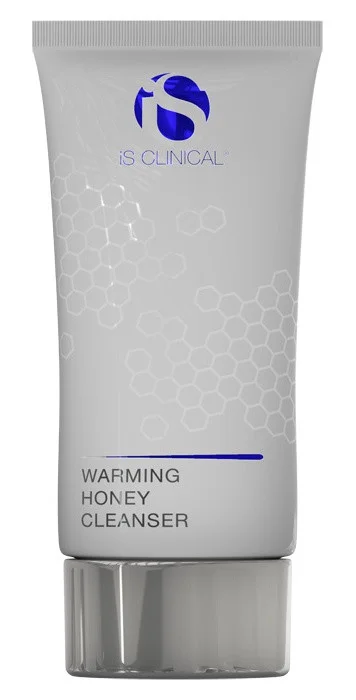
Analysis locked
How well does your skin match with iS CLINICAL Warming Honey Cleanser?
Login to see detailsOr continue via
Quick 1-minute survey • Completely free
Ingredients
Analysis results of Ingredients


Ingredient List
| EWG | CIR | Ingredient Name & Cosmetic Function | Notes |
|---|---|---|---|
| 1 2 | A | (Solvent, Perfuming, Fragrance, Humectant, Viscosity Decreasing Agent, Hair Conditioning, Skin Protecting, Denaturant ) |  |
| 1 | - | (Humectant, Emollient, Moisturising, Flavoring Agent) | |
| 1 | A | (Perfuming, Fragrance, Opacifying, Emulsifying, Sufactant) |   |
| 3 | B | (Skin Conditioning, Emollient, Surfactant, Emulsifying) | |


iS CLINICAL Warming Honey Cleanser - Ingredient Explanation
Glycerin
1. Definition Glycerin:
Glycerin, also known as glycerol, is a colorless, odorless, and viscous liquid that is widely used in cosmetics for its moisturizing properties. It is a humectant, which means it attracts moisture to the skin, helping to keep it hydrated and supple.
2. Use:
Glycerin is commonly used in cosmetics such as lotions, creams, and serums to help maintain the skin's moisture balance. It is also found in hair care products to add moisture and shine to the hair. Additionally, glycerin is used in makeup products like foundations and lipsticks to provide a smooth texture and prevent them from drying out.
3. Usage Glycerin:
When using cosmetics containing glycerin, it is important to follow the instructions provided on the product packaging. Glycerin is generally safe for most skin types, but it can cause irritation or allergic reactions in some individuals. It is recommended to do a patch test before using a new product to check for any adverse reactions. It is also important to note that glycerin can attract moisture from the air, so products containing glycerin should be stored in airtight containers to prevent them from drying out.
4. References:
- Draelos, Z. D. (2010). Cosmetic Formulation of Skin Care Products. John Wiley & Sons.
- Loden, M., & Maibach, H. I. (2006). Dry Skin and Moisturizers: Chemistry and Function. CRC Press.
- Winter, R. (2009). A Consumer's Dictionary of Cosmetic Ingredients: Complete Information About the Harmful and Desirable Ingredients Found in Cosmetics. Harmony.
Honey
1. Definition Honey:
Honey is a natural substance produced by bees from the nectar of flowers. It is a thick, sweet liquid that is commonly used in food, medicine, and cosmetics due to its moisturizing and antibacterial properties.2. Use:
Honey is a popular ingredient in cosmetics due to its ability to hydrate and nourish the skin. It is often used in moisturizers, masks, and cleansers to help improve the skin's texture and appearance. Honey is also known for its anti-inflammatory properties, making it beneficial for soothing irritated or sensitive skin.3. Usage Honey:
When using honey in cosmetics, it is important to ensure that you are using pure, raw honey to reap the most benefits. Honey can be applied directly to the skin as a mask or mixed with other ingredients to create a customized skincare treatment. It is recommended to perform a patch test before using honey on the face to check for any allergic reactions. Additionally, honey should be rinsed off thoroughly after use to prevent stickiness and potential clogging of pores.4. References:
- Boukhatem, M. N., Ferhat, M. A., Kameli, A., Saidi, F., & Kebir, H. T. (2014). Lemon grass (Cymbopogon citratus) essential oil as a potent anti-inflammatory and antifungal drugs. Libyan Journal of Medicine, 9(1), 25431.
- Burlando, B., & Cornara, L. (2013). Honey in dermatology and skin care: a review. Journal of Cosmetic Dermatology, 12(4), 306-313.
- Al-Waili, N. S., Salom, K., Al-Ghamdi, A. A. (2011). Honey for wound healing, ulcers, and burns; data supporting its use in clinical practice. The Scientific World Journal, 11, 766-787.
Myristic Acid
1. Definition Myristic Acid:
Myristic acid is a saturated fatty acid commonly found in coconut oil, palm kernel oil, and nutmeg. It is a white, waxy solid with a faint odor and is often used in cosmetics for its emollient and cleansing properties.2. Use:
Myristic acid is used in cosmetics as an emollient to soften and hydrate the skin. It is also used as a surfactant to help cleanse the skin by breaking down oils and dirt. Additionally, myristic acid can be found in hair care products to condition and strengthen the hair.3. Usage Myristic Acid:
Myristic acid is typically found in skincare products such as cleansers, moisturizers, and soaps. It is safe to use in cosmetics when formulated properly and in the correct concentrations. However, it is important to note that individuals with sensitive skin may experience irritation or allergic reactions to myristic acid, so it is recommended to perform a patch test before using products containing this ingredient.4. References:
- Lautenschläger, H. (2010). Myristic Acid. Retrieved from https://www.skincarisma.com/ingredients/myristic-acid
- Pazyar, N., Yaghoobi, R., & Bagherani, N. (2014). A review of applications of tea tree oil in dermatology. International Journal of Dermatology, 53(7), 784-790.
- Mukherjee, S., & Date, A. (2011). Patented sunscreen compositions based on natural materials. Recent Patents on Drug Delivery & Formulation, 5(1), 1-10.
Olive Oil Peg 7 Esters
1. Definition Olive Oil Peg 7 Esters:
Olive Oil Peg 7 Esters are a group of emollients derived from olive oil and polyethylene glycol. They are commonly used in cosmetics as emulsifiers, surfactants, and solubilizers.2. Use:
Olive Oil Peg 7 Esters are used in cosmetics to improve the texture and spreadability of products. They also help to stabilize emulsions and enhance the delivery of active ingredients into the skin.3. Usage Olive Oil Peg 7 Esters:
Olive Oil Peg 7 Esters are generally considered safe for use in cosmetics, but some precautions should be taken. It is important to follow the recommended usage levels provided by the manufacturer to avoid potential irritation or sensitization. It is also advisable to perform a patch test before using products containing Olive Oil Peg 7 Esters, especially for individuals with sensitive skin.4. References:
- "Olive Oil PEG-7 Esters" by MakingCosmetics Inc.
- "PEG-7 Olive Oil Esters" by Formulator Sample Shop
- "PEG-7 Olive Oil Esters" by Lotioncrafter
Review
Didn't find
the information you need?







Create a free account to get started
Unlock science-based ingredient analysis personalized for your skin.
Already have an account? Log in
We protect your privacy. We never send spam.