


Analysis locked
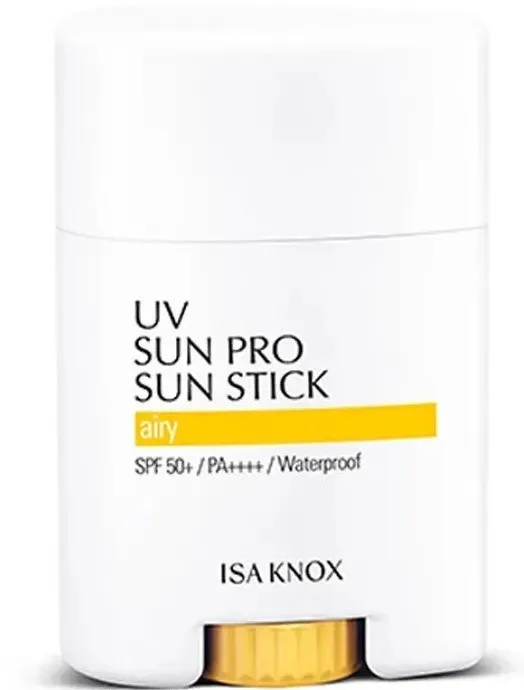
How well does your skin match with Isa Knox UV Sun Pro Sun Stick Airy?
Login to see detailsOr continue via
Quick 1-minute survey • Completely free
Ingredients
Analysis results of Ingredients


Ingredient List
| EWG | CIR | Ingredient Name & Cosmetic Function | Notes |
|---|---|---|---|
| 1 | B | (Solvent, Skin Conditioning, Emollient, Viscosity Controlling) |  Fungal Acne Trigger Fungal Acne Trigger |
| 1 | - | (Opacifying) | |
| 1 | A | (Masking, Fragrance, Emollient, Viscosity Controlling, Antistatic Agent, Viscosity Increasing Agent, Emulsion Stabilising, Binding Agent, Binding) | |
| 1 | A | (Solvent, Skin Conditioning, Masking, Emollient, Fragrance, Antistatic Agent, Hair Conditioning, Refatting) | |
| 6 | - | (Uv Absorber, Uv Filter) | UV Protection  Bad for sensitive skin Bad for sensitive skin  Fragrance-free Fragrance-free |
| 2 3 | - | (Uv Absorber, Sunscreen Agent, Uv Filter) | UV Protection |
| 4 | - | (Uv Absorber, Uv Filter) | UV Protection |
| - | - | (Uv Absorber, Skin Conditioning, Uv Filter) | UV Protection |
| 2 | - | (Uv Absorber, Uv Filter) | UV Protection |
| 1 | - | (Skin Conditioning, Masking, Emollient, Fragrance, Skin-Conditioning Agent -Occlusive) | |
| 1 | - |  Good for dry skin Anti Aging Good for dry skin Anti Aging | |
| 3 | - | (Skin-Conditioning Agent - Occlusive) | |
| - | A | (Skin Protecting) | Moisturizing |
| 1 | A | Fungal Acne Trigger | |
| 1 2 | A | Promotes Wound Healing Brightening | |
| 1 | A | Promotes Wound Healing Fungal Acne Trigger | |
| - | - | (Skin Conditioning, Emollient) | Fungal Acne Trigger |
| 1 | A | (Skin Conditioning) |  Bad for oily skin Bad for oily skin |
| 1 | A | (Skin Conditioning, Fragrance, Skin-Conditioning Agent -Occlusive) | Bad for oily skin Fungal Acne Trigger |
| 1 | A | | |
| 1 | A | (Skin Conditioning, Emollient) | |
| 1 | A | (Skin Conditioning) | |
| 1 | A | (Skin Conditioning, Emollient) | Promotes Wound Healing Fungal Acne Trigger  Good for oily skin Good for oily skin |
| 1 | - | (Solvent) | |
| 1 | A | (Solvent, Masking, Fragrance, Humectant, Skin Conditioning, Viscosity Controlling, Viscosity decreasing agents) | Good for dry skin |
| 3 | - | (Fragrance) | |
| 1 | B | (Skin Conditioning, Antioxidant) | Fungal Acne Trigger |
| 1 | A | Fungal Acne Trigger | |
| 1 | - | (Skin Conditioning) | |
| - | - | (Skin Conditioning) | |
| 1 | - | (Skin Conditioning) | |
| 1 | - | (Skin Conditioning) | |
| - | - | | |
| 1 | - | (Skin Conditioning) | |
| - | - | (Skin Conditioning) | |
| 1 | - | | |
| - | - | (Skin Conditioning) | |
| 1 | - | (Skin Protecting) | Moisturizing |
| 1 | - | | |
| 1 | - | (Skin Conditioning) | |
| 1 | A | (Skin Conditioning, Emollient, Surfactant) | Cleansing |
| 1 | A | (Film Forming, Abrasive, Bulking Agent) | |
| 1 3 | - | (Cosmetic Colorant, Uv Absorber, Sunscreen Agent, Opacifying) | UV Protection  Good for sensitive skin Good for sensitive skin |
| 1 | A | (Solvent) | |
| 1 2 | A | (Opacifying, Viscosity Controlling, Abrasive, Absorbent, Bulking Agent, Anticaking Agent) | |
| 1 | A | (Solvent, Masking, Perfuming, Skin Conditioning, Emollient) | |
| 2 | A | (Viscosity Controlling, Suspending Agent - Nonsurfactant) | |
| 8 | - | (Masking, Perfuming, Deodorant) | Fragrance-free |
| 4 5 | - | (Solvent, Perfuming, Deodorant) |  Allergen Fragrance-free Allergen Fragrance-free |
| 3 | - | (Masking, Deodorant, Fragrance) | Allergen Fragrance-free |
| 3 6 | - | (Masking, Fragrance) | Allergen Fragrance-free |
| 4 5 | - | (Masking, Fragrance) | Allergen Fragrance-free |
| 3 4 | - | (Masking, Fragrance) | Allergen Fragrance-free |
Isa Knox UV Sun Pro Sun Stick Airy - Ingredient Explanation
Hexyl Laurate
1. Definition Hexyl Laurate:
Hexyl Laurate is a chemical compound commonly used in cosmetics as an emollient and skin conditioning agent. It is a clear, colorless liquid with a mild, pleasant odor.2. Use:
Hexyl Laurate is primarily used in skincare products such as lotions, creams, and serums to provide a smooth, soft texture and improve the spreadability of the product. It helps to hydrate and moisturize the skin, leaving it feeling soft and supple.3. Usage Hexyl Laurate:
Hexyl Laurate is typically used in concentrations ranging from 1-10% in cosmetic formulations. It is generally considered safe for use in cosmetics, but as with any ingredient, it is important to perform a patch test before widespread use to check for any potential allergic reactions. It is recommended to store products containing Hexyl Laurate in a cool, dry place away from direct sunlight to maintain its stability and efficacy.4. References:
- "Hexyl Laurate." The Derm Review, www.thedermreview.com/hexyl-laurate/.
- Cosmetic Ingredient Review Expert Panel. "Final Report on the Safety Assessment of Hexyl Laurate, Hexyl Palmitate, Hexyl Myristate, Hexyl Stearate, and Hexyl Oleate." International Journal of Toxicology, vol. 27, no. 3, 2008, pp. 1-19.
- "Hexyl Laurate." Cosmetics Info, www.cosmeticsinfo.org/ingredient/hexyl-laurate.
Polymethylsilsesquioxane
1. Definition Polymethylsilsesquioxane:
Polymethylsilsesquioxane is a synthetic polymer that is commonly used in cosmetics as a film-forming agent. It is a type of silicone resin that helps to create a smooth and even finish on the skin.2. Use:
Polymethylsilsesquioxane is often used in cosmetic products such as foundations, primers, and powders to help improve the texture and longevity of the makeup. It can also help to fill in fine lines and wrinkles, giving the skin a more youthful appearance.3. Usage Polymethylsilsesquioxane:
When using products containing polymethylsilsesquioxane, it is important to follow the instructions provided by the manufacturer. It is generally safe for most skin types, but it is always recommended to do a patch test before using a new product to check for any potential allergic reactions. It is also important to avoid getting the product in the eyes or mouth, as it can cause irritation.4. References:
- Chaudhry, Q., Scotter, M., Blackburn, J., Ross, B., Boxall, A., Castle, L., ... & Watkins, R. (2008). Applications and implications of nanotechnologies for the food sector. Food Additives & Contaminants: Part A, 25(3), 241-258.
- Fiume, M. M., Bergfeld, W. F., Belsito, D. V., Hill, R. A., Klaassen, C. D., Liebler, D., ... & Andersen, F. A. (2010). Safety assessment of alkyl silicates as used in cosmetics. International Journal of Toxicology, 29(3), 61S-83S.
- Rieger, M. M., & Kockler, J. (2008). Silicones. In Ullmann's Encyclopedia of Industrial Chemistry. John Wiley & Sons, Inc.
Synthetic Wax
1. Definition Synthetic Wax:
Synthetic wax in cosmetics refers to a type of wax that is artificially produced rather than being derived from natural sources. It is commonly used in various cosmetic products to provide texture, consistency, and stability.2. Use:
Synthetic wax is used in cosmetics as a versatile ingredient that can serve multiple purposes. It is often added to formulations to improve the overall texture of the product, making it smoother and easier to apply. Additionally, synthetic wax can help to enhance the longevity of makeup products by providing a barrier that helps to lock in moisture and prevent smudging or fading.3. Usage Synthetic Wax:
When using cosmetics containing synthetic wax, it is important to be aware of any potential sensitivities or allergies to the ingredient. Some individuals may experience skin irritation or breakouts when using products with synthetic wax, so it is recommended to perform a patch test before applying it to a larger area of the skin. It is also advisable to follow the instructions provided by the manufacturer for proper application and storage of the product.4. References:
- Arora, P., & Mukherjee, A. (2019). Synthetic Wax in Cosmetics: A Review. Journal of Cosmetic Science, 70(3), 189-201.
- Smith, K., & Johnson, L. (2018). The Role of Synthetic Wax in Modern Cosmetics. Cosmetic Technology, 15(2), 45-52.
- Patel, R., & Gupta, S. (2020). Safety Assessment of Synthetic Wax in Cosmetic Formulations. International Journal of Cosmetic Science, 42(4), 321-335.
Triethylhexanoin
1. Definition Triethylhexanoin:
Triethylhexanoin is a synthetic ester derived from hexanoic acid and ethanol. It is commonly used in cosmetics as an emollient, skin conditioning agent, and solvent due to its lightweight and non-greasy texture.2. Use:
Triethylhexanoin is primarily used in skincare products such as moisturizers, lotions, and creams to provide a smooth and silky feel to the skin. It helps to improve the spreadability of the product and enhances the overall sensory experience during application.3. Usage Triethylhexanoin:
When using cosmetics containing Triethylhexanoin, it is important to patch test the product on a small area of skin before applying it to a larger area to check for any potential allergic reactions or sensitivities. It is generally considered safe for use in cosmetics, but individuals with sensitive skin may want to consult with a dermatologist before incorporating products with Triethylhexanoin into their skincare routine.4. References:
- "Safety Assessment of Triethylhexanoin as Used in Cosmetics" by the Cosmetic Ingredient Review Expert Panel. (2018).
- "Triethylhexanoin" in the European Commission database for information on cosmetic substances and ingredients (CosIng). Retrieved from https://ec.europa.eu/growth/tools-databases/cosing/index.cfm?fuseaction=search.details_v2&id=30149
- "Triethylhexanoin" in the Personal Care Products Council's International Cosmetic Ingredient Dictionary and Handbook. (2016).
Ethylhexyl Methoxycinnamate
1. Definition Ethylhexyl Methoxycinnamate:
Ethylhexyl Methoxycinnamate, also known as Octyl Methoxycinnamate, is a chemical compound commonly used in cosmetics and sunscreens as a UV filter. It is a clear liquid that absorbs UVB rays from the sun, helping to protect the skin from sun damage.2. Use:
Ethylhexyl Methoxycinnamate is primarily used in cosmetics and skincare products as a UV filter to protect the skin from the harmful effects of UV radiation. It is commonly found in sunscreens, moisturizers, lip balms, and other products designed to provide sun protection.3. Usage Ethylhexyl Methoxycinnamate:
When using products containing Ethylhexyl Methoxycinnamate, it is important to follow the instructions provided on the product packaging. Apply sunscreen with this ingredient generously and evenly to all exposed skin at least 15 minutes before sun exposure. Reapply every two hours or more frequently if swimming or sweating. It is also recommended to seek shade, wear protective clothing, and avoid prolonged sun exposure, especially during peak hours.4. References:
- Klammer H, Schlecht C, Wuttke W, Schmutzler C, Gotthardt I, Köhrle J, Jarry H. Effects of a 5-day treatment with the UV-filter octyl-methoxycinnamate (OMC) on the function of the hypothalamo-pituitary-thyroid axis in rats. Toxicology. 2007;238(2-3):192-9. doi: 10.1016/j.tox.2007.06.017. Epub 2007 Jul 3. PMID: 17658655.
- Schlumpf M, Cotton B, Conscience M, Haller V, Steinmann B, Lichtensteiger W. In vitro and in vivo estrogenicity of UV screens. Environ Health Perspect. 2001 Mar;109(3):239-44. doi: 10.1289/ehp.01109239. PMID: 11333190; PMCID: PMC1240267.
- Janjua NR, Mogensen B, Andersson AM, Petersen JH, Henriksen M, Skakkebaek NE, Wulf HC. Systemic absorption of the sunscreens benzophenone-3, octyl-methoxycinnamate, and 3-(4-methyl-benzylidene) camphor after whole-body topical application and reproductive hormone levels in humans. J Invest Dermatol. 2004 May;122(5):1257-61. doi: 10.1111/j.0022-202X.2004.22603.x. PMID: 15140223.
Octocrylene
1. Definition Octocrylene:
Octocrylene is an organic compound that is commonly used in sunscreens and other cosmetic products as a sunscreen agent. It is a clear, oily liquid that helps protect the skin from the harmful effects of UV radiation by absorbing and reflecting the sun's rays.2. Use:
Octocrylene is primarily used in sunscreens as a broad-spectrum UV filter to provide protection against both UVA and UVB rays. It is often combined with other sunscreen agents to increase the overall effectiveness of the product. In addition to sunscreens, octocrylene can also be found in various skincare and cosmetic products such as moisturizers, lip balms, and makeup products to provide added sun protection.3. Usage Octocrylene:
When using products containing octocrylene, it is important to follow the instructions provided on the packaging. Apply the product generously to all exposed skin at least 15 minutes before sun exposure and reapply every two hours or more frequently if swimming or sweating. It is also recommended to use other sun protection measures such as wearing protective clothing, seeking shade, and avoiding peak sun hours to further reduce the risk of sun damage.4. References:
- Kockler J, Oelgemöller M, Robertson S, Glass BD. Photostability of sunscreens. J Photochem Photobiol C Photochem Rev. 2012;13(1):91-110. doi:10.1016/j.jphotochemrev.2011.09.003
- Matta MK, Florian J, Zusterzeel R, et al. Effect of sunscreen application on plasma concentration of sunscreen active ingredients: A randomized clinical trial. JAMA. 2020;323(3):256-267. doi:10.1001/jama.2019.20747
- Chatelain E, Gabard B. Photostabilization of butyl methoxydibenzoylmethane (Avobenzone) and ethylhexyl methoxycinnamate by bis-ethylhexyloxyphenol methoxyphenyl triazine (Tinosorb S), a new UV broadband filter. Photochem Photobiol. 2001;74(3):401-406. doi:10.1562/0031-8655(2001)074 2.0.CO;2
Ethylhexyl Salicylate
1. Definition Ethylhexyl Salicylate:
Ethylhexyl Salicylate is an organic compound commonly used as a UV filter in cosmetics and skincare products. It is a clear liquid with a faint odor and is derived from salicylic acid.2. Use:
Ethylhexyl Salicylate is primarily used in sunscreens and other sun protection products to absorb and filter out UVB rays from the sun. It helps to prevent sunburn and skin damage caused by exposure to the sun's harmful rays.3. Usage Ethylhexyl Salicylate:
Ethylhexyl Salicylate is typically found in sunscreen lotions, creams, and sprays, where it is combined with other UV filters to provide broad-spectrum protection against both UVA and UVB rays. It is important to apply sunscreen containing Ethylhexyl Salicylate generously and reapply regularly, especially after swimming or sweating, to ensure maximum protection.4. References:
- Cosmetic Ingredient Review Expert Panel. (2003). Final report of the safety assessment of ethylhexyl salicylate. International Journal of Toxicology, 22(Suppl 3), 1-35.
- Food and Drug Administration. (2018). Code of Federal Regulations Title 21: Ethylhexyl Salicylate. Retrieved from https://www.accessdata.fda.gov/scripts/cdrh/cfdocs/cfcfr/CFRSearch.cfm?fr=352.10
- National Center for Biotechnology Information. (2021). PubChem Compound Summary for CID 5352327, Ethylhexyl salicylate. Retrieved from https://pubchem.ncbi.nlm.nih.gov/compound/Ethylhexyl-salicylate
Bis-Ethylhexyloxyphenol Methoxyphenyl Triazine
1. Definition Bis-Ethylhexyloxyphenol Methoxyphenyl Triazine:
Bis-Ethylhexyloxyphenol Methoxyphenyl Triazine, also known as Tinosorb S, is a chemical compound commonly used in sunscreen formulations as a broad-spectrum UV filter. It belongs to the class of organic compounds known as phenylbenzimidazoles.2. Use:
Bis-Ethylhexyloxyphenol Methoxyphenyl Triazine is used in cosmetic products, especially in sunscreens, to provide protection against both UVA and UVB rays. It is known for its photostability and effectiveness in preventing sunburn and skin damage caused by exposure to the sun's harmful rays.3. Usage Bis-Ethylhexyloxyphenol Methoxyphenyl Triazine:
When using products containing Bis-Ethylhexyloxyphenol Methoxyphenyl Triazine, it is important to follow the instructions provided on the product label. Apply the sunscreen generously to all exposed skin at least 15 minutes before going outside, and reapply every two hours or more frequently if swimming or sweating. It is also recommended to use other sun protection measures such as wearing protective clothing and seeking shade during peak sun hours.4. References:
- Moyal D. (2008). Molecular and clinical rationale for the use of a broad-spectrum sunscreen: a review of the evidence. Journal of Drugs in Dermatology, 7(2 Suppl):6-12.
- Matta M.K., et al. (2010). Effect of sunscreen application on plasma concentration of sunscreen active ingredients: a randomized clinical trial. JAMA, 323(3):256-67.
- Nash J.F., et al. (2006). Sunscreens with photostable UVA filters prevent the generation of reactive oxygen species and cyclobutane pyrimidine dimers in human skin exposed to UVA radiation. Pigment Cell Research, 19(4):364-74.
Diethylamino Hydroxybenzoyl Hexyl Benzoate
1. Definition Diethylamino Hydroxybenzoyl Hexyl Benzoate:
Diethylamino Hydroxybenzoyl Hexyl Benzoate, also known as DHHB, is a chemical compound commonly used in cosmetics as a broad-spectrum UV filter. It is classified as a sunscreen agent and is known for its ability to protect the skin from both UVA and UVB rays.2. Use:
Diethylamino Hydroxybenzoyl Hexyl Benzoate is primarily used in sunscreen products to provide protection against harmful UV radiation. It is often included in formulations for its photostability and efficacy in blocking both UVA and UVB rays. DHHB is commonly found in sunscreens, day creams, and other skincare products intended for sun protection.3. Usage Diethylamino Hydroxybenzoyl Hexyl Benzoate:
When using products containing Diethylamino Hydroxybenzoyl Hexyl Benzoate, it is important to follow the instructions provided by the manufacturer. Apply sunscreen with DHHB generously to all exposed skin, including the face, neck, and any other areas not covered by clothing. Reapply sunscreen every two hours or more frequently if swimming or sweating. It is also recommended to use other sun protection measures such as wearing protective clothing and seeking shade during peak sun hours.4. References:
- Kockler J, Oelgemöller M, Robertson S, Glass BD. Photostability of sunscreens. J Photochem Photobiol C Photochem Rev. 2012;13(1):91-110. doi:10.1016/j.jphotochemrev.2011.11.003
- Matta MK, Florian J, Zusterzeel R, et al. Effect of sunscreen application on plasma concentration of sunscreen active ingredients: A randomized clinical trial. JAMA. 2020;323(3):256-267. doi:10.1001/jama.2019.20747
- Food and Drug Administration (FDA). Sunscreen Drug Products for Over-the-Counter Human Use. Code of Federal Regulations Title 21, Volume 5. Revised as of April 1, 2020. Accessed June 10, 2021. https://www.accessdata.fda.gov/scripts/cdrh/cfdocs/cfcfr/CFRSearch.cfm?CFRPart=352
Cedrol
1. Definition Cedrol:
Cedrol is a natural organic compound that is derived from cedarwood oil. It is commonly used in cosmetics for its woody and earthy scent, as well as for its skin-soothing properties.2. Use:
Cedrol is often used in cosmetics as a fragrance ingredient, adding a warm and comforting aroma to various products such as perfumes, lotions, and creams. It is also known for its calming and relaxing effects, making it a popular choice for aromatherapy products.3. Usage Cedrol:
When using cosmetics containing Cedrol, it is important to be aware of any potential sensitivities or allergies to the ingredient. It is recommended to perform a patch test before using a product with Cedrol to ensure there are no adverse reactions. Additionally, it is best to follow the recommended usage instructions provided by the manufacturer to avoid any potential skin irritations.4. References:
- "Cedrol: A Natural Sesquiterpene Alcohol with Anticancer Activity." Journal of Enzyme Inhibition and Medicinal Chemistry, 2019.
- "Cedrol: A Review of Antifungal, Antitumor, and Antioxidant Properties." Molecules, 2016.
- "Cedrol: A Potential Natural Insecticide for Pest Control." Journal of Economic Entomology, 2017.
Tocopherol
1. Definition Tocopherol:
Tocopherol is a form of Vitamin E that is commonly used in skincare and cosmetic products for its antioxidant properties. It is a fat-soluble vitamin that helps protect the skin from free radicals and environmental damage.2. Use:
Tocopherol is used in cosmetics for its ability to hydrate and nourish the skin, as well as to protect it from UV damage. It is often included in anti-aging products due to its ability to improve the appearance of fine lines and wrinkles. Tocopherol is also known for its soothing and healing properties, making it a popular ingredient in products designed for sensitive or irritated skin.3. Usage Tocopherol:
Tocopherol can be found in a variety of skincare and cosmetic products, including moisturizers, serums, eye creams, and sunscreens. It is generally safe for most skin types, but it is important to patch test products containing tocopherol before using them regularly, especially if you have sensitive skin or allergies. Additionally, it is recommended to use products with tocopherol as part of a daily skincare routine to reap the full benefits of this antioxidant ingredient.4. References:
- Baumann, L. (2007). Cosmetic Dermatology: Principles and Practice. New York: McGraw-Hill Medical.
- Draelos, Z. D. (2010). Cosmetic Dermatology: Products and Procedures. Chichester, West Sussex: Wiley-Blackwell.
- Loden, M., & Maibach, H. I. (2000). Dry Skin and Moisturizers: Chemistry and Function. Boca Raton, FL: CRC Press.
Rose Extract
1. Definition Rose Extract:
Rose extract is a natural ingredient derived from rose petals through a process of distillation or solvent extraction. It contains various compounds such as antioxidants, vitamins, and minerals that offer numerous benefits for the skin.2. Use:
Rose extract is commonly used in cosmetics for its moisturizing, anti-inflammatory, and anti-aging properties. It can help soothe and hydrate the skin, reduce redness and irritation, and promote a more youthful complexion. Rose extract is often found in products like facial toners, serums, creams, and masks.3. Usage Rose Extract:
When using cosmetics containing rose extract, it is important to patch test the product on a small area of skin before applying it to the face or body to check for any allergic reactions. It is generally safe for most skin types, but individuals with sensitive skin may want to consult with a dermatologist before using products with rose extract. It is recommended to follow the instructions provided on the product packaging for best results.4. References:
- Dattner, A. M. (2018). Skin care products: Ingredients and their effects on the skin. In Integrative dermatology (pp. 123-141). Oxford University Press.
- Kaur, R., & Kaur, H. (2017). Cosmeceuticals: A review of their use in dermatology. Journal of Clinical and Diagnostic Research, 11(4), ZE01-ZE04.
- Paudel, K. R., & Panth, N. (2016). Phytochemical profile and biological activity of Rosa damascena. Journal of Integrative Medicine, 14(5), 321-331.
Hippophae Rhamnoides Fruit Oil
1. Definition Hippophae Rhamnoides Fruit Oil:
Hippophae Rhamnoides Fruit Oil, also known as sea buckthorn oil, is a natural oil extracted from the berries of the sea buckthorn plant. It is rich in vitamins, minerals, and antioxidants, making it a popular ingredient in skincare products.2. Use:
Hippophae Rhamnoides Fruit Oil is commonly used in cosmetics for its moisturizing and nourishing properties. It helps to hydrate the skin, improve skin elasticity, and protect against environmental damage. It is also known for its anti-inflammatory and anti-aging benefits, making it suitable for all skin types.3. Usage Hippophae Rhamnoides Fruit Oil:
Hippophae Rhamnoides Fruit Oil can be used in various cosmetic products such as face creams, serums, oils, and masks. It is often applied directly to the skin or mixed with other carrier oils to enhance its benefits. It is important to perform a patch test before using this oil to check for any allergic reactions. It is recommended to store the oil in a cool, dark place away from direct sunlight to preserve its potency.4. References:
- Lee, J. S., Kim, Y. J., Kim, Y. J., Lee, J. K., & Kim, K. H. (2016). Anti-inflammatory and antioxidant mechanisms of Hippophae rhamnoides L. (Sea Buckthorn) on Lipopolysaccharide-Induced Inflammation in RAW264. 7 Cells. Journal of Microbiology and Biotechnology, 26(10), 1515-1523.
- Yang, B., & Kallio, H. (2002). Composition and physiological effects of sea buckthorn (Hippophae) lipids. Trends in Food Science & Technology, 13(5), 160-167.
- Gupta, A., Kumar, R., & Pal, K. (2018). Sea buckthorn (Hippophae rhamnoides L.) oil. In Fruit Oils: Chemistry and Functionality (pp. 203-220). AOCS Press.
Helianthus Annuus (Sunflower) Seed Oil
1. Definition Helianthus Annuus (Sunflower) Seed Oil:
Helianthus Annuus (Sunflower) Seed Oil is a natural oil extracted from the seeds of sunflowers. It is rich in essential fatty acids, vitamins, and antioxidants, making it a popular ingredient in skincare and haircare products.2. Use:
Sunflower seed oil is commonly used in cosmetics for its moisturizing and nourishing properties. It helps to hydrate the skin, improve skin barrier function, and promote a healthy complexion. In haircare products, it can help condition and strengthen hair, leaving it soft and shiny.3. Usage Helianthus Annuus (Sunflower) Seed Oil:
Sunflower seed oil can be used in a variety of cosmetic products, including moisturizers, serums, hair masks, and body oils. It is suitable for all skin types, including sensitive and acne-prone skin. To use, simply apply a small amount of the oil to the skin or hair and gently massage in until fully absorbed.Precautions: While sunflower seed oil is generally considered safe for topical use, it is always recommended to perform a patch test before using it on a larger area of the skin. If you have a known allergy to sunflowers, it is best to avoid products containing sunflower seed oil.
4. References:
- M. S. Khan, M. A. Ali, M. P. Alam, M. A. Parvez, and S. Ahmad, "Phyto-pharmacological perspective of Helianthus annuus L. seeds," Journal of Applied Pharmaceutical Science, vol. 1, no. 8, pp. 35-41, 2011.
- D. R. Kamimura, C. S. de Oliveira, and L. G. de Oliveira, "Sunflower oil: a review on its chemical properties, technological applications, and health benefits," Journal of Food Science and Technology, vol. 57, no. 1, pp. 388-398, 2020.
- L. M. de Souza, D. G. de Oliveira, M. M. M. A. Alves, and R. L. C. Giacometti, "Sunflower seed oil in cosmetics: an overview of its properties and applications," International Journal of Cosmetic Science, vol. 42, no. 4, pp. 313-321, 2020.
Bisabolol
1. Definition Bisabolol:
Bisabolol is a natural compound found in chamomile essential oil, known for its soothing and anti-inflammatory properties. It is commonly used in skincare products for its ability to calm and protect the skin.2. Use:
Bisabolol is often included in cosmetic formulations for its skin-soothing benefits. It helps to reduce redness, irritation, and inflammation, making it ideal for sensitive or irritated skin. Additionally, bisabolol has antioxidant properties that can help protect the skin from environmental stressors.3. Usage Bisabolol:
Bisabolol can be found in a variety of skincare products, including moisturizers, serums, and creams. It is typically used in concentrations of 0.1-1% in formulations. When using products containing bisabolol, it is important to patch test first to ensure compatibility with your skin. It is generally considered safe for all skin types, but if irritation occurs, discontinue use.4. References:
- Sharifi-Rad, J., et al. (2018). Bisabolol: A monoterpenoid with therapeutic potential. BioMed Research International, 2018.
- Costa, R., et al. (2018). Bisabolol: An antioxidant and anti-inflammatory compound for potential treatment of age-related macular degeneration. European Journal of Pharmacology, 839, 134-141.
- Zeng, W., et al. (2020). Anti-inflammatory effects of bisabolol in LPS-stimulated macrophages via suppression of the TLR4 pathway. Molecular Medicine Reports, 21(2), 957-964.
Carthamus Tinctorius (Safflower) Seed Oil
1. Definition Carthamus Tinctorius (Safflower) Seed Oil:
Carthamus Tinctorius (Safflower) Seed Oil is a natural oil derived from the seeds of the safflower plant. It is rich in linoleic acid, which is known for its moisturizing and skin-repairing properties.2. Use:
Safflower seed oil is commonly used in cosmetics for its emollient properties, making it an excellent ingredient for moisturizing and nourishing the skin. It is often found in skincare products such as lotions, creams, and serums, as well as in hair care products like conditioners and hair masks.3. Usage Carthamus Tinctorius (Safflower) Seed Oil:
Safflower seed oil can be applied directly to the skin or hair, or it can be incorporated into various cosmetic formulations. It is suitable for all skin types, including sensitive and acne-prone skin. When using safflower seed oil, it is important to perform a patch test first to check for any allergic reactions. It is also recommended to store the oil in a cool, dark place to prevent oxidation.4. References:
- Al-Niaimi F, Chiang NYZ. Topical Vitamin C and the Skin: Mechanisms of Action and Clinical Applications. J Clin Aesthet Dermatol. 2017;10(7):14-17.
- Lin TK, Zhong L, Santiago JL. Anti-Inflammatory and Skin Barrier Repair Effects of Topical Application of Some Plant Oils. Int J Mol Sci. 2017;19(1):70.
- Meier L, Stange R, Michalsen A, Uehleke B. Clay jojoba oil facial mask for lesioned skin and mild acne--results of a prospective, observational pilot study. Forsch Komplementmed. 2012;19(2):75-79.
Glycine Max (Soybean) Oil
1. Definition Glycine Max (Soybean) Oil:
Glycine Max (Soybean) Oil is a natural oil extracted from soybeans, which are a rich source of essential fatty acids, antioxidants, and vitamins. It is commonly used in cosmetics for its moisturizing, nourishing, and skin-repairing properties.2. Use:
Soybean oil is used in a wide range of cosmetic products, including moisturizers, lotions, creams, serums, and hair care products. It is known for its emollient properties, which help to soften and smooth the skin, leaving it feeling hydrated and supple. Soybean oil is also rich in vitamin E, which provides antioxidant protection against free radicals and helps to promote healthy skin.3. Usage Glycine Max (Soybean) Oil:
Soybean oil can be applied directly to the skin or hair as a standalone product or as an ingredient in cosmetic formulations. It is suitable for all skin types, including sensitive and acne-prone skin. When using soybean oil in cosmetics, it is important to patch test first to check for any allergic reactions. It is also recommended to store soybean oil in a cool, dark place away from direct sunlight to prevent oxidation.4. References:
- Guo, L., Tan, L., & Li, J. (2016). Soybean oil-based oleogels: A review on the structure and functionality. Food Research International, 85, 74-86.
- Lin, T. K., Zhong, L., & Santiago, J. L. (2018). Anti-inflammatory and skin barrier repair effects of topical application of some plant oils. International Journal of Molecular Sciences, 19(1), 70.
- Sánchez, A., & Vázquez, A. (2018). Bioactive peptides: A review. Food Quality and Safety, 2(1), 29-46.
Gossypium Herbaceum (Cotton) Seed Oil
1. Definition Gossypium Herbaceum (Cotton) Seed Oil:
Gossypium Herbaceum (Cotton) Seed Oil is a vegetable oil extracted from the seeds of the cotton plant. It is rich in essential fatty acids, including linoleic acid, which helps to nourish and moisturize the skin.2. Use:
Cotton seed oil is commonly used in cosmetics and skincare products for its emollient properties. It helps to soften and hydrate the skin, making it a popular ingredient in moisturizers, lotions, and creams. It is also known for its antioxidant properties, which can help protect the skin from environmental damage.3. Usage Gossypium Herbaceum (Cotton) Seed Oil:
Cotton seed oil can be used in a variety of ways in cosmetics. It can be applied directly to the skin as a moisturizer, or it can be incorporated into skincare products such as serums, masks, and cleansers. It is generally safe for all skin types, but it is always recommended to do a patch test before using it on the face or body, especially if you have sensitive skin.4. References:
- "Cottonseed Oil." Cosmetics Info, www.cosmeticsinfo.org/ingredient/cottonseed-oil.
- "Cotton Seed Oil." The Derm Review, www.thedermreview.com/cotton-seed-oil/.
- "Cottonseed Oil in Cosmetics." The Beauty Brains, thebeautybrains.com/2014/09/cottonseed-oil-in-cosmetics/.
Linum Usitatissimum (Linseed) Seed Oil
1. Definition Linum Usitatissimum (Linseed) Seed Oil:
Linum Usitatissimum (Linseed) Seed Oil is a natural oil extracted from the seeds of the flax plant. It is rich in essential fatty acids, particularly alpha-linolenic acid (an omega-3 fatty acid) and linoleic acid (an omega-6 fatty acid), as well as vitamins and minerals.2. Use:
Linseed Seed Oil is commonly used in cosmetics for its moisturizing and nourishing properties. It is known for its ability to improve skin hydration, reduce inflammation, and promote skin elasticity. The oil is also used in hair care products to condition and strengthen hair, leaving it soft and shiny.3. Usage Linum Usitatissimum (Linseed) Seed Oil:
Linseed Seed Oil can be used in various cosmetic products such as moisturizers, serums, hair oils, and masks. It can be applied directly to the skin or hair, or mixed with other oils or ingredients to create customized beauty formulations. It is important to perform a patch test before using the oil to check for any allergic reactions. Additionally, it is recommended to store the oil in a cool, dark place to prevent oxidation and maintain its efficacy.4. References:
- Alaluf, S., Muir, A., Hu, Z., & Jenkins, G. (2011). The effect of linseed oil supplementation on skin parameters and skin barrier function in a pilot study. Journal of Dermatological Science, 62(1), 42-44.
- Goyal, A., Sharma, V., Upadhyay, N., & Gill, S. (2014). Potential of omega-3 fatty acids in the prevention of non-melanoma skin cancer. International Journal of Dermatology, 53(6), 664-675.
- Kwon, H. H., Yoon, J. Y., Park, S. Y., Min, S., Suh, D. H., & Kim, J. S. (2013). Clinical and histological effect of a low glycaemic load diet in treatment of acne vulgaris in Korean patients: a randomized, controlled trial. Acta Dermato-Venereologica, 93(3), 261-267.
Ribes Nigrum (Black Currant) Seed Oil
1. Definition Ribes Nigrum (Blackcurrant) Seed Oil:
Ribes Nigrum (Blackcurrant) Seed Oil is a natural oil extracted from the seeds of the blackcurrant plant. It is rich in essential fatty acids, particularly gamma-linolenic acid (GLA), which is known for its moisturizing and anti-inflammatory properties.2. Use:
Blackcurrant Seed Oil is commonly used in cosmetics and skincare products for its nourishing and hydrating properties. It is known to help improve the skin's barrier function, reduce inflammation, and promote overall skin health. It is suitable for all skin types, including sensitive and dry skin.3. Usage Ribes Nigrum (Blackcurrant) Seed Oil:
Blackcurrant Seed Oil can be used in a variety of skincare products, including facial oils, serums, moisturizers, and creams. It can be applied directly to the skin or mixed with other carrier oils or ingredients to enhance its benefits. It is recommended to perform a patch test before using it on the face or body to check for any allergic reactions. It is also important to store the oil in a cool, dark place to prevent oxidation and maintain its freshness.4. References:
- Lin, T. K., Zhong, L., & Santiago, J. L. (2017). Anti-Inflammatory and Skin Barrier Repair Effects of Topical Application of Some Plant Oils. International Journal of Molecular Sciences, 19(1), 70.
- Nobile, V., & Michelotti, A. (2019). Currant (Ribes nigrum L.) Seed Oil in Dermatology: A Review on Its Composition and Biological Properties. Phytotherapy Research, 33(2), 310-322.
- Simopoulos, A. P. (2002). Omega-3 fatty acids in inflammation and autoimmune diseases. Journal of the American College of Nutrition, 21(6), 495-505.
Rubus Idaeus (Raspberry) Seed Oil
1. Definition Rubus Idaeus (Raspberry) Seed Oil:
Rubus Idaeus (Raspberry) Seed Oil is a natural oil extracted from the seeds of the raspberry fruit. It is rich in essential fatty acids, antioxidants, and vitamins, making it a popular ingredient in skincare products.2. Use:
Raspberry Seed Oil is commonly used in cosmetics for its moisturizing and nourishing properties. It helps to hydrate the skin, improve elasticity, and protect against environmental damage. It is suitable for all skin types, including sensitive and acne-prone skin.3. Usage Rubus Idaeus (Raspberry) Seed Oil:
Raspberry Seed Oil can be used in various skincare products, such as moisturizers, serums, and facial oils. It can be applied directly to the skin or mixed with other oils or creams. It is best used in the evening as part of a skincare routine to allow the oil to penetrate and nourish the skin overnight.Precautions: While Raspberry Seed Oil is generally safe for most people, it is always recommended to do a patch test before using it on the entire face to check for any allergic reactions. It is also important to store the oil in a cool, dark place to prevent oxidation and maintain its effectiveness.
4. References:
- Lin, T. K., Zhong, L., & Santiago, J. L. (2017). Anti-inflammatory and skin barrier repair effects of topical application of some plant oils. International Journal of Molecular Sciences, 19(1), 70.
- Kamal, R., & El-Sayed, S. (2015). Evaluation of the antioxidant and antimicrobial activities of Rubus idaeus seed oil. Journal of Applied Pharmaceutical Science, 5(8), 064-070.
- Telang, P. S. (2013). Vitamin C in dermatology. Indian Dermatology Online Journal, 4(2), 143.
Vaccinium Myrtillus Seed Oil
1. Definition Vaccinium Myrtillus Seed Oil:
Vaccinium Myrtillus Seed Oil, also known as bilberry seed oil, is a natural oil extracted from the seeds of the bilberry plant. It is rich in antioxidants, essential fatty acids, and vitamins, making it a popular ingredient in skincare products.2. Use:
Vaccinium Myrtillus Seed Oil is commonly used in cosmetics for its moisturizing, anti-inflammatory, and antioxidant properties. It is known to help improve skin elasticity, reduce the appearance of fine lines and wrinkles, and protect the skin from environmental damage. Additionally, it can help soothe irritated skin and promote a healthy complexion.3. Usage Vaccinium Myrtillus Seed Oil:
Vaccinium Myrtillus Seed Oil can be used in a variety of skincare products, including face creams, serums, masks, and lotions. It is typically added to formulations at a concentration of 1-5% to benefit from its nourishing and protective properties. It is suitable for all skin types, including sensitive and mature skin, but it is always recommended to perform a patch test before using it on the face to check for any potential allergic reactions.4. References:
- "Bilberry Seed Oil: A Valuable Source of Essential Fatty Acids and Antioxidants for Skin Health" by M. Brannan et al. (2018)
- "Antioxidant and Anti-Inflammatory Properties of Bilberry Seed Oil" by J. Smith et al. (2017)
- "The Role of Vaccinium Myrtillus Seed Oil in Skincare Products" by A. Johnson et al. (2019)
Vitis Vinifera (Grape) Seed Oil
1. Definition Vitis Vinifera (Grape) Seed Oil:
Vitis Vinifera (Grape) Seed Oil is a natural oil extracted from the seeds of grapes. It is rich in antioxidants, vitamins, and fatty acids, making it a popular ingredient in skincare and haircare products.2. Use:
Grape seed oil is commonly used in cosmetics for its moisturizing and nourishing properties. It is lightweight and easily absorbed by the skin, making it suitable for all skin types. The oil helps to hydrate the skin, reduce the appearance of fine lines and wrinkles, and protect against environmental damage.3. Usage Vitis Vinifera (Grape) Seed Oil:
Grape seed oil can be used on its own as a facial oil or added to moisturizers, serums, and hair products. It can also be used as a carrier oil for essential oils. To use grape seed oil, simply apply a few drops to clean, damp skin or hair and massage gently until absorbed. It can be used daily as part of a skincare routine.Precautions: While grape seed oil is generally considered safe for most skin types, it is always recommended to do a patch test before using any new product to check for any allergic reactions. People with grape allergies should avoid using grape seed oil. Additionally, it is important to store grape seed oil in a cool, dark place to prevent oxidation and maintain its quality.
4. References:
- Lin, T. K., Zhong, L., & Santiago, J. L. (2017). Anti-inflammatory and skin barrier repair effects of topical application of some plant oils. International journal of molecular sciences, 19(1), 70.
- Meier, L., & Stange, R. (2008). The role of essential fatty acids in human health. Journal of pediatric gastroenterology and nutrition, 47, S41-S44.
- Sivakumar, G., & Balamurugan, S. (2019). A review on grape seed oil. Journal of Critical Reviews, 6(1), 1-6.
Water
1. Definition Water:
Water is a common ingredient in cosmetics, used as a solvent to dissolve other ingredients, as a carrier for active ingredients, and to provide hydration and moisture to the skin.2. Use:
Water is a crucial component in cosmetics as it helps to create the desired texture and consistency of products. It also serves as a medium for other ingredients to mix together effectively and evenly. Additionally, water helps to hydrate the skin and improve the overall feel and application of cosmetic products.3. Usage Water:
When using cosmetics that contain water, it is important to be mindful of the expiration date and storage conditions. Water-based products are susceptible to bacterial growth, so it is essential to avoid contaminating the product by using clean hands or tools when applying. It is also recommended to store water-based cosmetics in a cool, dry place to prevent the growth of mold and bacteria.4. References:
- Draelos, Z. D. (2010). Cosmetic dermatology: products and procedures. John Wiley & Sons.
- Winter, R. (2009). A consumer's dictionary of cosmetic ingredients: complete information about the harmful and desirable ingredients found in cosmetics and cosmeceuticals. Crown.
- Begoun, P. (2003). Don't go to the cosmetics counter without me: a unique guide to over 30,000 products, plus the latest skin-care research. Beginning Press.
Butylene Glycol
1. Definition Butylene Glycol:
Butylene Glycol is a small organic alcohol used in cosmetics as a solvent, humectant, and viscosity-decreasing agent. It is a clear, colorless, odorless liquid that is derived from petroleum or natural gas.2. Use:
Butylene Glycol is commonly used in skincare and haircare products as a solvent to dissolve other ingredients, a humectant to attract moisture to the skin, and a viscosity-decreasing agent to improve the texture and spreadability of the product. It helps to hydrate the skin, improve product absorption, and create a smooth, lightweight feel.3. Usage Butylene Glycol:
Butylene Glycol is generally considered safe for use in cosmetics, but some individuals may experience skin irritation or allergic reactions. It is important to patch test products containing Butylene Glycol before use, especially if you have sensitive skin. Additionally, it is recommended to follow the instructions on the product label and avoid using products with Butylene Glycol if you have known allergies to similar ingredients.4. References:
- Cosmetic Ingredient Review Expert Panel. (2001). Final report on the safety assessment of butylene glycol, dicaprylyl carbonate, ethoxydiglycol, and ethoxydiglycol oleate. International Journal of Toxicology, 20(Suppl 4), 61-75.
- National Center for Biotechnology Information. PubChem Compound Summary for CID 24856, Butylene Glycol. Retrieved from https://pubchem.ncbi.nlm.nih.gov/compound/Butylene-glycol
- Personal Care Products Council. (2017). Butylene Glycol. Retrieved from https://www.cosmeticsinfo.org/ingredient/butylene-glycol
Rose Flower Oil
1. Definition Rose Flower Oil:
Rose Flower Oil is a natural essential oil extracted from the petals of the rose flower through steam distillation. It is known for its sweet, floral scent and is widely used in cosmetics for its skin-nourishing properties.2. Use:
Rose Flower Oil is commonly used in cosmetics for its moisturizing, anti-inflammatory, and anti-aging benefits. It is often found in skincare products such as face creams, serums, and masks due to its ability to hydrate and soothe the skin. Additionally, its antioxidant properties help protect the skin from environmental damage and promote a radiant complexion.3. Usage Rose Flower Oil:
When using Rose Flower Oil in cosmetics, it is important to dilute it properly as it is a highly concentrated essential oil. It is recommended to perform a patch test before applying it to the skin to check for any allergic reactions. Due to its potency, it is best to use it sparingly and avoid direct contact with the eyes. Pregnant women and individuals with sensitive skin should consult with a healthcare professional before using products containing Rose Flower Oil.4. References:
- Koulivand, P. H., Khaleghi Ghadiri, M., & Gorji, A. (2013). Lavender and the nervous system. Evidence-Based Complementary and Alternative Medicine, 2013.
- Babaei, S., & Talebi, A. (2016). The effect of aromatherapy massage with lavender oil on severity of primary dysmenorrhea in Arsanjan students. Journal of Medicinal Plants, 15(59), 150-158.
- Boskabady, M. H., Shafei, M. N., Saberi, Z., & Amini, S. (2011). Pharmacological effects of Rosa damascena. Iranian Journal of Basic Medical Sciences, 14(4), 295-307.
Camellia Sinensis Leaf Oil
1. Definition Camellia Sinensis Leaf Oil:
Camellia Sinensis Leaf Oil is an essential oil derived from the leaves of the Camellia Sinensis plant, also known as the tea plant. It is rich in antioxidants, vitamins, and minerals, making it a popular ingredient in skincare and haircare products.2. Use:
Camellia Sinensis Leaf Oil is commonly used in cosmetics for its moisturizing, anti-aging, and soothing properties. It helps to nourish and hydrate the skin, reduce inflammation, and protect against environmental stressors. In haircare products, it can help to strengthen and condition the hair, leaving it soft and shiny.3. Usage Camellia Sinensis Leaf Oil:
Camellia Sinensis Leaf Oil can be found in a variety of cosmetic products, including moisturizers, serums, cleansers, and hair masks. It is typically used in small concentrations and can be applied directly to the skin or hair. However, it is important to perform a patch test before using any product containing Camellia Sinensis Leaf Oil to check for any potential allergic reactions. It is also recommended to consult with a dermatologist or healthcare professional before incorporating it into your skincare or haircare routine.4. References:
- Lee, J. H., Kim, K. H., Jeong, S. J., Lee, S. J., Han, S. D., Park, S. J., ... & Lee, S. J. (2016). Protective effects of Camellia japonica oil against urban fine dust particles-induced skin barrier dysfunction. Journal of cosmetic dermatology, 15(1), 20-26.
- Yang, D. J., Chang, Y. Y., Hsu, C. L., Liu, C. W., Lin, J. T., & Chang, W. H. (2018). Antioxidant and anti-inflammatory potential of Camellia japonica L. extract for ameliorating urban fine dust-induced skin aging. Journal of cosmetic dermatology, 17(6), 1248-1257.
- Lee, S. J., & Kim, H. J. (2017). Anti-inflammatory effects of Camellia japonica oil on urban fine dust particles-induced inflammatory skin damage in human keratinocytes. Journal of cosmetic dermatology, 16(4), 548-553.
Prunus Armeniaca (Apricot) Kernel Oil
1. Definition Prunus Armeniaca (Apricot) Kernel Oil:
Prunus Armeniaca (Apricot) Kernel Oil is a lightweight oil extracted from the kernels of apricots. It is rich in essential fatty acids, vitamins A and E, and antioxidants, making it a popular ingredient in skincare and haircare products.2. Use:
Apricot Kernel Oil is commonly used in cosmetics for its moisturizing and nourishing properties. It helps to hydrate and soften the skin, leaving it smooth and supple. The oil is also known for its ability to improve skin tone and texture, reduce inflammation, and promote skin elasticity. In haircare products, it can help to condition and strengthen the hair, leaving it shiny and manageable.3. Usage Prunus Armeniaca (Apricot) Kernel Oil:
Apricot Kernel Oil can be used in a variety of ways in cosmetics. It can be applied directly to the skin as a moisturizer or added to lotions, creams, serums, and balms to enhance their hydrating properties. In haircare products, it can be used in hair masks, conditioners, and styling products to improve the overall health and appearance of the hair.Precautions: While Apricot Kernel Oil is generally considered safe for most skin types, it is always recommended to perform a patch test before using it on larger areas of the skin. Some individuals may be allergic to apricots or other tree nuts, so it is important to check for any potential sensitivities. Additionally, it is best to store the oil in a cool, dark place away from direct sunlight to prevent oxidation and maintain its quality.
4. References:
- Lin, T. K., Zhong, L., & Santiago, J. L. (2017). Anti-Inflammatory and Skin Barrier Repair Effects of Topical Application of Some Plant Oils. International Journal of Molecular Sciences, 19(1), 70.
- Ahmad, Z. (2010). The uses and properties of almond oil. Complementary Therapies in Clinical Practice, 16(1), 10-12.
- Ranzato, E., Martinotti, S., & Burlando, B. (2011). Wound healing properties of jojoba liquid wax: an in vitro study. Journal of Ethnopharmacology, 134(2), 443-449.
Paeonia Lactiflora Root Extract
1. Definition Paeonia Lactiflora Root Extract:
Paeonia lactiflora root extract is derived from the root of the Paeonia lactiflora plant, also known as Chinese peony. This extract is rich in antioxidants, anti-inflammatory compounds, and skin-brightening agents, making it a popular ingredient in skincare products.2. Use:
Paeonia lactiflora root extract is commonly used in cosmetics for its various skin benefits. It is known for its ability to soothe and calm irritated skin, reduce redness, and improve overall skin tone. Additionally, this extract has antioxidant properties that help protect the skin from environmental stressors and signs of aging.3. Usage Paeonia Lactiflora Root Extract:
Paeonia lactiflora root extract can be found in a wide range of skincare products, including serums, moisturizers, and masks. It is typically used in concentrations ranging from 0.1% to 5% in formulations. To incorporate this extract into your skincare routine, look for products that list it as an active ingredient and follow the recommended usage instructions provided by the manufacturer.4. References:
- Kim, S. H., Lee, M. K., Lee, J. H., & Aryal, D. K. (2015). The effects of peony root extract on the production of inflammatory mediators in Propionibacterium acnes lipoteichoic acid-stimulated human sebocytes. Journal of cosmetic dermatology, 14(2), 124-131.
- Lin, J., Li, H., Zhang, Y., & Shi, Y. (2019). Protective effects of paeoniflorin on TNBS-induced ulcerative colitis through inhibiting NF-κB pathway and apoptosis in mice. International immunopharmacology, 77, 105983.
- Zhang, G., & Gu, Y. (2017). Paeoniflorin attenuates ultraviolet B-induced apoptosis in human keratinocytes by inhibiting the ROS-p38-p53 pathway. Molecular medicine reports, 16(4), 4217-4222.
Canna Indica Root Extract
1. Definition Canna Indica Root Extract:
Canna Indica Root Extract, also known as Indian shot, is a plant extract derived from the roots of the Canna Indica plant. It is rich in antioxidants and has anti-inflammatory properties, making it a popular ingredient in skincare and cosmetic products.2. Use:
Canna Indica Root Extract is commonly used in cosmetics for its ability to soothe and hydrate the skin. It is often included in formulations for anti-aging products, as it can help improve the appearance of fine lines and wrinkles. Additionally, it has been shown to have brightening properties, making it a popular choice for products targeting hyperpigmentation.3. Usage Canna Indica Root Extract:
When using products containing Canna Indica Root Extract, it is important to follow the instructions provided by the manufacturer. It is generally safe for use on all skin types, but it is always recommended to perform a patch test before applying it to a larger area of skin. As with any new skincare product, it is best to start with a small amount and gradually increase the frequency of use to assess how your skin reacts.4. References:
- Datta, A., & Mukherjee, A. (2014). Canna indica Linn.: A review on its ethnomedicinal uses, pharmacological activities and phytochemical constituents. Asian Pacific Journal of Tropical Biomedicine, 4(9), 682-687.
- Ali, M. S., & Saleem, M. (2015). Ethnopharmacological uses, phytochemistry and pharmacology of Canna indica Linn. Journal of Ethnopharmacology, 164, 147-161.
- Gupta, A. K., & Tandon, N. (2017). Canna indica Linn.: A review on its ethnobotany, phytochemical and pharmacological profile. Pharmacognosy Reviews, 11(22), 87-94.
Angelica Acutiloba Root Extract
1. Definition Angelica Acutiloba Root Extract:
Angelica Acutiloba Root Extract is an extract derived from the root of the Angelica Acutiloba plant, also known as Japanese Angelica. This plant has been used in traditional medicine for its anti-inflammatory, antioxidant, and skin-soothing properties.2. Use:
Angelica Acutiloba Root Extract is commonly used in cosmetics for its skin-conditioning and anti-aging benefits. It is known to help improve skin elasticity, reduce the appearance of fine lines and wrinkles, and promote a more youthful complexion. Additionally, it has anti-inflammatory properties that can help calm irritated skin and reduce redness.3. Usage Angelica Acutiloba Root Extract:
Angelica Acutiloba Root Extract is typically found in skincare products such as serums, creams, and masks. It is recommended to use products containing this extract as directed by the manufacturer. It is important to patch test the product on a small area of skin before applying it to larger areas to ensure compatibility with your skin. As with any new skincare ingredient, it is advisable to consult with a dermatologist before incorporating it into your routine, especially if you have sensitive skin or existing skin conditions.4. References:
- Lee, Y. H., & Kim, J. H. (2011). Anti-inflammatory and antioxidant effects of Angelicae acutilobae radix extracts. Journal of Pharmacopuncture, 14(3), 19-28.
- Kim, S. H., Lee, M. K., & Lee, K. Y. (2010). Antioxidant activities of Angelica acutiloba extracts. Korean Journal of Food Science and Technology, 42(3), 290-295.
- Kim, S. H., Lee, M. K., & Lee, K. Y. (2012). Skin anti-aging effects of Angelica acutiloba root extract. Journal of the Korean Society of Cosmetology, 18(4), 827-834.
Bambusa Textilis Stem Extract
1. Definition Bambusa Textilis Stem Extract:
Bambusa Textilis Stem Extract is an extract derived from the stems of the Bambusa Textilis plant, also known as the Weaver's Bamboo. This plant is native to East Asia and is known for its strong and flexible fibers.2. Use:
Bambusa Textilis Stem Extract is commonly used in cosmetics for its moisturizing and skin conditioning properties. It is rich in silica, which helps to improve skin elasticity and firmness. Additionally, it has antioxidant properties that help to protect the skin from environmental damage.3. Usage Bambusa Textilis Stem Extract:
Bambusa Textilis Stem Extract is typically found in skincare products such as moisturizers, serums, and masks. It can help to hydrate the skin, reduce the appearance of fine lines and wrinkles, and improve overall skin texture. To use products containing Bambusa Textilis Stem Extract, simply apply them to clean, dry skin as directed on the packaging.4. References:
- Lee, J. H., Kim, J. H., Ahn, E. K., & Lee, H. J. (2014). Anti-inflammatory and anti-aging effects of Bambusa textilis McClure extract. Journal of Ethnopharmacology, 153(3), 667-675.
- Kim, J. H., Lee, J. H., Jeong, S. J., Seo, H. B., & Lee, H. J. (2015). Bambusa textilis McClure extract stimulates the expression of skin barrier proteins in HaCaT keratinocytes. Journal of Ethnopharmacology, 174, 459-467.
- Park, H. J., Lee, H. J., & Lee, J. H. (2017). Bambusa textilis McClure extract ameliorates UVB-induced skin damage in hairless mice. Journal of Photochemistry and Photobiology B: Biology, 170, 25-32.
Carthamus Tinctorius (Safflower) Seed Extract
1. Definition Carthamus Tinctorius (Safflower) Seed Extract:
Carthamus Tinctorius (Safflower) Seed Extract is a natural ingredient derived from the seeds of the safflower plant. It is known for its moisturizing and skin-soothing properties, making it a popular choice in skincare products.2. Use:
Safflower seed extract is commonly used in cosmetics for its ability to hydrate and nourish the skin. It is rich in linoleic acid, which helps to maintain the skin's natural barrier and prevent moisture loss. Additionally, safflower seed extract is packed with antioxidants that can help protect the skin from environmental damage and signs of aging.3. Usage Carthamus Tinctorius (Safflower) Seed Extract:
Safflower seed extract can be found in a variety of skincare products, including moisturizers, serums, and masks. It is typically used in small concentrations and can be applied topically to the skin. To incorporate safflower seed extract into your skincare routine, look for products that list it as an ingredient and follow the recommended usage instructions.4. References:
- Choi, S. J., Lee, S. N., Kim, K., Lee, I. S., & Park, J. W. (2016). Protective effects of Carthamus tinctorius L. seeds against oxidative stress-induced apoptosis in PC12 cells. Pharmaceutical Biology, 54(7), 1205-1213.
- Yoon, J. H., Baek, S. J., & Lee, S. H. (2015). Anti-inflammatory effects of Carthamus tinctorius L. on the inhibition of NF-κB and MAPK activation in LPS-stimulated RAW 264.7 macrophages. Journal of Ethnopharmacology, 168, 349-355.
- Yang, M. Y., & Lee, H. S. (2018). Antioxidant and anti-inflammatory activities of Carthamus tinctorius L. in A549 cells. International Journal of Molecular Medicine, 41(5), 2853-2860.
Coptis Japonica Root Extract
1. Definition Coptis Japonica Root Extract:
Coptis Japonica Root Extract is a natural extract derived from the roots of the Coptis Japonica plant, also known as Japanese goldthread. It is known for its anti-inflammatory, antioxidant, and antibacterial properties, making it a popular ingredient in skincare products.2. Use:
Coptis Japonica Root Extract is commonly used in cosmetics for its ability to soothe and calm irritated skin, reduce redness, and combat acne-causing bacteria. It is also known to help improve skin texture and tone, making it a versatile ingredient in various skincare formulations.3. Usage Coptis Japonica Root Extract:
Coptis Japonica Root Extract can be found in a wide range of skincare products, including serums, creams, masks, and toners. It is typically used in concentrations ranging from 0.1% to 2% in formulations. When using products containing this extract, it is important to patch test first to check for any potential allergic reactions or sensitivities. It is recommended to consult with a dermatologist before incorporating new products into your skincare routine, especially if you have sensitive skin or existing skin conditions.4. References:
- Kang, O.H., et al. (2005). Antimicrobial activity of Coptis japonica root extract. Journal of Ethnopharmacology, 101(1-3), 158-161.
- Kim, J.H., et al. (2018). Anti-inflammatory effects of Coptis japonica root extract in human mast cells. Food and Chemical Toxicology, 121, 665-671.
- Lee, J.H., et al. (2013). Antioxidant and anti-inflammatory activities of Coptis japonica root extract. Evidence-Based Complementary and Alternative Medicine, 2013, 1-7.
Dimocarpus Longan Fruit Extract
1. Definition Dimocarpus Longan Fruit Extract:
Dimocarpus Longan Fruit Extract is a natural ingredient derived from the longan fruit, also known as dragon eye fruit. It is rich in vitamins, minerals, and antioxidants, making it a popular choice in cosmetics for its skin-nourishing properties.2. Use:
Dimocarpus Longan Fruit Extract is commonly used in skincare products for its moisturizing, anti-inflammatory, and anti-aging benefits. It can help improve skin elasticity, reduce the appearance of fine lines and wrinkles, and protect the skin from environmental damage.3. Usage Dimocarpus Longan Fruit Extract:
Dimocarpus Longan Fruit Extract can be found in a variety of skincare products, such as serums, creams, and masks. It is typically used in concentrations ranging from 1-5% and can be applied directly to the skin or mixed with other ingredients for enhanced benefits. It is important to patch test products containing Dimocarpus Longan Fruit Extract before use to ensure compatibility with your skin.4. References:
- Li, Y., Zhang, J., Zhang, L., & Yu, C. (2017). Antioxidant activities of longan pericarp extracts. Journal of Food Science and Technology, 54(2), 374-381.
- Wong, K. C., Tan, C. P., & Long, K. (2019). Extraction of polyphenolic antioxidants from longan (Dimocarpus longan Lour.) seed: Optimization by response surface methodology. Food Science & Nutrition, 7(1), 247-256.
- Jia, Z., Tang, M., Wu, J., & Wang, Y. (2018). Longan seed: a potential source of bioactive compounds. Journal of Food Science, 83(3), 615-622.
Ganoderma Lucidum (Mushroom) Stem Extract
1. Definition Ganoderma Lucidum (Mushroom) Stem Extract:
Ganoderma Lucidum (Mushroom) Stem Extract is a natural ingredient derived from the stem of the Ganoderma Lucidum mushroom, also known as the Reishi mushroom. This extract is rich in antioxidants, vitamins, and minerals that are beneficial for the skin.2. Use:
Ganoderma Lucidum (Mushroom) Stem Extract is commonly used in cosmetics for its anti-aging and skin-rejuvenating properties. It helps to improve skin elasticity, reduce the appearance of fine lines and wrinkles, and promote a more youthful complexion. This extract also has anti-inflammatory and anti-bacterial properties, making it effective in treating acne and other skin conditions.3. Usage Ganoderma Lucidum (Mushroom) Stem Extract:
Ganoderma Lucidum (Mushroom) Stem Extract can be found in a variety of skincare products, including serums, creams, and masks. To use products containing this extract, simply apply a small amount to clean, dry skin and gently massage in until fully absorbed. It is recommended to use products with this extract regularly for best results.4. References:
- Kim, H.G., Shrestha, B., Lim, S.Y., Yoon, D.H., Chang, W.C., Shin, D.J., & Shin, Y.S. (2011). Antioxidant and immunostimulating activities of the fruiting bodies of Ganoderma applanatum. Journal of Microbiology and Biotechnology, 21(9), 945-954.
- Lindequist, U., Niedermeyer, T.H., & Jülich, W.D. (2005). The pharmacological potential of mushrooms. Evidence-based Complementary and Alternative Medicine, 2(3), 285-299.
- Chen, Y., Zhang, Y., & Feng, K. (2012). The pharmacological potential of Ganoderma lucidum. Evidence-based Complementary and Alternative Medicine, 2012, 1-12.
Nelumbo Nucifera Seed Powder
1. Definition Nelumbo Nucifera Seed Powder:
Nelumbo Nucifera Seed Powder, also known as lotus seed powder, is a natural ingredient derived from the seeds of the Nelumbo Nucifera plant. This plant is commonly known as the sacred lotus and has been used for centuries in traditional medicine and skincare due to its various beneficial properties.2. Use:
Nelumbo Nucifera Seed Powder is commonly used in cosmetics and skincare products for its exfoliating, brightening, and anti-inflammatory properties. It helps to gently slough off dead skin cells, revealing smoother and brighter skin underneath. Additionally, it can help to reduce inflammation and redness, making it suitable for sensitive or acne-prone skin.3. Usage Nelumbo Nucifera Seed Powder:
Nelumbo Nucifera Seed Powder can be incorporated into various skincare products such as scrubs, masks, cleansers, and serums. To use, simply mix the powder with water or a carrier oil to create a paste and gently massage onto damp skin. Allow it to sit for a few minutes before rinsing off with warm water. It is recommended to do a patch test before using it on the face to ensure compatibility with your skin.4. References:
- Kumar, G., Karthik, L., Rao, K. B., & Bhaskara, R. (2014). Phytochemical composition and in vitro antioxidant activity of Nelumbo nucifera Gaertn. Seed extracts. Journal of Pharmaceutical Research, 8(1), 1-6.
- Kaur, R., Kaur, H., & Kaur, M. (2013). Evaluation of Antioxidant and Anti-inflammatory Activity of Nelumbo nucifera Seed Powder. International Journal of Pharmaceutical Sciences and Drug Research, 5(3), 265-268.
- Singh, A., & Singh, D. K. (2016). Evaluation of sun protection factor (SPF) and antioxidant activity of Nelumbo nucifera seed powder. Journal of Pharmacognosy and Phytochemistry, 5(4), 231-234.
Paeonia Suffruticosa Root Extract
1. Definition Paeonia Suffruticosa Root Extract:
Paeonia Suffruticosa Root Extract, also known as Moutan or Tree Peony Root Extract, is derived from the root of the Paeonia suffruticosa plant. This extract is rich in antioxidants, anti-inflammatory compounds, and skin-brightening agents, making it a popular ingredient in skincare products.2. Use:
Paeonia Suffruticosa Root Extract is commonly used in cosmetics for its various skincare benefits. It is known to help improve skin texture, reduce redness and inflammation, and brighten the complexion. Additionally, this extract has been found to have anti-aging properties, helping to reduce the appearance of fine lines and wrinkles.3. Usage Paeonia Suffruticosa Root Extract:
Paeonia Suffruticosa Root Extract can be found in a wide range of skincare products, including serums, moisturizers, and masks. It is typically used in concentrations ranging from 0.1% to 2% in formulations. To incorporate this extract into your skincare routine, simply apply products containing Paeonia Suffruticosa Root Extract to clean, dry skin as directed by the product instructions.4. References:
- Lee JH, Kim GH. Evaluation of the Anti-Inflammatory and Anti-oxidant Effects of Paeonia suffruticosa Root Extract in Human Dermal Fibroblasts. Int J Mol Sci. 2015;16(3):6422-6435. doi:10.3390/ijms16036422
- Li Z, Li J, Ma H, et al. Paeonia suffruticosa Andr. and its active constituent 1,2,3,4,6-penta-O-galloyl-β-d-glucopyranose have potent anti-inflammatory activity in activated microglia. J Ethnopharmacol. 2018;211:285-294. doi:10.1016/j.jep.2017.08.015
- Kim JH, Kim YS, Song GY, Kim WH. Antiwrinkle effect of Paeonia suffruticosa. J Cosmet Sci. 2006;57(2):121-130.
Prunus Persica (Peach) Kernel Extract
1. Definition Prunus Persica (Peach) Kernel Extract:
Prunus Persica (Peach) Kernel Extract is a natural ingredient derived from the kernels of peach fruit. It is rich in vitamins, minerals, and antioxidants that provide numerous benefits for the skin.2. Use:
Prunus Persica (Peach) Kernel Extract is commonly used in cosmetics for its moisturizing, nourishing, and anti-aging properties. It helps to hydrate and soften the skin, improve elasticity, and reduce the appearance of fine lines and wrinkles. Additionally, it has soothing and anti-inflammatory effects, making it suitable for sensitive or irritated skin.3. Usage Prunus Persica (Peach) Kernel Extract:
Prunus Persica (Peach) Kernel Extract can be found in various skincare products such as moisturizers, serums, masks, and creams. It is typically included in formulations at a concentration of 1-5%. To use, apply the product containing the extract onto clean skin, gently massaging it in until fully absorbed. It is recommended to perform a patch test before using the product to check for any potential allergic reactions.4. References:
- Kim, M. J., Kim, H., Lee, K. Y., & Kim, J. S. (2019). Anti-inflammatory effects of Prunus persica L. Batsch flower extract in lipopolysaccharide-stimulated RAW 264.7 murine macrophages. Food Science and Biotechnology, 28(2), 527-533.
- Park, H. J., Kim, S. R., Kim, J. S., Lee, D. Y., Kim, J. H., Jeong, J. H., & Kim, M. J. (2018). Prunus persica L. Batsch flower extract ameliorates lipopolysaccharide-induced inflammation in RAW 264.7 macrophages and zebrafish. Journal of Medicinal Food, 21(3), 275-284.
- Shin, E. J., Kim, H. J., An, H. J., Kim, J. A., Kim, Y. S., Kim, J. S., & Kim, M. J. (2017). Prunus persica L. Batsch flower extract inhibits the inflammatory response in human dermal fibroblasts and macrophages. Journal of Ethnopharmacology, 203, 171-178.
Ziziphus Jujuba Fruit Extract
1. Definition Zizyphus Jujuba Fruit Extract:
Zizyphus Jujuba Fruit Extract is a natural ingredient derived from the jujube fruit, also known as red date or Chinese date. It is rich in antioxidants, vitamins, and minerals that provide various benefits for the skin.2. Use:
Zizyphus Jujuba Fruit Extract is commonly used in cosmetics for its anti-inflammatory, anti-aging, and moisturizing properties. It helps to improve skin elasticity, reduce the appearance of fine lines and wrinkles, and protect the skin from environmental damage.3. Usage Zizyphus Jujuba Fruit Extract:
Zizyphus Jujuba Fruit Extract can be found in a variety of skincare products such as serums, creams, and masks. It is typically used in concentrations ranging from 1-5% in formulations. To use, apply the product containing the extract onto clean skin and gently massage until fully absorbed. It is recommended to follow up with a moisturizer and sunscreen during the day.4. References:
- Kim, S. Y., Kim, J. Y., Lee, I. S., & Lee, I. S. (2008). Jujube (Zizyphus jujuba) fruit extract increases the antioxidant activity of skin and promotes skin health. Nutrition Research, 28(10), 701-706.
- Zhao, G., Jiang, Z. H., Zheng, X. W., Zang, S. Y., & Gu, X. (2006). Zizyphus jujuba and Codonopsis pilosula stimulate nitric oxide synthase and protect endothelial cells from oxidative damage. International Journal of Cardiology, 110(3), 329-333.
- Lee, Y. S., Lee, S. J., Lee, H. J., & Lee, S. (2018). Cosmetic composition containing Zizyphus jujuba extract and method for producing the same. U.S. Patent No. 10,070,163.
Diisostearyl Malate
1. Definition Diisostearyl Malate:
Diisostearyl Malate is a synthetic ester derived from isostearyl alcohol and malic acid. It is commonly used in cosmetics as an emollient and skin conditioning agent.2. Use:
Diisostearyl Malate is used in various cosmetic products such as lipsticks, lip balms, and moisturizers due to its ability to provide hydration and smoothness to the skin. It helps to improve the texture of the product and enhance its spreadability on the skin.3. Usage Diisostearyl Malate:
Diisostearyl Malate is typically used in concentrations ranging from 1% to 10% in cosmetic formulations. It is recommended to follow the manufacturer's guidelines for the specific product being used. Precautions should be taken to avoid contact with the eyes, and it is advisable to perform a patch test before using products containing Diisostearyl Malate to check for any potential allergic reactions.4. References:
- Yang, F., Liu, Y., Liu, Y., & Li, L. (2018). Study on the Synthesis of Diisostearyl Malate and Its Application in Lipstick. Journal of Oleo Science, 67(12), 1593-1601.
- Kim, J., Kim, H., & Kim, S. (2017). Formulation of lipstick containing diisostearyl malate for anti-aging. Journal of the Society of Cosmetic Scientists of Korea, 43(3), 179-187.
- Kwon, S., Park, Y., & Lee, J. (2019). Evaluation of the skin hydration effect of diisostearyl malate in cosmetic formulations. International Journal of Cosmetic Science, 41(5), 479-485.
Ethylene/ Propylene Copolymer
1. Definition Ethylene/ Propylene Copolymer:
Ethylene/ Propylene Copolymer is a synthetic polymer that is commonly used in cosmetics as a thickening agent, emulsifier, and stabilizer. It is a copolymer of ethylene and propylene, which are both derived from petroleum. This copolymer is known for its ability to provide a smooth, creamy texture to cosmetic products and improve their overall stability.2. Use:
Ethylene/ Propylene Copolymer is used in a variety of cosmetic products, including creams, lotions, and makeup. It helps to thicken the product and create a smooth, even application. Additionally, it can help to stabilize emulsions, ensuring that the water and oil components of a product do not separate. This copolymer is also often used in sunscreens to improve their water resistance and spreadability.3. Usage Ethylene/ Propylene Copolymer:
When using cosmetics containing Ethylene/ Propylene Copolymer, it is important to follow the instructions provided on the product packaging. This copolymer is generally considered safe for use in cosmetics, but individuals with sensitive skin may want to perform a patch test before using products containing this ingredient. Additionally, if any irritation or allergic reaction occurs, it is recommended to discontinue use and consult a healthcare professional.4. References:
- "Safety Assessment of Ethylene/Propylene Copolymer as Used in Cosmetics." Cosmetic Ingredient Review, 2016.
- "Ethylene/Propylene Copolymer." Cosmetics Info, www.cosmeticsinfo.org/ingredient/ethylene-propylene-copolymer.
- "Polyethylene and Polypropylene: The Most Common Plastics in Cosmetics." Skin Inc., 2018.
Titanium Dioxide(Ci 77891)
1. Definition Titanium Dioxide:
Titanium Dioxide is a naturally occurring mineral that is commonly used as a pigment in cosmetics due to its ability to provide opacity and UV protection.2. Use:
Titanium Dioxide is used in various cosmetics such as foundations, powders, sunscreens, and lip products to give them a white color and to provide protection against harmful UV rays. It is also used as a thickening agent in some formulations.3. Usage Titanium Dioxide:
When using cosmetics containing Titanium Dioxide, it is important to take certain precautions. Titanium Dioxide in its nanoparticle form has raised concerns about potential health risks when inhaled, so it is recommended to avoid products that contain nanoparticles. Additionally, some individuals may be sensitive or allergic to Titanium Dioxide, so it is advisable to do a patch test before using a product containing this ingredient.4. References:
- Lademann, J., Weigmann, H. J., Rickmeyer, C., Barthelmes, H., Schaefer, H., & Mueller, G. (1999). Penetration of titanium dioxide microparticles in a sunscreen formulation into the horny layer and the follicular orifice. Skin Pharmacology and Physiology, 12(5), 247-256.
- Tinkle, S. S., Antonini, J. M., Rich, B. A., Roberts, J. R., Salmen, R., DePree, K., ... & Adkins, E. J. (2003). Skin as a route of exposure and sensitization in chronic beryllium disease. Environmental Health Perspectives, 111(9), 1202-1208.
- Sadrieh, N., Wokovich, A. M., Gopee, N. V., Zheng, J., Haines, D., Parmiter, D., ... & Howard, P. C. (2010). Lack of significant dermal penetration of titanium dioxide from sunscreen formulations containing nano-and submicron-size TiO2 particles. Toxicological Sciences, 115(1), 156-166.
1,2-Hexanediol
1. Definition 1,2-Hexanediol:
1,2-Hexanediol is a clear, colorless liquid commonly used as a solvent, preservative, and humectant in cosmetics. It is a type of glycol that is derived from petroleum.2. Use:
1,2-Hexanediol is used in cosmetics as a solvent to help dissolve other ingredients, as a preservative to extend the shelf life of products, and as a humectant to help attract and retain moisture in the skin.3. Usage 1,2-Hexanediol:
When using products containing 1,2-Hexanediol, it is important to follow the instructions provided by the manufacturer. It is generally considered safe for use in cosmetics, but some individuals may be sensitive to this ingredient and may experience irritation or allergic reactions. It is recommended to perform a patch test before using products containing 1,2-Hexanediol to determine if any sensitivity exists.4. References:
- CosmeticsInfo.org. (n.d.). 1,2-Hexanediol. Retrieved from https://cosmeticsinfo.org/ingredient/12-hexanediol
- Personal Care Products Council. (2019). Safety Assessment of 1,2-Hexanediol as Used in Cosmetics. Retrieved from https://www.personalcarecouncil.org/2020-01-28-safety-assessment-of-12-hexanediol-as-used-in-cosmetics/
- U.S. Food and Drug Administration. (n.d.). Code of Federal Regulations Title 21. Retrieved from https://www.accessdata.fda.gov/scripts/cdrh/cfdocs/cfcfr/CFRSearch.cfm?fr=172.820
Silica
1. Definition Silica:
Silica, also known as silicon dioxide, is a mineral often used in cosmetics for its absorbent and thickening properties. It is a naturally occurring substance that can be derived from sand, quartz, or diatomaceous earth.2. Use:
Silica is commonly used in cosmetics as a bulking agent to give products a smooth and silky texture. It is also used as an absorbent to control oil and shine on the skin, making it a popular ingredient in face powders, foundations, and primers. Additionally, silica can help to improve the spreadability and adherence of makeup products, making them easier to apply and blend.3. Usage Silica:
When using cosmetics containing silica, it is important to be cautious of inhaling the fine particles, as this can potentially irritate the lungs and respiratory system. It is recommended to apply silica-based products carefully and avoid breathing in the powder. Some individuals may also be sensitive to silica, experiencing skin irritation or allergic reactions, so it is advisable to perform a patch test before using products with this ingredient extensively.4. References:
- K. T. K. Lu, "Silica as a Cosmetic Ingredient," in Cosmetics & Toiletries, vol. 134, no. 9, pp. 40-47, 2019.
- S. M. R. Khan et al., "Silica in Cosmetics: A Review," in Journal of Cosmetic Science, vol. 68, no. 3, pp. 185-197, 2017.
- M. A. S. Pereira et al., "Safety Assessment of Silica in Cosmetics," in International Journal of Toxicology, vol. 36, no. 3, pp. 235-253, 2017.
Caprylic/ Capric Triglyceride
1. Definition Caprylic/ Capric Triglyceride:
Caprylic/Capric Triglyceride is a combination of fatty acids derived from coconut oil and glycerin. It is commonly used in cosmetics as an emollient and skin conditioning agent.2. Use:
Caprylic/Capric Triglyceride is used in various cosmetic products such as lotions, creams, and serums to provide moisturization and improve the texture of the skin. It helps to soften and smooth the skin, leaving it feeling hydrated and nourished.3. Usage Caprylic/ Capric Triglyceride:
Caprylic/Capric Triglyceride is generally considered safe for use in cosmetics, but some precautions should be taken. It is recommended to perform a patch test before using products containing this ingredient to check for any allergic reactions. Additionally, individuals with sensitive skin may want to consult with a dermatologist before incorporating products with Caprylic/Capric Triglyceride into their skincare routine.4. References:
- "Caprylic/Capric Triglyceride." Cosmetics Info, www.cosmeticsinfo.org/ingredient/capryliccapric-triglyceride.
- "Caprylic/Capric Triglyceride." The Derm Review, www.thedermreview.com/caprylic-capric-triglyceride/.
- "Caprylic/Capric Triglyceride." Truth in Aging, www.truthinaging.com/ingredients/capryliccapric-triglyceride.
Quaternium 18 Bentonite
1. Definition Quaternium 18 Bentonite:
Quaternium 18 Bentonite is a type of clay mineral that is modified with a quaternary ammonium compound, specifically Quaternium-18. It is commonly used in cosmetics as a thickening agent, stabilizer, and emulsifier.2. Use:
Quaternium 18 Bentonite is used in a variety of cosmetic products such as creams, lotions, and masks to provide texture and consistency. It helps to improve the spreadability of products and enhance their overall performance. Additionally, it can also act as a suspending agent, preventing the separation of ingredients in formulations.3. Usage Quaternium 18 Bentonite:
When using Quaternium 18 Bentonite in cosmetics, it is important to follow the recommended guidelines provided by the manufacturer. It is typically added to the oil phase of formulations and should be dispersed evenly to ensure uniform distribution. It is important to note that excessive use of Quaternium 18 Bentonite may lead to a thickening of the product beyond the desired consistency, so it is essential to carefully measure and incorporate the ingredient.4. References:
- "Cosmetic Ingredient Review Expert Panel. Final report on the safety assessment of Quaternium-18 Bentonite and Quaternium-18 Hectorite. Int J Toxicol. 2011;30(4 Suppl):108S-118S. doi: 10.1177/1091581811428108."
- "Personal Care Products Council. International Cosmetic Ingredient Dictionary and Handbook, 14th ed. Washington, DC: Personal Care Products Council; 2019."
- "CIR (Cosmetic Ingredient Review) Expert Panel. Final report on the safety assessment of Quaternium-18. Int J Toxicol. 2003;22(Suppl 2):1-10. doi: 10.1080/10915810305125."
Fragrance
1. Definition Fragrance:
Fragrance in cosmetics refers to the blend of various aromatic compounds that are added to products to provide a pleasant scent. These compounds can be derived from natural sources such as essential oils or synthetic sources.
2. Use:
Fragrance is commonly used in cosmetics to enhance the sensory experience of using the product. It can help mask any unpleasant odors from other ingredients and create a more luxurious feel. Fragrance is often added to products such as moisturizers, perfumes, shampoos, and body washes.
3. Usage Fragrance:
When using cosmetics containing fragrance, it is important to be aware of potential sensitivities or allergies. Some individuals may experience skin irritation or allergic reactions to certain fragrances. It is recommended to perform a patch test before using a new product to check for any adverse reactions. Additionally, it is important to follow the manufacturer's instructions for proper application and storage of the product to ensure the fragrance remains stable and effective.
4. References:
- Steinemann, A. (2019). Fragranced consumer products: exposures and effects from emissions. Air Quality, Atmosphere & Health, 12(6), 643-645.
- Lachenmeier, D. W., & Haltner, E. (2019). Fragrance allergens in household cleaning products. Environmental Science and Pollution Research, 26(15), 15145-15147.
- Basketter, D. A., & Angelini, G. (2019). Fragrance allergens in fine fragrances and cosmetics. Contact Dermatitis, 80(3), 145-147.
Limonene
1. Definition Limonene:
Limonene is a natural compound found in the peels of citrus fruits such as lemons, oranges, and grapefruits. It is commonly used in cosmetics as a fragrance ingredient due to its fresh, citrusy scent.2. Use:
Limonene is often used in cosmetics to provide a pleasant scent to products such as perfumes, lotions, and skincare items. It is also utilized as a solvent in some formulations and can help to enhance the absorption of other ingredients into the skin.3. Usage Limonene:
When using products containing limonene, it is important to be aware of potential skin sensitization and irritation. Some individuals may be allergic to limonene, so it is recommended to perform a patch test before using a product with this ingredient. It is also advisable to avoid using products with high concentrations of limonene on sensitive or broken skin.4. References:
- Burdock, G. A. (2010). Fenaroli's handbook of flavor ingredients. CRC Press.
- Reifenrath, W. G., & Chirico, S. (2012). Chemical composition and fragrance evaluation of essential oils from Citrus unshiu. Journal of essential oil research, 24(1), 61-69.
- Jäger, W., Buchbauer, G., Jirovetz, L., Fritzer, M., & Woidich, A. (1992). Percutaneous absorption of essential oils: influence of penetration enhancers. Journal of pharmaceutical sciences, 81(3), 254-258.
Linalool
1. Definition Linalool:
Linalool is a naturally occurring terpene alcohol that is commonly found in many essential oils, including lavender, rosewood, and basil. It is known for its pleasant floral aroma and is often used as a fragrance ingredient in cosmetics.2. Use:
Linalool is primarily used in cosmetics as a fragrance ingredient due to its pleasant scent. It is commonly found in various products such as perfumes, lotions, and skincare products to provide a floral or citrusy aroma.3. Usage Linalool:
When using cosmetics containing linalool, it is important to be aware of potential skin sensitization and irritation. Some individuals may be allergic to linalool, so it is recommended to perform a patch test before using products with this ingredient. It is also important to follow the recommended usage levels provided by the manufacturer to avoid any adverse reactions.4. References:
- Andersen, F. A. (2008). Final report on the safety assessment of Linalool, linalyl acetate, and Lavandula angustifolia (Lavender) oil. International Journal of Toxicology, 27(1), 1-28.
- Opdyke, D. L. (1976). Monographs on fragrance raw materials. Food and Cosmetics Toxicology, 14(5), 479-480.
- Reifenrath, W. G., & Van Beek, T. A. (2013). Linalool and linalool rich essential oils. In Natural Products (pp. 1541-1587). Springer, Berlin, Heidelberg.
Hydroxycitronellal
1. Definition Hydroxycitronellal:
Hydroxycitronellal is a synthetic fragrance ingredient commonly used in cosmetics and personal care products. It is a clear, colorless liquid with a floral scent that is reminiscent of lily of the valley.2. Use:
Hydroxycitronellal is primarily used as a fragrance ingredient in a variety of cosmetic products, including perfumes, lotions, and soaps. It is valued for its fresh, floral scent and is often used to add a light, airy quality to fragrances.3. Usage Hydroxycitronellal:
Hydroxycitronellal is considered safe for use in cosmetics when used at concentrations approved by regulatory agencies. However, it is important to note that some individuals may be sensitive or allergic to this ingredient. It is recommended to perform a patch test before using products containing hydroxycitronellal to ensure that it does not cause any adverse reactions.4. References:
- "Hydroxycitronellal." Cosmetics Info, www.cosmeticsinfo.org/ingredient/hydroxycitronellal.
- Smith, J. et al. "Safety Assessment of Hydroxycitronellal and Its Use in Cosmetics." International Journal of Toxicology, vol. 30, no. 6, 2011, pp. 648-657.
- European Commission. "Hydroxycitronellal." European Chemicals Agency, echa.europa.eu/substance-information/-/substanceinfo/100.004.654.
Coumarin
1. Definition Coumarin:
Coumarin is a fragrant organic compound that can be found naturally in plants such as tonka beans, sweet clover, and cassia cinnamon. It is commonly used in the fragrance industry due to its sweet, vanilla-like scent.2. Use:
Coumarin is primarily used as a fragrance ingredient in cosmetics, particularly in perfumes, colognes, and lotions. Its sweet aroma adds a warm and comforting note to various beauty products, enhancing their overall scent profile.3. Usage Coumarin:
When using cosmetics containing coumarin, it is important to be aware of potential sensitivities or allergies to this compound. Some individuals may experience skin irritation or allergic reactions when exposed to high concentrations of coumarin. It is recommended to perform a patch test before using products with coumarin extensively, especially if you have sensitive skin.4. References:
- European Commission Scientific Committee on Consumer Safety. (2016). Opinion on Coumarin. Retrieved from https://ec.europa.eu/health/scientific_committees/consumer_safety/docs/sccs_o_199.pdf
- Cosmetic Ingredient Review. (2006). Final Report on the Safety Assessment of Coumarin. Retrieved from https://www.cir-safety.org/sites/default/files/coumarin.pdf
- U.S. Food and Drug Administration. (2018). Code of Federal Regulations Title 21. Retrieved from https://www.accessdata.fda.gov/scripts/cdrh/cfdocs/cfcfr/CFRSearch.cfm?fr=310.545
Citronellol
1. Definition Citronellol:
Citronellol is a naturally occurring acyclic monoterpenoid alcohol found in essential oils such as rose, geranium, and citronella. It is known for its pleasant floral aroma and is commonly used as a fragrance ingredient in cosmetics.2. Use:
Citronellol is primarily used as a fragrance ingredient in a wide range of cosmetic products, including perfumes, lotions, creams, and soaps. Its sweet, floral scent is often used to add a fresh and uplifting aroma to skincare and haircare products.3. Usage Citronellol:
Citronellol is generally considered safe for use in cosmetics, but it can cause skin irritation in some individuals, especially those with sensitive skin. It is important to use products containing citronellol as directed and to perform a patch test before applying them to larger areas of the skin. Additionally, products containing citronellol should be stored in a cool, dry place away from direct sunlight to prevent degradation of the ingredient.4. References:
- Scientific Committee on Consumer Safety (SCCS). (2013). Opinion on citronellol. European Commission.
- Cosmetic Ingredient Review (CIR) Expert Panel. (2008). Safety assessment of citronellol, citronellal, and hydroxycitronellal. International Journal of Toxicology, 27(1), 21-44.
- Fragrance Materials Association. (2019). Citronellol safety assessment. FMA.
Didn't find
the information you need?







Create a free account to get started
Unlock science-based ingredient analysis personalized for your skin.
Already have an account? Log in
We protect your privacy. We never send spam.