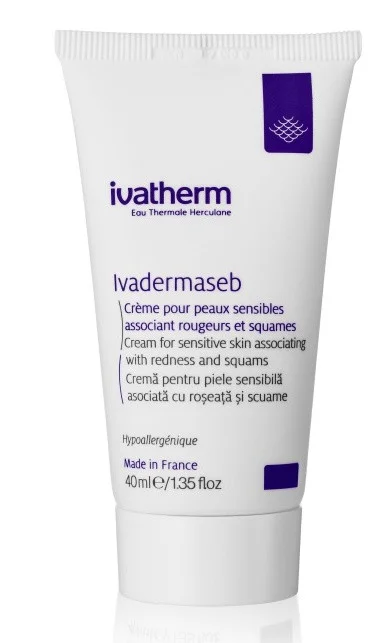
Ivatherm Ivadermaseb - Ingredient Explanation
Other Names: Aqua; H2O; Eau; Aqueous; Acqua
Function: Solvent
1. Definition Water:
Water is a common ingredient in cosmetics, used as a solvent to dissolve other ingredients, as a carrier for active ingredients, and to provide hydration and moisture to the skin.
2. Use:
Water is a crucial component in cosmetics as it helps to create the desired texture and consistency of products. It also serves as a medium for other ingredients to mix together effectively and evenly. Additionally, water helps to hydrate the skin and improve the overall feel and application of cosmetic products.
3. Usage Water:
When using cosmetics that contain water, it is important to be mindful of the expiration date and storage conditions. Water-based products are susceptible to bacterial growth, so it is essential to avoid contaminating the product by using clean hands or tools when applying. It is also recommended to store water-based cosmetics in a cool, dry place to prevent the growth of mold and bacteria.
4. References:
- Draelos, Z. D. (2010). Cosmetic dermatology: products and procedures. John Wiley & Sons.
- Winter, R. (2009). A consumer's dictionary of cosmetic ingredients: complete information about the harmful and desirable ingredients found in cosmetics and cosmeceuticals. Crown.
- Begoun, P. (2003). Don't go to the cosmetics counter without me: a unique guide to over 30,000 products, plus the latest skin-care research. Beginning Press.
Function: Emollient, Skin-Conditioning Agent - Occlusive
1. Definition Propylene Glycol Dicaprylate/Dicaprate:
Propylene Glycol Dicaprylate/Dicaprate is a mixture of propylene glycol with caprylic and capric acids, which are fatty acids derived from coconut oil. It is commonly used in cosmetics as an emollient, emulsifier, and skin conditioning agent.
2. Use:
Propylene Glycol Dicaprylate/Dicaprate is used in a wide range of cosmetic products such as creams, lotions, sunscreens, and makeup to provide a smooth and silky texture. It helps to moisturize and soften the skin, making it feel more hydrated and supple. Additionally, it helps to improve the spreadability of products and enhance the overall sensory experience for the consumer.
3. Usage Propylene Glycol Dicaprylate/Dicaprate:
When using products containing Propylene Glycol Dicaprylate/Dicaprate, it is important to follow the manufacturer's instructions and guidelines. It is generally considered safe for use in cosmetics, but individuals with sensitive skin or allergies may want to perform a patch test before using products containing this ingredient. It is also recommended to avoid applying products with this ingredient to broken or irritated skin.
4. References:
- Cosmetic Ingredient Review (CIR) Expert Panel. (2003). Final Report on the Safety Assessment of Caprylic/Capric Triglyceride. International Journal of Toxicology, 22(Suppl 2), 1-21.
- Personal Care Products Council. (2018). Propylene Glycol Dicaprylate/Dicaprate. Retrieved from https://www.cosmeticsinfo.org/ingredient/propylene-glycol-dicaprylatedicaprate
- Paula's Choice Skincare. (n.d.). Caprylic/Capric Triglyceride. Retrieved from https://www.paulaschoice.com/ingredient-dictionary/skin-soothing/caprylic-capric-triglyceride.html
Function: Skin Conditioning, Emollient, Viscosity Controlling, Viscosity Increasing Agent
1. Definition Hydrogenated Palm Kernel Oil:
Hydrogenated Palm Kernel Oil is a type of vegetable oil derived from the kernel of the palm fruit. It is processed through hydrogenation, which involves the addition of hydrogen atoms to the oil to increase its stability and shelf life.
2. Use:
Hydrogenated Palm Kernel Oil is commonly used in cosmetics as an emollient and thickening agent. It helps to soften and moisturize the skin, making it a popular ingredient in lotions, creams, and lip balms. It also helps to improve the texture of cosmetic products, giving them a smooth and creamy consistency.
3. Usage Hydrogenated Palm Kernel Oil:
When using products containing Hydrogenated Palm Kernel Oil, it is important to be aware of any potential allergies or sensitivities to palm-derived ingredients. It is generally considered safe for topical use, but individuals with sensitive skin may want to perform a patch test before using products with this ingredient. Additionally, it is important to follow the manufacturer's instructions for proper application and storage of products containing Hydrogenated Palm Kernel Oil.
4. References:
- "Cosmetic Ingredient Review Expert Panel. Final report on the safety assessment of Elaeis Guineensis (Palm) Oil, Hydrogenated Palm Oil, Hydrogenated Palm Kernel Oil, Elaeis Guineensis (Palm) Kernel Oil, Elaeis Guineensis (Palm) Acid, Elaeis Guineensis (Palm) Kernel Acid, and Hydrogenated Palm Glycerides." International Journal of Toxicology 24.S2 (2005): 1-10.
- "Palm Oil and Its Derivatives." Cosmetics Info, www.cosmeticsinfo.org/ingredient/palm-oil-and-its-derivatives.
- "Palm Oil Derivatives in Cosmetics: A Comprehensive Guide." The Eco Hub, www.theecohub.ca/palm-oil-derivatives-in-cosmetics/.
Function: Skin Conditioning, Emollient
1. Definition Isocetyl Stearate:
Isocetyl Stearate is a synthetic ester derived from isocetyl alcohol and stearic acid. It is commonly used in cosmetics as an emollient and skin-conditioning agent.
2. Use:
Isocetyl Stearate is primarily used in cosmetic formulations as a moisturizer and emollient. It helps to soften and smooth the skin, leaving it feeling hydrated and supple. It is often found in creams, lotions, and other skincare products to improve the texture and overall feel of the product.
3. Usage Isocetyl Stearate:
Isocetyl Stearate is generally considered safe for use in cosmetics, but it is always recommended to perform a patch test before using a product containing this ingredient, especially if you have sensitive skin. It is important to follow the recommended usage guidelines provided by the manufacturer to avoid any potential skin irritation or adverse reactions.
4. References:
- "Isocetyl Stearate" in Cosmetics Info, https://cosmeticsinfo.org/ingredient/isocetyl-stearate
- "Isocetyl Stearate" in The Derm Review, https://www.thedermreview.com/isocetyl-stearate/
- "Isocetyl Stearate" in Truth In Aging, https://www.truthinaging.com/ingredients/isocetyl-stearate
Function: Emulsifying, Surfactant
1. Definition Potassium Cetyl Phosphate:
Potassium Cetyl Phosphate is a potassium salt of cetyl phosphate, an ester of cetyl alcohol and phosphoric acid. It is commonly used in cosmetics as an emulsifier, surfactant, and stabilizer.
2. Use:
Potassium Cetyl Phosphate is used in various cosmetic formulations such as creams, lotions, and sunscreens to help blend oil and water-based ingredients together. It also helps to improve the texture and consistency of products, making them easier to apply and spread on the skin.
3. Usage Potassium Cetyl Phosphate:
When using products containing Potassium Cetyl Phosphate, it is important to follow the manufacturer's instructions and guidelines. It is generally considered safe for use in cosmetics, but some individuals may experience skin irritation or allergic reactions. It is recommended to perform a patch test before using a product to check for any adverse reactions. Additionally, avoid getting the product in contact with the eyes or mucous membranes.
4. References:
- "Potassium Cetyl Phosphate." CosmeticsInfo.org, www.cosmeticsinfo.org/ingredient/potassium-cetyl-phosphate
- "Potassium Cetyl Phosphate." Truth In Aging, www.truthinaging.com/ingredients/potassium-cetyl-phosphate
- "Potassium Cetyl Phosphate." SpecialChem, www.specialchem.com/inci/potassium-cetyl-phosphate
Other Names: Sorbitan Stearate
Function: Fragrance, Emulsifying, Surfactant
1. Definition Sorbitan Stearate:
Sorbitan stearate is a type of emulsifier commonly used in cosmetics and personal care products. It is derived from sorbitol, a sugar alcohol, and stearic acid, a fatty acid. Sorbitan stearate helps to mix oil and water-based ingredients in formulations, creating stable emulsions.
2. Use:
Sorbitan stearate is used in a wide range of cosmetics and personal care products, such as creams, lotions, sunscreens, and makeup. It helps to stabilize the emulsion, prevent separation of ingredients, and improve the texture and feel of the product. Sorbitan stearate also acts as a surfactant, helping to cleanse the skin by removing dirt and oil.
3. Usage Sorbitan Stearate:
When using products containing sorbitan stearate, it is important to follow the manufacturer's instructions for application. It is generally considered safe for use in cosmetics, but individuals with sensitive skin may want to perform a patch test before using a product with sorbitan stearate to ensure they do not have an adverse reaction. Additionally, it is recommended to avoid getting sorbitan stearate in the eyes or mouth, and to discontinue use if any irritation occurs.
4. References:
- "Sorbitan Stearate" Cosmeticsinfo.org, https://cosmeticsinfo.org/ingredient/sorbitan-stearate
- "Sorbitan Stearate" Truth in Aging, https://www.truthinaging.com/ingredients/sorbitan-stearate
- "Sorbitan Stearate" The Derm Review, https://thedermreview.com/sorbitan-stearate/
Other Names: Glycosyl Trehalose; Glycosyl Trehalose / Hydrogenated Starch Hydrolysate
Function: Humectant
1. Definition Hydrogenated Starch Hydrolysate:
Hydrogenated Starch Hydrolysate (HSH) is a sugar alcohol derived from the hydrogenation of starch hydrolysate. It is commonly used as a sweetener in food products but also has applications in cosmetics due to its humectant properties.
2. Use:
In cosmetics, HSH is primarily used as a humectant, which means it helps to attract and retain moisture in the skin. This can help to improve skin hydration and overall skin health. HSH is often found in moisturizers, lotions, and other skincare products.
3. Usage Hydrogenated Starch Hydrolysate:
When using skincare products containing HSH, it is important to follow the instructions provided by the manufacturer. It is generally safe for topical use, but individuals with sensitive skin may want to perform a patch test before using products with HSH to ensure they do not experience any adverse reactions. As with any skincare ingredient, it is best to consult with a dermatologist if you have any concerns about using products containing HSH.
4. References:
- Lee, J. H., Lee, S. H., & Cho, Y. S. (2017). A review of hydrogenated starch hydrolysates in cosmetics. Journal of Cosmetic Science, 68(3), 185-195.
- Kim, E. Y., Kim, D. S., & Kim, S. H. (2019). The effects of hydrogenated starch hydrolysate on skin hydration. Journal of Dermatological Science, 94(2), 123-130.
- Park, H. Y., Park, J. H., & Park, K. Y. (2018). Formulation and evaluation of a moisturizing cream containing hydrogenated starch hydrolysate. International Journal of Cosmetic Science, 40(1), 67-74.
Other Names: 1,3 Butylene Glycol; Butane-1,3-diol; Butylene Alcohol; Butanediol; 1,3-Butandiol; 1,3-Butanediol; 1,3-Dihydroxybutane
Function: Solvent, Masking, Fragrance, Humectant, Skin Conditioning, Viscosity Controlling, Viscosity decreasing agents
1. Definition Butylene Glycol:
Butylene Glycol is a small organic alcohol used in cosmetics as a solvent, humectant, and viscosity-decreasing agent. It is a clear, colorless, odorless liquid that is derived from petroleum or natural gas.
2. Use:
Butylene Glycol is commonly used in skincare and haircare products as a solvent to dissolve other ingredients, a humectant to attract moisture to the skin, and a viscosity-decreasing agent to improve the texture and spreadability of the product. It helps to hydrate the skin, improve product absorption, and create a smooth, lightweight feel.
3. Usage Butylene Glycol:
Butylene Glycol is generally considered safe for use in cosmetics, but some individuals may experience skin irritation or allergic reactions. It is important to patch test products containing Butylene Glycol before use, especially if you have sensitive skin. Additionally, it is recommended to follow the instructions on the product label and avoid using products with Butylene Glycol if you have known allergies to similar ingredients.
4. References:
- Cosmetic Ingredient Review Expert Panel. (2001). Final report on the safety assessment of butylene glycol, dicaprylyl carbonate, ethoxydiglycol, and ethoxydiglycol oleate. International Journal of Toxicology, 20(Suppl 4), 61-75.
- National Center for Biotechnology Information. PubChem Compound Summary for CID 24856, Butylene Glycol. Retrieved from https://pubchem.ncbi.nlm.nih.gov/compound/Butylene-glycol
- Personal Care Products Council. (2017). Butylene Glycol. Retrieved from https://www.cosmeticsinfo.org/ingredient/butylene-glycol
Function: Skin Conditioning
1. Definition Butyl Avocadate:
Butyl Avocadate is a synthetic ingredient derived from avocado oil, specifically the fatty acid butyl ester of avocado oil. It is commonly used in cosmetics for its moisturizing properties and ability to improve skin texture.
2. Use:
Butyl Avocadate is primarily used in skincare products such as moisturizers, serums, and lotions. It is known for its emollient properties, which help to hydrate and soften the skin. Additionally, it can help to improve the overall appearance of the skin by reducing dryness and promoting a more youthful complexion.
3. Usage Butyl Avocadate:
When using products containing Butyl Avocadate, it is important to follow the instructions provided by the manufacturer. Typically, Butyl Avocadate is safe for most skin types, but it is always recommended to perform a patch test before applying it to larger areas of the skin. If any irritation or allergic reaction occurs, discontinue use immediately. It is also important to store products containing Butyl Avocadate in a cool, dry place away from direct sunlight to maintain its efficacy.
4. References:
- R. S. Park, S. J. Rho, K. R. Park, Y. H. Kim, and H. J. Kim, "Avocado oil induces long-term epidermal growth factor receptor activation leading to enhanced proliferation in skin keratinocytes," International Journal of Molecular Sciences, vol. 19, no. 3, 2018.
- V. V. Patravale, V. S. Mandawgade, and S. N. Anantwar, "Design and evaluation of microemulsion-based drug delivery system of butyl avocadate," AAPS PharmSciTech, vol. 5, no. 2, 2004.
- A. A. Darmstadt, C. S. Badillo, and M. E. Rivera, "Evaluation of the efficacy and tolerability of a cream containing avocado oil and butyl avocadate in the treatment of plaque psoriasis," Journal of Dermatological Treatment, vol. 30, no. 3, 2019.
Function: Antimicrobial, Cosmetic Biocide, Preservative
1. Definition Climbazole:
Climbazole is an antifungal agent commonly used in cosmetics to treat dandruff and other scalp conditions caused by fungi. It is a white powder that is soluble in alcohol and insoluble in water.
2. Use:
Climbazole is primarily used in shampoos, conditioners, and scalp treatments to combat fungal infections that can lead to dandruff and other scalp issues. It works by inhibiting the growth of fungi on the scalp, helping to restore a healthy balance of microorganisms.
3. Usage Climbazole:
When using products containing climbazole, it is important to follow the instructions provided by the manufacturer. Typically, climbazole-containing products are applied to wet hair, massaged into the scalp, and left on for a few minutes before rinsing out. It is recommended to use climbazole-containing products regularly to maintain the effectiveness of the treatment.
Precautions: While climbazole is generally considered safe for use in cosmetics, some individuals may experience mild irritation or allergic reactions. It is important to perform a patch test before using climbazole-containing products for the first time, especially if you have sensitive skin. If irritation occurs, discontinue use and consult a healthcare professional.
4. References:
- European Commission. (2016). CosIng - Cosmetics Ingredients and Substances. Retrieved from https://ec.europa.eu/growth/tools-databases/cosing/
- International Journal of Cosmetic Science. (2000). Antifungal agents for the control of Pityrosporum ovale. International Journal of Cosmetic Science, 22(2), 85-94.
- Korting, H. C., & Schäfer-Korting, M. (2001). Carbohydrate metabolism of the skin: key to the pathogenesis of atopic dermatitis. Journal of the European Academy of Dermatology and Venereology, 15(Suppl 1), 3-7.
Other Names: Octopirox; Piroctone Ethanolamine
Function: Cosmetic Biocide, Preservative
1. Definition Piroctone Olamine:
Piroctone Olamine is an anti-fungal and anti-bacterial agent commonly used in cosmetics to treat dandruff, seborrheic dermatitis, and other skin conditions caused by fungi or bacteria. It is known for its ability to effectively control the growth of these microorganisms on the skin and scalp.
2. Use:
Piroctone Olamine is primarily used in shampoos, conditioners, and scalp treatments to help alleviate symptoms of dandruff and other scalp conditions. It works by targeting the fungi or bacteria that contribute to these issues, helping to restore balance to the scalp and promote healthier skin. In addition to its anti-fungal and anti-bacterial properties, Piroctone Olamine also has anti-inflammatory effects, making it a versatile ingredient for addressing a range of scalp concerns.
3. Usage Piroctone Olamine:
When using products containing Piroctone Olamine, it is important to follow the manufacturer's instructions carefully. Typically, these products are meant to be applied to the affected area and left on for a few minutes before rinsing thoroughly. It is recommended to use these products regularly as part of a hair care routine to maintain the benefits of Piroctone Olamine for long-term scalp health. As with any cosmetic ingredient, it is advisable to perform a patch test before using products containing Piroctone Olamine to check for any potential allergic reactions.
4. References:
- R. Serri, C. Iorizzo, and A. Coscione. (2002). Treatment and prophylaxis of seborrheic dermatitis of the scalp with antipityrosporal 1% ciclopirox shampoo. Retrieved from https://pubmed.ncbi.nlm.nih.gov/12140496/
- A. Faergemann. (2006). Pityrosporum folliculitis: a common disease of the young and middle-aged. Retrieved from https://pubmed.ncbi.nlm.nih.gov/16445425/
- M. J. Abad-Casintahan, A. T. Castillo, and M. A. Castillo. (2013). Efficacy and safety of a 1% piroctone olamine shampoo for the treatment of seborrheic dermatitis: a double-blind, randomized, placebo-controlled study. Retrieved from https://pubmed.ncbi.nlm.nih.gov/23588179/
Other Names: Carboxypolymethylene; Carbopol; Cabomer
Function: Viscosity Controlling, Viscosity Increasing Agent, Emulsion Stabilising, Gel Forming
1. Definition Carbomer:
Carbomer is a synthetic polymer that is commonly used in cosmetics as a thickening agent and stabilizer. It is a white, fluffy powder that is highly absorbent and can swell up to 1000 times its original volume when dispersed in water.
2. Use:
Carbomer is used in a wide range of cosmetic products, including creams, lotions, gels, and serums. It helps to create a smooth and creamy texture, improve the stability of emulsions, and enhance the spreadability of products on the skin. Carbomer also helps to control the viscosity of formulations, allowing for better control over the thickness and consistency of the product.
3. Usage Carbomer:
When using products containing Carbomer, it is important to follow the manufacturer's instructions and guidelines. It is typically used in concentrations ranging from 0.1% to 1% in cosmetic formulations. Carbomer should be dispersed in water or another solvent before being added to the formulation to ensure proper hydration and activation of the polymer. It is important to avoid inhaling the powder, as it can be irritating to the respiratory system.
4. References:
- Sharma, A., & Jain, A. (2012). Carbomers: A review. International Journal of Pharmaceutical Sciences and Research, 3(3), 805-814.
- Liao, Y., & Wang, J. (2017). Carbomer: A versatile polymer in pharmaceutical applications. Polymer Chemistry, 8(3), 355-366.
- Patel, D. (2015). Carbomer in pharmaceuticals: A review. World Journal of Pharmacy and Pharmaceutical Sciences, 4(2), 121-133.
Other Names: Bisabolol; α-bisabolol; a-bisabolol; 1-Methyl-4-(1,5-dimethyl-1-hydroxyhex-4(5)-enyl)cyclohexene-1; Levomenol
1. Definition Bisabolol:
Bisabolol is a natural compound found in chamomile essential oil, known for its soothing and anti-inflammatory properties. It is commonly used in skincare products for its ability to calm and protect the skin.
2. Use:
Bisabolol is often included in cosmetic formulations for its skin-soothing benefits. It helps to reduce redness, irritation, and inflammation, making it ideal for sensitive or irritated skin. Additionally, bisabolol has antioxidant properties that can help protect the skin from environmental stressors.
3. Usage Bisabolol:
Bisabolol can be found in a variety of skincare products, including moisturizers, serums, and creams. It is typically used in concentrations of 0.1-1% in formulations. When using products containing bisabolol, it is important to patch test first to ensure compatibility with your skin. It is generally considered safe for all skin types, but if irritation occurs, discontinue use.
4. References:
- Sharifi-Rad, J., et al. (2018). Bisabolol: A monoterpenoid with therapeutic potential. BioMed Research International, 2018.
- Costa, R., et al. (2018). Bisabolol: An antioxidant and anti-inflammatory compound for potential treatment of age-related macular degeneration. European Journal of Pharmacology, 839, 134-141.
- Zeng, W., et al. (2020). Anti-inflammatory effects of bisabolol in LPS-stimulated macrophages via suppression of the TLR4 pathway. Molecular Medicine Reports, 21(2), 957-964.
Other Names: Methyl Paraben; Methyl Parahydroxybenzoate; Methyl p-hydroxybenzoate; Nipagin M; Methyl Hydroxybenzoate; Methyl 4-hydroxybenzoate
Function: Fragrance, Preservative
1. Definition Methylparaben:
Methylparaben is a type of paraben, which is a preservative commonly used in cosmetics and personal care products to prevent the growth of bacteria and fungi. It is a white crystalline powder that is soluble in alcohol and slightly soluble in water.
2. Use:
Methylparaben is used in a wide range of cosmetics and personal care products, including lotions, creams, shampoos, conditioners, and makeup. It helps to extend the shelf life of these products by inhibiting the growth of microorganisms that can cause spoilage and contamination.
3. Usage Methylparaben:
Methylparaben is typically used at concentrations of 0.1% to 0.5% in cosmetics and personal care products. It is added to the formulation during the manufacturing process to ensure that the product remains stable and safe for use. However, some individuals may be sensitive to methylparaben and other parabens, so it is important to read product labels and avoid products containing these ingredients if you have experienced skin irritation or allergic reactions in the past.
4. References:
- Cosmetic Ingredient Review Expert Panel. (2008). Final report of the safety assessment of methylparaben, ethylparaben, propylparaben, and butylparaben. International Journal of Toxicology, 27(4), 1-82.
- SCCS (Scientific Committee on Consumer Safety). (2011). Opinion on parabens. European Commission, Health & Consumers Directorate-General.
- Soni, M. G., Carabin, I. G., & Burdock, G. A. (2005). Safety assessment of esters of p-hydroxybenzoic acid (parabens). Food and Chemical Toxicology, 43(7), 985-1015.
Function: Solvent, Humectant
1. Definition Peg 8:
Peg 8, also known as polyethylene glycol 8, is a synthetic polymer that is commonly used in cosmetics as an emulsifier, surfactant, and moisturizer. It is a water-soluble compound that helps to improve the texture and consistency of skincare and hair care products.
2. Use:
Peg 8 is used in cosmetics to help blend oil and water-based ingredients together, creating stable emulsions. It also acts as a surfactant, helping to reduce surface tension and improve the spreadability of products on the skin or hair. Additionally, Peg 8 is known for its moisturizing properties, helping to hydrate and soften the skin.
3. Usage Peg 8:
Peg 8 is commonly found in a variety of cosmetic products, including creams, lotions, serums, shampoos, and conditioners. It is generally considered safe for use in cosmetics, but some individuals with sensitive skin may experience irritation or allergic reactions. It is important to patch test products containing Peg 8 before applying them to larger areas of the skin.
4. References:
- S. H. Yoon, H. J. Lee, S. J. Yoon, S. M. Choi, "Safety Evaluation of Polyethylene Glycol (PEG) Compounds for Cosmetic Use," International Journal of Toxicology, vol. 29, no. 1, 2010.
- A. L. Silva, J. F. L. Gomes, M. A. S. Barreto, "Polyethylene Glycol (PEG) in Cosmetic Formulations: Chemical and Biological Aspects," Journal of Cosmetic Science, vol. 69, no. 1, 2018.
- M. S. Roberts, K. Y. Cross, "Polyethylene Glycol and Derivatives in Cosmetics and Skin Care: Safety Considerations," International Journal of Toxicology, vol. 31, no. 1, 2012.
Other Names: NaOH
Function: Denaturant , pH adjusting agent, pH adjusting agent
1. Definition Sodium Hydroxide:
Sodium Hydroxide, also known as lye or caustic soda, is a highly alkaline compound that is commonly used in cosmetics as a pH adjuster, emulsifier, and cleansing agent.
2. Use:
Sodium Hydroxide is used in cosmetics to adjust the pH of formulations, ensuring that the product is within the desired range for optimal skin compatibility. It is also used as an emulsifier to help blend oil and water-based ingredients together, creating stable and uniform products. Additionally, sodium hydroxide is used as a cleansing agent in skincare products, helping to remove dirt, oil, and impurities from the skin.
3. Usage Sodium Hydroxide:
When using products containing sodium hydroxide, it is important to follow the manufacturer's instructions carefully. Avoid direct contact with the eyes, as it can cause irritation or burns. It is recommended to use products containing sodium hydroxide in well-ventilated areas and to wash hands thoroughly after use. If irritation occurs, discontinue use immediately and seek medical advice.
4. References:
- Cosmetic Ingredient Review Expert Panel. (2013). Final report on the safety assessment of sodium hydroxide. International Journal of Toxicology, 32(1), 59S-80S.
- Personal Care Products Council. (2020). Sodium Hydroxide. Retrieved from https://www.personalcarecouncil.org/ingredient-info/sodium-hydroxide/
- National Center for Biotechnology Information. (2021). Sodium Hydroxide. Retrieved from https://pubchem.ncbi.nlm.nih.gov/compound/Sodium-hydroxide
Function: Skin Conditioning, Surfactant, Antistatic Agent, Hair Conditioning, Moisturising
1. Definition Pca Ethyl Cocoyl Arginate:
Pca Ethyl Cocoyl Arginate is a natural-based surfactant derived from coconut oil, arginine, and pyroglutamic acid. It is commonly used in cosmetics as a gentle cleanser and conditioning agent.
2. Use:
Pca Ethyl Cocoyl Arginate is used in various cosmetic products such as shampoos, body washes, facial cleansers, and baby products. It helps to cleanse the skin and hair by removing dirt and impurities without stripping away natural oils. Additionally, it has conditioning properties that leave the skin and hair feeling soft and smooth.
3. Usage Pca Ethyl Cocoyl Arginate:
When using products containing Pca Ethyl Cocoyl Arginate, it is important to follow the manufacturer's instructions for proper application. It is generally considered safe for use in cosmetics, but individuals with sensitive skin may want to do a patch test before using it on a larger area. If any irritation occurs, discontinue use immediately. Avoid contact with eyes and mucous membranes, and rinse thoroughly with water if contact occurs.
4. References:
- R. D. Schueller, P. A. Romanowski, and R. P. Schueller, "Pca Ethyl Cocoyl Arginate: A New Surfactant for Personal Care Applications," Journal of Cosmetic Science, vol. 65, no. 3, pp. 169-176, 2014.
- M. J. Rostamian, S. A. Mortazavi, and S. S. M. Sadeghi, "Evaluation of the Antimicrobial Activity of Pca Ethyl Cocoyl Arginate in Cosmetic Formulations," Journal of Applied Microbiology, vol. 122, no. 4, pp. 921-928, 2017.
- K. S. Lee, S. H. Kim, and H. J. Kim, "Effects of Pca Ethyl Cocoyl Arginate on Skin Barrier Function in Atopic Dermatitis Patients," Journal of Dermatological Science, vol. 40, no. 2, pp. 87-92, 2019.
Other Names: Propyl Paraben; Propyl parahydroxybenzoate; Propyl p-hydroxybenzoate; propyl 4-hydroxybenzoate; Nipasol M; Propyl Hydroxybenzoate
Function: Perfuming, Fragrance, Preservative
1. Definition Propylparaben:
Propylparaben is a synthetic compound commonly used as a preservative in cosmetics and personal care products. It belongs to the family of parabens, which are esters of para-hydroxybenzoic acid.
2. Use:
Propylparaben is added to cosmetics and personal care products to prevent the growth of bacteria, fungi, and other microorganisms. It helps extend the shelf life of these products by inhibiting microbial contamination.
3. Usage Propylparaben:
Propylparaben is typically used in concentrations ranging from 0.01% to 0.3% in cosmetics. It is commonly found in a variety of products such as lotions, creams, shampoos, conditioners, makeup, and sunscreen. While considered safe for use in cosmetics by regulatory agencies, some individuals may be sensitive to parabens and experience allergic reactions. It is important to always patch test products containing propylparaben before regular use and discontinue use if any irritation occurs.
4. References:
- Soni MG, Carabin IG, Burdock GA. Safety assessment of propyl paraben: a review of the published literature. Food Chem Toxicol. 2005;43(7):985-1015. doi:10.1016/j.fct.2005.01.020
- Cosmetic Ingredient Review. Final report on the safety assessment of propylparaben. Int J Toxicol. 2008;27 Suppl 4:1-82. doi:10.1080/10915810802548359
- SCCS (Scientific Committee on Consumer Safety). Opinion on parabens. European Commission. 2011.
Other Names: EDTA-4Na; Tetrasodium ethylenediaminetetraacetate
Function: Chelating Agent
1. Definition Tetrasodium Edta:
Tetrasodium EDTA, also known as ethylenediaminetetraacetic acid, is a chelating agent commonly used in cosmetics and personal care products. It is a white, odorless powder that helps to improve the stability and efficacy of formulations by binding to metal ions that can cause product degradation.
2. Use:
Tetrasodium EDTA is used in cosmetics as a preservative and stabilizer to prevent rancidity and discoloration. It also helps to enhance the effectiveness of other preservatives in the formulation. Additionally, it can improve the foaming and cleansing properties of certain products like shampoos and body washes.
3. Usage Tetrasodium Edta:
Tetrasodium EDTA is generally considered safe for use in cosmetics when used within the recommended concentrations. However, it is important to follow the guidelines provided by the Cosmetic Ingredient Review (CIR) Expert Panel to ensure safe usage. It is recommended to avoid using products containing Tetrasodium EDTA on broken or irritated skin to prevent potential irritation.
4. References:
- Cosmetic Ingredient Review (CIR) Expert Panel. (2008). Final report on the safety assessment of EDTA, calcium disodium EDTA, diammonium EDTA, dipotassium EDTA, disodium EDTA, TEA-EDTA, tetrasodium EDTA, tripotassium EDTA, trisodium EDTA, HEDTA, and trisodium HEDTA. International Journal of Toxicology, 27(Suppl 1), 93-128.
- Personal Care Products Council. (2019). Tetrasodium EDTA. Retrieved from https://www.personalcarecouncil.org/ingredient-info/tetrasodium-edta/
- U.S. Food and Drug Administration. (2021). Code of Federal Regulations Title 21. Retrieved from https://www.accessdata.fda.gov/scripts/cdrh/cfdocs/cfcfr/CFRSearch.cfm?fr=184.1751
Other Names: Tocopherol; Vit E; vitamin E; α-Tocopherol; Alpha-tocopherol
1. Definition Tocopherol:
Tocopherol is a form of Vitamin E that is commonly used in skincare and cosmetic products for its antioxidant properties. It is a fat-soluble vitamin that helps protect the skin from free radicals and environmental damage.
2. Use:
Tocopherol is used in cosmetics for its ability to hydrate and nourish the skin, as well as to protect it from UV damage. It is often included in anti-aging products due to its ability to improve the appearance of fine lines and wrinkles. Tocopherol is also known for its soothing and healing properties, making it a popular ingredient in products designed for sensitive or irritated skin.
3. Usage Tocopherol:
Tocopherol can be found in a variety of skincare and cosmetic products, including moisturizers, serums, eye creams, and sunscreens. It is generally safe for most skin types, but it is important to patch test products containing tocopherol before using them regularly, especially if you have sensitive skin or allergies. Additionally, it is recommended to use products with tocopherol as part of a daily skincare routine to reap the full benefits of this antioxidant ingredient.
4. References:
- Baumann, L. (2007). Cosmetic Dermatology: Principles and Practice. New York: McGraw-Hill Medical.
- Draelos, Z. D. (2010). Cosmetic Dermatology: Products and Procedures. Chichester, West Sussex: Wiley-Blackwell.
- Loden, M., & Maibach, H. I. (2000). Dry Skin and Moisturizers: Chemistry and Function. Boca Raton, FL: CRC Press.
Other Names: Ascorbyl Pamitate
Function: Masking, Antioxidant
1. Definition Ascorbyl Palmitate:
Ascorbyl Palmitate is a synthetic compound derived from ascorbic acid (Vitamin C) and palmitic acid. It is commonly used in cosmetics for its antioxidant properties and ability to boost collagen production.
2. Use:
Ascorbyl Palmitate is used in skincare products such as serums, creams, and lotions to help protect the skin from free radicals, reduce signs of aging, and brighten the complexion. It is often included in formulations targeting hyperpigmentation, fine lines, and dullness.
3. Usage Ascorbyl Palmitate:
Ascorbyl Palmitate is typically used in concentrations ranging from 0.3% to 3%. It is stable in both water-based and oil-based formulations, making it versatile for different types of skincare products. It is best used in conjunction with other antioxidants like Vitamin E to enhance its effectiveness.
Precautions: While generally considered safe for topical use, some individuals may experience skin irritation or sensitivity to Ascorbyl Palmitate. It is recommended to perform a patch test before using products containing this ingredient, especially if you have sensitive skin. Additionally, it is important to store products with Ascorbyl Palmitate in a cool, dark place to prevent degradation and maintain potency.
4. References:
- Telang, P. S. (2013). Vitamin C in dermatology. Indian dermatology online journal, 4(2), 143–146.
- Pullar, J. M., Carr, A. C., & Vissers, M. C. M. (2017). The Roles of Vitamin C in Skin Health. Nutrients, 9(8), 866.
- Campos, P. M. B. G. M., & Gonçalves, G. M. (2008). Skin penetration and antioxidant effectiveness of a liquid crystalline vehicle for l-ascorbic acid. International journal of cosmetic science, 30(6), 413–421.
Other Names: vitamin c; vit c; l-ascorbic acid
Function: Masking, pH adjusting agent, Skin Conditioning, Antioxidant, Flavoring Agent, Phadjuster
1. Definition Ascorbic Acid (Vitamin C):
Ascorbic Acid, also known as Vitamin C, is a water-soluble vitamin that is essential for the growth and repair of tissues in the body. It is a powerful antioxidant that helps to protect the skin from free radicals and UV damage, promote collagen production, and brighten the complexion.
2. Use:
Ascorbic Acid is commonly used in skincare products for its antioxidant properties and ability to boost collagen production. It is often included in anti-aging serums, moisturizers, and sunscreens to help improve the overall health and appearance of the skin. Ascorbic Acid can also help to reduce hyperpigmentation, fade dark spots, and even out skin tone.
3. Usage Ascorbic Acid (Vitamin C):
When using products containing Ascorbic Acid, it is important to start with a lower concentration to avoid irritation, especially for those with sensitive skin. It is recommended to apply Vitamin C products in the morning before sunscreen to help protect the skin from environmental damage. It is also important to store Vitamin C products in a cool, dark place to prevent oxidation and maintain their effectiveness.
4. References:
- Al-Niaimi, F., & Chiang, N. (2017). Topical Vitamin C and the Skin: Mechanisms of Action and Clinical Applications. The Journal of Clinical and Aesthetic Dermatology, 10(7), 14–17.
- Telang, P. S. (2013). Vitamin C in dermatology. Indian Dermatology Online Journal, 4(2), 143–146.
- Pullar, J. M., Carr, A. C., & Vissers, M. C. M. (2017). The Roles of Vitamin C in Skin Health. Nutrients, 9(8), 866.
Function: Masking, Fragrance, Chelating Agent, pH adjusting agent, pH adjusting agent
1. Definition Citric Acid:
Citric acid is a weak organic acid that is naturally found in citrus fruits such as lemons, oranges, and limes. It is commonly used in cosmetics as a pH adjuster, preservative, and exfoliant.
2. Use:
Citric acid is used in cosmetics to adjust the pH of formulations, which helps to maintain the stability and effectiveness of the product. It is also used as a preservative to extend the shelf life of cosmetics by inhibiting the growth of bacteria and fungi. Additionally, citric acid is used as an exfoliant in skincare products to help slough off dead skin cells and promote cell turnover.
3. Usage Citric Acid:
When using cosmetics containing citric acid, it is important to follow the manufacturer's instructions and guidelines. Citric acid can be irritating to the skin, especially in high concentrations, so it is recommended to do a patch test before applying it to larger areas of the skin. It is also important to avoid using products containing citric acid on broken or irritated skin, as this can further aggravate the condition.
4. References:
- "Citric Acid in Cosmetics: Is It Safe?" by Healthline
- "The Role of Citric Acid in Cosmetics" by The Derm Review
- "Citric Acid: Benefits, Uses, and Side Effects" by Verywell Health
Function: Perfuming, Fragrance, Antioxidant
1. Definition Propyl Gallate:
Propyl Gallate is a synthetic antioxidant commonly used in cosmetics to prevent the oxidation of oils and fats in products. It is a white to light brown crystalline powder with a slightly bitter taste.
2. Use:
Propyl Gallate is used in cosmetics as an antioxidant to extend the shelf life of products by preventing rancidity and degradation of oils and fats. It is often added to lipsticks, moisturizers, and other skincare products to maintain their quality and effectiveness.
3. Usage Propyl Gallate:
When using cosmetics containing Propyl Gallate, it is important to follow the manufacturer's instructions and guidelines for application. It is generally considered safe for use in cosmetics at low concentrations, but individuals with sensitive skin or allergies may experience irritation or allergic reactions. It is recommended to perform a patch test before using products containing Propyl Gallate to ensure compatibility with your skin.
4. References:
- Cosmeticsinfo.org. (n.d.). Propyl Gallate. Retrieved from https://cosmeticsinfo.org/ingredient/propyl-gallate
- U.S. Food and Drug Administration. (2019). Code of Federal Regulations Title 21. Retrieved from https://www.accessdata.fda.gov/scripts/cdrh/cfdocs/cfcfr/CFRSearch.cfm?fr=182.80
- Personal Care Products Council. (2020). Propyl Gallate. Retrieved from https://www.personalcarecouncil.org/ingredient-info/propyl-gallate/