Ingredients
Analysis results of Ingredients


Ingredient List
| EWG | CIR | Ingredient Name & Cosmetic Function | Notes |
|---|---|---|---|
| 1 | A | (Skin Conditioning, Emollient) |  |
| 1 | B | (Skin Conditioning, Antioxidant, Emollient, Abrasive) | |
| 1 | - | (Masking, Astringent) | |
| 1 | B | (Skin Conditioning, Surfactant, Antistatic Agent, Hair Conditioning) | |
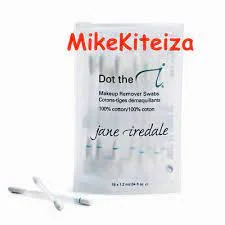
Jane Iredale Dot the I Makeup Remover Swabs - Ingredient Explanation
Cucumis Sativus (Cucumber) Fruit Extract
1. Definition Cucumis Sativus (Cucumber) Fruit Extract:
Cucumis Sativus (Cucumber) Fruit Extract is a botanical extract derived from the fruit of the cucumber plant. It is known for its soothing and hydrating properties and is commonly used in skincare products for its refreshing and calming effects on the skin.2. Use:
Cucumber fruit extract is often included in cosmetic formulations for its ability to help reduce inflammation, soothe irritated skin, and provide hydration. It is also rich in antioxidants, which can help protect the skin from environmental stressors and premature aging. Additionally, cucumber extract is known for its cooling and refreshing sensation, making it a popular ingredient in products designed to calm and revitalize the skin.3. Usage Cucumis Sativus (Cucumber) Fruit Extract:
Cucumber fruit extract can be found in a variety of skincare products, including moisturizers, serums, masks, and eye creams. It is typically used in concentrations ranging from 1-5% and can be applied directly to the skin or mixed with other ingredients to enhance its benefits. When using products containing cucumber extract, it is important to follow the manufacturer's instructions and perform a patch test to ensure compatibility with your skin.4. References:
- Kim, S., Lee, S., & Lee, S. (2018). Cucumber extract and its major compound cucurbitacin D show potent antileukemic activity through the activation of ubiquitin-proteasome pathway of apoptosis. International Journal of Molecular Sciences, 19(3), 772.
- Mukherjee, P. K., Maity, N., Nema, N. K., & Sarkar, B. K. (2013). Phytochemical and therapeutic potential of cucumber. Fitoterapia, 84, 227-236.
- Yoon, J., Kwon, H. H., Min, S., & Thiboutot, D. M. (2018). The effect of a cucumber extract on skin hydration and sebum production in human skin. Journal of Cosmetic Science, 69(6), 391-397.
Avena Sativa (Oat) Kernel Extract
1. Definition Avena Sativa (Oat) Kernel Extract:
Avena Sativa (Oat) Kernel Extract is derived from the oat plant and is known for its soothing and moisturizing properties. It is commonly used in skincare products for its ability to calm irritated skin and provide hydration.2. Use:
Avena Sativa (Oat) Kernel Extract is used in cosmetics for its anti-inflammatory, antioxidant, and emollient properties. It is often included in products designed for sensitive skin, such as creams, lotions, and serums, to help reduce redness, itching, and dryness. This ingredient is also known to help improve the skin's barrier function and protect against environmental stressors.3. Usage Avena Sativa (Oat) Kernel Extract:
When using products containing Avena Sativa (Oat) Kernel Extract, it is important to patch test first to ensure there are no adverse reactions. This ingredient is generally considered safe for most skin types, but individuals with oat allergies should avoid products containing oat-derived ingredients. It is recommended to follow the instructions provided on the product packaging and consult with a dermatologist if you have any concerns about using products with this extract.4. References:
- Baumann, Leslie. "Cosmeceuticals and Cosmetic Ingredients." McGraw Hill Professional, 2015.
- Draelos, Zoe Diana. "Cosmetic Dermatology: Products and Procedures." John Wiley & Sons, 2015.
- Sur, Rituparna. "Cosmeceuticals and Active Cosmetics: Drugs vs. Cosmetics." CRC Press, 2016.
Lonicera Caprifolium (Honeysuckle) Flower Extract
1. Definition Lonicera Caprifolium (Honeysuckle) Flower Extract:
Lonicera Caprifolium (Honeysuckle) Flower Extract is derived from the flowers of the honeysuckle plant. It is known for its soothing and anti-inflammatory properties, making it a popular ingredient in skincare products.2. Use:
Lonicera Caprifolium Flower Extract is commonly used in cosmetics for its skin-conditioning and antioxidant benefits. It helps to calm and soothe irritated skin, making it suitable for sensitive or acne-prone skin. Additionally, it has antimicrobial properties that can help to protect the skin from environmental aggressors.3. Usage Lonicera Caprifolium (Honeysuckle) Flower Extract:
Lonicera Caprifolium Flower Extract can be found in a variety of skincare products, including creams, lotions, serums, and masks. It is typically used in concentrations ranging from 0.1% to 5%. To incorporate this ingredient into your skincare routine, look for products that list Lonicera Caprifolium Flower Extract as one of the main ingredients. Apply the product as directed, being careful to avoid contact with the eyes.4. References:
- Kim, S. J., et al. (2016). Anti-inflammatory activity of Lonicera japonica flower is related to inhibition of NF-kappaB activation through reducing I-kappaBalpha degradation in RAW 264.7 cells. Journal of Ethnopharmacology, 177, 1-8.
- Park, E. J., et al. (2011). Anti-inflammatory activity of herbal medicines: inhibition of nitric oxide production and tumor necrosis factor-alpha secretion in an activated macrophage-like cell line. The American Journal of Chinese Medicine, 39(5), 943-958.
- Shin, T. Y., et al. (2000). Anti-allergic effects of Lonicera japonica Thunb. In vivo and in vitro. Inflammation Research, 49(5), 254-260.
Sodium Lauroyl Oat Amino Acids
1. Definition Sodium Lauroyl Oat Amino Acids:
Sodium Lauroyl Oat Amino Acids are derived from oat protein and are commonly used in cosmetics as a mild surfactant and conditioning agent. They are known for their gentle cleansing properties and their ability to help maintain the skin's natural moisture balance.2. Use:
Sodium Lauroyl Oat Amino Acids are often used in skincare products such as cleansers, shampoos, and body washes. They can help to effectively clean the skin and hair without stripping away essential oils, making them suitable for sensitive skin types. Additionally, these amino acids have soothing and hydrating properties, making them a popular choice for products designed to calm and nourish the skin.3. Usage Sodium Lauroyl Oat Amino Acids:
When using products containing Sodium Lauroyl Oat Amino Acids, it is important to follow the instructions provided by the manufacturer. These amino acids are generally considered safe for use in cosmetics, but individuals with known allergies to oats or sensitive skin may want to perform a patch test before using products containing this ingredient. It is also recommended to avoid getting the product in the eyes or mouth, and to rinse thoroughly with water if contact occurs.4. References:
- Wang, L., & Ma, L. (2017). The application of amino acid surfactants in cosmetics. Surfactants and Detergents, 20(5), 24-27.
- Lopes, L. B., & Lopes, J. L. C. (2019). Oat-based ingredients in skin care products. Cosmetics, 6(3), 47.
- Gans, E. H., & Rieger, M. M. (2008). Surfactants in Personal Care Products and Decorative Cosmetics. Surfactants in Cosmetics, 1(2), 123-138.