


Analysis locked
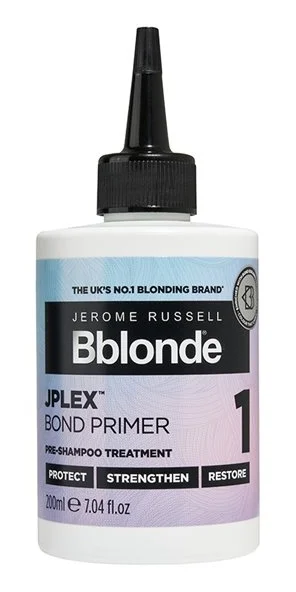
How well does your skin match with Jerome Russell Bblonde Jplex 1 Bond Primer?
Login to see detailsOr continue via
Quick 1-minute survey • Completely free
Ingredients
Analysis results of Ingredients


Ingredient List
| EWG | CIR | Ingredient Name & Cosmetic Function | Notes |
|---|---|---|---|
| 1 | - | (Solvent) | |
| 1 | - | (Skin Conditioning, Hair Conditioning) | |
| 1 2 | A | (Skin Conditioning, Humectant, Antistatic Agent, Hair Conditioning, Film Forming, Nail Agents) | |
| 1 | A | (Chelating Agent, Viscosity Controlling) | |
Jerome Russell Bblonde Jplex 1 Bond Primer - Ingredient Explanation
Aqua (Water)
1. Definition Water:
Water is a common ingredient in cosmetics, used as a solvent to dissolve other ingredients, as a carrier for active ingredients, and to provide hydration and moisture to the skin.2. Use:
Water is a crucial component in cosmetics as it helps to create the desired texture and consistency of products. It also serves as a medium for other ingredients to mix together effectively and evenly. Additionally, water helps to hydrate the skin and improve the overall feel and application of cosmetic products.3. Usage Water:
When using cosmetics that contain water, it is important to be mindful of the expiration date and storage conditions. Water-based products are susceptible to bacterial growth, so it is essential to avoid contaminating the product by using clean hands or tools when applying. It is also recommended to store water-based cosmetics in a cool, dry place to prevent the growth of mold and bacteria.4. References:
- Draelos, Z. D. (2010). Cosmetic dermatology: products and procedures. John Wiley & Sons.
- Winter, R. (2009). A consumer's dictionary of cosmetic ingredients: complete information about the harmful and desirable ingredients found in cosmetics and cosmeceuticals. Crown.
- Begoun, P. (2003). Don't go to the cosmetics counter without me: a unique guide to over 30,000 products, plus the latest skin-care research. Beginning Press.
Hydrolyzed Vegetable Protein Pg Propyl Silanetriol
1. Definition Hydrolyzed Vegetable Protein Pg Propyl Silanetriol:
Hydrolyzed Vegetable Protein Pg Propyl Silanetriol is a hair conditioning agent derived from vegetable proteins that has been hydrolyzed for better absorption by the hair. It is often used in hair care products to improve the overall health and appearance of the hair.2. Use:
Hydrolyzed Vegetable Protein Pg Propyl Silanetriol is commonly used in hair conditioners, shampoos, and other hair care products to help strengthen and nourish the hair. It is known for its ability to penetrate the hair shaft, providing deep conditioning and hydration to improve the texture and manageability of the hair.3. Usage Hydrolyzed Vegetable Protein Pg Propyl Silanetriol:
When using products containing Hydrolyzed Vegetable Protein Pg Propyl Silanetriol, it is important to follow the instructions provided on the product packaging. Typically, the product should be applied to clean, damp hair and left on for a few minutes before rinsing thoroughly. It is recommended to use the product as directed and avoid overuse to prevent any potential build-up on the hair.4. References:
- "Hydrolyzed Vegetable Protein Pg Propyl Silanetriol." Cosmeticsinfo.org. https://cosmeticsinfo.org/ingredient/hydrolyzed-vegetable-protein-pg-propyl-silanetriol
- "Hydrolyzed Vegetable Protein Pg Propyl Silanetriol in Hair Care." Personal Care Magazine. https://www.personalcaremagazine.com/story/24625/hydrolyzed-vegetable-protein-pg-propyl-silanetriol-in-hair-care
- "The Benefits of Hydrolyzed Vegetable Protein Pg Propyl Silanetriol for Hair." Hair Care Science. https://www.haircarescience.com/hydrolyzed-vegetable-protein-pg-propyl-silanetriol-for-hair/
Hydrolyzed Keratin
1. Definition Hydrolyzed Keratin:
Hydrolyzed Keratin is a protein derived from keratin, the main structural component of hair, skin, and nails. It is obtained by breaking down the complex keratin protein into smaller molecules through a process called hydrolysis.2. Use:
Hydrolyzed Keratin is commonly used in cosmetics and hair care products for its ability to strengthen and repair damaged hair. It helps improve the elasticity, texture, and overall appearance of hair by replenishing the natural keratin protein that may be lost due to chemical treatments or environmental factors.3. Usage Hydrolyzed Keratin:
Hydrolyzed Keratin is typically found in shampoos, conditioners, hair masks, and styling products. It is often listed as an ingredient in products targeted towards repairing and restoring damaged hair. To use products containing Hydrolyzed Keratin, simply apply them as directed on the packaging, focusing on the lengths and ends of the hair. Allow the product to sit for a few minutes before rinsing thoroughly.4. References:
- Lanzel, E. A., & King, N. (2013). Hydrolyzed keratin. In Skin Aging Handbook (pp. 113-123). William Andrew.
- Sivan, A., & Zohar, Y. (2017). Keratin hydrolysate in hair care products. Journal of Cosmetic Science, 68(1), 63-71.
- Gavazzoni Dias, M. F. R. (2015). Hair cosmetics: an overview. International Journal of Trichology, 7(1), 2-15.
Disodium Edta
1. Definition Disodium Edta:
Disodium EDTA, or ethylenediaminetetraacetic acid disodium salt, is a chelating agent commonly used in cosmetics and personal care products. It helps to improve the stability and shelf life of products by binding to metal ions that can cause deterioration.2. Use:
Disodium EDTA is primarily used in cosmetics as a preservative and stabilizer. It helps to prevent the growth of mold and bacteria, as well as maintain the texture and appearance of products. Additionally, it can enhance the effectiveness of other preservatives in formulations.3. Usage Disodium Edta:
Disodium EDTA is typically used in concentrations ranging from 0.1% to 0.5% in cosmetics. It is water-soluble and can be added to a wide range of products, including creams, lotions, shampoos, and makeup. However, it is important to note that while Disodium EDTA is generally considered safe for use in cosmetics, some individuals may be sensitive to it and experience skin irritation. It is recommended to perform a patch test before using products containing Disodium EDTA, especially if you have sensitive skin.4. References:
- Cosmetic Ingredient Review (CIR) Expert Panel. (2002). Final report on the safety assessment of EDTA, calcium disodium EDTA, diammonium EDTA, dipotassium EDTA, disodium EDTA, TEA-EDTA, tetrasodium EDTA, tripotassium EDTA, trisodium EDTA, HEDTA, and trisodium HEDTA. International Journal of Toxicology, 21(Suppl 2), 95-142.
- Personal Care Products Council. (2019). EDTA. Retrieved from https://www.personalcarecouncil.org/ingredient-info/edta/
- U.S. Food and Drug Administration (FDA). (2019). Code of Federal Regulations Title 21. Retrieved from https://www.accessdata.fda.gov/scripts/cdrh/cfdocs/cfcfr/CFRSearch.cfm?fr=184.1133
Review

Didn't find
the information you need?




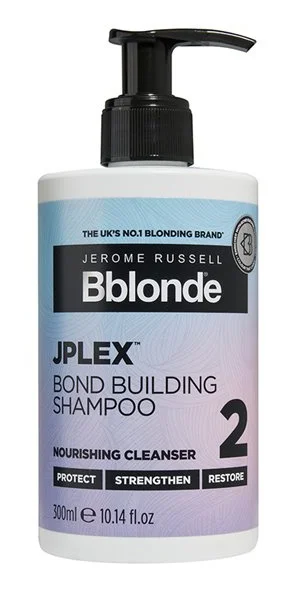
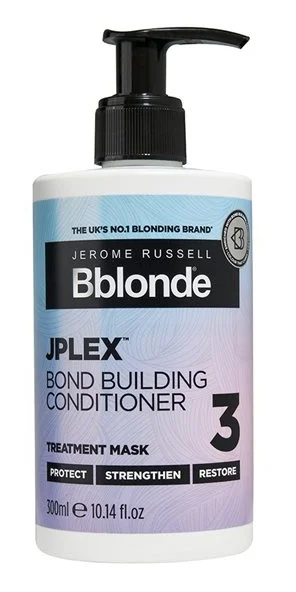
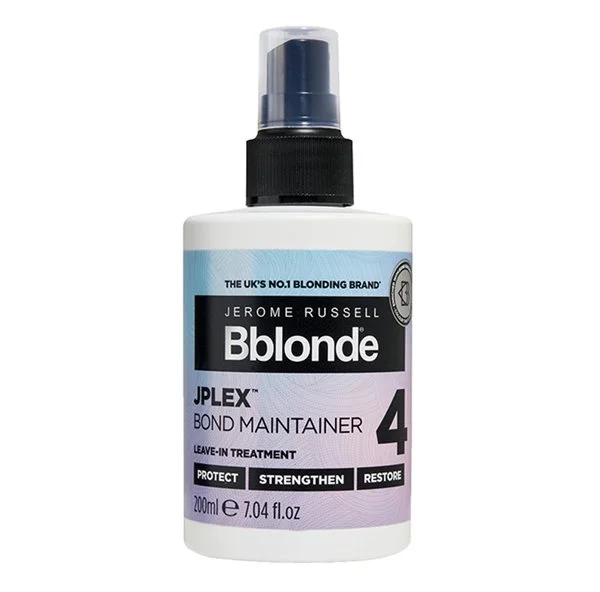
Create a free account to get started
Unlock science-based ingredient analysis personalized for your skin.
Already have an account? Log in
We protect your privacy. We never send spam.