


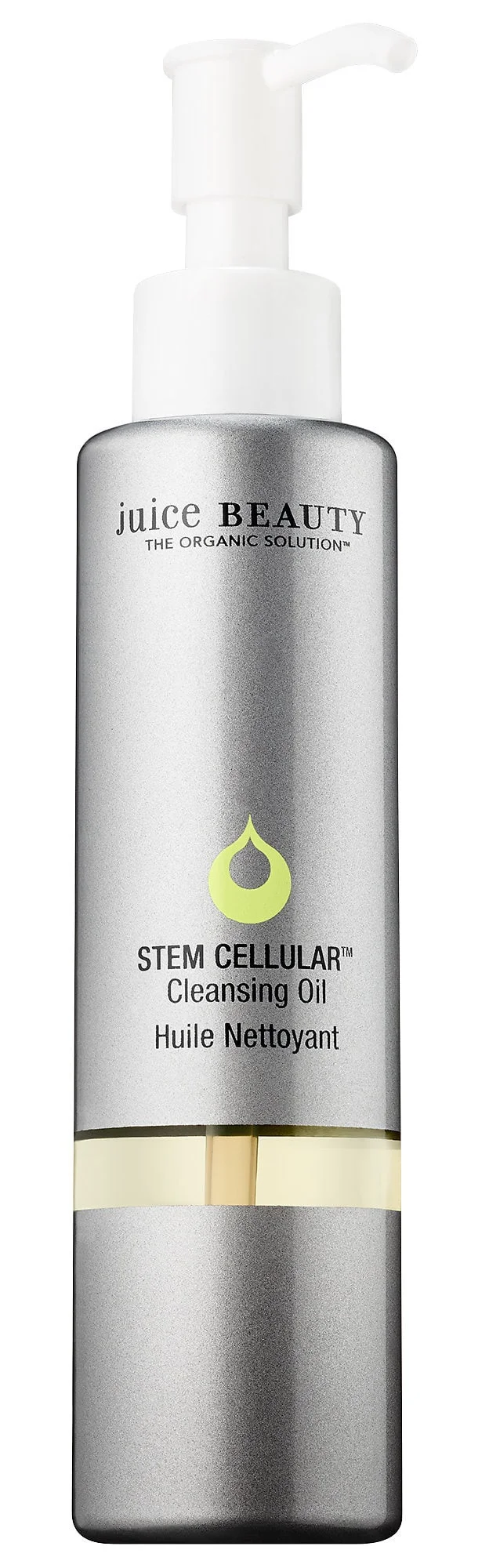
Analysis locked
How well does your skin match with Juice Beauty Stem Cellular Cleansing Oil?
Login to see detailsOr continue via
Quick 1-minute survey • Completely free
Ingredients
Analysis results of Ingredients


Ingredient List
| EWG | CIR | Ingredient Name & Cosmetic Function | Notes |
|---|---|---|---|
| 1 | - | (Skin Conditioning) | |
| 1 | A | (Solvent, Masking, Perfuming, Skin Conditioning, Emollient) | |
| 3 | B | (Denaturant , Emulsifying, Surfactant) |  |
| 1 | A | (Masking, Skin Protecting) | |

Juice Beauty Stem Cellular Cleansing Oil - Ingredient Explanation
Helianthus Annuus (Sunflower)
1. Definition Helianthus Annuus (Sunflower):
Helianthus Annuus, commonly known as Sunflower, is a species of flowering plant in the Asteraceae family. It is native to North America but is now cultivated worldwide for its seeds, oil, and ornamental value.2. Use:
Sunflower is a versatile ingredient in cosmetics due to its rich content of essential fatty acids, including linoleic acid, which helps maintain the skin barrier and reduce moisture loss. Sunflower oil is commonly used in skincare products such as moisturizers, lotions, and serums for its emollient and nourishing properties.3. Usage Helianthus Annuus (Sunflower):
Sunflower oil can be applied directly to the skin as a moisturizer or added to DIY skincare formulations. It is suitable for all skin types, including sensitive and acne-prone skin, as it is non-comedogenic and lightweight. When using sunflower oil in cosmetics, it is important to patch test first to check for any allergic reactions. Additionally, be mindful of the source and quality of the oil to ensure its efficacy and safety.4. References:
- Nourishing Biological Effects of Sunflower Oil: A Review on Recent Advances (https://www.ncbi.nlm.nih.gov/pmc/articles/PMC6487297/)
- Sunflower Seed Oil: When and Why to Use It (https://www.byrdie.com/sunflower-seed-oil-benefits)
- The Benefits of Sunflower Oil in Skincare (https://www.healthline.com/health/beauty-skin-care/sunflower-oil-for-skin)
Caprylic/ Capric Triglyceride
1. Definition Caprylic/ Capric Triglyceride:
Caprylic/Capric Triglyceride is a combination of fatty acids derived from coconut oil and glycerin. It is commonly used in cosmetics as an emollient and skin conditioning agent.2. Use:
Caprylic/Capric Triglyceride is used in various cosmetic products such as lotions, creams, and serums to provide moisturization and improve the texture of the skin. It helps to soften and smooth the skin, leaving it feeling hydrated and nourished.3. Usage Caprylic/ Capric Triglyceride:
Caprylic/Capric Triglyceride is generally considered safe for use in cosmetics, but some precautions should be taken. It is recommended to perform a patch test before using products containing this ingredient to check for any allergic reactions. Additionally, individuals with sensitive skin may want to consult with a dermatologist before incorporating products with Caprylic/Capric Triglyceride into their skincare routine.4. References:
- "Caprylic/Capric Triglyceride." Cosmetics Info, www.cosmeticsinfo.org/ingredient/capryliccapric-triglyceride.
- "Caprylic/Capric Triglyceride." The Derm Review, www.thedermreview.com/caprylic-capric-triglyceride/.
- "Caprylic/Capric Triglyceride." Truth in Aging, www.truthinaging.com/ingredients/capryliccapric-triglyceride.
Polysorbate 80
1. Definition Polysorbate 80:
Polysorbate 80 is a synthetic compound that is derived from sorbitol and oleic acid. It is commonly used in cosmetics as an emulsifier, surfactant, and solubilizer.2. Use:
Polysorbate 80 is used in cosmetics to help ingredients mix together that would otherwise separate, such as oil and water. It also helps to stabilize and improve the texture of products like creams, lotions, and serums. Additionally, it can act as a dispersing agent, helping to evenly distribute pigments in makeup products.3. Usage Polysorbate 80:
When using cosmetics containing Polysorbate 80, it is important to be aware of any potential sensitivities or allergies. Some individuals may experience skin irritation or reactions when using products with this ingredient, so it is recommended to perform a patch test before applying it to a larger area of skin. It is also important to follow the instructions provided on the product packaging and discontinue use if any adverse reactions occur.4. References:
- Lodeiro, P., Barros, M. A., & Schapoval, E. E. (2013). Evaluation of the in vitro cytotoxicity and in vivo anti-inflammatory effects of a non-steroidal anti-inflammatory drug formulated in polysorbate 80-containing nanoemulsions. Journal of pharmacy & pharmaceutical sciences, 16(4), 549-563.
- Gao, Z., & Li, Y. (2013). Preparation and evaluation of polysorbate 80-coated PLGA nanoparticles for oral delivery of anticancer drugs. Drug development and industrial pharmacy, 39(3), 499-506.
- Murali, S., & Bharath, S. (2014). Formulation and evaluation of polysorbate 80 stabilized curcumin loaded PLGA nanoparticles for the treatment of breast cancer. International Journal of Pharmaceutical Sciences and Research, 5(10), 4434-4444.
Vitis Vinifera (Grape)
1. Definition Vitis Vinifera (Grape):
Vitis Vinifera, commonly known as grape, is a species of grapevine native to the Mediterranean region. It is widely cultivated for its fruit, which is used to make wine, grape juice, and raisins. Grape seed extract and grape seed oil are also derived from Vitis Vinifera and are known for their potential health and skincare benefits.2. Use:
Vitis Vinifera is used in cosmetics for its antioxidant properties. Grape seed extract is rich in proanthocyanidins, which are powerful antioxidants that help protect the skin from free radical damage and premature aging. It is also known to have anti-inflammatory and anti-microbial properties, making it beneficial for treating acne and other skin conditions. Grape seed oil is lightweight and easily absorbed by the skin, making it a popular ingredient in moisturizers, serums, and other skincare products.3. Usage Vitis Vinifera (Grape):
When using Vitis Vinifera in cosmetics, it is important to perform a patch test first to check for any allergic reactions. It is generally considered safe for most skin types, but those with sensitive skin may want to consult with a dermatologist before incorporating it into their skincare routine. Grape seed extract and grape seed oil can be found in a variety of skincare products, including facial serums, moisturizers, and masks. They can be used daily as part of a skincare regimen to help protect and nourish the skin.4. References:
- Bagchi, D., Garg, A., Krohn, R. L., & Bagchi, M. (2002). Protective effects of grape seed proanthocyanidins and selected antioxidants against TPA-induced hepatic and brain lipid peroxidation and DNA fragmentation, and peritoneal macrophage activation in mice. General Pharmacology: The Vascular System, 35(4), 209-216.
- Park, Y. J., Kim, Y. K., & Park, S. N. (2019). Anti-inflammatory and skin-moisturizing effects of a cosmetic formulation including Vitis vinifera fruit extract and hyaluronic acid. Journal of Cosmetic Dermatology, 18(3), 765-772.
- Farris, P. K. (2011). Topical vitamin C: a useful agent for treating photoaging and other dermatologic conditions. Dermatologic Surgery, 31(7), 814-818.
Review
Didn't find
the information you need?






Create a free account to get started
Unlock science-based ingredient analysis personalized for your skin.
Already have an account? Log in
We protect your privacy. We never send spam.