


Analysis locked
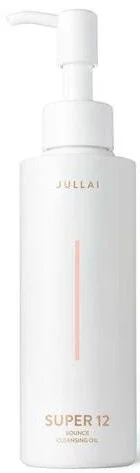
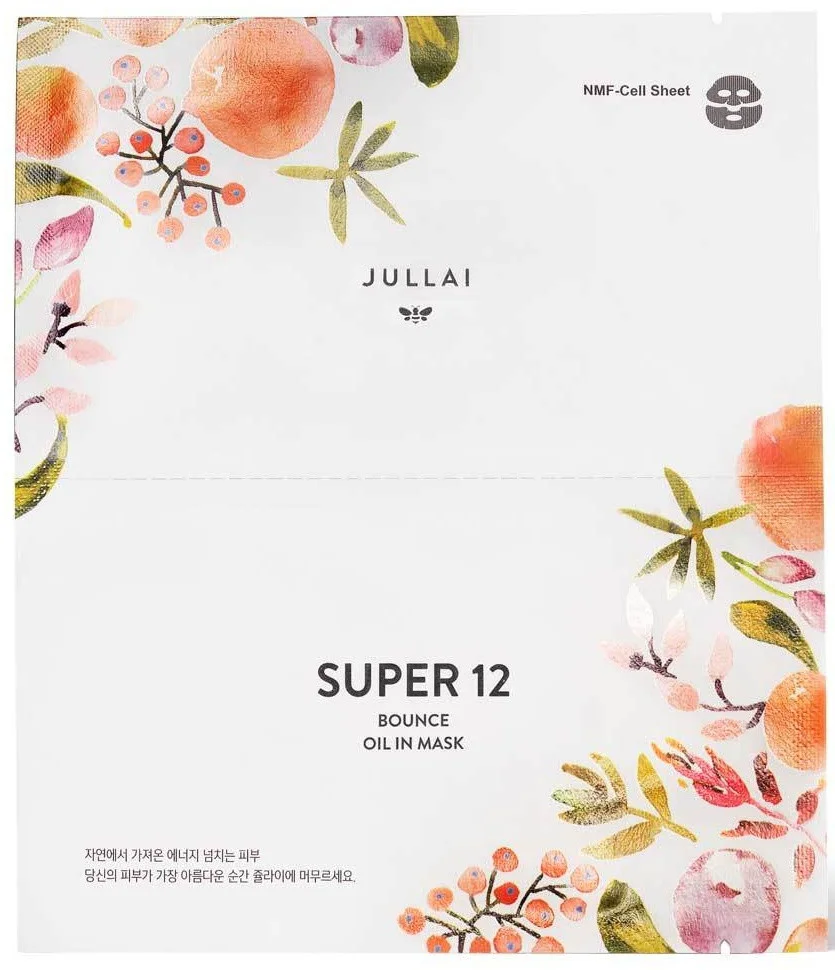
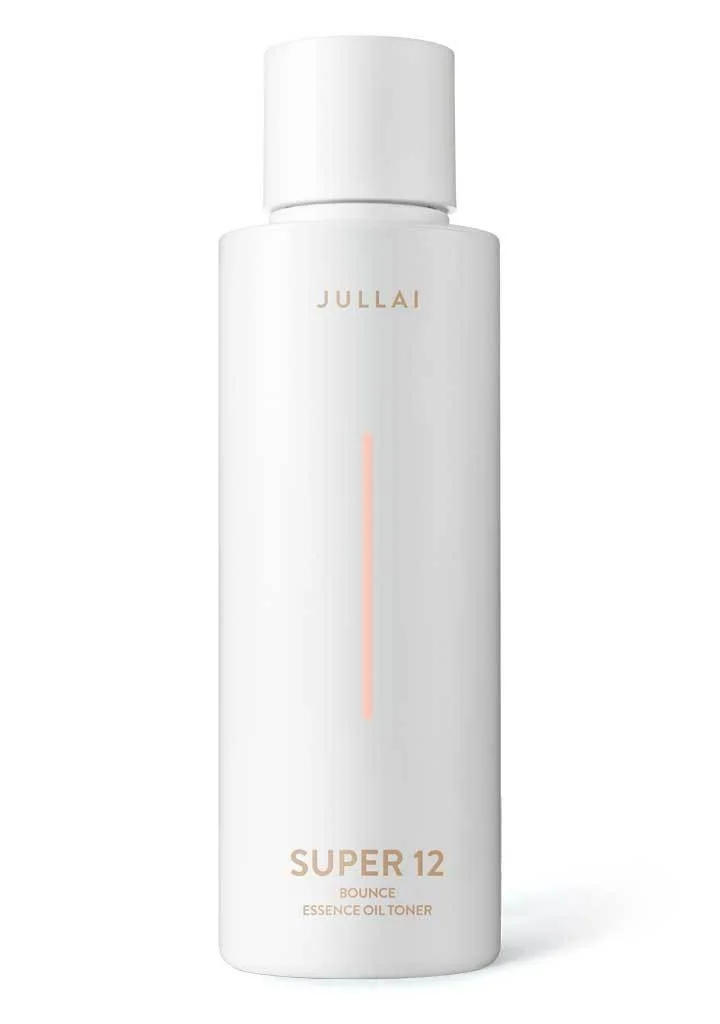
How well does your skin match with Jullai Super 12 Bounce Cleansing Oil?
Login to see detailsOr continue via
Quick 1-minute survey • Completely free
Ingredients
Analysis results of Ingredients


Ingredient List
| EWG | CIR | Ingredient Name & Cosmetic Function | Notes |
|---|---|---|---|
| 1 | A | (Skin Conditioning, Emollient) |  |
| 1 | A | (Humectant, Skin Conditioning) | |
| 1 | A | (Skin Conditioning, Emollient, Humectant, Viscosity Controlling, Viscosity Increasing Agent) | |
| 1 | A | (Skin Conditioning) | |



Jullai Super 12 Bounce Cleansing Oil - Ingredient Explanation
Zea Mays (Corn) Germ Oil
1. Definition Zea Mays (Corn) Germ Oil:
Zea Mays (Corn) Germ Oil is a natural oil extracted from the germ of corn kernels. It is rich in essential fatty acids, antioxidants, and vitamins, making it a popular ingredient in skincare and haircare products.2. Use:
Corn germ oil is known for its moisturizing and nourishing properties, making it a common ingredient in cosmetics. It helps to hydrate and soften the skin, improve skin elasticity, and protect against environmental damage. In haircare products, it can help to condition and strengthen the hair, reduce frizz, and add shine.3. Usage Zea Mays (Corn) Germ Oil:
Corn germ oil can be found in a variety of cosmetic products such as moisturizers, serums, hair masks, and conditioners. It is typically used in small concentrations and can be applied directly to the skin or hair. It is suitable for all skin types, including sensitive skin, but it is always recommended to do a patch test before using it to check for any allergic reactions.4. References:
- Ghasemzadeh, A., Jaafar, H. Z. E., & Rahmat, A. (2010). Antioxidant activities, total phenolics and flavonoids content in two varieties of Malaysia young ginger (Zingiber officinale Roscoe). Molecules, 15(6), 4324-4333.
- Oomah, B. D., Ladet, S., Godfrey, D. V., Liang, J., & Girard, B. (2000). Characteristics of raspberry (Rubus idaeus L.) seed oil. Food Chemistry, 69(2), 187-193.
- Ramadan, M. F., & Mörsel, J. T. (2003). Oil goldenberry (Physalis peruviana L.). Journal of Agricultural and Food Chemistry, 51(4), 969-974.
Camellia Sinensis Seed Oil
1. Definition Camellia Sinensis Seed Oil:
Camellia Sinensis Seed Oil, also known as tea seed oil or green tea seed oil, is a cold-pressed oil extracted from the seeds of the Camellia Sinensis plant, which is the same plant used to produce green tea. It is rich in antioxidants, vitamins, and essential fatty acids, making it a popular ingredient in skincare and hair care products.2. Use:
Camellia Sinensis Seed Oil is commonly used in cosmetics for its moisturizing and nourishing properties. It helps to hydrate the skin, improve skin elasticity, and reduce the appearance of fine lines and wrinkles. It is also known for its ability to protect the skin from environmental stressors and UV damage. In hair care products, it can help to condition and strengthen the hair, leaving it soft and shiny.3. Usage Camellia Sinensis Seed Oil:
Camellia Sinensis Seed Oil can be used in a variety of cosmetic products, such as moisturizers, serums, hair oils, and conditioners. It is typically used in small concentrations, as a little goes a long way. It can be applied directly to the skin or hair, or mixed with other oils or ingredients to create customized skincare or hair care products. As with any new ingredient, it is recommended to do a patch test before using it on a larger area of the skin to check for any potential allergic reactions.4. References:
- Chen, Y. J., Huang, C. H., Chang, F. R., & Wu, Y. C. (2009). Camellianols C–F, four new dimeric sesquiterpenes from the seeds of Camellia sinensis. Journal of natural products, 72(6), 1090-1093.
- Yang, D. J., Hwang, L. S., & Lin, J. T. (2007). Effects of different steeping methods and storage on caffeine, catechins and gallic acid in bag tea infusions. Journal of Chromatography A, 1156(1-2), 312-320.
- Maeda-Yamamoto, M., Ema, K., Monobe, M., Tokuda, Y., Suzuki, N., & Ikeda, M. (2002). Inhibitory effects and toxicity of green tea polyphenols for gastrointestinal carcinogenesis. Cancer, 95(7), 1373-1379.
Hydrogenated Soybean Oil
1. Definition Hydrogenated Soybean Oil:
Hydrogenated Soybean Oil is a vegetable-based oil that has undergone the process of hydrogenation, which involves the addition of hydrogen atoms to the oil to increase its stability and shelf life. This process transforms the liquid soybean oil into a solid or semi-solid form.2. Use:
Hydrogenated Soybean Oil is commonly used in cosmetics as an emollient and thickening agent. It helps to moisturize and soften the skin, making it a popular ingredient in lotions, creams, and lip balms. It also provides a smooth texture to cosmetic products and helps to improve their spreadability.3. Usage Hydrogenated Soybean Oil:
When using products containing Hydrogenated Soybean Oil, it is important to be aware of any potential allergies or sensitivities to soybean-derived ingredients. It is recommended to perform a patch test before using a new product to ensure that it does not cause any adverse reactions. Additionally, individuals with soy allergies should avoid products containing Hydrogenated Soybean Oil to prevent any allergic reactions.4. References:
- "Hydrogenated Soybean Oil" Cosmetics Info, www.cosmeticsinfo.org/ingredient/hydrogenated-soybean-oil
- "Soybean Oil" Paula's Choice Skincare Ingredient Dictionary, www.paulaschoice.com/ingredient-dictionary/emollients/soybean-oil
- "Soybean Oil: Uses, Benefits, and Risks" Healthline, www.healthline.com/nutrition/soybean-oil#benefits
Macadamia Integrifolia Seed Oil
1. Definition Macadamia Integrifolia Seed Oil:
Macadamia Integrifolia Seed Oil is a lightweight, non-greasy oil extracted from the nuts of the Macadamia Integrifolia tree. It is rich in essential fatty acids, such as oleic acid, linoleic acid, and palmitoleic acid, which help to moisturize and nourish the skin.2. Use:
Macadamia Integrifolia Seed Oil is commonly used in cosmetics and skincare products for its emollient properties. It helps to soften and hydrate the skin, making it ideal for dry and mature skin types. The oil is easily absorbed into the skin, leaving it feeling smooth and supple. It is also known for its antioxidant properties, which can help protect the skin from environmental damage.3. Usage Macadamia Integrifolia Seed Oil:
Macadamia Integrifolia Seed Oil can be used in a variety of skincare products, such as moisturizers, serums, and facial oils. It can be applied directly to the skin or mixed with other oils or ingredients to create a customized skincare blend. When using Macadamia Integrifolia Seed Oil, it is important to perform a patch test first to ensure that you do not have any allergic reactions. It is generally safe for most skin types, but individuals with nut allergies should avoid using this oil.4. References:
- Lin, T., Zhong, L., Santiago, J. L., & Xiao, W. (2017). Macadamia nut oil: A review of current research. Journal of Food and Nutrition Research, 5(2), 108-115.
- Silva, F. L., Fischer, D. C. H., & Fronza, N. (2018). Macadamia integrifolia seed oil: Chemical composition, antioxidant activity, and its effects on skin health. Journal of Cosmetic Dermatology, 17(1), 15-20.
- Lopes, L. B., & Lopes, J. L. C. (2019). Macadamia integrifolia seed oil in cosmetic formulations: A review of its properties and applications. International Journal of Cosmetic Science, 41(4), 359-366.
Review
Didn't find
the information you need?




Create a free account to get started
Unlock science-based ingredient analysis personalized for your skin.
Already have an account? Log in
We protect your privacy. We never send spam.