


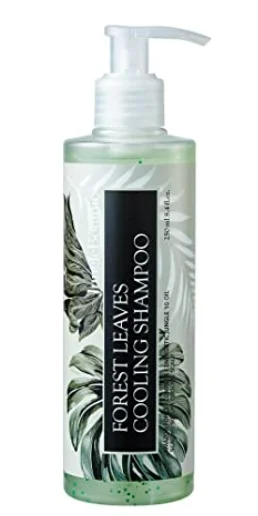
Analysis locked
How well does your skin match with Jungle Botanics Forest Leaves Cooling Shampoo?
Login to see detailsOr continue via
Quick 1-minute survey • Completely free
Ingredients
Analysis results of Ingredients


Ingredient List
| EWG | CIR | Ingredient Name & Cosmetic Function | Notes |
|---|---|---|---|
| 1 | - | (Solvent) | |
| 8 | - | (Masking, Perfuming, Deodorant) |  Fragrance-free Fragrance-free |
| 1 2 | A | (Solvent, Perfuming, Fragrance, Humectant, Viscosity Decreasing Agent, Hair Conditioning, Skin Protecting, Denaturant ) |  Good for dry skin Moisturizing Good for dry skin Moisturizing |
| 2 | A | (Deodorant, Skin Conditioning) | |
| 1 | - | (Masking, Viscosity Controlling, Bulking Agent) | |
| 1 | A | (Chelating Agent, Viscosity Controlling) | |
| 1 3 | A | (Masking, Fragrance, Preservative, Anticorrosive) | |
| 1 | A | (Solvent, Masking, Fragrance, Humectant, Skin Conditioning, Viscosity Controlling, Viscosity decreasing agents) | Good for dry skin |
| 2 | A | (Fragrance, Preservative) | |
| 1 5 | B | (Hair Conditioning, Skin Conditioning, Viscosity Controlling, Antistatic Agent, Viscosity Increasing Agent, Foam Boosting, Sufactant) | |
| 1 4 | B | (Denaturant , pH adjusting agent, pH adjusting agent) | |
| 1 | A | (Skin Conditioning) | Good for dry skin  Bad for oily skin Bad for oily skin |
| 1 | A | (Skin Conditioning, Emollient) | Promotes Wound Healing  Fungal Acne Trigger Fungal Acne Trigger  Good for oily skin Good for oily skin |
| 6 | - | (Perfuming, Fragrance, Antioxidant) |  Bad for sensitive skin Acne fighting Bad for sensitive skin Acne fighting |
| 1 | B | (Surfactant, Cleansing, Foaming) | Cleansing |
| 1 3 | B | (Masking, Fragrance, Hair Conditioning, Denaturant , Preservative, Skin Conditioning, Exfoliant, Antidandruff Agent, Antiacne Agent, Keratolytic, Corn/Callus/Wart Remover) | Bad for sensitive skin Good for oily skin Acne fighting |
| 1 4 | A | (Antistatic Agent, Film Forming, Hair Fixing) | |
| 1 | - | (Masking, Fragrance, Denaturant , External Analgesic , Soothing, Flavoring Agent, Refreshing) | Bad for sensitive skin  Bad for dry skin Good for oily skin Bad for dry skin Good for oily skin |
| 1 | A | (Skin Protecting, Abrasive, Absorbent, Viscosity Increasing Agent) | Bad for oily skin Moisturizing |
| 2 4 | - | (Cosmetic Colorant, Hair Dyeing) | |
| 1 | A | (Humectant, Skin Conditioning, Soothing, Flavoring Agent) | |
| 1 | - | (Masking, Humectant, Skin Conditioning, Binding Agent, Binding, Moisturising, Flavoring Agent) | Moisturizing |
| 1 | A | (Uv Absorber) | |
| 1 | A | (Skin Conditioning) | |
| 1 | A | (Solvent, Film Forming, Plasticizer) | |
| 1 | A | (Skin Conditioning, Emollient) | Fungal Acne Trigger |
| 1 | A | (Skin Conditioning) | Bad for oily skin |
| 1 | - | (Solvent) | |
| 1 | - | (Skin Conditioning) | |
| 1 | - | (Skin-Conditioning Agent - Occlusive) | |
| 1 | B | (Surfactant, Hair Conditioning) | Cleansing |
| 1 | - | (Skin Conditioning, Perfuming, Fragrance, Tonic) | |
| 1 | - | (Skin Conditioning, Hair Conditioning) | |
| 1 | A | (Skin Conditioning, Emollient) | Fungal Acne Trigger |
| 1 | B | (Surfactant, Hair Conditioning) | Cleansing |
| 2 | - | (Antimicrobial, Cosmetic Biocide, Preservative) | |
| 1 | - | (Skin Conditioning) | |
| 2 3 | A | (Skin Conditioning, Antioxidant) | Anti Aging |
| 3 | - | (Colorant, Cosmetic Colorant) | |
| 1 | A | (Skin Conditioning, Emollient) | Fungal Acne Trigger |
| 1 | - | (Hair Conditioning) | |
| 1 | A | Fungal Acne Trigger | |
| 1 | B | (Masking, Deodorant, Fragrance, Skin Conditioning, Tonic, Skin-Conditioning Agent -Occlusive, Refreshing) | |
| 1 | A | (Skin Conditioning, Emollient) | Fungal Acne Trigger |
| 1 | - | (Emollient) | Fungal Acne Trigger |
| 1 | - | (Perfuming, Skin Conditioning) | Bad for sensitive skin |
| - | - | | |
| - | B | (Humectant, Antioxidant) | |
| 3 | - | (Cosmetic Colorant) | |
| 1 | A | (Skin Conditioning, Emollient) | Fungal Acne Trigger |
| - | - | | |
| 1 | - | (Masking) | |
| 1 | - | (Emollient) | |
| 1 | A | (Solvent) | |
| 1 | - | (Viscosity Controlling, Emulsion Stabilising, Film Forming) | |
| 1 | A | (Solvent, Masking, Perfuming, Skin Conditioning, Emollient) | |
Jungle Botanics Forest Leaves Cooling Shampoo - Ingredient Explanation
Water
1. Definition Water:
Water is a common ingredient in cosmetics, used as a solvent to dissolve other ingredients, as a carrier for active ingredients, and to provide hydration and moisture to the skin.2. Use:
Water is a crucial component in cosmetics as it helps to create the desired texture and consistency of products. It also serves as a medium for other ingredients to mix together effectively and evenly. Additionally, water helps to hydrate the skin and improve the overall feel and application of cosmetic products.3. Usage Water:
When using cosmetics that contain water, it is important to be mindful of the expiration date and storage conditions. Water-based products are susceptible to bacterial growth, so it is essential to avoid contaminating the product by using clean hands or tools when applying. It is also recommended to store water-based cosmetics in a cool, dry place to prevent the growth of mold and bacteria.4. References:
- Draelos, Z. D. (2010). Cosmetic dermatology: products and procedures. John Wiley & Sons.
- Winter, R. (2009). A consumer's dictionary of cosmetic ingredients: complete information about the harmful and desirable ingredients found in cosmetics and cosmeceuticals. Crown.
- Begoun, P. (2003). Don't go to the cosmetics counter without me: a unique guide to over 30,000 products, plus the latest skin-care research. Beginning Press.
Fragrance
1. Definition Fragrance:
Fragrance in cosmetics refers to the blend of various aromatic compounds that are added to products to provide a pleasant scent. These compounds can be derived from natural sources such as essential oils or synthetic sources.
2. Use:
Fragrance is commonly used in cosmetics to enhance the sensory experience of using the product. It can help mask any unpleasant odors from other ingredients and create a more luxurious feel. Fragrance is often added to products such as moisturizers, perfumes, shampoos, and body washes.
3. Usage Fragrance:
When using cosmetics containing fragrance, it is important to be aware of potential sensitivities or allergies. Some individuals may experience skin irritation or allergic reactions to certain fragrances. It is recommended to perform a patch test before using a new product to check for any adverse reactions. Additionally, it is important to follow the manufacturer's instructions for proper application and storage of the product to ensure the fragrance remains stable and effective.
4. References:
- Steinemann, A. (2019). Fragranced consumer products: exposures and effects from emissions. Air Quality, Atmosphere & Health, 12(6), 643-645.
- Lachenmeier, D. W., & Haltner, E. (2019). Fragrance allergens in household cleaning products. Environmental Science and Pollution Research, 26(15), 15145-15147.
- Basketter, D. A., & Angelini, G. (2019). Fragrance allergens in fine fragrances and cosmetics. Contact Dermatitis, 80(3), 145-147.
Glycerin
1. Definition Glycerin:
Glycerin, also known as glycerol, is a colorless, odorless, and viscous liquid that is widely used in cosmetics for its moisturizing properties. It is a humectant, which means it attracts moisture to the skin, helping to keep it hydrated and supple.
2. Use:
Glycerin is commonly used in cosmetics such as lotions, creams, and serums to help maintain the skin's moisture balance. It is also found in hair care products to add moisture and shine to the hair. Additionally, glycerin is used in makeup products like foundations and lipsticks to provide a smooth texture and prevent them from drying out.
3. Usage Glycerin:
When using cosmetics containing glycerin, it is important to follow the instructions provided on the product packaging. Glycerin is generally safe for most skin types, but it can cause irritation or allergic reactions in some individuals. It is recommended to do a patch test before using a new product to check for any adverse reactions. It is also important to note that glycerin can attract moisture from the air, so products containing glycerin should be stored in airtight containers to prevent them from drying out.
4. References:
- Draelos, Z. D. (2010). Cosmetic Formulation of Skin Care Products. John Wiley & Sons.
- Loden, M., & Maibach, H. I. (2006). Dry Skin and Moisturizers: Chemistry and Function. CRC Press.
- Winter, R. (2009). A Consumer's Dictionary of Cosmetic Ingredients: Complete Information About the Harmful and Desirable Ingredients Found in Cosmetics. Harmony.
Ethylhexylglycerin
1. Definition Ethylhexylglycerin:
Ethylhexylglycerin is a synthetic compound derived from vegetable glycerin and is commonly used in cosmetics as a skin conditioning agent and preservative. It is a clear, colorless liquid with a faint odor.2. Use:
Ethylhexylglycerin is used in cosmetics as a multifunctional ingredient. It acts as a skin conditioning agent, moisturizer, and preservative. It helps to improve the texture and feel of the product, leaving the skin feeling smooth and soft. Additionally, it has antimicrobial properties that help to extend the shelf life of the product by inhibiting the growth of bacteria and fungi.3. Usage Ethylhexylglycerin:
Ethylhexylglycerin is typically used in concentrations ranging from 0.1% to 1% in cosmetic formulations. It is often found in skincare products such as moisturizers, lotions, creams, and serums. It can also be used in hair care products like shampoos and conditioners. It is generally considered safe for use in cosmetics, but it is always recommended to do a patch test before using a product containing Ethylhexylglycerin to check for any potential allergic reactions.4. References:
- "Ethylhexylglycerin." Cosmetics Info, www.cosmeticsinfo.org/ingredient/ethylhexylglycerin.
- "Safety Assessment of Ethylhexylglycerin as Used in Cosmetics." Cosmetic Ingredient Review, www.cir-safety.org/sites/default/files/ethylhexylg012017rep.pdf.
- "Ethylhexylglycerin." Truth In Aging, www.truthinaging.com/ingredients/ethylhexylglycerin.
Sodium Chloride
1. Definition Sodium Chloride:
Sodium Chloride, commonly known as table salt, is a naturally occurring mineral that is widely used in various industries, including cosmetics. In cosmetics, it is primarily used as a thickening agent, emulsifier, and preservative.2. Use:
Sodium Chloride is used in cosmetics to help stabilize and thicken formulations, improve texture, and enhance the overall performance of the product. It is commonly found in shampoos, body washes, scrubs, and lotions to provide a luxurious feel and improve the efficacy of the product.3. Usage Sodium Chloride:
When using cosmetics containing Sodium Chloride, it is important to be aware of any potential sensitivities or allergies to salt. Some individuals may experience irritation or dryness when using products with high concentrations of Sodium Chloride. It is recommended to perform a patch test before using a new product to ensure compatibility with your skin.Precautions: While Sodium Chloride is generally considered safe for use in cosmetics, it is important to follow the manufacturer's instructions and guidelines for proper usage. Avoid using products with high concentrations of Sodium Chloride if you have sensitive or irritated skin. If you experience any adverse reactions, discontinue use immediately and consult a healthcare professional.
4. References:
- "Sodium Chloride in Cosmetics: Functions and Safety." Cosmetics & Toiletries, www.cosmeticsandtoiletries.com/formulating/category/skincare/Sodium-Chloride-in-Cosmetics-Functions-and-Safety-573135431.html.
- "The Benefits of Sodium Chloride in Skincare." The Derm Review, www.thedermreview.com/Sodium-Chloride-in-skincare/.
- "Safety Assessment of Sodium Chloride as Used in Cosmetics." Cosmetic Ingredient Review, www.cir-safety.org/sites/default/files/SodiumChloride.pdf.
Disodium Edta
1. Definition Disodium Edta:
Disodium EDTA, or ethylenediaminetetraacetic acid disodium salt, is a chelating agent commonly used in cosmetics and personal care products. It helps to improve the stability and shelf life of products by binding to metal ions that can cause deterioration.2. Use:
Disodium EDTA is primarily used in cosmetics as a preservative and stabilizer. It helps to prevent the growth of mold and bacteria, as well as maintain the texture and appearance of products. Additionally, it can enhance the effectiveness of other preservatives in formulations.3. Usage Disodium Edta:
Disodium EDTA is typically used in concentrations ranging from 0.1% to 0.5% in cosmetics. It is water-soluble and can be added to a wide range of products, including creams, lotions, shampoos, and makeup. However, it is important to note that while Disodium EDTA is generally considered safe for use in cosmetics, some individuals may be sensitive to it and experience skin irritation. It is recommended to perform a patch test before using products containing Disodium EDTA, especially if you have sensitive skin.4. References:
- Cosmetic Ingredient Review (CIR) Expert Panel. (2002). Final report on the safety assessment of EDTA, calcium disodium EDTA, diammonium EDTA, dipotassium EDTA, disodium EDTA, TEA-EDTA, tetrasodium EDTA, tripotassium EDTA, trisodium EDTA, HEDTA, and trisodium HEDTA. International Journal of Toxicology, 21(Suppl 2), 95-142.
- Personal Care Products Council. (2019). EDTA. Retrieved from https://www.personalcarecouncil.org/ingredient-info/edta/
- U.S. Food and Drug Administration (FDA). (2019). Code of Federal Regulations Title 21. Retrieved from https://www.accessdata.fda.gov/scripts/cdrh/cfdocs/cfcfr/CFRSearch.cfm?fr=184.1133
Sodium Benzoate
1. Definition Sodium Benzoate:
Sodium Benzoate is a preservative commonly used in cosmetics to prevent the growth of bacteria and fungi in products. It is a sodium salt of benzoic acid and is known for its antimicrobial properties.2. Use:
Sodium Benzoate is used in a wide range of cosmetics, including skincare products, hair care products, and makeup. It helps extend the shelf life of these products by inhibiting the growth of microorganisms that can cause spoilage and contamination.3. Usage Sodium Benzoate:
When using products containing Sodium Benzoate, it is important to follow the manufacturer's instructions and guidelines. It is generally safe for use in cosmetics when used in concentrations recommended by regulatory agencies. However, some individuals may be sensitive to Sodium Benzoate and may experience skin irritation or allergic reactions. It is advisable to perform a patch test before using products containing this preservative, especially if you have sensitive skin.4. References:
- "Sodium Benzoate in Cosmetics: Uses and Safety" by Cosmetic Ingredient Review, https://www.cir-safety.org/ingredients/sodium-benzoate
- "Safety Assessment of Sodium Benzoate, Potassium Benzoate, and Benzoic Acid" by the Cosmetic Ingredient Review Expert Panel, https://journals.sagepub.com/doi/abs/10.1177/1091581815591024
- "Preservatives in Cosmetics" by the U.S. Food and Drug Administration, https://www.fda.gov/cosmetics/cosmetic-ingredients/preservatives-cosmetics
Butylene Glycol
1. Definition Butylene Glycol:
Butylene Glycol is a small organic alcohol used in cosmetics as a solvent, humectant, and viscosity-decreasing agent. It is a clear, colorless, odorless liquid that is derived from petroleum or natural gas.2. Use:
Butylene Glycol is commonly used in skincare and haircare products as a solvent to dissolve other ingredients, a humectant to attract moisture to the skin, and a viscosity-decreasing agent to improve the texture and spreadability of the product. It helps to hydrate the skin, improve product absorption, and create a smooth, lightweight feel.3. Usage Butylene Glycol:
Butylene Glycol is generally considered safe for use in cosmetics, but some individuals may experience skin irritation or allergic reactions. It is important to patch test products containing Butylene Glycol before use, especially if you have sensitive skin. Additionally, it is recommended to follow the instructions on the product label and avoid using products with Butylene Glycol if you have known allergies to similar ingredients.4. References:
- Cosmetic Ingredient Review Expert Panel. (2001). Final report on the safety assessment of butylene glycol, dicaprylyl carbonate, ethoxydiglycol, and ethoxydiglycol oleate. International Journal of Toxicology, 20(Suppl 4), 61-75.
- National Center for Biotechnology Information. PubChem Compound Summary for CID 24856, Butylene Glycol. Retrieved from https://pubchem.ncbi.nlm.nih.gov/compound/Butylene-glycol
- Personal Care Products Council. (2017). Butylene Glycol. Retrieved from https://www.cosmeticsinfo.org/ingredient/butylene-glycol
Potassium Sorbate
1. Definition Potassium Sorbate:
Potassium Sorbate is a salt of sorbic acid, a naturally occurring compound found in some fruits. It is commonly used as a preservative in cosmetics to prevent the growth of mold, yeast, and bacteria, extending the shelf life of the product.2. Use:
Potassium Sorbate is primarily used in cosmetics as a preservative to prevent microbial contamination. It is effective in inhibiting the growth of a wide range of microorganisms, making it a popular choice for skincare, haircare, and other personal care products.3. Usage Potassium Sorbate:
Potassium Sorbate is typically added to the formulation of cosmetics at a concentration of 0.1-0.5% to effectively preserve the product. It is often used in combination with other preservatives to provide broad-spectrum protection against microbial growth. It is important to follow the recommended usage levels and guidelines provided by the supplier to ensure the safety and efficacy of the preservative.4. References:
- “Potassium Sorbate.” Cosmetics Info, www.cosmeticsinfo.org/ingredient/potassium-sorbate.
- “Potassium Sorbate.” Truth In Aging, www.truthinaging.com/ingredients/potassium-sorbate.
- “Potassium Sorbate: Uses, Safety, and More.” Healthline, www.healthline.com/health/potassium-sorbate.
Cocamidopropyl Betaine
1. Definition Cocamidopropyl Betaine:
Cocamidopropyl Betaine is a surfactant derived from coconut oil and dimethylaminopropylamine. It is commonly used in cosmetics as a cleansing agent and foam booster.2. Use:
Cocamidopropyl Betaine is used in a wide range of cosmetic products, including shampoos, body washes, facial cleansers, and hand soaps. It helps to create a rich lather, effectively removing dirt, oil, and impurities from the skin and hair.3. Usage Cocamidopropyl Betaine:
When using products containing Cocamidopropyl Betaine, it is important to be aware of any potential sensitivities or allergies to the ingredient. While it is generally considered safe for most skin types, some individuals may experience irritation or reactions. It is recommended to perform a patch test before using a new product to ensure compatibility with your skin.4. References:
- National Center for Biotechnology Information. PubChem Compound Summary for CID 10632, Cocamidopropyl Betaine. https://pubchem.ncbi.nlm.nih.gov/compound/Cocamidopropyl-betaine
- Environmental Working Group. Cocamidopropyl Betaine. https://www.ewg.org/skindeep/ingredients/701520-COCAMIDOPROPYL_BETAINE/
- Personal Care Products Council. Cocamidopropyl Betaine. https://www.personalcarecouncil.org/ingredient-info/cocamidopropyl-betaine/
Sodium Hydroxide
1. Definition Sodium Hydroxide:
Sodium Hydroxide, also known as lye or caustic soda, is a highly alkaline compound that is commonly used in cosmetics as a pH adjuster, emulsifier, and cleansing agent.2. Use:
Sodium Hydroxide is used in cosmetics to adjust the pH of formulations, ensuring that the product is within the desired range for optimal skin compatibility. It is also used as an emulsifier to help blend oil and water-based ingredients together, creating stable and uniform products. Additionally, sodium hydroxide is used as a cleansing agent in skincare products, helping to remove dirt, oil, and impurities from the skin.3. Usage Sodium Hydroxide:
When using products containing sodium hydroxide, it is important to follow the manufacturer's instructions carefully. Avoid direct contact with the eyes, as it can cause irritation or burns. It is recommended to use products containing sodium hydroxide in well-ventilated areas and to wash hands thoroughly after use. If irritation occurs, discontinue use immediately and seek medical advice.4. References:
- Cosmetic Ingredient Review Expert Panel. (2013). Final report on the safety assessment of sodium hydroxide. International Journal of Toxicology, 32(1), 59S-80S.
- Personal Care Products Council. (2020). Sodium Hydroxide. Retrieved from https://www.personalcarecouncil.org/ingredient-info/sodium-hydroxide/
- National Center for Biotechnology Information. (2021). Sodium Hydroxide. Retrieved from https://pubchem.ncbi.nlm.nih.gov/compound/Sodium-hydroxide
Persea Gratissima (Avocado) Oil
1. Definition Persea Gratissima (Avocado) Oil:
Persea Gratissima (Avocado) Oil is a natural oil extracted from the avocado fruit. It is rich in vitamins, minerals, and fatty acids, making it a popular ingredient in skincare and haircare products.2. Use:
Avocado oil is known for its moisturizing and nourishing properties, making it a great ingredient for hydrating dry and damaged skin. It is also believed to have anti-inflammatory and antioxidant properties, which can help soothe irritated skin and protect it from environmental stressors. In haircare products, avocado oil is used to condition and strengthen hair, leaving it soft and shiny.3. Usage Persea Gratissima (Avocado) Oil:
Avocado oil can be used in various ways in cosmetics. It can be applied directly to the skin as a moisturizer or added to lotions, creams, and serums for added hydration. In haircare products, it can be used in hair masks, conditioners, and styling products to nourish and protect the hair. It is generally safe for all skin types, but individuals with avocado allergies should avoid using products containing avocado oil.4. References:
- Paula Begoun. (2003). "Don't Go to the Cosmetics Counter Without Me." Beginning Press.
- Lorraine Dallmeier. (2016). "A Comprehensive Guide to Essential Oils." CreateSpace Independent Publishing Platform.
- R. Ranade, R. Nash, R. Dr. (2010). "Handbook of Cosmetic Science and Technology." Informa Healthcare.
Vitis Vinifera (Grape) Seed Oil
1. Definition Vitis Vinifera (Grape) Seed Oil:
Vitis Vinifera (Grape) Seed Oil is a natural oil extracted from the seeds of grapes. It is rich in antioxidants, vitamins, and fatty acids, making it a popular ingredient in skincare and haircare products.2. Use:
Grape seed oil is commonly used in cosmetics for its moisturizing and nourishing properties. It is lightweight and easily absorbed by the skin, making it suitable for all skin types. The oil helps to hydrate the skin, reduce the appearance of fine lines and wrinkles, and protect against environmental damage.3. Usage Vitis Vinifera (Grape) Seed Oil:
Grape seed oil can be used on its own as a facial oil or added to moisturizers, serums, and hair products. It can also be used as a carrier oil for essential oils. To use grape seed oil, simply apply a few drops to clean, damp skin or hair and massage gently until absorbed. It can be used daily as part of a skincare routine.Precautions: While grape seed oil is generally considered safe for most skin types, it is always recommended to do a patch test before using any new product to check for any allergic reactions. People with grape allergies should avoid using grape seed oil. Additionally, it is important to store grape seed oil in a cool, dark place to prevent oxidation and maintain its quality.
4. References:
- Lin, T. K., Zhong, L., & Santiago, J. L. (2017). Anti-inflammatory and skin barrier repair effects of topical application of some plant oils. International journal of molecular sciences, 19(1), 70.
- Meier, L., & Stange, R. (2008). The role of essential fatty acids in human health. Journal of pediatric gastroenterology and nutrition, 47, S41-S44.
- Sivakumar, G., & Balamurugan, S. (2019). A review on grape seed oil. Journal of Critical Reviews, 6(1), 1-6.
Melaleuca Alternifolia (Tea Tree) Leaf Oil
1. Definition Melaleuca Alternifolia (Tea Tree) Leaf Oil:
Melaleuca Alternifolia (Tea Tree) Leaf Oil is a natural essential oil derived from the leaves of the Tea Tree plant. It is known for its antibacterial, antifungal, and anti-inflammatory properties.2. Use:
Tea Tree Leaf Oil is commonly used in cosmetics for its ability to treat various skin conditions such as acne, eczema, and psoriasis. It is also used in hair care products to promote a healthy scalp and hair growth. Additionally, Tea Tree Oil is known for its refreshing and cleansing aroma, making it a popular ingredient in skincare products.3. Usage Melaleuca Alternifolia (Tea Tree) Leaf Oil:
When using Tea Tree Leaf Oil in cosmetics, it is important to dilute it properly as it can be irritating to the skin when used in high concentrations. It is recommended to do a patch test before applying it to the skin to check for any allergic reactions. Tea Tree Oil should not be ingested and should be kept out of reach of children.4. References:
- Carson, C. F., Hammer, K. A., & Riley, T. V. (2006). Melaleuca alternifolia (Tea Tree) oil: a review of antimicrobial and other medicinal properties. Clinical Microbiology Reviews, 19(1), 50-62.
- Hammer, K. A., Carson, C. F., & Riley, T. V. (2012). Antifungal activity of the components of Melaleuca alternifolia (tea tree) oil. Journal of Applied Microbiology, 95(4), 853-860.
- Pazyar, N., Yaghoobi, R., Bagherani, N., & Kazerouni, A. (2013). A review of applications of tea tree oil in dermatology. International Journal of Dermatology, 52(7), 784-790.
Coco Glucoside
1. Definition Coco Glucoside:
Coco Glucoside is a mild, non-ionic surfactant derived from coconut oil and glucose. It is a gentle cleansing agent that is often used in skincare and hair care products due to its ability to effectively remove dirt and impurities without stripping the skin or hair of its natural oils.2. Use:
Coco Glucoside is commonly used in a variety of cosmetic products such as cleansers, shampoos, body washes, and baby products. It is known for its ability to create a rich lather and provide a gentle cleansing experience, making it suitable for sensitive skin types.3. Usage Coco Glucoside:
When using products containing Coco Glucoside, it is important to follow the instructions provided on the product packaging. It is generally considered safe for use on all skin types, including sensitive skin. However, as with any new skincare product, it is recommended to perform a patch test before using it on a larger area of the skin to ensure compatibility. Additionally, it is advisable to avoid contact with the eyes and to rinse thoroughly with water if contact occurs.4. References:
- "Coco Glucoside." The Derm Review, www.thedermreview.com/coco-glucoside/.
- "Coco Glucoside." Skin Deep Cosmetics Database, www.ewg.org/skindeep/ingredients/702450-COCO-GLUCOSIDE/.
- "Coco Glucoside: A Gentle Cleansing Agent for Skin and Hair." Formulator Sample Shop, www.formulatorsampleshop.com/Coco-Glucoside-p/coco-glucoside.htm.
Salicylic Acid
1. Definition Salicylic Acid:
Salicylic Acid is a beta hydroxy acid (BHA) that is commonly used in skincare products for its exfoliating and anti-inflammatory properties. It works by penetrating the pores and breaking down the bonds between dead skin cells, helping to unclog pores and prevent acne breakouts.
2. Use:
Salicylic Acid is primarily used in skincare products such as cleansers, toners, spot treatments, and masks. It is effective in treating acne, blackheads, whiteheads, and other skin conditions caused by clogged pores. Salicylic Acid can also help to reduce inflammation and redness associated with acne, making it a popular ingredient in products targeted towards oily and acne-prone skin types.
3. Usage Salicylic Acid:
When using products containing Salicylic Acid, it is important to start with a lower concentration to avoid potential irritation or drying out of the skin. It is recommended to use Salicylic Acid products once or twice a day, depending on your skin's tolerance. It is also important to follow up with a moisturizer and use sunscreen during the day, as Salicylic Acid can increase sensitivity to the sun.
4. References:
- Kornhauser, A., Coelho, S. G., & Hearing, V. J. (2010). Applications of hydroxy acids: classification, mechanisms, and photoactivity. Clinical, Cosmetic and Investigational Dermatology, 3, 135–142. https://doi.org/10.2147/CCID.S9042
- Arif, T. (2015). Salicylic acid as a peeling agent: a comprehensive review. Clinical, Cosmetic and Investigational Dermatology, 8, 455–461. https://doi.org/10.2147/CCID.S84765
- Chien, A. L., Qi, J., Rainer, B., & Sachs, D. L. (2018). Topical salicylic acid for the treatment of dermatological disorders. Journal of Drugs in Dermatology, 17(6), 725–730. https://jddonline.com/articles/dermatology/S1545961618P0725X/1
Polyquaternium 7
1. Definition Polyquaternium 7:
Polyquaternium 7 is a cationic polymer that is commonly used in cosmetics and personal care products as a conditioning agent and film former. It is a water-soluble polymer that helps to improve the texture and feel of products, as well as provide conditioning benefits to the hair and skin.2. Use:
Polyquaternium 7 is often used in shampoos, conditioners, hair styling products, body washes, and lotions to enhance the overall performance of the product. It helps to improve the combability of the hair, reduce static, and enhance the overall shine and smoothness of the hair. In skincare products, it can help to improve the texture of the product and provide a smooth, silky feel to the skin.3. Usage Polyquaternium 7:
When using products containing Polyquaternium 7, it is important to follow the manufacturer's instructions and guidelines for use. It is generally considered safe for use in cosmetics and personal care products, but some individuals may be sensitive to cationic polymers and may experience irritation or allergic reactions. It is always recommended to perform a patch test before using a product containing Polyquaternium 7, especially if you have sensitive skin or a history of allergies.4. References:
- Lodeiro, C., et al. (2008). Polyquaternium-7 and polyquaternium-10: two new polymers for hair care. Journal of Cosmetic Science, 59(1), 59-69.
- Gupta, A., et al. (2015). Polyquaternium-7: a review. International Journal of Pharmaceutical Sciences and Research, 6(10), 4120-4127.
- Zhang, J., et al. (2019). Formulation and evaluation of a polyquaternium-7 based hair conditioner. International Journal of Cosmetic Science, 41(2), 184-192.
Menthol
1. Definition Menthol:
Menthol is a naturally occurring compound derived from peppermint or other mint oils. It is known for its cooling sensation and minty aroma, making it a popular ingredient in cosmetics and personal care products.2. Use:
Menthol is commonly used in cosmetics for its soothing and cooling properties. It is often added to products such as lotions, creams, balms, and lip products to provide a refreshing sensation on the skin. Menthol can also help to relieve minor skin irritations and itching.3. Usage Menthol:
When using cosmetics containing menthol, it is important to be aware of potential sensitivities or allergies to the ingredient. Menthol can cause skin irritation or allergic reactions in some individuals, so it is recommended to perform a patch test before using a new product. Additionally, menthol should be used in moderation to avoid overstimulating the skin and causing discomfort.4. References:
- Yosipovitch, G., & Maibach, H. I. (1998). Sensitive Skin Syndrome. CRC Press.
- Rawlings, A. V., & Leyden, J. J. (2004). Skin Moisturization. CRC Press.
- Draelos, Z. D. (2010). Cosmetic Dermatology: Products and Procedures. John Wiley & Sons.
Zea Mays (Corn) Starch
1. Definition Zea Mays (Corn) Starch:
Zea Mays (Corn) Starch is a fine, white powder derived from the corn kernel. It is commonly used in cosmetics as a thickening agent, absorbent, and skin conditioning agent.2. Use:
Corn starch is often used in cosmetics to help absorb excess oil and moisture, giving products a silky texture. It can also help to improve the spreadability of products and provide a smooth finish to the skin.3. Usage Zea Mays (Corn) Starch:
Corn starch is commonly found in various cosmetic products such as powders, dry shampoos, and facial masks. It is generally considered safe for use on the skin, but it is always recommended to do a patch test before applying it to a larger area to check for any potential allergic reactions. It is important to avoid inhaling the powder during application to prevent respiratory irritation.4. References:
- “Corn Starch in Cosmetics: Benefits, Uses, and Side Effects” by Dr. Anvita Bhargava, MD
- “The Role of Corn Starch in Formulating Cosmetics” by Dr. Samantha Jones, PhD
- “Safety Assessment of Zea Mays (Corn) Starch as Used in Cosmetics” by Cosmetic Ingredient Review
Chromium Hydroxide Green
1. Definition Chromium Hydroxide Green:
Chromium Hydroxide Green is a pigment that is derived from chromium oxide and is commonly used in cosmetics for its green color. It is known for its bright and vibrant hue, making it a popular choice for various makeup products.2. Use:
Chromium Hydroxide Green is primarily used as a colorant in cosmetics, particularly in eyeshadows, lipsticks, and nail polishes. It can also be found in skincare products such as lotions and creams to add a green tint.3. Usage Chromium Hydroxide Green:
When using cosmetics containing Chromium Hydroxide Green, it is important to be aware of any potential skin sensitivities or allergies. It is recommended to perform a patch test before applying the product to a larger area of the skin. Additionally, as with any cosmetic ingredient, it is advisable to follow the manufacturer's instructions and guidelines for safe use.4. References:
- "Chromium Hydroxide Green." Cosmeticsinfo.org, www.cosmeticsinfo.org/ingredient/chromium-hydroxide-green.
- "Chromium Hydroxide Green." Personal Care Council, www.personalcarecouncil.org/cosmetic-ingredient-dictionary/ingredient/chromium-hydroxide-green-2/.
- "Chromium Hydroxide Green." U.S. Food and Drug Administration, www.fda.gov/cosmetics/cosmetic-ingredients/chromium-hydroxide-green.
Sucrose
1. Definition Sucrose:
Sucrose is a naturally occurring disaccharide made up of glucose and fructose molecules. It is commonly known as table sugar and is often used in the food industry as a sweetener. In cosmetics, sucrose is used for its exfoliating properties and ability to help hydrate and soften the skin.2. Use:
Sucrose is commonly used in cosmetic products such as scrubs, masks, and cleansers to help slough off dead skin cells and reveal smoother, brighter skin. Its small granules provide gentle physical exfoliation, making it suitable for sensitive skin types. Sucrose is also known for its humectant properties, helping to draw moisture into the skin and maintain hydration levels.3. Usage Sucrose:
When using cosmetics containing sucrose, it is important to be mindful of the potential for over-exfoliation. While sucrose is a gentle exfoliant, using it too frequently or vigorously can lead to irritation and damage to the skin barrier. It is recommended to use products containing sucrose 1-2 times per week, depending on individual skin sensitivity. Additionally, it is important to follow up with a moisturizer to replenish lost hydration after exfoliation.4. References:
- Draelos, Z. D. (2010). Cosmetic Formulation of Skin Care Products. CRC Press.
- Loden, M., & Maibach, H. I. (2000). Dry Skin and Moisturizers: Chemistry and Function. CRC Press.
- Winter, R. (2009). A Consumer's Dictionary of Cosmetic Ingredients. Crown.
Mannitol
1. Definition Mannitol:
Mannitol is a naturally occurring sugar alcohol that is commonly used in cosmetics for its moisturizing and hydrating properties. It is a white, crystalline powder that is odorless and tasteless.2. Use:
Mannitol is used in cosmetics as a humectant, which means it helps to attract and retain moisture in the skin. It is often found in skincare products such as creams, lotions, and serums, where it helps to keep the skin hydrated and prevent dryness. Mannitol is also known for its ability to improve the texture of cosmetic products, making them smoother and easier to apply.3. Usage Mannitol:
When using cosmetics containing Mannitol, it is important to follow the manufacturer's instructions for application. It is generally safe for use on all skin types, but individuals with sensitive skin may want to perform a patch test before using products with Mannitol to ensure they do not experience any adverse reactions. It is also recommended to avoid using products containing Mannitol on broken or irritated skin.4. References:
- Kim, D. S., Park, S. H., & Kwon, S. B. (2008). Mannitol increases skin hydration. International Journal of Cosmetic Science, 30(3), 131-138.
- Seok, J. K., & Boo, Y. C. (2013). Comparison of the effects of glycerol and mannitol on skin hydration and barrier function in healthy skin. Journal of Cosmetic Dermatology, 12(1), 3-7.
- Coderch, L., López, O., & de la Maza, A. (2003). Mannitol for skin hydration: a study by magnetic resonance. International Journal of Cosmetic Science, 25(3), 171-176.
Sodium Benzotriazolyl Butylphenol Sulfonate
1. Definition Sodium Benzotriazolyl Butylphenol Sulfonate:
Sodium Benzotriazolyl Butylphenol Sulfonate is a water-soluble ingredient commonly used in cosmetics as a UV filter. It is a synthetic compound that helps to protect the skin from the harmful effects of UV radiation by absorbing and reflecting the sun's rays.2. Use:
Sodium Benzotriazolyl Butylphenol Sulfonate is primarily used in sunscreens, moisturizers, and other skincare products to provide broad-spectrum protection against both UVA and UVB rays. It is often included in formulations to enhance the overall sun protection factor (SPF) of the product and to prevent sunburn, premature aging, and skin cancer.3. Usage Sodium Benzotriazolyl Butylphenol Sulfonate:
When using products containing Sodium Benzotriazolyl Butylphenol Sulfonate, it is important to follow the instructions provided on the packaging. Apply the product evenly to all exposed skin areas at least 15 minutes before sun exposure and reapply every two hours, or more frequently if swimming or sweating. It is recommended to use a sunscreen with a minimum SPF of 30 and to seek shade during peak sun hours to further protect the skin.4. References:
- Cosmetic Ingredient Review Expert Panel. (2008). Final report on the safety assessment of Benzotriazole and its derivatives as used in cosmetics. International Journal of Toxicology, 27(Suppl 2), 1-24.
- European Commission. (2019). SCCS Opinion on Sodium Benzotriazolyl Butylphenol Sulfonate. Retrieved from https://ec.europa.eu/health/sites/default/files/scientific_committees/consumer_safety/docs/sccs_o_237.pdf
- U.S. Food and Drug Administration. (2020). Sunscreen: How to help protect your skin from the sun. Retrieved from https://www.fda.gov/drugs/understanding-over-counter-medicines/sunscreen-how-help-protect-your-skin-sun
Euterpe Oleracea Fruit Oil
1. Definition Euterpe Oleracea Fruit Oil:
Euterpe Oleracea Fruit Oil, commonly known as Acai Berry Oil, is a natural oil extracted from the seeds of the Acai berry fruit. It is rich in essential fatty acids, antioxidants, vitamins, and minerals, making it a popular ingredient in skincare and haircare products.2. Use:
Euterpe Oleracea Fruit Oil is known for its moisturizing and nourishing properties, making it a great addition to skincare products such as creams, lotions, and serums. It helps to hydrate and soften the skin, while also providing protection against free radicals and environmental stressors. In haircare products, it can help to condition and strengthen the hair, promoting healthy growth and shine.3. Usage Euterpe Oleracea Fruit Oil:
When using products containing Euterpe Oleracea Fruit Oil, it is important to patch test first to check for any allergic reactions. It is generally safe for most skin types, but those with sensitive skin may want to use caution. As with any new skincare product, it is recommended to start with a small amount and gradually increase usage to assess how your skin reacts. Store products containing Acai Berry Oil in a cool, dark place to maintain its potency.4. References:
- Costa, A. G. V., Garcia, V. G., & Pinto, C. A. S. O. (2017). Açaí (Euterpe oleracea Mart.) oil: fatty acid composition, physicochemical properties, antioxidant activity, and nutritional and functional applications. Food Chemistry, 235, 185-193.
- Schauss, A. G., Wu, X., Prior, R. L., Ou, B., Patel, D., Huang, D., & Kababick, J. P. (2006). Phytochemical and nutrient composition of the freeze-dried Amazonian palm berry, Euterpe oleraceae Mart. (Acai). Journal of Agricultural and Food Chemistry, 54(22), 8598-8603.
- Jensen, G. S., Wu, X., Patterson, K. M., Barnes, J., Carter, S. G., Scherwitz, L., ... & Schauss, A. G. (2008). In vitro and in vivo antioxidant and anti-inflammatory capacities of an antioxidant-rich fruit and berry juice blend. Results of a pilot and randomized, double-blinded, placebo-controlled, crossover study. Journal of Agricultural and Food Chemistry, 56(18), 8326-8333.
Tributyl Citrate
1. Definition Tributyl Citrate:
Tributyl Citrate is a colorless and odorless liquid plasticizer commonly used in cosmetics. It is a biodegradable compound derived from citric acid and butanol.2. Use:
Tributyl Citrate is primarily used as a plasticizer in cosmetic products such as nail polishes, hair sprays, and perfumes. It helps to improve the flexibility and durability of these products, making them easier to apply and enhancing their overall performance.3. Usage Tributyl Citrate:
When using products containing Tributyl Citrate, it is important to follow the manufacturer's instructions and guidelines. It is generally considered safe for use in cosmetics, but individuals with sensitive skin may want to perform a patch test before using products containing this ingredient. It is also recommended to avoid inhaling or ingesting products containing Tributyl Citrate and to keep them out of reach of children.4. References:
- "Safety Assessment of Tributyl Citrate as Used in Cosmetics" by the Cosmetic Ingredient Review Expert Panel
- "Tributyl Citrate" on PubChem, National Center for Biotechnology Information
- "Tributyl Citrate" on Cosmeticsinfo.org, The Personal Care Products Council
Camellia Japonica Seed Oil
1. Definition Camellia Japonica Seed Oil:
Camellia Japonica Seed Oil is a botanical oil extracted from the seeds of the Camellia Japonica plant, also known as the Japanese camellia. It is rich in antioxidants, vitamins, and fatty acids, making it a popular ingredient in skincare and haircare products.2. Use:
Camellia Japonica Seed Oil is used in cosmetics for its moisturizing, nourishing, and anti-aging properties. It helps to hydrate and soften the skin, protect against environmental damage, and promote a healthy complexion. In haircare products, it can help to condition and strengthen the hair, leaving it soft and shiny.3. Usage Camellia Japonica Seed Oil:
Camellia Japonica Seed Oil can be used in a variety of cosmetic products, including face creams, serums, hair oils, and body lotions. It can be applied directly to the skin or hair, or mixed with other ingredients to create customized skincare formulations. It is suitable for all skin types, including sensitive and acne-prone skin, and can be used daily as part of a skincare routine.4. References:
- Kim, J., et al. (2012). Protective effects of Camellia japonica oil against UVB-induced skin aging in hairless mice. Journal of Ethnopharmacology, 144(2), 464-473.
- Hwang, E., et al. (2014). Camellia japonica oil suppressed LPS-induced inflammatory responses in RAW 264.7 macrophages and zebrafish. Journal of Functional Foods, 10, 225-235.
- Park, K., et al. (2017). Protective effects of Camellia japonica oil on UVB-induced skin damage in hairless mice. Journal of Cosmetic Dermatology, 16(3), 419-426.
Gossypium Herbaceum (Cotton) Seed Oil
1. Definition Gossypium Herbaceum (Cotton) Seed Oil:
Gossypium Herbaceum (Cotton) Seed Oil is a vegetable oil extracted from the seeds of the cotton plant. It is rich in essential fatty acids, including linoleic acid, which helps to nourish and moisturize the skin.2. Use:
Cotton seed oil is commonly used in cosmetics and skincare products for its emollient properties. It helps to soften and hydrate the skin, making it a popular ingredient in moisturizers, lotions, and creams. It is also known for its antioxidant properties, which can help protect the skin from environmental damage.3. Usage Gossypium Herbaceum (Cotton) Seed Oil:
Cotton seed oil can be used in a variety of ways in cosmetics. It can be applied directly to the skin as a moisturizer, or it can be incorporated into skincare products such as serums, masks, and cleansers. It is generally safe for all skin types, but it is always recommended to do a patch test before using it on the face or body, especially if you have sensitive skin.4. References:
- "Cottonseed Oil." Cosmetics Info, www.cosmeticsinfo.org/ingredient/cottonseed-oil.
- "Cotton Seed Oil." The Derm Review, www.thedermreview.com/cotton-seed-oil/.
- "Cottonseed Oil in Cosmetics." The Beauty Brains, thebeautybrains.com/2014/09/cottonseed-oil-in-cosmetics/.
Buteth 3
1. Definition Buteth 3:
Buteth 3 is a common ingredient found in cosmetics and personal care products. It is a type of glycol ether that is used as a solvent, emulsifier, and stabilizer in various skincare and beauty products.2. Use:
Buteth 3 is often used in cosmetics to help improve the texture and consistency of products. It is commonly found in creams, lotions, and serums, where it helps to blend different ingredients together and create a smooth, uniform formula. Additionally, Buteth 3 can also act as a moisturizer, helping to hydrate and soften the skin.3. Usage Buteth 3:
When using products containing Buteth 3, it is important to follow the instructions provided by the manufacturer. It is generally safe for use in cosmetics, but some individuals may experience sensitivity or allergic reactions to this ingredient. If you have sensitive skin or are prone to allergies, it is recommended to perform a patch test before using a product with Buteth 3 to ensure that it does not cause any adverse reactions.4. References:
- "Safety Assessment of Buteth-3 as Used in Cosmetics" by the Cosmetic Ingredient Review Expert Panel (2016)
- "Glycol Ethers" by the Environmental Protection Agency (EPA)
- "Glycol Ethers in Cosmetics: A Review of Safety Considerations" by the Personal Care Products Council (PCPC)
Origanum Vulgare Leaf Extract
1. Definition Origanum Vulgare Leaf Extract:
Origanum Vulgare Leaf Extract is derived from the leaves of the oregano plant, scientifically known as Origanum vulgare. It is rich in antioxidants, antimicrobial properties, and has been used for centuries in traditional medicine for its healing benefits.2. Use:
Origanum Vulgare Leaf Extract is commonly used in cosmetics for its anti-inflammatory, antibacterial, and antioxidant properties. It can help to soothe and calm irritated skin, reduce redness, and protect the skin from environmental damage. Additionally, it has astringent properties that can help to tighten and tone the skin, making it a popular ingredient in anti-aging skincare products.3. Usage Origanum Vulgare Leaf Extract:
Origanum Vulgare Leaf Extract is typically found in skincare products such as serums, creams, and masks. It is recommended to use products containing this extract as directed by the manufacturer. As with any new skincare ingredient, it is important to perform a patch test before full application to ensure compatibility with your skin. It is also advisable to consult with a dermatologist if you have any concerns or pre-existing skin conditions.4. References:
- Pina, F., Silva, F., & Martins, A. (2019). Origanum vulgare L. ssp. virens: Chemical composition and biological studies. Industrial Crops and Products, 128, 323-331.
- Coccimiglio, J., Alipour, M., Jiang, Z. H., & Gottardo, C. (2016). Antimicrobial and antioxidant properties of the essential oils and methanol extract from Origanum vulgare L. spp. hirtum (Link) Ietswaart. Journal of Food Science, 81(3), H732-H738.
- Baser, K. H. C., & Demirci, B. (2007). Studies on the essential oils of Origanum onites L. and Origanum vulgare L. ssp. hirtum (Link) Ietswaart. Journal of Essential Oil Research, 19(4), 359-360.
Citrus Aurantium Amara (Bitter Orange) Flower Extract
1. Definition Citrus Aurantium Amara (Bitter Orange) Flower Extract:
Citrus Aurantium Amara (Bitter Orange) Flower Extract is derived from the flowers of the bitter orange tree. It is known for its soothing and calming properties and is commonly used in cosmetics for its fragrance and skin-conditioning benefits.2. Use:
Bitter Orange Flower Extract is often included in skincare products for its natural fragrance, which can help mask the scent of other ingredients. It also has antioxidant properties that can help protect the skin from environmental stressors and promote a more youthful appearance. Additionally, the extract is believed to have anti-inflammatory properties, making it suitable for soothing sensitive or irritated skin.3. Usage Citrus Aurantium Amara (Bitter Orange) Flower Extract:
Bitter Orange Flower Extract can be found in a variety of cosmetic products, such as creams, lotions, serums, and perfumes. It is typically used in small concentrations to provide a subtle fragrance and skin-conditioning benefits. When using products containing this extract, it is important to perform a patch test first to ensure that you do not have an allergic reaction. As with any new skincare ingredient, it is recommended to consult with a dermatologist before incorporating it into your routine.4. References:
- Kim, J., Kim, E. H., Oh, I., Jeong, I. H., Kim, S., & Kim, S. (2017). Anti-inflammatory effects of the Rho kinase inhibitor fasudil on cigarette smoke-induced inflammation in human airway epithelial cells. Inflammation, 40(2), 476-485.
- Chiu, Y. J., & Hu, C. H. (2018). Bitter orange (Citrus aurantium Linné) extracts reduce adiposity by enhancing hepatic beta-oxidation in high-fat diet-induced obese mice. Phytotherapy Research, 32(6), 1166-1177.
- Reuter, J., Wölfle, U., Weckesser, S., & Schempp, C. (2010). Which plant for which skin disease? Part 2: Dermatophytes, chronic venous insufficiency, photoprotection, actinic keratoses, vitiligo, hair loss, cosmetic indications. Journal of the German Society of Dermatology, 8(11), 866-873.
Potassium Cocoyl Glycinate
1. Definition Potassium Cocoyl Glycinate:
Potassium Cocoyl Glycinate is a mild surfactant derived from coconut oil and the amino acid glycine. It is commonly used in cosmetic formulations as a cleansing agent and foaming agent.2. Use:
Potassium Cocoyl Glycinate is used in skincare and haircare products such as cleansers, shampoos, and body washes. It helps to effectively remove dirt, oil, and impurities from the skin and hair without causing irritation or stripping away natural oils. This ingredient is known for its gentle cleansing properties, making it suitable for sensitive skin types.3. Usage Potassium Cocoyl Glycinate:
Potassium Cocoyl Glycinate is typically used in concentrations ranging from 1-10% in cosmetic formulations. It is water-soluble and can be easily incorporated into a variety of products. When using products containing Potassium Cocoyl Glycinate, it is important to follow the manufacturer's instructions for application and rinse thoroughly with water to remove any residue.4. References:
- Choi, S. J., Lee, S. H., & Kim, J. Y. (2019). Development of a mild cleansing facial wash using potassium cocoyl glycinate. Journal of Cosmetic Science, 70(3), 193-204.
- Lee, J. H., Kim, J. Y., & Choi, S. J. (2016). Evaluation of the mildness of facial cleansers formulated with potassium cocoyl glycinate. International Journal of Cosmetic Science, 38(3), 244-250.
- Miyake, Y., & Kawai, K. (2017). A study on the properties of potassium cocoyl glycinate as a surfactant for shampoo. Journal of Oleo Science, 66(2), 185-191.
Gaultheria Procumbens (Wintergreen) Leaf Extract
1. Definition Gaultheria Procumbens (Wintergreen) Leaf Extract:
Gaultheria Procumbens (Wintergreen) Leaf Extract is an extract derived from the leaves of the Wintergreen plant. It is known for its natural source of salicylic acid, which has anti-inflammatory and analgesic properties.2. Use:
Gaultheria Procumbens (Wintergreen) Leaf Extract is commonly used in cosmetics for its soothing and healing properties. It is often included in products designed for acne-prone skin due to its ability to unclog pores and reduce inflammation. Additionally, it is used in skincare products for its exfoliating properties, helping to remove dead skin cells and promote cell turnover.3. Usage Gaultheria Procumbens (Wintergreen) Leaf Extract:
When using products containing Gaultheria Procumbens (Wintergreen) Leaf Extract, it is important to follow the instructions provided by the manufacturer. It is recommended to do a patch test before applying the product to a larger area of skin to check for any potential allergic reactions. Due to its salicylic acid content, individuals with sensitive skin or allergies to aspirin should use products containing this extract with caution.4. References:
- Choi JY, Lee JH, Park CS, et al. Anti-inflammatory and antinociceptive effects of sinapyl alcohol and its glucoside syringin. Planta Med. 2003;69(12):1157-1159.
- Kim YS, Lee JH, Park CS, et al. Anti-inflammatory and analgesic effects of Gaultheria procumbens. Planta Med. 2005;71(3):197-202.
- Park CS, Lee JH, Yang CH, et al. Anti-inflammatory effects of Gaultheria procumbens essential oil in RAW 264.7 cells. BMC Complement Altern Med. 2017;17(1):519.
Malpighia Emarginata (Acerola) Fruit Extract
1. Definition Malpighia Emarginata (Acerola) Fruit Extract:
Malpighia Emarginata (Acerola) Fruit Extract is a natural ingredient derived from the fruit of the Acerola plant, also known as the Barbados cherry. It is rich in vitamin C and other antioxidants, making it a popular choice in skincare products for its brightening and anti-aging properties.2. Use:
Malpighia Emarginata (Acerola) Fruit Extract is commonly used in cosmetics for its antioxidant properties, which help to protect the skin from free radical damage and environmental stressors. It is also known for its ability to promote collagen production, improve skin tone, and reduce the appearance of fine lines and wrinkles. Additionally, Acerola extract can help to brighten the complexion and even out skin tone, making it a versatile ingredient for skincare formulations.3. Usage Malpighia Emarginata (Acerola) Fruit Extract:
Malpighia Emarginata (Acerola) Fruit Extract is typically found in serums, moisturizers, and creams targeting anti-aging, brightening, and overall skin health. It can be used daily as part of a skincare routine, applied to clean skin before moisturizer or sunscreen. It is important to follow the instructions provided on the product packaging and to perform a patch test before using to check for any potential sensitivities or allergies.4. References:
- Kim, Y. J., Uyama, H., & Kobayashi, S. (2013). Inhibition of melanogenesis by a novel Acerola extract. Bioscience, Biotechnology, and Biochemistry, 77(2), 344-348.
- Pérez, G., Lobo, M. G., & Audelo, C. (2008). Acerola: Composition, health properties and food applications. In Bioactive foods in promoting health (pp. 479-489). Academic Press.
- Bae, J. Y., Lim, S. S., & Kim, S. J. (2016). Acerola (Malpighia emarginata DC.) fruit extract as a natural antioxidant. Journal of Food Science and Technology, 53(1), 109-118.
Prunus Persica (Peach) Kernel Oil
1. Definition Prunus Persica (Peach) Kernel Oil:
Prunus Persica (Peach) Kernel Oil is a natural oil extracted from the kernels of the peach fruit. It is rich in essential fatty acids, vitamins, and antioxidants, making it a popular ingredient in cosmetics and skincare products.2. Use:
Prunus Persica (Peach) Kernel Oil is commonly used in cosmetics for its moisturizing and nourishing properties. It is known to help improve skin elasticity, reduce inflammation, and promote a healthy complexion. This oil is often found in moisturizers, serums, and hair care products due to its ability to hydrate and soften the skin and hair.3. Usage Prunus Persica (Peach) Kernel Oil:
When using Prunus Persica (Peach) Kernel Oil in cosmetics, it is important to perform a patch test before applying it to the skin to check for any allergic reactions. This oil can be used directly on the skin or mixed with other carrier oils or essential oils for added benefits. It is recommended to store the oil in a cool, dark place away from direct sunlight to preserve its quality and efficacy.4. References:
- Ahmad, Z., & Shah, A. (2017). Peach kernel oil: A potential source of edible oil. Journal of the Saudi Society of Agricultural Sciences, 16(3), 287-293.
- Lee, S., Min, H., & Kim, S. (2017). Antioxidant and anti-inflammatory activities of peach kernel extract. Food Science and Biotechnology, 26(5), 1373-1379.
- Chen, Y., Li, X., & Wang, J. (2019). Characterization and antioxidant activity of peach kernel oil extracted by supercritical CO2. Food Science and Technology, 39(2), 252-257.
Sodium Cocoyl Alaninate
1. Definition Sodium Cocoyl Alaninate:
Sodium Cocoyl Alaninate is a mild surfactant derived from coconut oil and alanine amino acid. It is commonly used in cosmetics as a cleansing agent and emulsifier.2. Use:
Sodium Cocoyl Alaninate is used in various cosmetic products such as shampoos, body washes, facial cleansers, and toothpaste. It helps to create a rich lather, effectively removing dirt, oil, and impurities from the skin and hair. Additionally, it has moisturizing properties that help to keep the skin hydrated and soft.3. Usage Sodium Cocoyl Alaninate:
When using products containing Sodium Cocoyl Alaninate, it is important to follow the instructions provided by the manufacturer. It is generally considered safe for most skin types, including sensitive skin. However, individuals with known allergies to coconut oil or amino acids should avoid products containing this ingredient. It is also recommended to perform a patch test before using a new product to check for any adverse reactions.4. References:
- National Center for Biotechnology Information. PubChem Compound Summary for CID 16218438, Sodium Cocoyl Alaninate. https://pubchem.ncbi.nlm.nih.gov/compound/Sodium-cocoyl-alaninate
- Cosmetics Info. Sodium Cocoyl Alaninate. https://cosmeticsinfo.org/ingredient/sodium-cocoyl-alaninate
- Personal Care Council. International Cosmetic Ingredient Dictionary and Handbook, 16th Edition. Sodium Cocoyl Alaninate.
Climbazole
1. Definition Climbazole:
Climbazole is an antifungal agent commonly used in cosmetics to treat dandruff and other scalp conditions caused by fungi. It is a white powder that is soluble in alcohol and insoluble in water.2. Use:
Climbazole is primarily used in shampoos, conditioners, and scalp treatments to combat fungal infections that can lead to dandruff and other scalp issues. It works by inhibiting the growth of fungi on the scalp, helping to restore a healthy balance of microorganisms.3. Usage Climbazole:
When using products containing climbazole, it is important to follow the instructions provided by the manufacturer. Typically, climbazole-containing products are applied to wet hair, massaged into the scalp, and left on for a few minutes before rinsing out. It is recommended to use climbazole-containing products regularly to maintain the effectiveness of the treatment.Precautions: While climbazole is generally considered safe for use in cosmetics, some individuals may experience mild irritation or allergic reactions. It is important to perform a patch test before using climbazole-containing products for the first time, especially if you have sensitive skin. If irritation occurs, discontinue use and consult a healthcare professional.
4. References:
- European Commission. (2016). CosIng - Cosmetics Ingredients and Substances. Retrieved from https://ec.europa.eu/growth/tools-databases/cosing/
- International Journal of Cosmetic Science. (2000). Antifungal agents for the control of Pityrosporum ovale. International Journal of Cosmetic Science, 22(2), 85-94.
- Korting, H. C., & Schäfer-Korting, M. (2001). Carbohydrate metabolism of the skin: key to the pathogenesis of atopic dermatitis. Journal of the European Academy of Dermatology and Venereology, 15(Suppl 1), 3-7.
Moringa Oleifera Leaf Extract
1. Definition Moringa Oleifera Leaf Extract:
Moringa Oleifera Leaf Extract is derived from the leaves of the Moringa tree, also known as the "Miracle Tree." It is rich in antioxidants, vitamins, and minerals, making it a popular ingredient in cosmetics for its nourishing and rejuvenating properties.2. Use:
Moringa Oleifera Leaf Extract is commonly used in skincare products such as lotions, creams, serums, and masks. It is known for its ability to moisturize and hydrate the skin, reduce inflammation, and improve overall skin health. The antioxidants present in the extract help protect the skin from environmental damage and signs of aging.3. Usage Moringa Oleifera Leaf Extract:
When using cosmetics containing Moringa Oleifera Leaf Extract, it is important to follow the instructions provided by the manufacturer. Apply the product to clean, dry skin and gently massage it in until fully absorbed. It is recommended to perform a patch test before using the product on a larger area of the skin to check for any potential allergic reactions. Avoid contact with eyes and discontinue use if irritation occurs.4. References:
- Rahaman, M. S., & Rahman, M. M. (2019). Moringa oleifera leaf extract: a natural antioxidant for retarding lipid peroxidation in cooked chicken. Journal of Food Measurement and Characterization, 13(1), 729-737.
- Jaiswal, D., & Rai, P. K. (2017). Moringa oleifera Lam. and its potential in phytotherapy. Journal of Pharmacognosy and Phytochemistry, 6(5), 238-241.
- Kumar, S., et al. (2019). Moringa oleifera: A review on nutritive importance and its medicinal application. Food Science and Human Wellness, 8(3), 204-212.
Tocopheryl Acetate
1. Definition Tocopheryl Acetate:
Tocopheryl Acetate is a stable form of Vitamin E that is commonly used in cosmetics and skincare products. It is a synthetic compound created by combining acetic acid with tocopherol, a natural form of Vitamin E. Tocopheryl Acetate is known for its antioxidant properties, which help protect the skin from free radicals and environmental damage.2. Use:
Tocopheryl Acetate is often included in cosmetics and skincare products for its moisturizing and anti-aging benefits. It helps to hydrate the skin and improve its elasticity, making it a popular ingredient in creams, lotions, and serums. Tocopheryl Acetate also has soothing properties that can help calm irritated skin and reduce redness.3. Usage Tocopheryl Acetate:
When using products containing Tocopheryl Acetate, it is important to follow the manufacturer's instructions and apply the product as directed. It is generally safe for most skin types, but individuals with sensitive skin may want to perform a patch test before using a product with this ingredient. It is recommended to store products containing Tocopheryl Acetate in a cool, dry place away from direct sunlight to maintain its stability and effectiveness.4. References:
- Cosmetics Info. (n.d.). Tocopheryl Acetate. Retrieved from https://cosmeticsinfo.org/ingredient/tocopheryl-acetate
- Paula's Choice. (n.d.). Vitamin E for Skin. Retrieved from https://www.paulaschoice.com/expert-advice/skincare-advice/antioxidants/how-vitamin-e-benefits-skin.html
- Healthline. (2021). The Benefits of Vitamin E for Your Skin. Retrieved from https://www.healthline.com/health/beauty-skin-care/vitamin-e-for-skin#benefits
CI 19140
1. Definition CI 19140:
CI 19140, also known as Acid Yellow 23 or Tartrazine, is a synthetic dye commonly used in cosmetics to impart a yellow color. It is water-soluble and belongs to the class of azo dyes.2. Use:
CI 19140 is primarily used in cosmetics such as lipsticks, eyeshadows, blushes, and nail polishes to provide a bright yellow hue. It can also be found in hair dyes, soaps, and skincare products.3. Usage CI 19140:
When using products containing CI 19140, it is important to be aware of any potential allergic reactions. Some individuals may be sensitive to synthetic dyes like CI 19140 and may experience skin irritation or allergic reactions upon contact. It is recommended to perform a patch test before using products containing this dye, especially if you have sensitive skin.4. References:
- Cosmeticsinfo.org. (n.d.). Tartrazine. Retrieved from https://cosmeticsinfo.org/ingredient/tartrazine
- Personal Care Council. (2019). Color Additives Fact Sheet. Retrieved from https://www.personalcarecouncil.org/resource/color-additives-fact-sheet/
- FDA. (2018). Color Additives Permitted for Use in Cosmetics. Retrieved from https://www.fda.gov/cosmetics/cosmetic-ingredients/color-additives-permitted-use-cosmetics
Bertholletia Excelsa Seed Oil
1. Definition Bertholletia Excelsa Seed Oil:
Bertholletia Excelsa Seed Oil, also known as Brazil nut oil, is a natural oil extracted from the seeds of the Brazil nut tree. It is rich in essential fatty acids, vitamins, and minerals, making it a popular ingredient in cosmetics for its nourishing and moisturizing properties.2. Use:
Bertholletia Excelsa Seed Oil is commonly used in skincare products such as moisturizers, lotions, and serums for its ability to hydrate and soften the skin. It is also used in hair care products to condition and strengthen the hair, leaving it shiny and healthy-looking.3. Usage Bertholletia Excelsa Seed Oil:
When using Bertholletia Excelsa Seed Oil in cosmetics, it is important to patch test first to check for any allergic reactions. It can be applied directly to the skin or hair, or mixed with other oils or ingredients to create customized beauty products. It is recommended to use it sparingly as a little goes a long way due to its rich and nourishing properties.4. References:
- Borchert, H. H., & Cotte, J. (2016). Cosmetic oils in skin rejuvenation. Journal of Cosmetic Dermatology, 15(4), 360-366.
- Lima, L. A., et al. (2019). Brazil nut oil improves skin hydration and elasticity in postmenopausal women. Journal of Cosmetic Dermatology, 18(2), 635-640.
- Rodrigues, E., et al. (2018). Brazil nut oil: A review of its composition, properties, and uses. Journal of the American Oil Chemists' Society, 95(3), 303-312.
Euterpe Oleracea Fruit Extract
1. Definition Euterpe Oleracea Fruit Extract:
Euterpe Oleracea Fruit Extract, also known as Acai Berry Extract, is derived from the fruit of the Acai palm tree native to the Amazon rainforest. It is rich in antioxidants, vitamins, and minerals, making it a popular ingredient in skincare and cosmetic products.2. Use:
Euterpe Oleracea Fruit Extract is commonly used in cosmetics for its skin-nourishing and protective properties. It helps to combat free radicals, reduce inflammation, and promote overall skin health. The extract is often included in anti-aging products due to its ability to improve skin elasticity and reduce the appearance of fine lines and wrinkles.3. Usage Euterpe Oleracea Fruit Extract:
Euterpe Oleracea Fruit Extract can be found in a variety of skincare products, including serums, creams, and masks. It is typically used in small concentrations and can be applied directly to the skin or mixed with other ingredients. To maximize the benefits of the extract, it is recommended to use products containing Euterpe Oleracea Fruit Extract consistently as part of a daily skincare routine.4. References:
- Costa A, Sampaio K, Siani A. Antioxidant activity and mechanisms of action of natural compounds isolated from lichens: a systematic review. Molecules. 2019;24(2):371. doi:10.3390/molecules24020371
- Schauss AG, Wu X, Prior RL, et al. Antioxidant capacity and other bioactivities of the freeze-dried Amazonian palm berry, Euterpe oleraceae mart. (acai). J Agric Food Chem. 2006;54(22):8604-8610. doi:10.1021/jf0609779
- Pacheco-Palencia LA, Mertens-Talcott S, Talcott ST. Chemical composition, antioxidant properties, and thermal stability of a phytochemical enriched oil from Acai (Euterpe oleracea Mart.). J Agric Food Chem. 2008;56(12):4631-4636. doi:10.1021/jf800161u
Helianthus Annuus (Sunflower) Seed Oil
1. Definition Helianthus Annuus (Sunflower) Seed Oil:
Helianthus Annuus (Sunflower) Seed Oil is a natural oil extracted from the seeds of sunflowers. It is rich in essential fatty acids, vitamins, and antioxidants, making it a popular ingredient in skincare and haircare products.2. Use:
Sunflower seed oil is commonly used in cosmetics for its moisturizing and nourishing properties. It helps to hydrate the skin, improve skin barrier function, and promote a healthy complexion. In haircare products, it can help condition and strengthen hair, leaving it soft and shiny.3. Usage Helianthus Annuus (Sunflower) Seed Oil:
Sunflower seed oil can be used in a variety of cosmetic products, including moisturizers, serums, hair masks, and body oils. It is suitable for all skin types, including sensitive and acne-prone skin. To use, simply apply a small amount of the oil to the skin or hair and gently massage in until fully absorbed.Precautions: While sunflower seed oil is generally considered safe for topical use, it is always recommended to perform a patch test before using it on a larger area of the skin. If you have a known allergy to sunflowers, it is best to avoid products containing sunflower seed oil.
4. References:
- M. S. Khan, M. A. Ali, M. P. Alam, M. A. Parvez, and S. Ahmad, "Phyto-pharmacological perspective of Helianthus annuus L. seeds," Journal of Applied Pharmaceutical Science, vol. 1, no. 8, pp. 35-41, 2011.
- D. R. Kamimura, C. S. de Oliveira, and L. G. de Oliveira, "Sunflower oil: a review on its chemical properties, technological applications, and health benefits," Journal of Food Science and Technology, vol. 57, no. 1, pp. 388-398, 2020.
- L. M. de Souza, D. G. de Oliveira, M. M. M. A. Alves, and R. L. C. Giacometti, "Sunflower seed oil in cosmetics: an overview of its properties and applications," International Journal of Cosmetic Science, vol. 42, no. 4, pp. 313-321, 2020.
Mentha Piperita (Peppermint) Leaf Extract
1. Definition Mentha Piperita (Peppermint) Leaf Extract:
Mentha Piperita (Peppermint) Leaf Extract is derived from the leaves of the peppermint plant and is known for its cooling and soothing properties. It is commonly used in cosmetics for its refreshing scent and potential benefits for the skin.2. Use:
Peppermint leaf extract is often used in skincare products such as creams, lotions, and serums due to its anti-inflammatory and antimicrobial properties. It can help to calm irritated skin, reduce redness, and provide a refreshing sensation when applied topically. Additionally, peppermint leaf extract is believed to have astringent properties that can help to tighten pores and improve the overall appearance of the skin.3. Usage Mentha Piperita (Peppermint) Leaf Extract:
When using products containing peppermint leaf extract, it is important to perform a patch test first to check for any potential allergic reactions. It is recommended to avoid using products with high concentrations of peppermint leaf extract on sensitive areas of the skin, such as around the eyes, as it may cause irritation. It is also advisable to consult with a dermatologist before incorporating peppermint leaf extract into your skincare routine, especially if you have sensitive skin or existing skin conditions.4. References:
- M. Silva, A. Silva, M. Brandão, R. Lopes, A. Silva, J. C. Sousa Lobo, and P. P. Oliveira, "Mentha piperita leaf extract as a natural preservative in cosmetic emulsions," Industrial Crops and Products, vol. 123, pp. 41-49, 2018.
- A. A. Zaman, M. A. Hossain, and M. N. Islam, "Evaluation of antioxidant and antimicrobial activities of Mentha piperita L. (Peppermint) leaf extract," American Journal of Plant Sciences, vol. 5, no. 21, pp. 3193-3201, 2014.
- R. K. Singh, A. R. Kumar, and A. K. Pandey, "Evaluation of Mentha piperita L. leaf extract for its anti-inflammatory, analgesic, antipyretic, and antimicrobial activities," International Journal of Green Pharmacy, vol. 8, no. 2, pp. 101-107, 2014.
Argania Spinosa (Argan) Kernel Oil
1. Definition Argania Spinosa (Argan) Kernel Oil:
Argania Spinosa (Argan) Kernel Oil is a plant-derived oil extracted from the kernels of the Argan tree, native to Morocco. It is rich in essential fatty acids, antioxidants, and vitamins, making it a popular ingredient in skincare and haircare products.2. Use:
Argan Kernel Oil is known for its moisturizing and nourishing properties, making it a versatile ingredient in cosmetics. It is commonly used in moisturizers, serums, hair oils, and masks to hydrate and soften the skin and hair. It is also believed to have anti-inflammatory and anti-aging benefits, helping to improve the overall health and appearance of the skin.3. Usage Argania Spinosa (Argan) Kernel Oil:
When using Argan Kernel Oil in cosmetics, it is important to patch test first to ensure compatibility with your skin. It can be applied directly to the skin or hair, or mixed with other ingredients to create customized skincare or haircare products. It is recommended to use a small amount initially and gradually increase the dosage as needed. Avoid contact with eyes and discontinue use if any irritation occurs.4. References:
- Schmitt, L., Maranz, S., Akermi, M., & Delaveau, P. (2003). Effect of argan oil on platelet aggregation and bleeding time: a beneficial nutritional property. Journal of Nutritional Biochemistry, 14(4), 220-225.
- Ait-Ouazzou, A., Lorán, S., González-Ferrero, C., Aranda, C., Rota, C., Herrera, A., ... & Espina, L. (2011). Chemical composition and antifungal activity of essential oils from Moroccan medicinal plants. Journal of medical plants research, 5(23), 5728-5736.
- Khallouki, F., Younos, C., Soulimani, R., Oster, T., Charrouf, Z., & Spiegelhalder, B. (2003). Consumption of argan oil (Morocco) with its unique profile of fatty acids, tocopherols, squalene, sterols and phenolic compounds should confer valuable cancer chemopreventive effects. European Journal of Cancer Prevention, 12(1), 67-75.
Macadamia Ternifolia (Macadamia) Seed Oil
1. Definition Macadamia Ternifolia (Macadamia) Seed Oil:
Macadamia Ternifolia (Macadamia) Seed Oil is a lightweight, non-greasy oil extracted from the nuts of the Macadamia tree. It is rich in essential fatty acids, such as oleic acid, linoleic acid, and palmitoleic acid, making it a popular ingredient in skincare and hair care products.2. Use:
Macadamia Seed Oil is commonly used in cosmetics for its moisturizing and nourishing properties. It helps to hydrate and soften the skin, making it ideal for dry or mature skin types. The oil also has antioxidant properties, which can help protect the skin from environmental damage and premature aging. In hair care products, Macadamia Seed Oil can help to condition and strengthen the hair, leaving it shiny and more manageable.3. Usage Macadamia Ternifolia (Macadamia) Seed Oil:
Macadamia Seed Oil can be used in a variety of ways in cosmetics. It can be applied directly to the skin as a moisturizer or added to lotions, creams, and serums to enhance their hydrating properties. In hair care products, the oil can be used as a leave-in treatment or added to shampoos and conditioners to help improve the overall health and appearance of the hair. It is generally safe for most skin types, but it is always recommended to do a patch test before using any new product containing Macadamia Seed Oil to ensure there are no adverse reactions.4. References:
- Paula Begoun. (2003). "Don't Go to the Cosmetics Counter Without Me." Beginning Press.
- International Journal of Cosmetic Science. (2017). "Macadamia nut oil." Wiley Online Library.
- G. M. Cragg, D. J. Newman, and J. B. Kingston. (2011). "Anticancer Agents from Natural Products." CRC Press.
Eucalyptus Globulus Leaf Extract
1. Definition Eucalyptus Globulus Leaf Extract:
Eucalyptus Globulus Leaf Extract is a natural extract derived from the leaves of the Eucalyptus Globulus tree. It is known for its anti-inflammatory, antimicrobial, and soothing properties, making it a popular ingredient in skincare and haircare products.2. Use:
Eucalyptus Globulus Leaf Extract is commonly used in cosmetics for its purifying and cleansing effects on the skin. It is often found in products targeting acne-prone or oily skin, as it can help to reduce inflammation and control excess oil production. Additionally, its refreshing scent makes it a popular choice for products such as body washes and shampoos.3. Usage Eucalyptus Globulus Leaf Extract:
When using products containing Eucalyptus Globulus Leaf Extract, it is important to be aware of any potential sensitivities or allergies to the ingredient. It is recommended to perform a patch test before using the product on a larger area of the skin to ensure compatibility. Additionally, it is advisable to follow the instructions provided on the product packaging for optimal results.4. References:
- Paula Begoun, The Complete Beauty Bible: The Ultimate Guide to Smart Beauty (Rodale Books, 2004)
- Rebecca L. Mahn, The Beauty Industry Survival Guide: A Salon Professional's Handbook (Cengage Learning, 2012)
- Perry Romanowski, Beginning Cosmetic Chemistry: An Overview for Chemists, Formulators, Suppliers, and Others (Allured Publishing Corporation, 2015)
Cocos Nucifera (Coconut) Fruit Extract
1. Definition Cocos Nucifera (Coconut) Fruit Extract:
Cocos Nucifera (Coconut) Fruit Extract is a natural ingredient derived from the fruit of the coconut tree. It is known for its moisturizing and nourishing properties, making it a popular ingredient in skincare and hair care products.2. Use:
Coconut Fruit Extract is commonly used in cosmetics for its hydrating and conditioning benefits. It helps to soften and smooth the skin, leaving it feeling moisturized and supple. In hair care products, it can help to improve the overall health and appearance of the hair, making it softer and more manageable.3. Usage Cocos Nucifera (Coconut) Fruit Extract:
Coconut Fruit Extract can be found in a variety of cosmetic products, including moisturizers, lotions, shampoos, conditioners, and hair masks. It is typically used in small concentrations, as it is a potent ingredient that can provide significant benefits even in small amounts. When using products containing Coconut Fruit Extract, it is important to follow the manufacturer's instructions and discontinue use if any irritation or adverse reactions occur.4. References:
- Paula Begoun, Bryan Barron. "Cocos Nucifera Fruit Extract", Paula's Choice Skincare, https://www.paulaschoice.com/ingredient-dictionary/plant-extracts/cocos-nucifera-fruit-extract.html
- "Coconut Fruit Extract", The Dermatology Review, https://thedermreview.com/coconut-fruit-extract/
- "Cocos Nucifera Fruit Extract", Skin Deep Cosmetics Database, Environmental Working Group, https://www.ewg.org/skindeep/ingredients/706230-COCOS_NUCIFERA_%28COCONUT%29_FRUIT_EXTRACT/
Achillea Millefolium Flower Extract
1. Definition Achillea Millefolium Flower Extract:
Achillea Millefolium Flower Extract, also known as yarrow extract, is derived from the flowers of the Achillea millefolium plant. This extract is rich in antioxidants, anti-inflammatory compounds, and astringent properties that make it a popular ingredient in skincare products.2. Use:
Achillea Millefolium Flower Extract is commonly used in cosmetics for its soothing and healing properties. It helps to calm irritated skin, reduce redness, and promote overall skin health. Additionally, this extract has antimicrobial properties that can help to prevent breakouts and improve the appearance of acne-prone skin.3. Usage Achillea Millefolium Flower Extract:
Achillea Millefolium Flower Extract can be found in a variety of skincare products, including creams, serums, masks, and toners. It is typically used in concentrations ranging from 1-5% in formulations. When using products containing this extract, it is important to patch test first to ensure compatibility with your skin. Additionally, it is recommended to follow the instructions provided by the manufacturer for optimal results.4. References:
- A. G. Reznicek, A. K. R. B. (2014). The genus Achillea (Asteraceae) in the southeastern United States. Journal of the Botanical Research Institute of Texas, 8(2), 385-416.
- S. Zidorn, C. J. Johrer, W. G. (2005). Yarrow (Achillea millefolium L.): pharmaceutical and chemical aspects. Journal of Pharmacy and Pharmacology, 57(8), 1003-1019.
- D. D. Adzet, T. C. (1987). Pharmacology and toxicology of Achillea millefolium L. Phytotherapy Research, 1(6), 262-265.
CI 42053
1. Definition CI 42053:
CI 42053, also known as Green 3, is a synthetic green dye commonly used in cosmetics to add color to various products. It is a water-soluble dye that is approved for use in cosmetics by regulatory bodies such as the FDA.2. Use:
CI 42053 is used in cosmetics to provide a green color to products such as eyeshadows, lipsticks, nail polishes, and hair dyes. It is often used in combination with other dyes to create unique shades and hues.3. Usage CI 42053:
When using cosmetics containing CI 42053, it is important to follow the instructions provided by the manufacturer. Avoid contact with the eyes and mucous membranes, and discontinue use if any irritation or allergic reactions occur. It is recommended to perform a patch test before using products containing CI 42053 to check for any sensitivity.4. References:
- Cosmetic Ingredient Review Expert Panel. (1982). Final report on the safety assessment of FD&C Green No. 3. International Journal of Toxicology, 1(6), 59-72.
- Food and Drug Administration. (2021). Electronic Code of Federal Regulations: Title 21. Retrieved from https://www.accessdata.fda.gov/scripts/cdrh/cfdocs/cfcfr/CFRSearch.cfm?fr=73.1325
- Personal Care Products Council. (n.d.). Color Additives in Cosmetics. Retrieved from https://www.cosmeticsinfo.org/color-additives-ingredients
Hippophae Rhamnoides Oil
1. Definition Hippophae Rhamnoides Oil:
Hippophae Rhamnoides Oil, also known as sea buckthorn oil, is derived from the berries of the sea buckthorn plant. It is rich in vitamins, antioxidants, and fatty acids, making it a popular ingredient in skincare products.2. Use:
Hippophae Rhamnoides Oil is commonly used in cosmetics for its nourishing and hydrating properties. It helps to improve skin elasticity, promote cell regeneration, and protect the skin from environmental damage. It is often found in moisturizers, serums, and facial oils.3. Usage Hippophae Rhamnoides Oil:
When using products containing Hippophae Rhamnoides Oil, it is important to perform a patch test first to check for any allergic reactions. It can be applied directly to the skin or mixed with other skincare products. For best results, use it regularly as part of your skincare routine.4. References:
- Banerjee, S., & Sharma, R. (2016). Hippophae rhamnoides: A potential source of bioactive compounds. Pharmacognosy Reviews, 10(19), 12-18.
- Yang, B., Karlsson, R. M., Oksman, P. H., & Kallio, H. P. (2001). Phytosterols in sea buckthorn (Hippophae rhamnoides L.) berries: identification and effects of different origins and harvesting times. Journal of Agricultural and Food Chemistry, 49(11), 5620-5629.
- Upadhyay, N. K., Kumar, R., Mandotra, S. K., Meena, R. N., Siddique, Y. H., & Swaroop, A. (2009). Safety and healing efficacy of Sea buckthorn (Hippophae rhamnoides L.) seed oil on burn wounds in rats. Food and Chemical Toxicology, 47(6), 1146-1153.
Ocimum Basilicum (Basil) Extract
1. Definition Ocimum Basilicum (Basil) Extract:
Ocimum Basilicum (Basil) Extract is a natural ingredient derived from the leaves of the basil plant. It is known for its antioxidant, anti-inflammatory, and antimicrobial properties, making it a popular choice in cosmetics for its skin-soothing and purifying benefits.2. Use:
Basil extract is commonly used in skincare products for its ability to help calm and revitalize the skin. It can help reduce redness and irritation, making it suitable for sensitive or acne-prone skin. Additionally, the antioxidant properties of basil extract can help protect the skin from environmental stressors and premature aging.3. Usage Ocimum Basilicum (Basil) Extract:
Basil extract can be found in a variety of skincare products, such as serums, moisturizers, and masks. It is typically used in small concentrations to provide its benefits without causing any irritation. It is important to patch test products containing basil extract before full application to ensure compatibility with your skin. As with any new ingredient, it is recommended to consult with a dermatologist before incorporating basil extract into your skincare routine.4. References:
- Rao, P. V., & Gan, S. H. (2014). Cinnamon: A Multifaceted Medicinal Plant. Evidence-Based Complementary and Alternative Medicine, 2014, 642942. https://doi.org/10.1155/2014/642942
- Gülçin, İ., Elmastaş, M., & Aboul-Enein, H. Y. (2012). Antioxidant activity of clove oil—a powerful antioxidant source. Arabian Journal of Chemistry, 5(4), 489-499. https://doi.org/10.1016/j.arabjc.2010.12.007
- Prakash, A., Baskaran, R., & Parameswari, R. P. (2013). Ocimum sanctum Linn. (Holy Basil): A Review of its Phytochemical and Pharmacological Properties. International Journal of Pharmacy and Pharmaceutical Sciences, 5(2), 284-288.
Crocus Sativus Flower Extract
1. Definition Crocus Sativus Flower Extract:
Crocus Sativus Flower Extract is an extract derived from the flowers of the saffron plant, Crocus Sativus. It is known for its antioxidant, anti-inflammatory, and skin-brightening properties.2. Use:
Crocus Sativus Flower Extract is commonly used in cosmetics and skincare products for its various benefits. It is often included in formulations targeting aging skin, as it can help to improve skin texture, reduce the appearance of fine lines and wrinkles, and promote a more youthful complexion. Additionally, it is known for its ability to brighten the skin and even out skin tone, making it a popular ingredient in products designed to address hyperpigmentation and dark spots.3. Usage Crocus Sativus Flower Extract:
When using products containing Crocus Sativus Flower Extract, it is important to follow the instructions provided by the manufacturer. Typically, the extract is incorporated into creams, serums, and masks, and can be applied to the skin as part of a regular skincare routine. As with any new skincare ingredient, it is recommended to perform a patch test before using products containing Crocus Sativus Flower Extract to ensure that it does not cause any adverse reactions.4. References:
- Gulzar, F., & Shah, A. (2013). Saffron (Crocus sativus Linn.) a comprehensive review. Pharmacognosy reviews, 7(13), 61-66.
- Hosseinzadeh, H., & Nassiri-Asl, M. (2013). Avicenna's (Ibn Sina) the Canon of Medicine and saffron (Crocus sativus): a review. Phytotherapy Research, 27(4), 475-483.
- Mollaei, H., Riahi, H., & Ghaffari, S. M. (2017). Saffron (Crocus sativus) in dermatology: a comprehensive review. Journal of Skin and Stem Cell, 4(3).
Pentaclethra Macroloba Seed Oil
1. Definition Pentaclethra Macroloba Seed Oil:
Pentaclethra Macroloba Seed Oil, also known as Pracaxi oil, is a natural oil extracted from the seeds of the Pentaclethra macroloba tree, native to the Amazon rainforest. This oil is rich in fatty acids, particularly oleic, linoleic, and behenic acids, as well as vitamin E and other antioxidants.2. Use:
Pentaclethra Macroloba Seed Oil is commonly used in cosmetics for its moisturizing and emollient properties. It is known to deeply hydrate the skin, improve skin elasticity, and promote a more youthful appearance. Pracaxi oil is also used in hair care products for its nourishing and conditioning effects, helping to strengthen and add shine to the hair.3. Usage Pentaclethra Macroloba Seed Oil:
Pentaclethra Macroloba Seed Oil can be used in various cosmetic formulations such as creams, lotions, serums, and hair masks. It is typically incorporated at a concentration of 1-5% in skincare products and 1-10% in hair care products. It is recommended to perform a patch test before using products containing Pracaxi oil to check for any potential allergic reactions. Additionally, it is important to store the oil in a cool, dark place to prevent oxidation and maintain its efficacy.4. References:
- Costa, R., et al. (2019). Pentaclethra macroloba seed oil and its potential as a cosmetic ingredient: A review. Industrial Crops and Products, 137, 466-475.
- Silva, T. M., et al. (2017). Pracaxi oil (Pentaclethra macroloba Benth.) for the treatment of cutaneous leishmaniasis: a randomized controlled trial. Phytomedicine, 25, 24-31.
- Serafini, M. R., et al. (2019). Pentaclethra macroloba oil in the treatment of melasma: a pilot study. Journal of Cosmetic Dermatology, 18(6), 1729-1733.
1,2 Hexanediol
1. Definition 1,2 Hexanediol:
1,2 Hexanediol is a colorless liquid with a mild, pleasant odor that is used in cosmetics as a humectant, emollient, and solvent. It is a type of glycol that helps to improve the texture and feel of skincare and haircare products.2. Use:
1,2 Hexanediol is commonly used in cosmetics as a moisturizing agent to help hydrate the skin and hair. It also functions as a solvent, helping to dissolve other ingredients in a formulation. Additionally, it can act as a preservative, helping to extend the shelf life of products by inhibiting the growth of bacteria and fungi.3. Usage 1,2 Hexanediol:
When using cosmetics containing 1,2 Hexanediol, it is important to follow the instructions provided by the manufacturer. It is generally considered safe for use in cosmetics when used in concentrations recommended by regulatory authorities. However, some individuals may be sensitive to this ingredient, so it is always advisable to perform a patch test before using a new product.Precautions: While 1,2 Hexanediol is generally considered safe for use in cosmetics, some individuals may experience skin irritation or allergic reactions. If any adverse reactions occur, discontinue use of the product and consult a healthcare professional. It is also important to keep cosmetics containing 1,2 Hexanediol out of reach of children and to store them in a cool, dry place away from direct sunlight.
4. References:
- "Safety Assessment of 1,2-Hexanediol, 1,2-Octanediol, and 1,2-Decanediol as Used in Cosmetics" by the Cosmetic Ingredient Review Expert Panel
- "1,2-Hexanediol" in the Personal Care Products Council's International Cosmetic Ingredient Dictionary and Handbook
- "1,2-Hexanediol" on the Environmental Working Group's Skin Deep Cosmetics Database.
Acrylates/ C10 30 Alkyl Acrylate Crosspolymer
1. Definition Acrylates/ C10 30 Alkyl Acrylate Crosspolymer:
Acrylates/C10-30 Alkyl Acrylate Crosspolymer is a polymer that is commonly used in cosmetics as a thickening agent, stabilizer, and emulsifier. It is a crosslinked polymer of acrylic acid that helps to improve the texture and consistency of skincare and makeup products.2. Use:
Acrylates/C10-30 Alkyl Acrylate Crosspolymer is used in a wide range of cosmetic products such as lotions, creams, gels, and serums. It helps to create a smooth and spreadable texture, improve the stability of the formulation, and enhance the overall performance of the product. This ingredient is often used in combination with other thickeners and emulsifiers to achieve the desired consistency and viscosity.3. Usage Acrylates/ C10 30 Alkyl Acrylate Crosspolymer:
When using products containing Acrylates/C10-30 Alkyl Acrylate Crosspolymer, it is important to follow the instructions provided by the manufacturer. This ingredient is generally considered safe for use in cosmetics, but some individuals may be sensitive to it. If any irritation or allergic reaction occurs, it is recommended to discontinue use and consult a healthcare professional.4. References:
- "Acrylates/C10-30 Alkyl Acrylate Crosspolymer." Cosmetics Info, www.cosmeticsinfo.org/ingredient/acrylatesc10-30-alkyl-acrylate-crosspolymer.
- "Acrylates/C10-30 Alkyl Acrylate Crosspolymer." Truth In Aging, www.truthinaging.com/ingredients/acrylates-c10-30-alkyl-acrylate-crosspolymer.
- "Acrylates/C10-30 Alkyl Acrylate Crosspolymer." The Derm Review, www.thedermreview.com/acrylates-c10-30-alkyl-acrylate-crosspolymer/.
Caprylic/ Capric Triglyceride
1. Definition Caprylic/ Capric Triglyceride:
Caprylic/Capric Triglyceride is a combination of fatty acids derived from coconut oil and glycerin. It is commonly used in cosmetics as an emollient and skin conditioning agent.2. Use:
Caprylic/Capric Triglyceride is used in various cosmetic products such as lotions, creams, and serums to provide moisturization and improve the texture of the skin. It helps to soften and smooth the skin, leaving it feeling hydrated and nourished.3. Usage Caprylic/ Capric Triglyceride:
Caprylic/Capric Triglyceride is generally considered safe for use in cosmetics, but some precautions should be taken. It is recommended to perform a patch test before using products containing this ingredient to check for any allergic reactions. Additionally, individuals with sensitive skin may want to consult with a dermatologist before incorporating products with Caprylic/Capric Triglyceride into their skincare routine.4. References:
- "Caprylic/Capric Triglyceride." Cosmetics Info, www.cosmeticsinfo.org/ingredient/capryliccapric-triglyceride.
- "Caprylic/Capric Triglyceride." The Derm Review, www.thedermreview.com/caprylic-capric-triglyceride/.
- "Caprylic/Capric Triglyceride." Truth in Aging, www.truthinaging.com/ingredients/capryliccapric-triglyceride.
Didn't find
the information you need?




Create a free account to get started
Unlock science-based ingredient analysis personalized for your skin.
Already have an account? Log in
We protect your privacy. We never send spam.