


Analysis locked
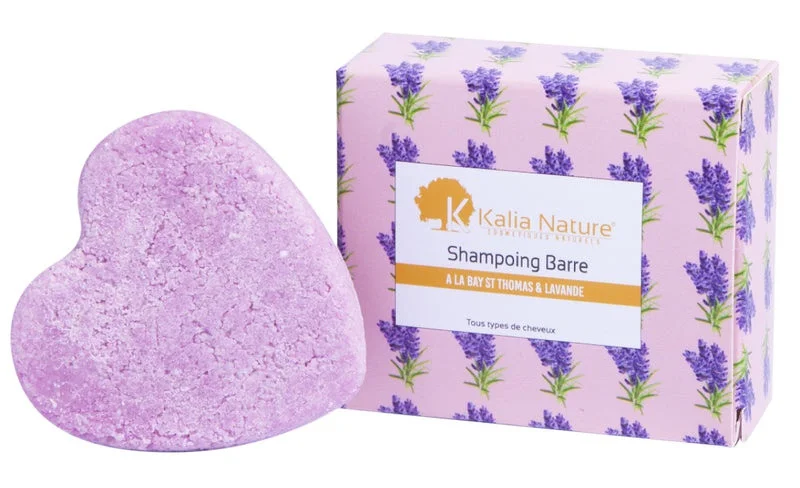
How well does your skin match with Kalia Nature Shampooing Barre Bay Saint Thomas Et Lavande?
Login to see detailsOr continue via
Quick 1-minute survey • Completely free
Ingredients
Analysis results of Ingredients


Ingredient List
| EWG | CIR | Ingredient Name & Cosmetic Function | Notes |
|---|---|---|---|
| 1 2 | A | (Surfactant, Emulsifying, Cleansing) | |
| - | - | Garcinia Indica | |
| 1 | A | (Skin Conditioning) |  |
| 1 | A | (Opacifying, Emollient, Viscosity Controlling, Viscosity Increasing Agent, Emulsion Stabilising, Emulsifying, Foam Boosting, Viscosity Increasingagent - Aqueous) | |


Kalia Nature Shampooing Barre Bay Saint Thomas Et Lavande - Ingredient Explanation
Sodium Coco Sulfate
1. Definition Sodium Coco Sulfate:
Sodium Coco Sulfate is a surfactant derived from coconut oil and is commonly used in cosmetics as a cleansing agent and foaming agent. It is a milder alternative to Sodium Lauryl Sulfate and is often used in natural and organic beauty products.2. Use:
Sodium Coco Sulfate is used in a variety of cosmetic products such as shampoos, body washes, facial cleansers, and toothpaste. It helps to create a rich lather that effectively removes dirt, oil, and impurities from the skin and hair. Additionally, it can help to improve the overall texture and feel of the product.3. Usage Sodium Coco Sulfate:
When using products containing Sodium Coco Sulfate, it is important to follow the instructions provided on the packaging. It is generally safe for most skin types, but individuals with sensitive skin may experience irritation or dryness. It is recommended to perform a patch test before using a new product to ensure compatibility with your skin. Avoid getting the product in your eyes, as it may cause irritation. If irritation occurs, discontinue use and consult a healthcare professional.4. References:
- CosmeticsInfo.org. (n.d.). Sodium Coco Sulfate. https://cosmeticsinfo.org/ingredient/sodium-coco-sulfate
- Personal Care Council. (2019). Sodium Coco Sulfate. https://www.personalcarecouncil.org/ingredient/sodium-coco-sulfate/
- Environmental Working Group. (n.d.). Sodium Coco Sulfate. https://www.ewg.org/skindeep/ingredients/704993-sodium-coco-sulfate/
Garcinia Indica
Ingredient data is being updated. Please check back later.
Theobroma Grandiforium
1. Definition Theobroma Grandiflorum (Theobroma) Seed Butter:
Theobroma Grandiflorum (Theobroma) Seed Butter, also known as Cupuacu Butter, is a natural butter extracted from the seeds of the Cupuacu tree, native to the Amazon rainforest. It is rich in essential fatty acids, antioxidants, and phytosterols, making it a popular ingredient in skincare and cosmetic products.2. Use:
Theobroma Grandiflorum Seed Butter is commonly used in skincare products such as moisturizers, lotions, creams, and lip balms due to its hydrating and emollient properties. It helps to improve skin elasticity, reduce inflammation, and protect the skin from environmental stressors. The butter has a creamy texture and a mild, pleasant scent, making it a versatile ingredient in various cosmetic formulations.3. Usage Theobroma Grandiflorum (Theobroma) Seed Butter:
When using products containing Theobroma Grandiflorum Seed Butter, it is important to perform a patch test before applying it to larger areas of the skin, especially if you have sensitive skin or allergies. The butter can be applied directly to the skin or incorporated into DIY skincare recipes. It is best used as a moisturizing agent for dry, cracked skin or as a protective barrier against harsh weather conditions.4. References:
- Costa, R. M., Magalhães, D., & Costa, A. M. (2018). Cupuassu butter (Theobroma grandiflorum): A review of the composition, properties, uses, and potential applications. Compr Rev Food Sci Food Saf, 17(3), 735-753.
- Ribeiro, B. D., & Barreto, D. W. (2015). Cupuassu (Theobroma grandiflorum) butter: properties, applications, and perspectives. In Sustainable Recovery and Reutilization of Cereal Processing By-Products (pp. 335-354). Academic Press.
- Oliveira, A. L. M., Santos, A. C., & Costa, R. M. (2016). Theobroma grandiflorum: A comprehensive review on bioactive compounds, pharmacological activities and cosmetic potential. Ind Crops Prod, 94, 340-350.
Cetearyl Alcohol
1. Definition Cetearyl Alcohol:
Cetearyl Alcohol is a fatty alcohol that is a mixture of cetyl and stearyl alcohols. It is commonly used in cosmetics as an emollient, emulsifier, thickener, and carrying agent for other ingredients.2. Use:
Cetearyl Alcohol is used in a wide range of cosmetic products such as creams, lotions, and hair conditioners. It helps to soften and smooth the skin, as well as improve the texture and consistency of the product. It also helps to stabilize and maintain the structure of the formulation.3. Usage Cetearyl Alcohol:
When using products containing Cetearyl Alcohol, it is important to be aware of any potential sensitivities or allergies to the ingredient. Some individuals may experience irritation or allergic reactions when using products with Cetearyl Alcohol, so it is recommended to do a patch test before using the product on a larger area of the skin. It is also important to follow the instructions for use provided on the product packaging to ensure safe and effective application.4. References:
- "Cetearyl Alcohol" by Paula Begoun, Cosmetics Cop, https://www.paulaschoice.com/ingredient-dictionary/emollients/cetearyl-alcohol.html
- "Cetearyl Alcohol in Cosmetics: Safe or Harmful?" by Dr. Anvita Arora, Dermatologist, https://www.dranvitaarora.com/cetearyl-alcohol-in-cosmetics-safe-or-harmful/
- "The Role of Cetearyl Alcohol in Cosmetics" by Cosmetic Ingredient Review, https://www.cir-safety.org/sites/default/files/cetearylcir.pdf
Review

Didn't find
the information you need?





Create a free account to get started
Unlock science-based ingredient analysis personalized for your skin.
Already have an account? Log in
We protect your privacy. We never send spam.