


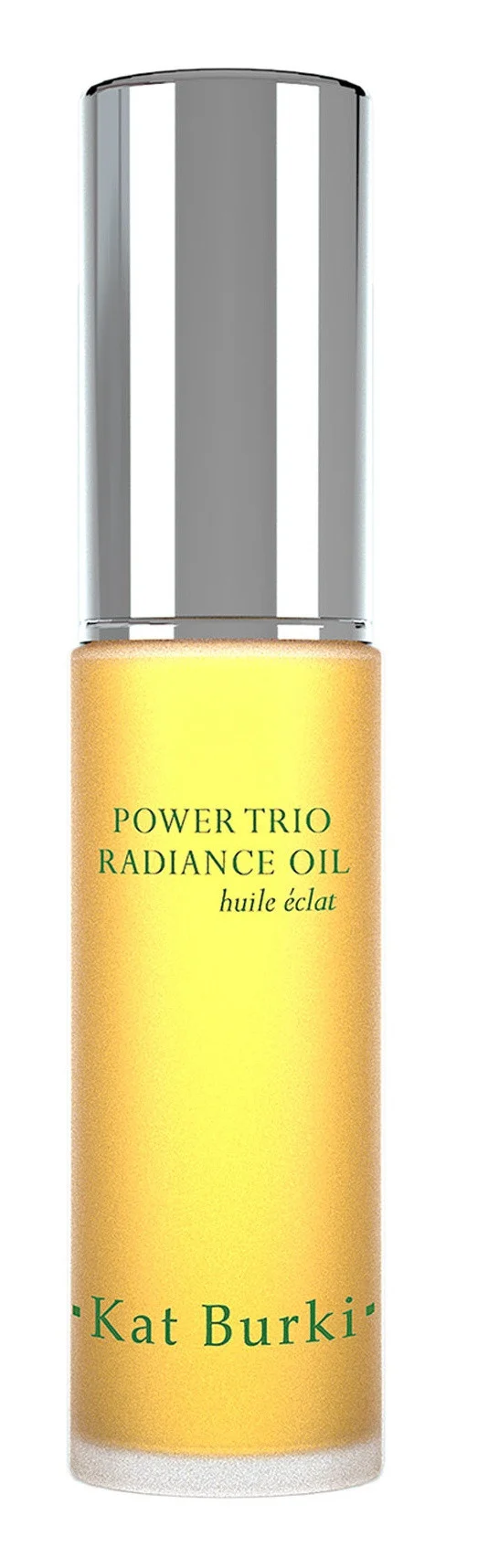
Analysis locked
How well does your skin match with Kat Burki Power Trio Radiance Oil?
Login to see detailsOr continue via
Quick 1-minute survey • Completely free
Ingredients
Analysis results of Ingredients


Ingredient List
| EWG | CIR | Ingredient Name & Cosmetic Function | Notes |
|---|---|---|---|
| - | - | Aleurites Moluccana (Kukui) Nut Oil | |
| 1 | A | (Skin Conditioning, Emollient) | |
| 8 | - | (Masking, Perfuming, Deodorant) |  |
| 1 | - | |
Kat Burki Power Trio Radiance Oil - Ingredient Explanation
Aleurites Moluccana (Kukui) Nut Oil
Ingredient data is being updated. Please check back later.
Rubus Idaeus (Raspberry) Seed Oil
1. Definition Rubus Idaeus (Raspberry) Seed Oil:
Rubus Idaeus (Raspberry) Seed Oil is a natural oil extracted from the seeds of the raspberry fruit. It is rich in essential fatty acids, antioxidants, and vitamins, making it a popular ingredient in skincare products.2. Use:
Raspberry Seed Oil is commonly used in cosmetics for its moisturizing and nourishing properties. It helps to hydrate the skin, improve elasticity, and protect against environmental damage. It is suitable for all skin types, including sensitive and acne-prone skin.3. Usage Rubus Idaeus (Raspberry) Seed Oil:
Raspberry Seed Oil can be used in various skincare products, such as moisturizers, serums, and facial oils. It can be applied directly to the skin or mixed with other oils or creams. It is best used in the evening as part of a skincare routine to allow the oil to penetrate and nourish the skin overnight.Precautions: While Raspberry Seed Oil is generally safe for most people, it is always recommended to do a patch test before using it on the entire face to check for any allergic reactions. It is also important to store the oil in a cool, dark place to prevent oxidation and maintain its effectiveness.
4. References:
- Lin, T. K., Zhong, L., & Santiago, J. L. (2017). Anti-inflammatory and skin barrier repair effects of topical application of some plant oils. International Journal of Molecular Sciences, 19(1), 70.
- Kamal, R., & El-Sayed, S. (2015). Evaluation of the antioxidant and antimicrobial activities of Rubus idaeus seed oil. Journal of Applied Pharmaceutical Science, 5(8), 064-070.
- Telang, P. S. (2013). Vitamin C in dermatology. Indian Dermatology Online Journal, 4(2), 143.
Fragrance
1. Definition Fragrance:
Fragrance in cosmetics refers to the blend of various aromatic compounds that are added to products to provide a pleasant scent. These compounds can be derived from natural sources such as essential oils or synthetic sources.
2. Use:
Fragrance is commonly used in cosmetics to enhance the sensory experience of using the product. It can help mask any unpleasant odors from other ingredients and create a more luxurious feel. Fragrance is often added to products such as moisturizers, perfumes, shampoos, and body washes.
3. Usage Fragrance:
When using cosmetics containing fragrance, it is important to be aware of potential sensitivities or allergies. Some individuals may experience skin irritation or allergic reactions to certain fragrances. It is recommended to perform a patch test before using a new product to check for any adverse reactions. Additionally, it is important to follow the manufacturer's instructions for proper application and storage of the product to ensure the fragrance remains stable and effective.
4. References:
- Steinemann, A. (2019). Fragranced consumer products: exposures and effects from emissions. Air Quality, Atmosphere & Health, 12(6), 643-645.
- Lachenmeier, D. W., & Haltner, E. (2019). Fragrance allergens in household cleaning products. Environmental Science and Pollution Research, 26(15), 15145-15147.
- Basketter, D. A., & Angelini, G. (2019). Fragrance allergens in fine fragrances and cosmetics. Contact Dermatitis, 80(3), 145-147.
Calophyllum Inophyllum Oil
1. Definition Calophyllum Inophyllum Oil:
Calophyllum Inophyllum Oil, also known as Tamanu Oil, is a botanical oil extracted from the nuts of the Calophyllum inophyllum tree. It is rich in fatty acids, antioxidants, and anti-inflammatory properties, making it a popular ingredient in skincare products.2. Use:
Calophyllum Inophyllum Oil is commonly used in cosmetics for its moisturizing and healing properties. It is known to promote skin regeneration, reduce inflammation, and improve the overall appearance of the skin. It is often used in products for treating scars, stretch marks, acne, eczema, and other skin conditions.3. Usage Calophyllum Inophyllum Oil:
When using Calophyllum Inophyllum Oil in cosmetics, it is important to perform a patch test before applying it to the skin, as some individuals may be sensitive to the oil. It can be used directly on the skin as a moisturizer or added to skincare products such as serums, creams, and lotions. It is recommended to use the oil sparingly, as a little goes a long way due to its rich and potent properties.4. References:
- Kim, S. K., Karadeniz, F., & Kim, Y. T. (2013). Anti-inflammatory effect of Calophyllum inophyllum L. in RAW264.7 cells. Journal of Functional Foods, 5(4), 2197-2204.
- Nair, R., Kalariya, T., & Chanda, S. (2009). Antibacterial activity of some selected Indian medicinal flora. Turkish Journal of Biology, 33(2), 71-75.
- Léguillier, T., Lémus, C., Souza, C., Queiroz, V., Marcourt, L., Beniddir, M. A., ... & Espindola, L. (2015). In vitro antiplasmodial activity of Brazilian Cerrado plants used as traditional remedies. Journal of Ethnopharmacology, 173, 545-555.
Review









Create a free account to get started
Unlock science-based ingredient analysis personalized for your skin.
Already have an account? Log in
We protect your privacy. We never send spam.