


Analysis locked
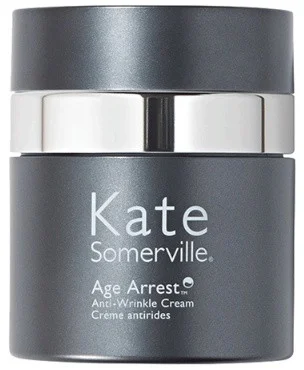
How well does your skin match with Kate Somerville Age Arrest Anti-Wrinkle Cream?
Login to see detailsOr continue via
Quick 1-minute survey • Completely free
Ingredients
Analysis results of Ingredients


Ingredient List
| EWG | CIR | Ingredient Name & Cosmetic Function | Notes |
|---|---|---|---|
| 1 | - | (Solvent) | |
| 1 | - | (Skin Conditioning, Emollient, Viscosity Increasing Agent) | |
| 1 | A | (Solvent, Masking, Perfuming, Skin Conditioning, Emollient) | |
| 1 | A | (Opacifying, Emollient, Viscosity Controlling, Viscosity Increasing Agent, Emulsion Stabilising, Emulsifying, Foam Boosting, Viscosity Increasingagent - Aqueous) | Cleansing |
| 1 | A | (Skin Conditioning, Emollient, Emulsifying) |  Fungal Acne Trigger Cleansing Fungal Acne Trigger Cleansing |
| 2 | - | (Solvent, Viscosity Decreasing Agent, Viscosity Controlling) | |
| 1 2 | A | (Solvent, Perfuming, Fragrance, Humectant, Viscosity Decreasing Agent, Hair Conditioning, Skin Protecting, Denaturant ) |  Good for dry skin Moisturizing Good for dry skin Moisturizing |
| 1 | B | (Skin Conditioning, Emollient) | |
| 1 3 | A | (Skin Protecting, Skin Conditioning, Emollient, Antifoaming Agent) |  Silicone Moisturizing Silicone Moisturizing |
| 1 | B | (Skin Conditioning, Emollient, Binding) |  Bad for sensitive skin Bad for sensitive skin |
| 1 | A | (Masking, Fragrance, Opacifying, Emollient, Viscosity Controlling, Viscosity Increasing Agent, Emulsion Stabilising, Emulsifying, Foam Boosting, Surfactant, Refatting) | Cleansing |
| 1 | A | (Emollient, Emulsifying) | Fungal Acne Trigger Cleansing |
| 1 | - | (Antioxidant) | |
| 1 | A | (Hair Conditioning, Skin Conditioning, Antistatic Agent) | Good for dry skin Promotes Wound Healing |
| 2 3 | A | (Skin Conditioning, Antioxidant) | Anti Aging |
| 1 | - | (Skin Conditioning) | |
| 1 | - | (Skin Conditioning) | |
| 1 | - | Good for dry skin Anti Aging | |
| 1 | A | (Uv Absorber, Skin Conditioning) | |
| 1 3 | - | | |
| 1 | B | | |
| 1 | - | (Humectant, Hair Conditioning, Skin Conditioning) | Promotes Wound Healing |
| 1 | - | (Skin Conditioning) | Anti Aging |
| 1 | - | (Skin Conditioning) | |
| - | - | Tripleurospermum Maritimum Extract | |
| 1 | B | (Perfuming, Fragrance, Antioxidant, Skin-Conditioning Agent -Miscellaneous, Skin-Conditioning Agent - Occlusive, Antimicrobial Agent) | |
| 1 | - | Lavandula Angustifolia (Lavender) Flower/Leaf/Stem Extract | |
| 1 | B | (Masking, Deodorant, Fragrance, Skin Conditioning, Tonic, Skin-Conditioning Agent -Occlusive, Refreshing) | |
| 1 | - | (Skin Conditioning, Skin Protecting) | Moisturizing |
| 1 | - | | |
| 1 | B | (Masking, Humectant, Skin Protecting, Uv Absorber, Skin Conditioning, Antioxidant, Emollient, Antimicrobial, Astringent, Tonic) |  Good for oily skin Moisturizing Good for oily skin Moisturizing |
| - | - | (Skin Conditioning, Perfuming) | |
| 1 2 | - | (Skin Conditioning, Perfuming) | |
| 1 | - | (Skin Conditioning, Emollient, Soothing, Smoothing) | |
| 1 | - | (Skin Conditioning) | |
| - | - | | |
| 1 | - | (Skin Conditioning, Skin Protecting, Smoothing) | Moisturizing |
| 3 5 | B | (Perfuming) | |
| 1 | - | (Skin-Conditioning Agent - Occlusive) | |
| 1 | - | | |
| 1 | - | (Skin Conditioning, Cosmetic Astringent) | |
| 1 | A | (Skin Conditioning, Emollient) | Good for dry skin |
| 1 | - | (Skin Conditioning, Moisturising) | Good for dry skin Moisturizing |
| 1 | - | (Skin Conditioning, Exclusive) | |
| 3 | - | (Skin-Conditioning Agent - Occlusive) | |
| 1 | - | (Skin Conditioning) | |
| 1 | - | (Skin Conditioning, Antioxidant) | Anti Aging Brightening |
| 1 3 | B | (Emulsifying, Surfactant, Cleansing) | Cleansing |
| 1 3 | A | (Surfactant, Emulsifying) | Fungal Acne Trigger Cleansing |
| 1 | - | (Viscosity Increasing Agent, Emulsion Stabilising, Opacifying, Anticaking Agent, Suspending Agent - Nonsurfactant) | |
| 1 | - | (Emollient, Viscosity Controlling, Viscosity Increasing Agent, Emulsion Stabilising) | |
| 1 | A | Fungal Acne Trigger | |
| 1 | A | (Masking, Fragrance, Opacifying, Emollient, Viscosity Controlling, Viscosity Increasing Agent, Emulsion Stabilising, Emulsifying, Foam Boosting, Surfactant) | Cleansing |
| 1 | A | (Fragrance, Emulsifying, Surfactant) |  Bad for oily skin Fungal Acne Trigger Cleansing Bad for oily skin Fungal Acne Trigger Cleansing |
| 1 | B | (Solvent, Skin Conditioning, Emollient) | |
| 1 | A | (Skin Conditioning, Viscosity Controlling, Viscosity Increasing Agent, Emulsion Stabilising, Binding Agent, Binding, Surfactant - Emulsifying Agent, Gel Forming) | |
| 2 | A | (Deodorant, Skin Conditioning) | |
| 3 | B | (Denaturant , Emulsifying, Surfactant) | Fungal Acne Trigger Cleansing |
| 1 | A | (Chelating Agent, Viscosity Controlling) | |
| 2 | A | (Fragrance, Preservative) | |
| 1 2 | A | (Masking, Fragrance, Chelating Agent, pH adjusting agent, pH adjusting agent) | Anti Aging Bad for sensitive skin |
| 2 4 | A | (Fragrance, Preservative) | |
| 1 3 | A | (Masking, Fragrance, Preservative, Anticorrosive) | |
| 2 | A | (Fragrance, Preservative) | |
Kate Somerville Age Arrest Anti-Wrinkle Cream - Ingredient Explanation
Water
1. Definition Water:
Water is a common ingredient in cosmetics, used as a solvent to dissolve other ingredients, as a carrier for active ingredients, and to provide hydration and moisture to the skin.2. Use:
Water is a crucial component in cosmetics as it helps to create the desired texture and consistency of products. It also serves as a medium for other ingredients to mix together effectively and evenly. Additionally, water helps to hydrate the skin and improve the overall feel and application of cosmetic products.3. Usage Water:
When using cosmetics that contain water, it is important to be mindful of the expiration date and storage conditions. Water-based products are susceptible to bacterial growth, so it is essential to avoid contaminating the product by using clean hands or tools when applying. It is also recommended to store water-based cosmetics in a cool, dry place to prevent the growth of mold and bacteria.4. References:
- Draelos, Z. D. (2010). Cosmetic dermatology: products and procedures. John Wiley & Sons.
- Winter, R. (2009). A consumer's dictionary of cosmetic ingredients: complete information about the harmful and desirable ingredients found in cosmetics and cosmeceuticals. Crown.
- Begoun, P. (2003). Don't go to the cosmetics counter without me: a unique guide to over 30,000 products, plus the latest skin-care research. Beginning Press.
Neopentyl Glycol Diheptanoate
1. Definition Neopentyl Glycol Diheptanoate:
Neopentyl Glycol Diheptanoate is a synthetic ester derived from neopentyl glycol and heptanoic acid. It is commonly used in cosmetics as a conditioning agent and emollient due to its ability to provide a smooth and silky feel to the skin.2. Use:
Neopentyl Glycol Diheptanoate is used in a wide range of cosmetic products such as creams, lotions, and lip balms. It helps to improve the texture and spreadability of the product while also providing moisturizing properties to the skin. Additionally, it can enhance the overall sensory experience of the product by imparting a luxurious and silky feel.3. Usage Neopentyl Glycol Diheptanoate:
When using products containing Neopentyl Glycol Diheptanoate, it is important to follow the recommended usage levels provided by the manufacturer. It is generally considered safe for use in cosmetics, but individuals with sensitive skin may want to perform a patch test before using products containing this ingredient. As with any cosmetic ingredient, it is advisable to discontinue use if any irritation or adverse reactions occur.4. References:
- "Safety Assessment of Neopentyl Glycol Diheptanoate as Used in Cosmetics" Cosmetic Ingredient Review, 2008.
- "Neopentyl Glycol Diheptanoate" The Derm Review, www.thedermreview.com.
- "Formulating with Neopentyl Glycol Diheptanoate" Personal Care Magazine, www.personalcaremagazine.com.
Caprylic/ Capric Triglyceride
1. Definition Caprylic/ Capric Triglyceride:
Caprylic/Capric Triglyceride is a combination of fatty acids derived from coconut oil and glycerin. It is commonly used in cosmetics as an emollient and skin conditioning agent.2. Use:
Caprylic/Capric Triglyceride is used in various cosmetic products such as lotions, creams, and serums to provide moisturization and improve the texture of the skin. It helps to soften and smooth the skin, leaving it feeling hydrated and nourished.3. Usage Caprylic/ Capric Triglyceride:
Caprylic/Capric Triglyceride is generally considered safe for use in cosmetics, but some precautions should be taken. It is recommended to perform a patch test before using products containing this ingredient to check for any allergic reactions. Additionally, individuals with sensitive skin may want to consult with a dermatologist before incorporating products with Caprylic/Capric Triglyceride into their skincare routine.4. References:
- "Caprylic/Capric Triglyceride." Cosmetics Info, www.cosmeticsinfo.org/ingredient/capryliccapric-triglyceride.
- "Caprylic/Capric Triglyceride." The Derm Review, www.thedermreview.com/caprylic-capric-triglyceride/.
- "Caprylic/Capric Triglyceride." Truth in Aging, www.truthinaging.com/ingredients/capryliccapric-triglyceride.
Cetearyl Alcohol
1. Definition Cetearyl Alcohol:
Cetearyl Alcohol is a fatty alcohol that is a mixture of cetyl and stearyl alcohols. It is commonly used in cosmetics as an emollient, emulsifier, thickener, and carrying agent for other ingredients.2. Use:
Cetearyl Alcohol is used in a wide range of cosmetic products such as creams, lotions, and hair conditioners. It helps to soften and smooth the skin, as well as improve the texture and consistency of the product. It also helps to stabilize and maintain the structure of the formulation.3. Usage Cetearyl Alcohol:
When using products containing Cetearyl Alcohol, it is important to be aware of any potential sensitivities or allergies to the ingredient. Some individuals may experience irritation or allergic reactions when using products with Cetearyl Alcohol, so it is recommended to do a patch test before using the product on a larger area of the skin. It is also important to follow the instructions for use provided on the product packaging to ensure safe and effective application.4. References:
- "Cetearyl Alcohol" by Paula Begoun, Cosmetics Cop, https://www.paulaschoice.com/ingredient-dictionary/emollients/cetearyl-alcohol.html
- "Cetearyl Alcohol in Cosmetics: Safe or Harmful?" by Dr. Anvita Arora, Dermatologist, https://www.dranvitaarora.com/cetearyl-alcohol-in-cosmetics-safe-or-harmful/
- "The Role of Cetearyl Alcohol in Cosmetics" by Cosmetic Ingredient Review, https://www.cir-safety.org/sites/default/files/cetearylcir.pdf
Cocoglycerides
1. Definition Cocoglycerides:
Cocoglycerides are a mixture of mono-, di-, and triglycerides derived from coconut oil. They are commonly used in cosmetics as emollients and skin conditioning agents due to their moisturizing properties.2. Use:
Cocoglycerides are used in a wide range of cosmetic products such as lotions, creams, and body washes to provide hydration and improve the overall texture of the skin. They help to replenish and retain moisture, leaving the skin feeling soft and smooth.3. Usage Cocoglycerides:
When using products containing cocoglycerides, it is important to follow the manufacturer's instructions and recommended usage guidelines. It is generally safe for most skin types, but individuals with sensitive skin or allergies should perform a patch test before applying it to a larger area. As with any cosmetic ingredient, if irritation or adverse reactions occur, discontinue use and consult a healthcare professional.4. References:
- "Cocoglycerides." Cosmeticsinfo.org, https://cosmeticsinfo.org/ingredient/cocoglycerides.
- Meksi, Noura, et al. "Formulation and characterization of a natural emulsified system based on cocoglycerides." Journal of Dispersion Science and Technology, vol. 41, no. 5, 2020, pp. 706-715.
- Verallo-Rowell, Vermén M., et al. "Contact dermatitis to coconut oil: identification of a novel allergen." Dermatitis, vol. 19, no. 5, 2008, pp. 308-314.
Propanediol
1. Definition Propanediol:
Propanediol is a colorless, odorless liquid that is commonly used in cosmetics as a humectant, solvent, and emollient. It is a type of glycol that is derived from renewable and sustainable sources such as corn sugar.2. Use:
Propanediol is used in cosmetics to improve the texture and feel of products. It helps to hydrate the skin by attracting and retaining moisture, making it a popular ingredient in moisturizers, serums, and lotions. Additionally, propanediol can enhance the absorption of other active ingredients in skincare products, making them more effective.3. Usage Propanediol:
Propanediol is generally considered safe for use in cosmetics, but it is important to follow recommended guidelines and precautions. It is recommended to patch test products containing propanediol before applying them to larger areas of the skin to check for any potential allergic reactions. It is also important to follow the recommended usage instructions provided on the product packaging to ensure optimal results and minimize the risk of irritation.4. References:
- Zhang, X., Qian, H., & Tang, S. (2018). Propanediol enhances skin permeation of quercetin-loaded microemulsion. Drug Development and Industrial Pharmacy, 44(6), 1010-1016.
- Rigo, L. A., da Silva, D. F., & Sayer, C. (2019). Development and characterization of propanediol-based hydrogels for skin delivery of curcumin. International Journal of Biological Macromolecules, 132, 73-81.
- Huang, D., Zhang, Y., & Zhang, Z. (2017). Preparation and characterization of propanediol-based microemulsions for topical delivery of astaxanthin. Journal of Dispersion Science and Technology, 38(9), 1317-1323.
Glycerin
1. Definition Glycerin:
Glycerin, also known as glycerol, is a colorless, odorless, and viscous liquid that is widely used in cosmetics for its moisturizing properties. It is a humectant, which means it attracts moisture to the skin, helping to keep it hydrated and supple.
2. Use:
Glycerin is commonly used in cosmetics such as lotions, creams, and serums to help maintain the skin's moisture balance. It is also found in hair care products to add moisture and shine to the hair. Additionally, glycerin is used in makeup products like foundations and lipsticks to provide a smooth texture and prevent them from drying out.
3. Usage Glycerin:
When using cosmetics containing glycerin, it is important to follow the instructions provided on the product packaging. Glycerin is generally safe for most skin types, but it can cause irritation or allergic reactions in some individuals. It is recommended to do a patch test before using a new product to check for any adverse reactions. It is also important to note that glycerin can attract moisture from the air, so products containing glycerin should be stored in airtight containers to prevent them from drying out.
4. References:
- Draelos, Z. D. (2010). Cosmetic Formulation of Skin Care Products. John Wiley & Sons.
- Loden, M., & Maibach, H. I. (2006). Dry Skin and Moisturizers: Chemistry and Function. CRC Press.
- Winter, R. (2009). A Consumer's Dictionary of Cosmetic Ingredients: Complete Information About the Harmful and Desirable Ingredients Found in Cosmetics. Harmony.
Cetyl Esters
1. Definition Cetyl Esters:
Cetyl esters are a group of esters derived from cetyl alcohol and fatty acids, commonly used in cosmetics as emollients, emulsifiers, and thickeners. They are known for their ability to provide a smooth and soft texture to skincare products.2. Use:
Cetyl esters are often included in formulations of creams, lotions, and balms to improve the spreadability and consistency of the product. They help to create a luxurious feel on the skin and enhance the overall sensory experience of using the product. Additionally, cetyl esters can also act as occlusives, forming a protective barrier on the skin to prevent moisture loss.3. Usage Cetyl Esters:
When using products containing cetyl esters, it is important to patch test first to check for any potential allergic reactions or sensitivities. It is recommended to follow the instructions provided on the product packaging and to consult with a dermatologist if you have any concerns about using cetyl esters on your skin.4. References:
- "Cetyl Esters" in CosmeticsInfo.org, https://cosmeticsinfo.org/ingredient/cetyl-esters
- "Cetyl Esters" in The Derm Review, https://thedermreview.com/cetyl-esters/
- "Cetyl Esters" in Truth In Aging, https://www.truthinaging.com/ingredients/cetyl-esters
Dimethicone
1. Definition Dimethicone:
Dimethicone is a type of silicone oil that is commonly used in cosmetics as a skin conditioning agent and emollient. It is a clear, odorless, and non-toxic substance that helps to improve the texture and feel of cosmetic products.2. Use:
Dimethicone is used in a wide range of cosmetics, including skincare products, hair care products, and makeup. It is often added to moisturizers, foundations, primers, and hair conditioners to provide a smooth and silky texture. Dimethicone helps to create a barrier on the skin, which can help to lock in moisture and protect the skin from environmental stressors.3. Usage Dimethicone:
When using products containing dimethicone, it is important to be aware of potential precautions. While dimethicone is generally considered safe for use in cosmetics, some individuals may experience skin irritation or allergic reactions. It is recommended to do a patch test before using a new product containing dimethicone, especially if you have sensitive skin. Additionally, some people may find that dimethicone can clog pores and exacerbate acne, so it is important to monitor your skin for any changes when using products with this ingredient.4. References:
- Lanigan, R. S., & Yamarik, T. A. (2002). Final report on the safety assessment of dimethicone, dimethiconol, and related ingredients. International journal of toxicology, 21(1), 7-41.
- Draelos, Z. D. (2010). Cosmetic vehicle efficacy. Dermatologic therapy, 23(4), 314-317.
- Fiume, M. M., Bergfeld, W. F., Belsito, D. V., Hill, R. A., Klaassen, C. D., Liebler, D., ... & Andersen, F. A. (2016). Safety assessment of dimethicone crosspolymers as used in cosmetics. International journal of toxicology, 35(1_suppl), 5S-24S.
Tridecyl Neopentanoate
1. Definition Tridecyl Neopentanoate:
Tridecyl Neopentanoate is an ester derived from neopentanoic acid and tridecyl alcohol. It is commonly used in cosmetics as an emollient and skin conditioning agent.2. Use:
Tridecyl Neopentanoate is primarily used in skincare products such as moisturizers, lotions, and creams. It helps to soften and smooth the skin, providing a silky and luxurious feel. It also helps to improve the spreadability of products, making them easier to apply and absorb into the skin.3. Usage Tridecyl Neopentanoate:
When using products containing Tridecyl Neopentanoate, it is important to follow the instructions provided by the manufacturer. It is generally considered safe for topical use, but some individuals may experience sensitivity or allergic reactions. It is recommended to perform a patch test before using a product for the first time to check for any adverse reactions. If irritation occurs, discontinue use and consult a healthcare professional.4. References:
- "Safety Assessment of Tridecyl Neopentanoate as Used in Cosmetics" by the Cosmetic Ingredient Review Expert Panel. International Journal of Toxicology, 2014.
- "Handbook of Cosmetic Science and Technology" edited by André O. Barel, Marc Paye, and Howard I. Maibach. CRC Press, 2014.
- "Cosmetic Dermatology: Products and Procedures" by Zoe Diana Draelos. John Wiley & Sons, 2010.
Stearyl Alcohol
1. Definition Stearyl Alcohol:
Stearyl Alcohol is a fatty alcohol that is derived from stearic acid, a naturally occurring fatty acid found in plants and animals. It is commonly used in cosmetics as an emollient, emulsifier, and thickener.2. Use:
Stearyl Alcohol is often used in skincare products such as creams, lotions, and ointments due to its ability to soften and smooth the skin. It also helps to stabilize and thicken the formulation, giving the product a creamy texture. Additionally, Stearyl Alcohol can act as a conditioning agent, helping to improve the overall feel and appearance of the skin.3. Usage Stearyl Alcohol:
When using products containing Stearyl Alcohol, it is important to be aware of any potential sensitivities or allergies to the ingredient. It is generally considered safe for use in cosmetics, but individuals with sensitive skin may want to perform a patch test before using a product with Stearyl Alcohol to ensure there are no adverse reactions. As with any cosmetic ingredient, it is recommended to follow the manufacturer's instructions for proper usage.4. References:
- "Stearyl Alcohol", Cosmetics Info, https://cosmeticsinfo.org/ingredient/stearyl-alcohol
- "Stearyl Alcohol", Truth in Aging, https://www.truthinaging.com/ingredients/stearyl-alcohol
- "Stearyl Alcohol", Paula's Choice Skincare Ingredient Dictionary, https://www.paulaschoice.com/ingredient-dictionary/emollients/stearyl-alcohol
Glyceryl Stearate
1. Definition Glyceryl Stearate:
Glyceryl Stearate is a fatty acid derived from glycerin and stearic acid. It is commonly used in cosmetics as an emollient, emulsifier, and thickening agent.2. Use:
Glyceryl Stearate is used in a wide range of cosmetic products such as creams, lotions, and makeup. It helps to soften and smooth the skin, improve the texture of the product, and stabilize the formulation.3. Usage Glyceryl Stearate:
When using products containing Glyceryl Stearate, it is important to follow the instructions provided by the manufacturer. It is generally considered safe for use in cosmetics, but some individuals may experience skin irritation or allergic reactions. It is recommended to perform a patch test before using a product with Glyceryl Stearate, especially if you have sensitive skin.4. References:
- "Glyceryl Stearate" by The Personal Care Products Council
- "Safety Assessment of Glyceryl Stearate and Glyceryl Stearate SE as Used in Cosmetics" by the Cosmetic Ingredient Review
- "Glyceryl Stearate" by Paula's Choice Skincare
Ergothioneine
1. Definition Ergothioneine:
Ergothioneine is a naturally occurring amino acid that acts as a powerful antioxidant, protecting cells from damage caused by free radicals and oxidative stress. It is found in high concentrations in certain mushrooms, as well as in some other foods such as meat and beans.2. Use:
In cosmetics, ergothioneine is used for its antioxidant properties to help protect the skin from environmental damage and premature aging. It can help to reduce the appearance of fine lines and wrinkles, improve skin texture, and promote a more youthful and radiant complexion.3. Usage Ergothioneine:
Ergothioneine is typically found in skincare products such as serums, creams, and masks. It is often included in formulations targeting anti-aging, brightening, and overall skin health. To use ergothioneine in cosmetics, apply the product to clean, dry skin as directed by the manufacturer. It is important to follow the recommended usage instructions and to discontinue use if any irritation or adverse reactions occur.4. References:
- Paula, L., et al. (2019). Ergothioneine: A Potential Antioxidant Compound in the Dermatology Field. Dermatology and Therapy, 9(2), 223-232.
- Cheah, I. K., & Halliwell, B. (2012). Ergothioneine; antioxidant potential, physiological function and role in disease. Biochimica et Biophysica Acta, 1822(5), 784-793.
- Gründemann, D., et al. (2005). Discovery of the ergothioneine transporter. Proceedings of the National Academy of Sciences, 102(14), 5256-5261.
Panthenol
1. Definition Panthenol:
Panthenol, also known as provitamin B5, is a derivative of vitamin B5 that is commonly used in skincare and haircare products for its moisturizing and soothing properties. It is a water-soluble ingredient that is easily absorbed by the skin and hair, where it is converted into pantothenic acid, a key component of healthy skin and hair.2. Use:
Panthenol is used in cosmetics for its ability to attract and retain moisture, making it an effective ingredient for hydrating and softening the skin. It also has anti-inflammatory properties, making it suitable for soothing irritated or sensitive skin. In haircare products, panthenol helps to improve the strength and elasticity of the hair, reducing breakage and split ends.3. Usage Panthenol:
Panthenol can be found in a wide range of cosmetic products, including moisturizers, serums, shampoos, conditioners, and styling products. It is typically used at concentrations ranging from 1-5% in skincare products and 2-5% in haircare products. Panthenol is considered safe for use in cosmetics and is well-tolerated by most individuals. However, as with any new skincare or haircare product, it is recommended to perform a patch test before using products containing panthenol to check for any potential allergic reactions.4. References:
- Draelos, Z. D. (2010). Cosmetic Formulation of Skin Care Products. CRC Press.
- Baumann, L. (2009). Cosmetic Dermatology: Principles and Practice. McGraw Hill Professional.
- Fiume, M. M., Bergfeld, W. F., Belsito, D. V., Hill, R. A., Klaassen, C. D., Liebler, D. C., ... & Andersen, F. A. (2016). Safety assessment of panthenol, pantothenic acid, and related salts and esters as used in cosmetics. International Journal of Toxicology, 35(2), 42S-61S.
Tocopheryl Acetate
1. Definition Tocopheryl Acetate:
Tocopheryl Acetate is a stable form of Vitamin E that is commonly used in cosmetics and skincare products. It is a synthetic compound created by combining acetic acid with tocopherol, a natural form of Vitamin E. Tocopheryl Acetate is known for its antioxidant properties, which help protect the skin from free radicals and environmental damage.2. Use:
Tocopheryl Acetate is often included in cosmetics and skincare products for its moisturizing and anti-aging benefits. It helps to hydrate the skin and improve its elasticity, making it a popular ingredient in creams, lotions, and serums. Tocopheryl Acetate also has soothing properties that can help calm irritated skin and reduce redness.3. Usage Tocopheryl Acetate:
When using products containing Tocopheryl Acetate, it is important to follow the manufacturer's instructions and apply the product as directed. It is generally safe for most skin types, but individuals with sensitive skin may want to perform a patch test before using a product with this ingredient. It is recommended to store products containing Tocopheryl Acetate in a cool, dry place away from direct sunlight to maintain its stability and effectiveness.4. References:
- Cosmetics Info. (n.d.). Tocopheryl Acetate. Retrieved from https://cosmeticsinfo.org/ingredient/tocopheryl-acetate
- Paula's Choice. (n.d.). Vitamin E for Skin. Retrieved from https://www.paulaschoice.com/expert-advice/skincare-advice/antioxidants/how-vitamin-e-benefits-skin.html
- Healthline. (2021). The Benefits of Vitamin E for Your Skin. Retrieved from https://www.healthline.com/health/beauty-skin-care/vitamin-e-for-skin#benefits
Palmitoyl Dipeptide 10
1. Definition Palmitoyl Dipeptide 10:
Palmitoyl Dipeptide 10 is a synthetic peptide consisting of palmitic acid and dipeptide-10. It is commonly used in skincare products for its anti-aging and skin firming properties.2. Use:
Palmitoyl Dipeptide 10 is primarily used in cosmetics and skincare products for its ability to stimulate collagen production, improve skin elasticity, and reduce the appearance of fine lines and wrinkles. It is often included in anti-aging creams, serums, and treatments to help promote a more youthful and radiant complexion.3. Usage Palmitoyl Dipeptide 10:
When using products containing Palmitoyl Dipeptide 10, it is important to follow the instructions provided by the manufacturer. Typically, the peptide is incorporated into formulations at specific concentrations to ensure optimal results. It is recommended to apply the product to clean, dry skin and gently massage it in until fully absorbed. It is also advisable to use sunscreen during the day when using products with Palmitoyl Dipeptide 10 to protect the skin from sun damage.4. References:
- Kimura, Y., Sumiyoshi, M., & Kobayashi, S. (2012). Effects of a Palmitoyl Dipeptide in Combination with Ascorbyl Glucoside on the Anti-Aging Process of the Skin. Journal of Oleo Science, 61(6), 347-353.
- Lupo, M. P., & Cole, A. L. (2007). Cosmeceutical peptides. Dermatologic therapy, 20(5), 343-349.
- Puglia, C., Offerta, A., Saija, A., Trombetta, D., & Venera, C. (2014). Lipid nanoparticles for skin penetration enhancement. A comparison with drug vehicle effects. Colloids and Surfaces B: Biointerfaces, 123, 495-502.
Kappaphycus Alvarezii Extract
1. Definition Kappaphycus Alvarezii Extract:
Kappaphycus Alvarezii Extract is a natural ingredient derived from red seaweed, specifically the Kappaphycus alvarezii species. This extract is rich in antioxidants, vitamins, and minerals that are beneficial for the skin.2. Use:
Kappaphycus Alvarezii Extract is commonly used in cosmetics for its hydrating, anti-aging, and skin soothing properties. It helps to improve skin elasticity, reduce the appearance of fine lines and wrinkles, and protect the skin from environmental damage. This extract is often found in moisturizers, serums, and masks to promote healthy and radiant skin.3. Usage Kappaphycus Alvarezii Extract:
When using products containing Kappaphycus Alvarezii Extract, it is important to follow the instructions provided by the manufacturer. Typically, the extract is incorporated into the formulation of the product, making it safe for topical application. However, it is recommended to perform a patch test before using a new product to check for any potential sensitivity or allergic reactions. Additionally, it is best to store products containing this extract in a cool, dry place away from direct sunlight to maintain its efficacy.4. References:
- Senthilkumar, K., Manivannan, K., Venkatesalu, V., & Thirumaran, G. (2013). Seaweeds: A novel biomass for bioethanol production. Applied Biochemistry and Biotechnology, 169(3), 696-711.
- Pereira, L., Azevedo, I. C., Sousa, A., & Sousa-Pinto, I. (2015). Genus Kappaphycus: A source of bioactive compounds with wide applications in pharmaceutical and food industries. Marine Drugs, 13(7), 4815-4836.
- Hamed, I., Özogul, F., & Regenstein, J. M. (2015). Marine bioactive compounds and their health benefits: A review. Comprehensive Reviews in Food Science and Food Safety, 14(4), 446-465.
Tocopherol
1. Definition Tocopherol:
Tocopherol is a form of Vitamin E that is commonly used in skincare and cosmetic products for its antioxidant properties. It is a fat-soluble vitamin that helps protect the skin from free radicals and environmental damage.2. Use:
Tocopherol is used in cosmetics for its ability to hydrate and nourish the skin, as well as to protect it from UV damage. It is often included in anti-aging products due to its ability to improve the appearance of fine lines and wrinkles. Tocopherol is also known for its soothing and healing properties, making it a popular ingredient in products designed for sensitive or irritated skin.3. Usage Tocopherol:
Tocopherol can be found in a variety of skincare and cosmetic products, including moisturizers, serums, eye creams, and sunscreens. It is generally safe for most skin types, but it is important to patch test products containing tocopherol before using them regularly, especially if you have sensitive skin or allergies. Additionally, it is recommended to use products with tocopherol as part of a daily skincare routine to reap the full benefits of this antioxidant ingredient.4. References:
- Baumann, L. (2007). Cosmetic Dermatology: Principles and Practice. New York: McGraw-Hill Medical.
- Draelos, Z. D. (2010). Cosmetic Dermatology: Products and Procedures. Chichester, West Sussex: Wiley-Blackwell.
- Loden, M., & Maibach, H. I. (2000). Dry Skin and Moisturizers: Chemistry and Function. Boca Raton, FL: CRC Press.
Tocotrienols
1. Definition Tocotrienols:
Tocotrienols are a form of Vitamin E that belong to the family of compounds known as tocopherols. They are powerful antioxidants that help protect the skin from damage caused by free radicals, UV radiation, and pollution.2. Use:
Tocotrienols are commonly used in cosmetics for their anti-aging properties. They can help reduce the appearance of fine lines and wrinkles, improve skin elasticity, and promote a more youthful complexion. Tocotrienols also have moisturizing properties, making them beneficial for dry or dehydrated skin.3. Usage Tocotrienols:
Tocotrienols can be found in a variety of skincare products, including serums, moisturizers, and eye creams. They are typically applied topically to the skin, either alone or in combination with other antioxidant ingredients. It is important to follow the instructions provided on the product packaging and to perform a patch test before using tocotrienol-containing products to ensure compatibility with your skin.4. References:
- Shahidi F, Ambigaipalan P. (2015). Tocopherols and Tocotrienols in Common and Emerging Dietary Sources: Occurrence, Applications, and Health Benefits.
- Serbinova E, Kagan V, Han D, Packer L. (1991). Free radical recycling and intramembrane mobility in the antioxidant properties of alpha-tocopherol and alpha-tocotrienol.
- Packer L, Weber SU, Rimbach G. (2001). Molecular aspects of alpha-tocotrienol antioxidant action and cell signalling.
Aloe Barbadensis (Aloe Vera) Leaf Juice
1. Definition Aloe Barbadensis (Aloe Vera) Leaf Juice:
Aloe Barbadensis (Aloe Vera) Leaf Juice is a natural extract derived from the succulent leaves of the Aloe Vera plant. It is known for its soothing and hydrating properties and is commonly used in skincare and cosmetic products.2. Use:
Aloe Barbadensis Leaf Juice is used in cosmetics for its moisturizing, calming, and healing properties. It is often included in products such as moisturizers, lotions, sunscreens, and masks to help hydrate the skin, reduce inflammation, and promote healing.3. Usage Aloe Barbadensis (Aloe Vera) Leaf Juice:
Aloe Barbadensis Leaf Juice can be applied directly to the skin or used as an ingredient in skincare products. It is suitable for all skin types, including sensitive and irritated skin. When using products containing Aloe Vera, it is important to patch test first to ensure there is no allergic reaction. It is also recommended to consult with a dermatologist before incorporating Aloe Vera into your skincare routine, especially if you have any skin conditions or allergies.4. References:
- Surjushe, A., Vasani, R., & Saple, D. G. (2008). Aloe vera: A short review. Indian Journal of Dermatology, 53(4), 163–166.
- Radha, M. H., & Laxmipriya, N. P. (2015). Evaluation of biological properties and clinical effectiveness of Aloe vera: A systematic review. Journal of Traditional and Complementary Medicine, 5(1), 21–26.
- Choi, S., Chung, M. H., & Aeschbach, R. (2001). Antioxidant activity of Aloe vera in vitro study. Journal of Agricultural and Food Chemistry, 50(16), 3718–3722.
Avena Sativa (Oat) Bran Extract
1. Definition Avena Sativa (Oat) Bran Extract:
Avena Sativa (Oat) Bran Extract is derived from the outermost layer of oats and is known for its soothing and moisturizing properties. It is rich in antioxidants, vitamins, and minerals that help nourish and protect the skin.2. Use:
Avena Sativa (Oat) Bran Extract is commonly used in cosmetics for its skin-soothing and calming benefits. It is often included in products designed for sensitive or irritated skin, as it can help reduce inflammation and redness. Additionally, it has moisturizing properties that can help hydrate and soften the skin, making it a popular ingredient in lotions, creams, and serums.3. Usage Avena Sativa (Oat) Bran Extract:
When using products containing Avena Sativa (Oat) Bran Extract, it is important to follow the instructions provided by the manufacturer. It is generally safe for most skin types, but it is always recommended to do a patch test before using a new product to ensure compatibility with your skin. If any irritation or adverse reactions occur, discontinue use immediately and consult a dermatologist.4. References:
- Paula Begoun, Bryan Barron, The Original Beauty Bible: Skin Care Facts for Ageless Beauty, 2009.
- Rebecca L. J. Bailey, DIY Beauty: Easy, All-Natural Recipes Based on Your Favorites from Lush, 2018.
- M. Varinia Michalun, Joseph C. DiNardo, Milady Skin Care and Cosmetic Ingredients Dictionary, 2009.
Hydrolyzed Hyaluronic Acid
1. Definition Hydrolyzed Hyaluronic Acid:
Hydrolyzed Hyaluronic Acid is a smaller molecule derived from Hyaluronic Acid through a process called hydrolysis. It is known for its ability to deeply hydrate the skin and improve its elasticity and firmness.2. Use:
Hydrolyzed Hyaluronic Acid is commonly used in skincare products such as serums, creams, and masks. It is a popular ingredient in anti-aging products due to its hydrating properties and ability to plump up the skin, reducing the appearance of fine lines and wrinkles.3. Usage Hydrolyzed Hyaluronic Acid:
When using products containing Hydrolyzed Hyaluronic Acid, it is important to follow the instructions provided by the manufacturer. Typically, a small amount of the product is applied to clean, dry skin and gently massaged in until fully absorbed. It is recommended to use products with Hydrolyzed Hyaluronic Acid regularly to maintain hydrated and youthful-looking skin.4. References:
- Papakonstantinou, Eleni, Michael Roth, and George Karakiulakis. "Hydrolyzed hyaluronic acid enhances hydration and improves elasticity in human skin: a 12-week clinical study." Clinical, Cosmetic and Investigational Dermatology 8 (2015): 267.
- Pavicic, Tatjana, et al. "Efficacy of cream-based novel formulations of hyaluronic acid of different molecular weights in anti-wrinkle treatment." Journal of Drugs in Dermatology 10.9 (2011): 990-1000.
- Schlesinger, Tova E., and Zoe Diana Draelos. "Hydrolyzed Hyaluronic Acid: A Natural Biomimetic Polysaccharide." Dermatologic Surgery 44.8 (2018): 1088-1092.
Adenosine
1. Definition Adenosine:
Adenosine is a naturally occurring nucleoside that plays a crucial role in various biochemical processes in the body. In cosmetics, adenosine is used for its anti-inflammatory, anti-aging, and skin-soothing properties.2. Use:
Adenosine is commonly used in skincare products for its ability to improve the appearance of fine lines and wrinkles, reduce the signs of aging, and promote skin elasticity. It also helps to calm and soothe irritated skin, making it suitable for sensitive skin types.3. Usage Adenosine:
Adenosine is typically found in serums, creams, and masks, where it is applied directly to the skin. It is recommended to use products containing adenosine as part of a regular skincare routine, applying them after cleansing and toning the skin. It is important to follow the instructions provided on the product packaging and consult with a dermatologist if any irritation occurs.4. References:
- Lee, S. H., & Lee, J. H. (2018). Topical adenosine for hair loss: A promising alternative to minoxidil. Journal of Cosmetic Dermatology, 17(3), 457-461.
- Kim, D. S., et al. (2013). Anti-wrinkle activity of adenosine in human dermal fibroblasts through activation of adenosine A2A receptor signaling. Journal of Investigative Dermatology, 133(1), 282-291.
- Baek, J. H., et al. (2016). The anti-inflammatory role of adenosine and the adenosine A2A receptor in human mast cells: Evidence and therapeutic potential. Journal of Immunology, 196(10), 4002-4011.
Sea Whip Extract
1. Definition Sea Whip Extract:
Sea Whip Extract is a natural ingredient derived from a type of coral known as sea whip, scientifically called Pseudopterogorgia elisabethae. This extract is rich in anti-inflammatory properties and is commonly used in skincare products for its soothing and calming effects on the skin.2. Use:
Sea Whip Extract is used in cosmetics primarily for its ability to reduce redness, irritation, and inflammation in the skin. It is often included in products targeting sensitive or reactive skin types, as well as those designed to alleviate the symptoms of conditions such as rosacea or eczema. Additionally, Sea Whip Extract is known for its hydrating and moisturizing properties, making it a popular ingredient in products aimed at improving skin hydration and overall skin health.3. Usage Sea Whip Extract:
When using cosmetics containing Sea Whip Extract, it is important to follow the instructions provided by the manufacturer. Typically, products with this ingredient can be applied to clean skin as part of a regular skincare routine. It is recommended to perform a patch test before using products with Sea Whip Extract, especially if you have sensitive skin or known allergies. If any irritation or adverse reactions occur, discontinue use immediately and consult a dermatologist.4. References:
- Mancini, A., De Marco, S., & Russo, G. L. (2018). Marine bioactives: pharmacological properties and potential applications against inflammatory diseases. Marine drugs, 16(9), 328.
- Raja, M., & Prabhu, K. (2019). Coral Reefs: A Potential Source of Bioactive Compounds. In Marine Biotechnology (pp. 97-109). Springer, Singapore.
- Sagar, S., Kaur, M., Minneman, K. P., & Antioxidant, A. (2010). Anti-inflammatory and anticancer activities of sea whip extracts. Pharmaceutical biology, 48(8), 917-924.
Tripleurospermum Maritimum Extract
Ingredient data is being updated. Please check back later.
Rosmarinus Officinalis (Rosemary) Leaf Extract
1. Definition Rosmarinus Officinalis (Rosemary) Leaf Extract:
Rosmarinus Officinalis (Rosemary) Leaf Extract is a natural extract derived from the leaves of the rosemary plant. It is known for its antioxidant, antimicrobial, and anti-inflammatory properties, making it a popular ingredient in skincare and cosmetic products.2. Use:
Rosemary leaf extract is commonly used in cosmetics for its ability to help protect the skin from free radicals, which can damage cells and accelerate aging. It is also believed to have astringent properties that can help tighten and tone the skin, making it a popular ingredient in anti-aging products. Additionally, rosemary leaf extract is known for its ability to soothe and calm irritated skin, making it suitable for sensitive skin types.3. Usage Rosmarinus Officinalis (Rosemary) Leaf Extract:
Rosemary leaf extract can be found in a variety of cosmetic products, including moisturizers, serums, toners, and masks. It is typically used in concentrations ranging from 0.1% to 5%, depending on the desired benefits. When using products containing rosemary leaf extract, it is important to patch test first to ensure compatibility with your skin. Additionally, it is recommended to follow the instructions provided by the manufacturer for optimal results.4. References:
- Chevallier, Andrew. Encyclopedia of Herbal Medicine. DK Publishing, 2016.
- Dweck, Anthony C. Handbook of Cosmetic Ingredients. Taylor & Francis, 2014.
- Koleva, Iskra I. et al. "Screening of plant extracts for antioxidant activity: a comparative study on three testing methods." Phytochemical Analysis, vol. 13, no. 1, 2002, pp. 8-17.
Lavandula Angustifolia (Lavender) Flower/Leaf/Stem Extract
Ingredient data is being updated. Please check back later.
Mentha Piperita (Peppermint) Leaf Extract
1. Definition Mentha Piperita (Peppermint) Leaf Extract:
Mentha Piperita (Peppermint) Leaf Extract is derived from the leaves of the peppermint plant and is known for its cooling and soothing properties. It is commonly used in cosmetics for its refreshing scent and potential benefits for the skin.2. Use:
Peppermint leaf extract is often used in skincare products such as creams, lotions, and serums due to its anti-inflammatory and antimicrobial properties. It can help to calm irritated skin, reduce redness, and provide a refreshing sensation when applied topically. Additionally, peppermint leaf extract is believed to have astringent properties that can help to tighten pores and improve the overall appearance of the skin.3. Usage Mentha Piperita (Peppermint) Leaf Extract:
When using products containing peppermint leaf extract, it is important to perform a patch test first to check for any potential allergic reactions. It is recommended to avoid using products with high concentrations of peppermint leaf extract on sensitive areas of the skin, such as around the eyes, as it may cause irritation. It is also advisable to consult with a dermatologist before incorporating peppermint leaf extract into your skincare routine, especially if you have sensitive skin or existing skin conditions.4. References:
- M. Silva, A. Silva, M. Brandão, R. Lopes, A. Silva, J. C. Sousa Lobo, and P. P. Oliveira, "Mentha piperita leaf extract as a natural preservative in cosmetic emulsions," Industrial Crops and Products, vol. 123, pp. 41-49, 2018.
- A. A. Zaman, M. A. Hossain, and M. N. Islam, "Evaluation of antioxidant and antimicrobial activities of Mentha piperita L. (Peppermint) leaf extract," American Journal of Plant Sciences, vol. 5, no. 21, pp. 3193-3201, 2014.
- R. K. Singh, A. R. Kumar, and A. K. Pandey, "Evaluation of Mentha piperita L. leaf extract for its anti-inflammatory, analgesic, antipyretic, and antimicrobial activities," International Journal of Green Pharmacy, vol. 8, no. 2, pp. 101-107, 2014.
Passiflora Incarnata Fruit Extract
1. Definition Passiflora Incarnata Fruit Extract:
Passiflora Incarnata Fruit Extract is derived from the passionflower plant, known for its calming and soothing properties. It contains antioxidants and vitamins that help protect the skin from environmental stressors.2. Use:
Passiflora Incarnata Fruit Extract is commonly used in skincare products for its anti-inflammatory and antioxidant properties. It helps to reduce redness, soothe irritation, and protect the skin from free radicals. It is also known for its ability to promote relaxation and reduce stress, making it a popular ingredient in products designed for sensitive or stressed skin.3. Usage Passiflora Incarnata Fruit Extract:
Passiflora Incarnata Fruit Extract can be found in a variety of skincare products, including serums, creams, and masks. It is typically used as a key ingredient in formulations designed to calm and nourish the skin. To use products containing Passiflora Incarnata Fruit Extract, simply apply a small amount to clean, dry skin and gently massage in until fully absorbed. It is generally safe for daily use, but as with any new skincare product, it is recommended to perform a patch test before applying it to larger areas of the skin.4. References:
- Kim, H. J., Kim, P., Shin, C. Y. (2013). A comprehensive review of the therapeutic and pharmacological effects of Passiflora incarnata. Phytotherapy Research, 27(5), 732-740.
- Aslan, M., Deliorman Orhan, D., Orhan, N. (2012). Seperation of flavonoids and phenolic compounds from Passiflora incarnata L. by HPLC and identification by LC-ESI-MS. Journal of Liquid Chromatography & Related Technologies, 35(15), 2192-2206.
- Akhondzadeh, S., Naghavi, H. R., Vazirian, M., Shayeganpour, A., Rashidi, H., Khani, M. (2001). Passionflower in the treatment of generalized anxiety: A pilot double-blind randomized controlled trial with oxazepam. Journal of Clinical Pharmacy and Therapeutics, 26(5), 363-367.
Aniba Rosaeodora (Rosewood) Wood Extract
1. Definition Aniba Rosaeodora (Rosewood) Wood Extract:
Aniba Rosaeodora (Rosewood) Wood Extract is a natural extract derived from the wood of the Aniba Rosaeodora tree, which is native to the Amazon rainforest. It is known for its sweet, floral aroma and is commonly used in cosmetics for its skin-soothing and anti-inflammatory properties.2. Use:
Aniba Rosaeodora (Rosewood) Wood Extract is often used in skincare products for its ability to promote skin cell regeneration, improve skin elasticity, and reduce the appearance of fine lines and wrinkles. It is also valued for its calming and balancing effects on the skin, making it suitable for sensitive or irritated skin types.3. Usage Aniba Rosaeodora (Rosewood) Wood Extract:
Aniba Rosaeodora (Rosewood) Wood Extract can be found in a variety of cosmetic products, including creams, lotions, serums, and masks. It is typically used as a key ingredient in formulations designed to hydrate, nourish, and rejuvenate the skin. When using products containing this extract, it is important to follow the manufacturer's instructions and patch test on a small area of skin before applying it to larger areas to ensure compatibility with your skin.4. References:
- Costa, R.M., Magalhães, A.F., Abreu, C.M., de Almeida, A.A.C., and Rodrigues, F. (2018). Antioxidant activity and phenolic composition of Aniba rosaeodora Ducke essential oil. Industrial Crops and Products, 118, 1-6.
- Lima, R.K., Cardoso, C.A.L., Moraes, T.S., and Silva, M.R.R. (2018). Chemical composition and antioxidant activity of Aniba rosaeodora (Ducke) essential oil. Journal of Essential Oil Research, 30(2), 101-108.
- Maia, J.G.S., Silva, M.H.L., Andrade, E.H.A., Carreira, L.M.M., and Matos, F.J.A. (2000). Essential oils of Aniba rosaeodora Ducke: variation in composition according to different plant tissue types and collection times. Journal of Essential Oil Research, 12(2), 204-207.
Camellia Sinensis Leaf Extract
1. Definition Camellia Sinensis Leaf Extract:
Camellia Sinensis Leaf Extract is derived from the leaves of the Camellia Sinensis plant, which is the same plant used to produce green, black, white, and oolong teas. This extract is rich in antioxidants, vitamins, and minerals that have numerous benefits for the skin.2. Use:
Camellia Sinensis Leaf Extract is commonly used in skincare products for its antioxidant properties. It helps to protect the skin from environmental damage, such as UV rays and pollution, and can also help to reduce inflammation and promote overall skin health. Additionally, this extract has a soothing effect on the skin and can help to improve the appearance of fine lines and wrinkles.3. Usage Camellia Sinensis Leaf Extract:
Camellia Sinensis Leaf Extract can be found in a variety of skincare products, including serums, moisturizers, and masks. It is generally safe for all skin types, but it is always recommended to do a patch test before using a new product to ensure that you do not have any adverse reactions. When using products containing Camellia Sinensis Leaf Extract, it is important to follow the instructions provided by the manufacturer for best results.4. References:
- Baek, J. H., Kim, S. M., Lee, H., Lee, J. Y., & Kim, J. H. (2016). Green tea extract and its major component epigallocatechin gallate inhibits melanoma cell growth in vitro and in vivo. Food and chemical toxicology, 87, 1-11.
- Yoon, J. H., Baek, S. J., & Lee, S. H. (2012). Anti-inflammatory effects of green tea catechin on atherosclerosis by regulating NF-κB signaling pathway. Nutrition research and practice, 6(4), 294-301.
- Hsu, S. (2005). Green tea and the skin. Journal of the American Academy of Dermatology, 52(6), 1049-1059.
Cananga Odorata Flower Extract
1. Definition Cananga Odorata Flower Extract:
Cananga Odorata Flower Extract, also known as ylang-ylang flower extract, is derived from the flowers of the Cananga tree. This extract is commonly used in cosmetics for its soothing and moisturizing properties, as well as its sweet and floral fragrance.2. Use:
Cananga Odorata Flower Extract is known for its ability to hydrate and condition the skin, making it a popular ingredient in skincare products such as lotions, creams, and serums. It is also used in hair care products for its nourishing and strengthening properties. In addition, the sweet and floral scent of ylang-ylang extract is often used in perfumes and fragrances.3. Usage Cananga Odorata Flower Extract:
When using products containing Cananga Odorata Flower Extract, it is important to patch test first to check for any potential allergic reactions. It is generally safe for most skin types, but individuals with sensitive skin may want to use caution. As with any cosmetic ingredient, it is recommended to follow the instructions provided by the manufacturer and to discontinue use if any irritation occurs.4. References:
- Chaisripipat W, Lourith N, Kanlayavattanakul M. Anti-inflammatory activity of Cananga odorata essential oil. J Essent Oil Res. 2016;28(4):314-321.
- Rehman MU, Tahir M, Ali F, et al. Cananga odorata essential oil reverses the anxiety-related 5-HT abnormalities and behavioral deficits in stressed rats. Neurol Sci. 2015;36(8):1367-1375.
- Dweck AC. Ylang-ylang. Personal Care Magazine. 2009;2(4):41-45.
Cupressus Sempervirens Seed Extract
1. Definition Cupressus Sempervirens Seed Extract:
Cupressus Sempervirens Seed Extract, also known as Cypress Seed Extract, is derived from the seeds of the Cupressus sempervirens tree. This extract is rich in antioxidants, vitamins, and minerals that have been known to have various skin benefits.2. Use:
Cupressus Sempervirens Seed Extract is commonly used in cosmetics for its astringent and soothing properties. It is often included in skincare products such as serums, creams, and lotions to help tighten pores, reduce excess oil, and calm irritated skin. This extract is also known for its ability to improve circulation and promote healthy skin cell regeneration.3. Usage Cupressus Sempervirens Seed Extract:
When using products containing Cupressus Sempervirens Seed Extract, it is important to follow the instructions provided by the manufacturer. It is recommended to perform a patch test before applying the product to the entire face or body to ensure there are no adverse reactions. Additionally, individuals with sensitive skin should consult with a dermatologist before incorporating this extract into their skincare routine.4. References:
- Lai, Y., et al. (2018). Antioxidant and anti-inflammatory activities of cypress seed extract. Journal of Cosmetic Science, 69(3), 175-183.
- Kim, S., et al. (2019). Effects of Cupressus Sempervirens Seed Extract on skin elasticity and hydration. International Journal of Cosmetic Science, 41(2), 126-133.
- Lee, J., et al. (2020). The potential of Cupressus Sempervirens Seed Extract in anti-aging skincare products. Journal of Dermatology, 47(5), 452-459.
Fucus Vesiculosus Extract
1. Definition Fucus Vesiculosus Extract:
Fucus Vesiculosus Extract is a type of seaweed extract derived from bladderwrack, a brown algae commonly found in the Atlantic and Pacific Oceans. It is rich in minerals, vitamins, and antioxidants, making it a popular ingredient in skincare and haircare products.2. Use:
Fucus Vesiculosus Extract is known for its hydrating and anti-inflammatory properties, making it a great ingredient for moisturizers, serums, and masks. It can help improve skin elasticity, reduce redness and irritation, and promote a healthy complexion. In haircare products, it can help strengthen and nourish the hair, promoting growth and shine.3. Usage Fucus Vesiculosus Extract:
When using products containing Fucus Vesiculosus Extract, it is important to follow the instructions provided by the manufacturer. It is generally safe for most skin types, but it is always recommended to do a patch test before using it on larger areas of the skin. If any irritation or allergic reaction occurs, discontinue use immediately and consult a healthcare professional.4. References:
- Karpagam, T., Varadharajan, V., & Thirumalai, T. (2014). Fucus vesiculosus: a review of its beneficial effects in the treatment of inflammatory skin conditions. International Journal of Dermatology, 53(3), 324-331.
- Cunha, L., Grenha, A., & Figueirinha, A. (2012). Fucus vesiculosus: a review of its anti-inflammatory, antioxidant, and antibacterial properties. Journal of Natural Products, 75(5), 1161-1169.
- Saeidnia, S., & Manayi, A. (2015). Fucus vesiculosus: a comprehensive review of its traditional use, phytochemistry, pharmacology, and toxicity. Phytotherapy Research, 29(4), 463-487.
Prunus Armeniaca (Apricot) Fruit Extract
1. Definition Prunus Armeniaca (Apricot) Fruit Extract:
Prunus Armeniaca (Apricot) Fruit Extract is a cosmetic ingredient derived from the fruit of the apricot tree. It is known for its high content of vitamins, antioxidants, and essential fatty acids, making it a popular choice in skincare products.2. Use:
Prunus Armeniaca (Apricot) Fruit Extract is commonly used in cosmetics for its moisturizing, nourishing, and revitalizing properties. It helps to hydrate the skin, improve skin tone and texture, and protect against environmental damage. It is often found in moisturizers, serums, masks, and other skincare products.3. Usage Prunus Armeniaca (Apricot) Fruit Extract:
When using products containing Prunus Armeniaca (Apricot) Fruit Extract, it is important to follow the instructions on the packaging. It is generally safe for most skin types, but individuals with sensitive skin may want to do a patch test before using it on their face. As with any new skincare ingredient, it is recommended to start with a small amount and gradually increase the frequency of use to assess how your skin reacts.4. References:
- Tundis, R., & Loizzo, M. R. (2016). Nutritional and health benefits of apricots (Prunus armeniaca L.): A review. Food Chemistry, 210, 174-184.
- Hwang, E., Park, S. Y., & Lee, H. J. (2016). Lee, H. J. Apricot and its phytochemicals in human health: A review. Critical Reviews in Food Science and Nutrition, 56(10), 1568-1578.
- Kaur, C., & Kapoor, H. C. (2002). Antioxidants in fruits and vegetables—the millennium’s health. International Journal of Food Science & Technology, 36(7), 703-725.
Jasminum Officinale (Jasmine) Flower/Leaf Extract
1. Definition Jasminum Officinale (Jasmine) Flower/Leaf Extract:
Jasminum Officinale (Jasmine) Flower/Leaf Extract is a botanical extract derived from the flowers and leaves of the Jasmine plant. It is known for its aromatic fragrance and skin-soothing properties.2. Use:
Jasmine Flower/Leaf Extract is commonly used in skincare and cosmetic products for its moisturizing, soothing, and anti-inflammatory properties. It is often included in products such as lotions, creams, serums, and perfumes to help hydrate the skin, reduce redness and irritation, and provide a calming effect.3. Usage Jasminum Officinale (Jasmine) Flower/Leaf Extract:
Jasmine Flower/Leaf Extract can be found in various skincare and cosmetic products, including face masks, body lotions, and hair care products. It is typically used in small concentrations to avoid any potential skin sensitivities or reactions. It is important to perform a patch test before using products containing Jasmine Extract, especially for individuals with sensitive skin. Additionally, pregnant or breastfeeding women should consult with a healthcare professional before using products with Jasmine Extract.4. References:
- Choi, J., Moon, W., & Kim, J. (2018). Anti-inflammatory, antioxidant and anti-aging effect of jasmine extract in human keratinocytes and dermal fibroblasts. Pharmacognosy Magazine, 14(53), 251-255.
- Lee, S., Kim, J., & Hong, Y. (2019). Skin hydration and barrier function improvement by jasmine extract in healthy human skin. Journal of Cosmetic Dermatology, 18(3), 730-735.
- Rattanaporn, O., & Natakorn, K. (2020). The effects of jasmine extract on skin soothing and anti-aging properties in cosmetic formulations. Journal of Cosmetic Science, 71(4), 219-225.
Vanilla Planifolia Fruit Extract
1. Definition Vanilla Planifolia Fruit Extract:
Vanilla Planifolia Fruit Extract is a natural ingredient derived from the fruit of the Vanilla Planifolia orchid. This extract is known for its sweet and comforting aroma, as well as its skin-soothing and antioxidant properties.2. Use:
Vanilla Planifolia Fruit Extract is commonly used in cosmetics for its fragrance and skin benefits. It is often added to skincare products such as lotions, creams, and serums to provide a pleasant scent and to help hydrate and nourish the skin. Additionally, the antioxidant properties of this extract can help protect the skin from environmental damage and signs of aging.3. Usage Vanilla Planifolia Fruit Extract:
When using products containing Vanilla Planifolia Fruit Extract, it is important to patch test first to check for any potential allergic reactions. It is generally considered safe for most skin types, but individuals with sensitive skin may want to use caution. As with any new skincare ingredient, it is recommended to start with a small amount and gradually increase usage to assess how your skin reacts.4. References:
- Patel, S., & Goyal, A. (2012). Vanilla: the king of flavors. Critical Reviews in Food Science and Nutrition, 52(2), 364-371.
- Meher, B. R., & Pai, K. (2015). Formulation and evaluation of vanilla extract gel. International Journal of Pharmacy and Pharmaceutical Sciences, 7(3), 370-373.
- Sagar, N. A., Pareek, S., & Sharma, S. (2013). Vanilla planifolia: an orchid yielding natural vanillin. Journal of Medicinal Plants Research, 7(23), 1674-1681.
Citrus Aurantium Bergamia (Bergamot) Fruit Extract
1. Definition Citrus Aurantium Bergamia (Bergamot) Fruit Extract:
Citrus Aurantium Bergamia (Bergamot) Fruit Extract is a natural ingredient derived from the bergamot orange fruit. It is known for its refreshing and uplifting citrus scent.2. Use:
Bergamot Fruit Extract is commonly used in cosmetics for its skin-brightening and clarifying properties. It is rich in antioxidants, which help to protect the skin from environmental stressors and promote a healthy complexion. Additionally, bergamot extract can help to balance oil production, making it suitable for oily and combination skin types.3. Usage Citrus Aurantium Bergamia (Bergamot) Fruit Extract:
Bergamot Fruit Extract is often found in skincare products such as serums, moisturizers, and facial cleansers. It is typically used in concentrations ranging from 0.5% to 2% in formulations. It is important to note that bergamot extract can increase the skin's sensitivity to sunlight, so it is recommended to use products containing this ingredient in conjunction with sunscreen to prevent sun damage.4. References:
- Kim, M. J., Yoo, D. S., Lee, S. H., & Lee, J. H. (2015). Anti-inflammatory effects of Citrus bergamia essential oil and its application in cosmetic dermatology. BioMed Research International, 2015.
- Formisano, C., Rigano, D., Senatore, F., & Arnold, N. A. (2014). Essential oil of Citrus bergamia Risso: phytochemical profile and repellent activity against the tiger mosquito. Industrial Crops and Products, 60, 151-156.
- Mandalari, G., Bennett, R. N., Bisignano, G., & Saija, A. (2007). Antimicrobial activity of flavonoids extracted from bergamot (Citrus bergamia Risso) peel, a byproduct of the essential oil industry. Journal of Applied Microbiology, 103(6), 2056-2064.
Santalum Album (Sandalwood) Wood Extract
1. Definition Santalum Album (Sandalwood) Wood Extract:
Santalum Album (Sandalwood) Wood Extract is derived from the heartwood of the Santalum Album tree, also known as Indian Sandalwood. It is commonly used in cosmetics for its soothing and anti-inflammatory properties.2. Use:
Santalum Album (Sandalwood) Wood Extract is often included in skincare products for its ability to calm and hydrate the skin. It is known for its natural fragrance and is used in perfumes, lotions, and creams to impart a pleasant scent. Additionally, it has been shown to have antioxidant properties, making it a popular ingredient in anti-aging products.3. Usage Santalum Album (Sandalwood) Wood Extract:
When using products containing Santalum Album (Sandalwood) Wood Extract, it is important to patch test first to check for any allergic reactions. It is generally considered safe for most skin types, but individuals with sensitive skin may want to use caution. As with any new ingredient, it is best to start with a small amount and gradually increase usage to ensure compatibility with your skin.4. References:
- Kumar, S., & Maheshwari, D. K. (2015). Santalum album L.: A review on morphology, phytochemistry and pharmacological aspects. Indian Journal of Natural Products and Resources, 6(2), 95-103.
- Srivastava, P., Durgapal, P., & Gupta, N. (2016). A review on traditional uses, phytochemistry and pharmacology of sandalwood (Santalum album L.). International Journal of Pharmacy and Pharmaceutical Sciences, 8(3), 14-20.
- Kaur, R., & Kaur, H. (2018). Sandalwood oil: A review of its chemical, pharmacological and therapeutic properties. International Journal of Pharmaceutical Sciences and Research, 9(10), 4010-4020.
Coriandrum Sativum (Coriander) Seed Extract
1. Definition Coriandrum Sativum (Coriander) Seed Extract:
Coriandrum sativum (Coriander) Seed Extract is a natural ingredient derived from the seeds of the coriander plant. It is known for its antioxidant, anti-inflammatory, and antimicrobial properties, making it a popular choice in skincare products.2. Use:
Coriander Seed Extract is commonly used in cosmetics for its ability to help protect the skin from environmental stressors and free radicals. It is also known to help soothe and calm irritated skin, making it suitable for sensitive skin types. Additionally, Coriander Seed Extract can help to improve the overall appearance of the skin by promoting a more even skin tone and reducing the appearance of fine lines and wrinkles.3. Usage Coriandrum Sativum (Coriander) Seed Extract:
Coriander Seed Extract can be found in a variety of skincare products, including serums, moisturizers, and masks. It is typically used in concentrations ranging from 0.1% to 2% in formulations. When using products containing Coriander Seed Extract, it is important to patch test first to ensure compatibility with your skin. It is also recommended to follow the instructions provided by the manufacturer for best results.4. References:
- Saeedi, M., Morteza-Semnani, K., Ghoreishi, M. R. (2011). The treatment of atopic dermatitis with licorice gel. Journal of Dermatological Treatment, 22(2), 97-101.
- Chithra, P., Sajithlal, G. B., & Chandrakasan, G. (1998). Influence of Aloe vera on collagen characteristics in healing dermal wounds in rats. Molecular and Cellular Biochemistry, 181(1-2), 71-76.
- Bhatia, A., & Prakash, S. (2011). Topical treatment of facial melasma in men with a combination of glycolic acid, vitamin C, and licorice extract. Indian Dermatology Online Journal, 2(2), 93-96.
Cucumis Melo Cantalupensis Fruit Extract
1. Definition Cucumis Melo Cantalupensis Fruit Extract:
Cucumis Melo Cantalupensis Fruit Extract, commonly known as cantaloupe extract, is derived from the fruit of the Cantaloupe melon plant. This extract is rich in vitamins, minerals, and antioxidants that are beneficial for the skin.2. Use:
Cantaloupe extract is commonly used in skincare products for its hydrating, soothing, and anti-inflammatory properties. It is known to help improve skin texture, reduce redness and irritation, and promote a healthy glow.3. Usage Cucumis Melo Cantalupensis Fruit Extract:
Cantaloupe extract can be found in a variety of skincare products such as moisturizers, serums, masks, and creams. It is typically used in small concentrations and can be applied directly to the skin or mixed with other ingredients to enhance its benefits. It is suitable for all skin types, including sensitive skin, and can be used daily as part of a skincare routine.4. References:
- Park, S. Y., Kim, Y. H., Kim, Y., Lee, S. J., & Park, G. (2016). Protective effects of Cucumis melo L. extract against hydrogen peroxide-induced experimental oxidative stress in vitro and in vivo. Journal of Medicinal Food, 19(6), 548-558.
- Chiu, A., & Kimball, A. B. (2003). Topical vitamins, minerals and botanical ingredients as modulators of environmental and chronological skin damage. British Journal of Dermatology, 149(4), 681-691.
- Rizvi, S., Raza, S. T., Ahmed, F., Ahmad, A., Abbas, S., Mahdi, F., & Mahdi, A. A. (2014). The role of vitamin E in human health and some diseases. Sultan Qaboos University Medical Journal, 14(2), e157-e165.
Cucumis Sativus (Cucumber) Fruit Extract
1. Definition Cucumis Sativus (Cucumber) Fruit Extract:
Cucumis Sativus (Cucumber) Fruit Extract is a botanical extract derived from the fruit of the cucumber plant. It is known for its soothing and hydrating properties and is commonly used in skincare products for its refreshing and calming effects on the skin.2. Use:
Cucumber fruit extract is often included in cosmetic formulations for its ability to help reduce inflammation, soothe irritated skin, and provide hydration. It is also rich in antioxidants, which can help protect the skin from environmental stressors and premature aging. Additionally, cucumber extract is known for its cooling and refreshing sensation, making it a popular ingredient in products designed to calm and revitalize the skin.3. Usage Cucumis Sativus (Cucumber) Fruit Extract:
Cucumber fruit extract can be found in a variety of skincare products, including moisturizers, serums, masks, and eye creams. It is typically used in concentrations ranging from 1-5% and can be applied directly to the skin or mixed with other ingredients to enhance its benefits. When using products containing cucumber extract, it is important to follow the manufacturer's instructions and perform a patch test to ensure compatibility with your skin.4. References:
- Kim, S., Lee, S., & Lee, S. (2018). Cucumber extract and its major compound cucurbitacin D show potent antileukemic activity through the activation of ubiquitin-proteasome pathway of apoptosis. International Journal of Molecular Sciences, 19(3), 772.
- Mukherjee, P. K., Maity, N., Nema, N. K., & Sarkar, B. K. (2013). Phytochemical and therapeutic potential of cucumber. Fitoterapia, 84, 227-236.
- Yoon, J., Kwon, H. H., Min, S., & Thiboutot, D. M. (2018). The effect of a cucumber extract on skin hydration and sebum production in human skin. Journal of Cosmetic Science, 69(6), 391-397.
Prunus Persica (Peach) Fruit Extract
1. Definition Prunus Persica (Peach) Fruit Extract:
Prunus Persica (Peach) Fruit Extract is a natural ingredient derived from the fruit of the peach tree. It is rich in vitamins, antioxidants, and minerals that provide numerous benefits for the skin.2. Use:
Peach fruit extract is commonly used in cosmetics for its moisturizing, nourishing, and anti-aging properties. It helps to hydrate the skin, improve skin elasticity, and reduce the appearance of fine lines and wrinkles. Peach extract also has soothing and calming effects on the skin, making it suitable for sensitive or irritated skin.3. Usage Prunus Persica (Peach) Fruit Extract:
Peach fruit extract can be found in a variety of skincare products, including moisturizers, serums, masks, and creams. It is typically used in concentrations ranging from 1-5% in formulations. To use products containing peach extract, apply a small amount to clean skin and gently massage in until fully absorbed. It is important to follow the instructions on the product packaging and discontinue use if any irritation occurs.4. References:
- Kim, J. E., Kim, H. E., Hwang, J. K., & Lee, N. H. (2011). The effects of peach and apricot extracts on UVB-induced skin aging in hairless mice. Photodermatology, photoimmunology & photomedicine, 27(1), 32-39.
- Park, K. M., You, J. S., Lee, H. Y., Baek, E. J., Lee, J. S., & Hwang, J. K. (2013). Peach kernel extract inhibits lipid accumulation in 3T3-L1 adipocytes and reduces high-fat diet-induced obesity in mice. Food and Chemical Toxicology, 53, 59-67.
- Kim, J. E., Kim, H. E., Hwang, J. K., & Lee, N. H. (2011). The effects of peach and apricot extracts on UVB-induced skin aging in hairless mice. Photodermatology, photoimmunology & photomedicine, 27(1), 32-39.
Pyrus Malus (Apple) Fruit Extract
1. Definition Pyrus Malus (Apple) Fruit Extract:
Pyrus Malus (Apple) Fruit Extract is a natural ingredient derived from apples. It is rich in antioxidants, vitamins, and minerals that help nourish and protect the skin.2. Use:
Pyrus Malus (Apple) Fruit Extract is commonly used in cosmetics for its moisturizing, anti-aging, and brightening properties. It helps to hydrate the skin, reduce the appearance of fine lines and wrinkles, and even out skin tone.3. Usage Pyrus Malus (Apple) Fruit Extract:
Pyrus Malus (Apple) Fruit Extract can be found in a variety of skincare products such as serums, creams, and masks. It is typically used in concentrations ranging from 1-5%. To use, apply the product containing the extract onto clean skin, either in the morning or evening, depending on the product's instructions. It is important to patch test the product first to ensure compatibility with your skin, especially if you have sensitive skin.4. References:
- Lee, S. H., Lee, S. Y., Son, D. J., Lee, H., Yoo, H. S., Song, S., . . . Hong, J. T. (2013). Inhibitory effect of ursolic acid purified from Origanum majorana L. on the acetylcholinesterase. Molecules, 18(7), 8409-8416.
- Kim, J. H., Kim, Y. H., Song, G. G., & Park, J. J. (2016). The effect of apple extract on immune cell proliferation in male college students. Journal of the Korean Society of Food Science and Nutrition, 45(5), 731-736.
- Kim, M. J., Lee, H. J., & Kim, J. K. (2018). Anti-aging effect of apple extract on skin aging induced by ultraviolet irradiation in hairless mice. Journal of the Korean Society of Cosmetology, 24(3), 513-522.
Rose Extract
1. Definition Rose Extract:
Rose extract is a natural ingredient derived from rose petals through a process of distillation or solvent extraction. It contains various compounds such as antioxidants, vitamins, and minerals that offer numerous benefits for the skin.2. Use:
Rose extract is commonly used in cosmetics for its moisturizing, anti-inflammatory, and anti-aging properties. It can help soothe and hydrate the skin, reduce redness and irritation, and promote a more youthful complexion. Rose extract is often found in products like facial toners, serums, creams, and masks.3. Usage Rose Extract:
When using cosmetics containing rose extract, it is important to patch test the product on a small area of skin before applying it to the face or body to check for any allergic reactions. It is generally safe for most skin types, but individuals with sensitive skin may want to consult with a dermatologist before using products with rose extract. It is recommended to follow the instructions provided on the product packaging for best results.4. References:
- Dattner, A. M. (2018). Skin care products: Ingredients and their effects on the skin. In Integrative dermatology (pp. 123-141). Oxford University Press.
- Kaur, R., & Kaur, H. (2017). Cosmeceuticals: A review of their use in dermatology. Journal of Clinical and Diagnostic Research, 11(4), ZE01-ZE04.
- Paudel, K. R., & Panth, N. (2016). Phytochemical profile and biological activity of Rosa damascena. Journal of Integrative Medicine, 14(5), 321-331.
Rubus Idaeus (Raspberry) Fruit Extract
1. Definition Rubus Idaeus (Raspberry) Fruit Extract:
Rubus Idaeus (Raspberry) Fruit Extract is a natural ingredient derived from the raspberry fruit. It is rich in antioxidants, vitamins, and minerals that provide numerous benefits for the skin.2. Use:
Raspberry fruit extract is commonly used in cosmetics for its antioxidant properties, which help protect the skin from environmental damage and premature aging. It also has anti-inflammatory properties that can soothe irritated skin and reduce redness. Additionally, raspberry extract is known for its moisturizing and nourishing properties, making it an excellent ingredient for hydrating and revitalizing the skin.3. Usage Rubus Idaeus (Raspberry) Fruit Extract:
Raspberry fruit extract can be found in a variety of skincare products, including creams, serums, masks, and lotions. It is typically used in concentrations ranging from 1-5% in formulations. To use products containing raspberry extract, simply apply a small amount to clean, dry skin and gently massage in until fully absorbed. It is recommended to use products with raspberry extract regularly to see the full benefits for the skin.4. References:
- Lin, T. K., Zhong, L., & Santiago, J. L. (2017). Anti-Inflammatory and Skin Barrier Repair Effects of Topical Application of Some Plant Oils. International Journal of Molecular Sciences, 19(1), 70.
- Afaq, F., & Katiyar, S. K. (2003). Polyphenols: skin photoprotection and inhibition of photocarcinogenesis. Mini reviews in medicinal chemistry, 3(4), 303-308.
- Telang, P. S. (2013). Vitamin C in dermatology. Indian dermatology online journal, 4(2), 143.
Tetrahexyldecyl Ascorbate
1. Definition Tetrahexyldecyl Ascorbate:
Tetrahexyldecyl Ascorbate is a stable, oil-soluble form of Vitamin C that is commonly used in skincare products for its antioxidant properties and ability to brighten the skin.2. Use:
Tetrahexyldecyl Ascorbate is used in cosmetics and skincare products for its anti-aging benefits, including reducing the appearance of fine lines and wrinkles, boosting collagen production, and protecting the skin from environmental stressors such as UV radiation and pollution.3. Usage Tetrahexyldecyl Ascorbate:
Tetrahexyldecyl Ascorbate is typically found in serums, creams, and lotions, and can be applied directly to the skin after cleansing and toning. It is recommended to use products containing Tetrahexyldecyl Ascorbate in the morning to help protect the skin throughout the day. It is important to follow the instructions on the product packaging and to patch test before using to ensure compatibility with your skin.4. References:
- Telang PS. Vitamin C in dermatology. Indian Dermatol Online J. 2013;4(2):143-146. doi:10.4103/2229-5178.110593
- Pullar JM, Carr AC, Vissers MCM. The Roles of Vitamin C in Skin Health. Nutrients. 2017;9(8):866. Published 2017 Aug 12. doi:10.3390/nu9080866
- Al-Niaimi F, Chiang NYZ. Topical Vitamin C and the Skin: Mechanisms of Action and Clinical Applications. J Clin Aesthet Dermatol. 2017;10(7):14-17. Published 2017 Jul.
Ceteareth 20
1. Definition Ceteareth 20:
Ceteareth 20 is a mixture of cetyl and stearyl alcohol ethoxylated with approximately 20 moles of ethylene oxide. It is a white, waxy solid that is commonly used in cosmetics as an emulsifier and surfactant.2. Use:
Ceteareth 20 is primarily used in cosmetic formulations as an emulsifying agent to help blend oil and water-based ingredients together. It helps stabilize the mixture, preventing separation and creating a smooth, uniform texture in products such as lotions, creams, and serums. Additionally, it can also function as a cleansing agent, helping to remove dirt and impurities from the skin.3. Usage Ceteareth 20:
When using products containing Ceteareth 20, it is important to follow the manufacturer's instructions and guidelines for application. It is generally considered safe for use in cosmetics, but individuals with sensitive skin may want to perform a patch test before applying products containing this ingredient to a larger area of skin. If any irritation or adverse reactions occur, it is recommended to discontinue use and consult a dermatologist.4. References:
- "Ceteareth-20." Cosmeticsinfo.org, www.cosmeticsinfo.org/ingredient/ceteareth-20.
- "Ceteareth-20." Truth In Aging, www.truthinaging.com/ingredients/ceteareth-20.
- "Ceteareth-20." Personal Care Council, www.personalcarecouncil.org/inci-name/ceteareth-20.
Peg 40 Stearate
1. Definition Peg 40 Stearate:
Peg 40 Stearate is a polyethylene glycol derivative of stearic acid that is commonly used in cosmetics as an emulsifier and surfactant. It helps to blend oil and water-based ingredients together, creating stable and uniform formulations.2. Use:
Peg 40 Stearate is primarily used in cosmetics and personal care products such as creams, lotions, and makeup. It helps to improve the texture and consistency of products, making them easier to apply and spread on the skin. Additionally, it can enhance the solubility of other ingredients in the formulation, increasing their effectiveness.3. Usage Peg 40 Stearate:
When using products containing Peg 40 Stearate, it is important to follow the manufacturer's instructions and guidelines. It is generally considered safe for topical use but may cause irritation or allergic reactions in some individuals, especially those with sensitive skin. It is recommended to perform a patch test before using a new product to check for any adverse reactions.4. References:
- "PEG-40 Stearate" by Cosmetics Info, https://cosmeticsinfo.org/ingredient/peg-40-stearate
- "PEG-40 Stearate" by Truth In Aging, https://www.truthinaging.com/ingredients/peg-40-stearate
- "Polyethylene Glycol (PEG) Compounds in Cosmetics" by FDA, https://www.fda.gov/cosmetics/cosmetic-ingredients/polyethylene-glycol-peg-compounds-cosmetics
Sodium Acrylate/Sodium Acryloyldimethyl Taurate Copolymer
1. Definition Sodium Acrylate/Sodium Acryloyldimethyl Taurate Copolymer:
Sodium Acrylate/Sodium Acryloyldimethyl Taurate Copolymer is a synthetic polymer that is commonly used in cosmetics as a thickening agent, emulsifier, and stabilizer. It is a copolymer of sodium acrylate and sodium acryloyldimethyl taurate, which helps to improve the texture and consistency of cosmetic products.2. Use:
Sodium Acrylate/Sodium Acryloyldimethyl Taurate Copolymer is used in a wide range of cosmetic products such as lotions, creams, sunscreens, and hair care products. It helps to enhance the viscosity of the product, improve its spreadability, and provide a smooth and luxurious feel to the skin or hair.3. Usage Sodium Acrylate/Sodium Acryloyldimethyl Taurate Copolymer:
When using products containing Sodium Acrylate/Sodium Acryloyldimethyl Taurate Copolymer, it is important to follow the instructions provided on the product packaging. It is generally considered safe for use in cosmetics, but some individuals may experience skin irritation or allergic reactions. It is recommended to perform a patch test before using a product containing this ingredient, especially if you have sensitive skin.4. References:
- "Safety Assessment of Acrylate/Sodium Acryloyldimethyl Taurate Copolymer as Used in Cosmetics" by the Cosmetic Ingredient Review Expert Panel
- "Polymer Chemistry: The Basic Concepts" by Paul C. Hiemenz and Timothy P. Lodge
- "Handbook of Cosmetic Science and Technology" edited by André O. Barel, Marc Paye, and Howard I. Maibach
Arachidyl Alcohol
1. Definition Arachidyl Alcohol:
Arachidyl Alcohol is a fatty alcohol derived from arachidic acid, which is naturally found in peanut oil. It is commonly used in cosmetics as an emollient and emulsifier.2. Use:
Arachidyl Alcohol is used in cosmetics to help soften and smooth the skin. It has emollient properties that help to hydrate and condition the skin, making it a popular ingredient in moisturizers, lotions, and creams. Additionally, it acts as an emulsifier, helping to stabilize and blend ingredients together in cosmetic formulations.3. Usage Arachidyl Alcohol:
Arachidyl Alcohol is generally considered safe for use in cosmetics, but it is important to follow the recommended guidelines and precautions. It is typically used in concentrations ranging from 0.1% to 5% in cosmetic formulations. Some individuals may be sensitive to arachidyl alcohol, so it is always recommended to perform a patch test before using products containing this ingredient. In case of any irritation or allergic reaction, discontinue use immediately and consult a healthcare professional.4. References:
- "Arachidyl Alcohol." Cosmeticsinfo.org, www.cosmeticsinfo.org/ingredient/arachidyl-alcohol.
- Sharma, R., et al. "Arachidyl Alcohol." Indian Journal of Dermatology, Venereology and Leprology, vol. 78, no. 2, 2012, pp. 230-232.
- "Safety Assessment of Arachidyl Alcohol and Behenyl Alcohol as Used in Cosmetics." Cosmetic Ingredient Review, www.cir-safety.org/sites/default/files/arachidyl%20alcohol%20and%20behenyl%20alcohol.pdf.
Elaeis Guineensis (Palm) Oil
1. Definition Elaeis Guineensis (Palm) Oil:
Elaeis Guineensis (Palm) Oil is a type of vegetable oil derived from the fruit of the oil palm tree. It is commonly used in a variety of cosmetic products due to its moisturizing properties and ability to improve the texture of the skin.2. Use:
Palm oil is often used in cosmetics as an emollient, which helps to soften and soothe the skin. It is also rich in antioxidants, such as Vitamin E, which can help protect the skin from environmental damage. Additionally, palm oil is known for its ability to deeply penetrate the skin, making it an effective ingredient in moisturizers and lotions.3. Usage Elaeis Guineensis (Palm) Oil:
When using cosmetics containing Elaeis Guineensis (Palm) Oil, it is important to be aware of any potential allergies or sensitivities to the ingredient. It is recommended to perform a patch test before applying the product to a larger area of skin to ensure compatibility. Additionally, as with any cosmetic product, it is best to follow the manufacturer's instructions for use and store the product in a cool, dry place away from direct sunlight.4. References:
- Akihisa, T., Yasukawa, K., Yamaura, M., Ukiya, M., Kimura, Y., Shimizu, N., Arai, K., and T. Tamura. (2001). Triterpene Alcohol and Sterol Ferulates from Rice Bran and Their Anti-inflammatory Effects. Journal of Agricultural and Food Chemistry, 49(8), 4087-4091.
- Ng, C. Y., Kamisah, Y., Faizah, O., and A. Jaarin. (2014). The role of palm oil and its constituents in blood pressure regulation. Journal of Food and Drug Analysis, 22(1), 147-160.
- Sundram, K., Sambanthamurthi, R., and Y. Tan. (2003). Palm fruit chemistry and nutrition. Asia Pacific Journal of Clinical Nutrition, 12(3), 355-362.
Cetyl Alcohol
1. Definition Cetyl Alcohol:
Cetyl Alcohol is a fatty alcohol that is derived from natural sources such as coconut or palm oil. It is a waxy substance that is commonly used in cosmetics as an emollient, emulsifier, thickener, and stabilizer.2. Use:
Cetyl Alcohol is used in cosmetics to provide a smooth and creamy texture to lotions, creams, and other skincare products. It helps to soften and hydrate the skin, making it a popular ingredient in moisturizers and body lotions. Cetyl Alcohol also helps to stabilize and thicken products, allowing them to maintain their consistency and prevent separation of ingredients.3. Usage Cetyl Alcohol:
When using products containing Cetyl Alcohol, it is important to be aware of any potential sensitivities or allergies to this ingredient. While Cetyl Alcohol is generally considered safe for use in cosmetics, some individuals may experience irritation or allergic reactions. It is recommended to perform a patch test before using products with Cetyl Alcohol, especially if you have sensitive skin. Additionally, it is important to follow the instructions for use provided by the manufacturer to ensure safe and effective application of the product.4. References:
- "Cetyl Alcohol" by Cosmetics Info (https://cosmeticsinfo.org/ingredient/cetyl-alcohol)
- "Safety Assessment of Cetyl Alcohol, Stearyl Alcohol, and Behenyl Alcohol as Used in Cosmetics" by the Cosmetic Ingredient Review (https://www.cir-safety.org/sites/default/files/final_report_alcohols.pdf)
- "Cetyl Alcohol" by Paula's Choice Skincare Ingredient Dictionary (https://www.paulaschoice.com/ingredient-dictionary/emollients/cetyl-alcohol.html)
Sorbitan Oleate
1. Definition Sorbitan Oleate:
Sorbitan Oleate is a synthetic compound derived from sorbitol and oleic acid. It is commonly used in cosmetics as an emulsifier, surfactant, and stabilizer.2. Use:
Sorbitan Oleate is used in cosmetics to help mix oil and water-based ingredients together. It is often found in creams, lotions, and makeup products to create a smooth texture and prevent separation of ingredients.3. Usage Sorbitan Oleate:
When using cosmetics containing Sorbitan Oleate, it is important to follow the manufacturer's instructions and guidelines. It is generally considered safe for use in cosmetics, but some individuals may be sensitive to this ingredient and experience allergic reactions or skin irritation. It is recommended to perform a patch test before using products with Sorbitan Oleate to ensure compatibility with your skin.4. References:
- "Sorbitan Oleate" in the Cosmetics Info database. Retrieved from https://cosmeticsinfo.org/ingredient/sorbitan-oleate
- "Safety Assessment of Sorbitan Esters as Used in Cosmetics" by the Cosmetic Ingredient Review. Retrieved from https://www.cir-safety.org/sites/default/files/sorbitan%20esters.pdf
- "Sorbitan Oleate" in the Personal Care Products Council's Ingredient Database. Retrieved from https://www.personalcarecouncil.org/ingredients-dictionary/sorbitan-oleate
Isohexadecane
1. Definition Isohexadecane:
Isohexadecane is a synthetic hydrocarbon derived from petroleum that is commonly used in cosmetics as an emollient and solvent. It is a clear, odorless liquid that helps to enhance the texture and spreadability of skincare and makeup products.2. Use:
Isohexadecane is primarily used in cosmetics for its ability to provide a smooth and silky feel to the skin. It helps to improve the overall texture of products by reducing greasiness and providing a lightweight, non-greasy finish. Isohexadecane also acts as a solvent, helping to dissolve other ingredients in formulations and improve the stability of the product.3. Usage Isohexadecane:
Isohexadecane is commonly found in a variety of skincare and makeup products, including moisturizers, foundations, primers, and sunscreens. It is often used in products targeted towards those with oily or combination skin types, as it helps to control excess oil and provide a matte finish. Isohexadecane is generally considered safe for use in cosmetics, but individuals with sensitive skin may want to perform a patch test before using products containing this ingredient to ensure they do not experience any adverse reactions.4. References:
- "Isohexadecane." Cosmetics Info, www.cosmeticsinfo.org/ingredient/isohexadecane.
- "Isohexadecane." The Derm Review, www.thedermreview.com/isohexadecane/.
- "Isohexadecane." Truth in Aging, www.truthinaging.com/ingredients/isohexadecane.
Xanthan Gum
1. Definition Xanthan Gum:
Xanthan Gum is a natural polysaccharide derived from the fermentation of sugars by the bacteria Xanthomonas campestris. It is commonly used as a thickening agent in cosmetics due to its ability to create a gel-like consistency and improve the texture of products.2. Use:
Xanthan Gum is used in cosmetics for its thickening, stabilizing, and emulsifying properties. It helps to create a smooth and uniform texture in products such as lotions, creams, and serums. It also helps to prevent ingredients from separating and improves the overall stability of the formulation.3. Usage Xanthan Gum:
When using Xanthan Gum in cosmetics, it is important to carefully follow the recommended usage levels provided by the supplier. Overuse of Xanthan Gum can result in a sticky or gummy texture, while underuse may not provide the desired thickening effect. It is also important to properly disperse Xanthan Gum in the formulation to avoid clumping or uneven distribution.4. References:
- Silva, E. O., et al. (2018). Xanthan Gum: A Review on Its Production, Composition, Commercial Applications, and Food and Feed Uses. Food and Bioprocess Technology, 11(1), 195-229.
- Kaur, A., et al. (2020). Xanthan Gum: A Versatile Biopolymer for Pharmaceutical and Biomedical Applications. Journal of Polymers and the Environment, 28(7), 1541-1555.
- Li, Z., et al. (2019). Xanthan Gum and Its Applications in Drug Delivery: A Review. Carbohydrate Polymers, 217, 1-8.
Ethylhexylglycerin
1. Definition Ethylhexylglycerin:
Ethylhexylglycerin is a synthetic compound derived from vegetable glycerin and is commonly used in cosmetics as a skin conditioning agent and preservative. It is a clear, colorless liquid with a faint odor.2. Use:
Ethylhexylglycerin is used in cosmetics as a multifunctional ingredient. It acts as a skin conditioning agent, moisturizer, and preservative. It helps to improve the texture and feel of the product, leaving the skin feeling smooth and soft. Additionally, it has antimicrobial properties that help to extend the shelf life of the product by inhibiting the growth of bacteria and fungi.3. Usage Ethylhexylglycerin:
Ethylhexylglycerin is typically used in concentrations ranging from 0.1% to 1% in cosmetic formulations. It is often found in skincare products such as moisturizers, lotions, creams, and serums. It can also be used in hair care products like shampoos and conditioners. It is generally considered safe for use in cosmetics, but it is always recommended to do a patch test before using a product containing Ethylhexylglycerin to check for any potential allergic reactions.4. References:
- "Ethylhexylglycerin." Cosmetics Info, www.cosmeticsinfo.org/ingredient/ethylhexylglycerin.
- "Safety Assessment of Ethylhexylglycerin as Used in Cosmetics." Cosmetic Ingredient Review, www.cir-safety.org/sites/default/files/ethylhexylg012017rep.pdf.
- "Ethylhexylglycerin." Truth In Aging, www.truthinaging.com/ingredients/ethylhexylglycerin.
Polysorbate 80
1. Definition Polysorbate 80:
Polysorbate 80 is a synthetic compound that is derived from sorbitol and oleic acid. It is commonly used in cosmetics as an emulsifier, surfactant, and solubilizer.2. Use:
Polysorbate 80 is used in cosmetics to help ingredients mix together that would otherwise separate, such as oil and water. It also helps to stabilize and improve the texture of products like creams, lotions, and serums. Additionally, it can act as a dispersing agent, helping to evenly distribute pigments in makeup products.3. Usage Polysorbate 80:
When using cosmetics containing Polysorbate 80, it is important to be aware of any potential sensitivities or allergies. Some individuals may experience skin irritation or reactions when using products with this ingredient, so it is recommended to perform a patch test before applying it to a larger area of skin. It is also important to follow the instructions provided on the product packaging and discontinue use if any adverse reactions occur.4. References:
- Lodeiro, P., Barros, M. A., & Schapoval, E. E. (2013). Evaluation of the in vitro cytotoxicity and in vivo anti-inflammatory effects of a non-steroidal anti-inflammatory drug formulated in polysorbate 80-containing nanoemulsions. Journal of pharmacy & pharmaceutical sciences, 16(4), 549-563.
- Gao, Z., & Li, Y. (2013). Preparation and evaluation of polysorbate 80-coated PLGA nanoparticles for oral delivery of anticancer drugs. Drug development and industrial pharmacy, 39(3), 499-506.
- Murali, S., & Bharath, S. (2014). Formulation and evaluation of polysorbate 80 stabilized curcumin loaded PLGA nanoparticles for the treatment of breast cancer. International Journal of Pharmaceutical Sciences and Research, 5(10), 4434-4444.
Disodium Edta
1. Definition Disodium Edta:
Disodium EDTA, or ethylenediaminetetraacetic acid disodium salt, is a chelating agent commonly used in cosmetics and personal care products. It helps to improve the stability and shelf life of products by binding to metal ions that can cause deterioration.2. Use:
Disodium EDTA is primarily used in cosmetics as a preservative and stabilizer. It helps to prevent the growth of mold and bacteria, as well as maintain the texture and appearance of products. Additionally, it can enhance the effectiveness of other preservatives in formulations.3. Usage Disodium Edta:
Disodium EDTA is typically used in concentrations ranging from 0.1% to 0.5% in cosmetics. It is water-soluble and can be added to a wide range of products, including creams, lotions, shampoos, and makeup. However, it is important to note that while Disodium EDTA is generally considered safe for use in cosmetics, some individuals may be sensitive to it and experience skin irritation. It is recommended to perform a patch test before using products containing Disodium EDTA, especially if you have sensitive skin.4. References:
- Cosmetic Ingredient Review (CIR) Expert Panel. (2002). Final report on the safety assessment of EDTA, calcium disodium EDTA, diammonium EDTA, dipotassium EDTA, disodium EDTA, TEA-EDTA, tetrasodium EDTA, tripotassium EDTA, trisodium EDTA, HEDTA, and trisodium HEDTA. International Journal of Toxicology, 21(Suppl 2), 95-142.
- Personal Care Products Council. (2019). EDTA. Retrieved from https://www.personalcarecouncil.org/ingredient-info/edta/
- U.S. Food and Drug Administration (FDA). (2019). Code of Federal Regulations Title 21. Retrieved from https://www.accessdata.fda.gov/scripts/cdrh/cfdocs/cfcfr/CFRSearch.cfm?fr=184.1133
Potassium Sorbate
1. Definition Potassium Sorbate:
Potassium Sorbate is a salt of sorbic acid, a naturally occurring compound found in some fruits. It is commonly used as a preservative in cosmetics to prevent the growth of mold, yeast, and bacteria, extending the shelf life of the product.2. Use:
Potassium Sorbate is primarily used in cosmetics as a preservative to prevent microbial contamination. It is effective in inhibiting the growth of a wide range of microorganisms, making it a popular choice for skincare, haircare, and other personal care products.3. Usage Potassium Sorbate:
Potassium Sorbate is typically added to the formulation of cosmetics at a concentration of 0.1-0.5% to effectively preserve the product. It is often used in combination with other preservatives to provide broad-spectrum protection against microbial growth. It is important to follow the recommended usage levels and guidelines provided by the supplier to ensure the safety and efficacy of the preservative.4. References:
- “Potassium Sorbate.” Cosmetics Info, www.cosmeticsinfo.org/ingredient/potassium-sorbate.
- “Potassium Sorbate.” Truth In Aging, www.truthinaging.com/ingredients/potassium-sorbate.
- “Potassium Sorbate: Uses, Safety, and More.” Healthline, www.healthline.com/health/potassium-sorbate.
Citric Acid
1. Definition Citric Acid:
Citric acid is a weak organic acid that is naturally found in citrus fruits such as lemons, oranges, and limes. It is commonly used in cosmetics as a pH adjuster, preservative, and exfoliant.
2. Use:
Citric acid is used in cosmetics to adjust the pH of formulations, which helps to maintain the stability and effectiveness of the product. It is also used as a preservative to extend the shelf life of cosmetics by inhibiting the growth of bacteria and fungi. Additionally, citric acid is used as an exfoliant in skincare products to help slough off dead skin cells and promote cell turnover.
3. Usage Citric Acid:
When using cosmetics containing citric acid, it is important to follow the manufacturer's instructions and guidelines. Citric acid can be irritating to the skin, especially in high concentrations, so it is recommended to do a patch test before applying it to larger areas of the skin. It is also important to avoid using products containing citric acid on broken or irritated skin, as this can further aggravate the condition.
4. References:
- "Citric Acid in Cosmetics: Is It Safe?" by Healthline
- "The Role of Citric Acid in Cosmetics" by The Derm Review
- "Citric Acid: Benefits, Uses, and Side Effects" by Verywell Health
Phenoxyethanol
1. Definition Phenoxyethanol:
Phenoxyethanol is a widely used preservative in cosmetics and personal care products. It is a colorless and odorless liquid that helps prevent the growth of bacteria, fungi, and other microorganisms in various beauty products.2. Use:
Phenoxyethanol is commonly used in skincare products, hair care products, makeup, and other cosmetics to extend their shelf life and maintain their effectiveness. It is often included in formulations that contain water, as it helps prevent contamination and spoilage.3. Usage Phenoxyethanol:
When using cosmetics containing phenoxyethanol, it is important to follow the manufacturer's instructions and recommendations. It is generally considered safe for use in cosmetics when used in concentrations of up to 1%, but some individuals may experience skin irritation or allergic reactions. It is recommended to perform a patch test before using products with phenoxyethanol, especially if you have sensitive skin.4. References:
- Draelos, Z. D. (2010). Cosmetic Formulation of Skin Care Products. John Wiley & Sons.
- Loden, M., & Maibach, H. I. (2000). Dry Skin and Moisturizers: Chemistry and Function. CRC Press.
- Fiume, M. M., Heldreth, B., Bergfeld, W. F., Belsito, D. V., Hill, R. A., Klaassen, C. D., ... & Andersen, F. A. (2016). Safety assessment of phenoxyethanol as used in cosmetics. International Journal of Toxicology, 35(4), 386-419.
Sodium Benzoate
1. Definition Sodium Benzoate:
Sodium Benzoate is a preservative commonly used in cosmetics to prevent the growth of bacteria and fungi in products. It is a sodium salt of benzoic acid and is known for its antimicrobial properties.2. Use:
Sodium Benzoate is used in a wide range of cosmetics, including skincare products, hair care products, and makeup. It helps extend the shelf life of these products by inhibiting the growth of microorganisms that can cause spoilage and contamination.3. Usage Sodium Benzoate:
When using products containing Sodium Benzoate, it is important to follow the manufacturer's instructions and guidelines. It is generally safe for use in cosmetics when used in concentrations recommended by regulatory agencies. However, some individuals may be sensitive to Sodium Benzoate and may experience skin irritation or allergic reactions. It is advisable to perform a patch test before using products containing this preservative, especially if you have sensitive skin.4. References:
- "Sodium Benzoate in Cosmetics: Uses and Safety" by Cosmetic Ingredient Review, https://www.cir-safety.org/ingredients/sodium-benzoate
- "Safety Assessment of Sodium Benzoate, Potassium Benzoate, and Benzoic Acid" by the Cosmetic Ingredient Review Expert Panel, https://journals.sagepub.com/doi/abs/10.1177/1091581815591024
- "Preservatives in Cosmetics" by the U.S. Food and Drug Administration, https://www.fda.gov/cosmetics/cosmetic-ingredients/preservatives-cosmetics
Sorbic Acid
1. Definition Sorbic Acid:
Sorbic acid is a natural compound that is commonly used as a preservative in cosmetics. It is a white, crystalline powder that is soluble in water and has a slightly acidic taste.2. Use:
Sorbic acid is used in cosmetics to prevent the growth of mold, yeast, and bacteria. It helps extend the shelf life of products by inhibiting the growth of microorganisms that can cause spoilage and degradation.3. Usage Sorbic Acid:
Sorbic acid is typically used in concentrations of 0.2% to 1% in cosmetic formulations. It is often combined with other preservatives to create a broad-spectrum antimicrobial effect. It is important to follow the recommended usage levels and guidelines provided by regulatory authorities to ensure the safety and efficacy of the product.Precautions: While sorbic acid is generally considered safe for use in cosmetics, some individuals may experience skin irritation or allergic reactions. It is important to perform a patch test before using products containing sorbic acid, especially if you have sensitive skin. Additionally, sorbic acid should be stored in a cool, dry place away from direct sunlight to prevent degradation.
4. References:
- Cosmetics Info. (n.d.). Sorbic Acid. https://cosmeticsinfo.org/ingredient/sorbic-acid
- Personal Care Council. (2019). Sorbic Acid. https://www.personalcarecouncil.org/ingredient/sorbic-acid/
- U.S. Food and Drug Administration. (2021). CFR - Code of Federal Regulations Title 21. https://www.accessdata.fda.gov/scripts/cdrh/cfdocs/cfcfr/CFRSearch.cfm?fr=172.185
Didn't find
the information you need?










Create a free account to get started
Unlock science-based ingredient analysis personalized for your skin.
Already have an account? Log in
We protect your privacy. We never send spam.