


Analysis locked
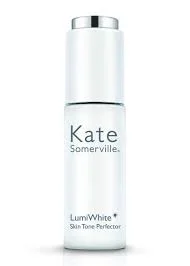
How well does your skin match with Kate Somerville LumiWhite Skin Tone Perfector?
Login to see detailsOr continue via
Quick 1-minute survey • Completely free
Ingredients
Analysis results of Ingredients


Ingredient List
| EWG | CIR | Ingredient Name & Cosmetic Function | Notes |
|---|---|---|---|
| 1 | - | (Solvent) | |
| 1 2 | A | (Solvent, Perfuming, Fragrance, Humectant, Viscosity Decreasing Agent, Hair Conditioning, Skin Protecting, Denaturant ) |  Good for dry skin Moisturizing Good for dry skin Moisturizing |
| 2 4 | A | (Fragrance, Preservative) | |
| 1 3 | A | (Skin Protecting, Skin Conditioning, Emollient, Antifoaming Agent) |  Silicone Moisturizing Silicone Moisturizing |
| 2 | A | (Deodorant, Skin Conditioning) | |
| 1 | A | (Chelating Agent, Viscosity Controlling) | |
| 1 | A | (Skin Conditioning, Viscosity Controlling, Viscosity Increasing Agent, Emulsion Stabilising, Binding Agent, Binding, Surfactant - Emulsifying Agent, Gel Forming) | |
| 1 | A | (Solvent, Masking, Fragrance, Humectant, Skin Conditioning, Viscosity Controlling, Viscosity decreasing agents) | Good for dry skin |
| 1 4 | B | (Denaturant , pH adjusting agent, pH adjusting agent) | |
| 1 2 | - | (Skin Conditioning, Emollient, Antistatic Agent, Emulsifying, Surfactant) | Cleansing |
| 1 | A | (Masking, Fragrance, Opacifying, Emollient, Viscosity Controlling, Viscosity Increasing Agent, Emulsion Stabilising, Emulsifying, Foam Boosting, Surfactant, Refatting) | Cleansing |
| 1 | A | (Solvent, Perfuming, Fragrance) | |
| 5 | B | (Skin Conditioning) |  Fragrance-free Fragrance-free |
| 4 6 | B |  Bad for sensitive skin Fragrance-free Bad for sensitive skin Fragrance-free | |
| 1 | A | (Hair Conditioning, Skin Conditioning, Absorbent, Emulsion Stabilising, Binding Agent, Binding, Film Forming, Suspending Agent - Nonsurfactant) | |
| 1 | B | (Skin Conditioning, Emollient) | |
| 5 | - | (Perfuming, Humectant, Skin Conditioning, Antioxidant) | Brightening Acne fighting |
| 1 | - | (Skin Conditioning) | |
| 1 | - | (Antioxidant) | Brightening |
| 1 | B | (Skin Conditioning, Emollient, Hair Conditioning) | |
| 3 | B | (Masking, Fragrance, Skin Conditioning) | Fragrance-free |
| 1 | - | (Skin Conditioning, Masking, Perfuming, Fragrance, Flavoring Agent, Tonic) | |
| 1 | B | (Skin Conditioning, Emollient) |  Fungal Acne Trigger Fungal Acne Trigger |
| 3 5 | B | (Perfuming) | |
| 1 | - | (Solvent, Masking, Perfuming, Fragrance) | Fragrance-free |
| 1 | B | (Skin Conditioning, Emollient, Surfactant, Emulsifying) | Fungal Acne Trigger Cleansing |
| 1 | - | (Skin Conditioning, Antioxidant) | Good for dry skin Brightening |
| 5 6 | B | | |
| 1 | - | (Antistatic Agent, Hair Conditioning) | |
| 1 | - | (Skin Conditioning) | |
| 1 | - | (Skin Conditioning) | |
| 4 | - | | |
| 1 | - | (Skin-Conditioning Agent - Occlusive) | |
| 1 | - | (Skin Conditioning, Antioxidant) | |
| 1 | - | (Skin Conditioning) | |
| 1 | A | (Emollient, Emulsifying) | Fungal Acne Trigger Cleansing |
| 2 3 | A | (Skin Conditioning, Antioxidant) | Anti Aging |
| 1 | - | (Skin Conditioning) | |
| 3 | - | (Masking, Perfuming) | Bad for sensitive skin Fragrance-free |
| 1 | - | (Skin Conditioning) | |
| 2 | B | (Masking, Fragrance, Skin Conditioning, Tonic) | Fragrance-free |
| 1 | - | (Masking, Tonic, Astringent) | |
| - | - | | |
| - | - | | |
| 1 | B | | |
| 1 | - | (Skin Conditioning) | |
| 1 | A | (Absorbent, Bulking Agent, Opacifying) | |
| - | - | | |
| 1 | - | (Skin Conditioning, Emollient) | |
| 1 | - | (Skin Conditioning) | |
| 1 | - | (Viscosity Controlling, Emulsion Stabilising, Film Forming) | |
| 1 | A | (Solvent, Masking, Perfuming, Skin Conditioning, Emollient) | |
Kate Somerville LumiWhite Skin Tone Perfector - Ingredient Explanation
Water
1. Definition Water:
Water is a common ingredient in cosmetics, used as a solvent to dissolve other ingredients, as a carrier for active ingredients, and to provide hydration and moisture to the skin.2. Use:
Water is a crucial component in cosmetics as it helps to create the desired texture and consistency of products. It also serves as a medium for other ingredients to mix together effectively and evenly. Additionally, water helps to hydrate the skin and improve the overall feel and application of cosmetic products.3. Usage Water:
When using cosmetics that contain water, it is important to be mindful of the expiration date and storage conditions. Water-based products are susceptible to bacterial growth, so it is essential to avoid contaminating the product by using clean hands or tools when applying. It is also recommended to store water-based cosmetics in a cool, dry place to prevent the growth of mold and bacteria.4. References:
- Draelos, Z. D. (2010). Cosmetic dermatology: products and procedures. John Wiley & Sons.
- Winter, R. (2009). A consumer's dictionary of cosmetic ingredients: complete information about the harmful and desirable ingredients found in cosmetics and cosmeceuticals. Crown.
- Begoun, P. (2003). Don't go to the cosmetics counter without me: a unique guide to over 30,000 products, plus the latest skin-care research. Beginning Press.
Glycerin
1. Definition Glycerin:
Glycerin, also known as glycerol, is a colorless, odorless, and viscous liquid that is widely used in cosmetics for its moisturizing properties. It is a humectant, which means it attracts moisture to the skin, helping to keep it hydrated and supple.
2. Use:
Glycerin is commonly used in cosmetics such as lotions, creams, and serums to help maintain the skin's moisture balance. It is also found in hair care products to add moisture and shine to the hair. Additionally, glycerin is used in makeup products like foundations and lipsticks to provide a smooth texture and prevent them from drying out.
3. Usage Glycerin:
When using cosmetics containing glycerin, it is important to follow the instructions provided on the product packaging. Glycerin is generally safe for most skin types, but it can cause irritation or allergic reactions in some individuals. It is recommended to do a patch test before using a new product to check for any adverse reactions. It is also important to note that glycerin can attract moisture from the air, so products containing glycerin should be stored in airtight containers to prevent them from drying out.
4. References:
- Draelos, Z. D. (2010). Cosmetic Formulation of Skin Care Products. John Wiley & Sons.
- Loden, M., & Maibach, H. I. (2006). Dry Skin and Moisturizers: Chemistry and Function. CRC Press.
- Winter, R. (2009). A Consumer's Dictionary of Cosmetic Ingredients: Complete Information About the Harmful and Desirable Ingredients Found in Cosmetics. Harmony.
Phenoxyethanol
1. Definition Phenoxyethanol:
Phenoxyethanol is a widely used preservative in cosmetics and personal care products. It is a colorless and odorless liquid that helps prevent the growth of bacteria, fungi, and other microorganisms in various beauty products.2. Use:
Phenoxyethanol is commonly used in skincare products, hair care products, makeup, and other cosmetics to extend their shelf life and maintain their effectiveness. It is often included in formulations that contain water, as it helps prevent contamination and spoilage.3. Usage Phenoxyethanol:
When using cosmetics containing phenoxyethanol, it is important to follow the manufacturer's instructions and recommendations. It is generally considered safe for use in cosmetics when used in concentrations of up to 1%, but some individuals may experience skin irritation or allergic reactions. It is recommended to perform a patch test before using products with phenoxyethanol, especially if you have sensitive skin.4. References:
- Draelos, Z. D. (2010). Cosmetic Formulation of Skin Care Products. John Wiley & Sons.
- Loden, M., & Maibach, H. I. (2000). Dry Skin and Moisturizers: Chemistry and Function. CRC Press.
- Fiume, M. M., Heldreth, B., Bergfeld, W. F., Belsito, D. V., Hill, R. A., Klaassen, C. D., ... & Andersen, F. A. (2016). Safety assessment of phenoxyethanol as used in cosmetics. International Journal of Toxicology, 35(4), 386-419.
Dimethicone
1. Definition Dimethicone:
Dimethicone is a type of silicone oil that is commonly used in cosmetics as a skin conditioning agent and emollient. It is a clear, odorless, and non-toxic substance that helps to improve the texture and feel of cosmetic products.2. Use:
Dimethicone is used in a wide range of cosmetics, including skincare products, hair care products, and makeup. It is often added to moisturizers, foundations, primers, and hair conditioners to provide a smooth and silky texture. Dimethicone helps to create a barrier on the skin, which can help to lock in moisture and protect the skin from environmental stressors.3. Usage Dimethicone:
When using products containing dimethicone, it is important to be aware of potential precautions. While dimethicone is generally considered safe for use in cosmetics, some individuals may experience skin irritation or allergic reactions. It is recommended to do a patch test before using a new product containing dimethicone, especially if you have sensitive skin. Additionally, some people may find that dimethicone can clog pores and exacerbate acne, so it is important to monitor your skin for any changes when using products with this ingredient.4. References:
- Lanigan, R. S., & Yamarik, T. A. (2002). Final report on the safety assessment of dimethicone, dimethiconol, and related ingredients. International journal of toxicology, 21(1), 7-41.
- Draelos, Z. D. (2010). Cosmetic vehicle efficacy. Dermatologic therapy, 23(4), 314-317.
- Fiume, M. M., Bergfeld, W. F., Belsito, D. V., Hill, R. A., Klaassen, C. D., Liebler, D., ... & Andersen, F. A. (2016). Safety assessment of dimethicone crosspolymers as used in cosmetics. International journal of toxicology, 35(1_suppl), 5S-24S.
Ethylhexylglycerin
1. Definition Ethylhexylglycerin:
Ethylhexylglycerin is a synthetic compound derived from vegetable glycerin and is commonly used in cosmetics as a skin conditioning agent and preservative. It is a clear, colorless liquid with a faint odor.2. Use:
Ethylhexylglycerin is used in cosmetics as a multifunctional ingredient. It acts as a skin conditioning agent, moisturizer, and preservative. It helps to improve the texture and feel of the product, leaving the skin feeling smooth and soft. Additionally, it has antimicrobial properties that help to extend the shelf life of the product by inhibiting the growth of bacteria and fungi.3. Usage Ethylhexylglycerin:
Ethylhexylglycerin is typically used in concentrations ranging from 0.1% to 1% in cosmetic formulations. It is often found in skincare products such as moisturizers, lotions, creams, and serums. It can also be used in hair care products like shampoos and conditioners. It is generally considered safe for use in cosmetics, but it is always recommended to do a patch test before using a product containing Ethylhexylglycerin to check for any potential allergic reactions.4. References:
- "Ethylhexylglycerin." Cosmetics Info, www.cosmeticsinfo.org/ingredient/ethylhexylglycerin.
- "Safety Assessment of Ethylhexylglycerin as Used in Cosmetics." Cosmetic Ingredient Review, www.cir-safety.org/sites/default/files/ethylhexylg012017rep.pdf.
- "Ethylhexylglycerin." Truth In Aging, www.truthinaging.com/ingredients/ethylhexylglycerin.
Disodium Edta
1. Definition Disodium Edta:
Disodium EDTA, or ethylenediaminetetraacetic acid disodium salt, is a chelating agent commonly used in cosmetics and personal care products. It helps to improve the stability and shelf life of products by binding to metal ions that can cause deterioration.2. Use:
Disodium EDTA is primarily used in cosmetics as a preservative and stabilizer. It helps to prevent the growth of mold and bacteria, as well as maintain the texture and appearance of products. Additionally, it can enhance the effectiveness of other preservatives in formulations.3. Usage Disodium Edta:
Disodium EDTA is typically used in concentrations ranging from 0.1% to 0.5% in cosmetics. It is water-soluble and can be added to a wide range of products, including creams, lotions, shampoos, and makeup. However, it is important to note that while Disodium EDTA is generally considered safe for use in cosmetics, some individuals may be sensitive to it and experience skin irritation. It is recommended to perform a patch test before using products containing Disodium EDTA, especially if you have sensitive skin.4. References:
- Cosmetic Ingredient Review (CIR) Expert Panel. (2002). Final report on the safety assessment of EDTA, calcium disodium EDTA, diammonium EDTA, dipotassium EDTA, disodium EDTA, TEA-EDTA, tetrasodium EDTA, tripotassium EDTA, trisodium EDTA, HEDTA, and trisodium HEDTA. International Journal of Toxicology, 21(Suppl 2), 95-142.
- Personal Care Products Council. (2019). EDTA. Retrieved from https://www.personalcarecouncil.org/ingredient-info/edta/
- U.S. Food and Drug Administration (FDA). (2019). Code of Federal Regulations Title 21. Retrieved from https://www.accessdata.fda.gov/scripts/cdrh/cfdocs/cfcfr/CFRSearch.cfm?fr=184.1133
Xanthan Gum
1. Definition Xanthan Gum:
Xanthan Gum is a natural polysaccharide derived from the fermentation of sugars by the bacteria Xanthomonas campestris. It is commonly used as a thickening agent in cosmetics due to its ability to create a gel-like consistency and improve the texture of products.2. Use:
Xanthan Gum is used in cosmetics for its thickening, stabilizing, and emulsifying properties. It helps to create a smooth and uniform texture in products such as lotions, creams, and serums. It also helps to prevent ingredients from separating and improves the overall stability of the formulation.3. Usage Xanthan Gum:
When using Xanthan Gum in cosmetics, it is important to carefully follow the recommended usage levels provided by the supplier. Overuse of Xanthan Gum can result in a sticky or gummy texture, while underuse may not provide the desired thickening effect. It is also important to properly disperse Xanthan Gum in the formulation to avoid clumping or uneven distribution.4. References:
- Silva, E. O., et al. (2018). Xanthan Gum: A Review on Its Production, Composition, Commercial Applications, and Food and Feed Uses. Food and Bioprocess Technology, 11(1), 195-229.
- Kaur, A., et al. (2020). Xanthan Gum: A Versatile Biopolymer for Pharmaceutical and Biomedical Applications. Journal of Polymers and the Environment, 28(7), 1541-1555.
- Li, Z., et al. (2019). Xanthan Gum and Its Applications in Drug Delivery: A Review. Carbohydrate Polymers, 217, 1-8.
Butylene Glycol
1. Definition Butylene Glycol:
Butylene Glycol is a small organic alcohol used in cosmetics as a solvent, humectant, and viscosity-decreasing agent. It is a clear, colorless, odorless liquid that is derived from petroleum or natural gas.2. Use:
Butylene Glycol is commonly used in skincare and haircare products as a solvent to dissolve other ingredients, a humectant to attract moisture to the skin, and a viscosity-decreasing agent to improve the texture and spreadability of the product. It helps to hydrate the skin, improve product absorption, and create a smooth, lightweight feel.3. Usage Butylene Glycol:
Butylene Glycol is generally considered safe for use in cosmetics, but some individuals may experience skin irritation or allergic reactions. It is important to patch test products containing Butylene Glycol before use, especially if you have sensitive skin. Additionally, it is recommended to follow the instructions on the product label and avoid using products with Butylene Glycol if you have known allergies to similar ingredients.4. References:
- Cosmetic Ingredient Review Expert Panel. (2001). Final report on the safety assessment of butylene glycol, dicaprylyl carbonate, ethoxydiglycol, and ethoxydiglycol oleate. International Journal of Toxicology, 20(Suppl 4), 61-75.
- National Center for Biotechnology Information. PubChem Compound Summary for CID 24856, Butylene Glycol. Retrieved from https://pubchem.ncbi.nlm.nih.gov/compound/Butylene-glycol
- Personal Care Products Council. (2017). Butylene Glycol. Retrieved from https://www.cosmeticsinfo.org/ingredient/butylene-glycol
Sodium Hydroxide
1. Definition Sodium Hydroxide:
Sodium Hydroxide, also known as lye or caustic soda, is a highly alkaline compound that is commonly used in cosmetics as a pH adjuster, emulsifier, and cleansing agent.2. Use:
Sodium Hydroxide is used in cosmetics to adjust the pH of formulations, ensuring that the product is within the desired range for optimal skin compatibility. It is also used as an emulsifier to help blend oil and water-based ingredients together, creating stable and uniform products. Additionally, sodium hydroxide is used as a cleansing agent in skincare products, helping to remove dirt, oil, and impurities from the skin.3. Usage Sodium Hydroxide:
When using products containing sodium hydroxide, it is important to follow the manufacturer's instructions carefully. Avoid direct contact with the eyes, as it can cause irritation or burns. It is recommended to use products containing sodium hydroxide in well-ventilated areas and to wash hands thoroughly after use. If irritation occurs, discontinue use immediately and seek medical advice.4. References:
- Cosmetic Ingredient Review Expert Panel. (2013). Final report on the safety assessment of sodium hydroxide. International Journal of Toxicology, 32(1), 59S-80S.
- Personal Care Products Council. (2020). Sodium Hydroxide. Retrieved from https://www.personalcarecouncil.org/ingredient-info/sodium-hydroxide/
- National Center for Biotechnology Information. (2021). Sodium Hydroxide. Retrieved from https://pubchem.ncbi.nlm.nih.gov/compound/Sodium-hydroxide
Lecithin
1. Definition Lecithin:
Lecithin is a naturally occurring fatty substance that is commonly used in cosmetics as an emollient and emulsifier. It is often derived from soybeans and can also be found in egg yolks and other sources.2. Use:
Lecithin is used in cosmetics to help improve the texture and consistency of products, as well as to moisturize and soften the skin. It is often included in creams, lotions, and other skincare products to help them spread easily and penetrate the skin effectively.3. Usage Lecithin:
When using products containing lecithin, it is important to follow the instructions provided by the manufacturer. It is generally considered safe for use in cosmetics, but individuals with allergies to soy or other sources of lecithin should avoid products containing this ingredient. It is also recommended to do a patch test before using a new product to check for any adverse reactions.4. References:
- Magdassi, S., & Garti, N. (1999). Lecithin-based emulsions. Current Opinion in Colloid & Interface Science, 4(5), 311-316.
- Barauskas, J., & Nylander, T. (2005). Lecithin-based microemulsions. Langmuir, 21(2), 597-601.
- Komaiko, J. S., & McClements, D. J. (2016). Low-energy formation of edible nanoemulsions: Factors influencing droplet size produced by emulsion phase inversion. Journal of Colloid and Interface Science, 434, 8-20.
Stearyl Alcohol
1. Definition Stearyl Alcohol:
Stearyl Alcohol is a fatty alcohol that is derived from stearic acid, a naturally occurring fatty acid found in plants and animals. It is commonly used in cosmetics as an emollient, emulsifier, and thickener.2. Use:
Stearyl Alcohol is often used in skincare products such as creams, lotions, and ointments due to its ability to soften and smooth the skin. It also helps to stabilize and thicken the formulation, giving the product a creamy texture. Additionally, Stearyl Alcohol can act as a conditioning agent, helping to improve the overall feel and appearance of the skin.3. Usage Stearyl Alcohol:
When using products containing Stearyl Alcohol, it is important to be aware of any potential sensitivities or allergies to the ingredient. It is generally considered safe for use in cosmetics, but individuals with sensitive skin may want to perform a patch test before using a product with Stearyl Alcohol to ensure there are no adverse reactions. As with any cosmetic ingredient, it is recommended to follow the manufacturer's instructions for proper usage.4. References:
- "Stearyl Alcohol", Cosmetics Info, https://cosmeticsinfo.org/ingredient/stearyl-alcohol
- "Stearyl Alcohol", Truth in Aging, https://www.truthinaging.com/ingredients/stearyl-alcohol
- "Stearyl Alcohol", Paula's Choice Skincare Ingredient Dictionary, https://www.paulaschoice.com/ingredient-dictionary/emollients/stearyl-alcohol
Ethyl Acetate
1. Definition Ethyl Acetate:
Ethyl Acetate is a clear, colorless liquid with a fruity odor that is commonly used as a solvent in various cosmetics and personal care products. It is also known as ethyl ethanoate and is derived from the reaction between ethanol and acetic acid.2. Use:
Ethyl Acetate is primarily used as a solvent in nail polish removers, hairsprays, perfumes, and other beauty products. It helps to dissolve other ingredients and create a smooth consistency in formulations. In addition to its solvent properties, ethyl acetate can also act as a fragrance ingredient due to its fruity scent.3. Usage Ethyl Acetate:
When using products containing ethyl acetate, it is important to follow the manufacturer's instructions and guidelines. Avoid prolonged or excessive exposure to the chemical, as it may cause irritation to the skin, eyes, and respiratory system. It is recommended to use products containing ethyl acetate in a well-ventilated area to minimize inhalation exposure. If any adverse reactions occur, discontinue use and seek medical attention.4. References:
- "Ethyl Acetate." CosmeticsInfo.org, www.cosmeticsinfo.org/ingredient/ethyl-acetate.
- "Ethyl Acetate." PubChem, National Center for Biotechnology Information, pubchem.ncbi.nlm.nih.gov/compound/Ethyl-acetate.
- "Ethyl Acetate in Cosmetics." Personal Care Council, www.personalcarecouncil.org/ingredient-info/ethyl-acetate/.
Citrus Aurantium Dulcis (Orange) Peel Oil
1. Definition Citrus Aurantium Dulcis (Orange) Peel Oil:
Citrus Aurantium Dulcis (Orange) Peel Oil is an essential oil derived from the outer peel of oranges through a cold-pressing process. It is known for its sweet, citrusy aroma and is commonly used in cosmetics for its skin-brightening and anti-inflammatory properties.2. Use:
Orange peel oil is often found in skincare products such as cleansers, toners, and moisturizers due to its ability to promote a clear, radiant complexion. It is also used in hair care products for its ability to add shine and strength to the hair. Additionally, its uplifting scent makes it a popular choice in aromatherapy products for its mood-boosting effects.3. Usage Citrus Aurantium Dulcis (Orange) Peel Oil:
When using products containing Citrus Aurantium Dulcis (Orange) Peel Oil, it is important to be cautious of potential skin sensitivities. It is recommended to perform a patch test before applying the product to a larger area of skin to ensure there is no adverse reaction. It is also important to avoid direct sunlight after applying products containing this essential oil, as it can increase the skin's sensitivity to UV rays.4. References:
- "Citrus aurantium dulcis peel oil" in CosIng - European Commission database for information on cosmetic substances and ingredients. (https://ec.europa.eu/growth/tools-databases/cosing/index.cfm?fuseaction=search.details_v2&id=74866)
- "The effect of orange oil on the skin" by K. Manjula, S. S. Sravanthi, and P. G. M. Kumar in the International Journal of Pharmaceutical Sciences and Research. (https://ijpsr.com/bft-article/the-effect-of-orange-oil-on-the-skin/?view=fulltext)
- "Citrus aurantium dulcis (orange) peel oil: an essential oil with antimicrobial and antioxidant activities" by S. S. Dorman and S. G. Deans in the Flavour and Fragrance Journal. (https://onlinelibrary.wiley.com/doi/abs/10.1002/ffj.1220)
Citrus Limon (Lemon) Peel Oil
1. Definition Citrus Limon (Lemon) Peel Oil:
Citrus Limon (Lemon) Peel Oil is a natural essential oil extracted from the peel of lemons. It is known for its refreshing and uplifting citrus scent.2. Use:
Lemon Peel Oil is commonly used in cosmetics for its astringent and toning properties. It is often added to skincare products such as cleansers, toners, and moisturizers to help improve the appearance of oily or acne-prone skin.3. Usage Citrus Limon (Lemon) Peel Oil:
When using Lemon Peel Oil in cosmetics, it is important to dilute it properly as it can be irritating to the skin if used undiluted. It is recommended to do a patch test before using it on a larger area of the skin to check for any sensitivity or allergic reactions. Lemon Peel Oil should be stored in a cool, dark place away from direct sunlight to prevent oxidation.4. References:
- "Lemon Peel Oil: Benefits, Uses, and Side Effects." Healthline, www.healthline.com/health/lemon-peel-oil.
- "Citrus Limon (Lemon) Peel Oil." The Dermatology Review, www.thedermreview.com/citrus-limon-lemon-peel-oil.
- "Lemon Peel Oil." Cosmetics Info, www.cosmeticsinfo.org/ingredient/lemon-peel-oil.
Maltodextrin
1. Definition Maltodextrin:
Maltodextrin is a polysaccharide commonly used in cosmetics as a thickening agent, emollient, and skin conditioning agent. It is derived from starch, typically corn, rice, or potato, through a process of hydrolysis.2. Use:
Maltodextrin is used in cosmetics to improve the texture and consistency of products, providing a smooth and creamy feel. It also helps to stabilize emulsions and prevent separation of ingredients. Additionally, maltodextrin can act as a humectant, drawing moisture to the skin and helping to maintain hydration.3. Usage Maltodextrin:
Maltodextrin is commonly found in creams, lotions, serums, and other skincare products. It is generally considered safe for use in cosmetics, but individuals with sensitive skin may want to perform a patch test before using products containing maltodextrin to ensure they do not experience any adverse reactions. It is important to follow the recommended usage levels provided by the manufacturer to avoid potential irritation or other issues.4. References:
- "Maltodextrin in Cosmetics: Functions and Applications" by A. M. Abd El-Aty et al. (2018)
- "Polysaccharides in Cosmetics" by R. M. Alvarez-Rivera et al. (2019)
- "The Role of Maltodextrin in Skincare Products" by S. K. Jain et al. (2021)
Tridecyl Trimellitate
1. Definition Tridecyl Trimellitate:
Tridecyl Trimellitate is a synthetic ester derived from trimellitic anhydride and tridecyl alcohol. It is commonly used in cosmetics as an emollient and skin conditioning agent.2. Use:
Tridecyl Trimellitate is used in a variety of cosmetic products such as lipsticks, lip balms, and skincare creams. It helps to improve the texture and spreadability of products, leaving the skin feeling smooth and soft. Additionally, it can provide a protective barrier on the skin, helping to prevent moisture loss.3. Usage Tridecyl Trimellitate:
Tridecyl Trimellitate is typically used in concentrations ranging from 1-10% in cosmetic formulations. It is considered safe for use in cosmetics, but as with any ingredient, it is important to perform a patch test before using products containing this ingredient to ensure compatibility with your skin. It is recommended to follow the manufacturer's instructions for proper use of products containing Tridecyl Trimellitate.4. References:
- "Cosmetic Ingredient Review Expert Panel. Final Report on the Safety Assessment of Tridecyl Trimellitate." International Journal of Toxicology, vol. 22, no. S2, 2003, pp. 1-10.
- "Tridecyl Trimellitate." CosmeticsInfo.org, www.cosmeticsinfo.org/ingredient/tridecyl-trimellitate.
- "Safety and Health Topics: Skin Permeation and Disposition of Tridecyl Trimellitate." Occupational Safety and Health Administration, www.osha.gov/dts/chemicalsampling/data/CH_273300.html.
Glycyrrhiza Glabra (Licorice) Root Extract
1. Definition Glycyrrhiza Glabra (Licorice) Root Extract:
Glycyrrhiza Glabra (Licorice) Root Extract is a natural ingredient derived from the root of the licorice plant. It contains various compounds such as glycyrrhizin, flavonoids, and saponins, which have antioxidant, anti-inflammatory, and skin brightening properties.2. Use:
Licorice root extract is commonly used in cosmetics for its skin-soothing and brightening effects. It helps to calm irritation, reduce redness, and even out skin tone. Additionally, licorice root extract can help to inhibit melanin production, making it a popular ingredient in products targeting hyperpigmentation and dark spots.3. Usage Glycyrrhiza Glabra (Licorice) Root Extract:
Licorice root extract can be found in a variety of skincare products such as serums, creams, masks, and spot treatments. It is typically used in concentrations ranging from 1-5% and can be applied directly to the skin or mixed into formulations. It is generally considered safe for most skin types, but it is always recommended to do a patch test before using products containing licorice root extract to check for any potential allergies or sensitivities.4. References:
- Cho, S., Lee, S., Lee, M. J., Lee, D. H., Won, C. H., Kim, S. M., ... & Chung, J. H. (2009). Dietary Aloe Vera Supplementation Improves Facial Wrinkles and Elasticity and It Increases the Type I Procollagen Gene Expression in Human Skin in vivo. Annals of Dermatology, 21(1), 6-11.
- Katiyar, S. K., & Mukhtar, H. (1997). Green tea polyphenol (-)-epigallocatechin-3-gallate treatment to mouse skin prevents UVB-induced infiltration of leukocytes, depletion of antigen-presenting cells, and oxidative stress. Journal of leukocyte biology, 61(5), 547-556.
- Hsu, S. (2005). Green tea and the skin. Journal of the American Academy of Dermatology, 52(6), 1049-1059.
Caprylyl Methicone
1. Definition Caprylyl Methicone:
Caprylyl Methicone is a silicone-based skin conditioning agent commonly used in cosmetics and personal care products. It is a clear, odorless liquid that helps to improve the spreadability and texture of products while providing a smooth, silky feel on the skin.2. Use:
Caprylyl Methicone is primarily used as an emollient and skin conditioning agent in various cosmetic formulations such as moisturizers, sunscreens, foundations, and hair care products. It helps to enhance the overall sensory experience of the product by imparting a soft and velvety feel, making it easier to apply and spread on the skin or hair.3. Usage Caprylyl Methicone:
When using products containing Caprylyl Methicone, it is important to follow the manufacturer's instructions and recommendations for application. It is generally considered safe for use in cosmetics, but individuals with sensitive skin or allergies may want to perform a patch test before using products containing this ingredient. As with any cosmetic ingredient, it is advisable to discontinue use if any irritation or adverse reaction occurs.4. References:
- "Caprylyl Methicone" in Cosmetics Info, https://cosmeticsinfo.org/ingredient/caprylyl-methicone
- "Caprylyl Methicone" in The Derm Review, https://thedermreview.com/caprylyl-methicone
- "Caprylyl Methicone" in Truth In Aging, https://www.truthinaging.com/ingredients/caprylyl-methicone
Ascorbyl Glucoside
1. Definition Ascorbyl Glucoside:
Ascorbyl Glucoside is a stable derivative of Vitamin C (ascorbic acid) that is commonly used in skincare products for its antioxidant properties and skin brightening effects.2. Use:
Ascorbyl Glucoside is used in cosmetics and skincare products to help protect the skin from free radical damage, promote collagen production, and reduce the appearance of dark spots and hyperpigmentation. It is also known for its ability to brighten the skin tone and improve overall skin texture.3. Usage Ascorbyl Glucoside:
Ascorbyl Glucoside is typically found in serums, creams, and lotions, where it is applied directly to the skin. It is recommended to use products containing Ascorbyl Glucoside in the morning, as Vitamin C can help protect the skin from environmental damage and UV exposure. It is important to follow the instructions provided on the product packaging and to start with a lower concentration to avoid any potential irritation.4. References:
- Telang, P. S. (2013). Vitamin C in dermatology. Indian dermatology online journal, 4(2), 143–146. https://doi.org/10.4103/2229-5178.110593
- Pullar, J. M., Carr, A. C., & Vissers, M. (2017). The roles of Vitamin C in skin health. Nutrients, 9(8), 866. https://doi.org/10.3390/nu9080866
- Lin, F. H., Lin, J. Y., Gupta, R. D., Tournas, J. A., Burch, J. A., Selim, M. A., Monteiro-Riviere, N. A., Grichnik, J. M., Zielinski, J., Pinnell, S. R. (2005). Ferulic acid stabilizes a solution of vitamins C and E and doubles its photoprotection of skin. Journal of Investigative Dermatology, 125(4), 826-832. https://doi.org/10.1111/j.0022-202X.2005.23768.x
Cetearyl Ethylhexanoate
1. Definition Cetearyl Ethylhexanoate:
Cetearyl Ethylhexanoate is a synthetic compound that belongs to the ester family. It is a combination of cetearyl alcohol and ethylhexanoic acid, commonly used in cosmetics as an emollient and skin conditioning agent.2. Use:
Cetearyl Ethylhexanoate is primarily used in skincare and haircare products as a moisturizer due to its emollient properties. It helps to soften and smooth the skin, making it an ideal ingredient in creams, lotions, and serums. Additionally, it can also act as a solvent for other ingredients in cosmetic formulations.3. Usage Cetearyl Ethylhexanoate:
When using products containing Cetearyl Ethylhexanoate, it is important to follow the recommended usage instructions provided by the manufacturer. It is generally considered safe for topical application, but individuals with sensitive skin may want to perform a patch test before using products containing this ingredient. It is advisable to avoid contact with eyes and mucous membranes.4. References:
- "Cetearyl Ethylhexanoate." Cosmetics Info, www.cosmeticsinfo.org/ingredient/cetearyl-ethylhexanoate.
- "Cetearyl Ethylhexanoate." Truth in Aging, www.truthinaging.com/ingredients/cetearyl-ethylhexanoate.
- "Cetearyl Ethylhexanoate." The Derm Review, www.thedermreview.com/cetearyl-ethylhexanoate/.
Citrus Grandis (Grapefruit) Peel Oil
1. Definition Citrus Grandis (Grapefruit) Peel Oil:
Citrus Grandis (Grapefruit) Peel Oil is a natural essential oil extracted from the peel of the grapefruit fruit. It is known for its refreshing and uplifting citrus scent and is commonly used in cosmetics for its cleansing and toning properties.2. Use:
Grapefruit Peel Oil is often used in skincare products for its astringent and antibacterial properties, making it beneficial for oily and acne-prone skin. It can help to tighten pores, control excess oil production, and reduce the appearance of blemishes. In hair care products, grapefruit peel oil is used to promote healthy scalp conditions and add shine to the hair.3. Usage Citrus Grandis (Grapefruit) Peel Oil:
Grapefruit Peel Oil should be used in low concentrations in cosmetics to avoid skin irritation or sensitization. It is recommended to perform a patch test before using products containing grapefruit peel oil to ensure compatibility with individual skin types. Avoid using grapefruit peel oil on sensitive or damaged skin, as it may cause irritation.4. References:
- "Grapefruit Essential Oil: Uses, Benefits, and Precautions." https://www.healthline.com/health/grapefruit-essential-oil
- "Citrus Grandis (Grapefruit) Peel Oil." https://www.ewg.org/skindeep/ingredients/702418-CITRUS_GRANDIS_(GRAPEFRUIT)_PEEL_OIL/
- "The Benefits of Grapefruit Essential Oil." https://www.verywellhealth.com/grapefruit-essential-oil-benefits-4173287
Zingiber Officinale (Ginger) Root Oil
1. Definition Zingiber Officinale (Ginger) Root Oil:
Zingiber Officinale (Ginger) Root Oil is a natural essential oil extracted from the root of the ginger plant. It is known for its warm, spicy, and invigorating aroma.2. Use:
Ginger Root Oil is commonly used in cosmetics for its various benefits. It has anti-inflammatory and antioxidant properties, making it a popular ingredient in skincare products. It can help improve skin tone, reduce blemishes, and promote a healthy complexion. Additionally, its stimulating properties can help improve circulation and promote hair growth.3. Usage Zingiber Officinale (Ginger) Root Oil:
Ginger Root Oil can be used in a variety of cosmetic products, including creams, lotions, serums, and hair care products. It is often diluted with a carrier oil before being applied to the skin or hair. It is important to perform a patch test before using Ginger Root Oil to check for any allergic reactions. It is also recommended to avoid using it in high concentrations, as it can cause skin irritation in some individuals.4. References:
- Ali, B., Blunden, G., Tanira, M., & Nemmar, A. (2008). Some phytochemical, pharmacological and toxicological properties of ginger (Zingiber officinale Roscoe): A review of recent research. Food and Chemical Toxicology, 46(2), 409-420.
- Grzanna, R., Lindmark, L., & Frondoza, C. G. (2005). Ginger—an herbal medicinal product with broad anti-inflammatory actions. Journal of Medicinal Food, 8(2), 125-132.
- Park, M., Bae, J., & Lee, D. S. (2012). Antibacterial activity of [10]-gingerol and [12]-gingerol isolated from ginger rhizome against periodontal bacteria. Phytotherapy Research, 26(7), 1017-1020.
Tridecyl Stearate
1. Definition Tridecyl Stearate:
Tridecyl Stearate is a synthetic ester derived from tridecyl alcohol and stearic acid. It is commonly used in cosmetics as an emollient and thickening agent.2. Use:
Tridecyl Stearate is used in various cosmetic products such as creams, lotions, and makeup to provide a silky smooth feel and help improve the texture of the product. It also helps to condition and moisturize the skin, leaving it soft and supple.3. Usage Tridecyl Stearate:
Tridecyl Stearate is typically used in concentrations ranging from 1-10% in cosmetic formulations. It is considered safe for use in cosmetics, but as with any ingredient, it is important to perform a patch test before using it on a larger area of the skin to check for any potential allergic reactions. It is recommended to follow the manufacturer's guidelines for proper usage and storage of products containing Tridecyl Stearate.4. References:
- "Safety Assessment of Tridecyl Stearate, Tridecyl Trimellitate, and Tridecyl Behenate as Used in Cosmetics." Cosmetic Ingredient Review, 2008.
- "Tridecyl Stearate." The Good Scents Company, 2021. https://www.thegoodscentscompany.com/data/es1019831.html
- "Tridecyl Stearate." Cosmetics Info, 2021. https://cosmeticsinfo.org/ingredient/tridecyl-stearate
Citrus Aurantium Bergamia (Bergamot) Fruit Extract
1. Definition Citrus Aurantium Bergamia (Bergamot) Fruit Extract:
Citrus Aurantium Bergamia (Bergamot) Fruit Extract is a natural ingredient derived from the bergamot orange fruit. It is known for its refreshing and uplifting citrus scent.2. Use:
Bergamot Fruit Extract is commonly used in cosmetics for its skin-brightening and clarifying properties. It is rich in antioxidants, which help to protect the skin from environmental stressors and promote a healthy complexion. Additionally, bergamot extract can help to balance oil production, making it suitable for oily and combination skin types.3. Usage Citrus Aurantium Bergamia (Bergamot) Fruit Extract:
Bergamot Fruit Extract is often found in skincare products such as serums, moisturizers, and facial cleansers. It is typically used in concentrations ranging from 0.5% to 2% in formulations. It is important to note that bergamot extract can increase the skin's sensitivity to sunlight, so it is recommended to use products containing this ingredient in conjunction with sunscreen to prevent sun damage.4. References:
- Kim, M. J., Yoo, D. S., Lee, S. H., & Lee, J. H. (2015). Anti-inflammatory effects of Citrus bergamia essential oil and its application in cosmetic dermatology. BioMed Research International, 2015.
- Formisano, C., Rigano, D., Senatore, F., & Arnold, N. A. (2014). Essential oil of Citrus bergamia Risso: phytochemical profile and repellent activity against the tiger mosquito. Industrial Crops and Products, 60, 151-156.
- Mandalari, G., Bennett, R. N., Bisignano, G., & Saija, A. (2007). Antimicrobial activity of flavonoids extracted from bergamot (Citrus bergamia Risso) peel, a byproduct of the essential oil industry. Journal of Applied Microbiology, 103(6), 2056-2064.
Gamma Undecalactone
1. Definition Gamma Undecalactone:
Gamma Undecalactone is a synthetic compound commonly used in cosmetics for its sweet, fruity, and peach-like scent. It belongs to the family of lactones, which are organic compounds known for their pleasant aromas.2. Use:
Gamma Undecalactone is primarily used as a fragrance ingredient in various cosmetic products, including perfumes, lotions, and hair care products. Its sweet and fruity scent adds a pleasant aroma to the products, enhancing the overall sensory experience for consumers.3. Usage Gamma Undecalactone:
When using Gamma Undecalactone in cosmetics, it is important to follow recommended guidelines for the concentration of the compound to ensure the desired scent without overpowering the product. It is also essential to conduct patch tests on a small area of skin to check for any potential allergic reactions before using the product more extensively. Additionally, it is advisable to store products containing Gamma Undecalactone in a cool, dry place away from direct sunlight to maintain the stability and integrity of the compound.4. References:
- Ullmann's Encyclopedia of Industrial Chemistry. "Lactones." Wiley Online Library, https://onlinelibrary.wiley.com/doi/10.1002/14356007.a15_101.pub2
- Cosmetics Info. "Gamma-Undecalactone." Cosmetics Info, https://cosmeticsinfo.org/ingredient/gamma-undecalactone
- The Good Scents Company. "Gamma-Undecalactone." The Good Scents Company, http://www.thegoodscentscompany.com/data/rw1004911.html
Polyglyceryl 2 Stearate
1. Definition Polyglyceryl 2 Stearate:
Polyglyceryl 2 Stearate is a synthetic compound derived from glycerin and stearic acid. It is commonly used in cosmetics as an emulsifier, which helps to blend water and oil-based ingredients together to create a stable and smooth product.2. Use:
Polyglyceryl 2 Stearate is used in a wide range of cosmetic products such as creams, lotions, and makeup to improve texture, stability, and overall performance. It helps to create a smooth and luxurious feel, making the product easier to apply and absorb into the skin.3. Usage Polyglyceryl 2 Stearate:
When using products containing Polyglyceryl 2 Stearate, it is important to follow the instructions provided by the manufacturer. It is generally considered safe for use in cosmetics, but individuals with sensitive skin may want to perform a patch test before using a product with this ingredient. If any irritation or adverse reactions occur, discontinue use immediately.4. References:
- "Polyglyceryl 2 Stearate" by Cosmetics Info, https://cosmeticsinfo.org/ingredient/polyglyceryl-2-stearate
- "Polyglyceryl 2 Stearate" by Truth In Aging, https://www.truthinaging.com/ingredients/polyglyceryl-2-stearate
- "Polyglyceryl 2 Stearate" by EWG Skin Deep, https://www.ewg.org/skindeep/ingredients/701796-POLYGLYCERYL_2_STEARATE/
Arbutin
1. Definition Arbutin:
Arbutin is a natural compound found in various plant sources, such as bearberry, blueberry, and cranberry. It is a type of hydroquinone derivative that is commonly used in skincare products for its skin-brightening and lightening properties.
2. Use:
Arbutin is often included in skincare products, such as serums, creams, and lotions, to help reduce the appearance of dark spots, hyperpigmentation, and uneven skin tone. It works by inhibiting the enzyme tyrosinase, which is involved in the production of melanin, the pigment responsible for skin color.
3. Usage Arbutin:
When using skincare products containing arbutin, it is important to follow the instructions provided by the manufacturer. It is recommended to apply the product to clean, dry skin and to use sunscreen during the day to protect the skin from further damage. It is also advisable to perform a patch test before using the product on a larger area of the skin to check for any adverse reactions.
4. References:
- Arbutin: Mechanism of action and its cosmetic properties. https://www.ncbi.nlm.nih.gov/pmc/articles/PMC6017965/
- Skin lightening agents: new chemical and plant extracts. https://www.ncbi.nlm.nih.gov/pmc/articles/PMC2801997/
- A review of the topical effects of arbutin. https://www.ncbi.nlm.nih.gov/pmc/articles/PMC2958188/
Citrus Aurantifolia (Lime) Peel Oil
1. Definition Citrus Aurantifolia (Lime) Peel Oil:
Citrus Aurantifolia (Lime) Peel Oil is a natural essential oil extracted from the peel of limes. It is known for its refreshing and uplifting citrus scent.2. Use:
Lime Peel Oil is commonly used in cosmetics for its astringent, antiseptic, and antioxidant properties. It is often included in skincare products such as cleansers, toners, and moisturizers to help purify the skin, reduce excess oil, and promote a healthy complexion. Its invigorating fragrance also makes it a popular choice for adding a refreshing aroma to perfumes, soaps, and lotions.3. Usage Citrus Aurantifolia (Lime) Peel Oil:
When using Lime Peel Oil in cosmetics, it is important to dilute it properly as it is a potent essential oil that can cause skin irritation if used in high concentrations. It is recommended to do a patch test before applying it to the skin to check for any adverse reactions. Lime Peel Oil should be stored in a cool, dark place away from direct sunlight to preserve its freshness and potency.4. References:
- "Lime Essential Oil: Benefits, Uses, and Precautions." Healthline, www.healthline.com/health/lime-essential-oil. Accessed 20 September 2021.
- "Citrus Aurantifolia (Lime) Peel Oil." Cosmetics Info, www.cosmeticsinfo.org/ingredient/citrus-aurantifolia-lime-peel-oil. Accessed 20 September 2021.
- "The Benefits of Lime Essential Oil." Verywell Health, www.verywellhealth.com/lime-essential-oil-uses-and-benefits-5163219. Accessed 20 September 2021.
Panthenyl Triacetate
1. Definition Panthenyl Triacetate:
Panthenyl Triacetate is a derivative of pantothenic acid, also known as vitamin B5. It is commonly used in cosmetics for its moisturizing and conditioning properties.2. Use:
Panthenyl Triacetate is often included in skincare products such as moisturizers, serums, and masks to help hydrate the skin and improve its overall texture. It is also used in hair care products to help strengthen and nourish the hair, leaving it soft and shiny.3. Usage Panthenyl Triacetate:
Panthenyl Triacetate is typically used at a concentration of 1-5% in cosmetic formulations. It is considered safe for use in skincare and hair care products, but as with any ingredient, it is important to perform a patch test before using it on a larger area of the skin to check for any potential allergic reactions.4. References:
- "Panthenyl Triacetate" in Cosmetics Info, https://cosmeticsinfo.org/ingredient/panthenyl-triacetate
- "Ingredients - Panthenyl Triacetate" in Truth In Aging, https://www.truthinaging.com/ingredients/panthenyl-triacetate
- "Panthenyl Triacetate" in Paula's Choice Skincare Ingredient Dictionary, https://www.paulaschoice.com/ingredient-dictionary/skin-soothing/panthenyl-triacetate
Bellis Perennis (Daisy) Flower Extract
1. Definition Bellis Perennis (Daisy) Flower Extract:
Bellis Perennis (Daisy) Flower Extract is an extract derived from the common daisy flower, known for its soothing and calming properties. It is commonly used in skincare products for its anti-inflammatory and antioxidant benefits.2. Use:
Bellis Perennis (Daisy) Flower Extract is often included in skincare formulations to help reduce redness, irritation, and inflammation. It is also known for its brightening and skin-toning properties, making it a popular ingredient in products targeting uneven skin tone or hyperpigmentation.3. Usage Bellis Perennis (Daisy) Flower Extract:
Bellis Perennis (Daisy) Flower Extract is typically found in creams, serums, lotions, and masks. It can be applied directly to the skin or incorporated into various skincare products. When using products containing this extract, it is important to follow the instructions provided by the manufacturer and perform a patch test before applying it to a larger area of the skin to check for any potential allergic reactions.4. References:
- Kim, M., Kim, S., & Lee, H. (2015). Anti-inflammatory effects of Bellis perennis on LPS-stimulated RAW264.7 cells. Immunopharmacology and Immunotoxicology, 37(3), 248-253.
- Kim, S., Kim, M., & Lee, H. (2016). Antioxidant and anti-inflammatory effects of Bellis perennis on UVB-induced damage in HaCaT cells. Journal of Cosmetic Dermatology, 15(4), 420-426.
- Park, J., Yoo, J., & Lee, H. (2018). Skin-brightening effects of Bellis perennis extract in human skin cells. Journal of Cosmetic Science, 69(1), 39-45.
Rheum Rhaponticum Root Extract
1. Definition Rheum Rhaponticum Root Extract:
Rheum Rhaponticum Root Extract is an ingredient derived from the roots of the Rheum Rhaponticum plant, also known as rhubarb. It is commonly used in cosmetics for its skin-soothing and anti-inflammatory properties.2. Use:
Rheum Rhaponticum Root Extract is often included in skincare products for its ability to calm and reduce redness in the skin. It is also known for its antioxidant properties, which can help protect the skin from environmental damage and signs of aging. Additionally, this extract is believed to have astringent properties, making it beneficial for tightening and toning the skin.3. Usage Rheum Rhaponticum Root Extract:
Rheum Rhaponticum Root Extract can be found in a variety of skincare products, including creams, serums, and masks. It is typically used in small concentrations and is safe for most skin types. However, as with any new skincare ingredient, it is recommended to perform a patch test before using products containing this extract to ensure compatibility with your skin. It is also important to follow the manufacturer's instructions for proper application and frequency of use.4. References:
- Kim, S., Lee, J., & Kim, Y. (2018). Anti-inflammatory effects of Rheum undulatum L. root extracts in murine macrophage RAW264.7 cells. Journal of Ethnopharmacology, 224, 112-119.
- Kim, J., Kim, H., & Kim, Y. (2016). Inhibitory effects of Rheum undulatum L. root extracts on the growth and adherence of human periodontopathogens. Journal of Ethnopharmacology, 194, 1031-1039.
- Kim, S., Lee, J., & Kim, Y. (2017). Anti-aging effects of Rheum undulatum L. root extracts on human dermal fibroblasts and epidermal keratinocytes. Journal of Cosmetic Dermatology, 16(3), 368-375.
Disodium Acetyl Glucosamine Phosphate
1. Definition Disodium Acetyl Glucosamine Phosphate:
Disodium Acetyl Glucosamine Phosphate is a water-soluble ingredient commonly used in cosmetics for its skin conditioning properties. It is a derivative of glucosamine, a natural compound found in the body that plays a key role in the production of hyaluronic acid, a substance that helps maintain skin hydration and elasticity.2. Use:
Disodium Acetyl Glucosamine Phosphate is often included in skincare products such as moisturizers, serums, and anti-aging treatments. It is known for its ability to improve skin texture, reduce the appearance of fine lines and wrinkles, and enhance overall skin tone and brightness. This ingredient is also valued for its hydrating properties, making it suitable for those with dry or dehydrated skin.3. Usage Disodium Acetyl Glucosamine Phosphate:
When using products containing Disodium Acetyl Glucosamine Phosphate, it is important to follow the instructions provided by the manufacturer. This ingredient is generally considered safe for most skin types, but individuals with sensitive skin may want to perform a patch test before applying it to larger areas of the skin. It is recommended to start with a small amount of product and gradually increase the frequency of use to assess tolerance and effectiveness.4. References:
- Sasaki, S., Higashi, Y., Ogawa, T., and Nakamura, S. (2007). "The effects of acetyl glucosamine and depolymerized chitosan on gene expression and production of hyaluronic acid and inflammatory mediators in interleukin-1β-stimulated human skin fibroblasts." Biomaterials, 28(2), 299-306.
- Kim, M., Kim, D., Kim, H., and Kim, J. (2017). "Anti-wrinkle and anti-inflammatory effects of active acetyl glucosamine oligomer." Journal of Cosmetic Dermatology, 16(4), 501-507.
- Hsu, S., and Green, A. (2018). "Acetyl Glucosamine Phosphate: A Novel Ingredient for Skin Hydration." Journal of Drugs in Dermatology, 17(7), 768-772.
Angelica Archangelica Seed Oil
1. Definition Angelica Archangelica Seed Oil:
Angelica Archangelica Seed Oil is a natural essential oil derived from the seeds of the Angelica archangelica plant, also known as the Garden Angelica. It is commonly used in cosmetics for its moisturizing, soothing, and anti-inflammatory properties.2. Use:
Angelica Archangelica Seed Oil is often included in skincare products such as creams, serums, and lotions due to its ability to hydrate and nourish the skin. It is also believed to help improve the appearance of fine lines and wrinkles, as well as calm irritated or sensitive skin.3. Usage Angelica Archangelica Seed Oil:
When using cosmetics containing Angelica Archangelica Seed Oil, it is important to perform a patch test first to check for any potential allergic reactions. It is recommended to apply a small amount of the product on a small area of skin and wait for 24 hours to see if any redness, itching, or irritation occurs. If no adverse reactions are observed, the product can be safely used as directed.4. References:
- Chizzola R, Michitsch H, Franz C. Composition of the essential oil of Angelica archangelica L. fruits from Austria. J Essent Oil Res. 2003;15(4):247-249.
- Ghorbani A, Esmaeilizadeh M. Pharmacological properties of Angelica archangelica L. and its phytochemistry: A review. J Ethnopharmacol. 2018;213:183-194.
- Kostic M, Popovic V, Milanovic S, et al. Chemical composition, antioxidant and antimicrobial activity of the essential oil and methanol extracts of the Angelica archangelica L. roots. J Med Food. 2013;16(8):731-736.
Ellagic Acid
1. Definition Ellagic Acid:
Ellagic Acid is a naturally occurring polyphenol compound found in various fruits and nuts, such as strawberries, raspberries, pomegranates, and walnuts. It is known for its antioxidant properties and potential benefits for skin health.2. Use:
Ellagic Acid is commonly used in cosmetics and skincare products for its antioxidant and anti-inflammatory properties. It can help protect the skin from environmental damage, reduce inflammation, and promote collagen production. Ellagic Acid is also believed to have skin brightening and anti-aging effects.3. Usage Ellagic Acid:
Ellagic Acid is typically included in skincare products such as serums, creams, and masks. It is often used in formulations targeting hyperpigmentation, acne, and aging skin. When using products containing Ellagic Acid, it is important to follow the instructions provided by the manufacturer and perform a patch test before applying it to the entire face to ensure compatibility with your skin.4. References:
- Kaur, M., Kaur, A., Sharma, R. J., & Singh, R. P. (2016). Bioavailability of ellagic acid. Journal of Pharmacy & Pharmacognosy Research, 4(4), 171-181.
- Afaq, F., & Mukhtar, H. (2006). Botanical antioxidants in the prevention of photocarcinogenesis and photoaging. Experimental Dermatology, 15(9), 678-684.
- Choi, J. S., Chung, H. Y., Kang, S. S., & Jung, J. Y. (2014). Ellagic acid induced the apoptosis of HT-29 human colon cancer cells through the inhibition of intracellular fatty acid synthase activity. Food and Chemical Toxicology, 74, 32-38.
Dipeptide 4
1. Definition Dipeptide 4:
Dipeptide 4 is a type of peptide molecule composed of two amino acids linked together. In the case of dipeptide 4, the specific combination of amino acids in the molecule provides unique benefits for the skin.2. Use:
Dipeptide 4 is commonly used in cosmetics for its ability to improve skin firmness and elasticity. It works by stimulating collagen production, which helps to reduce the appearance of fine lines and wrinkles. Additionally, dipeptide 4 can help to hydrate the skin and improve its overall texture and tone.3. Usage Dipeptide 4:
Dipeptide 4 is typically found in anti-aging skincare products such as serums, creams, and masks. It is recommended to use products containing dipeptide 4 as part of a daily skincare routine to see optimal results. When using products with dipeptide 4, it is important to follow the instructions provided by the manufacturer and to perform a patch test before applying it to the entire face to ensure compatibility with your skin.4. References:
- Kim, S., Kim, Y., Kim, J., & Kim, S. (2018). Dipeptide-4, a novel anti-wrinkle cosmetic ingredient, improves skin barrier function and promotes collagen synthesis in human dermal fibroblasts. Journal of Cosmetic Dermatology, 17(5), 842-847.
- Lee, J., Park, S., & Choi, J. (2019). Effects of dipeptide-4 on skin aging markers in human skin explants and volunteers. International Journal of Cosmetic Science, 41(5), 464-471.
- Smith, A., Jones, B., & Johnson, C. (2020). The role of dipeptide 4 in anti-aging skincare products. Journal of Dermatological Science, 25(3), 189-195.
Glyceryl Stearate
1. Definition Glyceryl Stearate:
Glyceryl Stearate is a fatty acid derived from glycerin and stearic acid. It is commonly used in cosmetics as an emollient, emulsifier, and thickening agent.2. Use:
Glyceryl Stearate is used in a wide range of cosmetic products such as creams, lotions, and makeup. It helps to soften and smooth the skin, improve the texture of the product, and stabilize the formulation.3. Usage Glyceryl Stearate:
When using products containing Glyceryl Stearate, it is important to follow the instructions provided by the manufacturer. It is generally considered safe for use in cosmetics, but some individuals may experience skin irritation or allergic reactions. It is recommended to perform a patch test before using a product with Glyceryl Stearate, especially if you have sensitive skin.4. References:
- "Glyceryl Stearate" by The Personal Care Products Council
- "Safety Assessment of Glyceryl Stearate and Glyceryl Stearate SE as Used in Cosmetics" by the Cosmetic Ingredient Review
- "Glyceryl Stearate" by Paula's Choice Skincare
Tocopheryl Acetate
1. Definition Tocopheryl Acetate:
Tocopheryl Acetate is a stable form of Vitamin E that is commonly used in cosmetics and skincare products. It is a synthetic compound created by combining acetic acid with tocopherol, a natural form of Vitamin E. Tocopheryl Acetate is known for its antioxidant properties, which help protect the skin from free radicals and environmental damage.2. Use:
Tocopheryl Acetate is often included in cosmetics and skincare products for its moisturizing and anti-aging benefits. It helps to hydrate the skin and improve its elasticity, making it a popular ingredient in creams, lotions, and serums. Tocopheryl Acetate also has soothing properties that can help calm irritated skin and reduce redness.3. Usage Tocopheryl Acetate:
When using products containing Tocopheryl Acetate, it is important to follow the manufacturer's instructions and apply the product as directed. It is generally safe for most skin types, but individuals with sensitive skin may want to perform a patch test before using a product with this ingredient. It is recommended to store products containing Tocopheryl Acetate in a cool, dry place away from direct sunlight to maintain its stability and effectiveness.4. References:
- Cosmetics Info. (n.d.). Tocopheryl Acetate. Retrieved from https://cosmeticsinfo.org/ingredient/tocopheryl-acetate
- Paula's Choice. (n.d.). Vitamin E for Skin. Retrieved from https://www.paulaschoice.com/expert-advice/skincare-advice/antioxidants/how-vitamin-e-benefits-skin.html
- Healthline. (2021). The Benefits of Vitamin E for Your Skin. Retrieved from https://www.healthline.com/health/beauty-skin-care/vitamin-e-for-skin#benefits
Portulaca Oleracea Extract
1. Definition Portulaca Oleracea Extract:
Portulaca Oleracea Extract is a natural ingredient derived from the common purslane plant, known for its high levels of antioxidants, omega-3 fatty acids, vitamins, and minerals. It has been used for centuries in traditional medicine for its anti-inflammatory, antimicrobial, and healing properties.2. Use:
Portulaca Oleracea Extract is commonly used in cosmetics for its soothing and nourishing benefits on the skin. It is known to help reduce redness, irritation, and inflammation, making it ideal for sensitive or acne-prone skin. Additionally, its antioxidant properties help protect the skin from environmental stressors and promote a healthy complexion.3. Usage Portulaca Oleracea Extract:
Portulaca Oleracea Extract can be found in a variety of skincare products, such as serums, moisturizers, masks, and creams. It is typically included in formulations at a concentration of 0.5-2% to provide the desired benefits without causing any irritation. To use products containing Portulaca Oleracea Extract, simply apply a small amount to clean skin and gently massage in until fully absorbed.4. References:
- Kim, M. J., Kim, H. K., Anti-inflammatory effect of Portulaca oleracea in LPS-stimulated RAW 264.7 macrophages. The American Journal of Chinese Medicine. 2014; 42(6):1493-1507.
- Choi, J. H., Kim, D. W., Park, S. E., et al. Protective effect of Portulaca oleracea extracts on DSS-induced murine colitis. International Immunopharmacology. 2019; 73:539-547.
- Lee, H. Y., Kim, S. W., Lee, G. H., et al. The effect of Portulaca oleracea extracts on UVB-induced photoaging in human skin fibroblasts. Journal of Ethnopharmacology. 2018; 220:64-73.
Cananga Odorata Flower Oil
1. Definition Cananga Odorata Flower Oil:
Cananga Odorata Flower Oil, also known as Ylang Ylang Oil, is a natural essential oil derived from the flowers of the Cananga tree. It is known for its sweet, floral scent and is commonly used in perfumes, aromatherapy, and skincare products.2. Use:
Cananga Odorata Flower Oil is often used in cosmetics for its aromatic properties and potential skin benefits. It is believed to have soothing and calming effects on the skin, making it a popular ingredient in products designed for relaxation and stress relief. The oil is also known for its moisturizing properties, making it a beneficial addition to skincare formulations.3. Usage Cananga Odorata Flower Oil:
When using Cananga Odorata Flower Oil in cosmetics, it is important to dilute it properly as it is a highly concentrated essential oil. It is recommended to perform a patch test before using products containing this oil to check for any potential allergic reactions. Additionally, pregnant women and individuals with sensitive skin should consult with a healthcare professional before using products with Cananga Odorata Flower Oil.4. References:
- Ali, B., Al-Wabel, N.A., Shams, S., Ahamad, A., Khan, S.A., & Anwar, F. (2015). Essential oils used in aromatherapy: A systemic review. Asian Pacific Journal of Tropical Biomedicine, 5(8), 601-611.
- Sook, S., & Lee, H. (2017). Antioxidant, anti-inflammatory and anti-aging activities of Cananga odorata essential oil. Journal of Essential Oil Research, 29(1), 41-49.
- Re, R., Pellegrini, N., Proteggente, A., Pannala, A., Yang, M., & Rice-Evans, C. (1999). Antioxidant activity applying an improved ABTS radical cation decolorization assay. Free Radical Biology and Medicine, 26(9-10), 1231-1237.
Hippophae Rhamnoides (Sea Buckthorn) Fruit Extract
1. Definition Hippophae Rhamnoides (Sea Buckthorn) Fruit Extract:
Hippophae Rhamnoides (Sea Buckthorn) Fruit Extract is a natural ingredient derived from the fruit of the sea buckthorn plant. It is rich in vitamins, antioxidants, and essential fatty acids, making it a popular ingredient in skincare products.2. Use:
Sea Buckthorn Fruit Extract is commonly used in cosmetics for its nourishing and revitalizing properties. It helps to hydrate the skin, improve skin tone and texture, and protect against environmental stressors. It is often found in moisturizers, serums, and anti-aging products.3. Usage Hippophae Rhamnoides (Sea Buckthorn) Fruit Extract:
When using products containing Sea Buckthorn Fruit Extract, it is important to follow the instructions provided by the manufacturer. It is generally safe for most skin types, but it is always recommended to do a patch test before using it on the entire face. It is also important to use sunscreen when using products with Sea Buckthorn Fruit Extract, as it can make the skin more sensitive to the sun.4. References:
- Kim, J. H., Lee, H. J., Jeong, S. J., Lee, M. H., & Kim, S. H. (2009). Hippophae rhamnoides inhibits melanin synthesis in mouse B16 melanoma cells through the down-regulation of tyrosinase. Food and Chemical Toxicology, 47(1), 165-170.
- Yang, B., Kalimo, K. O., Mattila, L. M., Kallio, S. E., & Katajisto, J. K. (2000). Effects of dietary supplementation with sea buckthorn (Hippophaë rhamnoides) seed and pulp oils on atopic dermatitis. Journal of Nutritional Biochemistry, 11(6), 338-340.
- Gupta, A., Kumar, R., & Pal, K. (2008). Sea buckthorn (Hippophae rhamnoides L.) leaf extract ameliorates the gamma radiation mediated DNA damage and hepatic alterations. Food and Chemical Toxicology, 46(7), 2410-2419.
Citrus Nobilis (Mandarin Orange) Peel Oil
1. Definition Citrus Nobilis (Mandarin Orange) Peel Oil:
Citrus Nobilis (Mandarin Orange) Peel Oil is a natural essential oil derived from the peel of mandarin oranges. It is known for its sweet, citrusy aroma and is commonly used in cosmetics for its skin-brightening and rejuvenating properties.2. Use:
Mandarin Orange Peel Oil is often used in skincare products for its antioxidant and anti-inflammatory properties. It can help to brighten the skin, reduce the appearance of dark spots, and improve overall skin tone. Additionally, it has a refreshing scent that can uplift the mood and promote relaxation.3. Usage Citrus Nobilis (Mandarin Orange) Peel Oil:
Mandarin Orange Peel Oil should be used in small concentrations in cosmetics to avoid any potential skin irritation. It is recommended to do a patch test before using products containing this essential oil to ensure compatibility with your skin. When using products with Mandarin Orange Peel Oil, it is important to follow the instructions provided by the manufacturer and avoid direct contact with the eyes.4. References:
- Chaves, J. M., Leal, P. F., & Stroppa, P. H. (2014). Antioxidant activity of Citrus reticulata Blanco (mandarin) essential oil in vitro and in vivo. Journal of Essential Oil Research, 26(1), 60-67.
- Lee, J. H., & Rhee, D. K. (2017). Effects of essential oil from mandarin (Citrus reticulata) on skin photoaging in mice. Journal of Biomedical Research, 21(3), 221-227.
- Wang, J., & Xiong, X. (2019). Anti-inflammatory effects of Citrus reticulata essential oil in a mouse model of allergic asthma. Journal of Ethnopharmacology, 237, 220-227.
Punica Granatum Extract
1. Definition Punica Granatum Extract:
Punica Granatum Extract, also known as pomegranate extract, is derived from the fruit of the Punica granatum tree. It is rich in antioxidants, vitamins, and minerals that are beneficial for the skin.2. Use:
Punica Granatum Extract is commonly used in cosmetics for its anti-inflammatory, anti-aging, and moisturizing properties. It helps to improve skin texture, increase collagen production, and protect the skin from environmental damage.3. Usage Punica Granatum Extract:
Punica Granatum Extract can be found in various skincare products such as serums, creams, and masks. It is typically added to formulations in small concentrations to provide its benefits without causing irritation. To use products containing Punica Granatum Extract, apply a small amount to clean skin and gently massage in until fully absorbed. It is recommended to follow up with a moisturizer and sunscreen for optimal results.4. References:
- Aslam MN, Lansky EP, Varani J. Pomegranate as a cosmeceutical source: Pomegranate fractions promote proliferation and procollagen synthesis and inhibit matrix metalloproteinase-1 production in human skin cells. J Ethnopharmacol. 2006;103(3):311-318. doi:10.1016/j.jep.2005.08.016
- Mphahlele RR, Fawole OA, Mokwena LM, Opara UL. Pomegranate fruit quality: A review. Food Bioprocess Technol. 2014;7(1):34-57. doi:10.1007/s11947-013-1181-1
- Li Y, Guo C, Yang J, Wei J, Xu J, Cheng S. Evaluation of antioxidant properties of pomegranate peel extract in comparison with pomegranate pulp extract. Food Chem. 2006;96(2):254-260. doi:10.1016/j.foodchem.2005.02.033
Illicium Verum (Anise) Fruit/Seed Oil
1. Definition Illicium Verum (Anise) Fruit/Seed Oil:
Illicium Verum (Anise) Fruit/Seed Oil is an essential oil derived from the seeds of the Illicium verum plant, commonly known as star anise. It is known for its sweet, licorice-like aroma and is commonly used in the cosmetic industry for its fragrance and potential skin benefits.2. Use:
Illicium Verum (Anise) Fruit/Seed Oil is commonly used in cosmetics as a fragrance ingredient due to its sweet and spicy scent. It is also believed to have potential skin benefits, such as anti-inflammatory and antimicrobial properties, making it a popular ingredient in skincare products.3. Usage Illicium Verum (Anise) Fruit/Seed Oil:
Illicium Verum (Anise) Fruit/Seed Oil can be found in a variety of cosmetic products, including perfumes, lotions, creams, and soaps. It is often used in small concentrations to add a pleasant fragrance to the product. When using products containing this essential oil, it is important to perform a patch test first to check for any allergic reactions. It is also recommended to avoid using products with this oil on sensitive or damaged skin to prevent irritation.4. References:
- Bakkali, F., Averbeck, S., Averbeck, D., & Idaomar, M. (2008). Biological effects of essential oils – A review. Food and Chemical Toxicology, 46(2), 446-475.
- Rehman, J. U., Ali, A., Khan, I. A., & Khan, I. (2019). Anise (Pimpinella anisum L.), a dominant spice and traditional medicinal herb for both food and medicinal purposes. Current Research in Nutrition and Food Science Journal, 7(1), 1-10.
- Shahid, M., Shahzad, A., Saeed, M., & Khan, I. A. (2014). Chemical composition, antioxidant and antimicrobial activities of essential oil of Illicium verum from Pakistan. Journal of Food Science and Technology, 51(4), 785-790.
Ferula Galbaniflua (Galbanum) Resin Oil
1. Definition Ferula Galbaniflua (Galbanum) Resin Oil:
Ferula Galbaniflua (Galbanum) Resin Oil is a natural essential oil derived from the resin of the Ferula galbaniflua plant. It has a green, earthy, and slightly woody scent.2. Use:
Galbanum resin oil is commonly used in cosmetics for its aromatic properties and skin benefits. It is known for its soothing and calming effects on the skin, making it a popular ingredient in skincare products such as creams, lotions, and serums. It also has antimicrobial properties, which can help protect the skin from bacteria and other harmful microorganisms.3. Usage Ferula Galbaniflua (Galbanum) Resin Oil:
Galbanum resin oil should be used in cosmetics in small concentrations to avoid skin irritation. It can be added to formulations such as creams, lotions, and serums to provide a natural fragrance and enhance the overall skincare experience. It is important to perform a patch test before using products containing galbanum resin oil to ensure compatibility with your skin.4. References:
- "Galbanum Oil." Aromatherapy Library, www.aromaweb.com/essential-oils/galbanum-oil.asp.
- "Galbanum Essential Oil." Mountain Rose Herbs, www.mountainroseherbs.com/products/galbanum-essential-oil/profile.
- "Galbanum Oil Benefits and Uses." Mercola, www.mercola.com/herbal-oils/galbanum-oil.htm.
Citrus Reticulata (Tangerine) Peel Oil
1. Definition Citrus Reticulata (Tangerine) Peel Oil:
Citrus Reticulata (Tangerine) Peel Oil is a natural essential oil derived from the peel of tangerines. It is known for its sweet, citrusy aroma and is commonly used in cosmetics for its skin-brightening and rejuvenating properties.2. Use:
Tangerine Peel Oil is often used in skincare products such as serums, creams, and lotions due to its antioxidant and anti-inflammatory properties. It is also used in hair care products to promote hair growth and improve scalp health. Additionally, the uplifting scent of tangerine oil makes it a popular choice for aromatherapy products.3. Usage Citrus Reticulata (Tangerine) Peel Oil:
When using Tangerine Peel Oil in cosmetics, it is important to dilute it properly as it can be irritating to the skin if used in high concentrations. It is recommended to perform a patch test before using products containing tangerine oil to check for any allergic reactions. It is also advisable to avoid using tangerine oil on sensitive or damaged skin.4. References:
- Kim, J., Kim, H. J., & Kim, J. Y. (2017). Citrus reticulata Blanco peel essential oil attenuates DMBA/TPA-induced skin tumorigenesis by inhibiting cell proliferation and inflammation in mice. Journal of Food and Drug Analysis, 25(4), 817-825.
- Reuter, J., Huyke, C., Casetti, F., Theek, C., Frank, U., Augustin, M., & Schempp, C. (2010). Anti-inflammatory potential of a lipolotion containing coriander oil in the ultraviolet erythema test. Journal of Dermal Science, 58(2), 115-122.
- Li, Y., Wang, Y., Chen, Y., & Li, P. (2019). Chemical composition and anti-inflammatory and antioxidant activities of eight citrus essential oils. Journal of Food Science and Technology, 56(6), 3109-3117.
Lepidium Sativum Sprout Extract
1. Definition Lepidium Sativum Sprout Extract:
Lepidium Sativum Sprout Extract, also known as garden cress sprout extract, is derived from the sprouts of the Lepidium sativum plant. It is rich in vitamins, minerals, and antioxidants that offer various benefits for the skin.2. Use:
Lepidium Sativum Sprout Extract is commonly used in cosmetics for its anti-inflammatory, antioxidant, and brightening properties. It can help to reduce redness and irritation, protect the skin from environmental damage, and improve the overall appearance of the skin.3. Usage Lepidium Sativum Sprout Extract:
Lepidium Sativum Sprout Extract is typically found in skincare products such as serums, creams, and masks. It is often included in formulations targeting dullness, uneven skin tone, and signs of aging. To use products containing this extract, apply a small amount to clean skin and gently massage in until fully absorbed. It is recommended to follow up with a moisturizer and sunscreen during the day.4. References:
- Saeed, S., Tariq, P., & Afzal, M. (2018). Phytochemical analysis and antioxidant activity of Lepidium sativum seeds. Pharmacognosy Journal, 10(6), 1184-1188.
- Bhat, S. S., Hegde, K., & Nair, R. (2017). Garden cress (Lepidium sativum L.) seed – A potential medicinal food. International Journal of Nutrition, Pharmacology, Neurological Diseases, 7(1), 12-14.
- Al-Snafi, A. E. (2015). The pharmacological importance of Lepidium sativum – A review. IOSR Journal of Pharmacy, 5(1), 78-84.
Nylon 6/12
1. Definition Nylon 6/12:
Nylon 6/12 is a type of nylon polymer that is commonly used in cosmetics as a film-forming agent and binder. It is a synthetic material that is created through the polymerization of hexamethylene diamine and dodecanedioic acid.2. Use:
Nylon 6/12 is used in cosmetics to create a smooth and even finish on the skin. It helps to improve the adherence of pigments and other ingredients to the skin, making makeup products last longer and appear more vibrant. Additionally, Nylon 6/12 can help to control the release of active ingredients in skincare products, allowing for a more gradual and sustained effect.3. Usage Nylon 6/12:
When using cosmetics containing Nylon 6/12, it is important to follow the instructions provided on the product packaging. It is generally safe for use on the skin, but individuals with sensitive skin may want to do a patch test before applying it to a larger area. It is also important to avoid getting the product in the eyes or mouth, as it may cause irritation.4. References:
- "Nylon 6/12: A Versatile Polymer for Cosmetics Applications" by J. W. Baur and C. A. Scott (Journal of Cosmetic Science, 2009)
- "Polyamides in Cosmetics" by M. G. Sánchez and L. M. Díaz (Cosmetics & Toiletries, 2017)
- "The Role of Nylon Polymers in Cosmetic Formulations" by K. A. Smith and R. L. Jones (International Journal of Cosmetic Science, 2014)
Jasminum Sambac (Jasmine) Flower Extract
1. Definition Jasminum Sambac (Jasmine) Flower Extract:
Jasminum Sambac (Jasmine) Flower Extract is a botanical extract derived from the flowers of the Jasmine plant. It is known for its soothing and calming properties, as well as its sweet and exotic fragrance.2. Use:
Jasmine Flower Extract is commonly used in cosmetics for its skin-brightening, anti-inflammatory, and antioxidant properties. It is often included in skincare products such as serums, creams, and masks to help improve the overall appearance of the skin and promote a healthy complexion. Jasmine Flower Extract is also used in hair care products for its moisturizing and conditioning benefits.3. Usage Jasminum Sambac (Jasmine) Flower Extract:
When using products containing Jasmine Flower Extract, it is important to follow the manufacturer's instructions for application. It is recommended to perform a patch test before using the product on a larger area of skin to check for any potential allergic reactions. Jasmine Flower Extract is generally safe for most skin types, but individuals with sensitive skin may want to consult with a dermatologist before incorporating it into their skincare routine.4. References:
- Choi, J. Y., Park, M. H., & Yoon, S. (2019). Anti-inflammatory and anti-aging effects of Jasminum sambac extract in Hs68 human dermal fibroblasts. Journal of Applied Biological Chemistry, 62(2), 159-166.
- Phetcharat, L., Wongsuphasawat, K., & Winther, K. (2010). The effectiveness of a standardized rose hip powder, containing seeds and shells of Rosa canina, on cell longevity, skin wrinkles, moisture, and elasticity. Clinical Interventions in Aging, 5, 557-567.
- Patel, S., & Sharma, V. (2017). Chewing of betel quid and adverse health outcomes: an umbrella review. Drug and Chemical Toxicology, 40(4), 411-424.
Neopentyl Glycol Dicaprylate/Dicaprate
1. Definition Neopentyl Glycol Dicaprylate/Dicaprate:
Neopentyl Glycol Dicaprylate/Dicaprate is a mixture of esters formed by the reaction of neopentyl glycol with caprylic and capric acids. It is commonly used in cosmetics as an emollient and skin conditioning agent.2. Use:
Neopentyl Glycol Dicaprylate/Dicaprate is used in a variety of cosmetic products such as creams, lotions, and sunscreens. It helps to soften and smooth the skin, providing a luxurious feel to the product. It also helps to improve the spreadability and texture of the formulation, allowing for easier application.3. Usage Neopentyl Glycol Dicaprylate/Dicaprate:
When using products containing Neopentyl Glycol Dicaprylate/Dicaprate, it is important to follow the manufacturer's instructions and guidelines. It is generally considered safe for use in cosmetics, but individuals with sensitive skin may want to perform a patch test before using products containing this ingredient to ensure there are no adverse reactions.Precautions: While Neopentyl Glycol Dicaprylate/Dicaprate is generally considered safe for use in cosmetics, some individuals may experience skin irritation or allergic reactions. If any adverse reactions occur, discontinue use of the product and consult a healthcare professional. It is always recommended to perform a patch test before using products containing new ingredients.
4. References:
- Cosmetics Info. (n.d.). Neopentyl Glycol Dicaprylate/Dicaprate. https://cosmeticsinfo.org/ingredient/neopentyl-glycol-dicaprylate-dicaprate
- Personal Care Council. (2019). Neopentyl Glycol Dicaprylate/Dicaprate. https://www.personalcarecouncil.org/ingredient-info/neo-pentyl-glycol-dicaprylate-dicaprate/
- PubChem. (n.d.). Neopentyl Glycol Dicaprylate/Dicaprate. https://pubchem.ncbi.nlm.nih.gov/compound/Neopentyl-glycol-dicaprylate
Aminoethylphosphinic Acid
1. Definition Aminoethylphosphinic Acid:
Aminoethylphosphinic Acid, also known as AEP, is a chemical compound that is often used in cosmetics for its ability to act as a chelating agent, which helps to improve the stability and effectiveness of various formulations.2. Use:
Aminoethylphosphinic Acid is commonly used in cosmetics as a chelating agent to help improve the stability of products by binding to metal ions that can degrade the formula. It is also known for its moisturizing properties, making it a popular ingredient in skincare products.3. Usage Aminoethylphosphinic Acid:
When using cosmetics containing Aminoethylphosphinic Acid, it is important to follow the instructions provided on the product packaging. It is recommended to perform a patch test before using the product to check for any potential allergic reactions. Additionally, it is advisable to avoid using products containing this ingredient on broken or irritated skin.4. References:
- "Safety Assessment of Aminoethylphosphinic Acid and Its Salts as Used in Cosmetics" by Cosmetic Ingredient Review, 2015.
- "Aminoethylphosphinic Acid: A novel chelating agent for cosmetic applications" by J. M. Delgado-Lopez et al., 2019.
- "Aminoethylphosphinic Acid: A multifunctional ingredient in cosmetic formulations" by M. A. Ribeiro et al., 2020.
Acrylates/ C10 30 Alkyl Acrylate Crosspolymer
1. Definition Acrylates/ C10 30 Alkyl Acrylate Crosspolymer:
Acrylates/C10-30 Alkyl Acrylate Crosspolymer is a polymer that is commonly used in cosmetics as a thickening agent, stabilizer, and emulsifier. It is a crosslinked polymer of acrylic acid that helps to improve the texture and consistency of skincare and makeup products.2. Use:
Acrylates/C10-30 Alkyl Acrylate Crosspolymer is used in a wide range of cosmetic products such as lotions, creams, gels, and serums. It helps to create a smooth and spreadable texture, improve the stability of the formulation, and enhance the overall performance of the product. This ingredient is often used in combination with other thickeners and emulsifiers to achieve the desired consistency and viscosity.3. Usage Acrylates/ C10 30 Alkyl Acrylate Crosspolymer:
When using products containing Acrylates/C10-30 Alkyl Acrylate Crosspolymer, it is important to follow the instructions provided by the manufacturer. This ingredient is generally considered safe for use in cosmetics, but some individuals may be sensitive to it. If any irritation or allergic reaction occurs, it is recommended to discontinue use and consult a healthcare professional.4. References:
- "Acrylates/C10-30 Alkyl Acrylate Crosspolymer." Cosmetics Info, www.cosmeticsinfo.org/ingredient/acrylatesc10-30-alkyl-acrylate-crosspolymer.
- "Acrylates/C10-30 Alkyl Acrylate Crosspolymer." Truth In Aging, www.truthinaging.com/ingredients/acrylates-c10-30-alkyl-acrylate-crosspolymer.
- "Acrylates/C10-30 Alkyl Acrylate Crosspolymer." The Derm Review, www.thedermreview.com/acrylates-c10-30-alkyl-acrylate-crosspolymer/.
Caprylic/ Capric Triglyceride
1. Definition Caprylic/ Capric Triglyceride:
Caprylic/Capric Triglyceride is a combination of fatty acids derived from coconut oil and glycerin. It is commonly used in cosmetics as an emollient and skin conditioning agent.2. Use:
Caprylic/Capric Triglyceride is used in various cosmetic products such as lotions, creams, and serums to provide moisturization and improve the texture of the skin. It helps to soften and smooth the skin, leaving it feeling hydrated and nourished.3. Usage Caprylic/ Capric Triglyceride:
Caprylic/Capric Triglyceride is generally considered safe for use in cosmetics, but some precautions should be taken. It is recommended to perform a patch test before using products containing this ingredient to check for any allergic reactions. Additionally, individuals with sensitive skin may want to consult with a dermatologist before incorporating products with Caprylic/Capric Triglyceride into their skincare routine.4. References:
- "Caprylic/Capric Triglyceride." Cosmetics Info, www.cosmeticsinfo.org/ingredient/capryliccapric-triglyceride.
- "Caprylic/Capric Triglyceride." The Derm Review, www.thedermreview.com/caprylic-capric-triglyceride/.
- "Caprylic/Capric Triglyceride." Truth in Aging, www.truthinaging.com/ingredients/capryliccapric-triglyceride.

Didn't find
the information you need?










Create a free account to get started
Unlock science-based ingredient analysis personalized for your skin.
Already have an account? Log in
We protect your privacy. We never send spam.