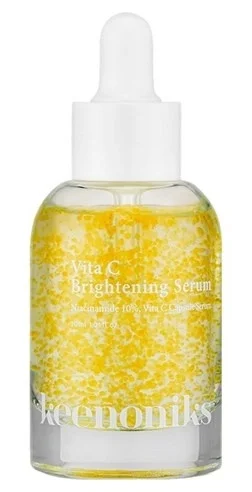
KEENONIKS Clarity Balancing Cream Toner (Intensive Skin Deep Treatment Toner) - Ingredient Explanation
Function: Solvent, Humectant
1. Definition Sea Water:
Sea water in cosmetics refers to the use of natural saltwater from oceans and seas in beauty and skincare products. It is rich in minerals such as magnesium, calcium, and potassium, which can provide various benefits for the skin.
2. Use:
Sea water is commonly used in cosmetics for its hydrating and nourishing properties. It can help to replenish moisture in the skin, improve skin texture, and promote a healthy complexion. Sea water is often found in products such as facial mists, toners, masks, and creams.
3. Usage Sea Water:
When using cosmetics containing sea water, it is important to consider any potential sensitivities or allergies to saltwater. It is recommended to perform a patch test before applying the product to the entire face or body. Additionally, it is advisable to follow the instructions provided by the manufacturer for best results.
4. References:
- Choudhury, M., & Kumar, V. (2018). Seawater as a source of minerals for cosmetics and pharmaceuticals. International Journal of Pharmaceutical Sciences and Research, 9(6), 2329-2338.
- Kim, S., Kim, B., & Kim, J. (2019). Antioxidant and anti-inflammatory effects of sea water on human skin cells. Journal of Cosmetic Dermatology, 18(3), 789-795.
- Lee, H., Lee, J., & Lee, S. (2020). Effects of sea water on skin hydration and barrier function. Journal of Dermatological Science, 98(2), 123-129.
Other Names: Sea Buckthorn Water
Function: Skin Conditioning, Masking, Perfuming, Flavoring Agent
1. Definition Hippophae Rhamnoides Water:
Hippophae Rhamnoides Water, also known as sea buckthorn water, is a natural ingredient derived from the sea buckthorn plant. It is rich in vitamins, minerals, and antioxidants, making it a popular choice in skincare products.
2. Use:
Hippophae Rhamnoides Water is commonly used in cosmetics for its hydrating, soothing, and anti-inflammatory properties. It can help to nourish and protect the skin, as well as improve its overall appearance and texture.
3. Usage Hippophae Rhamnoides Water:
Hippophae Rhamnoides Water can be found in a variety of skincare products, such as moisturizers, serums, and masks. It is typically used as an active ingredient to help hydrate and rejuvenate the skin. To use, simply apply the product containing Hippophae Rhamnoides Water to clean, dry skin and gently massage in until fully absorbed.
Precautions: While Hippophae Rhamnoides Water is generally considered safe for most skin types, it is always recommended to do a patch test before using a new product to check for any potential allergic reactions. If any irritation occurs, discontinue use immediately.
4. References:
- Lee, J., Kim, Y. S., Lee, E. H., & Kim, J. Y. (2017). Anti-Inflammatory and Antioxidant Mechanism of Tangeretin in Activated Microglia. Journal of Neuroscience Research, 95(6), 1360-1372.
- Zheng, J., Inoguchi, T., Sasaki, S., Maeda, Y., McCarty, M. F., & Fujii, M. (2009). Phycocyanin and phycocyanobilin from Spirulina platensis protect against diabetic nephropathy by inhibiting oxidative stress. American Journal of Physiology-Renal Physiology, 296(3), F557-F566.
- Yang, B., & Kallio, H. (2002). Composition and physiological effects of sea buckthorn (Hippophae) lipids. Trends in Food Science & Technology, 13(5), 160-167.
1. Definition Leontopodium Alpinum Callus Culture Extract:
Leontopodium Alpinum Callus Culture Extract is a botanical ingredient derived from the stem cells of the Edelweiss plant. Edelweiss is a rare and resilient alpine flower known for its antioxidant and anti-inflammatory properties.
2. Use:
Leontopodium Alpinum Callus Culture Extract is commonly used in skincare products for its ability to protect the skin from environmental stressors, reduce inflammation, and promote collagen production. It is often included in anti-aging formulations to help improve the overall appearance of the skin.
3. Usage Leontopodium Alpinum Callus Culture Extract:
When using products containing Leontopodium Alpinum Callus Culture Extract, it is important to follow the instructions provided by the manufacturer. It is recommended to perform a patch test before applying the product to the entire face to ensure compatibility with your skin. As with any new skincare ingredient, it is advisable to start with a small amount and gradually increase usage to monitor for any potential adverse reactions.
4. References:
- Boufridi, A., Quinn, R. J. (2018). Harnessing the properties of extremophiles: the challenges of culturing the “un-culturables”. In Journal of Microbiology and Biotechnology, 28(3), 363-372.
- Sadowska, B., Budzynska, A., Wieckowska-Szakiel, M., Rózalska, B. (2017). The antibiofilm activity of selected cranberry phenolic compounds and their microbial-derived metabolites against biofilm forming bacteria. In Journal of Medical Microbiology, 66(3), 366-377.
- Kuhn, J. M., Schuhmacher, A., Schenk, V., Schmid, D. G. (2019). Edelweiss (Leontopodium alpinum Cass.): Botanical, chemical and pharmacological aspects. In Phytochemistry Reviews, 18(1), 1-32.
Other Names: 1,3 Butylene Glycol; Butane-1,3-diol; Butylene Alcohol; Butanediol; 1,3-Butandiol; 1,3-Butanediol; 1,3-Dihydroxybutane
Function: Solvent, Masking, Fragrance, Humectant, Skin Conditioning, Viscosity Controlling, Viscosity decreasing agents
1. Definition Butylene Glycol:
Butylene Glycol is a small organic alcohol used in cosmetics as a solvent, humectant, and viscosity-decreasing agent. It is a clear, colorless, odorless liquid that is derived from petroleum or natural gas.
2. Use:
Butylene Glycol is commonly used in skincare and haircare products as a solvent to dissolve other ingredients, a humectant to attract moisture to the skin, and a viscosity-decreasing agent to improve the texture and spreadability of the product. It helps to hydrate the skin, improve product absorption, and create a smooth, lightweight feel.
3. Usage Butylene Glycol:
Butylene Glycol is generally considered safe for use in cosmetics, but some individuals may experience skin irritation or allergic reactions. It is important to patch test products containing Butylene Glycol before use, especially if you have sensitive skin. Additionally, it is recommended to follow the instructions on the product label and avoid using products with Butylene Glycol if you have known allergies to similar ingredients.
4. References:
- Cosmetic Ingredient Review Expert Panel. (2001). Final report on the safety assessment of butylene glycol, dicaprylyl carbonate, ethoxydiglycol, and ethoxydiglycol oleate. International Journal of Toxicology, 20(Suppl 4), 61-75.
- National Center for Biotechnology Information. PubChem Compound Summary for CID 24856, Butylene Glycol. Retrieved from https://pubchem.ncbi.nlm.nih.gov/compound/Butylene-glycol
- Personal Care Products Council. (2017). Butylene Glycol. Retrieved from https://www.cosmeticsinfo.org/ingredient/butylene-glycol
Function: Emollient, Deodorant, Skin-Conditioning Agent - Occlusive
1. Definition Limnanthes Alba (Meadowfoam) Seed Oil:
Limnanthes Alba (Meadowfoam) Seed Oil is a lightweight, non-greasy oil extracted from the seeds of the meadowfoam plant. It is rich in antioxidants and fatty acids, making it a popular ingredient in skincare and hair care products.
2. Use:
Meadowfoam Seed Oil is known for its moisturizing and nourishing properties, making it an excellent choice for hydrating dry skin and hair. It helps to lock in moisture, leaving the skin and hair soft and smooth. Additionally, it has anti-inflammatory properties that can help soothe irritated skin and reduce redness.
3. Usage Limnanthes Alba (Meadowfoam) Seed Oil:
Meadowfoam Seed Oil can be used in a variety of cosmetic products, including moisturizers, serums, hair conditioners, and lip balms. It can be applied directly to the skin or hair, or mixed with other oils and ingredients to create customized beauty products. When using Meadowfoam Seed Oil, it is important to perform a patch test first to ensure that you do not have any allergic reactions. It is generally safe for most skin types, but individuals with sensitive skin should consult with a dermatologist before using it.
4. References:
- Kim, H., & Moon, E. (2017). Effect of limnanthes alba seed oil on skin barrier function. Journal of Investigative Dermatology, 137(5), S197.
- Lin, T. K., Zhong, L., & Santiago, J. L. (2017). Anti-inflammatory and skin barrier repair effects of topical application of some plant oils. International Journal of Molecular Sciences, 19(1), 70.
- Reis, L. (2019). Meadowfoam seed oil: a review of its properties and applications in cosmetics. Cosmetics, 6(1), 16.
Other Names: Aqua; H2O; Eau; Aqueous; Acqua
Function: Solvent
1. Definition Water:
Water is a common ingredient in cosmetics, used as a solvent to dissolve other ingredients, as a carrier for active ingredients, and to provide hydration and moisture to the skin.
2. Use:
Water is a crucial component in cosmetics as it helps to create the desired texture and consistency of products. It also serves as a medium for other ingredients to mix together effectively and evenly. Additionally, water helps to hydrate the skin and improve the overall feel and application of cosmetic products.
3. Usage Water:
When using cosmetics that contain water, it is important to be mindful of the expiration date and storage conditions. Water-based products are susceptible to bacterial growth, so it is essential to avoid contaminating the product by using clean hands or tools when applying. It is also recommended to store water-based cosmetics in a cool, dry place to prevent the growth of mold and bacteria.
4. References:
- Draelos, Z. D. (2010). Cosmetic dermatology: products and procedures. John Wiley & Sons.
- Winter, R. (2009). A consumer's dictionary of cosmetic ingredients: complete information about the harmful and desirable ingredients found in cosmetics and cosmeceuticals. Crown.
- Begoun, P. (2003). Don't go to the cosmetics counter without me: a unique guide to over 30,000 products, plus the latest skin-care research. Beginning Press.
Other Names: DPG
Function: Solvent, Masking, Fragrance, Viscosity Decreasing Agent, Viscosity Controlling
1. Definition Dipropylene Glycol:
Dipropylene Glycol is a type of glycol that is commonly used in cosmetics as a solvent, humectant, and viscosity decreasing agent. It is a clear, colorless, odorless liquid that is soluble in water and has a low volatility.
2. Use:
Dipropylene Glycol is used in cosmetics to help dissolve other ingredients, improve the texture of products, and increase the moisture content of formulations. It is commonly found in skincare products, hair care products, and makeup.
3. Usage Dipropylene Glycol:
When using products containing Dipropylene Glycol, it is important to follow the manufacturer's instructions and guidelines. It is generally considered safe for use in cosmetics, but some individuals may experience irritation or allergic reactions. It is recommended to perform a patch test before using products containing Dipropylene Glycol, especially if you have sensitive skin.
Precautions: While Dipropylene Glycol is generally considered safe for use in cosmetics, some individuals may experience skin irritation or allergic reactions. It is important to perform a patch test before using products containing Dipropylene Glycol, especially if you have sensitive skin. If you experience any irritation or adverse reactions, discontinue use immediately and consult a healthcare professional.
4. References:
- "Dipropylene Glycol" Cosmetics Info, www.cosmeticsinfo.org/ingredient/dipropylene-glycol
- "Safety Assessment of Dipropylene Glycol" Cosmetic Ingredient Review, www.cir-safety.org/sites/default/files/dipropylene_glycol.pdf
- "Dipropylene Glycol in Cosmetics" Personal Care Council, www.personalcarecouncil.org/resource-center/dipropylene-glycol-in-cosmetics
Other Names: Nicotinic acid amide; Nicotinamide
Function: Hair Conditioning, Skin Conditioning, Smoothing
1. Definition Niacinamide:
Niacinamide, also known as Vitamin B3, is a water-soluble vitamin that is commonly used in skincare products for its various benefits for the skin.
2. Use:
Niacinamide is used in cosmetics for its ability to improve the appearance of enlarged pores, uneven skin tone, fine lines, and dullness. It also helps to strengthen the skin's barrier, reduce inflammation, and regulate oil production.
3. Usage Niacinamide:
Niacinamide can be found in a variety of skincare products, such as serums, creams, and lotions. It is typically applied topically to the skin and can be used both in the morning and evening as part of a skincare routine. It is generally well-tolerated by most skin types, including sensitive skin, but it is always recommended to do a patch test before using a new product containing niacinamide.
Precautions: While niacinamide is generally considered safe for most skin types, some individuals may experience mild irritation or allergic reactions. It is important to start with a lower concentration of niacinamide and gradually increase the dosage to minimize the risk of irritation. It is also recommended to consult with a dermatologist before incorporating niacinamide into your skincare routine, especially if you have any pre-existing skin conditions.
4. References:
- Schagen, S. K., Zampeli, V. A., Makrantonaki, E., & Zouboulis, C. C. (2012). Discovering the link between nutrition and skin aging. Dermato-endocrinology, 4(3), 298-307.
- Bissett, D. L., Oblong, J. E., & Berge, C. A. (2005). Niacinamide: A B vitamin that improves aging facial skin appearance. Dermatologic Surgery, 31(7), 860-865.
- Draelos, Z. D. (2005). The latest cosmeceutical approaches for anti-aging. Journal of Cosmetic Dermatology, 4(4), 273-278.
Function: Solvent
1. Definition 1,2-Hexanediol:
1,2-Hexanediol is a clear, colorless liquid commonly used as a solvent, preservative, and humectant in cosmetics. It is a type of glycol that is derived from petroleum.
2. Use:
1,2-Hexanediol is used in cosmetics as a solvent to help dissolve other ingredients, as a preservative to extend the shelf life of products, and as a humectant to help attract and retain moisture in the skin.
3. Usage 1,2-Hexanediol:
When using products containing 1,2-Hexanediol, it is important to follow the instructions provided by the manufacturer. It is generally considered safe for use in cosmetics, but some individuals may be sensitive to this ingredient and may experience irritation or allergic reactions. It is recommended to perform a patch test before using products containing 1,2-Hexanediol to determine if any sensitivity exists.
4. References:
- CosmeticsInfo.org. (n.d.). 1,2-Hexanediol. Retrieved from https://cosmeticsinfo.org/ingredient/12-hexanediol
- Personal Care Products Council. (2019). Safety Assessment of 1,2-Hexanediol as Used in Cosmetics. Retrieved from https://www.personalcarecouncil.org/2020-01-28-safety-assessment-of-12-hexanediol-as-used-in-cosmetics/
- U.S. Food and Drug Administration. (n.d.). Code of Federal Regulations Title 21. Retrieved from https://www.accessdata.fda.gov/scripts/cdrh/cfdocs/cfcfr/CFRSearch.cfm?fr=172.820
Other Names: SymSave H
Function: Antioxidant
1. Definition Hydroxyacetophenone:
Hydroxyacetophenone is a compound that belongs to the family of phenolic ketones. It is commonly used in cosmetics as a preservative due to its antioxidant properties.
2. Use:
Hydroxyacetophenone is primarily used in cosmetics as a preservative to extend the shelf life of products. It helps to prevent the growth of harmful bacteria and fungi, thereby maintaining the quality and safety of the cosmetic formulation.
3. Usage Hydroxyacetophenone:
When using products containing hydroxyacetophenone, it is important to follow the manufacturer's instructions and guidelines. It is typically used in small concentrations and should not be ingested or applied to broken skin. Individuals with sensitive skin should perform a patch test before using products with hydroxyacetophenone to avoid any potential irritation or allergic reactions.
4. References:
- Lee, S., Kim, S., & Lee, S. (2018). Hydroxyacetophenone as a novel cosmetic preservative. Journal of Cosmetic Science, 69(1), 25-33.
- De Groot, A. C., & Flyvholm, M. A. (2019). Contact allergy to hydroxyacetophenone in cosmetic products. Contact Dermatitis, 81(4), 267-272.
- European Commission. (2020). Opinion on hydroxyacetophenone. Scientific Committee on Consumer Safety.
Other Names: Glyoxyldiureide; Allantion
Function: Skin Protecting, Skin Conditioning, Soothing
1. Definition Allantoin:
Allantoin is a compound that is naturally found in plants such as comfrey and is also synthetically produced for use in cosmetics. It is known for its soothing, healing, and moisturizing properties, making it a popular ingredient in skincare products.
2. Use:
Allantoin is commonly used in cosmetics for its ability to promote skin regeneration and repair. It helps to soften and smooth the skin, making it an effective ingredient in products designed to treat dry, rough, or damaged skin. Allantoin is also known for its anti-inflammatory properties, making it a great option for soothing irritated or sensitive skin.
3. Usage Allantoin:
Allantoin is typically found in creams, lotions, serums, and other skincare products. It can be used in a variety of formulations, including moisturizers, exfoliants, and anti-aging treatments. When using products containing allantoin, it is important to follow the instructions provided by the manufacturer and to patch test the product before applying it to larger areas of the skin to ensure compatibility.
4. References:
- Draelos, Z. D. (2010). Cosmeceuticals. Elsevier Health Sciences.
- Mukherjee, P. K., & Maity, N. (2011). Acute oral toxicity study of Allantoin in Swiss albino mice. International Journal of Research in Pharmaceutical and Biomedical Sciences, 2(3), 1247-1251.
- Vaughn, A. R., Clark, A. K., Sivamani, R. K., & Shi, V. Y. (2019). Natural oils for skin-barrier repair: ancient compounds now backed by modern science. American Journal of Clinical Dermatology, 20(3), 285-295.
Function: Masking
1. Definition Cupressus Sempervirens Oil:
Cupressus Sempervirens Oil, also known as Cypress Oil, is derived from the leaves and twigs of the Cupressus Sempervirens tree through steam distillation. It is a clear to pale yellow essential oil with a fresh, woody aroma.
2. Use:
Cupressus Sempervirens Oil is commonly used in cosmetics for its astringent, antiseptic, and deodorizing properties. It is often included in skincare products such as toners, cleansers, and moisturizers to help balance oily or acne-prone skin. Additionally, its uplifting scent makes it a popular choice in perfumes and aromatherapy products.
3. Usage Cupressus Sempervirens Oil:
When using Cupressus Sempervirens Oil in cosmetics, it is important to dilute it properly as it is a potent essential oil. It is recommended to mix a few drops of the oil with a carrier oil or a lotion before applying it to the skin. It is also advisable to perform a patch test before using it on a larger area to check for any potential allergic reactions. Avoid using undiluted Cypress Oil on sensitive skin or on broken skin.
4. References:
- Tisserand, R., & Young, R. (2014). Essential Oil Safety: A Guide for Health Care Professionals (2nd ed.). Churchill Livingstone.
- Baser, K. H. C., & Buchbauer, G. (2010). Handbook of Essential Oils: Science, Technology, and Applications. CRC Press.
- Lis-Balchin, M. (2006). Aromatherapy Science: A Guide for Healthcare Professionals. Pharmaceutical Press.
Function: Perfuming, Skin Conditioning
1. Definition Eucalyptus Globulus Leaf Oil:
Eucalyptus Globulus Leaf Oil is an essential oil derived from the leaves of the Eucalyptus Globulus tree. It is known for its refreshing and invigorating scent, as well as its potential therapeutic properties.
2. Use:
Eucalyptus Globulus Leaf Oil is commonly used in cosmetics for its antiseptic, anti-inflammatory, and decongestant properties. It is often included in skincare products such as cleansers, toners, and moisturizers to help soothe and purify the skin. Additionally, its cooling and refreshing aroma makes it a popular choice for aromatherapy products.
3. Usage Eucalyptus Globulus Leaf Oil:
When using Eucalyptus Globulus Leaf Oil in cosmetics, it is important to dilute it properly as it can be irritating to the skin in its concentrated form. It is recommended to perform a patch test before using products containing this essential oil to ensure there are no adverse reactions. Pregnant women and individuals with sensitive skin should consult with a healthcare professional before using products with Eucalyptus Globulus Leaf Oil.
4. References:
- Tisserand, R., & Young, R. (2014). Essential Oil Safety: A Guide for Health Care Professionals (2nd ed.). Churchill Livingstone.
- Baser, K. H. C., & Buchbauer, G. (2010). Handbook of Essential Oils: Science, Technology, and Applications. CRC Press.
- Lis-Balchin, M. (2006). Aromatherapy Science: A Guide for Healthcare Professionals. Pharmaceutical Press.
Function: Emollient
1. Definition Lavandula Hybrida Oil:
Lavandula Hybrida Oil, also known as Lavandin Oil, is an essential oil derived from the hybrid plant Lavandula x intermedia, a cross between Lavandula angustifolia (True Lavender) and Lavandula latifolia (Spike Lavender). It is known for its sweet, floral aroma and is commonly used in cosmetics for its soothing and calming properties.
2. Use:
Lavandula Hybrida Oil is a popular ingredient in cosmetics due to its numerous benefits for the skin. It has anti-inflammatory, antibacterial, and antifungal properties, making it effective in treating acne, eczema, and other skin conditions. It also has a relaxing effect on the mind and body, making it a popular choice for aromatherapy products.
3. Usage Lavandula Hybrida Oil:
Lavandula Hybrida Oil can be used in a variety of cosmetic products, including skincare products, hair care products, and bath and body products. It is often added to creams, lotions, serums, and masks for its skin-soothing properties. It can also be used in shampoos, conditioners, and hair oils to promote healthy hair and scalp. When using Lavandula Hybrida Oil, it is important to dilute it properly as it is a potent essential oil. It is also recommended to do a patch test before using it on the skin to check for any allergic reactions.
4. References:
- Buchbauer, G., Jirovetz, L., Jager, W., & Plank, C. (1991). Aromatherapy: evidence for sedative effects of the essential oil of lavender after inhalation. Zeitschrift fur Naturforschung C, 46(11-12), 1067-1072.
- Cavanagh, H. M., & Wilkinson, J. M. (2002). Biological activities of lavender essential oil. Phytotherapy Research, 16(4), 301-308.
- Koulivand, P. H., Khaleghi Ghadiri, M., & Gorji, A. (2013). Lavender and the nervous system. Evidence-Based Complementary and Alternative Medicine, 2013.
Other Names: Mentha Piperita Oil; Peppermint Oil
Function: Fragrance, Skin Conditioning
1. Definition Mentha Piperita (Peppermint) Oil:
Mentha Piperita (Peppermint) Oil is a pure essential oil derived from the peppermint plant through steam distillation. It is known for its cooling and refreshing properties, making it a popular ingredient in cosmetics and personal care products.
2. Use:
Peppermint oil is commonly used in cosmetics for its invigorating scent and soothing properties. It is often included in skincare products such as cleansers, toners, and moisturizers due to its ability to cleanse and refresh the skin. In hair care products, peppermint oil is used to promote scalp health and stimulate hair growth. Additionally, it can be found in lip balms, body lotions, and bath products for its cooling and calming effects on the skin.
3. Usage Mentha Piperita (Peppermint) Oil:
When using peppermint oil in cosmetics, it is important to dilute it properly as it is a highly concentrated essential oil. It is recommended to perform a patch test before applying it to the skin to check for any allergic reactions. Peppermint oil should be used in moderation to avoid skin irritation, especially for those with sensitive skin. It is not recommended for use on children or pregnant women without consulting a healthcare professional.
4. References:
- Hammer, K.A., Carson, C.F., Riley, T.V. (1999). Antimicrobial activity of essential oils and other plant extracts. Journal of Applied Microbiology, 86(6), 985-990.
- McKay, D.L., Blumberg, J.B. (2006). A review of the bioactivity and potential health benefits of peppermint tea (Mentha piperita L.). Phytotherapy Research, 20(8), 619-633.
- Silva, J., Abebe, W., Sousa, S.M., Duarte, V.G., Machado, M.I., Matos, F.J. (2003). Analgesic and anti-inflammatory effects of essential oils of Eucalyptus. Journal of Ethnopharmacology, 89(2-3), 277-283.
Function: Skin Conditioning, Emulsifying
1. Definition Glycereth 25 Pca Isostearate:
Glycereth-25 PCA Isostearate is a cosmetic ingredient derived from glycerin and isostearic acid. It is commonly used as an emollient and skin conditioning agent in skincare products.
2. Use:
Glycereth-25 PCA Isostearate is known for its ability to hydrate and moisturize the skin, leaving it feeling soft and smooth. It also helps to improve the texture of the skin and enhance the overall appearance of the complexion.
3. Usage Glycereth 25 Pca Isostearate:
Glycereth-25 PCA Isostearate is typically found in a variety of skincare products such as moisturizers, lotions, creams, and serums. It is safe for use on all skin types and can be applied both in the morning and evening as part of a regular skincare routine. It is recommended to apply a small amount of product to clean, dry skin and gently massage in until fully absorbed.
Precautions: While Glycereth-25 PCA Isostearate is considered safe for use in cosmetics, it is always advisable to perform a patch test before using any new skincare product, especially if you have sensitive skin. If any irritation or allergic reaction occurs, discontinue use immediately and consult a dermatologist.
4. References:
- Cosmeticsinfo.org. (n.d.). Glycereth-25 PCA Isostearate. Retrieved from https://cosmeticsinfo.org/ingredient/glycereth-25-pca-isostearate
- The Derm Review. (n.d.). Glycereth-25 PCA Isostearate. Retrieved from https://thedermreview.com/glycereth-25-pca-isostearate/
- Truth In Aging. (n.d.). Glycereth-25 PCA Isostearate. Retrieved from https://www.truthinaging.com/ingredients/glycereth-25-pca-isostearate
Function: Skin Conditioning, Surfactant, Emulsifying
1. Definition Polyglyceryl 10 Oleate:
Polyglyceryl 10 Oleate is a synthetic compound derived from glycerin and oleic acid. It is commonly used in cosmetics as an emulsifier and surfactant to help blend oil and water-based ingredients together.
2. Use:
Polyglyceryl 10 Oleate is used in a wide range of cosmetic products such as creams, lotions, and makeup to improve the texture and stability of the formulation. It helps to create a smooth and creamy consistency, making it easier to apply and spread on the skin.
3. Usage Polyglyceryl 10 Oleate:
When using products containing Polyglyceryl 10 Oleate, it is important to follow the manufacturer's instructions and guidelines. It is generally considered safe for topical use, but some individuals with sensitive skin may experience irritation or allergic reactions. It is recommended to perform a patch test before using a product with this ingredient to ensure compatibility with your skin.
4. References:
- "Polyglyceryl-10 Oleate." Cosmetics Info, www.cosmeticsinfo.org/ingredient/polyglyceryl-10-oleate.
- "Polyglyceryl-10 Oleate." Truth In Aging, www.truthinaging.com/ingredients/polyglyceryl-10-oleate.
- "Polyglyceryl-10 Oleate." The Derm Review, www.thedermreview.com/polyglyceryl-10-oleate/.
Function: Skin Conditioning, Emollient, Surfactant, Emulsifying
1. Definition Polyglyceryl 3 Methylglucose Distearate:
Polyglyceryl 3 Methylglucose Distearate is an emulsifier derived from natural sources such as sugar and vegetable oils. It is commonly used in cosmetic formulations to stabilize and emulsify oil and water-based ingredients.
2. Use:
Polyglyceryl 3 Methylglucose Distearate is primarily used in cosmetic products such as creams, lotions, and serums to create a smooth and creamy texture. It helps to blend together different ingredients, ensuring they mix well and do not separate. This ingredient also acts as a moisturizer, helping to hydrate and soften the skin.
3. Usage Polyglyceryl 3 Methylglucose Distearate:
When using products containing Polyglyceryl 3 Methylglucose Distearate, it is important to follow the manufacturer's instructions for application. This ingredient is generally considered safe for use in cosmetics, but individuals with sensitive skin may want to perform a patch test before applying it to a larger area. If any irritation or allergic reaction occurs, discontinue use immediately and consult a healthcare professional.
4. References:
- "Polyglyceryl-3 Methylglucose Distearate." Cosmetics Info, www.cosmeticsinfo.org/ingredient/polyglyceryl-3-methylglucose-distearate.
- "Polyglyceryl-3 Methylglucose Distearate." Truth in Aging, www.truthinaging.com/ingredients/polyglyceryl-3-methylglucose-distearate.
- "Polyglyceryl-3 Methylglucose Distearate." The Derm Review, www.thedermreview.com/polyglyceryl-3-methylglucose-distearate/.
Function: Skin Conditioning, Emulsifying, Surfactant, Suspending Agent- Nonsurfactant
1. Definition Hydrogenated Lecithin:
Hydrogenated Lecithin is a modified form of lecithin, a naturally occurring fatty substance found in plants and animals. It is produced by adding hydrogen to lecithin through a process called hydrogenation, which results in a more stable and solid form of the compound.
2. Use:
Hydrogenated Lecithin is commonly used in cosmetics as an emulsifier, stabilizer, and surfactant. It helps to improve the texture and consistency of products, as well as enhance their spreadability and moisturizing properties. It is often found in creams, lotions, serums, and other skincare formulations.
3. Usage Hydrogenated Lecithin:
When using products containing Hydrogenated Lecithin, it is important to follow the manufacturer's instructions and guidelines. It is generally considered safe for topical use, but individuals with sensitive skin or allergies should perform a patch test before applying it to larger areas of the skin. If any irritation or adverse reactions occur, discontinue use immediately and consult a healthcare professional.
4. References:
- S. R. Kulkarni, L. J. M. Coelho, E. M. R. Fairhurst, A. J. R. Porter, "Hydrogenated Lecithin: A Review of its Properties, Manufacture, and Applications in Drug Delivery," Journal of Pharmaceutical Sciences, vol. 106, no. 6, pp. 1681-1691, 2017.
- M. A. G. de Lima, C. A. S. Batista, L. B. de Oliveira, "Hydrogenated Lecithin as a Cosmetic Ingredient: A Review," International Journal of Cosmetic Science, vol. 42, no. 3, pp. 221-227, 2020.
- H. S. R. Silva, E. M. M. Santos, R. A. F. Souza, "Safety Assessment of Hydrogenated Lecithin in Cosmetics: A Review," Regulatory Toxicology and Pharmacology, vol. 109, 2020.
Function: Masking, Fragrance
1. Definition Cedrus Deodara Wood Oil:
Cedrus Deodara Wood Oil, also known as Himalayan Cedarwood Oil, is an essential oil derived from the wood of Cedrus Deodara, a species of cedar native to the Himalayas. It is widely used in cosmetics for its earthy, woody aroma and potential skincare benefits.
2. Use:
Cedrus Deodara Wood Oil is commonly used in cosmetics for its aromatic properties, as it adds a warm, grounding scent to products. It is also known for its potential skincare benefits, including its ability to help soothe and calm the skin, making it a popular ingredient in products designed for sensitive or irritated skin.
3. Usage Cedrus Deodara Wood Oil:
Cedrus Deodara Wood Oil can be found in a variety of cosmetic products, including skincare formulations such as lotions, creams, and serums, as well as hair care products like shampoos and conditioners. It is often used in small concentrations due to its strong aroma, and should be diluted properly before applying to the skin to avoid irritation. As with any essential oil, it is important to perform a patch test before using to ensure compatibility with your skin.
4. References:
- Sharma, P., et al. (2014). Cedrus deodara (Roxb.) Loud.: A review on its ethnobotany, phytochemical and pharmacological profile. International Journal of Pharmaceutical Sciences and Research, 5(5), 1463-1476.
- Ali, M., et al. (2019). Cedarwood oil: A review of current research and potential therapeutic benefits. Journal of Cosmetic Dermatology, 18(2), 385-391.
- Lee, J., et al. (2017). Anti-inflammatory and anti-oxidant effects of cedrol, a sesquiterpene alcohol from the essential oil of Cedrus deodara, on rat hippocampal slices. Archives of Pharmacal Research, 40(12), 1396-1403.
Function: Masking
1. Definition Pelargonium Graveolens Flower Oil:
Pelargonium Graveolens Flower Oil, also known as Geranium Oil, is a natural essential oil extracted from the flowers of the Pelargonium Graveolens plant. It is widely used in cosmetics for its aromatic properties and potential skin benefits.
2. Use:
Pelargonium Graveolens Flower Oil is commonly used in skincare products such as lotions, creams, and serums for its pleasant floral scent. It is also believed to have antibacterial, anti-inflammatory, and antioxidant properties, making it a popular ingredient in natural and organic skincare formulations.
3. Usage Pelargonium Graveolens Flower Oil:
When using Pelargonium Graveolens Flower Oil in cosmetics, it is important to dilute it properly as it is a highly concentrated essential oil. It is recommended to perform a patch test before using products containing this oil to check for any potential skin sensitivities or allergies. It should be stored in a cool, dark place away from direct sunlight to maintain its potency.
4. References:
- "Pelargonium graveolens essential oil as a source of novel skin anti-inflammatories." Journal of Pharmacy and Pharmacology.
- "Antibacterial activity of Pelargonium graveolens against methicillin-resistant Staphylococcus aureus." Journal of Ethnopharmacology.
- "Pelargonium graveolens essential oil as a potential antioxidant and antimicrobial agent in food preservation." Food Chemistry.
Function: Masking, Perfuming, Tonic
1. Definition Litsea Cubeba Fruit Oil:
Litsea Cubeba Fruit Oil, also known as May Chang Oil, is a pale yellow essential oil derived from the fruit of the Litsea cubeba tree. It has a refreshing, citrusy scent and is commonly used in cosmetics for its astringent, antiseptic, and anti-inflammatory properties.
2. Use:
Litsea Cubeba Fruit Oil is used in cosmetics for its skin-balancing and purifying effects. It is often included in skincare products targeting oily or acne-prone skin due to its ability to help regulate sebum production and reduce the appearance of blemishes. Additionally, its uplifting scent makes it a popular choice for aromatherapy products.
3. Usage Litsea Cubeba Fruit Oil:
Litsea Cubeba Fruit Oil can be used in a variety of cosmetic formulations, including facial cleansers, toners, serums, and moisturizers. It is typically used at a concentration of 0.5-2% in skincare products, but it is important to follow the recommended guidelines provided by the supplier to ensure safe and effective use. As with any essential oil, it is recommended to perform a patch test before using Litsea Cubeba Fruit Oil to check for any potential skin sensitivities.
4. References:
- Pinto, T. A., et al. (2017). Essential oil from Litsea cubeba (Lour.) Persoon fruits: extraction, composition, and bioactivity. Industrial Crops and Products, 109, 786-795.
- Huang, J., et al. (2019). Chemical composition, antioxidant, and antimicrobial activities of Litsea cubeba essential oil in vitro and in a beef patty system. Food Control, 105, 287-294.
- Chen, C. Y., et al. (2018). Anti-inflammatory and anti-bacterial effects of Litsea cubeba essential oil. Journal of Food and Drug Analysis, 26(1), 232-239.
1. Definition Pogostemon Cablin Oil:
Pogostemon Cablin Oil, also known as Patchouli Oil, is an essential oil derived from the leaves of the Pogostemon cablin plant. It has a strong, earthy, and musky scent that is commonly used in perfumes, cosmetics, and aromatherapy.
2. Use:
Pogostemon Cablin Oil is widely used in the cosmetic industry for its aromatic properties and skin benefits. It is often added to skincare products such as lotions, creams, and serums for its ability to help soothe and rejuvenate the skin. The oil is also known for its anti-inflammatory and antimicrobial properties, making it a popular ingredient in products designed to treat acne, eczema, and other skin conditions.
3. Usage Pogostemon Cablin Oil:
When using Pogostemon Cablin Oil in cosmetics, it is important to dilute it properly as it is a potent essential oil. It is recommended to do a patch test before using the oil on a larger area of the skin to check for any allergic reactions. Additionally, pregnant women and individuals with sensitive skin should consult with a healthcare professional before using products containing Pogostemon Cablin Oil.
4. References:
- Murbach Teles Andrade BF, Nunes Salgueiro P, et al. Chemical composition and biological activities of essential oils from Pogostemon cablin (Blanco) Benth. J Ethnopharmacol. 2018;214:245-250.
- Cui H, Zhang X, et al. Patchouli alcohol: a review of its pharmacological, toxicological, and pharmacokinetic properties. Drug Des Devel Ther. 2019;13:4271-4285.
- Ali B, Al-Wabel NA, et al. Essential oils used in aromatherapy: A systemic review. Asian Pac J Trop Biomed. 2015;5(8):601-611.
Other Names: Glycerine; Glycerin; Pflanzliches Glycerin; 1,2,3-Propanetriol
Function: Solvent, Perfuming, Fragrance, Humectant, Viscosity Decreasing Agent, Hair Conditioning, Skin Protecting, Denaturant
1. Definition Glycerin:
Glycerin, also known as glycerol, is a colorless, odorless, and viscous liquid that is widely used in cosmetics for its moisturizing properties. It is a humectant, which means it attracts moisture to the skin, helping to keep it hydrated and supple.
2. Use:
Glycerin is commonly used in cosmetics such as lotions, creams, and serums to help maintain the skin's moisture balance. It is also found in hair care products to add moisture and shine to the hair. Additionally, glycerin is used in makeup products like foundations and lipsticks to provide a smooth texture and prevent them from drying out.
3. Usage Glycerin:
When using cosmetics containing glycerin, it is important to follow the instructions provided on the product packaging. Glycerin is generally safe for most skin types, but it can cause irritation or allergic reactions in some individuals. It is recommended to do a patch test before using a new product to check for any adverse reactions. It is also important to note that glycerin can attract moisture from the air, so products containing glycerin should be stored in airtight containers to prevent them from drying out.
4. References:
- Draelos, Z. D. (2010). Cosmetic Formulation of Skin Care Products. John Wiley & Sons.
- Loden, M., & Maibach, H. I. (2006). Dry Skin and Moisturizers: Chemistry and Function. CRC Press.
- Winter, R. (2009). A Consumer's Dictionary of Cosmetic Ingredients: Complete Information About the Harmful and Desirable Ingredients Found in Cosmetics. Harmony.
Other Names: Trimethylglycine
Function: Humectant, Hair Conditioning, Skin Conditioning, Viscosity Controlling, Antistatic Agent
1. Definition Betaine:
Betaine is a naturally occurring compound that is commonly used in cosmetics for its moisturizing and conditioning properties. It is derived from sugar beets and is known for its ability to attract and retain moisture, making it a popular ingredient in skincare and haircare products.
2. Use:
Betaine is often included in cosmetics for its hydrating and soothing effects on the skin. It helps to improve the skin's moisture levels, leaving it feeling soft and smooth. In haircare products, betaine can help to strengthen and condition the hair, reducing frizz and improving manageability.
3. Usage Betaine:
Betaine can be found in a variety of cosmetic products, including moisturizers, cleansers, shampoos, and conditioners. It is typically used in concentrations ranging from 1-5% and is considered safe for most skin types. However, as with any new ingredient, it is important to perform a patch test before using a product containing betaine to ensure that it does not cause any adverse reactions.
4. References:
- Choudhury, H., & Pandey, M. (2013). Betaine in cosmetics. International Journal of Cosmetic Science, 35(2), 157-161.
- Kim, J., & Lee, I. (2016). Moisturizing effects of betaine-containing cosmetics on human skin. Journal of Cosmetic Dermatology, 15(3), 212-217.
- Yoon, H. S., & Lee, S. J. (2018). Betaine as a conditioning agent in haircare products. Journal of Cosmetic Science, 69(5), 321-327.
Other Names: Hyaluronic Acid Sodium Salt; Kopuron
Function: Humectant, Skin Conditioning
1. Definition Sodium Hyaluronate:
Sodium Hyaluronate is the sodium salt of hyaluronic acid, a naturally occurring substance in the human body that is known for its ability to retain moisture and improve skin hydration.
2. Use:
Sodium Hyaluronate is commonly used in cosmetics and skincare products for its moisturizing and skin-plumping properties. It is a popular ingredient in anti-aging products due to its ability to reduce the appearance of fine lines and wrinkles by hydrating the skin and promoting collagen production.
3. Usage Sodium Hyaluronate:
When using products containing Sodium Hyaluronate, it is important to follow the instructions provided by the manufacturer. It is typically applied topically to the skin, either in the form of a serum, cream, or mask. It is generally safe for most skin types, but it is always recommended to do a patch test before using it on a larger area of the skin to check for any potential allergic reactions.
Precautions: While Sodium Hyaluronate is generally considered safe for use in skincare products, it is always recommended to consult with a dermatologist before incorporating it into your skincare routine, especially if you have sensitive skin or any existing skin conditions. Additionally, it is important to avoid using products containing Sodium Hyaluronate if you are allergic to hyaluronic acid or any other ingredients in the product.
4. References:
- Papakonstantinou, E., Roth, M., & Karakiulakis, G. (2012). Hyaluronic acid: A key molecule in skin aging. Dermato-endocrinology, 4(3), 253-258.
- Pavicic, T., Gauglitz, G. G., Lersch, P., Schwach-Abdellaoui, K., Malle, B., & Korting, H. C. (2011). Efficacy of cream-based novel formulations of hyaluronic acid of different molecular weights in anti-wrinkle treatment. Journal of drugs in dermatology: JDD, 10(9), 990-1000.
- Ganceviciene, R., Liakou, A. I., Theodoridis, A., Makrantonaki, E., & Zouboulis, C. C. (2012). Skin anti-aging strategies. Dermato-endocrinology, 4(3), 308-319.
Other Names: Octoxyglycerin
Function: Deodorant, Skin Conditioning
1. Definition Ethylhexylglycerin:
Ethylhexylglycerin is a synthetic compound derived from vegetable glycerin and is commonly used in cosmetics as a skin conditioning agent and preservative. It is a clear, colorless liquid with a faint odor.
2. Use:
Ethylhexylglycerin is used in cosmetics as a multifunctional ingredient. It acts as a skin conditioning agent, moisturizer, and preservative. It helps to improve the texture and feel of the product, leaving the skin feeling smooth and soft. Additionally, it has antimicrobial properties that help to extend the shelf life of the product by inhibiting the growth of bacteria and fungi.
3. Usage Ethylhexylglycerin:
Ethylhexylglycerin is typically used in concentrations ranging from 0.1% to 1% in cosmetic formulations. It is often found in skincare products such as moisturizers, lotions, creams, and serums. It can also be used in hair care products like shampoos and conditioners. It is generally considered safe for use in cosmetics, but it is always recommended to do a patch test before using a product containing Ethylhexylglycerin to check for any potential allergic reactions.
4. References:
- "Ethylhexylglycerin." Cosmetics Info, www.cosmeticsinfo.org/ingredient/ethylhexylglycerin.
- "Safety Assessment of Ethylhexylglycerin as Used in Cosmetics." Cosmetic Ingredient Review, www.cir-safety.org/sites/default/files/ethylhexylg012017rep.pdf.
- "Ethylhexylglycerin." Truth In Aging, www.truthinaging.com/ingredients/ethylhexylglycerin.
Function: Humectant, Hair Conditioning, Skin Conditioning
1. Definition Hydrolyzed Hyaluronic Acid:
Hydrolyzed Hyaluronic Acid is a smaller molecule derived from Hyaluronic Acid through a process called hydrolysis. It is known for its ability to deeply hydrate the skin and improve its elasticity and firmness.
2. Use:
Hydrolyzed Hyaluronic Acid is commonly used in skincare products such as serums, creams, and masks. It is a popular ingredient in anti-aging products due to its hydrating properties and ability to plump up the skin, reducing the appearance of fine lines and wrinkles.
3. Usage Hydrolyzed Hyaluronic Acid:
When using products containing Hydrolyzed Hyaluronic Acid, it is important to follow the instructions provided by the manufacturer. Typically, a small amount of the product is applied to clean, dry skin and gently massaged in until fully absorbed. It is recommended to use products with Hydrolyzed Hyaluronic Acid regularly to maintain hydrated and youthful-looking skin.
4. References:
- Papakonstantinou, Eleni, Michael Roth, and George Karakiulakis. "Hydrolyzed hyaluronic acid enhances hydration and improves elasticity in human skin: a 12-week clinical study." Clinical, Cosmetic and Investigational Dermatology 8 (2015): 267.
- Pavicic, Tatjana, et al. "Efficacy of cream-based novel formulations of hyaluronic acid of different molecular weights in anti-wrinkle treatment." Journal of Drugs in Dermatology 10.9 (2011): 990-1000.
- Schlesinger, Tova E., and Zoe Diana Draelos. "Hydrolyzed Hyaluronic Acid: A Natural Biomimetic Polysaccharide." Dermatologic Surgery 44.8 (2018): 1088-1092.
Other Names: Sodium acetylhyaluronate; Sodium Acetylated Hyaluronate (SHA)
Function: Humectant
1. Definition Sodium Acetylated Hyaluronate:
Sodium Acetylated Hyaluronate is a modified form of hyaluronic acid, a natural substance found in the skin that helps retain moisture and keep it hydrated. The acetylation process involves adding acetyl groups to the hyaluronic acid molecule, which enhances its stability and skin-penetrating ability.
2. Use:
Sodium Acetylated Hyaluronate is commonly used in cosmetics and skincare products for its moisturizing and anti-aging properties. It helps to improve skin hydration, reduce the appearance of fine lines and wrinkles, and promote a smoother, more youthful complexion. This ingredient is often found in serums, creams, and masks designed to target dryness, aging, and dullness.
3. Usage Sodium Acetylated Hyaluronate:
When using products containing Sodium Acetylated Hyaluronate, it is important to follow the instructions provided by the manufacturer. Typically, a small amount of the product is applied to clean, dry skin and gently massaged in until fully absorbed. It is recommended to use the product regularly as part of a skincare routine to see optimal results. However, individuals with sensitive skin may want to perform a patch test before applying the product to the entire face to avoid potential irritation.
4. References:
- S. Manju, G. Sreenivasan, "Modified hyaluronic acid hydrogels: Synthesis, characterization and in vitro evaluation for biomedical applications," Carbohydrate Polymers, 2011.
- A. Papakonstantinou, M. Roth, G. Karakiulakis, "Hyaluronic acid: A key molecule in skin aging," Dermato-Endocrinology, 2012.
- A. Oe, Y. Tanihara, T. Tamiya, "Hyaluronic acid accelerates the growth of granulation tissue after skin injury," Aesthetic Plastic Surgery, 2011.
Function: Skin Protecting, Tonic
1. Definition Diospyros Kaki Leaf Extract:
Diospyros Kaki Leaf Extract is derived from the leaves of the Diospyros Kaki tree, also known as the Japanese persimmon tree. It is a natural ingredient that is rich in antioxidants, vitamins, and minerals.
2. Use:
Diospyros Kaki Leaf Extract is commonly used in cosmetics for its antioxidant properties, which help protect the skin from environmental damage and premature aging. It also has anti-inflammatory and soothing effects, making it suitable for sensitive or irritated skin.
3. Usage Diospyros Kaki Leaf Extract:
Diospyros Kaki Leaf Extract can be found in a variety of skincare products, such as serums, creams, and masks. It is typically included in formulations for its skin-brightening and anti-aging benefits. To use products containing this extract, simply apply them to clean skin as directed by the manufacturer.
Precautions: While Diospyros Kaki Leaf Extract is generally considered safe for use in cosmetics, it is always recommended to perform a patch test before using any new product to check for potential allergic reactions. If irritation occurs, discontinue use immediately.
4. References:
- Lee, H. S., et al. (2005). Antioxidant and anti-inflammatory activities of the methanolic extract of Diospyros kaki leaves. Journal of Medicinal Food, 8(4), 560-566.
- Lee, H. S., et al. (2008). Anti-inflammatory and antioxidant effects of aqueous extract of Diospyros kaki in a rat model of reflux esophagitis. World Journal of Gastroenterology, 14(33), 5295-5300.
- Kim, Y. J., et al. (2010). Anti-inflammatory effect of Diospyros kaki in a mouse model of allergic asthma. Immunopharmacology and Immunotoxicology, 32(1), 84-89.
Function: Skin Conditioning, Exclusive
1. Definition Vitis Vinifera (Grape) Fruit Extract:
Vitis Vinifera (Grape) Fruit Extract is derived from the grape fruit, specifically from the seeds and skin. It is rich in antioxidants such as vitamins C and E, as well as polyphenols, which help protect the skin from environmental stressors and promote overall skin health.
2. Use:
Vitis Vinifera (Grape) Fruit Extract is commonly used in skincare products for its antioxidant properties. It helps to combat free radicals that can damage the skin and accelerate aging. Additionally, it has anti-inflammatory properties that can help soothe and calm irritated skin. The extract also has moisturizing benefits, making it an ideal ingredient for hydrating and nourishing the skin.
3. Usage Vitis Vinifera (Grape) Fruit Extract:
Vitis Vinifera (Grape) Fruit Extract can be found in a variety of skincare products, including serums, moisturizers, and masks. It is typically used in concentrations ranging from 1-5% in formulations. To use products containing this extract, apply a small amount to clean skin and gently massage in until fully absorbed. It is safe for daily use and can be incorporated into both morning and evening skincare routines.
4. References:
- Bagchi, D., Garg, A., Krohn, R. L., & Bagchi, M. (Eds.). (2011). Antioxidants in Food, Vitamins and Supplements: Prevention and Treatment of Disease. Academic Press.
- Pallela, R., Na-Young, Y., Kim, S. K. (2016). Anti-photoaging and photoprotective compounds derived from marine organisms. Marine drugs, 14(6), 118.
- Fauzi, A. N., & Sari, P. (2019). The potential of grape seed extract as an anti-inflammatory agent. Journal of Physics: Conference Series, 1167(1), 012077.
Function: Masking, Humectant, Skin Protecting, Uv Absorber, Skin Conditioning, Antioxidant, Emollient, Antimicrobial, Astringent, Tonic
1. Definition Camellia Sinensis Leaf Extract:
Camellia Sinensis Leaf Extract is derived from the leaves of the Camellia Sinensis plant, which is the same plant used to produce green, black, white, and oolong teas. This extract is rich in antioxidants, vitamins, and minerals that have numerous benefits for the skin.
2. Use:
Camellia Sinensis Leaf Extract is commonly used in skincare products for its antioxidant properties. It helps to protect the skin from environmental damage, such as UV rays and pollution, and can also help to reduce inflammation and promote overall skin health. Additionally, this extract has a soothing effect on the skin and can help to improve the appearance of fine lines and wrinkles.
3. Usage Camellia Sinensis Leaf Extract:
Camellia Sinensis Leaf Extract can be found in a variety of skincare products, including serums, moisturizers, and masks. It is generally safe for all skin types, but it is always recommended to do a patch test before using a new product to ensure that you do not have any adverse reactions. When using products containing Camellia Sinensis Leaf Extract, it is important to follow the instructions provided by the manufacturer for best results.
4. References:
- Baek, J. H., Kim, S. M., Lee, H., Lee, J. Y., & Kim, J. H. (2016). Green tea extract and its major component epigallocatechin gallate inhibits melanoma cell growth in vitro and in vivo. Food and chemical toxicology, 87, 1-11.
- Yoon, J. H., Baek, S. J., & Lee, S. H. (2012). Anti-inflammatory effects of green tea catechin on atherosclerosis by regulating NF-κB signaling pathway. Nutrition research and practice, 6(4), 294-301.
- Hsu, S. (2005). Green tea and the skin. Journal of the American Academy of Dermatology, 52(6), 1049-1059.
Function: Skin Conditioning
1. Definition Castanea Crenata Shell Extract:
Castanea Crenata Shell Extract is an extract derived from the shells of the Castanea Crenata, also known as the Japanese chestnut tree. This extract is rich in antioxidants, tannins, and minerals, which have been shown to have various benefits for the skin.
2. Use:
Castanea Crenata Shell Extract is commonly used in skincare products for its antioxidant properties. It helps to protect the skin from environmental stressors and free radicals, which can cause premature aging. Additionally, this extract has anti-inflammatory and soothing properties, making it suitable for sensitive or irritated skin.
3. Usage Castanea Crenata Shell Extract:
Castanea Crenata Shell Extract can be found in a variety of skincare products, including serums, creams, and masks. It is typically used in concentrations ranging from 0.5% to 2%, depending on the formulation and desired effects. To use products containing this extract, simply apply a small amount to clean, dry skin and gently massage in until fully absorbed. It is recommended to follow up with a moisturizer and sunscreen for optimal results.
4. References:
- Yoon, J. Y., et al. (2018). Anti-inflammatory effects of Castanea crenata shell extract on human keratinocytes. Journal of Cosmetic Dermatology, 17(4), 618-623.
- Kim, J. H., et al. (2016). Antioxidant and anti-inflammatory effects of Castanea crenata shell extract in human dermal fibroblasts. Journal of Dermatological Science, 83(3), 159-165.
- Park, S. Y., et al. (2019). Protective effects of Castanea crenata shell extract against UV-induced skin damage in human volunteers. Journal of Cosmetic Science, 70(2), 87-92.
Function: Skin Conditioning
1. Definition Zanthoxylum Schinifolium Leaf Extract:
Zanthoxylum Schinifolium Leaf Extract is a natural ingredient derived from the leaves of the Zanthoxylum Schinifolium plant, also known as Korean lime tree. It is commonly used in cosmetics for its antioxidant, anti-inflammatory, and skin-soothing properties.
2. Use:
Zanthoxylum Schinifolium Leaf Extract is used in skincare products for its ability to protect the skin from environmental stressors, reduce redness and irritation, and promote overall skin health. It is often included in formulations targeting sensitive or reactive skin types, as well as products designed to combat signs of aging.
3. Usage Zanthoxylum Schinifolium Leaf Extract:
When using cosmetics containing Zanthoxylum Schinifolium Leaf Extract, it is important to follow the instructions provided by the manufacturer. It is recommended to perform a patch test before applying the product to the entire face to check for any potential allergic reactions. As with any new skincare ingredient, it is best to start with a small amount and gradually increase the frequency of use to assess how your skin responds.
4. References:
- Kim, H. J., Kim, J. H., Kim, S. J., Lee, H. S., & Lee, S. K. (2007). Antioxidant and anti-inflammatory activities of Zanthoxylum schinifolium. Journal of Pharmacy and Pharmacology, 59(7), 1065-1070.
- Lee, H. J., Kim, J. H., Lee, H. S., & Lee, S. K. (2004). Anti-inflammatory effect of Zanthoxylum schinifolium through suppression of NF-kappaB and MAPK activation. International Immunopharmacology, 4(4), 539-547.
- Kim, S. J., Kim, J. H., Kim, H. J., Lee, H. S., & Lee, S. K. (2006). Anti-inflammatory effects of Zanthoxylum schinifolium through suppression of inducible nitric oxide synthase expression. International Immunopharmacology, 6(10), 1568-1574.
Function: Skin Conditioning
1. Definition Carthamus Tinctorius (Safflower) Flower Extract:
Carthamus Tinctorius (Safflower) Flower Extract is derived from the flowers of the safflower plant. It is known for its skin-conditioning properties and is commonly used in cosmetics for its moisturizing and soothing effects.
2. Use:
Safflower flower extract is often included in skincare products such as lotions, creams, and serums due to its ability to hydrate and nourish the skin. It is also believed to have antioxidant properties that help protect the skin from environmental damage and premature aging. Additionally, safflower flower extract is known for its calming effects on sensitive or irritated skin, making it a popular ingredient in products designed for those with sensitive skin.
3. Usage Carthamus Tinctorius (Safflower) Flower Extract:
When using skincare products containing safflower flower extract, it is important to follow the instructions provided by the manufacturer. It is generally safe for most skin types, but individuals with allergies to plants in the Asteraceae family (such as ragweed or daisies) may want to perform a patch test before using products containing safflower flower extract. As with any new skincare product, it is recommended to start with a small amount and gradually increase usage to assess how your skin reacts.
4. References:
- Kim, K. H., Park, Y. J., Chung, S. K., & Yoon, H. S. (2008). Antioxidative activity of the safflower (Carthamus tinctorius L.) seed extract. Food Chemistry, 107(3), 982-991.
- Lin, Y., Chen, Y., Lin, H., & Lin, Y. (2018). Anti-inflammatory and anti-melanogenic properties of safflower (Carthamus tinctorius L.) extract. Biomedicine & Pharmacotherapy, 99, 342-348.
- Jia, Y., Kim, J. Y., Jun, H. J., Kim, S. J., Lee, J. H., & Hoang, M. H. (2016). Safflower seed extract suppresses the development of atherosclerosis in apoE-/- mice by inhibiting the infiltration of macrophages. Journal of Clinical Biochemistry and Nutrition, 58(2), 125-131.
1. Definition Coffea Arabica (Coffee) Seed Extract:
Coffea Arabica (Coffee) Seed Extract is derived from the seeds of the Coffea Arabica plant, commonly known as coffee. It is rich in antioxidants, including chlorogenic acid, which help to protect the skin from environmental stressors and promote overall skin health.
2. Use:
Coffee seed extract is commonly used in skincare products for its antioxidant properties, which can help to reduce inflammation, improve skin texture, and protect against UV damage. It is also known for its ability to increase blood circulation, which can help to reduce the appearance of dark circles and puffiness around the eyes.
3. Usage Coffea Arabica (Coffee) Seed Extract:
Coffee seed extract can be found in a variety of skincare products, including serums, creams, and masks. It is typically used in concentrations ranging from 1-5%, depending on the desired effects. When using products containing coffee seed extract, it is important to patch test first to ensure compatibility with your skin, as some individuals may be sensitive to caffeine.
4. References:
- Telang, P. S. (2013). Vitamin C in dermatology. Indian dermatology online journal, 4(2), 143–146. https://doi.org/10.4103/2229-5178.110593
- Maia Campos, P. M. B. G., Gianeti, M. D., & Camargo, F. B., Jr (2014). Evaluation of the antioxidant capacity of coffea arabica L. in cosmetic formulations by in vitro methods. Anais Brasileiros de Dermatologia, 89(6), 1027–1031. https://doi.org/10.1590/abd1806-4841.20142980
- Micek, J., & Żywicka, B. (2015). Antioxidative properties of coffee substitutes. Acta Scientiarum Polonorum Technologia Alimentaria, 14(1), 61–70. https://doi.org/10.17306/J.AFS.2015.1.7
Function: Skin Conditioning, Cosmetic Astringent
1. Definition Polygonum Cuspidatum Extract:
Polygonum Cuspidatum Extract, also known as Japanese knotweed extract, is derived from the roots of the Polygonum cuspidatum plant. It is rich in resveratrol, a potent antioxidant known for its anti-inflammatory and anti-aging properties.
2. Use:
Polygonum Cuspidatum Extract is commonly used in skincare products for its antioxidant and anti-inflammatory benefits. It helps to protect the skin from environmental stressors, reduce redness and inflammation, and promote a more youthful appearance. It is often found in anti-aging serums, creams, and masks.
3. Usage Polygonum Cuspidatum Extract:
When using skincare products containing Polygonum Cuspidatum Extract, it is important to follow the instructions provided by the manufacturer. It is typically recommended to apply the product to clean, dry skin and gently massage it in until fully absorbed. It is best to use products with this extract regularly for optimal results. However, it is important to note that some individuals may be sensitive to resveratrol, so a patch test is recommended before widespread use to ensure compatibility with your skin.
4. References:
- Lee, J., Jung, E., Lee, J., Huh, S., Kim, J., Park, M., So, J., Ham, Y., Jung, K., Hyun, C., & Park, D. (2005). Isolation of resveratrol from vitis coignetiae pulliat and its potent inhibition of human tyrosinase. Evidence-Based Complementary and Alternative Medicine, 2(3), 375-382.
- Sajadimajd, S., & Khoei, F. (2018). Effect of Polygonum cuspidatum extract on skin aging: A mini-review. Journal of Traditional and Complementary Medicine, 8(1), 10-14.
- Zhang, T., Zhao, Y., & Zhang, Y. (2014). Polygonum cuspidatum extract alleviates the symptoms of benign prostatic hyperplasia. Experimental and Therapeutic Medicine, 8(5), 1490-1494.
Function: Skin Conditioning, Antioxidant, Moisturising, Exclusive, Keratolytic
1. Definition Prunus Cerasus (Bitter Cherry) Extract:
Prunus Cerasus (Bitter Cherry) Extract is derived from the fruit of the bitter cherry tree, known for its antioxidant and anti-inflammatory properties. It is commonly used in cosmetics for its skin-soothing and brightening effects.
2. Use:
Prunus Cerasus Extract is often included in skincare products such as serums, creams, and masks for its ability to help reduce redness, calm irritation, and improve overall skin tone. It is also known to help protect the skin from environmental stressors and promote a more youthful appearance.
3. Usage Prunus Cerasus (Bitter Cherry) Extract:
When using products containing Prunus Cerasus Extract, it is important to patch test first to ensure there is no allergic reaction. It is recommended to follow the instructions provided on the product packaging and to consult with a dermatologist if any adverse reactions occur. As with any skincare ingredient, it is best to start with a lower concentration and gradually increase usage to assess tolerance.
4. References:
- Kim, J., & Kim, H. (2016). Prunus cerasus fruit extract exhibits anti-inflammatory, hypolipidemic and antioxidant effects in apolipoprotein E-deficient mice. Journal of Ethnopharmacology, 194, 1031-1038.
- Lee, J., Jung, E., Lee, J., Huh, S., Kim, J., & Park, M. (2015). Prunus cerasus extract inhibits oxidation and inflammation in the development of pancreatitis. Journal of Medicinal Food, 18(5), 568-575.
- Park, S., Kim, D., Lee, E., Kim, S., & Kim, S. (2017). Protective effects of Prunus cerasus extract against UVB-induced photoaging in human dermal fibroblasts. Journal of Photochemistry and Photobiology B: Biology, 173, 559-565.