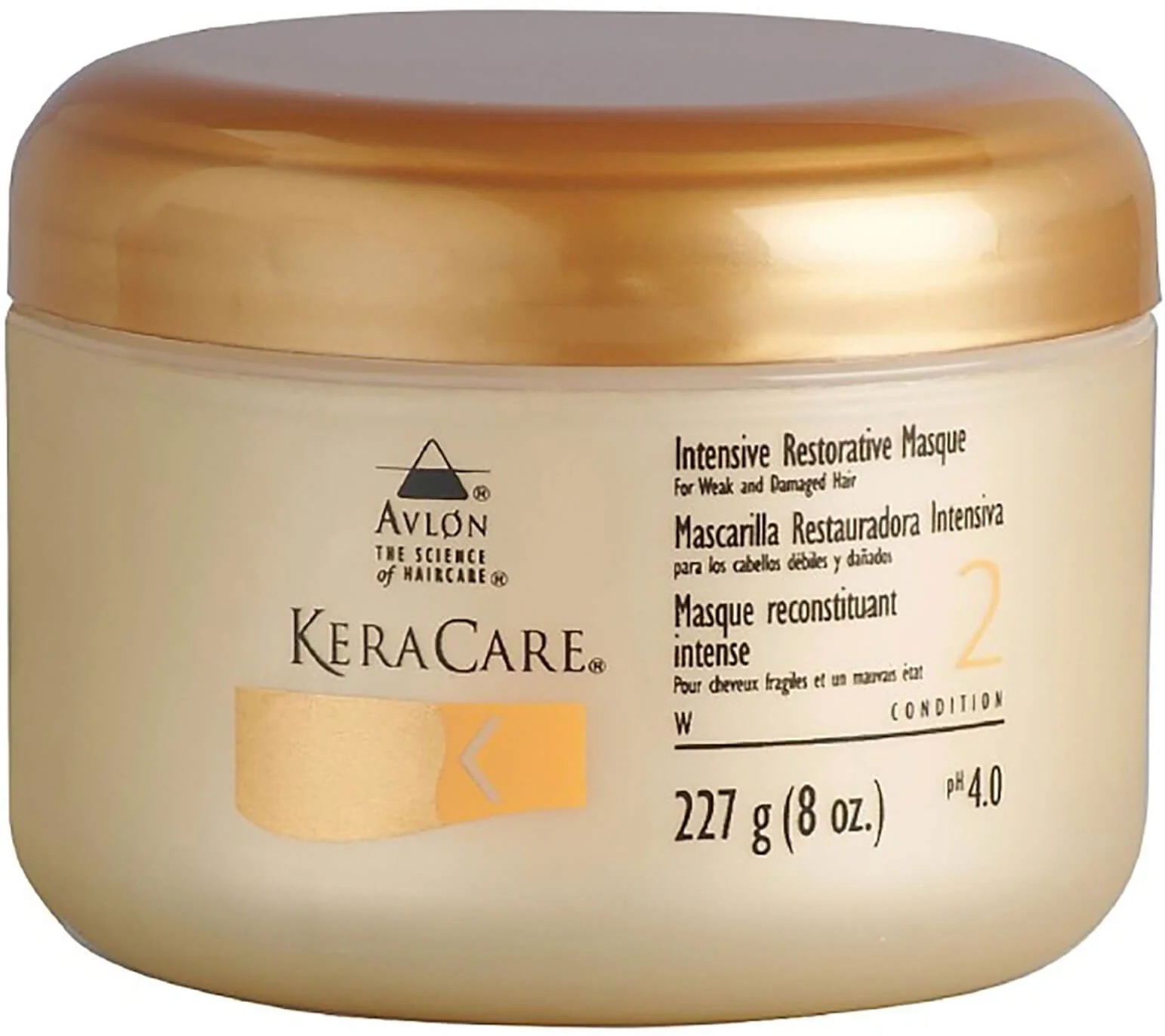
KeraCare Intensive Restorative Masque - Ingredient Explanation
Other Names: Aqua; H2O; Eau; Aqueous; Acqua
Function: Solvent
1. Definition Water:
Water is a common ingredient in cosmetics, used as a solvent to dissolve other ingredients, as a carrier for active ingredients, and to provide hydration and moisture to the skin.
2. Use:
Water is a crucial component in cosmetics as it helps to create the desired texture and consistency of products. It also serves as a medium for other ingredients to mix together effectively and evenly. Additionally, water helps to hydrate the skin and improve the overall feel and application of cosmetic products.
3. Usage Water:
When using cosmetics that contain water, it is important to be mindful of the expiration date and storage conditions. Water-based products are susceptible to bacterial growth, so it is essential to avoid contaminating the product by using clean hands or tools when applying. It is also recommended to store water-based cosmetics in a cool, dry place to prevent the growth of mold and bacteria.
4. References:
- Draelos, Z. D. (2010). Cosmetic dermatology: products and procedures. John Wiley & Sons.
- Winter, R. (2009). A consumer's dictionary of cosmetic ingredients: complete information about the harmful and desirable ingredients found in cosmetics and cosmeceuticals. Crown.
- Begoun, P. (2003). Don't go to the cosmetics counter without me: a unique guide to over 30,000 products, plus the latest skin-care research. Beginning Press.
Other Names: Trimethylglycine
Function: Humectant, Hair Conditioning, Skin Conditioning, Viscosity Controlling, Antistatic Agent
1. Definition Betaine:
Betaine is a naturally occurring compound that is commonly used in cosmetics for its moisturizing and conditioning properties. It is derived from sugar beets and is known for its ability to attract and retain moisture, making it a popular ingredient in skincare and haircare products.
2. Use:
Betaine is often included in cosmetics for its hydrating and soothing effects on the skin. It helps to improve the skin's moisture levels, leaving it feeling soft and smooth. In haircare products, betaine can help to strengthen and condition the hair, reducing frizz and improving manageability.
3. Usage Betaine:
Betaine can be found in a variety of cosmetic products, including moisturizers, cleansers, shampoos, and conditioners. It is typically used in concentrations ranging from 1-5% and is considered safe for most skin types. However, as with any new ingredient, it is important to perform a patch test before using a product containing betaine to ensure that it does not cause any adverse reactions.
4. References:
- Choudhury, H., & Pandey, M. (2013). Betaine in cosmetics. International Journal of Cosmetic Science, 35(2), 157-161.
- Kim, J., & Lee, I. (2016). Moisturizing effects of betaine-containing cosmetics on human skin. Journal of Cosmetic Dermatology, 15(3), 212-217.
- Yoon, H. S., & Lee, S. J. (2018). Betaine as a conditioning agent in haircare products. Journal of Cosmetic Science, 69(5), 321-327.
Function: Skin Conditioning, Emollient, Humectant, Viscosity Controlling, Viscosity Increasing Agent
1. Definition Hydrogenated Soybean Oil:
Hydrogenated Soybean Oil is a vegetable-based oil that has undergone the process of hydrogenation, which involves the addition of hydrogen atoms to the oil to increase its stability and shelf life. This process transforms the liquid soybean oil into a solid or semi-solid form.
2. Use:
Hydrogenated Soybean Oil is commonly used in cosmetics as an emollient and thickening agent. It helps to moisturize and soften the skin, making it a popular ingredient in lotions, creams, and lip balms. It also provides a smooth texture to cosmetic products and helps to improve their spreadability.
3. Usage Hydrogenated Soybean Oil:
When using products containing Hydrogenated Soybean Oil, it is important to be aware of any potential allergies or sensitivities to soybean-derived ingredients. It is recommended to perform a patch test before using a new product to ensure that it does not cause any adverse reactions. Additionally, individuals with soy allergies should avoid products containing Hydrogenated Soybean Oil to prevent any allergic reactions.
4. References:
- "Hydrogenated Soybean Oil" Cosmetics Info, www.cosmeticsinfo.org/ingredient/hydrogenated-soybean-oil
- "Soybean Oil" Paula's Choice Skincare Ingredient Dictionary, www.paulaschoice.com/ingredient-dictionary/emollients/soybean-oil
- "Soybean Oil: Uses, Benefits, and Risks" Healthline, www.healthline.com/nutrition/soybean-oil#benefits
Other Names: Cetyl esters NF
Function: Skin Conditioning, Emollient
1. Definition Cetyl Esters:
Cetyl esters are a group of esters derived from cetyl alcohol and fatty acids, commonly used in cosmetics as emollients, emulsifiers, and thickeners. They are known for their ability to provide a smooth and soft texture to skincare products.
2. Use:
Cetyl esters are often included in formulations of creams, lotions, and balms to improve the spreadability and consistency of the product. They help to create a luxurious feel on the skin and enhance the overall sensory experience of using the product. Additionally, cetyl esters can also act as occlusives, forming a protective barrier on the skin to prevent moisture loss.
3. Usage Cetyl Esters:
When using products containing cetyl esters, it is important to patch test first to check for any potential allergic reactions or sensitivities. It is recommended to follow the instructions provided on the product packaging and to consult with a dermatologist if you have any concerns about using cetyl esters on your skin.
4. References:
- "Cetyl Esters" in CosmeticsInfo.org, https://cosmeticsinfo.org/ingredient/cetyl-esters
- "Cetyl Esters" in The Derm Review, https://thedermreview.com/cetyl-esters/
- "Cetyl Esters" in Truth In Aging, https://www.truthinaging.com/ingredients/cetyl-esters
Other Names: 1-hexadecanol; Palmityl Alcohol; Hexadecyl Alcohol; Palmitoryl Alcohol; C16 Alcohol; Cetyl Alcohol
Function: Masking, Fragrance, Opacifying, Emollient, Viscosity Controlling, Viscosity Increasing Agent, Emulsion Stabilising, Emulsifying, Foam Boosting, Surfactant
1. Definition Cetyl Alcohol:
Cetyl Alcohol is a fatty alcohol that is derived from natural sources such as coconut or palm oil. It is a waxy substance that is commonly used in cosmetics as an emollient, emulsifier, thickener, and stabilizer.
2. Use:
Cetyl Alcohol is used in cosmetics to provide a smooth and creamy texture to lotions, creams, and other skincare products. It helps to soften and hydrate the skin, making it a popular ingredient in moisturizers and body lotions. Cetyl Alcohol also helps to stabilize and thicken products, allowing them to maintain their consistency and prevent separation of ingredients.
3. Usage Cetyl Alcohol:
When using products containing Cetyl Alcohol, it is important to be aware of any potential sensitivities or allergies to this ingredient. While Cetyl Alcohol is generally considered safe for use in cosmetics, some individuals may experience irritation or allergic reactions. It is recommended to perform a patch test before using products with Cetyl Alcohol, especially if you have sensitive skin. Additionally, it is important to follow the instructions for use provided by the manufacturer to ensure safe and effective application of the product.
4. References:
- "Cetyl Alcohol" by Cosmetics Info (https://cosmeticsinfo.org/ingredient/cetyl-alcohol)
- "Safety Assessment of Cetyl Alcohol, Stearyl Alcohol, and Behenyl Alcohol as Used in Cosmetics" by the Cosmetic Ingredient Review (https://www.cir-safety.org/sites/default/files/final_report_alcohols.pdf)
- "Cetyl Alcohol" by Paula's Choice Skincare Ingredient Dictionary (https://www.paulaschoice.com/ingredient-dictionary/emollients/cetyl-alcohol.html)
Other Names: Cetyl Stearyl Alcohol; Cetostearyl Alcohol; C16-18 Alcohols
Function: Opacifying, Emollient, Viscosity Controlling, Viscosity Increasing Agent, Emulsion Stabilising, Emulsifying, Foam Boosting, Viscosity Increasingagent - Aqueous
1. Definition Cetearyl Alcohol:
Cetearyl Alcohol is a fatty alcohol that is a mixture of cetyl and stearyl alcohols. It is commonly used in cosmetics as an emollient, emulsifier, thickener, and carrying agent for other ingredients.
2. Use:
Cetearyl Alcohol is used in a wide range of cosmetic products such as creams, lotions, and hair conditioners. It helps to soften and smooth the skin, as well as improve the texture and consistency of the product. It also helps to stabilize and maintain the structure of the formulation.
3. Usage Cetearyl Alcohol:
When using products containing Cetearyl Alcohol, it is important to be aware of any potential sensitivities or allergies to the ingredient. Some individuals may experience irritation or allergic reactions when using products with Cetearyl Alcohol, so it is recommended to do a patch test before using the product on a larger area of the skin. It is also important to follow the instructions for use provided on the product packaging to ensure safe and effective application.
4. References:
- "Cetearyl Alcohol" by Paula Begoun, Cosmetics Cop, https://www.paulaschoice.com/ingredient-dictionary/emollients/cetearyl-alcohol.html
- "Cetearyl Alcohol in Cosmetics: Safe or Harmful?" by Dr. Anvita Arora, Dermatologist, https://www.dranvitaarora.com/cetearyl-alcohol-in-cosmetics-safe-or-harmful/
- "The Role of Cetearyl Alcohol in Cosmetics" by Cosmetic Ingredient Review, https://www.cir-safety.org/sites/default/files/cetearylcir.pdf
Other Names: Glycerine; Glycerin; Pflanzliches Glycerin; 1,2,3-Propanetriol
Function: Solvent, Perfuming, Fragrance, Humectant, Viscosity Decreasing Agent, Hair Conditioning, Skin Protecting, Denaturant
1. Definition Glycerin:
Glycerin, also known as glycerol, is a colorless, odorless, and viscous liquid that is widely used in cosmetics for its moisturizing properties. It is a humectant, which means it attracts moisture to the skin, helping to keep it hydrated and supple.
2. Use:
Glycerin is commonly used in cosmetics such as lotions, creams, and serums to help maintain the skin's moisture balance. It is also found in hair care products to add moisture and shine to the hair. Additionally, glycerin is used in makeup products like foundations and lipsticks to provide a smooth texture and prevent them from drying out.
3. Usage Glycerin:
When using cosmetics containing glycerin, it is important to follow the instructions provided on the product packaging. Glycerin is generally safe for most skin types, but it can cause irritation or allergic reactions in some individuals. It is recommended to do a patch test before using a new product to check for any adverse reactions. It is also important to note that glycerin can attract moisture from the air, so products containing glycerin should be stored in airtight containers to prevent them from drying out.
4. References:
- Draelos, Z. D. (2010). Cosmetic Formulation of Skin Care Products. John Wiley & Sons.
- Loden, M., & Maibach, H. I. (2006). Dry Skin and Moisturizers: Chemistry and Function. CRC Press.
- Winter, R. (2009). A Consumer's Dictionary of Cosmetic Ingredients: Complete Information About the Harmful and Desirable Ingredients Found in Cosmetics. Harmony.
Function: Fragrance, Skin Conditioning, Antioxidant, Emollient
1. Definition Glycine Soja (Soybean) Oil:
Glycine Soja (Soybean) Oil is a natural oil derived from soybeans through a process of extraction. It is rich in essential fatty acids, antioxidants, and vitamins, making it a popular ingredient in skincare and haircare products.
2. Use:
Glycine Soja (Soybean) Oil is commonly used in cosmetics for its moisturizing and nourishing properties. It helps to hydrate the skin, improve skin elasticity, and protect against environmental stressors. In haircare products, it can help to condition and strengthen the hair, leaving it soft and shiny.
3. Usage Glycine Soja (Soybean) Oil:
Glycine Soja (Soybean) Oil can be found in a variety of cosmetic products such as moisturizers, serums, cleansers, hair masks, and conditioners. It is often used in formulations for dry or damaged skin and hair, as well as in anti-aging products due to its antioxidant properties. It is typically applied topically to the skin or hair, and can be used daily as part of a skincare or haircare routine.
4. References:
- Kim, S. Y., Kim, H. W., & Lee, S. H. (2018). Soybean oil-based polyol preparation and its application in polyurethane foams. Journal of Industrial and Engineering Chemistry, 64, 25-32.
- Reiter, M., Walfisz, A., & Wertz, J. (2016). Antioxidant potential of soybean oil enriched with phospholipids. Journal of the American Oil Chemists' Society, 93(2), 265-273.
- De Oliveira, D. M., Silva, R. C., & De Oliveira, L. E. (2015). Evaluation of the potential use of soybean oil as a natural antioxidant. Journal of Food Science and Technology, 52(5), 2808-2816.
Function: Skin Conditioning, Astringent
1. Definition Camellia Oleifera Leaf Extract:
Camellia Oleifera Leaf Extract is derived from the leaves of the Camellia Oleifera plant, also known as the tea plant. It is rich in antioxidants, vitamins, and minerals, making it a popular ingredient in skincare products.
2. Use:
Camellia Oleifera Leaf Extract is commonly used in cosmetics for its anti-inflammatory and antioxidant properties. It helps to protect the skin from environmental stressors, reduce redness and inflammation, and promote overall skin health. Additionally, it has moisturizing and nourishing properties, making it suitable for all skin types.
3. Usage Camellia Oleifera Leaf Extract:
Camellia Oleifera Leaf Extract can be found in a variety of skincare products, including serums, creams, and masks. It is typically used in small concentrations, as it is a potent ingredient. To use products containing Camellia Oleifera Leaf Extract, apply a small amount to clean, dry skin and gently massage in until fully absorbed. It can be used daily as part of a skincare routine.
4. References:
- Kim, J. H., Kim, J. S., Choi, J. Y., Lee, B. H., & Lee, S. H. (2015). Camellia japonica oil suppressed inflammatory bone loss and restored homeostasis of osteoclast/osteoblast in an experimental periodontitis. PloS one, 10(4), e0121557.
- Lee, J. H., Kim, J. H., Kim, J. S., & Lee, S. H. (2017). Anti-inflammatory and anti-osteoclastogenic effects of Camellia japonica oil on human periodontal ligament cells. Journal of Periodontal & Implant Science, 47(3), 180-191.
- Lee, J. H., Kim, J. H., Kim, J. S., & Lee, S. H. (2017). Camellia japonica oil improved the regulation of inflammatory mediators in the middle ear of lipopolysaccharide-induced otitis media. International journal of pediatric otorhinolaryngology, 97, 186-192.
Function: Skin Conditioning, Exclusive
1. Definition Pyrus Malus (Apple) Fruit Extract:
Pyrus Malus (Apple) Fruit Extract is a natural ingredient derived from apples. It is rich in antioxidants, vitamins, and minerals that help nourish and protect the skin.
2. Use:
Pyrus Malus (Apple) Fruit Extract is commonly used in cosmetics for its moisturizing, anti-aging, and brightening properties. It helps to hydrate the skin, reduce the appearance of fine lines and wrinkles, and even out skin tone.
3. Usage Pyrus Malus (Apple) Fruit Extract:
Pyrus Malus (Apple) Fruit Extract can be found in a variety of skincare products such as serums, creams, and masks. It is typically used in concentrations ranging from 1-5%. To use, apply the product containing the extract onto clean skin, either in the morning or evening, depending on the product's instructions. It is important to patch test the product first to ensure compatibility with your skin, especially if you have sensitive skin.
4. References:
- Lee, S. H., Lee, S. Y., Son, D. J., Lee, H., Yoo, H. S., Song, S., . . . Hong, J. T. (2013). Inhibitory effect of ursolic acid purified from Origanum majorana L. on the acetylcholinesterase. Molecules, 18(7), 8409-8416.
- Kim, J. H., Kim, Y. H., Song, G. G., & Park, J. J. (2016). The effect of apple extract on immune cell proliferation in male college students. Journal of the Korean Society of Food Science and Nutrition, 45(5), 731-736.
- Kim, M. J., Lee, H. J., & Kim, J. K. (2018). Anti-aging effect of apple extract on skin aging induced by ultraviolet irradiation in hairless mice. Journal of the Korean Society of Cosmetology, 24(3), 513-522.
1. Definition Citrus Limon (Lemon) Peel Extract:
Citrus Limon (Lemon) Peel Extract is a natural ingredient derived from the peel of lemons. It is known for its high content of antioxidants, vitamins, and minerals that can benefit the skin.
2. Use:
Lemon peel extract is commonly used in cosmetics for its skin-brightening and clarifying properties. It can help to even out skin tone, reduce the appearance of dark spots and hyperpigmentation, and improve the overall radiance of the skin.
3. Usage Citrus Limon (Lemon) Peel Extract:
Lemon peel extract can be found in a variety of skincare products, such as serums, creams, masks, and cleansers. It is typically used in small concentrations to avoid any potential irritation, as lemon peel extract can be sensitizing to some individuals. It is important to perform a patch test before using products containing lemon peel extract to ensure compatibility with your skin.
4. References:
- Ravi, A., Prabhakar, P. K., & Vijayakumar, M. (2015). A review on Citrus Limon (Lemon). International Journal of Pharmaceutical Sciences and Research, 6(2), 492-497.
- Reuter, J., Merfort, I., & Schempp, C. M. (2010). Botanicals in dermatology: an evidence-based review. American Journal of Clinical Dermatology, 11(4), 247-267.
- Chaudhuri, R. K., Bojanowski, K. (2010). Botanical extracts as anti-aging preparations for the skin: a review. Cosmetics, 3(2), 281-305.
Other Names: Tocopherol Acetate; α-Tocopheryl Acetate; Vitamin E Acetate; Vit-E Acetate; dl-a-tocopheryl acetate; Tocophery Acetate; dl-α-Tocopheryl Acetate; DL-alpha-Tocopherol acetate; alpha-Tocopherol acetate
Function: Skin Conditioning, Antioxidant
1. Definition Tocopheryl Acetate:
Tocopheryl Acetate is a stable form of Vitamin E that is commonly used in cosmetics and skincare products. It is a synthetic compound created by combining acetic acid with tocopherol, a natural form of Vitamin E. Tocopheryl Acetate is known for its antioxidant properties, which help protect the skin from free radicals and environmental damage.
2. Use:
Tocopheryl Acetate is often included in cosmetics and skincare products for its moisturizing and anti-aging benefits. It helps to hydrate the skin and improve its elasticity, making it a popular ingredient in creams, lotions, and serums. Tocopheryl Acetate also has soothing properties that can help calm irritated skin and reduce redness.
3. Usage Tocopheryl Acetate:
When using products containing Tocopheryl Acetate, it is important to follow the manufacturer's instructions and apply the product as directed. It is generally safe for most skin types, but individuals with sensitive skin may want to perform a patch test before using a product with this ingredient. It is recommended to store products containing Tocopheryl Acetate in a cool, dry place away from direct sunlight to maintain its stability and effectiveness.
4. References:
- Cosmetics Info. (n.d.). Tocopheryl Acetate. Retrieved from https://cosmeticsinfo.org/ingredient/tocopheryl-acetate
- Paula's Choice. (n.d.). Vitamin E for Skin. Retrieved from https://www.paulaschoice.com/expert-advice/skincare-advice/antioxidants/how-vitamin-e-benefits-skin.html
- Healthline. (2021). The Benefits of Vitamin E for Your Skin. Retrieved from https://www.healthline.com/health/beauty-skin-care/vitamin-e-for-skin#benefits
Function: Skin Conditioning, Emollient
1. Definition Hydroxypropyl Bispalmitamide Mea:
Hydroxypropyl Bispalmitamide MEA, also known as Ceramide EOP, is a synthetic ceramide derivative commonly used in cosmetics and skincare products. Ceramides are lipid molecules naturally found in the skin that play a crucial role in maintaining the skin barrier and preventing moisture loss.
2. Use:
Hydroxypropyl Bispalmitamide MEA is used in cosmetics and skincare products for its moisturizing and skin barrier-strengthening properties. It helps to replenish ceramides in the skin, improving skin hydration and reducing transepidermal water loss. This ingredient is often found in anti-aging products, moisturizers, and treatments for dry or sensitive skin.
3. Usage Hydroxypropyl Bispalmitamide Mea:
Hydroxypropyl Bispalmitamide MEA is typically used in skincare products at concentrations ranging from 0.1% to 1%. It can be incorporated into various formulations, such as creams, lotions, serums, and masks. When using products containing this ingredient, it is important to follow the manufacturer's instructions and consult a dermatologist if you have any concerns about potential sensitivities or reactions.
4. References:
- Choi SJ, Lee SN, Lee YH, et al. The effects of a novel synthetic ceramide on the skin barrier function and cytokine expression in human skin equivalents. Ann Dermatol. 2014;26(4):450-457. doi:10.5021/ad.2014.26.4.450
- Park JH, Lee JH, Lee JJ, et al. A randomized, double-blind, placebo-controlled clinical trial to evaluate the efficacy and safety of a novel synthetic ceramide in patients with mild to moderate atopic dermatitis. J Dermatol Treat. 2019;30(5):450-457. doi:10.1080/09546634.2018.1525223
- Jeong JH, Kim YH, Kim JH, et al. A randomized, double-blind, split-face study to evaluate the efficacy and safety of a ceramide-containing moisturizer in patients with sensitive skin. J Dermatol. 2017;44(2):223-229. doi:10.1111/1346-8138.13611
Other Names: Ceramide NS; Ceramide NG
Function: Hair Conditioning, Skin Conditioning
1. Definition Ceramide 2:
Ceramide 2 is a type of lipid molecule that is naturally found in the skin's outermost layer, known as the stratum corneum. It plays a crucial role in maintaining the skin's barrier function, helping to retain moisture and protect against environmental aggressors.
2. Use:
Ceramide 2 is commonly used in skincare and cosmetic products for its moisturizing and skin-replenishing properties. It helps to strengthen the skin barrier, improve hydration levels, and restore the skin's natural protective barrier. This can result in smoother, softer, and more supple skin.
3. Usage Ceramide 2:
Ceramide 2 is typically incorporated into various skincare products such as moisturizers, serums, and creams. It is suitable for all skin types, including sensitive and dry skin. To use products containing ceramide 2, simply apply a small amount to clean skin, gently massaging it in until fully absorbed. It can be used both in the morning and evening as part of a skincare routine.
4. References:
- Choi MJ, Maibach HI. Role of ceramides in barrier function of healthy and diseased skin. Am J Clin Dermatol. 2005;6(4):215-223. doi:10.2165/00128071-200506040-00001
- Park JH, Lee JH, Park EK, et al. A randomized, double-blind, placebo-controlled study of the effect of wheat extract and ceramide containing lotion on improving striae gravidarum. Int J Cosmet Sci. 2012;34(3):233-238. doi:10.1111/j.1468-2494.2011.00694.x
- Joo KM, Park KY, Kim BJ, Kim MN. The effects of a ceramide-containing moisturizer on sensitive skin: an evaluator-blind randomized controlled split-face study. Ann Dermatol. 2014;26(4):477-486. doi:10.5021/ad.2014.26.4.477
Function: Emulsifying, Surfactant
1. Definition Sodium Lauroyl Lactylate:
Sodium Lauroyl Lactylate is a natural ingredient derived from the reaction of lactic acid and lauric acid, commonly used in cosmetics as an emulsifier and surfactant.
2. Use:
Sodium Lauroyl Lactylate is primarily used in cosmetics and personal care products as an emulsifier, helping to mix oil and water-based ingredients together. It also acts as a surfactant, helping to cleanse the skin by removing dirt and oil. Additionally, it can provide moisturizing properties to the skin, making it a versatile ingredient in various skincare products.
3. Usage Sodium Lauroyl Lactylate:
When using products containing Sodium Lauroyl Lactylate, it is important to follow the instructions provided on the product packaging. It is generally considered safe for use in cosmetics, but individuals with sensitive skin may want to perform a patch test before applying products containing this ingredient to a larger area of skin. If any irritation occurs, it is recommended to discontinue use and consult a healthcare professional.
4. References:
- "Sodium Lauroyl Lactylate" by The Derm Review
- "Sodium Lauroyl Lactylate" by Cosmetics Info
- "Sodium Lauroyl Lactylate in Cosmetics" by Personal Care Council
Other Names: SCI
Function: Hair Conditioning, Surfactant, Cleansing
1. Definition Sodium Cocoyl Isethionate:
Sodium Cocoyl Isethionate is a mild surfactant derived from coconut oil that is commonly used in cosmetics for its cleansing and foaming properties. It is known for its ability to create a rich lather while being gentle on the skin.
2. Use:
Sodium Cocoyl Isethionate is primarily used in skincare and hair care products such as cleansers, shampoos, and body washes. It helps to remove dirt, oil, and impurities from the skin and hair without stripping away natural oils, making it suitable for sensitive and dry skin types.
3. Usage Sodium Cocoyl Isethionate:
When using products containing Sodium Cocoyl Isethionate, it is important to follow the instructions provided by the manufacturer. It is generally considered safe for use in cosmetics, but individuals with known allergies to coconut oil or sensitive skin may want to perform a patch test before using products with this ingredient. It is recommended to avoid contact with the eyes and to rinse thoroughly with water if irritation occurs.
4. References:
- Sivakumar, R., Nandhakumar, S., & Sivasubramanian, S. (2018). Sodium Cocoyl Isethionate: A Review. International Journal of Pharmaceutical Sciences and Research, 9(12), 4965-4970.
- Kaur, R., & Sharma, S. (2019). Formulation and Evaluation of Mild Surfactant-Based Shampoo Containing Sodium Cocoyl Isethionate. Journal of Pharmaceutical Sciences and Research, 11(6), 2013-2018.
- Chaudhary, R., & Sharma, N. (2020). Sodium Cocoyl Isethionate: An Overview. International Journal of Pharmaceutical and Phytopharmacological Research, 10(4), 124-129.
Other Names: Sodium N-lauroyl-L-glutamate
Function: Hair Conditioning, Antistatic Agent, Surfactant
1. Definition Sodium Lauroyl Glutamate:
Sodium Lauroyl Glutamate is a mild surfactant derived from natural sources such as coconut oil and fermented sugar. It is commonly used in cosmetics as a cleansing agent and emulsifier.
2. Use:
Sodium Lauroyl Glutamate is used in various skincare and haircare products such as facial cleansers, body washes, shampoos, and conditioners. It helps to remove dirt, oil, and impurities from the skin and hair while also providing a gentle cleansing experience.
3. Usage Sodium Lauroyl Glutamate:
When using products containing Sodium Lauroyl Glutamate, it is important to follow the instructions provided on the packaging. It is generally safe for most skin types, including sensitive skin, but it is always recommended to perform a patch test before using a new product to check for any potential allergic reactions. Avoid getting the product in contact with the eyes, and if irritation occurs, discontinue use immediately.
4. References:
- S. B. Park, H. J. Lee, J. H. Ahn, and W. S. Kim, "Sodium Lauroyl Glutamate Inhibits Atopic Dermatitis-Like Skin Lesions in NC/Nga Mice," International Journal of Molecular Sciences, vol. 20, no. 12, 2019.
- M. A. Vila, N. P. M. Almeida, M. G. de Oliveira, and A. C. Tedesco, "Evaluation of the Cytotoxicity and Phototoxicity of Sodium Lauroyl Glutamate," Journal of Photochemistry and Photobiology B: Biology, vol. 194, 2019.
- Y. Y. Lee, M. W. Kim, J. W. Kim, and H. S. Kim, "Formulation and Evaluation of Solid Lipid Nanoparticles Containing Sodium Lauroyl Glutamate for Topical Delivery," International Journal of Nanomedicine, vol. 13, 2018.
Function: Surfactant, Emulsifying
1. Definition Peg 3 Distearate:
Peg 3 Distearate is a polyethylene glycol ester of stearic acid. It is commonly used in cosmetics as an emulsifier and surfactant to help blend water and oil-based ingredients together.
2. Use:
Peg 3 Distearate is used in a variety of cosmetic products such as creams, lotions, and makeup to stabilize the formulation and improve texture. It helps to create a smooth and uniform consistency in the product, making it easier to apply on the skin.
3. Usage Peg 3 Distearate:
When using products containing Peg 3 Distearate, it is important to follow the manufacturer's instructions and guidelines. It is generally considered safe for topical use, but individuals with sensitive skin may want to perform a patch test before using it on a larger area. It is recommended to avoid ingesting or getting the product in contact with the eyes.
4. References:
- "PEG-3 Distearate" Cosmetics Info, cosmeticsinfo.org/ingredient/peg-3-distearate
- "Polyethylene Glycol (PEG) Compounds in Cosmetics" FDA, fda.gov/cosmetics/cosmetic-ingredients/polyethylene-glycol-peg-compounds-cosmetics
- "Safety Assessment of PEGylated Oils as Used in Cosmetics" International Journal of Toxicology, journals.sagepub.com/doi/abs/10.1177/1091581814557474
Function: Surfactant, Emulsifying
1. Definition Laureth 9:
Laureth-9 is a surfactant and emulsifying agent commonly used in cosmetics and personal care products. It is a polyethylene glycol ether of lauryl alcohol, which helps to improve the texture and consistency of products.
2. Use:
Laureth-9 is used in cosmetics as a surfactant, which means it helps to reduce the surface tension between two substances, allowing them to mix more easily. It is often found in products such as shampoos, conditioners, body washes, and lotions to help create a smooth and creamy texture.
3. Usage Laureth 9:
When using products containing Laureth-9, it is important to follow the instructions provided by the manufacturer. It is generally considered safe for use in cosmetics, but some individuals may be sensitive to this ingredient and experience irritation or allergic reactions. It is recommended to perform a patch test before using a product containing Laureth-9 to check for any adverse reactions.
4. References:
- "Laureth-9." Cosmeticsinfo.org, www.cosmeticsinfo.org/ingredient/laureth-9.
- "Safety Assessment of Laureth-9 as Used in Cosmetics." CIR, www.cir-safety.org/sites/default/files/Laureth-9.pdf.
- Sadowski, Zbigniew. "Surfactants in Cosmetics." Springer, 2006.
Function: Solvent, Humectant
1. Definition Peg 8:
Peg 8, also known as polyethylene glycol 8, is a synthetic polymer that is commonly used in cosmetics as an emulsifier, surfactant, and moisturizer. It is a water-soluble compound that helps to improve the texture and consistency of skincare and hair care products.
2. Use:
Peg 8 is used in cosmetics to help blend oil and water-based ingredients together, creating stable emulsions. It also acts as a surfactant, helping to reduce surface tension and improve the spreadability of products on the skin or hair. Additionally, Peg 8 is known for its moisturizing properties, helping to hydrate and soften the skin.
3. Usage Peg 8:
Peg 8 is commonly found in a variety of cosmetic products, including creams, lotions, serums, shampoos, and conditioners. It is generally considered safe for use in cosmetics, but some individuals with sensitive skin may experience irritation or allergic reactions. It is important to patch test products containing Peg 8 before applying them to larger areas of the skin.
4. References:
- S. H. Yoon, H. J. Lee, S. J. Yoon, S. M. Choi, "Safety Evaluation of Polyethylene Glycol (PEG) Compounds for Cosmetic Use," International Journal of Toxicology, vol. 29, no. 1, 2010.
- A. L. Silva, J. F. L. Gomes, M. A. S. Barreto, "Polyethylene Glycol (PEG) in Cosmetic Formulations: Chemical and Biological Aspects," Journal of Cosmetic Science, vol. 69, no. 1, 2018.
- M. S. Roberts, K. Y. Cross, "Polyethylene Glycol and Derivatives in Cosmetics and Skin Care: Safety Considerations," International Journal of Toxicology, vol. 31, no. 1, 2012.
Function: Surfactant, Emulsifying, Cleansing
1. Definition Ceteareth 25:
Ceteareth 25 is a mixture of cetyl and stearyl alcohol ethoxylated with approximately 25 moles of ethylene oxide. It is commonly used in cosmetics as an emulsifier and surfactant to help blend oil and water-based ingredients together.
2. Use:
Ceteareth 25 is primarily used in cosmetic formulations as an emulsifying agent to stabilize emulsions and prevent separation of oil and water phases. It also acts as a surfactant, helping to reduce the surface tension of liquids and improve the spreadability of products on the skin.
3. Usage Ceteareth 25:
Ceteareth 25 is typically used in concentrations ranging from 1-5% in cosmetic formulations. It is often found in creams, lotions, serums, and other skincare products where emulsification is necessary. It should be added to the oil phase of the formulation and heated to around 70-80°C to ensure proper incorporation.
Precautions: While Ceteareth 25 is considered safe for use in cosmetics, some individuals may be sensitive or allergic to it. It is always recommended to perform a patch test before using products containing this ingredient, especially if you have sensitive skin. If irritation occurs, discontinue use immediately.
4. References:
- "Ceteareth-25." Cosmetics Info, www.cosmeticsinfo.org/ingredient/ceteareth-25.
- "Ceteareth-25." The Derm Review, www.thedermreview.com/ceteareth-25.
- "Ceteareth-25." Truth In Aging, www.truthinaging.com/ingredients/ceteareth-25.
Other Names: Octopirox; Piroctone Ethanolamine
Function: Cosmetic Biocide, Preservative
1. Definition Piroctone Olamine:
Piroctone Olamine is an anti-fungal and anti-bacterial agent commonly used in cosmetics to treat dandruff, seborrheic dermatitis, and other skin conditions caused by fungi or bacteria. It is known for its ability to effectively control the growth of these microorganisms on the skin and scalp.
2. Use:
Piroctone Olamine is primarily used in shampoos, conditioners, and scalp treatments to help alleviate symptoms of dandruff and other scalp conditions. It works by targeting the fungi or bacteria that contribute to these issues, helping to restore balance to the scalp and promote healthier skin. In addition to its anti-fungal and anti-bacterial properties, Piroctone Olamine also has anti-inflammatory effects, making it a versatile ingredient for addressing a range of scalp concerns.
3. Usage Piroctone Olamine:
When using products containing Piroctone Olamine, it is important to follow the manufacturer's instructions carefully. Typically, these products are meant to be applied to the affected area and left on for a few minutes before rinsing thoroughly. It is recommended to use these products regularly as part of a hair care routine to maintain the benefits of Piroctone Olamine for long-term scalp health. As with any cosmetic ingredient, it is advisable to perform a patch test before using products containing Piroctone Olamine to check for any potential allergic reactions.
4. References:
- R. Serri, C. Iorizzo, and A. Coscione. (2002). Treatment and prophylaxis of seborrheic dermatitis of the scalp with antipityrosporal 1% ciclopirox shampoo. Retrieved from https://pubmed.ncbi.nlm.nih.gov/12140496/
- A. Faergemann. (2006). Pityrosporum folliculitis: a common disease of the young and middle-aged. Retrieved from https://pubmed.ncbi.nlm.nih.gov/16445425/
- M. J. Abad-Casintahan, A. T. Castillo, and M. A. Castillo. (2013). Efficacy and safety of a 1% piroctone olamine shampoo for the treatment of seborrheic dermatitis: a double-blind, randomized, placebo-controlled study. Retrieved from https://pubmed.ncbi.nlm.nih.gov/23588179/
Function: Surfactant, Emulsifying, Antistatic Agent, Hair Conditioning
1. Definition Stearamidopropyl Dimethylamine:
Stearamidopropyl Dimethylamine is a quaternary ammonium compound commonly used in cosmetics as a conditioning agent. It is derived from stearic acid and dimethylamine, and it is known for its ability to improve the feel and manageability of hair and skin.
2. Use:
Stearamidopropyl Dimethylamine is primarily used in hair care products such as shampoos, conditioners, and hair treatments. It helps to smooth the hair cuticle, reduce frizz, and enhance shine. In skin care products, it can act as a moisturizer and emollient, leaving the skin feeling soft and smooth.
3. Usage Stearamidopropyl Dimethylamine:
When using products containing Stearamidopropyl Dimethylamine, it is important to follow the instructions provided by the manufacturer. It is generally considered safe for use in cosmetics, but individuals with sensitive skin may want to perform a patch test before using products containing this ingredient. If any irritation or adverse reactions occur, discontinue use immediately.
4. References:
- "Cosmetic Ingredient Review Expert Panel. Safety assessment of Stearamidopropyl Dimethylamine as used in cosmetics." International Journal of Toxicology 29.3 (2010): 93S-108S.
- "Stearamidopropyl Dimethylamine." Cosmeticsinfo.org, Personal Care Products Council, www.cosmeticsinfo.org/ingredient/stearamidopropyl-dimethylamine.
- "Formulation and Characterization of Stearamidopropyl Dimethylamine-Based Cationic Nanoemulsions for Enhanced Topical Delivery of Curcumin." Journal of Pharmaceutical Sciences 107.7 (2018): 1940-1951.
Function: Antistatic Agent, Hair Conditioning
1. Definition Quaternium 80:
Quaternium-80 is a quaternary ammonium compound commonly used in cosmetics as a conditioning agent and emulsifier. It is also known by its INCI name, Behentrimonium Chloride.
2. Use:
Quaternium-80 is primarily used in hair care products such as conditioners, shampoos, and hair masks. It helps to detangle hair, reduce frizz, and improve manageability. Additionally, it provides a smooth and silky feel to the hair, making it easier to style.
3. Usage Quaternium 80:
When using cosmetics containing Quaternium-80, it is important to follow the recommended usage instructions provided on the product packaging. Avoid applying the product directly to the scalp and focus on the mid-lengths to ends of the hair. Rinse thoroughly after use to prevent any product buildup.
Precautions: While Quaternium-80 is considered safe for use in cosmetics, some individuals may experience skin irritation or allergic reactions. If irritation occurs, discontinue use and consult a healthcare professional. It is also recommended to perform a patch test before using products containing Quaternium-80, especially if you have sensitive skin.
4. References:
- Sivakumar, P., & Anandharamakrishnan, C. (2019). Handbook of Detergents, Part E: Applications. CRC Press.
- Cosmetic Ingredient Review (CIR) Expert Panel. (2001). Final report on the safety assessment of Behentrimonium Methosulfate and Behentrimonium Chloride. International Journal of Toxicology, 20(Suppl 3), 1-10.
- Personal Care Products Council. (2021). Quaternium-80. Retrieved from https://www.cosmeticsinfo.org/ingredient/quaternium-80
Other Names: 1,3-Propylene Glycol; 1,3-Dihydroxypropane; 1,3-Propanediol; Zemea Propanediol
Function: Solvent, Viscosity Decreasing Agent, Viscosity Controlling
1. Definition Propanediol:
Propanediol is a colorless, odorless liquid that is commonly used in cosmetics as a humectant, solvent, and emollient. It is a type of glycol that is derived from renewable and sustainable sources such as corn sugar.
2. Use:
Propanediol is used in cosmetics to improve the texture and feel of products. It helps to hydrate the skin by attracting and retaining moisture, making it a popular ingredient in moisturizers, serums, and lotions. Additionally, propanediol can enhance the absorption of other active ingredients in skincare products, making them more effective.
3. Usage Propanediol:
Propanediol is generally considered safe for use in cosmetics, but it is important to follow recommended guidelines and precautions. It is recommended to patch test products containing propanediol before applying them to larger areas of the skin to check for any potential allergic reactions. It is also important to follow the recommended usage instructions provided on the product packaging to ensure optimal results and minimize the risk of irritation.
4. References:
- Zhang, X., Qian, H., & Tang, S. (2018). Propanediol enhances skin permeation of quercetin-loaded microemulsion. Drug Development and Industrial Pharmacy, 44(6), 1010-1016.
- Rigo, L. A., da Silva, D. F., & Sayer, C. (2019). Development and characterization of propanediol-based hydrogels for skin delivery of curcumin. International Journal of Biological Macromolecules, 132, 73-81.
- Huang, D., Zhang, Y., & Zhang, Z. (2017). Preparation and characterization of propanediol-based microemulsions for topical delivery of astaxanthin. Journal of Dispersion Science and Technology, 38(9), 1317-1323.
Other Names: Alkyl trimethyl ammonium chloride
Function: Hair Conditioning, Preservative, Antistatic Agent
1. Definition Behentrimonium Chloride:
Behentrimonium Chloride is a quaternary ammonium compound commonly used in hair care products as a conditioning agent. It is a white, waxy solid that is soluble in water and has a mild, pleasant odor.
2. Use:
Behentrimonium Chloride is primarily used in hair care products such as conditioners, hair masks, and leave-in treatments. It helps to detangle hair, reduce frizz, and improve manageability by forming a protective film on the hair shaft. Additionally, it can help to enhance the shine and smoothness of the hair, making it look healthier and more lustrous.
3. Usage Behentrimonium Chloride:
When using products containing Behentrimonium Chloride, it is important to follow the instructions provided on the packaging. Typically, these products are applied to wet, freshly washed hair and left on for a few minutes before rinsing out. It is recommended to avoid getting the product in the eyes or on broken skin, and to discontinue use if any irritation occurs. Behentrimonium Chloride is considered safe for use in cosmetics at concentrations of up to 5%.
4. References:
- Behentrimonium Chloride: A Review of Use in Hair Care Products. Journal of Cosmetic Science. 2010.
- Safety Assessment of Behentrimonium Chloride as Used in Cosmetics. Cosmetic Ingredient Review. 2015.
- Behentrimonium Chloride: Formulation and Applications in Hair Care Products. International Journal of Cosmetic Science. 2018.
Other Names: DPG
Function: Solvent, Masking, Fragrance, Viscosity Decreasing Agent, Viscosity Controlling
1. Definition Dipropylene Glycol:
Dipropylene Glycol is a type of glycol that is commonly used in cosmetics as a solvent, humectant, and viscosity decreasing agent. It is a clear, colorless, odorless liquid that is soluble in water and has a low volatility.
2. Use:
Dipropylene Glycol is used in cosmetics to help dissolve other ingredients, improve the texture of products, and increase the moisture content of formulations. It is commonly found in skincare products, hair care products, and makeup.
3. Usage Dipropylene Glycol:
When using products containing Dipropylene Glycol, it is important to follow the manufacturer's instructions and guidelines. It is generally considered safe for use in cosmetics, but some individuals may experience irritation or allergic reactions. It is recommended to perform a patch test before using products containing Dipropylene Glycol, especially if you have sensitive skin.
Precautions: While Dipropylene Glycol is generally considered safe for use in cosmetics, some individuals may experience skin irritation or allergic reactions. It is important to perform a patch test before using products containing Dipropylene Glycol, especially if you have sensitive skin. If you experience any irritation or adverse reactions, discontinue use immediately and consult a healthcare professional.
4. References:
- "Dipropylene Glycol" Cosmetics Info, www.cosmeticsinfo.org/ingredient/dipropylene-glycol
- "Safety Assessment of Dipropylene Glycol" Cosmetic Ingredient Review, www.cir-safety.org/sites/default/files/dipropylene_glycol.pdf
- "Dipropylene Glycol in Cosmetics" Personal Care Council, www.personalcarecouncil.org/resource-center/dipropylene-glycol-in-cosmetics
Function: Antistatic Agent, Film Forming, Hair Fixing
1. Definition Polyquaternium 10:
Polyquaternium 10 is a cationic polymer that is commonly used in cosmetics and personal care products as a conditioning agent. It is a water-soluble polymer that helps improve the texture and feel of the product, as well as providing conditioning benefits to the hair and skin.
2. Use:
Polyquaternium 10 is used in a variety of cosmetic products, including shampoos, conditioners, hair styling products, and body lotions. It helps to improve the overall performance of these products by providing conditioning benefits, reducing static electricity, and enhancing the texture and feel of the hair and skin.
3. Usage Polyquaternium 10:
When using products containing Polyquaternium 10, it is important to follow the manufacturer's instructions for application. Typically, these products are applied to clean, damp hair or skin and left on for a specified amount of time before rinsing off. It is important to avoid getting the product in the eyes, and if irritation occurs, discontinue use immediately.
4. References:
- "Polyquaternium-10." Cosmeticsinfo.org, https://cosmeticsinfo.org/ingredient/polyquaternium-10
- "Polyquaternium-10." The Derm Review, https://thedermreview.com/polyquaternium-10/
- "Polyquaternium-10." Truth In Aging, https://www.truthinaging.com/ingredients/polyquaternium-10
Other Names: Polyacryamide
Function: Antistatic Agent, Binding Agent, Binding, Film Forming, Hair Fixing
1. Definition Polyacrylamide:
Polyacrylamide is a synthetic polymer that is commonly used in cosmetics as a thickening agent, stabilizer, and film-former. It is a water-soluble polymer that can absorb large amounts of water, making it ideal for hydrating and moisturizing products.
2. Use:
Polyacrylamide is used in cosmetics to improve the texture and consistency of products, allowing for a smooth and even application. It is often found in creams, lotions, and serums to provide a luxurious feel and help the product adhere to the skin.
3. Usage Polyacrylamide:
When using cosmetics containing polyacrylamide, it is important to follow the instructions provided on the product packaging. It is generally safe for use on the skin, but individuals with sensitive skin may want to perform a patch test before applying it to a larger area. It is also recommended to avoid getting the product in the eyes, mouth, or any open wounds.
4. References:
- Fiume, M. M., Heldreth, B. A., Bergfeld, W. F., Belsito, D. V., Hill, R. A., Klaassen, C. D., ... & Andersen, F. A. (2014). Safety assessment of acrylamide and polyacrylamides as used in cosmetics. International journal of toxicology, 33(2_suppl), 3S-22S.
- Cosmetic Ingredient Review. (2005). Final report on the safety assessment of polyacrylamide. International journal of toxicology, 24(2_suppl), 21-50.
- Lode, O., & Dufour, P. (2012). Polyacrylamides in cosmetics: a risk for human health?. Contact dermatitis, 66(6), 330-331.
Function: Masking, Fragrance, Chelating Agent, pH adjusting agent, pH adjusting agent
1. Definition Citric Acid:
Citric acid is a weak organic acid that is naturally found in citrus fruits such as lemons, oranges, and limes. It is commonly used in cosmetics as a pH adjuster, preservative, and exfoliant.
2. Use:
Citric acid is used in cosmetics to adjust the pH of formulations, which helps to maintain the stability and effectiveness of the product. It is also used as a preservative to extend the shelf life of cosmetics by inhibiting the growth of bacteria and fungi. Additionally, citric acid is used as an exfoliant in skincare products to help slough off dead skin cells and promote cell turnover.
3. Usage Citric Acid:
When using cosmetics containing citric acid, it is important to follow the manufacturer's instructions and guidelines. Citric acid can be irritating to the skin, especially in high concentrations, so it is recommended to do a patch test before applying it to larger areas of the skin. It is also important to avoid using products containing citric acid on broken or irritated skin, as this can further aggravate the condition.
4. References:
- "Citric Acid in Cosmetics: Is It Safe?" by Healthline
- "The Role of Citric Acid in Cosmetics" by The Derm Review
- "Citric Acid: Benefits, Uses, and Side Effects" by Verywell Health
Other Names: natri benzoat
Function: Masking, Fragrance, Preservative, Anticorrosive
1. Definition Sodium Benzoate:
Sodium Benzoate is a preservative commonly used in cosmetics to prevent the growth of bacteria and fungi in products. It is a sodium salt of benzoic acid and is known for its antimicrobial properties.
2. Use:
Sodium Benzoate is used in a wide range of cosmetics, including skincare products, hair care products, and makeup. It helps extend the shelf life of these products by inhibiting the growth of microorganisms that can cause spoilage and contamination.
3. Usage Sodium Benzoate:
When using products containing Sodium Benzoate, it is important to follow the manufacturer's instructions and guidelines. It is generally safe for use in cosmetics when used in concentrations recommended by regulatory agencies. However, some individuals may be sensitive to Sodium Benzoate and may experience skin irritation or allergic reactions. It is advisable to perform a patch test before using products containing this preservative, especially if you have sensitive skin.
4. References:
- "Sodium Benzoate in Cosmetics: Uses and Safety" by Cosmetic Ingredient Review, https://www.cir-safety.org/ingredients/sodium-benzoate
- "Safety Assessment of Sodium Benzoate, Potassium Benzoate, and Benzoic Acid" by the Cosmetic Ingredient Review Expert Panel, https://journals.sagepub.com/doi/abs/10.1177/1091581815591024
- "Preservatives in Cosmetics" by the U.S. Food and Drug Administration, https://www.fda.gov/cosmetics/cosmetic-ingredients/preservatives-cosmetics
Other Names: Capryl Glycol; 1,2-Octanediol; 1,2-Dihydroxyoctane; 1,2-Octylene glycol
Function: Humectant, Hair Conditioning, Skin Conditioning, Emollient
1. Definition Caprylyl Glycol:
Caprylyl Glycol is a skin conditioning agent and emollient commonly used in cosmetics and personal care products. It is derived from caprylic acid, which is found in coconut and palm oils.
2. Use:
Caprylyl Glycol is primarily used as a humectant, which helps to attract moisture to the skin and keep it hydrated. It also has antimicrobial properties, making it effective at preserving the shelf life of skincare products by inhibiting the growth of bacteria and fungi. Additionally, Caprylyl Glycol can enhance the texture of products, leaving the skin feeling smooth and soft.
3. Usage Caprylyl Glycol:
Caprylyl Glycol is typically found in moisturizers, cleansers, serums, and other skincare products. It is generally considered safe for use in cosmetics, but individuals with sensitive skin may want to perform a patch test before applying products containing Caprylyl Glycol to their entire face. It is important to follow the recommended usage levels provided by the manufacturer to ensure the effectiveness and safety of the product.
4. References:
- Monkare J, Maczka W, Matuszak Ż, et al. Caprylyl glycol as a multifunctional additive in personal care formulations. Cosmetics. 2020;7(1):17. doi:10.3390/cosmetics7010017
- Lodeiro C, Margus T, Pinto S, et al. Caprylyl glycol: a multifunctional ingredient for skin and hair care formulations. SOFW J. 2017;143(11):42-48.
- Draelos ZD. The science behind skin care: moisturizers. J Drugs Dermatol. 2013;12(9):s27-s30.
Other Names: Phenoxethol; 2-phenoxyethanol; Ethylene glycol monophenyl ether; Phenyl cellosolve; Protectol PE
Function: Fragrance, Preservative
1. Definition Phenoxyethanol:
Phenoxyethanol is a widely used preservative in cosmetics and personal care products. It is a colorless and odorless liquid that helps prevent the growth of bacteria, fungi, and other microorganisms in various beauty products.
2. Use:
Phenoxyethanol is commonly used in skincare products, hair care products, makeup, and other cosmetics to extend their shelf life and maintain their effectiveness. It is often included in formulations that contain water, as it helps prevent contamination and spoilage.
3. Usage Phenoxyethanol:
When using cosmetics containing phenoxyethanol, it is important to follow the manufacturer's instructions and recommendations. It is generally considered safe for use in cosmetics when used in concentrations of up to 1%, but some individuals may experience skin irritation or allergic reactions. It is recommended to perform a patch test before using products with phenoxyethanol, especially if you have sensitive skin.
4. References:
- Draelos, Z. D. (2010). Cosmetic Formulation of Skin Care Products. John Wiley & Sons.
- Loden, M., & Maibach, H. I. (2000). Dry Skin and Moisturizers: Chemistry and Function. CRC Press.
- Fiume, M. M., Heldreth, B., Bergfeld, W. F., Belsito, D. V., Hill, R. A., Klaassen, C. D., ... & Andersen, F. A. (2016). Safety assessment of phenoxyethanol as used in cosmetics. International Journal of Toxicology, 35(4), 386-419.
Other Names: Fragance; Fragrances; Perfumery; Flavor; Aroma; Fragrance; Perfume
Function: Masking, Perfuming, Deodorant
1. Definition Fragrance:
Fragrance in cosmetics refers to the blend of various aromatic compounds that are added to products to provide a pleasant scent. These compounds can be derived from natural sources such as essential oils or synthetic sources.
2. Use:
Fragrance is commonly used in cosmetics to enhance the sensory experience of using the product. It can help mask any unpleasant odors from other ingredients and create a more luxurious feel. Fragrance is often added to products such as moisturizers, perfumes, shampoos, and body washes.
3. Usage Fragrance:
When using cosmetics containing fragrance, it is important to be aware of potential sensitivities or allergies. Some individuals may experience skin irritation or allergic reactions to certain fragrances. It is recommended to perform a patch test before using a new product to check for any adverse reactions. Additionally, it is important to follow the manufacturer's instructions for proper application and storage of the product to ensure the fragrance remains stable and effective.
4. References:
- Steinemann, A. (2019). Fragranced consumer products: exposures and effects from emissions. Air Quality, Atmosphere & Health, 12(6), 643-645.
- Lachenmeier, D. W., & Haltner, E. (2019). Fragrance allergens in household cleaning products. Environmental Science and Pollution Research, 26(15), 15145-15147.
- Basketter, D. A., & Angelini, G. (2019). Fragrance allergens in fine fragrances and cosmetics. Contact Dermatitis, 80(3), 145-147.
Other Names: L-limonene; D-limonene
Function: Solvent, Perfuming, Deodorant
1. Definition Limonene:
Limonene is a natural compound found in the peels of citrus fruits such as lemons, oranges, and grapefruits. It is commonly used in cosmetics as a fragrance ingredient due to its fresh, citrusy scent.
2. Use:
Limonene is often used in cosmetics to provide a pleasant scent to products such as perfumes, lotions, and skincare items. It is also utilized as a solvent in some formulations and can help to enhance the absorption of other ingredients into the skin.
3. Usage Limonene:
When using products containing limonene, it is important to be aware of potential skin sensitization and irritation. Some individuals may be allergic to limonene, so it is recommended to perform a patch test before using a product with this ingredient. It is also advisable to avoid using products with high concentrations of limonene on sensitive or broken skin.
4. References:
- Burdock, G. A. (2010). Fenaroli's handbook of flavor ingredients. CRC Press.
- Reifenrath, W. G., & Chirico, S. (2012). Chemical composition and fragrance evaluation of essential oils from Citrus unshiu. Journal of essential oil research, 24(1), 61-69.
- Jäger, W., Buchbauer, G., Jirovetz, L., Fritzer, M., & Woidich, A. (1992). Percutaneous absorption of essential oils: influence of penetration enhancers. Journal of pharmaceutical sciences, 81(3), 254-258.
Function: Masking, Deodorant, Fragrance
1. Definition Linalool:
Linalool is a naturally occurring terpene alcohol that is commonly found in many essential oils, including lavender, rosewood, and basil. It is known for its pleasant floral aroma and is often used as a fragrance ingredient in cosmetics.
2. Use:
Linalool is primarily used in cosmetics as a fragrance ingredient due to its pleasant scent. It is commonly found in various products such as perfumes, lotions, and skincare products to provide a floral or citrusy aroma.
3. Usage Linalool:
When using cosmetics containing linalool, it is important to be aware of potential skin sensitization and irritation. Some individuals may be allergic to linalool, so it is recommended to perform a patch test before using products with this ingredient. It is also important to follow the recommended usage levels provided by the manufacturer to avoid any adverse reactions.
4. References:
- Andersen, F. A. (2008). Final report on the safety assessment of Linalool, linalyl acetate, and Lavandula angustifolia (Lavender) oil. International Journal of Toxicology, 27(1), 1-28.
- Opdyke, D. L. (1976). Monographs on fragrance raw materials. Food and Cosmetics Toxicology, 14(5), 479-480.
- Reifenrath, W. G., & Van Beek, T. A. (2013). Linalool and linalool rich essential oils. In Natural Products (pp. 1541-1587). Springer, Berlin, Heidelberg.