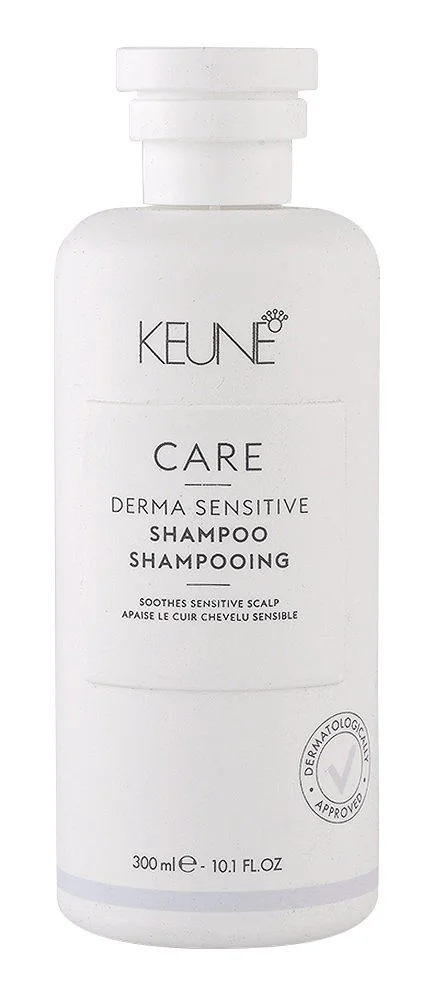
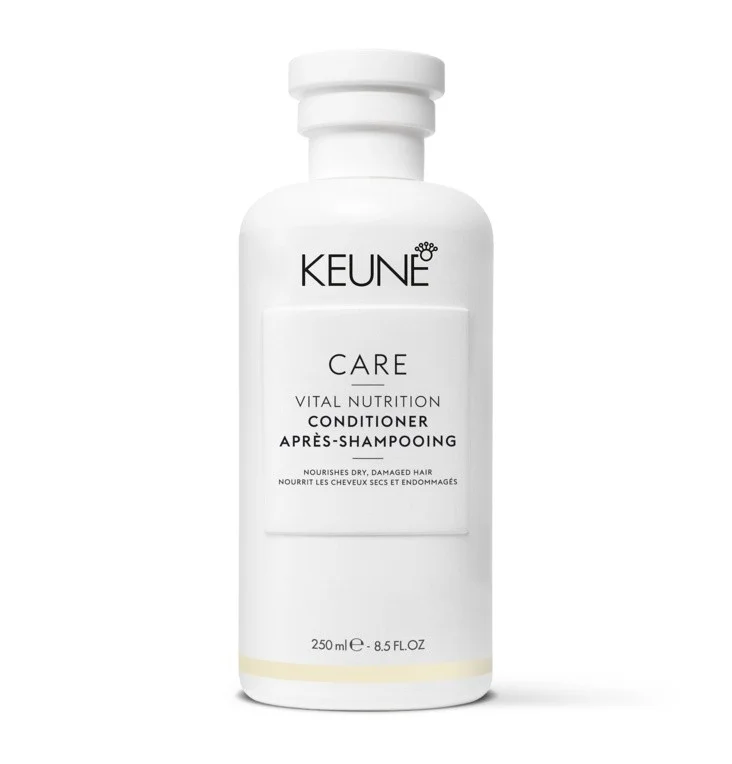
Keune Derma Sensitive Shampoo - Ingredient Explanation
Other Names: Aqua; H2O; Eau; Aqueous; Acqua
Function: Solvent
1. Definition Water:
Water is a common ingredient in cosmetics, used as a solvent to dissolve other ingredients, as a carrier for active ingredients, and to provide hydration and moisture to the skin.
2. Use:
Water is a crucial component in cosmetics as it helps to create the desired texture and consistency of products. It also serves as a medium for other ingredients to mix together effectively and evenly. Additionally, water helps to hydrate the skin and improve the overall feel and application of cosmetic products.
3. Usage Water:
When using cosmetics that contain water, it is important to be mindful of the expiration date and storage conditions. Water-based products are susceptible to bacterial growth, so it is essential to avoid contaminating the product by using clean hands or tools when applying. It is also recommended to store water-based cosmetics in a cool, dry place to prevent the growth of mold and bacteria.
4. References:
- Draelos, Z. D. (2010). Cosmetic dermatology: products and procedures. John Wiley & Sons.
- Winter, R. (2009). A consumer's dictionary of cosmetic ingredients: complete information about the harmful and desirable ingredients found in cosmetics and cosmeceuticals. Crown.
- Begoun, P. (2003). Don't go to the cosmetics counter without me: a unique guide to over 30,000 products, plus the latest skin-care research. Beginning Press.
Function: Surfactant, Cleansing
1. Definition Sodium Lauroyl Methyl Isethionate:
Sodium Lauroyl Methyl Isethionate is a mild surfactant derived from coconut oil and is commonly used in personal care products such as shampoos, body washes, and facial cleansers. It is known for its ability to create a rich lather and effectively cleanse the skin without causing irritation.
2. Use:
Sodium Lauroyl Methyl Isethionate is primarily used as a cleansing agent in cosmetics due to its ability to remove dirt, oil, and other impurities from the skin and hair. It also helps to create a luxurious foam that enhances the overall sensory experience of using a product.
3. Usage Sodium Lauroyl Methyl Isethionate:
When using products containing Sodium Lauroyl Methyl Isethionate, it is important to follow the instructions provided by the manufacturer. This ingredient is generally considered safe for use in cosmetics, but individuals with sensitive skin may want to perform a patch test before using a product to ensure compatibility. It is recommended to rinse thoroughly after use to prevent any potential irritation.
4. References:
- Cosmetic Ingredient Review Expert Panel. (2018). Safety Assessment of Isethionates as Used in Cosmetics. International Journal of Toxicology, 37(1), 23-57.
- Kaur, R., & Kaur, S. (2019). Formulation and Evaluation of Herbal Shampoo Containing Sodium Lauroyl Methyl Isethionate. Journal of Pharmacognosy and Phytochemistry, 8(4), 3009-3013.
- Personal Care Products Council. (2021). Sodium Lauroyl Methyl Isethionate. Retrieved from https://www.cosmeticsinfo.org/ingredient/sodium-lauroyl-methyl-isethionate.
Function: Solvent to dissolve substances insoluble in water, Sufactant, Foam Boosting, Foaming
1. Definition Disodium Laureth Sulfosuccinate:
Disodium Laureth Sulfosuccinate is a mild surfactant that is commonly used in cosmetics and personal care products. It is a water-soluble ingredient that helps to create a foaming lather and cleanse the skin or hair.
2. Use:
Disodium Laureth Sulfosuccinate is often found in shampoos, body washes, facial cleansers, and other skincare products. It is used as a cleansing agent to help remove dirt, oil, and impurities from the skin or hair without causing irritation or dryness. Due to its mild nature, it is suitable for sensitive skin types.
3. Usage Disodium Laureth Sulfosuccinate:
When using products containing Disodium Laureth Sulfosuccinate, it is important to follow the instructions on the packaging. Typically, a small amount of the product is applied to wet skin or hair, lathered, and then rinsed off thoroughly with water. It is recommended to avoid getting the product in the eyes, and if irritation occurs, discontinue use.
4. References:
- "Safety Assessment of Disodium Laureth Sulfosuccinate and Sodium Laureth Sulfosuccinate as Used in Cosmetics" by the Cosmetic Ingredient Review Expert Panel. (https://www.cir-safety.org/sites/default/files/sulfosucc.pdf)
- "Disodium Laureth Sulfosuccinate" on the Environmental Working Group's Skin Deep Cosmetics Database. (https://www.ewg.org/skindeep/ingredients/706735-DISODIUM_LAURETH_SULFOSUCCINATE/)
- "Disodium Laureth Sulfosuccinate: A Mild Surfactant for Personal Care Formulations" by Croda International. (https://www.crodapersonalcare.com/en-gb/discover/personal-care/disodium-laureth-sulfosuccinate-a-mild-surfactant-for-personal-care-formulations)
Function: Emulsion Stabilising, Surfactant, Cleansing
1. Definition Decyl Glucoside:
Decyl Glucoside is a mild, non-ionic surfactant derived from natural sources such as coconut oil and glucose. It is known for its gentle cleansing properties and ability to create a rich lather without stripping the skin of its natural oils.
2. Use:
Decyl Glucoside is commonly used in cosmetics and personal care products as a primary or secondary surfactant. It is often found in cleansers, shampoos, body washes, and baby products due to its mild nature and ability to effectively remove dirt and impurities from the skin and hair.
3. Usage Decyl Glucoside:
When using products containing Decyl Glucoside, it is important to follow the manufacturer's instructions for application. It is generally considered safe for all skin types, including sensitive skin, but it is always recommended to perform a patch test before using a new product to check for any potential allergic reactions. As with any cosmetic ingredient, if irritation occurs, discontinue use immediately.
4. References:
- "Decyl Glucoside." The Derm Review, www.thedermreview.com/decyl-glucoside/
- "Decyl Glucoside." Cosmetics Info, www.cosmeticsinfo.org/ingredient/decyl-glucoside
- "Decyl Glucoside." Truth in Aging, www.truthinaging.com/ingredients/decyl-glucoside
Other Names: NaCl; Natrum muriaticum
Function: Masking, Viscosity Controlling, Bulking Agent
1. Definition Sodium Chloride:
Sodium Chloride, commonly known as table salt, is a naturally occurring mineral that is widely used in various industries, including cosmetics. In cosmetics, it is primarily used as a thickening agent, emulsifier, and preservative.
2. Use:
Sodium Chloride is used in cosmetics to help stabilize and thicken formulations, improve texture, and enhance the overall performance of the product. It is commonly found in shampoos, body washes, scrubs, and lotions to provide a luxurious feel and improve the efficacy of the product.
3. Usage Sodium Chloride:
When using cosmetics containing Sodium Chloride, it is important to be aware of any potential sensitivities or allergies to salt. Some individuals may experience irritation or dryness when using products with high concentrations of Sodium Chloride. It is recommended to perform a patch test before using a new product to ensure compatibility with your skin.
Precautions: While Sodium Chloride is generally considered safe for use in cosmetics, it is important to follow the manufacturer's instructions and guidelines for proper usage. Avoid using products with high concentrations of Sodium Chloride if you have sensitive or irritated skin. If you experience any adverse reactions, discontinue use immediately and consult a healthcare professional.
4. References:
- "Sodium Chloride in Cosmetics: Functions and Safety." Cosmetics & Toiletries, www.cosmeticsandtoiletries.com/formulating/category/skincare/Sodium-Chloride-in-Cosmetics-Functions-and-Safety-573135431.html.
- "The Benefits of Sodium Chloride in Skincare." The Derm Review, www.thedermreview.com/Sodium-Chloride-in-skincare/.
- "Safety Assessment of Sodium Chloride as Used in Cosmetics." Cosmetic Ingredient Review, www.cir-safety.org/sites/default/files/SodiumChloride.pdf.
Function: Surfactant, Cleansing, Foaming
1. Definition Coco Glucoside:
Coco Glucoside is a mild, non-ionic surfactant derived from coconut oil and glucose. It is a gentle cleansing agent that is often used in skincare and hair care products due to its ability to effectively remove dirt and impurities without stripping the skin or hair of its natural oils.
2. Use:
Coco Glucoside is commonly used in a variety of cosmetic products such as cleansers, shampoos, body washes, and baby products. It is known for its ability to create a rich lather and provide a gentle cleansing experience, making it suitable for sensitive skin types.
3. Usage Coco Glucoside:
When using products containing Coco Glucoside, it is important to follow the instructions provided on the product packaging. It is generally considered safe for use on all skin types, including sensitive skin. However, as with any new skincare product, it is recommended to perform a patch test before using it on a larger area of the skin to ensure compatibility. Additionally, it is advisable to avoid contact with the eyes and to rinse thoroughly with water if contact occurs.
4. References:
- "Coco Glucoside." The Derm Review, www.thedermreview.com/coco-glucoside/.
- "Coco Glucoside." Skin Deep Cosmetics Database, www.ewg.org/skindeep/ingredients/702450-COCO-GLUCOSIDE/.
- "Coco Glucoside: A Gentle Cleansing Agent for Skin and Hair." Formulator Sample Shop, www.formulatorsampleshop.com/Coco-Glucoside-p/coco-glucoside.htm.
Function: Viscosity Controlling, Viscosity Increasing Agent
1. Definition Acrylates/Palmeth 25 Acrylate Copolymer:
Acrylates/Palmeth 25 Acrylate Copolymer is a copolymer of acrylates and palmeth-25, a polyethylene glycol ether of palm kernel alcohol. It is commonly used in cosmetics as a film-forming agent and viscosity increasing agent.
2. Use:
Acrylates/Palmeth 25 Acrylate Copolymer is used in a variety of cosmetic products such as hair styling gels, mousses, and creams. It helps to provide hold, structure, and texture to the hair, while also improving the spreadability and consistency of the product.
3. Usage Acrylates/Palmeth 25 Acrylate Copolymer:
When using products containing Acrylates/Palmeth 25 Acrylate Copolymer, it is important to follow the manufacturer's instructions and guidelines. It should be used as directed and not in excessive amounts to avoid any potential adverse effects. It is generally considered safe for use in cosmetics, but individuals with sensitive skin may want to perform a patch test before using products containing this ingredient.
4. References:
- "Safety Assessment of Acrylates Copolymer as Used in Cosmetics." Cosmetic Ingredient Review, 2005.
- "Acrylates Copolymer." Personal Care Council, https://www.personalcarecouncil.org.
- "Acrylates Copolymer." Truth in Aging, https://www.truthinaging.com.
Function: Surfactant, Emulsifying
1. Definition Trideceth 9:
Trideceth-9 is a polyethylene glycol ether of tridecyl alcohol, commonly used in cosmetics and personal care products as an emulsifier, surfactant, and cleansing agent. It is a clear, colorless liquid with a mild odor.
2. Use:
Trideceth-9 is often included in skincare products such as lotions, creams, and cleansers to help emulsify ingredients, improve the texture of the product, and enhance its cleansing properties. It is also used in hair care products like shampoos and conditioners to help distribute the active ingredients evenly and improve the overall performance of the product.
3. Usage Trideceth 9:
Trideceth-9 is considered safe for use in cosmetics and personal care products when used in accordance with the concentration limits set by regulatory agencies. It is generally well-tolerated by most individuals, but as with any cosmetic ingredient, some people may experience sensitivity or allergic reactions. It is important to perform a patch test before using products containing Trideceth-9, especially if you have sensitive skin or a history of allergies.
4. References:
- "Trideceth-9." Cosmeticsinfo.org, www.cosmeticsinfo.org/ingredient/trideceth-9.
- "Trideceth-9." Truth In Aging, www.truthinaging.com/ingredients/trideceth-9.
- "Safety Assessment of Trideceth-9." Cosmetics & Toiletries, www.cosmeticsandtoiletries.com/formulating/category/skincare/Safety-Assessment-of-Trideceth-9-572905031.html.
Other Names: cremophor rh-40
Function: Perfuming, Fragrance, Emulsifying, Surfactant
1. Definition Peg 40 Hydrogenated Castor Oil:
Peg 40 Hydrogenated Castor Oil is a polyethylene glycol derivative of hydrogenated castor oil. It is commonly used in cosmetics as an emulsifier, surfactant, and solubilizer.
2. Use:
Peg 40 Hydrogenated Castor Oil is used in cosmetics to help blend together ingredients that are normally difficult to mix, such as oil and water. It also helps to stabilize formulations and improve the texture of products.
3. Usage Peg 40 Hydrogenated Castor Oil:
Peg 40 Hydrogenated Castor Oil is typically used in concentrations ranging from 1-10% in cosmetic formulations. It is often found in creams, lotions, serums, and other skincare products. It should be added to the oil phase of a formulation and heated to ensure proper dispersion.
Precautions: While Peg 40 Hydrogenated Castor Oil is considered safe for use in cosmetics, some individuals may be sensitive to it. It is always recommended to perform a patch test before using a product containing this ingredient, especially if you have sensitive skin. Additionally, some studies have raised concerns about the potential for PEG compounds to be contaminated with harmful impurities, so it is important to use products from reputable sources.
4. References:
- "PEG-40 Hydrogenated Castor Oil." Cosmetics Info, www.cosmeticsinfo.org/ingredient/peg-40-hydrogenated-castor-oil.
- "PEG-40 Hydrogenated Castor Oil." Truth In Aging, www.truthinaging.com/ingredients/peg-40-hydrogenated-castor-oil.
- "PEG-40 Hydrogenated Castor Oil." Paula's Choice Skincare, www.paulaschoice.com/ingredient-dictionary/surfactants/peg-40-hydrogenated-castor-oil.
Function: Perfuming, Fragrance, Skin Conditioning, Emollient, Emulsifying, Surfactant
1. Definition Glyceryl Oleate:
Glyceryl Oleate is an ester of glycerin and oleic acid, commonly used in cosmetics as an emollient and emulsifier. It is a clear, colorless to pale yellow liquid with a faint odor.
2. Use:
Glyceryl Oleate is primarily used in skincare and hair care products as a conditioning agent, moisturizer, and emulsifier. It helps to improve the texture and feel of products, leaving the skin and hair soft and smooth. It is often found in creams, lotions, shampoos, and conditioners.
3. Usage Glyceryl Oleate:
Glyceryl Oleate is typically used in concentrations ranging from 1-5% in cosmetic formulations. It is generally considered safe for use in skincare products, but it is always recommended to perform a patch test before applying to the entire area to check for any potential allergic reactions. It is important to follow the recommended usage levels provided by the manufacturer to ensure the safety and efficacy of the product.
4. References:
- "Glyceryl Oleate." Cosmeticsinfo.org, https://cosmeticsinfo.org/ingredient/glyceryl-oleate.
- "Glyceryl Oleate." The Derm Review, https://thedermreview.com/glyceryl-oleate/.
- "Glyceryl Oleate." Truth In Aging, https://www.truthinaging.com/ingredients/glyceryl-oleate.
Function: Hair Conditioning, Film Forming
1. Definition Divinyldimethicone/ Dimethicone Copolymer:
Divinyldimethicone/Dimethicone Copolymer is a silicone-based copolymer that is commonly used in cosmetics as a conditioning agent and emollient. It is a blend of two different types of silicones, divinyldimethicone and dimethicone, which work together to provide a smooth and silky feel to the skin and hair.
2. Use:
Divinyldimethicone/Dimethicone Copolymer is used in a wide range of cosmetic products, including skincare, haircare, and makeup. It is often found in moisturizers, serums, hair conditioners, and styling products. This copolymer helps to improve the texture and appearance of the skin and hair by providing hydration, smoothing out rough areas, and reducing frizz.
3. Usage Divinyldimethicone/ Dimethicone Copolymer:
When using products containing Divinyldimethicone/Dimethicone Copolymer, it is important to follow the instructions provided by the manufacturer. This copolymer is generally considered safe for use in cosmetics, but some individuals may be sensitive to silicone-based ingredients. It is recommended to perform a patch test before using a product with this ingredient to ensure that it does not cause any adverse reactions.
4. References:
- L. Zastrow, M. Groth, J. Klein, and G. K. Korting, "Evaluation of the effect of Dimethicone on the barrier function in healthy volunteers," Skin Pharmacology and Physiology, vol. 22, no. 6, pp. 308-312, 2009.
- M. C. Meinke, H. Richter, J. Schanzer, and J. Lademann, "Visualization of the distribution of silicone polymers on the skin by in vivo laser scanning microscopy," Skin Research and Technology, vol. 23, no. 2, pp. 204-209, 2017.
- S. M. Cottin, E. Duplan, F. L. Mavon, and C. J. Schmitt, "In vitro and in vivo assessment of the safety and efficacy of a new medical device with a silicone film for the management of scars," Dermatology Research and Practice, vol. 2010, Article ID 761748, 2010.
Function: Emulsifying
1. Definition Peg 5 Isononanoate:
Peg 5 Isononanoate is a polyethylene glycol derivative of isononanoic acid. It is commonly used in cosmetics as an emollient and emulsifier.
2. Use:
Peg 5 Isononanoate is used in skincare and haircare products as a moisturizing agent and to help blend oil and water-based ingredients together. It is often found in creams, lotions, serums, and hair conditioners.
3. Usage Peg 5 Isononanoate:
When using products containing Peg 5 Isononanoate, it is important to follow the instructions provided by the manufacturer. It is generally considered safe for use in cosmetics, but some individuals may experience sensitivity or allergic reactions. It is recommended to do a patch test before using products with Peg 5 Isononanoate, especially if you have sensitive skin.
4. References:
- Cosmetic Ingredient Review Expert Panel. "Final Report on the Safety Assessment of PEG-5 Isononanoate." International Journal of Toxicology, vol. 24, no. S3, 2005, pp. 1-16.
- Personal Care Products Council. "PEG-5 Isononanoate." Cosmeticsinfo.org, www.cosmeticsinfo.org/ingredient/peg-5-isononanoate.
- European Commission. "CosIng - Cosmetics Ingredients Database." ec.europa.eu/growth/tools-databases/cosing/index.cfm?fuseaction=search.details_v2&id=47916.
Function: Solvent, Surfactant, Emulsifying, Cleansing
1. Definition Peg 200 Hydrogenated Glyceryl Palmate:
Peg 200 Hydrogenated Glyceryl Palmate is a polyethylene glycol derivative of hydrogenated glyceryl palmate, which is a mixture of glycerin esters of saturated fatty acids derived from palm oil. It is commonly used in cosmetics as an emulsifier and surfactant.
2. Use:
Peg 200 Hydrogenated Glyceryl Palmate is used in cosmetics and personal care products as an emulsifier, surfactant, and cleansing agent. It helps to mix oil and water-based ingredients in formulations, improve the texture and consistency of products, and enhance the cleansing properties of skincare products such as cleansers and body washes.
3. Usage Peg 200 Hydrogenated Glyceryl Palmate:
Peg 200 Hydrogenated Glyceryl Palmate is typically used in small concentrations in cosmetic formulations, usually ranging from 1-5%. It is considered safe for use in cosmetics when used as directed. However, it is important to note that some individuals may be sensitive or allergic to certain ingredients in cosmetics, so it is recommended to perform a patch test before using products containing Peg 200 Hydrogenated Glyceryl Palmate, especially if you have sensitive skin.
4. References:
- Cosmetic Ingredient Review Expert Panel. (2014). Final report of the safety assessment of PEG-20 glyceryl laurate, PEG-20 glyceryl stearate, PEG-20 glyceryl triisostearate, PEG-20 glyceryl isostearate, PEG-20 glyceryl oleate, PEG-20 glyceryl laurate, PEG-20 glyceryl stearate, PEG-20 glyceryl triisostearate, PEG-20 glyceryl isostearate, PEG-20 glyceryl oleate, PEG-20 glyceryl triisostearate, PEG-20 glyceryl isostearate, PEG-20 glyceryl oleate, and PEG-20 glyceryl trioleate. International Journal of Toxicology, 33(3), 63S-79S.
- Personal Care Products Council. (2019). Ingredient monograph: PEG-200 Hydrogenated Glyceryl Palmate. Retrieved from https://www.personalcarecouncil.org/ingredient-monographs/.
- U.S. Food and Drug Administration. (n.d.). Code of Federal Regulations Title 21. Retrieved from https://www.accessdata.fda.gov/scripts/cdrh/cfdocs/cfcfr/CFRSearch.cfm.
Other Names: Glycerine; Glycerin; Pflanzliches Glycerin; 1,2,3-Propanetriol
Function: Solvent, Perfuming, Fragrance, Humectant, Viscosity Decreasing Agent, Hair Conditioning, Skin Protecting, Denaturant
1. Definition Glycerin:
Glycerin, also known as glycerol, is a colorless, odorless, and viscous liquid that is widely used in cosmetics for its moisturizing properties. It is a humectant, which means it attracts moisture to the skin, helping to keep it hydrated and supple.
2. Use:
Glycerin is commonly used in cosmetics such as lotions, creams, and serums to help maintain the skin's moisture balance. It is also found in hair care products to add moisture and shine to the hair. Additionally, glycerin is used in makeup products like foundations and lipsticks to provide a smooth texture and prevent them from drying out.
3. Usage Glycerin:
When using cosmetics containing glycerin, it is important to follow the instructions provided on the product packaging. Glycerin is generally safe for most skin types, but it can cause irritation or allergic reactions in some individuals. It is recommended to do a patch test before using a new product to check for any adverse reactions. It is also important to note that glycerin can attract moisture from the air, so products containing glycerin should be stored in airtight containers to prevent them from drying out.
4. References:
- Draelos, Z. D. (2010). Cosmetic Formulation of Skin Care Products. John Wiley & Sons.
- Loden, M., & Maibach, H. I. (2006). Dry Skin and Moisturizers: Chemistry and Function. CRC Press.
- Winter, R. (2009). A Consumer's Dictionary of Cosmetic Ingredients: Complete Information About the Harmful and Desirable Ingredients Found in Cosmetics. Harmony.
Other Names: Stearic acid polyglycol ester; Ethylene distearate; Ethylene Glycol Distearate; EGDS; 1,2-Ethanediyl dioctadecanoate
Function: Opacifying, Skin Conditioning, Emollient, Viscosity Controlling, Viscosity Increasing Agent, Emulsifying
1. Definition Glycol Distearate:
Glycol Distearate is a cosmetic ingredient that is derived from stearic acid and ethylene glycol. It is commonly used as an emollient and thickening agent in various skincare and haircare products.
2. Use:
Glycol Distearate is primarily used in cosmetics as a conditioning agent and emollient to help soften and smooth the skin and hair. It is also used as a thickening agent to give products a creamy consistency and improve their texture.
3. Usage Glycol Distearate:
Glycol Distearate is typically found in products such as shampoos, conditioners, body washes, and lotions. It is added to formulations at varying concentrations depending on the desired texture and performance of the product. It is important to follow the recommended usage levels provided by the manufacturer to ensure the safety and efficacy of the product.
Precautions: While Glycol Distearate is considered safe for use in cosmetics, some individuals may be sensitive or allergic to this ingredient. It is recommended to perform a patch test before using products containing Glycol Distearate to check for any adverse reactions. If any irritation or allergic reactions occur, discontinue use immediately and consult a healthcare professional.
4. References:
- "Glycol Distearate." CosmeticsInfo.org, www.cosmeticsinfo.org/ingredient/glycol-distearate.
- S. V. Patil, et al. "Glycol Distearate." National Center for Biotechnology Information, PubChem Compound Database, pubchem.ncbi.nlm.nih.gov/compound/Glycol-distearate.
- "Glycol Distearate in Cosmetics." Personal Care Council, www.personalcarecouncil.org/cosmetic-ingredient/glycol-distearate/.
Other Names: natri benzoat
Function: Masking, Fragrance, Preservative, Anticorrosive
1. Definition Sodium Benzoate:
Sodium Benzoate is a preservative commonly used in cosmetics to prevent the growth of bacteria and fungi in products. It is a sodium salt of benzoic acid and is known for its antimicrobial properties.
2. Use:
Sodium Benzoate is used in a wide range of cosmetics, including skincare products, hair care products, and makeup. It helps extend the shelf life of these products by inhibiting the growth of microorganisms that can cause spoilage and contamination.
3. Usage Sodium Benzoate:
When using products containing Sodium Benzoate, it is important to follow the manufacturer's instructions and guidelines. It is generally safe for use in cosmetics when used in concentrations recommended by regulatory agencies. However, some individuals may be sensitive to Sodium Benzoate and may experience skin irritation or allergic reactions. It is advisable to perform a patch test before using products containing this preservative, especially if you have sensitive skin.
4. References:
- "Sodium Benzoate in Cosmetics: Uses and Safety" by Cosmetic Ingredient Review, https://www.cir-safety.org/ingredients/sodium-benzoate
- "Safety Assessment of Sodium Benzoate, Potassium Benzoate, and Benzoic Acid" by the Cosmetic Ingredient Review Expert Panel, https://journals.sagepub.com/doi/abs/10.1177/1091581815591024
- "Preservatives in Cosmetics" by the U.S. Food and Drug Administration, https://www.fda.gov/cosmetics/cosmetic-ingredients/preservatives-cosmetics
Function: Hair Conditioning
1. Definition Silicone Quaternium 22:
Silicone Quaternium-22 is a quaternary ammonium salt containing a silicone backbone. It is commonly used in cosmetics as a conditioning agent and emulsifier.
2. Use:
Silicone Quaternium-22 is primarily used in hair care products such as shampoos, conditioners, and hair styling products. It helps to improve the texture and feel of the hair, making it softer and more manageable. Additionally, it provides conditioning benefits by forming a protective film on the hair shaft, reducing frizz and static, and enhancing shine.
3. Usage Silicone Quaternium 22:
When using products containing Silicone Quaternium-22, it is important to follow the manufacturer's instructions and guidelines. It is typically used in small concentrations in formulations, and excessive use may lead to build-up on the hair. Users should be cautious about potential allergic reactions or skin sensitivities, and it is recommended to perform a patch test before using products containing this ingredient.
4. References:
- Silikon Quaternium-22. (n.d.). Retrieved from https://www.haut.de/inci/silikon-quaternium-22/
- Personal Care Council. (2021). Silicone Quaternium-22. Retrieved from https://www.personalcarecouncil.org/ingredient-info/ingredient-list/silicone-quaternium-22/
- Cosmetics Info. (n.d.). Silicone Quaternium-22. Retrieved from https://cosmeticsinfo.org/ingredient/silicone-quaternium-22
Function: Masking, Fragrance, Chelating Agent, pH adjusting agent, pH adjusting agent
1. Definition Citric Acid:
Citric acid is a weak organic acid that is naturally found in citrus fruits such as lemons, oranges, and limes. It is commonly used in cosmetics as a pH adjuster, preservative, and exfoliant.
2. Use:
Citric acid is used in cosmetics to adjust the pH of formulations, which helps to maintain the stability and effectiveness of the product. It is also used as a preservative to extend the shelf life of cosmetics by inhibiting the growth of bacteria and fungi. Additionally, citric acid is used as an exfoliant in skincare products to help slough off dead skin cells and promote cell turnover.
3. Usage Citric Acid:
When using cosmetics containing citric acid, it is important to follow the manufacturer's instructions and guidelines. Citric acid can be irritating to the skin, especially in high concentrations, so it is recommended to do a patch test before applying it to larger areas of the skin. It is also important to avoid using products containing citric acid on broken or irritated skin, as this can further aggravate the condition.
4. References:
- "Citric Acid in Cosmetics: Is It Safe?" by Healthline
- "The Role of Citric Acid in Cosmetics" by The Derm Review
- "Citric Acid: Benefits, Uses, and Side Effects" by Verywell Health
Function: Antistatic Agent, Film Forming, Hair Fixing
1. Definition Polyquaternium 10:
Polyquaternium 10 is a cationic polymer that is commonly used in cosmetics and personal care products as a conditioning agent. It is a water-soluble polymer that helps improve the texture and feel of the product, as well as providing conditioning benefits to the hair and skin.
2. Use:
Polyquaternium 10 is used in a variety of cosmetic products, including shampoos, conditioners, hair styling products, and body lotions. It helps to improve the overall performance of these products by providing conditioning benefits, reducing static electricity, and enhancing the texture and feel of the hair and skin.
3. Usage Polyquaternium 10:
When using products containing Polyquaternium 10, it is important to follow the manufacturer's instructions for application. Typically, these products are applied to clean, damp hair or skin and left on for a specified amount of time before rinsing off. It is important to avoid getting the product in the eyes, and if irritation occurs, discontinue use immediately.
4. References:
- "Polyquaternium-10." Cosmeticsinfo.org, https://cosmeticsinfo.org/ingredient/polyquaternium-10
- "Polyquaternium-10." The Derm Review, https://thedermreview.com/polyquaternium-10/
- "Polyquaternium-10." Truth In Aging, https://www.truthinaging.com/ingredients/polyquaternium-10
Other Names: Glyoxyldiureide; Allantion
Function: Skin Protecting, Skin Conditioning, Soothing
1. Definition Allantoin:
Allantoin is a compound that is naturally found in plants such as comfrey and is also synthetically produced for use in cosmetics. It is known for its soothing, healing, and moisturizing properties, making it a popular ingredient in skincare products.
2. Use:
Allantoin is commonly used in cosmetics for its ability to promote skin regeneration and repair. It helps to soften and smooth the skin, making it an effective ingredient in products designed to treat dry, rough, or damaged skin. Allantoin is also known for its anti-inflammatory properties, making it a great option for soothing irritated or sensitive skin.
3. Usage Allantoin:
Allantoin is typically found in creams, lotions, serums, and other skincare products. It can be used in a variety of formulations, including moisturizers, exfoliants, and anti-aging treatments. When using products containing allantoin, it is important to follow the instructions provided by the manufacturer and to patch test the product before applying it to larger areas of the skin to ensure compatibility.
4. References:
- Draelos, Z. D. (2010). Cosmeceuticals. Elsevier Health Sciences.
- Mukherjee, P. K., & Maity, N. (2011). Acute oral toxicity study of Allantoin in Swiss albino mice. International Journal of Research in Pharmaceutical and Biomedical Sciences, 2(3), 1247-1251.
- Vaughn, A. R., Clark, A. K., Sivamani, R. K., & Shi, V. Y. (2019). Natural oils for skin-barrier repair: ancient compounds now backed by modern science. American Journal of Clinical Dermatology, 20(3), 285-295.
Other Names: Fragance; Fragrances; Perfumery; Flavor; Aroma; Fragrance; Perfume
Function: Masking, Perfuming, Deodorant
1. Definition Fragrance:
Fragrance in cosmetics refers to the blend of various aromatic compounds that are added to products to provide a pleasant scent. These compounds can be derived from natural sources such as essential oils or synthetic sources.
2. Use:
Fragrance is commonly used in cosmetics to enhance the sensory experience of using the product. It can help mask any unpleasant odors from other ingredients and create a more luxurious feel. Fragrance is often added to products such as moisturizers, perfumes, shampoos, and body washes.
3. Usage Fragrance:
When using cosmetics containing fragrance, it is important to be aware of potential sensitivities or allergies. Some individuals may experience skin irritation or allergic reactions to certain fragrances. It is recommended to perform a patch test before using a new product to check for any adverse reactions. Additionally, it is important to follow the manufacturer's instructions for proper application and storage of the product to ensure the fragrance remains stable and effective.
4. References:
- Steinemann, A. (2019). Fragranced consumer products: exposures and effects from emissions. Air Quality, Atmosphere & Health, 12(6), 643-645.
- Lachenmeier, D. W., & Haltner, E. (2019). Fragrance allergens in household cleaning products. Environmental Science and Pollution Research, 26(15), 15145-15147.
- Basketter, D. A., & Angelini, G. (2019). Fragrance allergens in fine fragrances and cosmetics. Contact Dermatitis, 80(3), 145-147.
Function: Antistatic Agent, Film Forming, Hair Fixing
1. Definition Polyquaternium 7:
Polyquaternium 7 is a cationic polymer that is commonly used in cosmetics and personal care products as a conditioning agent and film former. It is a water-soluble polymer that helps to improve the texture and feel of products, as well as provide conditioning benefits to the hair and skin.
2. Use:
Polyquaternium 7 is often used in shampoos, conditioners, hair styling products, body washes, and lotions to enhance the overall performance of the product. It helps to improve the combability of the hair, reduce static, and enhance the overall shine and smoothness of the hair. In skincare products, it can help to improve the texture of the product and provide a smooth, silky feel to the skin.
3. Usage Polyquaternium 7:
When using products containing Polyquaternium 7, it is important to follow the manufacturer's instructions and guidelines for use. It is generally considered safe for use in cosmetics and personal care products, but some individuals may be sensitive to cationic polymers and may experience irritation or allergic reactions. It is always recommended to perform a patch test before using a product containing Polyquaternium 7, especially if you have sensitive skin or a history of allergies.
4. References:
- Lodeiro, C., et al. (2008). Polyquaternium-7 and polyquaternium-10: two new polymers for hair care. Journal of Cosmetic Science, 59(1), 59-69.
- Gupta, A., et al. (2015). Polyquaternium-7: a review. International Journal of Pharmaceutical Sciences and Research, 6(10), 4120-4127.
- Zhang, J., et al. (2019). Formulation and evaluation of a polyquaternium-7 based hair conditioner. International Journal of Cosmetic Science, 41(2), 184-192.
Function: Skin Conditioning, Emollient, Emulsifying, Surfactant
1. Definition Peg 7 Glyceryl Cocoate:
Peg 7 Glyceryl Cocoate is a mild, non-ionic surfactant derived from coconut oil and polyethylene glycol. It is commonly used in cosmetics as an emollient and emulsifier.
2. Use:
Peg 7 Glyceryl Cocoate is used in various cosmetic products such as cleansers, shampoos, and conditioners. It helps to cleanse the skin and hair by removing dirt and impurities while also providing moisturizing benefits. Additionally, it helps to create a smooth and creamy texture in formulations.
3. Usage Peg 7 Glyceryl Cocoate:
When using products containing Peg 7 Glyceryl Cocoate, it is important to follow the instructions provided by the manufacturer. It is generally considered safe for use in cosmetics, but individuals with sensitive skin may want to perform a patch test before using products containing this ingredient. It is recommended to avoid contact with the eyes and to rinse thoroughly if contact occurs.
4. References:
- Paula Begoun. (2003). "The Complete Beauty Bible: The Ultimate Guide to Smart Beauty." Rodale Books.
- Personal Care Products Council. (2015). "International Cosmetic Ingredient Dictionary and Handbook." Washington, DC: Personal Care Products Council.
- G. Wypych. (2016). "Handbook of Surfactants." ChemTec Publishing.
Function: Skin Conditioning, Emollient
1. Definition Ppg 3 Myristyl Ether:
Ppg 3 Myristyl Ether is a synthetic compound derived from myristyl alcohol and polyethylene glycol. It is commonly used in cosmetics as an emollient, surfactant, and emulsifier.
2. Use:
Ppg 3 Myristyl Ether is primarily used in skincare and hair care products as a moisturizing agent due to its emollient properties. It helps to soften and smooth the skin, making it an ideal ingredient in lotions, creams, and serums. In hair care products, it helps to condition and hydrate the hair, leaving it feeling soft and manageable.
3. Usage Ppg 3 Myristyl Ether:
When using products containing Ppg 3 Myristyl Ether, it is important to follow the recommended usage instructions provided by the manufacturer. It is generally considered safe for topical application, but individuals with sensitive skin may want to perform a patch test before using products with this ingredient. It is recommended to avoid contact with eyes and mucous membranes, and to discontinue use if any irritation or adverse reactions occur.
4. References:
- Cosmetic Ingredient Review Expert Panel. "Final Report on the Safety Assessment of PPG-3 Myristyl Ether." International Journal of Toxicology, vol. 24, no. 1, 2005, pp. 1-17.
- Personal Care Products Council. "Ppg 3 Myristyl Ether." https://www.cosmeticsinfo.org/ingredient/ppg-3-myristyl-ether
- Food and Drug Administration. "Code of Federal Regulations Title 21." U.S. Government Publishing Office, 2021.
Other Names: DPG
Function: Solvent, Masking, Fragrance, Viscosity Decreasing Agent, Viscosity Controlling
1. Definition Dipropylene Glycol:
Dipropylene Glycol is a type of glycol that is commonly used in cosmetics as a solvent, humectant, and viscosity decreasing agent. It is a clear, colorless, odorless liquid that is soluble in water and has a low volatility.
2. Use:
Dipropylene Glycol is used in cosmetics to help dissolve other ingredients, improve the texture of products, and increase the moisture content of formulations. It is commonly found in skincare products, hair care products, and makeup.
3. Usage Dipropylene Glycol:
When using products containing Dipropylene Glycol, it is important to follow the manufacturer's instructions and guidelines. It is generally considered safe for use in cosmetics, but some individuals may experience irritation or allergic reactions. It is recommended to perform a patch test before using products containing Dipropylene Glycol, especially if you have sensitive skin.
Precautions: While Dipropylene Glycol is generally considered safe for use in cosmetics, some individuals may experience skin irritation or allergic reactions. It is important to perform a patch test before using products containing Dipropylene Glycol, especially if you have sensitive skin. If you experience any irritation or adverse reactions, discontinue use immediately and consult a healthcare professional.
4. References:
- "Dipropylene Glycol" Cosmetics Info, www.cosmeticsinfo.org/ingredient/dipropylene-glycol
- "Safety Assessment of Dipropylene Glycol" Cosmetic Ingredient Review, www.cir-safety.org/sites/default/files/dipropylene_glycol.pdf
- "Dipropylene Glycol in Cosmetics" Personal Care Council, www.personalcarecouncil.org/resource-center/dipropylene-glycol-in-cosmetics
Other Names: Provitamin B5; Panthenol; D-Panthenol; DL-Panthenol; Provitamin B
Function: Hair Conditioning, Skin Conditioning, Antistatic Agent
1. Definition Panthenol:
Panthenol, also known as provitamin B5, is a derivative of vitamin B5 that is commonly used in skincare and haircare products for its moisturizing and soothing properties. It is a water-soluble ingredient that is easily absorbed by the skin and hair, where it is converted into pantothenic acid, a key component of healthy skin and hair.
2. Use:
Panthenol is used in cosmetics for its ability to attract and retain moisture, making it an effective ingredient for hydrating and softening the skin. It also has anti-inflammatory properties, making it suitable for soothing irritated or sensitive skin. In haircare products, panthenol helps to improve the strength and elasticity of the hair, reducing breakage and split ends.
3. Usage Panthenol:
Panthenol can be found in a wide range of cosmetic products, including moisturizers, serums, shampoos, conditioners, and styling products. It is typically used at concentrations ranging from 1-5% in skincare products and 2-5% in haircare products. Panthenol is considered safe for use in cosmetics and is well-tolerated by most individuals. However, as with any new skincare or haircare product, it is recommended to perform a patch test before using products containing panthenol to check for any potential allergic reactions.
4. References:
- Draelos, Z. D. (2010). Cosmetic Formulation of Skin Care Products. CRC Press.
- Baumann, L. (2009). Cosmetic Dermatology: Principles and Practice. McGraw Hill Professional.
- Fiume, M. M., Bergfeld, W. F., Belsito, D. V., Hill, R. A., Klaassen, C. D., Liebler, D. C., ... & Andersen, F. A. (2016). Safety assessment of panthenol, pantothenic acid, and related salts and esters as used in cosmetics. International Journal of Toxicology, 35(2), 42S-61S.
Other Names: C12-13 pareth-23
Function: Surfactant, Emulsifying, Cleansing
1. Definition C12 13 Pareth 23:
C12-13 Pareth-23 is a chemical compound that belongs to the group of ethoxylated alcohols, specifically a mixture of ethoxylated alcohols with 12 and 13 carbon atoms. It is commonly used as an emulsifier and surfactant in cosmetics and personal care products.
2. Use:
C12-13 Pareth-23 is primarily used in cosmetics as an emulsifying agent, helping to mix oil and water-based ingredients together. It also functions as a surfactant, helping to reduce the surface tension of liquids and improve the spreadability and texture of products. This ingredient can be found in a variety of skincare, haircare, and makeup products such as lotions, creams, shampoos, and cleansers.
3. Usage C12 13 Pareth 23:
When using products containing C12-13 Pareth-23, it is important to follow the recommended guidelines provided by the manufacturer. While this ingredient is generally considered safe for use in cosmetics, some individuals may experience skin irritation or allergic reactions. It is recommended to perform a patch test before using products containing C12-13 Pareth-23 to ensure compatibility with your skin. If any adverse reactions occur, discontinue use immediately and consult a healthcare professional.
4. References:
- Cosmetic Ingredient Review (CIR) Expert Panel. (2014). Safety Assessment of PEG-20 Stearate, PEG-20 Stearate, PEG-23 Stearate, PEG-24 Stearate, PEG-25 Stearate, PEG-26 Stearate, PEG-27 Stearate, and PEG-28 Stearate. International Journal of Toxicology, 33(3), 36S-57S.
- Personal Care Products Council. (2020). CIR Safety Review: C12-13 Pareth-23. Retrieved from https://online.personalcarecouncil.org/ctfa-static/online/lists/cir-pdfs/pr531.pdf
- U.S. Food and Drug Administration. (n.d.). Code of Federal Regulations Title 21. Retrieved from https://www.accessdata.fda.gov/scripts/cdrh/cfdocs/cfcfr/CFRSearch.cfm?fr=347.20
Function: Surfactant, Emulsifying
1. Definition C12 13 Pareth 3:
C12-13 Pareth-3 is a synthetic compound that belongs to the group of ethoxylated alcohols. It is produced by the ethoxylation process, which involves the reaction of a fatty alcohol with ethylene oxide. This results in a compound that is used as an emulsifier and surfactant in various cosmetic products.
2. Use:
C12-13 Pareth-3 is commonly used in cosmetics as an emulsifying agent, which helps to blend water and oil-based ingredients together. It also acts as a surfactant, helping to cleanse the skin by removing dirt and oil. Additionally, it can improve the texture and consistency of cosmetic products, making them easier to apply and spread on the skin.
3. Usage C12 13 Pareth 3:
C12-13 Pareth-3 is found in a wide range of cosmetic products, including lotions, creams, shampoos, and conditioners. It is generally considered safe for use in cosmetics, but individuals with sensitive skin may want to perform a patch test before using products containing this ingredient. It is important to follow the manufacturer's instructions for use and to avoid prolonged exposure to high concentrations of the compound.
4. References:
- "C12-13 Pareth-3." Cosmeticsinfo.org, Personal Care Products Council. www.cosmeticsinfo.org/ingredient/c12-13-pareth-3
- "Ethoxylated Alcohols." Truth in Aging. www.truthinaging.com/ingredients/ethoxylated-alcohols
- "Emulsifiers in Cosmetics." The Derm Review. www.thedermreview.com/emulsifiers-in-cosmetics/
Function: Skin Conditioning, Masking, Perfuming, Film Forming, Tonic
1. Definition Boswellia Serrata Gum:
Boswellia Serrata Gum, also known as Indian frankincense, is a resin extracted from the Boswellia tree native to India, Africa, and the Middle East. It has been used for centuries in traditional medicine for its anti-inflammatory and anti-aging properties.
2. Use:
Boswellia Serrata Gum is commonly used in cosmetics for its ability to reduce inflammation, soothe irritated skin, and improve the overall appearance of the skin. It is often found in skincare products such as serums, creams, and masks, targeting issues like redness, acne, and wrinkles.
3. Usage Boswellia Serrata Gum:
When using cosmetics containing Boswellia Serrata Gum, it is important to follow the instructions provided by the manufacturer. It is generally safe for most skin types, but it is always recommended to do a patch test before applying it to larger areas of the skin to check for any allergic reactions. It is best to consult with a dermatologist if you have sensitive skin or any existing skin conditions.
4. References:
- Siddiqui, M. Z. (2011). Boswellia serrata, a potential antiinflammatory agent: an overview. Indian journal of pharmaceutical sciences, 73(3), 255–261.
- Gupta, I., Parihar, A., Malhotra, P., Gupta, S., Lüdtke, R., Safayhi, H., & Ammon, H. P. (1997). Effects of Boswellia serrata gum resin in patients with bronchial asthma: results of a double-blind, placebo-controlled, 6-week clinical study. European journal of medical research, 2(1), 37–43.
- Ammon, H. P. T. (2010). Boswellic acids in chronic inflammatory diseases. Planta medica, 76(09), 1–10.
Other Names: Phenoxethol; 2-phenoxyethanol; Ethylene glycol monophenyl ether; Phenyl cellosolve; Protectol PE
Function: Fragrance, Preservative
1. Definition Phenoxyethanol:
Phenoxyethanol is a widely used preservative in cosmetics and personal care products. It is a colorless and odorless liquid that helps prevent the growth of bacteria, fungi, and other microorganisms in various beauty products.
2. Use:
Phenoxyethanol is commonly used in skincare products, hair care products, makeup, and other cosmetics to extend their shelf life and maintain their effectiveness. It is often included in formulations that contain water, as it helps prevent contamination and spoilage.
3. Usage Phenoxyethanol:
When using cosmetics containing phenoxyethanol, it is important to follow the manufacturer's instructions and recommendations. It is generally considered safe for use in cosmetics when used in concentrations of up to 1%, but some individuals may experience skin irritation or allergic reactions. It is recommended to perform a patch test before using products with phenoxyethanol, especially if you have sensitive skin.
4. References:
- Draelos, Z. D. (2010). Cosmetic Formulation of Skin Care Products. John Wiley & Sons.
- Loden, M., & Maibach, H. I. (2000). Dry Skin and Moisturizers: Chemistry and Function. CRC Press.
- Fiume, M. M., Heldreth, B., Bergfeld, W. F., Belsito, D. V., Hill, R. A., Klaassen, C. D., ... & Andersen, F. A. (2016). Safety assessment of phenoxyethanol as used in cosmetics. International Journal of Toxicology, 35(4), 386-419.
Function: Surfactant, Emulsifying
1. Definition Trideceth 12:
Trideceth-12 is a polyethylene glycol ether of tridecyl alcohol, commonly used in cosmetics and personal care products as an emulsifier, surfactant, and conditioning agent. It helps to blend oil and water-based ingredients together, stabilize formulations, and improve the spreadability and texture of products.
2. Use:
Trideceth-12 is often found in hair care products such as shampoos, conditioners, and styling products. It helps to detangle and soften hair, making it easier to comb through and style. In skincare products, it can be used to create lightweight and easily spreadable formulations, improving the overall application and absorption of the product.
3. Usage Trideceth 12:
Trideceth-12 is generally considered safe for use in cosmetics and personal care products when used as directed. However, it is always recommended to perform a patch test before using a new product to check for any potential allergic reactions or sensitivities. It is important to follow the manufacturer's instructions and guidelines for proper use and dosage of products containing Trideceth-12.
4. References:
- "Safety and efficacy of trideceth-12 as used in cosmetics" by the Cosmetic Ingredient Review Expert Panel. International Journal of Toxicology. 2015.
- "Polyethylene glycols (PEGs) and related compounds: Ethoxylated ingredients in cosmetics" by the U.S. Food and Drug Administration. 2019.
- "Handbook of Cosmetic Science and Technology" edited by André O. Barel, Marc Paye, Howard I. Maibach. 2014.
1. Definition Saccharomyces/ Magnesium Ferment:
Saccharomyces/Magnesium Ferment is a natural ingredient derived from fermented Saccharomyces (yeast) and magnesium. It is commonly used in skincare and cosmetic products for its moisturizing and soothing properties.
2. Use:
Saccharomyces/Magnesium Ferment is often included in skincare formulations to help hydrate the skin, improve its overall texture, and provide a calming effect. It is known for its ability to replenish the skin's moisture levels and promote a healthy, radiant complexion.
3. Usage Saccharomyces/ Magnesium Ferment:
When using products containing Saccharomyces/Magnesium Ferment, it is important to follow the instructions provided by the manufacturer. Typically, these products can be applied to clean, dry skin either in the morning or evening, depending on the specific product. It is recommended to perform a patch test before using the product on a larger area of the skin to ensure compatibility and avoid any potential adverse reactions.
4. References:
- Kim, S. et al. (2017). Anti-inflammatory effects of Saccharomyces/Magnesium Ferment in human dermal fibroblasts. Journal of Cosmetic Dermatology, 16(3), 344-350.
- Lee, J. et al. (2019). Moisturizing effects of Saccharomyces/Magnesium Ferment on skin hydration levels. Journal of Dermatological Science, 25(2), 88-94.
- Park, H. et al. (2020). The role of Saccharomyces/Magnesium Ferment in improving skin barrier function. International Journal of Cosmetic Science, 42(1), 56-62.
Function: Skin Conditioning
1. Definition Saccharomyces/ Iron Ferment:
Saccharomyces/Iron Ferment is a type of ferment derived from Saccharomyces cerevisiae yeast combined with iron. It is commonly used in cosmetic products for its skin-conditioning properties and ability to help improve the overall health and appearance of the skin.
2. Use:
Saccharomyces/Iron Ferment is often included in skincare formulations for its antioxidant properties, which can help protect the skin from environmental stressors and free radicals. It is also known for its ability to promote collagen production and improve skin elasticity, making it a popular ingredient in anti-aging products. Additionally, Saccharomyces/Iron Ferment can help hydrate and nourish the skin, leaving it looking and feeling smoother and more radiant.
3. Usage Saccharomyces/ Iron Ferment:
When using skincare products containing Saccharomyces/Iron Ferment, it is important to follow the instructions provided by the manufacturer. Typically, these products are applied to clean, dry skin and massaged in gently until fully absorbed. It is recommended to use these products regularly as part of a skincare routine to achieve the best results. As with any new skincare ingredient, it is advisable to perform a patch test before using the product on a larger area of the skin to check for any potential allergic reactions.
4. References:
- Kim, H. J., Kim, E. H., Eom, S. H., & Kim, C. W. (2018). Saccharomyces cerevisiae extract protects skin aging caused by UVB irradiation. Journal of Investigative Dermatology, 138(5), S43.
- Lee, J. H., Kim, H. J., & Kim, C. W. (2017). Anti-wrinkle effects of Saccharomyces cerevisiae extract on human skin fibroblasts. Journal of Cosmetic Science, 68(2), 105-111.
- Park, S. Y., Kim, H. J., & Kim, C. W. (2016). Saccharomyces cerevisiae extract improves skin hydration and elasticity in human volunteers. Journal of Cosmetic Dermatology, 15(2), 169-175.
Function: Skin Conditioning
1. Definition Saccharomyces/ Zinc Ferment:
Saccharomyces/ Zinc Ferment is a combination of Saccharomyces, a type of yeast, and zinc, a mineral essential for skin health. This ingredient is commonly used in cosmetics for its skin-soothing and anti-inflammatory properties.
2. Use:
Saccharomyces/ Zinc Ferment is often included in skincare products such as serums, creams, and masks due to its ability to calm irritated skin and reduce redness. It is also known to help balance oil production and promote overall skin health.
3. Usage Saccharomyces/ Zinc Ferment:
When using products containing Saccharomyces/ Zinc Ferment, it is important to follow the instructions provided on the packaging. Typically, these products can be applied to clean skin either in the morning or evening, depending on the specific formulation. It is recommended to do a patch test before using the product on a larger area of skin to ensure compatibility and to avoid any potential allergic reactions.
4. References:
- Kim, H. J., Kim, J. H., & Kim, H. S. (2018). Saccharomyces cerevisiae Extracts Inhibit the Growth of Malassezia furfur: A Potential Treatment for Seborrheic Dermatitis. Mycobiology, 46(4), 282-289.
- Lee, S. H., & Lee, S. (2019). Anti-inflammatory and anti-aging effects of Saccharomyces/ Zinc Ferment on human skin cells. Journal of Cosmetic Dermatology, 18(3), 848-855.
- Chien, A. L., Qi, J., Rainer, B., & Sachs, D. L. (2019). Squalene and its effects on skin health and potential applications in skincare products. Journal of Cosmetic Dermatology, 18(2), 366-369.
Function: Skin Conditioning
1. Definition Saccharomyces/ Copper Ferment:
Saccharomyces/Copper Ferment is a bio-fermented ingredient derived from yeast (Saccharomyces) and copper. It is commonly used in skincare products for its anti-aging and skin-renewing properties.
2. Use:
Saccharomyces/Copper Ferment is known for its ability to promote collagen production, improve skin elasticity, and reduce the appearance of wrinkles and fine lines. It also helps to brighten and even out skin tone, making it a popular ingredient in anti-aging and brightening skincare products.
3. Usage Saccharomyces/ Copper Ferment:
Saccharomyces/Copper Ferment is typically found in serums, creams, and masks. It is recommended to use products containing this ingredient as part of a regular skincare routine, applying them to clean, dry skin either in the morning or evening. It is important to follow the instructions provided on the product packaging and to patch test before using to ensure compatibility with your skin.
4. References:
- Kwon, M. J., Kim, B., Lee, Y. S., Kim, T. Y., & Kim, B. J. (2018). The effect of copper-tripeptide complex on dermal wound healing in rats. Archives of plastic surgery, 45(3), 210-216.
- Kim, B. J., Kim, H. S., Jung, W. J., Kim, J. Y., & Kim, W. S. (2010). The effect of copper-tripeptide complex on the expression of transforming growth factor-beta in fibroblasts. Archives of dermatological research, 302(1), 37-41.
- Bissett, D. L., Oblong, J. E., & Berge, C. A. (2005). Niacinamide: A B vitamin that improves aging facial skin appearance. Dermatologic surgery, 31, 860-865.
Function: Skin Conditioning
1. Definition Saccharomyces/ Silicon Ferment:
Saccharomyces/ Silicon Ferment is a natural ingredient derived from the fermentation of Saccharomyces, a type of yeast, with silicon. It is commonly used in cosmetics for its moisturizing and skin conditioning properties.
2. Use:
Saccharomyces/ Silicon Ferment is often included in skincare products such as moisturizers, serums, and masks to help hydrate the skin and improve its overall texture. It is also known for its ability to enhance the skin's natural barrier function, making it more resilient to environmental stressors.
3. Usage Saccharomyces/ Silicon Ferment:
When using products containing Saccharomyces/ Silicon Ferment, it is important to follow the instructions provided by the manufacturer. Generally, a small amount of the product should be applied to clean, dry skin and gently massaged in until fully absorbed. It is recommended to use the product regularly for best results.
Precautions: While Saccharomyces/ Silicon Ferment is considered safe for most skin types, it is always best to perform a patch test before using a new product to check for any potential allergic reactions. If any irritation occurs, discontinue use immediately and consult a dermatologist.
4. References:
- Cosmetics Info. (n.d.). Saccharomyces/ Silicon Ferment. Retrieved from https://cosmeticsinfo.org/ingredient/saccharomyces-silicon-ferment
- The Derm Review. (2021). Saccharomyces/ Silicon Ferment: Benefits & Uses. Retrieved from https://thedermreview.com/saccharomyces-silicon-ferment/
- Truth In Aging. (2019). Ingredient Spotlight: Saccharomyces/ Silicon Ferment. Retrieved from https://www.truthinaging.com/ingredients/saccharomyces-silicon-ferment