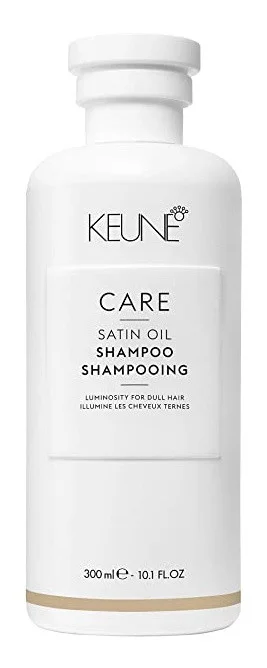
Keune Satin Oil Shampoo - Ingredient Explanation
Other Names: Aqua; H2O; Eau; Aqueous; Acqua
Function: Solvent
1. Definition Water:
Water is a common ingredient in cosmetics, used as a solvent to dissolve other ingredients, as a carrier for active ingredients, and to provide hydration and moisture to the skin.
2. Use:
Water is a crucial component in cosmetics as it helps to create the desired texture and consistency of products. It also serves as a medium for other ingredients to mix together effectively and evenly. Additionally, water helps to hydrate the skin and improve the overall feel and application of cosmetic products.
3. Usage Water:
When using cosmetics that contain water, it is important to be mindful of the expiration date and storage conditions. Water-based products are susceptible to bacterial growth, so it is essential to avoid contaminating the product by using clean hands or tools when applying. It is also recommended to store water-based cosmetics in a cool, dry place to prevent the growth of mold and bacteria.
4. References:
- Draelos, Z. D. (2010). Cosmetic dermatology: products and procedures. John Wiley & Sons.
- Winter, R. (2009). A consumer's dictionary of cosmetic ingredients: complete information about the harmful and desirable ingredients found in cosmetics and cosmeceuticals. Crown.
- Begoun, P. (2003). Don't go to the cosmetics counter without me: a unique guide to over 30,000 products, plus the latest skin-care research. Beginning Press.
Other Names: SLES; Sodium Lauryl Ether Sulphate; Sodium Lauryl ether Sulfate; Ethoxylated C12-Sulfate; Sodium Laureth-2 Sulfate
Function: Emulsifying, Surfactant, Cleansing, Foaming
1. Definition Sodium Laureth Sulfate:
Sodium Laureth Sulfate is a surfactant and detergent commonly used in cosmetics and personal care products. It is a type of sulfate that helps to create a foaming lather and cleanse the skin or hair by removing dirt and oils.
2. Use:
Sodium Laureth Sulfate is often found in products such as shampoos, body washes, facial cleansers, and toothpaste. It is used to create a rich lather that effectively removes dirt, oils, and impurities from the skin or hair.
3. Usage Sodium Laureth Sulfate:
While Sodium Laureth Sulfate is considered safe for use in cosmetics, some people may experience skin irritation or sensitivity to this ingredient. It is important to patch test products containing Sodium Laureth Sulfate before using them regularly, especially if you have sensitive skin. Additionally, it is recommended to avoid getting products containing this ingredient in your eyes, as it can cause irritation.
4. References:
- National Center for Biotechnology Information. PubChem Compound Summary for CID 23665879, Sodium Laureth Sulfate. https://pubchem.ncbi.nlm.nih.gov/compound/Sodium-laureth-sulfate
- Environmental Working Group. Sodium Laureth Sulfate. https://www.ewg.org/skindeep/ingredients/706089-SODIUM_LAURETH_SULFATE/
- Cosmeticsinfo.org. Sodium Laureth Sulfate. http://cosmeticsinfo.org/ingredient/sodium-laureth-sulfate
Other Names: Cocoamidopropyl Betaine; Cocoamido propyl Betaine; CAPB; Cocoyl Amide Propyldimethyl Glycine
Function: Hair Conditioning, Skin Conditioning, Viscosity Controlling, Antistatic Agent, Viscosity Increasing Agent, Foam Boosting, Sufactant
1. Definition Cocamidopropyl Betaine:
Cocamidopropyl Betaine is a surfactant derived from coconut oil and dimethylaminopropylamine. It is commonly used in cosmetics as a cleansing agent and foam booster.
2. Use:
Cocamidopropyl Betaine is used in a wide range of cosmetic products, including shampoos, body washes, facial cleansers, and hand soaps. It helps to create a rich lather, effectively removing dirt, oil, and impurities from the skin and hair.
3. Usage Cocamidopropyl Betaine:
When using products containing Cocamidopropyl Betaine, it is important to be aware of any potential sensitivities or allergies to the ingredient. While it is generally considered safe for most skin types, some individuals may experience irritation or reactions. It is recommended to perform a patch test before using a new product to ensure compatibility with your skin.
4. References:
- National Center for Biotechnology Information. PubChem Compound Summary for CID 10632, Cocamidopropyl Betaine. https://pubchem.ncbi.nlm.nih.gov/compound/Cocamidopropyl-betaine
- Environmental Working Group. Cocamidopropyl Betaine. https://www.ewg.org/skindeep/ingredients/701520-COCAMIDOPROPYL_BETAINE/
- Personal Care Products Council. Cocamidopropyl Betaine. https://www.personalcarecouncil.org/ingredient-info/cocamidopropyl-betaine/
Function: Emulsion Stabilising, Surfactant, Cleansing
1. Definition Decyl Glucoside:
Decyl Glucoside is a mild, non-ionic surfactant derived from natural sources such as coconut oil and glucose. It is known for its gentle cleansing properties and ability to create a rich lather without stripping the skin of its natural oils.
2. Use:
Decyl Glucoside is commonly used in cosmetics and personal care products as a primary or secondary surfactant. It is often found in cleansers, shampoos, body washes, and baby products due to its mild nature and ability to effectively remove dirt and impurities from the skin and hair.
3. Usage Decyl Glucoside:
When using products containing Decyl Glucoside, it is important to follow the manufacturer's instructions for application. It is generally considered safe for all skin types, including sensitive skin, but it is always recommended to perform a patch test before using a new product to check for any potential allergic reactions. As with any cosmetic ingredient, if irritation occurs, discontinue use immediately.
4. References:
- "Decyl Glucoside." The Derm Review, www.thedermreview.com/decyl-glucoside/
- "Decyl Glucoside." Cosmetics Info, www.cosmeticsinfo.org/ingredient/decyl-glucoside
- "Decyl Glucoside." Truth in Aging, www.truthinaging.com/ingredients/decyl-glucoside
Other Names: Laureth-2
Function: Emulsifying, Surfactant, Cleansing
1. Definition Laureth 2:
Laureth-2 is a surfactant and emulsifying agent commonly used in cosmetics and personal care products. It is a polyethylene glycol ether of lauryl alcohol, which helps to improve the texture and stability of various beauty products.
2. Use:
Laureth-2 is primarily used in cosmetics as a cleansing agent, emulsifier, and solubilizer. It helps to mix oil and water-based ingredients together, allowing for a smooth and uniform application of products such as creams, lotions, and shampoos. Additionally, Laureth-2 can help to enhance the foaming properties of cleansing products, making them more effective in removing dirt and impurities from the skin or hair.
3. Usage Laureth 2:
When using products containing Laureth-2, it is important to follow the instructions provided on the packaging. While Laureth-2 is considered safe for use in cosmetics, some individuals may experience skin irritation or allergic reactions. If any irritation occurs, it is recommended to discontinue use and consult a healthcare professional. It is also advisable to perform a patch test before using a new product to check for any adverse reactions.
4. References:
- "Laureth-2", Cosmetics Info, https://www.cosmeticsinfo.org/ingredient/laureth-2
- "Laureth-2", The Derm Review, https://thedermreview.com/laureth-2/
- "Safety Assessment of Laureth-2 and Laureth-3 as Used in Cosmetics", Cosmetic Ingredient Review, https://www.cir-safety.org/sites/default/files/laureth032017slr.pdf
Function: Solvent, Surfactant, Emulsifying, Cleansing
1. Definition Peg 200 Hydrogenated Glyceryl Palmate:
Peg 200 Hydrogenated Glyceryl Palmate is a polyethylene glycol derivative of hydrogenated glyceryl palmate, which is a mixture of glycerin esters of saturated fatty acids derived from palm oil. It is commonly used in cosmetics as an emulsifier and surfactant.
2. Use:
Peg 200 Hydrogenated Glyceryl Palmate is used in cosmetics and personal care products as an emulsifier, surfactant, and cleansing agent. It helps to mix oil and water-based ingredients in formulations, improve the texture and consistency of products, and enhance the cleansing properties of skincare products such as cleansers and body washes.
3. Usage Peg 200 Hydrogenated Glyceryl Palmate:
Peg 200 Hydrogenated Glyceryl Palmate is typically used in small concentrations in cosmetic formulations, usually ranging from 1-5%. It is considered safe for use in cosmetics when used as directed. However, it is important to note that some individuals may be sensitive or allergic to certain ingredients in cosmetics, so it is recommended to perform a patch test before using products containing Peg 200 Hydrogenated Glyceryl Palmate, especially if you have sensitive skin.
4. References:
- Cosmetic Ingredient Review Expert Panel. (2014). Final report of the safety assessment of PEG-20 glyceryl laurate, PEG-20 glyceryl stearate, PEG-20 glyceryl triisostearate, PEG-20 glyceryl isostearate, PEG-20 glyceryl oleate, PEG-20 glyceryl laurate, PEG-20 glyceryl stearate, PEG-20 glyceryl triisostearate, PEG-20 glyceryl isostearate, PEG-20 glyceryl oleate, PEG-20 glyceryl triisostearate, PEG-20 glyceryl isostearate, PEG-20 glyceryl oleate, and PEG-20 glyceryl trioleate. International Journal of Toxicology, 33(3), 63S-79S.
- Personal Care Products Council. (2019). Ingredient monograph: PEG-200 Hydrogenated Glyceryl Palmate. Retrieved from https://www.personalcarecouncil.org/ingredient-monographs/.
- U.S. Food and Drug Administration. (n.d.). Code of Federal Regulations Title 21. Retrieved from https://www.accessdata.fda.gov/scripts/cdrh/cfdocs/cfcfr/CFRSearch.cfm.
Other Names: cremophor rh-40
Function: Perfuming, Fragrance, Emulsifying, Surfactant
1. Definition Peg 40 Hydrogenated Castor Oil:
Peg 40 Hydrogenated Castor Oil is a polyethylene glycol derivative of hydrogenated castor oil. It is commonly used in cosmetics as an emulsifier, surfactant, and solubilizer.
2. Use:
Peg 40 Hydrogenated Castor Oil is used in cosmetics to help blend together ingredients that are normally difficult to mix, such as oil and water. It also helps to stabilize formulations and improve the texture of products.
3. Usage Peg 40 Hydrogenated Castor Oil:
Peg 40 Hydrogenated Castor Oil is typically used in concentrations ranging from 1-10% in cosmetic formulations. It is often found in creams, lotions, serums, and other skincare products. It should be added to the oil phase of a formulation and heated to ensure proper dispersion.
Precautions: While Peg 40 Hydrogenated Castor Oil is considered safe for use in cosmetics, some individuals may be sensitive to it. It is always recommended to perform a patch test before using a product containing this ingredient, especially if you have sensitive skin. Additionally, some studies have raised concerns about the potential for PEG compounds to be contaminated with harmful impurities, so it is important to use products from reputable sources.
4. References:
- "PEG-40 Hydrogenated Castor Oil." Cosmetics Info, www.cosmeticsinfo.org/ingredient/peg-40-hydrogenated-castor-oil.
- "PEG-40 Hydrogenated Castor Oil." Truth In Aging, www.truthinaging.com/ingredients/peg-40-hydrogenated-castor-oil.
- "PEG-40 Hydrogenated Castor Oil." Paula's Choice Skincare, www.paulaschoice.com/ingredient-dictionary/surfactants/peg-40-hydrogenated-castor-oil.
Function: Skin Conditioning, Emollient, Surfactant, Emulsifying
1. Definition Glyceryl Laurate:
Glyceryl Laurate is a fatty acid ester derived from lauric acid and glycerin. It is commonly used in cosmetics as an emollient and emulsifier.
2. Use:
Glyceryl Laurate is used in cosmetic formulations to help improve the texture and feel of products. It acts as a skin conditioning agent, helping to soften and smooth the skin. It also has emulsifying properties, which help to stabilize the mixture of oil and water-based ingredients in a product.
3. Usage Glyceryl Laurate:
Glyceryl Laurate is typically used in concentrations ranging from 0.5% to 5% in cosmetic formulations. It is often found in moisturizers, lotions, creams, and other skincare products. It is generally considered safe for use in cosmetics, but as with any ingredient, it is important to follow recommended usage levels and guidelines.
4. References:
- "Glyceryl Laurate" in Cosmetics Info. https://cosmeticsinfo.org/ingredient/glyceryl-laurate
- "Safety Assessment of Glyceryl Laurate as Used in Cosmetics" in the International Journal of Toxicology. https://journals.sagepub.com/doi/abs/10.1177/1091581818805946
- "Glyceryl Laurate" in the Personal Care Products Council. https://www.personalcarecouncil.org/ingredient-info/glyceryl-laurate/
Other Names: NaCl; Natrum muriaticum
Function: Masking, Viscosity Controlling, Bulking Agent
1. Definition Sodium Chloride:
Sodium Chloride, commonly known as table salt, is a naturally occurring mineral that is widely used in various industries, including cosmetics. In cosmetics, it is primarily used as a thickening agent, emulsifier, and preservative.
2. Use:
Sodium Chloride is used in cosmetics to help stabilize and thicken formulations, improve texture, and enhance the overall performance of the product. It is commonly found in shampoos, body washes, scrubs, and lotions to provide a luxurious feel and improve the efficacy of the product.
3. Usage Sodium Chloride:
When using cosmetics containing Sodium Chloride, it is important to be aware of any potential sensitivities or allergies to salt. Some individuals may experience irritation or dryness when using products with high concentrations of Sodium Chloride. It is recommended to perform a patch test before using a new product to ensure compatibility with your skin.
Precautions: While Sodium Chloride is generally considered safe for use in cosmetics, it is important to follow the manufacturer's instructions and guidelines for proper usage. Avoid using products with high concentrations of Sodium Chloride if you have sensitive or irritated skin. If you experience any adverse reactions, discontinue use immediately and consult a healthcare professional.
4. References:
- "Sodium Chloride in Cosmetics: Functions and Safety." Cosmetics & Toiletries, www.cosmeticsandtoiletries.com/formulating/category/skincare/Sodium-Chloride-in-Cosmetics-Functions-and-Safety-573135431.html.
- "The Benefits of Sodium Chloride in Skincare." The Derm Review, www.thedermreview.com/Sodium-Chloride-in-skincare/.
- "Safety Assessment of Sodium Chloride as Used in Cosmetics." Cosmetic Ingredient Review, www.cir-safety.org/sites/default/files/SodiumChloride.pdf.
Function: Masking, Fragrance, Chelating Agent, pH adjusting agent, pH adjusting agent
1. Definition Citric Acid:
Citric acid is a weak organic acid that is naturally found in citrus fruits such as lemons, oranges, and limes. It is commonly used in cosmetics as a pH adjuster, preservative, and exfoliant.
2. Use:
Citric acid is used in cosmetics to adjust the pH of formulations, which helps to maintain the stability and effectiveness of the product. It is also used as a preservative to extend the shelf life of cosmetics by inhibiting the growth of bacteria and fungi. Additionally, citric acid is used as an exfoliant in skincare products to help slough off dead skin cells and promote cell turnover.
3. Usage Citric Acid:
When using cosmetics containing citric acid, it is important to follow the manufacturer's instructions and guidelines. Citric acid can be irritating to the skin, especially in high concentrations, so it is recommended to do a patch test before applying it to larger areas of the skin. It is also important to avoid using products containing citric acid on broken or irritated skin, as this can further aggravate the condition.
4. References:
- "Citric Acid in Cosmetics: Is It Safe?" by Healthline
- "The Role of Citric Acid in Cosmetics" by The Derm Review
- "Citric Acid: Benefits, Uses, and Side Effects" by Verywell Health
Other Names: Hexadecyltrimethylammonium chloride
Function: Surfactant, Emulsifying, Antistatic Agent, Antimicrobial, Cosmetic Biocide, Preservative
1. Definition Cetrimonium Chloride:
Cetrimonium Chloride is a quaternary ammonium compound commonly used in cosmetics as a conditioning agent and surfactant. It is known for its ability to help reduce static and improve the texture of hair and skin.
2. Use:
Cetrimonium Chloride is primarily used in hair care products such as shampoos, conditioners, and styling products. It helps to detangle hair, reduce frizz, and enhance manageability. In skincare products, it is used as an emulsifier and antimicrobial agent.
3. Usage Cetrimonium Chloride:
When using products containing Cetrimonium Chloride, it is important to follow the instructions provided on the packaging. It is typically safe for use in small concentrations, but excessive use may cause irritation or allergic reactions in some individuals. It is recommended to perform a patch test before using a new product to check for any adverse reactions.
4. References:
- T. T. Tadros. Surfactants: Types and Uses. John Wiley & Sons, 2015.
- Personal Care Council. "Cetrimonium Chloride." Accessed from https://www.personalcarecouncil.org.
- Cosmetics Info. "Cetrimonium Chloride." Accessed from https://cosmeticsinfo.org.
Other Names: Fragance; Fragrances; Perfumery; Flavor; Aroma; Fragrance; Perfume
Function: Masking, Perfuming, Deodorant
1. Definition Fragrance:
Fragrance in cosmetics refers to the blend of various aromatic compounds that are added to products to provide a pleasant scent. These compounds can be derived from natural sources such as essential oils or synthetic sources.
2. Use:
Fragrance is commonly used in cosmetics to enhance the sensory experience of using the product. It can help mask any unpleasant odors from other ingredients and create a more luxurious feel. Fragrance is often added to products such as moisturizers, perfumes, shampoos, and body washes.
3. Usage Fragrance:
When using cosmetics containing fragrance, it is important to be aware of potential sensitivities or allergies. Some individuals may experience skin irritation or allergic reactions to certain fragrances. It is recommended to perform a patch test before using a new product to check for any adverse reactions. Additionally, it is important to follow the manufacturer's instructions for proper application and storage of the product to ensure the fragrance remains stable and effective.
4. References:
- Steinemann, A. (2019). Fragranced consumer products: exposures and effects from emissions. Air Quality, Atmosphere & Health, 12(6), 643-645.
- Lachenmeier, D. W., & Haltner, E. (2019). Fragrance allergens in household cleaning products. Environmental Science and Pollution Research, 26(15), 15145-15147.
- Basketter, D. A., & Angelini, G. (2019). Fragrance allergens in fine fragrances and cosmetics. Contact Dermatitis, 80(3), 145-147.
Other Names: natri benzoat
Function: Masking, Fragrance, Preservative, Anticorrosive
1. Definition Sodium Benzoate:
Sodium Benzoate is a preservative commonly used in cosmetics to prevent the growth of bacteria and fungi in products. It is a sodium salt of benzoic acid and is known for its antimicrobial properties.
2. Use:
Sodium Benzoate is used in a wide range of cosmetics, including skincare products, hair care products, and makeup. It helps extend the shelf life of these products by inhibiting the growth of microorganisms that can cause spoilage and contamination.
3. Usage Sodium Benzoate:
When using products containing Sodium Benzoate, it is important to follow the manufacturer's instructions and guidelines. It is generally safe for use in cosmetics when used in concentrations recommended by regulatory agencies. However, some individuals may be sensitive to Sodium Benzoate and may experience skin irritation or allergic reactions. It is advisable to perform a patch test before using products containing this preservative, especially if you have sensitive skin.
4. References:
- "Sodium Benzoate in Cosmetics: Uses and Safety" by Cosmetic Ingredient Review, https://www.cir-safety.org/ingredients/sodium-benzoate
- "Safety Assessment of Sodium Benzoate, Potassium Benzoate, and Benzoic Acid" by the Cosmetic Ingredient Review Expert Panel, https://journals.sagepub.com/doi/abs/10.1177/1091581815591024
- "Preservatives in Cosmetics" by the U.S. Food and Drug Administration, https://www.fda.gov/cosmetics/cosmetic-ingredients/preservatives-cosmetics
Function: Skin Conditioning, Emollient, Emulsifying, Surfactant
1. Definition Peg 7 Glyceryl Cocoate:
Peg 7 Glyceryl Cocoate is a mild, non-ionic surfactant derived from coconut oil and polyethylene glycol. It is commonly used in cosmetics as an emollient and emulsifier.
2. Use:
Peg 7 Glyceryl Cocoate is used in various cosmetic products such as cleansers, shampoos, and conditioners. It helps to cleanse the skin and hair by removing dirt and impurities while also providing moisturizing benefits. Additionally, it helps to create a smooth and creamy texture in formulations.
3. Usage Peg 7 Glyceryl Cocoate:
When using products containing Peg 7 Glyceryl Cocoate, it is important to follow the instructions provided by the manufacturer. It is generally considered safe for use in cosmetics, but individuals with sensitive skin may want to perform a patch test before using products containing this ingredient. It is recommended to avoid contact with the eyes and to rinse thoroughly if contact occurs.
4. References:
- Paula Begoun. (2003). "The Complete Beauty Bible: The Ultimate Guide to Smart Beauty." Rodale Books.
- Personal Care Products Council. (2015). "International Cosmetic Ingredient Dictionary and Handbook." Washington, DC: Personal Care Products Council.
- G. Wypych. (2016). "Handbook of Surfactants." ChemTec Publishing.
Function: Hair Conditioning
1. Definition Methoxy Peg/ Ppg 7/ 3 Aminopropyl Dimethicone:
Methoxy Peg/ Ppg 7/ 3 Aminopropyl Dimethicone is a silicone-based polymer that is commonly used in cosmetics as a conditioning agent and emollient. It is a derivative of dimethicone, a type of silicone that is known for its ability to provide a smooth and silky feel to the skin and hair.
2. Use:
Methoxy Peg/ Ppg 7/ 3 Aminopropyl Dimethicone is used in a wide range of cosmetic products, including hair care products (such as shampoos, conditioners, and styling products) and skin care products (such as moisturizers and lotions). It is often included in formulations to help improve the texture and feel of the product, as well as to provide conditioning benefits to the skin and hair.
3. Usage Methoxy Peg/ Ppg 7/ 3 Aminopropyl Dimethicone:
When using products containing Methoxy Peg/ Ppg 7/ 3 Aminopropyl Dimethicone, it is important to follow the instructions provided on the product packaging. As with any cosmetic ingredient, it is recommended to perform a patch test before using the product on a larger area of skin to check for any potential allergic reactions or irritation. It is also advisable to avoid getting the product in the eyes, and to rinse thoroughly with water if contact occurs.
4. References:
- "Silicone Compounds in Cosmetics" by Howard I. Maibach and Bozena B. Michalak
- "Handbook of Cosmetic Science and Technology" edited by André O. Barel, Marc Paye, and Howard I. Maibach
- "Cosmetic Formulation of Skin Care Products" edited by Zoe Diana Draelos
Function: Antistatic Agent, Film Forming, Hair Fixing
1. Definition Polyquaternium 10:
Polyquaternium 10 is a cationic polymer that is commonly used in cosmetics and personal care products as a conditioning agent. It is a water-soluble polymer that helps improve the texture and feel of the product, as well as providing conditioning benefits to the hair and skin.
2. Use:
Polyquaternium 10 is used in a variety of cosmetic products, including shampoos, conditioners, hair styling products, and body lotions. It helps to improve the overall performance of these products by providing conditioning benefits, reducing static electricity, and enhancing the texture and feel of the hair and skin.
3. Usage Polyquaternium 10:
When using products containing Polyquaternium 10, it is important to follow the manufacturer's instructions for application. Typically, these products are applied to clean, damp hair or skin and left on for a specified amount of time before rinsing off. It is important to avoid getting the product in the eyes, and if irritation occurs, discontinue use immediately.
4. References:
- "Polyquaternium-10." Cosmeticsinfo.org, https://cosmeticsinfo.org/ingredient/polyquaternium-10
- "Polyquaternium-10." The Derm Review, https://thedermreview.com/polyquaternium-10/
- "Polyquaternium-10." Truth In Aging, https://www.truthinaging.com/ingredients/polyquaternium-10
Other Names: Provitamin B5; Panthenol; D-Panthenol; DL-Panthenol; Provitamin B
Function: Hair Conditioning, Skin Conditioning, Antistatic Agent
1. Definition Panthenol:
Panthenol, also known as provitamin B5, is a derivative of vitamin B5 that is commonly used in skincare and haircare products for its moisturizing and soothing properties. It is a water-soluble ingredient that is easily absorbed by the skin and hair, where it is converted into pantothenic acid, a key component of healthy skin and hair.
2. Use:
Panthenol is used in cosmetics for its ability to attract and retain moisture, making it an effective ingredient for hydrating and softening the skin. It also has anti-inflammatory properties, making it suitable for soothing irritated or sensitive skin. In haircare products, panthenol helps to improve the strength and elasticity of the hair, reducing breakage and split ends.
3. Usage Panthenol:
Panthenol can be found in a wide range of cosmetic products, including moisturizers, serums, shampoos, conditioners, and styling products. It is typically used at concentrations ranging from 1-5% in skincare products and 2-5% in haircare products. Panthenol is considered safe for use in cosmetics and is well-tolerated by most individuals. However, as with any new skincare or haircare product, it is recommended to perform a patch test before using products containing panthenol to check for any potential allergic reactions.
4. References:
- Draelos, Z. D. (2010). Cosmetic Formulation of Skin Care Products. CRC Press.
- Baumann, L. (2009). Cosmetic Dermatology: Principles and Practice. McGraw Hill Professional.
- Fiume, M. M., Bergfeld, W. F., Belsito, D. V., Hill, R. A., Klaassen, C. D., Liebler, D. C., ... & Andersen, F. A. (2016). Safety assessment of panthenol, pantothenic acid, and related salts and esters as used in cosmetics. International Journal of Toxicology, 35(2), 42S-61S.
Function: Antistatic Agent, Film Forming, Hair Fixing
1. Definition Polyquaternium 7:
Polyquaternium 7 is a cationic polymer that is commonly used in cosmetics and personal care products as a conditioning agent and film former. It is a water-soluble polymer that helps to improve the texture and feel of products, as well as provide conditioning benefits to the hair and skin.
2. Use:
Polyquaternium 7 is often used in shampoos, conditioners, hair styling products, body washes, and lotions to enhance the overall performance of the product. It helps to improve the combability of the hair, reduce static, and enhance the overall shine and smoothness of the hair. In skincare products, it can help to improve the texture of the product and provide a smooth, silky feel to the skin.
3. Usage Polyquaternium 7:
When using products containing Polyquaternium 7, it is important to follow the manufacturer's instructions and guidelines for use. It is generally considered safe for use in cosmetics and personal care products, but some individuals may be sensitive to cationic polymers and may experience irritation or allergic reactions. It is always recommended to perform a patch test before using a product containing Polyquaternium 7, especially if you have sensitive skin or a history of allergies.
4. References:
- Lodeiro, C., et al. (2008). Polyquaternium-7 and polyquaternium-10: two new polymers for hair care. Journal of Cosmetic Science, 59(1), 59-69.
- Gupta, A., et al. (2015). Polyquaternium-7: a review. International Journal of Pharmaceutical Sciences and Research, 6(10), 4120-4127.
- Zhang, J., et al. (2019). Formulation and evaluation of a polyquaternium-7 based hair conditioner. International Journal of Cosmetic Science, 41(2), 184-192.
Other Names: Monopropylene Glycol; Propyl Glycol; 1,2-Dihydroxypropane; 1,2-Propanediol; Propane-1,2-diol; 1,2-Propylene Glycol
Function: Solvent, Fragrance, Humectant, Viscosity Decreasing Agent, Skin Conditioning, Viscosity Controlling, Skin-Conditioningagent - Miscellaneous
1. Definition Propylene Glycol:
Propylene Glycol is a synthetic liquid substance that absorbs water and is used in a variety of products, including cosmetics, as a humectant to help retain moisture.
2. Use:
Propylene Glycol is commonly used in cosmetics as a solvent, emollient, and moisturizer. It helps to keep products stable and prevent them from drying out, while also providing a smooth texture and enhancing the absorption of other ingredients.
3. Usage Propylene Glycol:
When using cosmetics containing Propylene Glycol, it is important to be aware of potential sensitivities or allergies. Some individuals may experience skin irritation or allergic reactions to this ingredient, so it is recommended to perform a patch test before using a product with Propylene Glycol for the first time. Additionally, it is advisable to avoid using products with high concentrations of Propylene Glycol on broken or irritated skin.
4. References:
- "Safety Assessment of Propylene Glycol, Tripropylene Glycol, and PPGs as Used in Cosmetics" by the Cosmetic Ingredient Review Expert Panel
- "Propylene Glycol" by the Environmental Working Group
- "Propylene Glycol in Cosmetics" by the Personal Care Products Council
Function: Solvent, Skin Conditioning, Masking, Emollient, Fragrance, Hair Conditioning
1. Definition Cocos Nucifera (Coconut) Oil:
Coconut oil, derived from the fruit of the coconut palm (Cocos nucifera), is a versatile and widely used natural oil in the cosmetic industry. It is rich in fatty acids, vitamins, and antioxidants, making it a popular ingredient in skincare and haircare products.
2. Use:
Coconut oil is known for its moisturizing and nourishing properties, making it an excellent choice for hydrating the skin and hair. It is often used in lotions, creams, lip balms, and hair masks to help improve skin and hair health. Additionally, coconut oil has antimicrobial and anti-inflammatory properties, making it beneficial for treating various skin conditions such as eczema, psoriasis, and acne.
3. Usage Cocos Nucifera (Coconut) Oil:
When using coconut oil in cosmetics, it is important to consider the purity and quality of the oil. Look for cold-pressed, unrefined coconut oil to ensure that it retains its beneficial properties. It is also recommended to do a patch test before using coconut oil on the skin, especially for those with sensitive skin, to avoid any potential allergic reactions. Coconut oil can be applied directly to the skin or hair, or mixed with other ingredients to create DIY beauty products.
4. References:
- Rele, A. S., & Mohile, R. B. (2003). Effect of mineral oil, sunflower oil, and coconut oil on prevention of hair damage. Journal of cosmetic science, 54(2), 175-192.
- Evangelista, M. T., Abad-Casintahan, F., & Lopez-Villafuerte, L. (2014). The effect of topical virgin coconut oil on SCORAD index, transepidermal water loss, and skin capacitance in mild to moderate pediatric atopic dermatitis: a randomized, double-blind, clinical trial. International Journal of Dermatology, 53(1), 100-108.
- Nevin, K. G., & Rajamohan, T. (2010). Beneficial effects of virgin coconut oil on lipid parameters and in vitro LDL oxidation. Clinical biochemistry, 43(4-5), 349-357.
Function: Fragrance, Skin-Conditioning Agent - Occlusive
1. Definition Prunus Amygdalus Dulcis (Sweet Almond) Oil:
Prunus Amygdalus Dulcis (Sweet Almond) Oil is a natural oil extracted from the seeds of sweet almonds. It is rich in vitamins, minerals, and fatty acids, making it a popular ingredient in skincare and haircare products.
2. Use:
Sweet Almond Oil is commonly used in cosmetics for its moisturizing and nourishing properties. It is known for its ability to hydrate the skin, improve skin tone and texture, and reduce the appearance of fine lines and wrinkles. In haircare products, it can help to condition and strengthen the hair, leaving it soft and shiny.
3. Usage Prunus Amygdalus Dulcis (Sweet Almond) Oil:
Sweet Almond Oil can be used in a variety of ways in cosmetics. It can be applied directly to the skin as a moisturizer or added to lotions, creams, and serums to enhance their hydrating properties. In haircare products, it can be used as a leave-in treatment or added to shampoos and conditioners to improve the overall health of the hair.
Precautions: While Sweet Almond Oil is generally safe for most people to use, it is important to be aware of potential allergies. Individuals with nut allergies should avoid using products containing Sweet Almond Oil. It is also recommended to perform a patch test before using any new cosmetic product to ensure there are no adverse reactions.
4. References:
- Balakrishnan, A., & Menon, S. (2011). Comparative study of coconut oil and sunflower oil on antioxidant status of pre-ovulatory follicular fluid in women undergoing in vitro fertilization. Journal of Human Reproductive Sciences, 4(1), 24–28.
- Lin, T. K., Zhong, L., & Santiago, J. L. (2017). Anti-inflammatory and skin barrier repair effects of topical application of some plant oils. International Journal of Molecular Sciences, 19(1), 70.
- Ahmad, Z. (2010). The uses and properties of almond oil. Complementary Therapies in Clinical Practice, 16(1), 10–12.
Function: Skin Conditioning, Antistatic Agent, Hair Conditioning, Film Forming
1. Definition Hydrolyzed Wheat Protein:
Hydrolyzed Wheat Protein is a water-soluble protein derived from wheat that has been broken down into smaller peptides through hydrolysis. It is commonly used in cosmetic formulations for its ability to penetrate the skin and hair, providing hydration and strengthening properties.
2. Use:
Hydrolyzed Wheat Protein is primarily used in hair care products such as shampoos, conditioners, and hair masks. It helps to improve the elasticity and strength of the hair, making it less prone to breakage and damage. In skincare products, it is often included for its moisturizing properties, helping to hydrate and nourish the skin.
3. Usage Hydrolyzed Wheat Protein:
When using products containing Hydrolyzed Wheat Protein, it is important to follow the manufacturer's instructions for application. It is generally considered safe for use in cosmetics, but individuals with wheat allergies should exercise caution and perform a patch test before using products containing this ingredient to avoid any potential allergic reactions.
4. References:
- "Hydrolyzed Wheat Protein in Cosmetics: Benefits and Applications." Cosmetic Ingredient Review. https://www.cir-safety.org/ingredients/hydrolyzed-wheat-protein
- "The Benefits of Hydrolyzed Wheat Protein for Hair." NaturallyCurly. https://www.naturallycurly.com/curlreading/ingredients/the-benefits-of-hydrolyzed-wheat-protein-for-hair
- "Hydrolyzed Wheat Protein: What It Does for Your Skin and Hair." Healthline. https://www.healthline.com/health/hydrolyzed-wheat-protein#benefits
Function: Skin-Conditioning Agent - Occlusive
1. Definition Passiflora Incarnata Seed Oil:
Passiflora Incarnata Seed Oil, also known as passionflower seed oil, is a natural oil extracted from the seeds of the Passiflora incarnata plant. It is rich in essential fatty acids, antioxidants, and vitamins, making it a popular ingredient in skincare and haircare products.
2. Use:
Passiflora Incarnata Seed Oil is commonly used in cosmetics for its nourishing and moisturizing properties. It helps to hydrate the skin, improve its elasticity, and protect it from environmental damage. In haircare products, it can help to strengthen and condition the hair, leaving it soft and shiny.
3. Usage Passiflora Incarnata Seed Oil:
Passiflora Incarnata Seed Oil can be found in a variety of cosmetic products, including face creams, serums, body lotions, and hair masks. It is typically used as an emollient or moisturizing agent, and can be applied directly to the skin or hair. It is suitable for all skin types, including sensitive skin, but it is always recommended to do a patch test before using it on a larger area to check for any potential allergic reactions.
4. References:
- Gomes, R. M., et al. (2018). Passiflora incarnata L.: Ethnopharmacology, clinical application, safety evaluation, and identification of chemical compounds. Journal of Ethnopharmacology, 220, 782-804.
- Costa, R., et al. (2020). Passion fruit (Passiflora edulis Sims): A comprehensive review on its nutritional, chemical composition, bioactive compounds, and health benefits. Food Chemistry, 334, 127503.
- Silva, A. F., et al. (2017). Evaluation of the antioxidant activity of Passiflora incarnata L. in cosmetic formulations. Journal of Cosmetic Dermatology, 16(4), 459-464.
1. Definition Calodendrum Capense Nut Oil:
Calodendrum Capense Nut Oil, also known as Cape Chestnut Oil, is a natural oil extracted from the seeds of the Calodendrum capense tree native to southern Africa. It is rich in essential fatty acids, antioxidants, and vitamins, making it a valuable ingredient in cosmetic formulations.
2. Use:
Calodendrum Capense Nut Oil is commonly used in skincare products for its moisturizing and nourishing properties. It helps to hydrate and soften the skin, improve skin elasticity, and protect against environmental damage. The oil is also known for its anti-inflammatory and soothing effects, making it suitable for sensitive or irritated skin.
3. Usage Calodendrum Capense Nut Oil:
Calodendrum Capense Nut Oil can be used in a variety of cosmetic products, including lotions, creams, serums, and balms. It can be applied directly to the skin as a moisturizer or added to existing skincare formulations to enhance their nourishing properties. It is recommended to perform a patch test before using the oil to check for any allergic reactions, and to consult with a dermatologist if you have sensitive skin or any existing skin conditions.
4. References:
- Mabinya LV, Penduka D, Okoh AI, et al. (2011). The role of essential oils in the control of biofilm-forming multidrug-resistant bacteria. Phytochemistry Reviews, 10(2), 219-230.
- Maranz S, Wiesman Z. (2004). Influence of climate on the tocopherol content of shea butter. Journal of Agricultural and Food Chemistry, 52(9), 2934-2937.
- Oyedeji AO, Ekundayo O, Olawore ON. (2005). Composition and antibacterial activity of the essential oils of four aromatic plants from Nigeria. Journal of Essential Oil Research, 17(6), 656-659.
1. Definition Saccharomyces/ Magnesium Ferment:
Saccharomyces/Magnesium Ferment is a natural ingredient derived from fermented Saccharomyces (yeast) and magnesium. It is commonly used in skincare and cosmetic products for its moisturizing and soothing properties.
2. Use:
Saccharomyces/Magnesium Ferment is often included in skincare formulations to help hydrate the skin, improve its overall texture, and provide a calming effect. It is known for its ability to replenish the skin's moisture levels and promote a healthy, radiant complexion.
3. Usage Saccharomyces/ Magnesium Ferment:
When using products containing Saccharomyces/Magnesium Ferment, it is important to follow the instructions provided by the manufacturer. Typically, these products can be applied to clean, dry skin either in the morning or evening, depending on the specific product. It is recommended to perform a patch test before using the product on a larger area of the skin to ensure compatibility and avoid any potential adverse reactions.
4. References:
- Kim, S. et al. (2017). Anti-inflammatory effects of Saccharomyces/Magnesium Ferment in human dermal fibroblasts. Journal of Cosmetic Dermatology, 16(3), 344-350.
- Lee, J. et al. (2019). Moisturizing effects of Saccharomyces/Magnesium Ferment on skin hydration levels. Journal of Dermatological Science, 25(2), 88-94.
- Park, H. et al. (2020). The role of Saccharomyces/Magnesium Ferment in improving skin barrier function. International Journal of Cosmetic Science, 42(1), 56-62.
Function: Skin Conditioning
1. Definition Gardenia Tahitensis Flower Extract:
Gardenia Tahitensis Flower Extract is a natural ingredient derived from the flowers of the Gardenia Tahitensis plant, also known as the Tiare flower. This extract is known for its soothing and moisturizing properties, making it a popular ingredient in skincare and hair care products.
2. Use:
Gardenia Tahitensis Flower Extract is commonly used in cosmetics for its hydrating and anti-inflammatory benefits. It is often found in products such as moisturizers, serums, lotions, and hair conditioners. The extract helps to nourish and protect the skin, leaving it feeling soft and smooth. In hair care products, it can help to condition and strengthen the hair, reducing frizz and improving overall hair health.
3. Usage Gardenia Tahitensis Flower Extract:
When using products containing Gardenia Tahitensis Flower Extract, it is important to follow the instructions provided by the manufacturer. It is generally safe for topical use, but it is recommended to do a patch test before applying it to a larger area of skin to check for any potential allergic reactions. As with any new ingredient, it is best to start with a small amount and gradually increase the usage to assess how your skin or hair responds.
4. References:
- N. P. Shah, M. H. Othman, Z. A. Yusof, M. A. A. Nor, and R. M. A. Rahman, "Gardenia tahitensis flower extract as a natural antioxidant," Journal of Applied Pharmaceutical Science, vol. 7, no. 2, pp. 182-186, 2017.
- M. M. Khan, S. D. D. Haque, and M. A. Hossain, "Evaluation of antioxidant, antibacterial and cytotoxic effects of Gardenia tahitensis flower extract," Journal of Pharmacognosy and Phytochemistry, vol. 6, no. 5, pp. 1820-1823, 2017.
- S. K. Sharma, A. K. Mishra, and R. K. Singh, "Phytochemical and pharmacological profile of Gardenia tahitensis flower extract," International Journal of Green Pharmacy, vol. 11, no. 3, pp. 182-186, 2017.
Function: Skin Conditioning
1. Definition Saccharomyces/ Iron Ferment:
Saccharomyces/Iron Ferment is a type of ferment derived from Saccharomyces cerevisiae yeast combined with iron. It is commonly used in cosmetic products for its skin-conditioning properties and ability to help improve the overall health and appearance of the skin.
2. Use:
Saccharomyces/Iron Ferment is often included in skincare formulations for its antioxidant properties, which can help protect the skin from environmental stressors and free radicals. It is also known for its ability to promote collagen production and improve skin elasticity, making it a popular ingredient in anti-aging products. Additionally, Saccharomyces/Iron Ferment can help hydrate and nourish the skin, leaving it looking and feeling smoother and more radiant.
3. Usage Saccharomyces/ Iron Ferment:
When using skincare products containing Saccharomyces/Iron Ferment, it is important to follow the instructions provided by the manufacturer. Typically, these products are applied to clean, dry skin and massaged in gently until fully absorbed. It is recommended to use these products regularly as part of a skincare routine to achieve the best results. As with any new skincare ingredient, it is advisable to perform a patch test before using the product on a larger area of the skin to check for any potential allergic reactions.
4. References:
- Kim, H. J., Kim, E. H., Eom, S. H., & Kim, C. W. (2018). Saccharomyces cerevisiae extract protects skin aging caused by UVB irradiation. Journal of Investigative Dermatology, 138(5), S43.
- Lee, J. H., Kim, H. J., & Kim, C. W. (2017). Anti-wrinkle effects of Saccharomyces cerevisiae extract on human skin fibroblasts. Journal of Cosmetic Science, 68(2), 105-111.
- Park, S. Y., Kim, H. J., & Kim, C. W. (2016). Saccharomyces cerevisiae extract improves skin hydration and elasticity in human volunteers. Journal of Cosmetic Dermatology, 15(2), 169-175.
Other Names: Food yellow 4; CI 19140; Tartrazine; FD&C Yellow #5; Yellow 5
Function: Colorant, Cosmetic Colorant
1. Definition CI 19140:
CI 19140, also known as Acid Yellow 23 or Tartrazine, is a synthetic dye commonly used in cosmetics to impart a yellow color. It is water-soluble and belongs to the class of azo dyes.
2. Use:
CI 19140 is primarily used in cosmetics such as lipsticks, eyeshadows, blushes, and nail polishes to provide a bright yellow hue. It can also be found in hair dyes, soaps, and skincare products.
3. Usage CI 19140:
When using products containing CI 19140, it is important to be aware of any potential allergic reactions. Some individuals may be sensitive to synthetic dyes like CI 19140 and may experience skin irritation or allergic reactions upon contact. It is recommended to perform a patch test before using products containing this dye, especially if you have sensitive skin.
4. References:
- Cosmeticsinfo.org. (n.d.). Tartrazine. Retrieved from https://cosmeticsinfo.org/ingredient/tartrazine
- Personal Care Council. (2019). Color Additives Fact Sheet. Retrieved from https://www.personalcarecouncil.org/resource/color-additives-fact-sheet/
- FDA. (2018). Color Additives Permitted for Use in Cosmetics. Retrieved from https://www.fda.gov/cosmetics/cosmetic-ingredients/color-additives-permitted-use-cosmetics
Function: Skin Conditioning
1. Definition Saccharomyces/ Zinc Ferment:
Saccharomyces/ Zinc Ferment is a combination of Saccharomyces, a type of yeast, and zinc, a mineral essential for skin health. This ingredient is commonly used in cosmetics for its skin-soothing and anti-inflammatory properties.
2. Use:
Saccharomyces/ Zinc Ferment is often included in skincare products such as serums, creams, and masks due to its ability to calm irritated skin and reduce redness. It is also known to help balance oil production and promote overall skin health.
3. Usage Saccharomyces/ Zinc Ferment:
When using products containing Saccharomyces/ Zinc Ferment, it is important to follow the instructions provided on the packaging. Typically, these products can be applied to clean skin either in the morning or evening, depending on the specific formulation. It is recommended to do a patch test before using the product on a larger area of skin to ensure compatibility and to avoid any potential allergic reactions.
4. References:
- Kim, H. J., Kim, J. H., & Kim, H. S. (2018). Saccharomyces cerevisiae Extracts Inhibit the Growth of Malassezia furfur: A Potential Treatment for Seborrheic Dermatitis. Mycobiology, 46(4), 282-289.
- Lee, S. H., & Lee, S. (2019). Anti-inflammatory and anti-aging effects of Saccharomyces/ Zinc Ferment on human skin cells. Journal of Cosmetic Dermatology, 18(3), 848-855.
- Chien, A. L., Qi, J., Rainer, B., & Sachs, D. L. (2019). Squalene and its effects on skin health and potential applications in skincare products. Journal of Cosmetic Dermatology, 18(2), 366-369.
Other Names: Tocopherol; Vit E; vitamin E; α-Tocopherol; Alpha-tocopherol
1. Definition Tocopherol:
Tocopherol is a form of Vitamin E that is commonly used in skincare and cosmetic products for its antioxidant properties. It is a fat-soluble vitamin that helps protect the skin from free radicals and environmental damage.
2. Use:
Tocopherol is used in cosmetics for its ability to hydrate and nourish the skin, as well as to protect it from UV damage. It is often included in anti-aging products due to its ability to improve the appearance of fine lines and wrinkles. Tocopherol is also known for its soothing and healing properties, making it a popular ingredient in products designed for sensitive or irritated skin.
3. Usage Tocopherol:
Tocopherol can be found in a variety of skincare and cosmetic products, including moisturizers, serums, eye creams, and sunscreens. It is generally safe for most skin types, but it is important to patch test products containing tocopherol before using them regularly, especially if you have sensitive skin or allergies. Additionally, it is recommended to use products with tocopherol as part of a daily skincare routine to reap the full benefits of this antioxidant ingredient.
4. References:
- Baumann, L. (2007). Cosmetic Dermatology: Principles and Practice. New York: McGraw-Hill Medical.
- Draelos, Z. D. (2010). Cosmetic Dermatology: Products and Procedures. Chichester, West Sussex: Wiley-Blackwell.
- Loden, M., & Maibach, H. I. (2000). Dry Skin and Moisturizers: Chemistry and Function. Boca Raton, FL: CRC Press.
Function: Skin Conditioning
1. Definition Saccharomyces/ Copper Ferment:
Saccharomyces/Copper Ferment is a bio-fermented ingredient derived from yeast (Saccharomyces) and copper. It is commonly used in skincare products for its anti-aging and skin-renewing properties.
2. Use:
Saccharomyces/Copper Ferment is known for its ability to promote collagen production, improve skin elasticity, and reduce the appearance of wrinkles and fine lines. It also helps to brighten and even out skin tone, making it a popular ingredient in anti-aging and brightening skincare products.
3. Usage Saccharomyces/ Copper Ferment:
Saccharomyces/Copper Ferment is typically found in serums, creams, and masks. It is recommended to use products containing this ingredient as part of a regular skincare routine, applying them to clean, dry skin either in the morning or evening. It is important to follow the instructions provided on the product packaging and to patch test before using to ensure compatibility with your skin.
4. References:
- Kwon, M. J., Kim, B., Lee, Y. S., Kim, T. Y., & Kim, B. J. (2018). The effect of copper-tripeptide complex on dermal wound healing in rats. Archives of plastic surgery, 45(3), 210-216.
- Kim, B. J., Kim, H. S., Jung, W. J., Kim, J. Y., & Kim, W. S. (2010). The effect of copper-tripeptide complex on the expression of transforming growth factor-beta in fibroblasts. Archives of dermatological research, 302(1), 37-41.
- Bissett, D. L., Oblong, J. E., & Berge, C. A. (2005). Niacinamide: A B vitamin that improves aging facial skin appearance. Dermatologic surgery, 31, 860-865.
Function: Skin Conditioning
1. Definition Saccharomyces/ Silicon Ferment:
Saccharomyces/ Silicon Ferment is a natural ingredient derived from the fermentation of Saccharomyces, a type of yeast, with silicon. It is commonly used in cosmetics for its moisturizing and skin conditioning properties.
2. Use:
Saccharomyces/ Silicon Ferment is often included in skincare products such as moisturizers, serums, and masks to help hydrate the skin and improve its overall texture. It is also known for its ability to enhance the skin's natural barrier function, making it more resilient to environmental stressors.
3. Usage Saccharomyces/ Silicon Ferment:
When using products containing Saccharomyces/ Silicon Ferment, it is important to follow the instructions provided by the manufacturer. Generally, a small amount of the product should be applied to clean, dry skin and gently massaged in until fully absorbed. It is recommended to use the product regularly for best results.
Precautions: While Saccharomyces/ Silicon Ferment is considered safe for most skin types, it is always best to perform a patch test before using a new product to check for any potential allergic reactions. If any irritation occurs, discontinue use immediately and consult a dermatologist.
4. References:
- Cosmetics Info. (n.d.). Saccharomyces/ Silicon Ferment. Retrieved from https://cosmeticsinfo.org/ingredient/saccharomyces-silicon-ferment
- The Derm Review. (2021). Saccharomyces/ Silicon Ferment: Benefits & Uses. Retrieved from https://thedermreview.com/saccharomyces-silicon-ferment/
- Truth In Aging. (2019). Ingredient Spotlight: Saccharomyces/ Silicon Ferment. Retrieved from https://www.truthinaging.com/ingredients/saccharomyces-silicon-ferment
Other Names: FD&C Red No.4; FD&C Red #4; Food Red 1; Red No.4; Red #4; Ponceau sx
Function: Cosmetic Colorant
1. Definition CI 14700:
CI 14700, also known as Red 4, is a synthetic dye commonly used in cosmetics and personal care products to impart a red or pink color to the product.
2. Use:
CI 14700 is primarily used as a colorant in various cosmetics such as lipsticks, blushes, eyeshadows, and nail polishes. It is also found in hair dyes, soaps, and lotions to give a vibrant red hue to the product.
3. Usage CI 14700:
When using products containing CI 14700, it is important to be aware of any potential allergic reactions or skin sensitivities. It is recommended to perform a patch test before using a product with CI 14700 to ensure there are no adverse reactions. Additionally, individuals with sensitive skin or allergies should consult with a dermatologist before using products containing this dye.
4. References:
- "Cosmetic Ingredient Review Expert Panel. Final report on the safety assessment of Red 4 (CI 14700)." International Journal of Toxicology 24.Suppl 2 (2005): 1-15.
- "European Commission. CosIng - Cosmetics - GROWTH - European Commission." https://ec.europa.eu/growth/tools-databases/cosing/index.cfm?fuseaction=search.details_v2&id=10050. Accessed 15 Nov. 2021.
- "Personal Care Products Council. Color Additives - Personal Care Products Council." https://www.personalcarecouncil.org/resource/color-additives/. Accessed 15 Nov. 2021.