


Analysis locked
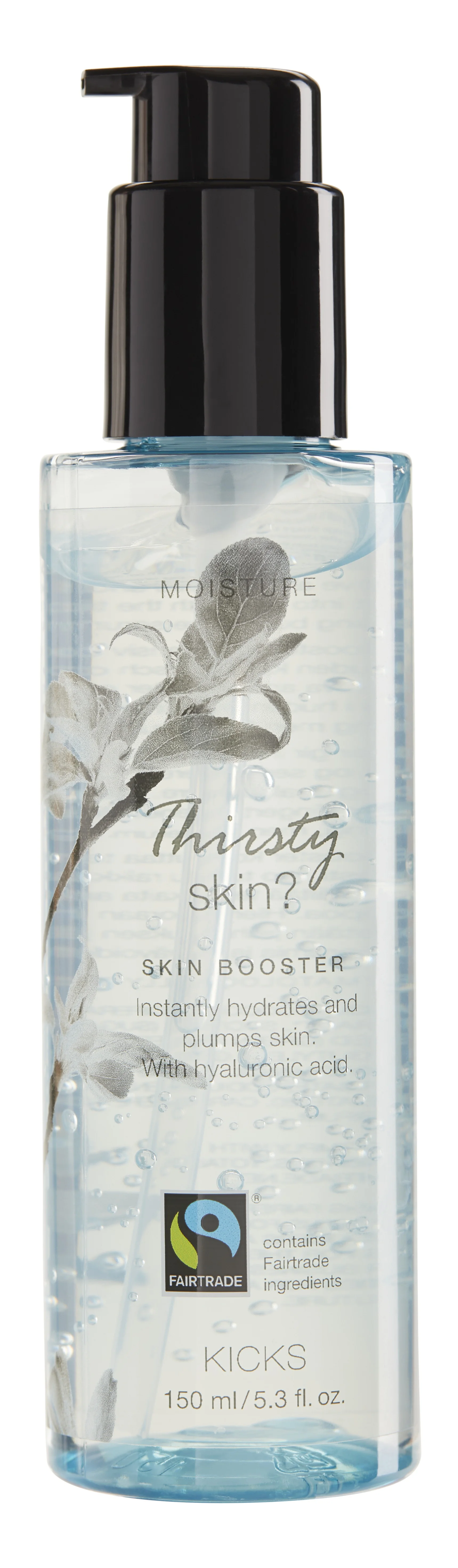
How well does your skin match with Kicks Thirsty skin? Skin booster?
Login to see detailsOr continue via
Quick 1-minute survey • Completely free
Ingredients
Analysis results of Ingredients


Ingredient List
| EWG | CIR | Ingredient Name & Cosmetic Function | Notes |
|---|---|---|---|
| 1 | - | (Solvent) | |
| 1 | - | | |
| 1 | A | (Humectant, Skin Conditioning, Soothing, Flavoring Agent) | |
| 1 | - | |



Kicks Thirsty skin? Skin booster - Ingredient Explanation
Water
1. Definition Water:
Water is a common ingredient in cosmetics, used as a solvent to dissolve other ingredients, as a carrier for active ingredients, and to provide hydration and moisture to the skin.2. Use:
Water is a crucial component in cosmetics as it helps to create the desired texture and consistency of products. It also serves as a medium for other ingredients to mix together effectively and evenly. Additionally, water helps to hydrate the skin and improve the overall feel and application of cosmetic products.3. Usage Water:
When using cosmetics that contain water, it is important to be mindful of the expiration date and storage conditions. Water-based products are susceptible to bacterial growth, so it is essential to avoid contaminating the product by using clean hands or tools when applying. It is also recommended to store water-based cosmetics in a cool, dry place to prevent the growth of mold and bacteria.4. References:
- Draelos, Z. D. (2010). Cosmetic dermatology: products and procedures. John Wiley & Sons.
- Winter, R. (2009). A consumer's dictionary of cosmetic ingredients: complete information about the harmful and desirable ingredients found in cosmetics and cosmeceuticals. Crown.
- Begoun, P. (2003). Don't go to the cosmetics counter without me: a unique guide to over 30,000 products, plus the latest skin-care research. Beginning Press.
Cocos Nucifera Fruit Extract
1. Definition Cocos Nucifera Fruit Extract:
Cocos Nucifera Fruit Extract, also known as coconut fruit extract, is derived from the fruit of the coconut palm tree. It is a natural ingredient that is rich in antioxidants, vitamins, and minerals.2. Use:
Cocos Nucifera Fruit Extract is commonly used in cosmetics for its moisturizing and nourishing properties. It helps to hydrate the skin, improve skin elasticity, and promote a healthy complexion. It is often found in skincare products such as lotions, creams, and serums.3. Usage Cocos Nucifera Fruit Extract:
When using products containing Cocos Nucifera Fruit Extract, it is important to patch test first to check for any allergic reactions. It is generally considered safe for most skin types, but individuals with coconut allergies should avoid products containing this ingredient. It is best to follow the instructions on the product packaging for proper application.4. References:
- Costa, R., Rodrigues, F., & Vicente, A. A. (2013). In vitro antioxidant activity and in vivo anti-inflammatory effect of Cocos nucifera L. (coconut) water. MethodsX, 1, 167-172.
- Evangelista, M. T., Abad-Casintahan, F., & Lopez-Villafuerte, L. (2014). The effect of topical virgin coconut oil on SCORAD index, transepidermal water loss, and skin capacitance in mild to moderate pediatric atopic dermatitis: a randomized, double-blind, clinical trial. International journal of dermatology, 53(1), 100-108.
- Rele, A. S., & Mohile, R. B. (2003). Effect of mineral oil, sunflower oil, and coconut oil on prevention of hair damage. Journal of cosmetic science, 54(2), 175-192.
Sucrose
1. Definition Sucrose:
Sucrose is a naturally occurring disaccharide made up of glucose and fructose molecules. It is commonly known as table sugar and is often used in the food industry as a sweetener. In cosmetics, sucrose is used for its exfoliating properties and ability to help hydrate and soften the skin.2. Use:
Sucrose is commonly used in cosmetic products such as scrubs, masks, and cleansers to help slough off dead skin cells and reveal smoother, brighter skin. Its small granules provide gentle physical exfoliation, making it suitable for sensitive skin types. Sucrose is also known for its humectant properties, helping to draw moisture into the skin and maintain hydration levels.3. Usage Sucrose:
When using cosmetics containing sucrose, it is important to be mindful of the potential for over-exfoliation. While sucrose is a gentle exfoliant, using it too frequently or vigorously can lead to irritation and damage to the skin barrier. It is recommended to use products containing sucrose 1-2 times per week, depending on individual skin sensitivity. Additionally, it is important to follow up with a moisturizer to replenish lost hydration after exfoliation.4. References:
- Draelos, Z. D. (2010). Cosmetic Formulation of Skin Care Products. CRC Press.
- Loden, M., & Maibach, H. I. (2000). Dry Skin and Moisturizers: Chemistry and Function. CRC Press.
- Winter, R. (2009). A Consumer's Dictionary of Cosmetic Ingredients. Crown.
Coffea Canephora Seed Extract
1. Definition Coffea Canephora Seed Extract:
Coffea Canephora Seed Extract, also known as Robusta Coffee Seed Extract, is derived from the seeds of the Coffea Canephora plant. This extract is rich in antioxidants, caffeine, and polyphenols, which have been shown to have various benefits for the skin.2. Use:
Coffea Canephora Seed Extract is commonly used in cosmetics for its antioxidant properties, which help protect the skin from free radical damage and premature aging. It also has anti-inflammatory properties that can help reduce redness and irritation, making it suitable for sensitive skin. Additionally, the caffeine content in the extract can help improve circulation, reduce puffiness, and brighten the skin.3. Usage Coffea Canephora Seed Extract:
Coffea Canephora Seed Extract is typically found in skincare products such as serums, creams, and eye treatments. It can be applied topically to the skin, usually in the morning or evening after cleansing and toning. It is important to follow the product instructions and avoid using it in excessive amounts, as caffeine can be drying and irritating to some individuals. It is recommended to perform a patch test before using products containing this extract to check for any allergic reactions.4. References:
- Sarkar R, Garg V, Bansal S, et al. (2013). Coffee: A Melange of Potentials. Current Pharmaceutical Design, 19(1), 192-198. doi: 10.2174/1381612811306010192
- Martini D, Del Bo C, Tassotti M, et al. (2016). Coffee Consumption and Oxidative Stress: A Review of Human Intervention Studies. Molecules, 21(8), 979. doi: 10.3390/molecules21080979
- Telang PS. (2013). Vitamin C in dermatology. Indian Dermatology Online Journal, 4(2), 143-146. doi: 10.4103/2229-5178.110593
Review








Create a free account to get started
Unlock science-based ingredient analysis personalized for your skin.
Already have an account? Log in
We protect your privacy. We never send spam.