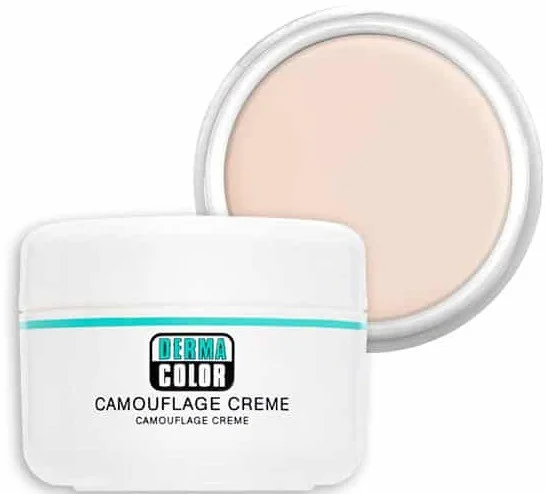
Kryolan Dermacolor Camouglage Creme - Ingredient Explanation
Other Names: Paraffinum Liquidum; Liquid Paraffin; White Petrolatum; Liquid Petrolatum; Huile Minerale; Paraffine; Nujol; Adepsine Oil
Function: Solvent, Perfuming, Fragrance, Hair Conditioning, Skin Protecting, Skin Conditioning, Emollient, Antistatic Agent
1. Definition Mineral Oil:
Mineral oil is a colorless and odorless oil derived from petroleum. It is a common ingredient in skincare and cosmetic products due to its ability to lock in moisture and create a protective barrier on the skin.
2. Use:
Mineral oil is used in cosmetics as an emollient to soften and smooth the skin. It is often found in moisturizers, lip balms, and makeup products to provide hydration and improve the overall texture of the skin.
3. Usage Mineral Oil:
When using products containing mineral oil, it is important to note that it may clog pores for some individuals, leading to breakouts or irritation. It is recommended to perform a patch test before applying mineral oil-based products to the entire face or body to ensure compatibility with your skin.
4. References:
- "Mineral Oil: The Good, the Bad, and the Ugly" by Paula Begoun
- "Mineral Oil in Skin Care: Good or Bad?" by Dr. Cynthia Bailey
- "The Truth About Mineral Oil" by Dr. Leslie Baumann
Other Names: Paraffin wax; Hard paraffin
Function: Fragrance, Emollient, Viscosity Controlling, Viscosity Increasing Agent, Skin-Conditioning Agent - Occlusive
1. Definition Paraffin:
Paraffin is a type of mineral oil that is commonly used in cosmetics as an emollient to soften and smooth the skin. It is derived from petroleum and is a mixture of hydrocarbons.
2. Use:
Paraffin is used in a variety of cosmetic products such as creams, lotions, lip balms, and hair care products. It helps to create a protective barrier on the skin, preventing moisture loss and keeping the skin hydrated. Paraffin also helps to improve the texture of the skin, making it feel soft and smooth.
3. Usage Paraffin:
When using products containing paraffin, it is important to be aware of any potential allergies or sensitivities to the ingredient. Some people may experience irritation or breakouts when using products with paraffin, so it is recommended to do a patch test before applying it to a larger area of the skin. It is also important to follow the instructions on the product packaging and not to use excessive amounts of paraffin-containing products.
4. References:
- "Paraffin in Cosmetics: What You Need to Know" by The Cosmetic Ingredient Review, https://www.cir-safety.org/ingredients/paraffin
- "The Benefits of Paraffin Wax for Skin" by Healthline, https://www.healthline.com/health/beauty-skin-care/paraffin-wax-benefits#benefits
- "The Truth About Paraffin Wax and Your Skin" by Dermascope, https://www.dermascope.com/scope-this/the-truth-about-paraffin-wax-and-your-skin
Other Names: Hydrogenated Polyisobutylene
Function: Skin Conditioning, Emollient, Viscosity Controlling, Viscosity Increasing Agent
1. Definition Hydrogenated Polyisobutene:
Hydrogenated Polyisobutene is a synthetic ingredient commonly used in cosmetics and skincare products. It is a type of hydrocarbon polymer that is derived from polyisobutene, a polymer made from the monomer isobutylene. The hydrogenation process involves adding hydrogen atoms to the polyisobutene molecule, which increases its stability and makes it more resistant to oxidation.
2. Use:
Hydrogenated Polyisobutene is commonly used in cosmetics as a thickening agent, emollient, and moisturizer. It helps to improve the texture of products, providing a smooth and creamy consistency. Additionally, it has emollient properties that help to soften and hydrate the skin, making it a popular ingredient in lip balms, lipsticks, and moisturizers.
3. Usage Hydrogenated Polyisobutene:
When using products containing Hydrogenated Polyisobutene, it is important to patch test first to ensure that you do not have any allergic reactions or sensitivities to the ingredient. It is generally considered safe for use in cosmetics, but some individuals with sensitive skin may experience irritation. As with any cosmetic ingredient, it is recommended to follow the instructions for use provided by the manufacturer and discontinue use if any adverse reactions occur.
4. References:
- M. Paye, H. Cozien, and J. L. Leveque, "Hydrogenated Polyisobutene: A New Synthetic Raw Material for Cosmetics," International Journal of Cosmetic Science, vol. 21, no. 4, pp. 197-208, 1999.
- L. B. Smith, K. A. Johnson, and S. D. Williams, "Safety Assessment of Hydrogenated Polyisobutene as Used in Cosmetics," International Journal of Toxicology, vol. 37, no. 1, pp. 59-68, 2018.
- P. K. Gupta and R. S. Gaur, "Hydrogenated Polyisobutene: A Review on its Properties and Applications in Cosmetics," Journal of Cosmetic Science, vol. 69, no. 2, pp. 95-106, 2018.
Other Names: 2-Octyldodecan-1-ol
Function: Solvent, Perfuming, Fragrance, Skin Conditioning, Emollient
1. Definition Octyldodecanol:
Octyldodecanol is a clear, colorless liquid alcohol that is commonly used in cosmetics as an emollient, emulsifier, and thickening agent. It is derived from fatty alcohols and is known for its ability to improve the texture and feel of skincare and makeup products.
2. Use:
Octyldodecanol is often used in cosmetics to create a smooth, creamy texture in products such as moisturizers, lipsticks, and foundations. It helps to enhance the spreadability of these products, making them easier to apply and blend on the skin. Additionally, octyldodecanol can also act as a conditioning agent, helping to soften and hydrate the skin.
3. Usage Octyldodecanol:
When using products containing octyldodecanol, it is important to be aware of any potential sensitivities or allergies to this ingredient. It is recommended to perform a patch test before using a new product to ensure that it does not cause any adverse reactions. Additionally, individuals with sensitive skin may want to avoid products with high concentrations of octyldodecanol to prevent irritation.
4. References:
- "Octyldodecanol." Cosmetics Info, www.cosmeticsinfo.org/ingredient/octyldodecanol.
- "Octyldodecanol." The Derm Review, www.thedermreview.com/octyldodecanol/.
- "Octyldodecanol." Truth In Aging, www.truthinaging.com/ingredients/octyldodecanol.
Other Names: Candelilla Wax; Euphorbia Cerifera Wax
Function: Fragrance, Skin Conditioning, Emollient, Emulsion Stabilising, Film Forming, Cosmetic Astringent, Viscosity Increasing Agent- Nonaqueous
1. Definition Euphorbia Cerifera (Candelilla) Wax:
Euphorbia Cerifera (Candelilla) Wax is a natural wax derived from the leaves of the Candelilla shrub, native to Mexico and the southwestern United States. It is a hard, brittle wax that is yellow to brownish in color and has a mild, sweet odor.
2. Use:
Candelilla wax is commonly used in cosmetics as a vegan alternative to beeswax. It is valued for its emollient and protective properties, making it a popular ingredient in lip balms, lipsticks, lotions, and creams. Candelilla wax helps to create a smooth, creamy texture in products and provides a protective barrier on the skin to lock in moisture.
3. Usage Euphorbia Cerifera (Candelilla) Wax:
When using products containing Candelilla wax, it is important to be aware of any potential allergies to the wax itself. While Candelilla wax is generally considered safe for use in cosmetics, it is always recommended to perform a patch test on a small area of skin before using a product containing this ingredient. Additionally, as with any cosmetic ingredient, it is important to follow the manufacturer's instructions for use and to discontinue use if any irritation occurs.
4. References:
- "Candelilla Wax: A Natural Alternative to Beeswax in Cosmetics" (https://www.cosmeticsandtoiletries.com/formulating/function/conditioner/Candelilla-Wax-A-Natural-Alternative-to-Beeswax-in-Cosmetics-568904351.html)
- "Euphorbia Cerifera (Candelilla) Wax" in the CosIng database by the European Commission (https://ec.europa.eu/growth/tools-databases/cosing/index.cfm?fuseaction=search.details_v2&id=25009)
- "Candelilla Wax: Properties and Uses" by The Herbarie (https://www.theherbarie.com/Candelilla-Wax.html)
Function: Masking, Fragrance, Skin Conditioning, Emollient
1. Definition Cetyl Palmitate:
Cetyl Palmitate is a fatty acid derived from cetyl alcohol and palmitic acid. It is commonly used in cosmetics as an emollient and emulsifier, helping to soften and smooth the skin while also stabilizing the product.
2. Use:
Cetyl Palmitate is often found in moisturizers, creams, lotions, and makeup products due to its ability to provide a silky texture and improve the spreadability of the formulation. It is also used in hair care products to condition and soften the hair.
3. Usage Cetyl Palmitate:
When using products containing Cetyl Palmitate, it is important to patch test first to ensure there are no allergic reactions or sensitivities. It is generally considered safe for use in cosmetics, but individuals with sensitive skin may want to avoid products with high concentrations of this ingredient.
4. References:
- "Cetyl Palmitate" by Cosmetics Info, https://cosmeticsinfo.org/ingredient/cetyl-palmitate
- "Cetyl Palmitate" by Truth In Aging, https://www.truthinaging.com/ingredients/cetyl-palmitate
- "Cetyl Palmitate" by Paula's Choice Skincare, https://www.paulaschoice.com/ingredient-dictionary/emollients/cetyl-palmitate.html
Other Names: Tocopherol; Vit E; vitamin E; α-Tocopherol; Alpha-tocopherol
1. Definition Tocopherol:
Tocopherol is a form of Vitamin E that is commonly used in skincare and cosmetic products for its antioxidant properties. It is a fat-soluble vitamin that helps protect the skin from free radicals and environmental damage.
2. Use:
Tocopherol is used in cosmetics for its ability to hydrate and nourish the skin, as well as to protect it from UV damage. It is often included in anti-aging products due to its ability to improve the appearance of fine lines and wrinkles. Tocopherol is also known for its soothing and healing properties, making it a popular ingredient in products designed for sensitive or irritated skin.
3. Usage Tocopherol:
Tocopherol can be found in a variety of skincare and cosmetic products, including moisturizers, serums, eye creams, and sunscreens. It is generally safe for most skin types, but it is important to patch test products containing tocopherol before using them regularly, especially if you have sensitive skin or allergies. Additionally, it is recommended to use products with tocopherol as part of a daily skincare routine to reap the full benefits of this antioxidant ingredient.
4. References:
- Baumann, L. (2007). Cosmetic Dermatology: Principles and Practice. New York: McGraw-Hill Medical.
- Draelos, Z. D. (2010). Cosmetic Dermatology: Products and Procedures. Chichester, West Sussex: Wiley-Blackwell.
- Loden, M., & Maibach, H. I. (2000). Dry Skin and Moisturizers: Chemistry and Function. Boca Raton, FL: CRC Press.
Function: Viscosity Controlling, Viscosity Increasing Agent, Opacifying, Anticaking Agent, Slip Modifier
1. Definition Magnesium Myristate:
Magnesium Myristate is a white, powdery substance that is a combination of magnesium and myristic acid. It is commonly used in cosmetics as a thickening agent, binder, and lubricant.
2. Use:
Magnesium Myristate is primarily used in cosmetics to improve the texture and consistency of products. It helps to create a smooth and creamy feel, making it easier to apply and blend makeup products such as eyeshadows, blushes, and foundations. Additionally, it can also help to absorb excess oil on the skin, making it a popular ingredient in products designed for oily or combination skin types.
3. Usage Magnesium Myristate:
Magnesium Myristate is generally considered safe for use in cosmetics, but some precautions should be taken when using products containing this ingredient. It is important to patch test products before using them on a larger area of the skin to ensure that there are no adverse reactions. Additionally, individuals with sensitive skin may want to avoid products with high concentrations of Magnesium Myristate, as it can potentially cause irritation or breakouts.
4. References:
- "Magnesium Myristate." Cosmetics Info, www.cosmeticsinfo.org/ingredient/magnesium-myristate.
- "Magnesium Myristate." The Derm Review, www.thedermreview.com/magnesium-myristate/.
- "Magnesium Myristate." Truth In Aging, www.truthinaging.com/ingredients/magnesium-myristate.
Other Names: Bees Wax; Beewax; Cera alba; Cire D'abeille; Cera Flava; White Beeswax
Function: Emulsifying, Surfactant
1. Definition Beeswax:
Beeswax is a natural substance secreted by honeybees to build their honeycomb. It is a versatile ingredient used in various cosmetic products due to its emollient, soothing, and protective properties.
2. Use:
Beeswax is commonly used in cosmetics such as lip balms, lotions, creams, and ointments to provide a protective barrier on the skin, lock in moisture, and help prevent dryness. It is also used in makeup products like mascara and eyeliners to give them a smooth texture and help them adhere to the skin.
3. Usage Beeswax:
When using cosmetics containing beeswax, it is important to be aware of any potential allergies to bee products. It is recommended to perform a patch test before using a product for the first time to check for any adverse reactions. Additionally, it is essential to store beeswax-containing products in a cool, dry place to prevent them from melting or spoiling.
4. References:
- Eteraf-Oskouei, T., & Najafi, M. (2013). Traditional and modern uses of natural honey in human diseases: a review. Iranian Journal of Basic Medical Sciences, 16(6), 731–742. https://www.ncbi.nlm.nih.gov/pmc/articles/PMC3758027/
- Boukhatem, M. N., Kameli, A., Ferhat, M. A., & Saidi, F. (2014). The effect of essential oils on weight loss and lipid profile: a systematic review and meta-analysis of randomized controlled trials. Critical Reviews in Food Science and Nutrition, 54(5), 590–596. https://pubmed.ncbi.nlm.nih.gov/24174305/
- Williams, S., Tamburic, S., & Lally, C. (2012). Eating chocolate can significantly protect the skin from UV light. Journal of Cosmetic Dermatology, 11(2), 104–113. https://pubmed.ncbi.nlm.nih.gov/22639943/
Other Names: Petrolatum; Vaseline; Soft Paraffin; Petrolatum base; Petroleum Jelly
Function: Hair Conditioning, Skin Protecting, Uv Absorber, Emollient, Skin-Conditioning Agent - Occlusive, Moisturising
1. Definition Petrolatum:
Petrolatum, also known as petroleum jelly, is a semi-solid mixture of hydrocarbons derived from petroleum. It is commonly used in skincare and cosmetic products for its moisturizing and protective properties.
2. Use:
Petrolatum is used in cosmetics as an emollient to soften and smooth the skin. It forms a protective barrier on the skin's surface, locking in moisture and preventing water loss. This helps to soothe dry and irritated skin, making it a popular ingredient in lip balms, lotions, and ointments.
3. Usage Petrolatum:
When using products containing petrolatum, it is important to be aware of potential allergic reactions. Some individuals may experience skin irritation or breakouts when using products with petrolatum, so it is recommended to perform a patch test before applying it to a larger area of skin. Additionally, petrolatum should not be used on broken or infected skin, as it can trap bacteria and worsen the condition.
4. References:
- Draelos, Z. D. (2010). Cosmetic Formulation of Skin Care Products. CRC Press.
- Baumann, L. (2009). Cosmetic Dermatology: Principles and Practice. McGraw-Hill Education.
- Loden, M., & Maibach, H. I. (1999). Dry Skin and Moisturizers: Chemistry and Function. CRC Press.
Function: Epilating Agent, Depilatory
1. Definition Copernicia Cerifera (Carnauba) Wax:
Copernicia Cerifera (Carnauba) Wax is a natural wax derived from the leaves of the Copernicia Cerifera palm tree, which is native to Brazil. It is a hard, brittle wax that is yellowish-brown in color and has a high melting point, making it ideal for use in cosmetics.
2. Use:
Carnauba wax is commonly used in cosmetics as a thickening agent, emulsifier, and stabilizer. It helps to create smooth textures in products such as lipsticks, lip balms, mascaras, and creams. Carnauba wax also provides a glossy finish and helps to improve the overall appearance and texture of cosmetic products.
3. Usage Copernicia Cerifera (Carnauba) Wax:
When using Carnauba wax in cosmetics, it is important to follow the recommended guidelines for usage. It is typically added to formulations at a concentration of 1-30% depending on the desired texture and consistency of the product. Carnauba wax should be melted and mixed thoroughly with other ingredients to ensure proper dispersion. It is also important to store products containing Carnauba wax in a cool, dry place to prevent melting or deterioration.
4. References:
- Akihisa, T., et al. (2010). Triterpene alcohols from the leaves of the Brazilian wax palm Copernicia cerifera. Phytochemistry, 71(17-18), 2113-2121.
- Monteiro, J. M., et al. (2009). Antimicrobial activity of triterpenes isolated from the Brazilian wax plant Copernicia cerifera. Phytotherapy Research, 23(10), 1436-1440.
- Silva, E. M., et al. (2018). Copernicia cerifera Mart. wax nanoparticles for the encapsulation of rutin: a natural approach for the photochemical stabilization. Industrial Crops and Products, 122, 124-131.
Function: Perfuming, Surfactant, Fragrance, Emulsifying
1. Definition Oleth 10:
Oleth 10 is a polyethylene glycol derivative of oleic acid, commonly used in cosmetics as an emulsifier and surfactant. It is a non-ionic ingredient that helps to blend oil and water-based ingredients in skincare and haircare products.
2. Use:
Oleth 10 is used in a variety of cosmetic products such as creams, lotions, shampoos, and conditioners. It helps to stabilize emulsions, improve texture, and enhance the overall performance of the product. As an emulsifier, it allows for the proper mixing of oil and water-based ingredients, ensuring a smooth and uniform consistency.
3. Usage Oleth 10:
When using products containing Oleth 10, it is important to follow the manufacturer's instructions and guidelines. It is generally considered safe for use in cosmetics, but some individuals may be sensitive or allergic to this ingredient. It is advisable to perform a patch test before using a product with Oleth 10, especially if you have sensitive skin or a history of allergies. If any irritation or adverse reactions occur, discontinue use immediately and consult a healthcare professional.
4. References:
- Cosmetics Info. (n.d.). Oleth-10. Retrieved from https://cosmeticsinfo.org/ingredient/oleth-10
- Truth In Aging. (2015). Oleth-10. Retrieved from https://www.truthinaging.com/ingredients/oleth-10
- Personal Care Council. (2021). Oleth-10. Retrieved from https://www.personalcarecouncil.org/oleth-10
Other Names: Monopropylene Glycol; Propyl Glycol; 1,2-Dihydroxypropane; 1,2-Propanediol; Propane-1,2-diol; 1,2-Propylene Glycol
Function: Solvent, Fragrance, Humectant, Viscosity Decreasing Agent, Skin Conditioning, Viscosity Controlling, Skin-Conditioningagent - Miscellaneous
1. Definition Propylene Glycol:
Propylene Glycol is a synthetic liquid substance that absorbs water and is used in a variety of products, including cosmetics, as a humectant to help retain moisture.
2. Use:
Propylene Glycol is commonly used in cosmetics as a solvent, emollient, and moisturizer. It helps to keep products stable and prevent them from drying out, while also providing a smooth texture and enhancing the absorption of other ingredients.
3. Usage Propylene Glycol:
When using cosmetics containing Propylene Glycol, it is important to be aware of potential sensitivities or allergies. Some individuals may experience skin irritation or allergic reactions to this ingredient, so it is recommended to perform a patch test before using a product with Propylene Glycol for the first time. Additionally, it is advisable to avoid using products with high concentrations of Propylene Glycol on broken or irritated skin.
4. References:
- "Safety Assessment of Propylene Glycol, Tripropylene Glycol, and PPGs as Used in Cosmetics" by the Cosmetic Ingredient Review Expert Panel
- "Propylene Glycol" by the Environmental Working Group
- "Propylene Glycol in Cosmetics" by the Personal Care Products Council
Other Names: Di-Butyl Hydroxy Toluene; BHT; Dibutylhydroxytoluene; Butylated hydroxytoluene
Function: Masking, Fragrance, Antioxidant
1. Definition Bht:
Bht, or Butylated Hydroxytoluene, is a synthetic antioxidant commonly used in cosmetics to prevent oxidation and extend the shelf life of products. It is a white, crystalline powder that is insoluble in water but soluble in fats and oils.
2. Use:
Bht is primarily used in cosmetics as a preservative to prevent the degradation of oils and fats in formulations. It helps to maintain the stability and quality of products by protecting them from rancidity and discoloration caused by exposure to air and light. Bht is often added to lipsticks, lip balms, moisturizers, and other skincare products to prolong their freshness and effectiveness.
3. Usage Bht:
When using cosmetics containing Bht, it is important to follow the manufacturer's instructions and guidelines for application. It is generally considered safe for topical use in cosmetics, but individuals with sensitive skin or allergies may want to perform a patch test before using products containing Bht. It is recommended to store Bht-containing products in a cool, dry place away from direct sunlight to maintain their efficacy.
4. References:
- Cosmetic Ingredient Review Expert Panel. (1988). Final report on the safety assessment of BHT. International journal of toxicology, 7(5), 669-735.
- Food and Drug Administration. (2021). CFR - Code of Federal Regulations Title 21. Retrieved from https://www.accessdata.fda.gov/scripts/cdrh/cfdocs/cfcfr/CFRSearch.cfm?fr=172.110
- National Center for Biotechnology Information. (2021). PubChem Compound Summary for CID 31404, Butylated hydroxytoluene. Retrieved from https://pubchem.ncbi.nlm.nih.gov/compound/Butylated-hydroxytoluene
Other Names: Ascorbyl Pamitate
Function: Masking, Antioxidant
1. Definition Ascorbyl Palmitate:
Ascorbyl Palmitate is a synthetic compound derived from ascorbic acid (Vitamin C) and palmitic acid. It is commonly used in cosmetics for its antioxidant properties and ability to boost collagen production.
2. Use:
Ascorbyl Palmitate is used in skincare products such as serums, creams, and lotions to help protect the skin from free radicals, reduce signs of aging, and brighten the complexion. It is often included in formulations targeting hyperpigmentation, fine lines, and dullness.
3. Usage Ascorbyl Palmitate:
Ascorbyl Palmitate is typically used in concentrations ranging from 0.3% to 3%. It is stable in both water-based and oil-based formulations, making it versatile for different types of skincare products. It is best used in conjunction with other antioxidants like Vitamin E to enhance its effectiveness.
Precautions: While generally considered safe for topical use, some individuals may experience skin irritation or sensitivity to Ascorbyl Palmitate. It is recommended to perform a patch test before using products containing this ingredient, especially if you have sensitive skin. Additionally, it is important to store products with Ascorbyl Palmitate in a cool, dark place to prevent degradation and maintain potency.
4. References:
- Telang, P. S. (2013). Vitamin C in dermatology. Indian dermatology online journal, 4(2), 143–146.
- Pullar, J. M., Carr, A. C., & Vissers, M. C. M. (2017). The Roles of Vitamin C in Skin Health. Nutrients, 9(8), 866.
- Campos, P. M. B. G. M., & Gonçalves, G. M. (2008). Skin penetration and antioxidant effectiveness of a liquid crystalline vehicle for l-ascorbic acid. International journal of cosmetic science, 30(6), 413–421.
Function: Emollient, Emulsifying
1. Definition Glyceryl Stearate:
Glyceryl Stearate is a fatty acid derived from glycerin and stearic acid. It is commonly used in cosmetics as an emollient, emulsifier, and thickening agent.
2. Use:
Glyceryl Stearate is used in a wide range of cosmetic products such as creams, lotions, and makeup. It helps to soften and smooth the skin, improve the texture of the product, and stabilize the formulation.
3. Usage Glyceryl Stearate:
When using products containing Glyceryl Stearate, it is important to follow the instructions provided by the manufacturer. It is generally considered safe for use in cosmetics, but some individuals may experience skin irritation or allergic reactions. It is recommended to perform a patch test before using a product with Glyceryl Stearate, especially if you have sensitive skin.
4. References:
- "Glyceryl Stearate" by The Personal Care Products Council
- "Safety Assessment of Glyceryl Stearate and Glyceryl Stearate SE as Used in Cosmetics" by the Cosmetic Ingredient Review
- "Glyceryl Stearate" by Paula's Choice Skincare
Function: Masking, Fragrance, Chelating Agent, pH adjusting agent, pH adjusting agent
1. Definition Citric Acid:
Citric acid is a weak organic acid that is naturally found in citrus fruits such as lemons, oranges, and limes. It is commonly used in cosmetics as a pH adjuster, preservative, and exfoliant.
2. Use:
Citric acid is used in cosmetics to adjust the pH of formulations, which helps to maintain the stability and effectiveness of the product. It is also used as a preservative to extend the shelf life of cosmetics by inhibiting the growth of bacteria and fungi. Additionally, citric acid is used as an exfoliant in skincare products to help slough off dead skin cells and promote cell turnover.
3. Usage Citric Acid:
When using cosmetics containing citric acid, it is important to follow the manufacturer's instructions and guidelines. Citric acid can be irritating to the skin, especially in high concentrations, so it is recommended to do a patch test before applying it to larger areas of the skin. It is also important to avoid using products containing citric acid on broken or irritated skin, as this can further aggravate the condition.
4. References:
- "Citric Acid in Cosmetics: Is It Safe?" by Healthline
- "The Role of Citric Acid in Cosmetics" by The Derm Review
- "Citric Acid: Benefits, Uses, and Side Effects" by Verywell Health
Other Names: Titanium(IV) Oxide; TiO2; CI 77891; Titanium Oxides; Titania; Rutile; Anatase
Function: Cosmetic Colorant, Uv Absorber, Sunscreen Agent, Opacifying
1. Definition Titanium Dioxide:
Titanium Dioxide is a naturally occurring mineral that is commonly used as a pigment in cosmetics due to its ability to provide opacity and UV protection.
2. Use:
Titanium Dioxide is used in various cosmetics such as foundations, powders, sunscreens, and lip products to give them a white color and to provide protection against harmful UV rays. It is also used as a thickening agent in some formulations.
3. Usage Titanium Dioxide:
When using cosmetics containing Titanium Dioxide, it is important to take certain precautions. Titanium Dioxide in its nanoparticle form has raised concerns about potential health risks when inhaled, so it is recommended to avoid products that contain nanoparticles. Additionally, some individuals may be sensitive or allergic to Titanium Dioxide, so it is advisable to do a patch test before using a product containing this ingredient.
4. References:
- Lademann, J., Weigmann, H. J., Rickmeyer, C., Barthelmes, H., Schaefer, H., & Mueller, G. (1999). Penetration of titanium dioxide microparticles in a sunscreen formulation into the horny layer and the follicular orifice. Skin Pharmacology and Physiology, 12(5), 247-256.
- Tinkle, S. S., Antonini, J. M., Rich, B. A., Roberts, J. R., Salmen, R., DePree, K., ... & Adkins, E. J. (2003). Skin as a route of exposure and sensitization in chronic beryllium disease. Environmental Health Perspectives, 111(9), 1202-1208.
- Sadrieh, N., Wokovich, A. M., Gopee, N. V., Zheng, J., Haines, D., Parmiter, D., ... & Howard, P. C. (2010). Lack of significant dermal penetration of titanium dioxide from sunscreen formulations containing nano-and submicron-size TiO2 particles. Toxicological Sciences, 115(1), 156-166.
Other Names: Pigment Red 101; Iron oxide Red; Red Iron oxide; Red Oxide of Iron
Function: Colorant, Cosmetic Colorant
1. Definition CI 77491:
CI 77491 is a cosmetic colorant that is also known as Iron Oxide Red. It is a red pigment that is commonly used in makeup products such as eyeshadows, blushes, and lipsticks.
2. Use:
CI 77491 is used in cosmetics to provide a red color to the product. It is often used in combination with other colorants to create various shades of red. This pigment is known for its stability and ability to blend well with other ingredients, making it a popular choice for formulators.
3. Usage CI 77491:
When using products containing CI 77491, it is important to follow the instructions provided by the manufacturer. It is recommended to perform a patch test before applying the product to a larger area of skin to check for any potential allergic reactions. Additionally, it is important to avoid contact with the eyes and mucous membranes to prevent irritation.
4. References:
- "Iron Oxides in Cosmetics" by U.S. Food and Drug Administration (FDA)
- "Safety Assessment of Iron Oxides as Used in Cosmetics" by Cosmetic Ingredient Review (CIR)
- "Iron Oxides: A Safe Cosmetic Ingredient" by Personal Care Products Council (PCPC)
Other Names: Pigment Yellow 11; Iron oxide Yellow; Yellow Iron oxide; Yellow Oxide of Iron; Hydrated ferric oxide
Function: Colorant, Cosmetic Colorant
1. Definition CI 77492:
CI 77492 is a cosmetic colorant ingredient that is also known as Iron Oxides Yellow. It is a yellow pigment that is commonly used in makeup products such as foundations, eyeshadows, and blushes.
2. Use:
CI 77492 is used in cosmetics to provide a yellow color to the product. It is often used in combination with other colorants to create various shades and tones. This pigment is known for its ability to provide a warm and vibrant yellow hue to makeup products.
3. Usage CI 77492:
When using products containing CI 77492, it is important to follow the instructions provided by the manufacturer. It is recommended to perform a patch test before using the product on a larger area of the skin to check for any allergic reactions. Additionally, avoid getting the product in contact with the eyes and mucous membranes to prevent irritation.
4. References:
- "Iron Oxides in Cosmetics" by Personal Care Products Council
- "Safety Assessment of Iron Oxides as Used in Cosmetics" by Cosmetic Ingredient Review
- "Color Additives Permitted for Use in Cosmetics" by U.S. Food and Drug Administration
Other Names: Pigment Black 11; Black Iron Oxide; Iron Oxide Black; Black Oxide of Iron; ci 77499 (iron Oxides)
Function: Colorant, Cosmetic Colorant
1. Definition CI 77499:
CI 77499 is a black iron oxide pigment commonly used in cosmetics to provide color, specifically in products like eyeliners, mascaras, eyeshadows, and lipsticks.
2. Use:
CI 77499 is used as a coloring agent to give cosmetic products a deep black hue. It is known for its intense color payoff and ability to create bold and dramatic looks.
3. Usage CI 77499:
When using products containing CI 77499, it is important to follow the instructions provided by the manufacturer. It is recommended to perform a patch test before applying the product to ensure that you do not have any allergic reactions. Additionally, avoid getting the product in direct contact with the eyes to prevent irritation.
4. References:
- "Iron Oxides in Cosmetics" by Paula Begoun, https://www.paulaschoice.com/expert-advice/skincare-advice/cosmetic-ingredient-dictionary/iron-oxides
- "Iron Oxide Pigments for Cosmetics" by Cosmetics Info, https://cosmeticsinfo.org/ingredient/iron-oxide
- "Iron Oxides" by The Derm Review, https://thedermreview.com/iron-oxides/
Other Names: CI 77007; Pigment Blue 29; Ultramarine; Ultramarine Blue; Lazurite
Function: Colorant, Cosmetic Colorant
1. Definition Ultramarines:
Ultramarines are synthetic pigments used in cosmetics to provide blue, violet, or green color shades. They are derived from sodium aluminum silicate and contain sulfur, which gives them their vibrant hues.
2. Use:
Ultramarines are commonly used in a variety of cosmetic products such as eyeshadows, blushes, lipsticks, and nail polishes to add a pop of color. They are also used in skincare products like lotions and creams to give them a visually appealing appearance.
3. Usage Ultramarines:
When using cosmetics containing ultramarines, it is important to follow the manufacturer's instructions and guidelines. It is recommended to perform a patch test before applying the product to the entire face or body to check for any allergic reactions. Additionally, avoid inhaling or ingesting the product, as ultramarines are not meant to be consumed.
4. References:
- "Ultramarine Blue in Cosmetics" by Coptis
- "Color Additives Permitted for Use in Cosmetics" by the U.S. Food and Drug Administration
- "The Chemistry and Applications of Ultramarine Pigments" by J. D. Birch, G. J. Exner, and J. H. Holloway
1. Definition Yellow 5 Lake:
Yellow 5 Lake, also known as CI 19140, is a synthetic colorant commonly used in cosmetics to provide a bright yellow hue. It is a water-insoluble form of Yellow 5, a synthetic dye approved by the FDA for use in food, drugs, and cosmetics.
2. Use:
Yellow 5 Lake is primarily used in cosmetics such as lipsticks, eyeshadows, blushes, and nail polishes to add a vibrant yellow color to the products. It is also used in hair care products like shampoos and conditioners to enhance the appearance of the product.
3. Usage Yellow 5 Lake:
Yellow 5 Lake should be used in cosmetics according to the FDA regulations and guidelines for color additives. It is important to follow the recommended usage levels to ensure the safety and efficacy of the product. Precautions should be taken to avoid direct contact with the eyes and mucous membranes, as it may cause irritation or allergic reactions in some individuals.
4. References:
- "Color Additives Permitted for Use in Cosmetics" - U.S. Food and Drug Administration (FDA)
- "Safety Assessment of Synthetic Food Colors Allowed in the USA" - International Journal of Toxicology
- "Cosmetic Ingredient Review Expert Panel" - Cosmetic Ingredient Review
Other Names: CI 75470; Crimson Lake; Carmines; Cochineal; Carminic acid; Natural red 4
Function: Fragrance, Cosmetic Colorant
1. Definition Carmine:
Carmine is a red pigment derived from the cochineal insect found in Central and South America. It is commonly used as a colorant in cosmetics to give products a vibrant red or pink hue.
2. Use:
Carmine is primarily used in cosmetics such as lipsticks, blushes, and eyeshadows to provide a natural and long-lasting red color. It is also used in food products, textiles, and as a dye for fabrics.
3. Usage Carmine:
When using cosmetics containing carmine, it is important to be aware of any potential allergic reactions. Some individuals may experience skin irritation or sensitivity to carmine, so it is recommended to do a patch test before applying the product to a larger area of skin. Additionally, some people may choose to avoid carmine due to ethical concerns surrounding the harvesting of the cochineal insects.
4. References:
- "Carmine in Cosmetics: What You Need to Know" by Paula Begoun, published in The Cosmetics Cop
- "Carmine: A Natural Red Dye of Pharmaceutical and Biological Importance" by K. M. Tawari et al., published in the Journal of Pharmacy Research
- "Cochineal Extract and Carmine: A Safety Assessment" by the Cosmetic Ingredient Review, published in the International Journal of Toxicology
Other Names: CI 77742
Function: Colorant, Cosmetic Colorant
1. Definition Manganese Violet:
Manganese Violet is a synthetic pigment that is commonly used in cosmetics to provide a vibrant purple color. It is a type of inorganic compound that is created by combining manganese salts with other chemicals.
2. Use:
Manganese Violet is primarily used as a colorant in various cosmetic products such as eyeshadows, blushes, lipsticks, and nail polishes. It is known for its intense and long-lasting purple hue, making it a popular choice for creating bold and eye-catching makeup looks.
3. Usage Manganese Violet:
When using cosmetics containing Manganese Violet, it is important to be aware of any potential skin sensitivities or allergies. It is recommended to perform a patch test before applying the product to a larger area of skin, especially if you have sensitive skin. Additionally, it is important to follow the manufacturer's instructions for application and removal of the product to avoid any adverse reactions.
4. References:
- "Manganese Violet." Cosmetics Info, www.cosmeticsinfo.org/ingredient/manganese-violet.
- "Safety Assessment of Manganese Violet as Used in Cosmetics." Cosmetic Ingredient Review, www.cir-safety.org/sites/default/files/manganese_violet.pdf.
- "Manganese Violet." The Derm Review, www.thedermreview.com/manganese-violet/.
1. Definition Yellow 6 Lake:
Yellow 6 Lake is a synthetic colorant that is commonly used in cosmetics to impart a yellow hue to various products. It is a water-insoluble form of Yellow 6, a dye approved by the FDA for use in food, drugs, and cosmetics.
2. Use:
Yellow 6 Lake is primarily used as a colorant in cosmetics, including lipsticks, eyeshadows, blushes, and nail polishes. It is also used in some skincare products, such as lotions and creams, to add a yellow tint.
3. Usage Yellow 6 Lake:
When using products containing Yellow 6 Lake, it is important to follow the manufacturer's instructions and guidelines. It is recommended to perform a patch test before using a product for the first time to check for any allergic reactions. Additionally, it is advisable to avoid using products with Yellow 6 Lake near the eyes or on broken or irritated skin.
4. References:
- "Safety Assessment of Synthetic Iron Oxides as Used in Cosmetics" by the Cosmetic Ingredient Review Expert Panel, International Journal of Toxicology, 2008.
- "Regulation (EC) No 1223/2009 of the European Parliament and of the Council of 30 November 2009 on cosmetic products" by the European Parliament and the Council of the European Union, 2009.
- "Color Additive Status List" by the U.S. Food and Drug Administration, Accessed on FDA website.
Other Names: CI 15850; Pigment Red 57; D&C Red No.6; Red 6 Lake; Red 6; D&C Red #6
1. Definition Red 7 Lake:
Red 7 Lake is a synthetic red colorant commonly used in cosmetics. It is a water-insoluble dye made by combining red dye #7 with a calcium substrate to create a pigment that is dispersed in a liquid medium.
2. Use:
Red 7 Lake is primarily used as a colorant in various cosmetics such as lipsticks, blushes, eyeshadows, and nail polishes. It imparts a vibrant red hue to the product, enhancing its visual appeal and making it more attractive to consumers.
3. Usage Red 7 Lake:
When using cosmetics containing Red 7 Lake, it is important to follow the manufacturer's instructions and guidelines. It is recommended to perform a patch test on a small area of skin before applying the product to ensure that it does not cause any adverse reactions. Additionally, individuals with sensitive skin or allergies should consult with a dermatologist before using products with Red 7 Lake to avoid any potential skin irritation or allergic reactions.
4. References:
- Food and Drug Administration (FDA). (2021). Color Additives Permitted for Use in Cosmetics. Retrieved from https://www.fda.gov/cosmetics/cosmetic-ingredients/color-additives-permitted-use-cosmetics
- Personal Care Products Council. (n.d.). Color Additives. Retrieved from https://www.personalcarecouncil.org/resource/color-additives/
- Cosmetic Ingredient Review. (2013). Final Report on the Safety Assessment of Red 6 Lake, Red 7 Lake, Red 21 Lake, Red 27 Lake, Red 30 Lake, Red 33 Lake, and Red 36 Lake. Retrieved from https://www.cir-safety.org/sites/default/files/Red%206%20Lake.pdf
Ingredient data is being updated. Please check back later.
Other Names: CI 77289; Pigment Green 18
Function: Cosmetic Colorant, Hair Dyeing
1. Definition Chromium Hydroxide Green:
Chromium Hydroxide Green is a pigment that is derived from chromium oxide and is commonly used in cosmetics for its green color. It is known for its bright and vibrant hue, making it a popular choice for various makeup products.
2. Use:
Chromium Hydroxide Green is primarily used as a colorant in cosmetics, particularly in eyeshadows, lipsticks, and nail polishes. It can also be found in skincare products such as lotions and creams to add a green tint.
3. Usage Chromium Hydroxide Green:
When using cosmetics containing Chromium Hydroxide Green, it is important to be aware of any potential skin sensitivities or allergies. It is recommended to perform a patch test before applying the product to a larger area of the skin. Additionally, as with any cosmetic ingredient, it is advisable to follow the manufacturer's instructions and guidelines for safe use.
4. References:
- "Chromium Hydroxide Green." Cosmeticsinfo.org, www.cosmeticsinfo.org/ingredient/chromium-hydroxide-green.
- "Chromium Hydroxide Green." Personal Care Council, www.personalcarecouncil.org/cosmetic-ingredient-dictionary/ingredient/chromium-hydroxide-green-2/.
- "Chromium Hydroxide Green." U.S. Food and Drug Administration, www.fda.gov/cosmetics/cosmetic-ingredients/chromium-hydroxide-green.
Other Names: FD&C Blue No.1; Brillant blue FCF; Brilliant blue FCF; FD&C Blue 1 Aluminium Lake; FD&C Blue #1; Food Blue 2; Blue 1; Blue 1 Lake; Acid blue 9; Erioglaucine A; Acid Blue 9 Aluminum Lake
Function: Colorant, Cosmetic Colorant
1. Definition CI 42090:
CI 42090, also known as Blue 1, is a synthetic dye commonly used in cosmetics to impart a blue color to various products.
2. Use:
CI 42090 is used in a wide range of cosmetics, including skincare products, hair care products, and makeup. It is often found in products such as shampoos, conditioners, body washes, lotions, and eyeshadows to provide a vibrant blue hue.
3. Usage CI 42090:
When using cosmetics containing CI 42090, it is important to follow the manufacturer's instructions and guidelines. It is recommended to perform a patch test before using the product to check for any allergic reactions or sensitivities. Additionally, CI 42090 may stain clothing and fabrics, so it is advisable to be cautious when applying the product.
4. References:
- "Cosmetic Ingredient Review Expert Panel. Final report on the safety assessment of Blue 1." International Journal of Toxicology, 2008.
- "Safety assessment of CI 42090." Cosmetic Ingredient Review, 2009.
- "Blue 1." Personal Care Council, accessed March 2021.
Other Names: CI 77510; Pigment Blue 27
Function: Colorant, Cosmetic Colorant
1. Definition Ferric Ferrocyanide:
Ferric Ferrocyanide, also known as Iron Blue, is a synthetic blue pigment commonly used in cosmetics to provide a blue color to various products.
2. Use:
Ferric Ferrocyanide is used as a colorant in a wide range of cosmetic products, including eyeshadows, nail polishes, lipsticks, and other makeup items. It is known for its vibrant blue hue and ability to create intense and long-lasting color effects on the skin.
3. Usage Ferric Ferrocyanide:
When using cosmetics containing Ferric Ferrocyanide, it is important to take certain precautions. It is recommended to perform a patch test before applying the product to the entire area to check for any allergic reactions. Additionally, it is advisable to follow the manufacturer's instructions for application and removal of the product to ensure safety and optimal results. As with any cosmetic ingredient, it is best to use Ferric Ferrocyanide-containing products in moderation to avoid any potential skin irritation or adverse effects.
4. References:
- "Ferric Ferrocyanide." CosmeticsInfo.org, www.cosmeticsinfo.org/ingredient/ferric-ferrocyanide.
- "Iron Blue." Personal Care Council, www.personalcarecouncil.org/ingredient-info/iron-blue/.
- "Safety Assessment of Ferric Ferrocyanide as Used in Cosmetics." Cosmetic Ingredient Review, www.cir-safety.org/sites/default/files/ferric_ferrocyanide.pdf.
1. Definition Fd&C Red No. 40 (Ci 16035) Aluminum Lake:
Fd&C Red No. 40 (Ci 16035) Aluminum Lake is a synthetic colorant approved by the FDA for use in cosmetics. It is a red dye that is commonly used to add color to various cosmetic products.
2. Use:
Fd&C Red No. 40 Aluminum Lake is used as a coloring agent in a wide range of cosmetics, including lipsticks, eyeshadows, blushes, and nail polishes. It provides a vibrant red hue that can enhance the appearance of the product and make it more visually appealing to consumers.
3. Usage Fd&C Red No. 40 (Ci 16035) Aluminum Lake:
When using cosmetics containing Fd&C Red No. 40 Aluminum Lake, it is important to follow the manufacturer's instructions and guidelines for safe use. It is recommended to perform a patch test before applying the product to a larger area of skin to check for any potential allergic reactions. Additionally, individuals with sensitive skin or allergies should be cautious when using products with this ingredient and may want to consult with a dermatologist before incorporating it into their beauty routine.
4. References:
- Food and Drug Administration (FDA). (2019). Color Additive Status List. Retrieved from https://www.fda.gov/industry/color-additive-inventories/color-additive-status-list
- Personal Care Products Council. (2021). Color Additives in Cosmetics. Retrieved from https://www.personalcarecouncil.org/resource/color-additives-in-cosmetics/
- Cosmetic Ingredient Review (CIR) Expert Panel. (2016). Final Report on the Safety Assessment of Aluminum Lake. Retrieved from http://www.cir-safety.org/sites/default/files/Aluminum%20Lake.pdf
Other Names: CI 77288; Pigment Green 17; Chromium Oxide Green
Function: Cosmetic Colorant, Hair Dyeing
1. Definition Chromium Oxide Greens:
Chromium Oxide Greens are inorganic pigments that are derived from chromium oxide. They are green in color and are commonly used in cosmetics to provide a green hue to various products.
2. Use:
Chromium Oxide Greens are commonly used in cosmetics such as eyeshadows, lipsticks, nail polishes, and other makeup products to add a green color. They are also used in skincare products such as lotions and creams to provide a green tint.
3. Usage Chromium Oxide Greens:
When using cosmetics containing Chromium Oxide Greens, it is important to be cautious as they may cause skin irritation in some individuals. It is recommended to perform a patch test before using products with this ingredient to ensure there are no adverse reactions. Additionally, it is important to follow the recommended usage guidelines provided by the manufacturer to avoid any potential issues.
4. References:
- "Chromium Oxide Green." CosmeticsInfo.org, www.cosmeticsinfo.org/ingredient/chromium-oxide-green.
- "Chromium Oxide Greens." Personal Care Council, www.personalcarecouncil.org/ingredient-chromium-oxide-greens/.
- "Safety Assessment of Chromium Oxide Greens as Used in Cosmetics." Cosmetic Ingredient Review, 2012, www.cir-safety.org/sites/default/files/chromiumoxides2012.pdf.
Function: Colorant, Cosmetic Colorant
1. Definition Ci 45380 (D&C Red No. 21 Or 22) Lake:
Ci 45380 (D&C Red No. 21 Or 22) Lake is a synthetic colorant commonly used in cosmetics to provide a red shade. It is a water-insoluble dye that is dispersed in a solid substrate, making it suitable for use in various cosmetic formulations.
2. Use:
Ci 45380 Lake is primarily used as a colorant in cosmetics such as lipsticks, blushes, eyeshadows, and nail polishes. It imparts a vibrant red hue to products, allowing formulators to create a wide range of shades to meet consumer preferences.
3. Usage Ci 45380 (D&C Red No. 21 Or 22) Lake:
When using Ci 45380 Lake in cosmetics, it is important to adhere to the recommended usage levels provided by regulatory authorities, such as the FDA in the United States and the EU Cosmetics Regulation in Europe. Excessive use of this colorant may lead to skin irritation or allergic reactions in sensitive individuals. It is essential to conduct patch tests and follow good manufacturing practices to ensure the safety of the product.
4. References:
- "Safety Assessment of D&C Red No. 21 and D&C Red No. 22." Cosmetic Ingredient Review, 2010.
- Cosmetic Regulation (EC) No 1223/2009 of the European Parliament and of the Council. Official Journal of the European Union, 2009.
- "Color Additives Permitted for Use in Cosmetics." U.S. Food and Drug Administration, 2021.
Ingredient data is being updated. Please check back later.
1. Definition D&C Yellow No. 10 (Ci 47005) Aluminum Lake:
D&C Yellow No. 10 (Ci 47005) Aluminum Lake is a synthetic dye commonly used in cosmetics to impart a yellow color. It is a water-insoluble form of the dye that is produced by combining the dye with aluminum hydroxide.
2. Use:
D&C Yellow No. 10 Aluminum Lake is used in a variety of cosmetics, including lipsticks, eyeshadows, blushes, and nail polishes, to provide a vibrant yellow hue. It is also commonly used in hair care products, such as shampoos and conditioners, to add a yellow tint.
3. Usage D&C Yellow No. 10 (Ci 47005) Aluminum Lake:
When using cosmetics containing D&C Yellow No. 10 Aluminum Lake, it is important to follow the instructions provided by the manufacturer. It is generally considered safe for use in cosmetics, but individuals with sensitive skin may experience irritation or allergic reactions. It is recommended to perform a patch test before using products containing this dye to ensure compatibility with your skin.
4. References:
- Food and Drug Administration. (2018). Color Additives Permitted for Use in Cosmetics. Retrieved from https://www.fda.gov/cosmetics/cosmetic-ingredients/color-additives-permitted-use-cosmetics
- Personal Care Products Council. (n.d.). Color Additives. Retrieved from https://www.personalcarecouncil.org/Color-Additives
- Cosmetic Ingredient Review. (2008). Final Report on the Safety Assessment of D&C Yellow No. 10 Aluminum Lake. Retrieved from http://www.cir-safety.org/sites/default/files/47005.pdf
Function: Cosmetic Colorant
1. Definition Ci 45410 (D&C Red No. 27 Or 28) Lake:
Ci 45410 (D&C Red No. 27 Or 28) Lake is a synthetic colorant commonly used in cosmetics and personal care products. It is a red dye that is typically used to add color to various cosmetic products.
2. Use:
Ci 45410 Lake is used in a wide range of cosmetics, including lipsticks, blushes, eyeshadows, and nail polishes. It provides a vibrant red hue that is often desired in makeup products. It is also used in some hair care products to add color to shampoos, conditioners, and styling products.
3. Usage Ci 45410 (D&C Red No. 27 Or 28) Lake:
When using products containing Ci 45410 Lake, it is important to follow the manufacturer's instructions and guidelines. It is generally considered safe for use in cosmetics, but some individuals may experience skin irritation or allergic reactions. It is recommended to perform a patch test before using a product containing Ci 45410 Lake, especially if you have sensitive skin or a history of allergies.
4. References:
- "Safety Assessment of D&C Red No. 27 and D&C Red No. 28," Cosmetic Ingredient Review, 2011.
- "Final Report on the Safety Assessment of CI 45410," International Journal of Toxicology, 2002.
- "Color Additive Status List," U.S. Food and Drug Administration.
Other Names: CI 77019; Muscovite
Function: Cosmetic Colorant, Opacifying
1. Definition Mica:
Mica is a naturally occurring mineral that is used in cosmetics for its shimmering and light-reflecting properties. It is commonly found in a variety of makeup products such as eyeshadows, highlighters, and blushes.
2. Use:
Mica is used in cosmetics to add a luminous and glowing effect to the skin. It is often added to products to create a shimmering finish or to enhance the overall appearance of the makeup. Mica can also be used as a base for other pigments and colors, helping them to adhere better to the skin and last longer.
3. Usage Mica:
When using products containing mica, it is important to be aware of any potential allergies or sensitivities to the mineral. Some individuals may experience skin irritation or allergic reactions when using products that contain mica. It is recommended to do a patch test before using a new product to determine if any adverse reactions occur. Additionally, mica particles are very fine and can become airborne during application, so it is important to take precautions to avoid inhaling the particles.
4. References:
- "Mica in Cosmetics" by FDA: https://www.fda.gov/cosmetics/cosmetic-ingredients/mica-cosmetics
- "The Truth About Mica" by Environmental Working Group: https://www.ewg.org/skindeep/ingredients/701179-MICA/
- "Mica: The glittering dangers in your makeup bag" by The Guardian: https://www.theguardian.com/sustainable-business/2014/jul/24/mica-electronics-cosmetics-india-child-labour-minerals