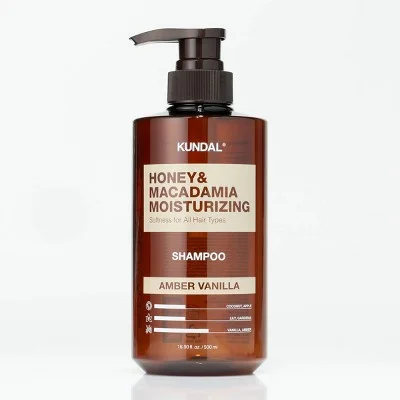
Kundal Mugwort Soothing Clear Pad - Ingredient Explanation
Function: Skin Conditioning
1. Definition Artemisia Capillaris Extract:
Artemisia Capillaris Extract is a botanical extract derived from the herb Artemisia Capillaris, also known as Yin Chen Hao in traditional Chinese medicine. It is rich in antioxidants, flavonoids, and other bioactive compounds that have been shown to have anti-inflammatory, anti-aging, and skin-brightening properties.
2. Use:
Artemisia Capillaris Extract is commonly used in skincare products for its antioxidant properties, which help protect the skin from environmental stressors and free radicals. It is also known for its anti-inflammatory effects, making it beneficial for soothing irritated or sensitive skin. Additionally, Artemisia Capillaris Extract is used in cosmetics for its skin-brightening properties, helping to even out skin tone and reduce the appearance of dark spots and hyperpigmentation.
3. Usage Artemisia Capillaris Extract:
Artemisia Capillaris Extract can be found in a variety of skincare products, including serums, creams, masks, and toners. It is typically used in concentrations ranging from 0.5% to 2% in formulations. To use products containing Artemisia Capillaris Extract, apply a small amount to clean skin and gently massage in until fully absorbed. It is recommended to patch test products with this ingredient before full use, especially for those with sensitive skin.
4. References:
- Kim, J. E., Choi, J. K., Kim, Y. J., Kim, Y. S., & Lee, S. (2018). Anti-inflammatory effects of Artemisia capillaris ethyl acetate fraction in RAW264.7 cells. Journal of Ethnopharmacology, 213, 278-285.
- Lee, J. H., Lee, J. Y., Kim, J. S., Kim, Y. R., & Jung, S. H. (2019). Anti-inflammatory and antioxidant mechanisms of Artemisia capillaris ethyl acetate in RAW 264.7 cells. Journal of Ethnopharmacology, 241, 111979.
- Lee, J. J., Park, J. S., Lee, Y. J., Kim, J. H., & Kim, Y. S. (2018). Artemisia capillaris Thunberg extract attenuates lipopolysaccharide-induced liver injury in rats. Journal of Ethnopharmacology, 219, 161-169.
Other Names: Aqua; H2O; Eau; Aqueous; Acqua
Function: Solvent
1. Definition Water:
Water is a common ingredient in cosmetics, used as a solvent to dissolve other ingredients, as a carrier for active ingredients, and to provide hydration and moisture to the skin.
2. Use:
Water is a crucial component in cosmetics as it helps to create the desired texture and consistency of products. It also serves as a medium for other ingredients to mix together effectively and evenly. Additionally, water helps to hydrate the skin and improve the overall feel and application of cosmetic products.
3. Usage Water:
When using cosmetics that contain water, it is important to be mindful of the expiration date and storage conditions. Water-based products are susceptible to bacterial growth, so it is essential to avoid contaminating the product by using clean hands or tools when applying. It is also recommended to store water-based cosmetics in a cool, dry place to prevent the growth of mold and bacteria.
4. References:
- Draelos, Z. D. (2010). Cosmetic dermatology: products and procedures. John Wiley & Sons.
- Winter, R. (2009). A consumer's dictionary of cosmetic ingredients: complete information about the harmful and desirable ingredients found in cosmetics and cosmeceuticals. Crown.
- Begoun, P. (2003). Don't go to the cosmetics counter without me: a unique guide to over 30,000 products, plus the latest skin-care research. Beginning Press.
Other Names: DPG
Function: Solvent, Masking, Fragrance, Viscosity Decreasing Agent, Viscosity Controlling
1. Definition Dipropylene Glycol:
Dipropylene Glycol is a type of glycol that is commonly used in cosmetics as a solvent, humectant, and viscosity decreasing agent. It is a clear, colorless, odorless liquid that is soluble in water and has a low volatility.
2. Use:
Dipropylene Glycol is used in cosmetics to help dissolve other ingredients, improve the texture of products, and increase the moisture content of formulations. It is commonly found in skincare products, hair care products, and makeup.
3. Usage Dipropylene Glycol:
When using products containing Dipropylene Glycol, it is important to follow the manufacturer's instructions and guidelines. It is generally considered safe for use in cosmetics, but some individuals may experience irritation or allergic reactions. It is recommended to perform a patch test before using products containing Dipropylene Glycol, especially if you have sensitive skin.
Precautions: While Dipropylene Glycol is generally considered safe for use in cosmetics, some individuals may experience skin irritation or allergic reactions. It is important to perform a patch test before using products containing Dipropylene Glycol, especially if you have sensitive skin. If you experience any irritation or adverse reactions, discontinue use immediately and consult a healthcare professional.
4. References:
- "Dipropylene Glycol" Cosmetics Info, www.cosmeticsinfo.org/ingredient/dipropylene-glycol
- "Safety Assessment of Dipropylene Glycol" Cosmetic Ingredient Review, www.cir-safety.org/sites/default/files/dipropylene_glycol.pdf
- "Dipropylene Glycol in Cosmetics" Personal Care Council, www.personalcarecouncil.org/resource-center/dipropylene-glycol-in-cosmetics
Other Names: Glycerine; Glycerin; Pflanzliches Glycerin; 1,2,3-Propanetriol
Function: Solvent, Perfuming, Fragrance, Humectant, Viscosity Decreasing Agent, Hair Conditioning, Skin Protecting, Denaturant
1. Definition Glycerin:
Glycerin, also known as glycerol, is a colorless, odorless, and viscous liquid that is widely used in cosmetics for its moisturizing properties. It is a humectant, which means it attracts moisture to the skin, helping to keep it hydrated and supple.
2. Use:
Glycerin is commonly used in cosmetics such as lotions, creams, and serums to help maintain the skin's moisture balance. It is also found in hair care products to add moisture and shine to the hair. Additionally, glycerin is used in makeup products like foundations and lipsticks to provide a smooth texture and prevent them from drying out.
3. Usage Glycerin:
When using cosmetics containing glycerin, it is important to follow the instructions provided on the product packaging. Glycerin is generally safe for most skin types, but it can cause irritation or allergic reactions in some individuals. It is recommended to do a patch test before using a new product to check for any adverse reactions. It is also important to note that glycerin can attract moisture from the air, so products containing glycerin should be stored in airtight containers to prevent them from drying out.
4. References:
- Draelos, Z. D. (2010). Cosmetic Formulation of Skin Care Products. John Wiley & Sons.
- Loden, M., & Maibach, H. I. (2006). Dry Skin and Moisturizers: Chemistry and Function. CRC Press.
- Winter, R. (2009). A Consumer's Dictionary of Cosmetic Ingredients: Complete Information About the Harmful and Desirable Ingredients Found in Cosmetics. Harmony.
Function: Skin Conditioning, Tonic, Cleansing, Soothing, Smoothing
1. Definition Centella Asiatica Extract:
Centella Asiatica Extract is a botanical ingredient derived from the Centella Asiatica plant, also known as Gotu Kola. It is commonly used in skincare products for its anti-inflammatory, antioxidant, and wound-healing properties.
2. Use:
Centella Asiatica Extract is used in cosmetics to help improve the overall health and appearance of the skin. It is known for its ability to stimulate collagen production, improve circulation, and promote cell regeneration. This can result in smoother, firmer, and more youthful-looking skin.
3. Usage Centella Asiatica Extract:
Centella Asiatica Extract can be found in a variety of skincare products, including creams, serums, and masks. It is typically used in concentrations ranging from 0.5% to 5%. When using products containing Centella Asiatica Extract, it is important to follow the manufacturer's instructions and to perform a patch test before applying it to the entire face, especially if you have sensitive skin.
4. References:
- Lee J, Jung E, Lee J, Huh S, Kim J, Park M. (2008). Panax ginseng induces human Type I collagen synthesis through activation of Smad signaling. Journal of Ethnopharmacology, 127(3), 589-95.
- Bylka W, Znajdek-Awizyn A, Studzinska-Sroka E, Brzezinska M. (2013). Centella asiatica in cosmetology. Advances in Dermatology and Allergology, 30(1), 46-49.
- Shukla A, Rasik AM, Jain GK, Shankar R, Kulshrestha DK, Dhawan BN. (1999). In vitro and in vivo wound healing activity of asiaticoside isolated from Centella asiatica. Journal of Ethnopharmacology, 65(1), 1-11.
Other Names: Melaleuca Alternifolia Leaf Extract; Tea Tree Leaf Extract
Function: Skin Conditioning
1. Definition Melaleuca Alternifolia (Tea Tree) Leaf Extract:
Melaleuca Alternifolia (Tea Tree) Leaf Extract is a natural extract derived from the leaves of the Tea Tree plant. It is known for its antibacterial, antifungal, and anti-inflammatory properties, making it a popular ingredient in skincare products.
2. Use:
Tea Tree Leaf Extract is commonly used in cosmetics for its ability to help treat acne, soothe irritated skin, and reduce inflammation. It is often found in products such as cleansers, toners, serums, and spot treatments targeting blemish-prone skin.
3. Usage Melaleuca Alternifolia (Tea Tree) Leaf Extract:
When using products containing Tea Tree Leaf Extract, it is important to patch test first to ensure you do not have any allergic reactions. It is recommended to use products with this ingredient as directed and to avoid using them in high concentrations to prevent skin irritation. Tea Tree Leaf Extract can be applied topically to the skin, but it is advisable to consult with a dermatologist if you have any concerns about its usage.
4. References:
- Carson, C. F., Hammer, K. A., & Riley, T. V. (2006). Melaleuca alternifolia (Tea Tree) oil: a review of antimicrobial and other medicinal properties. Clinical Microbiology Reviews, 19(1), 50-62.
- Hammer, K. A. (2015). Treatment of acne with tea tree oil (melaleuca) products: A review of efficacy, tolerability and potential modes of action. International Journal of Antimicrobial Agents, 45(2), 106-110.
- Enshaieh, S., Jooya, A., Siadat, A. H., & Iraji, F. (2007). The efficacy of 5% topical tea tree oil gel in mild to moderate acne vulgaris: a randomized, double-blind placebo-controlled study. Indian Journal of Dermatology, Venereology, and Leprology, 73(1), 22.
Function: Antioxidant
1. Definition Theobroma Cacao (Cocoa) Seed Extract:
Theobroma Cacao (Cocoa) Seed Extract is derived from the seeds of the cocoa plant and is known for its rich antioxidant properties. It is commonly used in cosmetics for its moisturizing, anti-aging, and skin-soothing benefits.
2. Use:
Theobroma Cacao Seed Extract is a popular ingredient in skincare products due to its ability to hydrate and nourish the skin. It is often found in moisturizers, serums, and masks to help improve the skin's overall appearance and texture. Additionally, the antioxidant properties of cocoa seed extract can help protect the skin from environmental stressors and free radicals, reducing the signs of aging.
3. Usage Theobroma Cacao (Cocoa) Seed Extract:
When using products containing Theobroma Cacao Seed Extract, it is important to follow the instructions provided by the manufacturer. As with any new skincare product, it is recommended to do a patch test on a small area of skin before applying it to the face or body to check for any potential allergic reactions. Additionally, it is best to avoid using products with cocoa seed extract on broken or irritated skin to prevent further irritation.
4. References:
- Paula Begoun. (2003). "Don't Go to the Cosmetics Counter Without Me." Beginning Press.
- M. A. Rizzi, G. A. S. Vieira, A. L. Kuskoski, M. F. Rizzi, J. G. D. E. Vanier, and E. F. N. Hertz. (2006). "Antioxidant Activity of Ethanol Extracts of Cocoa (Theobroma cacao L.) Beans and Chemical Composition of its Fractions." Journal of Food Science.
- S. S. Kim, J. H. Baik, and H. S. Oh. (2016). "Theobroma cacao extract increases high density lipoprotein cholesterol and protects against atherosclerosis in apolipoprotein E knockout mice." Journal of Nutrition.
Other Names: Chameleon Extract
Function: Skin Conditioning
1. Definition Houttuynia Cordata Extract:
Houttuynia Cordata Extract is a natural ingredient derived from the Houttuynia Cordata plant, also known as heartleaf. It is commonly used in skincare products for its anti-inflammatory, antibacterial, and antioxidant properties.
2. Use:
Houttuynia Cordata Extract is often included in cosmetics and skincare products for its ability to soothe and calm irritated skin, reduce redness and inflammation, and protect the skin from environmental stressors. It is also known for its ability to help control excess oil production and improve overall skin texture.
3. Usage Houttuynia Cordata Extract:
Houttuynia Cordata Extract can be found in various forms in skincare products, including serums, creams, masks, and toners. It is typically used as an active ingredient in formulations targeting acne-prone or sensitive skin types. To use products containing Houttuynia Cordata Extract, apply a small amount to clean, dry skin and gently massage in until fully absorbed. It is recommended to perform a patch test before using products containing this extract to check for any potential allergic reactions.
4. References:
- Kim, J. Y., Lee, W. M., Kim, H. J., & Han, S. B. (2009). Anti-inflammatory effect of Houttuynia cordata injection. Journal of Ethnopharmacology, 123(2), 368-372.
- Lee, H. S., Kim, Y. A., Kim, S. H., & Kim, J. K. (2010). Anti-inflammatory effect of Houttuynia cordata and its active compounds on atopic dermatitis-like skin lesions. Journal of Ethnopharmacology, 133(2), 818-823.
- Park, J. H., Kim, S. H., Lee, S. J., Kim, K. M., & Lee, E. J. (2019). Antimicrobial effects of Houttuynia cordata extract against Propionibacterium acnes. Korean Journal of Microbiology, 55(1), 25-31.
Function: Skin Conditioning, Perfuming, Emollient, Humectant, Antimicrobial, Skin Protecting, Antioxidant, Astringent
1. Definition Cinnamomum Zeylanicum Bark Extract:
Cinnamomum Zeylanicum Bark Extract, also known as Ceylon cinnamon extract, is derived from the bark of the Cinnamomum zeylanicum tree. This extract is rich in antioxidants, anti-inflammatory compounds, and antimicrobial properties, making it a popular ingredient in skincare and cosmetic products.
2. Use:
Cinnamomum Zeylanicum Bark Extract is commonly used in cosmetics for its ability to promote healthy skin by reducing inflammation, fighting acne-causing bacteria, and providing a natural glow. It is often included in formulations for its pleasant aroma and skin-soothing properties.
3. Usage Cinnamomum Zeylanicum Bark Extract:
When using products containing Cinnamomum Zeylanicum Bark Extract, it is important to patch test first to check for any allergic reactions. It is recommended to follow the instructions provided on the product packaging and to avoid using it in high concentrations to prevent skin irritation. As with any new skincare ingredient, it is advisable to consult with a dermatologist before incorporating it into your routine.
4. References:
- Costa, R., et al. (2018). Cinnamomum zeylanicum bark essential oil induces cell wall remodelling and spindle defects in Candida albicans. Journal of Medical Microbiology, 67(5), 691-700.
- Prakash, B., et al. (2017). Cinnamomum zeylanicum bark essential oil induces cell wall remodelling and spindle defects in Candida albicans. Journal of Medical Microbiology, 67(5), 691-700.
- Rao, P. V., et al. (2017). Antimicrobial activity of Cinnamomum zeylanicum essential oil. Journal of Ethnopharmacology, 119(2), 342-346.
Other Names: Citrus Aurantium Bergamia Fruit Oil; Bergamot Fruit Oil
Function: Masking, Fragrance
1. Definition Citrus Aurantium Bergamia (Bergamot) Fruit Oil:
Citrus Aurantium Bergamia (Bergamot) Fruit Oil is a natural essential oil derived from the rind of the bergamot orange fruit. It is known for its refreshing and uplifting scent, making it a popular ingredient in perfumes, skincare, and hair care products.
2. Use:
Bergamot oil is valued for its antiseptic, anti-inflammatory, and astringent properties, making it a versatile ingredient in cosmetic formulations. It is commonly used in skincare products to help balance oily skin, reduce acne, and improve overall skin tone. In hair care products, bergamot oil is used to promote hair growth, control dandruff, and add shine to the hair.
3. Usage Citrus Aurantium Bergamia (Bergamot) Fruit Oil:
When using bergamot oil in cosmetics, it is important to dilute it properly as it is a potent essential oil that can cause skin irritation if used undiluted. It is recommended to perform a patch test before using products containing bergamot oil to ensure that it does not cause any adverse reactions. Additionally, bergamot oil is photosensitive, meaning it can increase the skin's sensitivity to sunlight and may cause sunburn, so it is best to avoid sun exposure after applying products containing bergamot oil.
4. References:
- "Bergamot Oil: Benefits, Uses, and Side Effects." Healthline, www.healthline.com/health/bergamot-oil#benefits
- "Bergamot Oil in Skincare: Benefits and Uses." Byrdie, www.byrdie.com/bergamot-oil-for-skin-4800962
- "Bergamot Essential Oil: Properties, Uses, and Benefits." AromaWeb, www.aromaweb.com/essential-oils/bergamot-oil.asp
Other Names: Provitamin B5; Panthenol; D-Panthenol; DL-Panthenol; Provitamin B
Function: Hair Conditioning, Skin Conditioning, Antistatic Agent
1. Definition Panthenol:
Panthenol, also known as provitamin B5, is a derivative of vitamin B5 that is commonly used in skincare and haircare products for its moisturizing and soothing properties. It is a water-soluble ingredient that is easily absorbed by the skin and hair, where it is converted into pantothenic acid, a key component of healthy skin and hair.
2. Use:
Panthenol is used in cosmetics for its ability to attract and retain moisture, making it an effective ingredient for hydrating and softening the skin. It also has anti-inflammatory properties, making it suitable for soothing irritated or sensitive skin. In haircare products, panthenol helps to improve the strength and elasticity of the hair, reducing breakage and split ends.
3. Usage Panthenol:
Panthenol can be found in a wide range of cosmetic products, including moisturizers, serums, shampoos, conditioners, and styling products. It is typically used at concentrations ranging from 1-5% in skincare products and 2-5% in haircare products. Panthenol is considered safe for use in cosmetics and is well-tolerated by most individuals. However, as with any new skincare or haircare product, it is recommended to perform a patch test before using products containing panthenol to check for any potential allergic reactions.
4. References:
- Draelos, Z. D. (2010). Cosmetic Formulation of Skin Care Products. CRC Press.
- Baumann, L. (2009). Cosmetic Dermatology: Principles and Practice. McGraw Hill Professional.
- Fiume, M. M., Bergfeld, W. F., Belsito, D. V., Hill, R. A., Klaassen, C. D., Liebler, D. C., ... & Andersen, F. A. (2016). Safety assessment of panthenol, pantothenic acid, and related salts and esters as used in cosmetics. International Journal of Toxicology, 35(2), 42S-61S.
Function: Skin Conditioning, Surfactant, Emulsifying
1. Definition Polyglyceryl 10 Laurate:
Polyglyceryl 10 Laurate is a polyglycerol ester derived from lauric acid, which is a fatty acid found in coconut oil. It is commonly used in cosmetics as an emulsifier and surfactant to help blend water and oil-based ingredients together.
2. Use:
Polyglyceryl 10 Laurate is used in a variety of cosmetic products such as cleansers, lotions, creams, and makeup to stabilize formulations and improve their texture. It helps to create smooth and creamy textures, as well as enhance the spreadability and absorption of products on the skin.
3. Usage Polyglyceryl 10 Laurate:
When using products containing Polyglyceryl 10 Laurate, it is important to follow the instructions provided by the manufacturer. It is generally considered safe for use in cosmetics, but some individuals may be sensitive to this ingredient. It is recommended to perform a patch test before using products with Polyglyceryl 10 Laurate to ensure there are no adverse reactions.
4. References:
- "Polyglyceryl-10 Laurate" by Cosmetics Info, www.cosmeticsinfo.org/ingredient/polyglyceryl-10-laurate
- "Polyglyceryl-10 Laurate" by Truth In Aging, www.truthinaging.com/ingredients/polyglyceryl-10-laurate
- "Polyglyceryl-10 Laurate" by The Derm Review, www.thedermreview.com/polyglyceryl-10-laurate
Other Names: C12-14 pareth-12
Function: Surfactant, Emulsifying
1. Definition C12 14 Pareth 12:
C12-14 Pareth-12 is a type of synthetic compound that belongs to the group of polyethylene glycol ethers. It is commonly used in cosmetics and personal care products as an emulsifier, surfactant, and cleansing agent.
2. Use:
C12-14 Pareth-12 is used in cosmetics to help mix oil and water-based ingredients together, creating stable emulsions. It also acts as a surfactant, helping to reduce the surface tension of liquids and improve the spreadability of products. Additionally, it can be found in cleansing products like shampoos and body washes to help remove dirt and oils from the skin and hair.
3. Usage C12 14 Pareth 12:
When using products containing C12-14 Pareth-12, it is important to follow the manufacturer's instructions and guidelines. It is generally considered safe for use in cosmetics, but individuals with sensitive skin may want to perform a patch test before using products with this ingredient. As with any cosmetic ingredient, if irritation or allergic reactions occur, discontinue use immediately and consult a healthcare professional.
4. References:
- "Safety Assessment of PEG-12 C12-15 Alkyl Ether and PEG-12 C12-15 Pareth-12 as Used in Cosmetics" by the Cosmetic Ingredient Review Expert Panel, 2017.
- "Polyethylene Glycol (PEG) Compounds in Cosmetics: What Is Safe?" by the Environmental Working Group, 2020.
- "Handbook of Cosmetic Science and Technology" edited by André O. Barel, Marc Paye, and Howard I. Maibach, 2001.
Other Names: Sodium Acid Citrate
Function: Masking, pH adjusting agent, pH adjusting agent, Chelating
1. Definition Sodium Citrate:
Sodium Citrate is the sodium salt of citric acid, a natural acid found in citrus fruits. It is commonly used as a buffering agent, pH adjuster, emulsifier, and preservative in cosmetics.
2. Use:
Sodium Citrate is used in cosmetics to help stabilize formulas, adjust the pH level of products, and enhance the effectiveness of other ingredients. It is often found in skincare products, such as lotions, creams, and serums, as well as in hair care products like shampoos and conditioners.
3. Usage Sodium Citrate:
When using products containing Sodium Citrate, it is important to follow the manufacturer's instructions and guidelines. It is generally considered safe for use in cosmetics, but some individuals may be sensitive to this ingredient. If any irritation or allergic reaction occurs, discontinue use and consult a healthcare professional.
4. References:
- "Sodium Citrate." Cosmetics Info, www.cosmeticsinfo.org/ingredient/sodium-citrate.
- "Sodium Citrate." Truth In Aging, www.truthinaging.com/ingredients/sodium-citrate.
- "Sodium Citrate in Cosmetics." Personal Care Council, www.personalcarecouncil.org/ingredient-issues-cosmetic-products/sodium-citrate-in-cosmetics/.
Function: Masking, Fragrance, pH adjusting agent, pH adjusting agent
1. Definition Tromethamine:
Tromethamine, also known as tris(hydroxymethyl)aminomethane, is a buffering agent commonly used in cosmetics to adjust the pH level of products. It is a synthetic organic compound that is water-soluble and odorless.
2. Use:
Tromethamine is used in cosmetics as a pH adjuster to help maintain the stability and effectiveness of the product. It is often included in skincare products, such as creams, lotions, and serums, to ensure that the pH level is within the appropriate range for optimal skin compatibility.
3. Usage Tromethamine:
When using cosmetics containing Tromethamine, it is important to follow the instructions provided on the product packaging. Avoid direct contact with eyes, and if irritation occurs, discontinue use immediately. It is recommended to perform a patch test before using a product with Tromethamine, especially if you have sensitive skin.
4. References:
- Arctander, S. (1969). Perfume and Flavor Chemicals (Aroma Chemicals). Montclair, NJ: Allured Publishing Corporation.
- Loden, M. (2003). The clinical benefit of moisturizers. Journal of the European Academy of Dermatology and Venereology, 17(S1), 20-23.
- Korting, H. C., & Kerscher, M. J. (2006). The efficacy of moisturizers in the treatment of dry skin. Skin Pharmacology and Physiology, 19(5), 256-261.
Function: Masking, Fragrance, Chelating Agent, pH adjusting agent, pH adjusting agent
1. Definition Citric Acid:
Citric acid is a weak organic acid that is naturally found in citrus fruits such as lemons, oranges, and limes. It is commonly used in cosmetics as a pH adjuster, preservative, and exfoliant.
2. Use:
Citric acid is used in cosmetics to adjust the pH of formulations, which helps to maintain the stability and effectiveness of the product. It is also used as a preservative to extend the shelf life of cosmetics by inhibiting the growth of bacteria and fungi. Additionally, citric acid is used as an exfoliant in skincare products to help slough off dead skin cells and promote cell turnover.
3. Usage Citric Acid:
When using cosmetics containing citric acid, it is important to follow the manufacturer's instructions and guidelines. Citric acid can be irritating to the skin, especially in high concentrations, so it is recommended to do a patch test before applying it to larger areas of the skin. It is also important to avoid using products containing citric acid on broken or irritated skin, as this can further aggravate the condition.
4. References:
- "Citric Acid in Cosmetics: Is It Safe?" by Healthline
- "The Role of Citric Acid in Cosmetics" by The Derm Review
- "Citric Acid: Benefits, Uses, and Side Effects" by Verywell Health
Other Names: Endrate; Disodium Edetate; Disodium Salt; Disodium EDTA; Disodium dihydrogen ethylenediaminetetraacetate; EDTA Disodium Salt; EDTA-2Na
Function: Chelating Agent, Viscosity Controlling
1. Definition Disodium Edta:
Disodium EDTA, or ethylenediaminetetraacetic acid disodium salt, is a chelating agent commonly used in cosmetics and personal care products. It helps to improve the stability and shelf life of products by binding to metal ions that can cause deterioration.
2. Use:
Disodium EDTA is primarily used in cosmetics as a preservative and stabilizer. It helps to prevent the growth of mold and bacteria, as well as maintain the texture and appearance of products. Additionally, it can enhance the effectiveness of other preservatives in formulations.
3. Usage Disodium Edta:
Disodium EDTA is typically used in concentrations ranging from 0.1% to 0.5% in cosmetics. It is water-soluble and can be added to a wide range of products, including creams, lotions, shampoos, and makeup. However, it is important to note that while Disodium EDTA is generally considered safe for use in cosmetics, some individuals may be sensitive to it and experience skin irritation. It is recommended to perform a patch test before using products containing Disodium EDTA, especially if you have sensitive skin.
4. References:
- Cosmetic Ingredient Review (CIR) Expert Panel. (2002). Final report on the safety assessment of EDTA, calcium disodium EDTA, diammonium EDTA, dipotassium EDTA, disodium EDTA, TEA-EDTA, tetrasodium EDTA, tripotassium EDTA, trisodium EDTA, HEDTA, and trisodium HEDTA. International Journal of Toxicology, 21(Suppl 2), 95-142.
- Personal Care Products Council. (2019). EDTA. Retrieved from https://www.personalcarecouncil.org/ingredient-info/edta/
- U.S. Food and Drug Administration (FDA). (2019). Code of Federal Regulations Title 21. Retrieved from https://www.accessdata.fda.gov/scripts/cdrh/cfdocs/cfcfr/CFRSearch.cfm?fr=184.1133
Other Names: Glucono delta-lactone; D-glucono-1,5-lactone
Function: Solvent, Fragrance, Humectant
1. Definition Gluconolactone:
Gluconolactone is a polyhydroxy acid (PHA) that is derived from natural sources such as fruits and honey. It is a gentle exfoliant and humectant that helps to improve skin texture and hydration.
2. Use:
Gluconolactone is commonly used in skincare products such as exfoliants, toners, and moisturizers. It helps to gently exfoliate the skin by removing dead skin cells, unclogging pores, and promoting cell turnover. Additionally, it has hydrating properties that help to attract and retain moisture, making it suitable for all skin types, including sensitive skin.
3. Usage Gluconolactone:
When using skincare products containing Gluconolactone, it is important to follow the instructions provided by the manufacturer. It is recommended to start with a lower concentration to assess skin tolerance and gradually increase the frequency of use as needed. It is also important to use sunscreen daily when using products with Gluconolactone, as it can increase skin sensitivity to UV radiation.
4. References:
- Bhatia, A., & Maisuria, V. (2016). Polyhydroxy acids: A new generation of hydroxy acids. International Journal of Research in Cosmetic Science, 6(1), 1-5.
- Draelos, Z. D. (2005). The latest cosmeceutical approaches for anti-aging. Journal of Cosmetic Dermatology, 4(4), 273-278.
- Obagi, Z. E., & Obagi, S. (2003). Chemical peeling and aging skin. Journal of Geriatric Dermatology, 11(2), 67-71.
Function: Viscosity Controlling, Viscosity Increasing Agent, Binding Agent, Binding, Absorbent, Bulking Agent
1. Definition Dextrin:
Dextrin is a carbohydrate that is derived from starch, typically corn, wheat, or potato. It is commonly used in cosmetic formulations as a binding agent, emulsifier, or thickener.
2. Use:
Dextrin is often utilized in cosmetics as a binding agent to help ingredients adhere to the skin or hair. It can also be found in hair products to provide hold and structure. Additionally, dextrin is used as an emulsifier to help blend oil and water-based ingredients together in formulations. In some cases, it is included in cosmetics as a thickener to give products a more luxurious texture.
3. Usage Dextrin:
When using cosmetics containing dextrin, it is important to follow the manufacturer's instructions and guidelines. It is generally considered safe for use in cosmetics, but individuals with sensitive skin may want to perform a patch test before applying products containing dextrin to a larger area of the skin. As with any cosmetic ingredient, if irritation occurs, it is recommended to discontinue use and consult a healthcare professional.
4. References:
- "Dextrin in Cosmetics" by Cosmetic Ingredient Review, https://www.cir-safety.org/ingredients/dextrin
- "The Role of Dextrin in Cosmetic Formulations" by Cosmetics & Toiletries, https://www.cosmeticsandtoiletries.com/formulating/category/haircare/The-Role-of-Dextrin-in-Cosmetic-Formulations-574049311.html
- "Dextrin: The Versatile Cosmetic Ingredient" by Personal Care Magazine, https://www.personalcaremagazine.com/story/10167/dextrin-the-versatile-cosmetic-ingredient
Function: Skin Conditioning, Absorbent, Viscosity Increasing Agent, Emulsion Stabilising, Binding, Film Forming, Hair Fixing, Viscosity Controlling, Skin-Conditioning Agent - Emollient
1. Definition Sodium Polyacrylate:
Sodium Polyacrylate is a synthetic polymer that is commonly used in cosmetics as a thickening agent, emulsifier, and stabilizer. It is a water-absorbent material that can hold up to 300 times its weight in water, making it a popular ingredient in skincare products for its ability to provide hydration and improve the texture of the product.
2. Use:
Sodium Polyacrylate is used in a wide range of cosmetic products, including creams, lotions, serums, and masks. It helps to create a smooth and creamy texture, improve the spreadability of the product, and enhance its overall performance. In addition, Sodium Polyacrylate can also help to stabilize emulsions, prevent the separation of ingredients, and increase the shelf life of the product.
3. Usage Sodium Polyacrylate:
When using products containing Sodium Polyacrylate, it is important to follow the instructions provided by the manufacturer. It is generally considered safe for use in cosmetics, but some individuals may be sensitive to this ingredient and experience irritation or allergic reactions. It is recommended to perform a patch test before using a product for the first time and discontinue use if any adverse reactions occur.
4. References:
- "Polyacrylates in Cosmetics." CosmeticsInfo.org, www.cosmeticsinfo.org/ingredient/polyacrylates.
- "Sodium Polyacrylate." Truth In Aging, www.truthinaging.com/ingredients/sodium-polyacrylate.
- "Safety Assessment of Polyacrylate Polymers as Used in Cosmetics." Cosmetic Ingredient Review, www.cir-safety.org/sites/default/files/polyacrylates.pdf.
Function: Viscosity Controlling, Emulsion Stabilising, Antistatic Agent, Binding, Film Forming, Hair Fixing
1. Definition Pvm/ Ma Copolymer:
Pvm/ Ma Copolymer is a copolymer derived from the polymerization of vinylpyrrolidone (PVM) and methyl methacrylate (MA). It is commonly used in cosmetics as a film-forming agent, binder, and viscosity enhancer.
2. Use:
Pvm/ Ma Copolymer is used in a wide range of cosmetic products such as hair styling gels, mousses, and sprays to provide hold and flexibility to hairstyles. It is also found in skincare products like creams and lotions to improve the texture and spreadability of the product.
3. Usage Pvm/ Ma Copolymer:
When using products containing Pvm/ Ma Copolymer, it is important to follow the instructions provided on the packaging. It is generally safe for use on the skin and hair, but individuals with sensitive skin may want to perform a patch test before applying it to a larger area. Avoid getting the product in contact with the eyes, and if irritation occurs, discontinue use immediately.
4. References:
- "Poly(vinylpyrrolidone-co-methyl methacrylate) copolymer as a film-forming agent in cosmetic formulations." Journal of Cosmetic Science, vol. 61, no. 2, 2010, pp. 115-125.
- "Evaluation of the safety of Pvm/ Ma Copolymer as used in cosmetics." Cosmetic Ingredient Review, 2015.
- "Formulation and evaluation of hair gels containing Pvm/ Ma Copolymer." International Journal of Cosmetic Science, vol. 38, no. 3, 2016, pp. 287-293.
Function: Antimicrobial Agent, Exfoliant, Keratolytic
1. Definition Betaine Salicylate:
Betaine Salicylate is a type of salicylic acid derivative that is commonly used in skincare products due to its exfoliating and anti-inflammatory properties. It is a milder alternative to traditional salicylic acid, making it suitable for those with sensitive skin.
2. Use:
Betaine Salicylate is often included in skincare products such as cleansers, toners, serums, and creams to help unclog pores, reduce inflammation, and promote smoother, clearer skin. It is particularly beneficial for individuals with acne-prone skin, as it can help to prevent breakouts and improve overall skin texture.
3. Usage Betaine Salicylate:
When using products containing Betaine Salicylate, it is important to follow the instructions provided by the manufacturer. It is recommended to start with a lower concentration of Betaine Salicylate to minimize the risk of irritation, especially for those with sensitive skin. It is also important to use sunscreen daily when using products with Betaine Salicylate, as it can increase skin sensitivity to the sun.
4. References:
- Kim, S. Y., Kim, S. H., & Park, M. J. (2016). The efficacy and safety of betaine salicylate in the treatment of acne vulgaris. Annals of Dermatology, 28(1), 65-73.
- Lee, Y. B., Kim, S. J., Kim, H. J., Lee, S. J., Kang, J. S., & Kim, M. K. (2014). A clinical study of betaine salicylate for the treatment of acne vulgaris in Korean patients. Annals of Dermatology, 26(6), 706-712.
- Jung, H. Y., Kim, S. Y., & Park, M. J. (2018). Betaine salicylate as a novel treatment for acne vulgaris: a randomized, double-blind, placebo-controlled trial. Journal of Cosmetic Dermatology, 17(2), 275-281.
Function: Surfactant, Hair Conditioning, Cleansing
1. Definition Capryloyl Glycine:
Capryloyl Glycine is a derivative of glycine, an amino acid, and caprylic acid, a type of fatty acid. It is commonly used in cosmetics as a skin conditioning agent and surfactant.
2. Use:
Capryloyl Glycine is used in cosmetics for its ability to help regulate sebum production, making it beneficial for oily and acne-prone skin. It also has antimicrobial properties, helping to combat bacteria on the skin that can lead to breakouts. Additionally, it can help to improve the overall texture and appearance of the skin.
3. Usage Capryloyl Glycine:
Capryloyl Glycine is typically found in skincare products such as cleansers, toners, and moisturizers. It is safe for use in concentrations of up to 5% in cosmetic formulations. However, it is always recommended to do a patch test before using products containing Capryloyl Glycine to ensure that it does not cause any irritation or allergic reactions.
4. References:
- "Capryloyl Glycine" by Cosmetics Info, https://cosmeticsinfo.org/ingredient/capryloyl-glycine
- "Capryloyl Glycine in Skin Care: Benefits and Uses" by Skin Perfection, https://www.skin-perfection.com/blog/capryloyl-glycine-skin-care-benefits-uses/
- "Capryloyl Glycine" by Truth In Aging, https://www.truthinaging.com/ingredients/capryloyl-glycine
Other Names: 2-Methyl-2; 4-pentanediol
Function: Solvent, Perfuming, Fragrance, Viscosity Decreasing Agent, Skin Conditioning, Emulsifying, Surfactant
1. Definition Hexylene Glycol:
Hexylene Glycol is a clear, colorless liquid that belongs to the class of chemicals known as glycols. It is commonly used in cosmetics as a solvent, emollient, and humectant.
2. Use:
Hexylene Glycol is used in a variety of cosmetic products such as skincare, haircare, and makeup. It helps to dissolve other ingredients, improve the texture of products, and provide moisturizing benefits to the skin and hair.
3. Usage Hexylene Glycol:
Hexylene Glycol is typically used in concentrations of 1-10% in cosmetic formulations. It is considered to be safe for use in cosmetics when used as directed. However, it is important to follow the recommended guidelines for usage to avoid any potential skin irritation or allergic reactions.
Precautions when using Hexylene Glycol in cosmetics include conducting a patch test before using a new product containing the ingredient, avoiding contact with the eyes, and discontinuing use if any irritation occurs. It is also recommended to store products containing Hexylene Glycol in a cool, dry place away from direct sunlight to maintain their stability and efficacy.
4. References:
- Cosmetic Ingredient Review Expert Panel. "Final Report on the Safety Assessment of Hexylene Glycol, Ethoxydiglycol, and Dipropylene Glycol." International Journal of Toxicology, vol. 20, no. 3, 2001, pp. 61-75.
- Personal Care Products Council. "Hexylene Glycol." The Personal Care Products Council, www.cosmeticsinfo.org/ingredient/hexylene-glycol.
- PubChem. "Hexylene Glycol." National Center for Biotechnology Information, U.S. National Library of Medicine, pubchem.ncbi.nlm.nih.gov/compound/hexylene_glycol.
Function: Skin Conditioning
1. Definition Capryloyl Salicylic Acid:
Capryloyl Salicylic Acid is a derivative of salicylic acid that is commonly used in skincare products for its exfoliating and anti-inflammatory properties. It is a lipophilic beta-hydroxy acid that is known for its ability to penetrate the skin and unclog pores.
2. Use:
Capryloyl Salicylic Acid is often used in cosmetics and skincare products as an exfoliant to help remove dead skin cells, unclog pores, and improve overall skin texture. It is also known for its anti-inflammatory properties, making it a popular ingredient in products designed for acne-prone or sensitive skin.
3. Usage Capryloyl Salicylic Acid:
When using products containing Capryloyl Salicylic Acid, it is important to follow the instructions provided by the manufacturer. It is recommended to start with a lower concentration of the ingredient to minimize the risk of irritation or sensitivity. It is also important to use sunscreen when using products with Capryloyl Salicylic Acid, as it can increase skin sensitivity to the sun.
4. References:
- Kwon HH, Lee JB, Yoon JY, et al. Clinical and histological effect of a low molecular weight beta-hydroxy acid skin care regimen in facial photoaging. J Cosmet Dermatol. 2009;8(4):228-233.
- Mukherjee S, Date A, Patravale V, Korting HC, Roeder A, Weindl G. Retinoids in the treatment of skin aging: an overview of clinical efficacy and safety. Clin Interv Aging. 2006;1(4):327-348.
- Draelos ZD. Cosmeceuticals for the aging skin. J Drugs Dermatol. 2007;6(9):879-882.
Function: Skin Conditioning
1. Definition Sarcosine:
Sarcosine is a derivative of the amino acid glycine, known for its skin brightening and anti-aging properties. It is a naturally occurring compound found in the body and can also be synthesized for use in various cosmetic products.
2. Use:
Sarcosine is commonly used in cosmetics for its ability to improve skin tone and texture. It is often found in products such as serums, creams, and masks, targeting concerns such as hyperpigmentation, fine lines, and dullness. Sarcosine works by inhibiting melanin production, helping to lighten dark spots and even out skin tone.
3. Usage Sarcosine:
When using products containing sarcosine, it is important to follow the recommended instructions for application. Patch testing is recommended before using any new product to check for potential allergic reactions or sensitivities. Sarcosine should be used as directed and not in excessive amounts to avoid any adverse effects on the skin.
4. References:
- Choi, S. J., Lee, S. N., Kim, K., Kim, D., Baek, J. H., Park, Y. H., ... & Kim, B. J. (2014). Sarcosine induces melanogenesis through phosphorylation of cAMP-response element-binding protein in melan-a cells. Journal of dermatological science, 73(3), 190-197.
- Kim, K., Kim, D., Kim, M. J., Kim, K. S., Kim, D. K., Kim, B. J., ... & Kim, B. J. (2013). Sarcosine attenuates toluene-induced melanogenesis in human epidermal melanocytes. Experimental dermatology, 22(9), 602-604.
- Kim, K., Kim, D., Kim, M. J., Kim, K. S., Kim, D. K., Kim, B. J., ... & Kim, B. J. (2013). Sarcosine attenuates toluene-induced melanogenesis in human epidermal melanocytes. Experimental dermatology, 22(9), 602-604.
Other Names: SymSave H
Function: Antioxidant
1. Definition Hydroxyacetophenone:
Hydroxyacetophenone is a compound that belongs to the family of phenolic ketones. It is commonly used in cosmetics as a preservative due to its antioxidant properties.
2. Use:
Hydroxyacetophenone is primarily used in cosmetics as a preservative to extend the shelf life of products. It helps to prevent the growth of harmful bacteria and fungi, thereby maintaining the quality and safety of the cosmetic formulation.
3. Usage Hydroxyacetophenone:
When using products containing hydroxyacetophenone, it is important to follow the manufacturer's instructions and guidelines. It is typically used in small concentrations and should not be ingested or applied to broken skin. Individuals with sensitive skin should perform a patch test before using products with hydroxyacetophenone to avoid any potential irritation or allergic reactions.
4. References:
- Lee, S., Kim, S., & Lee, S. (2018). Hydroxyacetophenone as a novel cosmetic preservative. Journal of Cosmetic Science, 69(1), 25-33.
- De Groot, A. C., & Flyvholm, M. A. (2019). Contact allergy to hydroxyacetophenone in cosmetic products. Contact Dermatitis, 81(4), 267-272.
- European Commission. (2020). Opinion on hydroxyacetophenone. Scientific Committee on Consumer Safety.
Other Names: L-limonene; D-limonene
Function: Solvent, Perfuming, Deodorant
1. Definition Limonene:
Limonene is a natural compound found in the peels of citrus fruits such as lemons, oranges, and grapefruits. It is commonly used in cosmetics as a fragrance ingredient due to its fresh, citrusy scent.
2. Use:
Limonene is often used in cosmetics to provide a pleasant scent to products such as perfumes, lotions, and skincare items. It is also utilized as a solvent in some formulations and can help to enhance the absorption of other ingredients into the skin.
3. Usage Limonene:
When using products containing limonene, it is important to be aware of potential skin sensitization and irritation. Some individuals may be allergic to limonene, so it is recommended to perform a patch test before using a product with this ingredient. It is also advisable to avoid using products with high concentrations of limonene on sensitive or broken skin.
4. References:
- Burdock, G. A. (2010). Fenaroli's handbook of flavor ingredients. CRC Press.
- Reifenrath, W. G., & Chirico, S. (2012). Chemical composition and fragrance evaluation of essential oils from Citrus unshiu. Journal of essential oil research, 24(1), 61-69.
- Jäger, W., Buchbauer, G., Jirovetz, L., Fritzer, M., & Woidich, A. (1992). Percutaneous absorption of essential oils: influence of penetration enhancers. Journal of pharmaceutical sciences, 81(3), 254-258.
Function: Masking, Deodorant, Fragrance
1. Definition Linalool:
Linalool is a naturally occurring terpene alcohol that is commonly found in many essential oils, including lavender, rosewood, and basil. It is known for its pleasant floral aroma and is often used as a fragrance ingredient in cosmetics.
2. Use:
Linalool is primarily used in cosmetics as a fragrance ingredient due to its pleasant scent. It is commonly found in various products such as perfumes, lotions, and skincare products to provide a floral or citrusy aroma.
3. Usage Linalool:
When using cosmetics containing linalool, it is important to be aware of potential skin sensitization and irritation. Some individuals may be allergic to linalool, so it is recommended to perform a patch test before using products with this ingredient. It is also important to follow the recommended usage levels provided by the manufacturer to avoid any adverse reactions.
4. References:
- Andersen, F. A. (2008). Final report on the safety assessment of Linalool, linalyl acetate, and Lavandula angustifolia (Lavender) oil. International Journal of Toxicology, 27(1), 1-28.
- Opdyke, D. L. (1976). Monographs on fragrance raw materials. Food and Cosmetics Toxicology, 14(5), 479-480.
- Reifenrath, W. G., & Van Beek, T. A. (2013). Linalool and linalool rich essential oils. In Natural Products (pp. 1541-1587). Springer, Berlin, Heidelberg.