


Analysis locked
How well does your skin match with Kypris Body Elixir: Inflorescence?
Login to see detailsOr continue via
Quick 1-minute survey • Completely free
Ingredients
Analysis results of Ingredients


Ingredient List
| EWG | CIR | Ingredient Name & Cosmetic Function | Notes |
|---|---|---|---|
| - | - | | |
| 4 5 | - | (Solvent, Perfuming, Deodorant) |   |
| 1 | - | (Skin Conditioning, Hair Conditioning, Antimicrobial, Uv Absorber, Antioxidant) | |
| 1 | B | |


Kypris Body Elixir: Inflorescence - Ingredient Explanation
Helianthus Annuus Hybrid Oil
1. Definition Helianthus Annuus (Sunflower) Hybrid Oil:
Helianthus Annuus (Sunflower) Hybrid Oil is a natural oil derived from the seeds of the sunflower plant. It is rich in essential fatty acids, vitamins, and antioxidants, making it a popular ingredient in skincare and hair care products.2. Use:
Sunflower oil is known for its moisturizing and nourishing properties, making it a great ingredient for hydrating dry skin and hair. It is often used in creams, lotions, serums, and hair masks to help improve skin elasticity, reduce inflammation, and promote a healthy scalp.3. Usage Helianthus Annuus (Sunflower) Hybrid Oil:
Sunflower oil can be applied directly to the skin or hair, or it can be incorporated into various cosmetic formulations. It is gentle enough for daily use and is suitable for all skin types, including sensitive skin. When using sunflower oil, it is important to perform a patch test first to check for any allergic reactions. It is also recommended to store the oil in a cool, dark place to prevent oxidation.4. References:
- Şahin, S., & Bilgin, M. (2018). Sunflower (Helianthus annuus L.) as a source of edible and industrial oil: An overview. International Journal of Food Science & Technology, 53(7), 1449-1454.
- Pappas, A. (2009). Epidermal surface lipids. Dermato-Endocrinology, 1(2), 72-76.
- Lin, T. K., Zhong, L., & Santiago, J. L. (2017). Anti-inflammatory and skin barrier repair effects of topical application of some plant oils. International Journal of Molecular Sciences, 19(1), 70.
Limonene
1. Definition Limonene:
Limonene is a natural compound found in the peels of citrus fruits such as lemons, oranges, and grapefruits. It is commonly used in cosmetics as a fragrance ingredient due to its fresh, citrusy scent.2. Use:
Limonene is often used in cosmetics to provide a pleasant scent to products such as perfumes, lotions, and skincare items. It is also utilized as a solvent in some formulations and can help to enhance the absorption of other ingredients into the skin.3. Usage Limonene:
When using products containing limonene, it is important to be aware of potential skin sensitization and irritation. Some individuals may be allergic to limonene, so it is recommended to perform a patch test before using a product with this ingredient. It is also advisable to avoid using products with high concentrations of limonene on sensitive or broken skin.4. References:
- Burdock, G. A. (2010). Fenaroli's handbook of flavor ingredients. CRC Press.
- Reifenrath, W. G., & Chirico, S. (2012). Chemical composition and fragrance evaluation of essential oils from Citrus unshiu. Journal of essential oil research, 24(1), 61-69.
- Jäger, W., Buchbauer, G., Jirovetz, L., Fritzer, M., & Woidich, A. (1992). Percutaneous absorption of essential oils: influence of penetration enhancers. Journal of pharmaceutical sciences, 81(3), 254-258.
Calophyllum Inophyllum (Tamanu) Seed Oil
1. Definition Calophyllum Inophyllum (Alexandrian Laurel) Seed Oil:
Calophyllum Inophyllum (Alexandrian Laurel) Seed Oil is a botanical oil extracted from the seeds of the Calophyllum inophyllum tree, also known as Tamanu tree. It is rich in fatty acids, particularly oleic acid, linoleic acid, and palmitic acid, as well as calophyllic acid, a unique compound known for its anti-inflammatory and healing properties.2. Use:
Calophyllum Inophyllum Seed Oil is commonly used in cosmetics for its moisturizing, anti-inflammatory, and healing properties. It is known to promote skin regeneration, reduce inflammation, and help with various skin conditions such as acne, eczema, and psoriasis. It is also used in hair care products to nourish and condition the hair and scalp.3. Usage Calophyllum Inophyllum (Alexandrian Laurel) Seed Oil:
Calophyllum Inophyllum Seed Oil can be used directly on the skin or hair, either alone or mixed with other carrier oils or essential oils. It is suitable for all skin types, including sensitive and acne-prone skin. When using on the skin, it is recommended to apply a few drops and massage gently until absorbed. For hair care, it can be applied to the scalp and hair, left on for a few hours or overnight, and then washed out with shampoo.4. References:
- Rodrigues Barreto, R., et al. (2019). Calophyllum inophyllum L. (Tamanu) oil: a review of the ethnobotany, phytochemistry, and pharmacology. Phytomedicine, 59, 152907.
- Lai, J., et al. (2016). Tamanu oil: a comprehensive review on its ethnobotany, phytochemical composition, and pharmacological properties. Evidence-Based Complementary and Alternative Medicine, 2016, 1-16.
- Prasad, A., et al. (2019). Calophyllum inophyllum L. (Tamanu) oil: an overview of its chemical composition, biological activities, and potential applications in cosmetics. Journal of Cosmetic Science, 70(2), 107-118.
Citrus Sinensis (Sweet Orange) Peel Extract
1. Definition Citrus Sinensis (Orange) Peel Extract:
Citrus Sinensis (Orange) Peel Extract is a natural ingredient derived from the outer peel of oranges. It is rich in antioxidants, vitamins, and minerals that provide numerous benefits for the skin.2. Use:
Citrus Sinensis (Orange) Peel Extract is commonly used in cosmetics for its brightening, anti-aging, and skin-renewing properties. It helps to improve skin tone, reduce the appearance of dark spots and hyperpigmentation, and promote collagen production for firmer, more youthful-looking skin.3. Usage Citrus Sinensis (Orange) Peel Extract:
Citrus Sinensis (Orange) Peel Extract can be found in a variety of skincare products such as serums, creams, masks, and cleansers. It is typically used in concentrations ranging from 0.5% to 5% depending on the desired effects. However, it is important to note that citrus extracts can be photosensitizing, so it is recommended to use products containing Citrus Sinensis (Orange) Peel Extract in conjunction with sunscreen and limit sun exposure.4. References:
- Kim, J., Yoon, J., & Lee, H. (2013). Citrus Peel Extracts Attenuated Obesity and Modulated Gut Microbiota in Mice with High-Fat Diet-Induced Obesity. BioMed Research International, 2013, 1-12.
- Oikeh, E. I., Omoregie, E. S., Oviasogie, F. E., & Oriakhi, K. (2015). Phytochemical, antimicrobial, and antioxidant activities of different citrus juice concentrates. Food Science & Nutrition, 4(1), 103-109.
- Lopes, J. L. S., Machado, A. P. F., & Cunha, A. P. (2019). Citrus sinensis peel essential oil nanoemulsions: Antioxidant and antimicrobial activities. Industrial Crops and Products, 132, 177-185.
Review

Didn't find
the information you need?








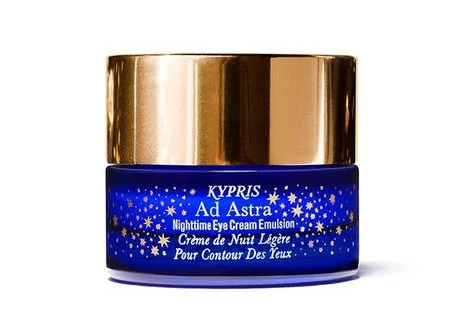
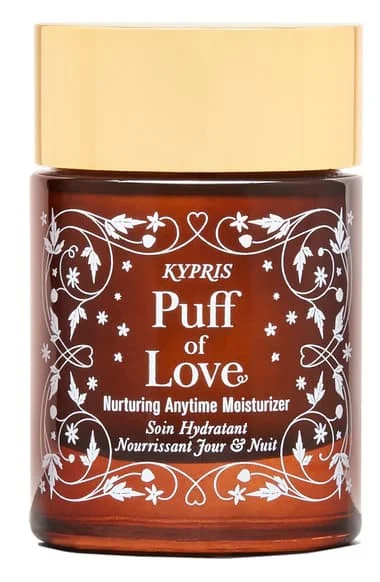

Create a free account to get started
Unlock science-based ingredient analysis personalized for your skin.
Already have an account? Log in
We protect your privacy. We never send spam.