


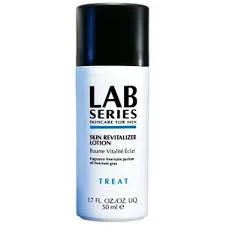
Analysis locked
How well does your skin match with Lab Series Skincare for Men Skin Revitalizer Lotion?
Login to see detailsOr continue via
Quick 1-minute survey • Completely free
Ingredients
Analysis results of Ingredients


Ingredient List
| EWG | CIR | Ingredient Name & Cosmetic Function | Notes |
|---|---|---|---|
| 1 | - | (Solvent) | |
| 1 2 | A | (Solvent, Perfuming, Fragrance, Humectant, Viscosity Decreasing Agent, Hair Conditioning, Skin Protecting, Denaturant ) |  Good for dry skin Moisturizing Good for dry skin Moisturizing |
| 2 4 | A | (Fragrance, Preservative) | |
| 1 2 | A | (Masking, Fragrance, Chelating Agent, pH adjusting agent, pH adjusting agent) | Anti Aging  Bad for sensitive skin Bad for sensitive skin |
| 1 3 | A | (Skin Protecting, Skin Conditioning, Emollient, Antifoaming Agent) |  Silicone Moisturizing Silicone Moisturizing |
| 1 | A | (Solvent, Masking, Fragrance, Humectant, Skin Conditioning, Viscosity Controlling, Viscosity decreasing agents) | Good for dry skin |
| 3 | A | (Solvent, Hair Conditioning, Skin Conditioning, Emollient) | Silicone |
| 1 | A | (Humectant, Skin Conditioning) | Good for dry skin Promotes Wound Healing |
| 3 4 | A | (Fragrance, Preservative) |  Paraben Paraben |
| 1 | A | (Viscosity Controlling, Viscosity Increasing Agent, Emulsion Stabilising, Gel Forming) | |
| 3 | B | (Emulsifying, Surfactant) |  Fungal Acne Trigger Cleansing Fungal Acne Trigger Cleansing |
| 1 2 | - | (Skin Conditioning, Masking, Emollient, Fragrance, Humectant, Antimicrobial, Skin Protecting, Uv Absorber, Antioxidant, Tonic, Astringent, Skin-Conditioning Agent -Miscellaneous) | Moisturizing |
| 1 | A | (Hair Conditioning, Skin Conditioning, Emollient, Refatting) | |
| 1 | A | (Opacifying, Viscosity Controlling, Absorbent, Anticaking Agent, Viscosity Increasing Agent, Slip Modifier) | |
| 1 3 | B | (Emulsifying, Surfactant) | Cleansing |
| 1 | - | (Skin Conditioning, Exclusive) | |
| 1 | A | (Humectant, Skin Conditioning, Soothing, Flavoring Agent) | |
| 9 | A | (Masking, Fragrance, Preservative) | Paraben |
| 1 | - | (Masking, Fragrance, Skin Conditioning) | |
| 1 | - | (Film Forming) | |
| 1 | B | (Solvent, Emollient) | |
| 2 4 | B | (Antistatic Agent, Binding Agent, Binding, Film Forming, Hair Fixing) | |
| 1 | A | (Skin Conditioning, Emollient, Viscosity Controlling, Viscosity Increasing Agent, Emulsion Stabilising, Emulsifying, Stabilising) | Cleansing |
| 1 | A | (Skin Conditioning) | |
| 1 | A | (Skin Conditioning, Emollient, Fragrance, Viscosity Controlling, Viscosity Increasing Agent, Emulsion Stabilising, Foam Boosting, Surfactant - Foam Booster) | |
| 1 | - | (Solvent) | |
| 1 | - | (Skin Conditioning) | Brightening |
| 10 | A | (Preservative) | Paraben |
| 4 | - | | |
| 1 | - | (Skin Conditioning, Skin Bleaching Agent) | |
| 1 | - | (Skin Protecting) | Moisturizing |
| 3 | B | (Surfactant, Emulsifying) | Fungal Acne Trigger Cleansing |
| 10 | A | (Preservative) | Paraben |
| 1 | A | (Skin Conditioning) | |
| 1 | - | (Skin Conditioning, Emollient, Fragrance, Humectant) | |
| 2 3 | A | (Skin Conditioning, Antioxidant) | Anti Aging |
| 1 | - | | |
| 1 | - | (Skin Conditioning, Emollient) | |
| 1 | - | | |
| 1 | - | | |
| 3 | A | (Surfactant, Emulsifying) | Cleansing |
| 1 | - | | |
| 1 | A | (Viscosity Controlling) | |
Lab Series Skincare for Men Skin Revitalizer Lotion - Ingredient Explanation
Water
1. Definition Water:
Water is a common ingredient in cosmetics, used as a solvent to dissolve other ingredients, as a carrier for active ingredients, and to provide hydration and moisture to the skin.2. Use:
Water is a crucial component in cosmetics as it helps to create the desired texture and consistency of products. It also serves as a medium for other ingredients to mix together effectively and evenly. Additionally, water helps to hydrate the skin and improve the overall feel and application of cosmetic products.3. Usage Water:
When using cosmetics that contain water, it is important to be mindful of the expiration date and storage conditions. Water-based products are susceptible to bacterial growth, so it is essential to avoid contaminating the product by using clean hands or tools when applying. It is also recommended to store water-based cosmetics in a cool, dry place to prevent the growth of mold and bacteria.4. References:
- Draelos, Z. D. (2010). Cosmetic dermatology: products and procedures. John Wiley & Sons.
- Winter, R. (2009). A consumer's dictionary of cosmetic ingredients: complete information about the harmful and desirable ingredients found in cosmetics and cosmeceuticals. Crown.
- Begoun, P. (2003). Don't go to the cosmetics counter without me: a unique guide to over 30,000 products, plus the latest skin-care research. Beginning Press.
Glycerin
1. Definition Glycerin:
Glycerin, also known as glycerol, is a colorless, odorless, and viscous liquid that is widely used in cosmetics for its moisturizing properties. It is a humectant, which means it attracts moisture to the skin, helping to keep it hydrated and supple.
2. Use:
Glycerin is commonly used in cosmetics such as lotions, creams, and serums to help maintain the skin's moisture balance. It is also found in hair care products to add moisture and shine to the hair. Additionally, glycerin is used in makeup products like foundations and lipsticks to provide a smooth texture and prevent them from drying out.
3. Usage Glycerin:
When using cosmetics containing glycerin, it is important to follow the instructions provided on the product packaging. Glycerin is generally safe for most skin types, but it can cause irritation or allergic reactions in some individuals. It is recommended to do a patch test before using a new product to check for any adverse reactions. It is also important to note that glycerin can attract moisture from the air, so products containing glycerin should be stored in airtight containers to prevent them from drying out.
4. References:
- Draelos, Z. D. (2010). Cosmetic Formulation of Skin Care Products. John Wiley & Sons.
- Loden, M., & Maibach, H. I. (2006). Dry Skin and Moisturizers: Chemistry and Function. CRC Press.
- Winter, R. (2009). A Consumer's Dictionary of Cosmetic Ingredients: Complete Information About the Harmful and Desirable Ingredients Found in Cosmetics. Harmony.
Phenoxyethanol
1. Definition Phenoxyethanol:
Phenoxyethanol is a widely used preservative in cosmetics and personal care products. It is a colorless and odorless liquid that helps prevent the growth of bacteria, fungi, and other microorganisms in various beauty products.2. Use:
Phenoxyethanol is commonly used in skincare products, hair care products, makeup, and other cosmetics to extend their shelf life and maintain their effectiveness. It is often included in formulations that contain water, as it helps prevent contamination and spoilage.3. Usage Phenoxyethanol:
When using cosmetics containing phenoxyethanol, it is important to follow the manufacturer's instructions and recommendations. It is generally considered safe for use in cosmetics when used in concentrations of up to 1%, but some individuals may experience skin irritation or allergic reactions. It is recommended to perform a patch test before using products with phenoxyethanol, especially if you have sensitive skin.4. References:
- Draelos, Z. D. (2010). Cosmetic Formulation of Skin Care Products. John Wiley & Sons.
- Loden, M., & Maibach, H. I. (2000). Dry Skin and Moisturizers: Chemistry and Function. CRC Press.
- Fiume, M. M., Heldreth, B., Bergfeld, W. F., Belsito, D. V., Hill, R. A., Klaassen, C. D., ... & Andersen, F. A. (2016). Safety assessment of phenoxyethanol as used in cosmetics. International Journal of Toxicology, 35(4), 386-419.
Citric Acid
1. Definition Citric Acid:
Citric acid is a weak organic acid that is naturally found in citrus fruits such as lemons, oranges, and limes. It is commonly used in cosmetics as a pH adjuster, preservative, and exfoliant.
2. Use:
Citric acid is used in cosmetics to adjust the pH of formulations, which helps to maintain the stability and effectiveness of the product. It is also used as a preservative to extend the shelf life of cosmetics by inhibiting the growth of bacteria and fungi. Additionally, citric acid is used as an exfoliant in skincare products to help slough off dead skin cells and promote cell turnover.
3. Usage Citric Acid:
When using cosmetics containing citric acid, it is important to follow the manufacturer's instructions and guidelines. Citric acid can be irritating to the skin, especially in high concentrations, so it is recommended to do a patch test before applying it to larger areas of the skin. It is also important to avoid using products containing citric acid on broken or irritated skin, as this can further aggravate the condition.
4. References:
- "Citric Acid in Cosmetics: Is It Safe?" by Healthline
- "The Role of Citric Acid in Cosmetics" by The Derm Review
- "Citric Acid: Benefits, Uses, and Side Effects" by Verywell Health
Dimethicone
1. Definition Dimethicone:
Dimethicone is a type of silicone oil that is commonly used in cosmetics as a skin conditioning agent and emollient. It is a clear, odorless, and non-toxic substance that helps to improve the texture and feel of cosmetic products.2. Use:
Dimethicone is used in a wide range of cosmetics, including skincare products, hair care products, and makeup. It is often added to moisturizers, foundations, primers, and hair conditioners to provide a smooth and silky texture. Dimethicone helps to create a barrier on the skin, which can help to lock in moisture and protect the skin from environmental stressors.3. Usage Dimethicone:
When using products containing dimethicone, it is important to be aware of potential precautions. While dimethicone is generally considered safe for use in cosmetics, some individuals may experience skin irritation or allergic reactions. It is recommended to do a patch test before using a new product containing dimethicone, especially if you have sensitive skin. Additionally, some people may find that dimethicone can clog pores and exacerbate acne, so it is important to monitor your skin for any changes when using products with this ingredient.4. References:
- Lanigan, R. S., & Yamarik, T. A. (2002). Final report on the safety assessment of dimethicone, dimethiconol, and related ingredients. International journal of toxicology, 21(1), 7-41.
- Draelos, Z. D. (2010). Cosmetic vehicle efficacy. Dermatologic therapy, 23(4), 314-317.
- Fiume, M. M., Bergfeld, W. F., Belsito, D. V., Hill, R. A., Klaassen, C. D., Liebler, D., ... & Andersen, F. A. (2016). Safety assessment of dimethicone crosspolymers as used in cosmetics. International journal of toxicology, 35(1_suppl), 5S-24S.
Butylene Glycol
1. Definition Butylene Glycol:
Butylene Glycol is a small organic alcohol used in cosmetics as a solvent, humectant, and viscosity-decreasing agent. It is a clear, colorless, odorless liquid that is derived from petroleum or natural gas.2. Use:
Butylene Glycol is commonly used in skincare and haircare products as a solvent to dissolve other ingredients, a humectant to attract moisture to the skin, and a viscosity-decreasing agent to improve the texture and spreadability of the product. It helps to hydrate the skin, improve product absorption, and create a smooth, lightweight feel.3. Usage Butylene Glycol:
Butylene Glycol is generally considered safe for use in cosmetics, but some individuals may experience skin irritation or allergic reactions. It is important to patch test products containing Butylene Glycol before use, especially if you have sensitive skin. Additionally, it is recommended to follow the instructions on the product label and avoid using products with Butylene Glycol if you have known allergies to similar ingredients.4. References:
- Cosmetic Ingredient Review Expert Panel. (2001). Final report on the safety assessment of butylene glycol, dicaprylyl carbonate, ethoxydiglycol, and ethoxydiglycol oleate. International Journal of Toxicology, 20(Suppl 4), 61-75.
- National Center for Biotechnology Information. PubChem Compound Summary for CID 24856, Butylene Glycol. Retrieved from https://pubchem.ncbi.nlm.nih.gov/compound/Butylene-glycol
- Personal Care Products Council. (2017). Butylene Glycol. Retrieved from https://www.cosmeticsinfo.org/ingredient/butylene-glycol
Cyclopentasiloxane
1. Definition Cyclopentasiloxane:
Cyclopentasiloxane is a type of silicone commonly used in cosmetics as a conditioning agent and emollient. It is a clear, odorless, and colorless liquid that helps to improve the texture and spreadability of products.2. Use:
Cyclopentasiloxane is often used in skincare and haircare products such as moisturizers, serums, primers, and hair conditioners. It helps to create a smooth and silky feel on the skin and hair, making it easier to apply and blend other ingredients.3. Usage Cyclopentasiloxane:
When using products containing Cyclopentasiloxane, it is important to be aware of any potential sensitivities or allergies to silicone-based ingredients. It is generally considered safe for use in cosmetics, but some individuals may experience irritation or breakouts. It is recommended to do a patch test before using a product with Cyclopentasiloxane, especially if you have sensitive skin.4. References:
- Ulery, B. D., Nair, L. S., & Laurencin, C. T. (2011). Biomedical applications of biodegradable polymers. Journal of Polymer Science Part B: Polymer Physics, 49(12), 832-864.
- Lefebvre, M. A., Pham, D. M., Boussouira, B., & Bernard, D. (2015). Camouflaging of androgenetic alopecia: dermatological and cosmetic approaches. Skin Research and Technology, 21(4), 219-227.
- Mavon, A., Miquel, C., Lejeune, O., Payre, B., & Moret, N. (2015). In vitro percutaneous absorption and in vivo stratum corneum distribution of an organic and a mineral sunscreen. Skin Pharmacology and Physiology, 28(5), 266-275.
Sodium Hyaluronate
1. Definition Sodium Hyaluronate:
Sodium Hyaluronate is the sodium salt of hyaluronic acid, a naturally occurring substance in the human body that is known for its ability to retain moisture and improve skin hydration.2. Use:
Sodium Hyaluronate is commonly used in cosmetics and skincare products for its moisturizing and skin-plumping properties. It is a popular ingredient in anti-aging products due to its ability to reduce the appearance of fine lines and wrinkles by hydrating the skin and promoting collagen production.3. Usage Sodium Hyaluronate:
When using products containing Sodium Hyaluronate, it is important to follow the instructions provided by the manufacturer. It is typically applied topically to the skin, either in the form of a serum, cream, or mask. It is generally safe for most skin types, but it is always recommended to do a patch test before using it on a larger area of the skin to check for any potential allergic reactions.Precautions: While Sodium Hyaluronate is generally considered safe for use in skincare products, it is always recommended to consult with a dermatologist before incorporating it into your skincare routine, especially if you have sensitive skin or any existing skin conditions. Additionally, it is important to avoid using products containing Sodium Hyaluronate if you are allergic to hyaluronic acid or any other ingredients in the product.
4. References:
- Papakonstantinou, E., Roth, M., & Karakiulakis, G. (2012). Hyaluronic acid: A key molecule in skin aging. Dermato-endocrinology, 4(3), 253-258.
- Pavicic, T., Gauglitz, G. G., Lersch, P., Schwach-Abdellaoui, K., Malle, B., & Korting, H. C. (2011). Efficacy of cream-based novel formulations of hyaluronic acid of different molecular weights in anti-wrinkle treatment. Journal of drugs in dermatology: JDD, 10(9), 990-1000.
- Ganceviciene, R., Liakou, A. I., Theodoridis, A., Makrantonaki, E., & Zouboulis, C. C. (2012). Skin anti-aging strategies. Dermato-endocrinology, 4(3), 308-319.
Methylparaben
1. Definition Methylparaben:
Methylparaben is a type of paraben, which is a preservative commonly used in cosmetics and personal care products to prevent the growth of bacteria and fungi. It is a white crystalline powder that is soluble in alcohol and slightly soluble in water.2. Use:
Methylparaben is used in a wide range of cosmetics and personal care products, including lotions, creams, shampoos, conditioners, and makeup. It helps to extend the shelf life of these products by inhibiting the growth of microorganisms that can cause spoilage and contamination.3. Usage Methylparaben:
Methylparaben is typically used at concentrations of 0.1% to 0.5% in cosmetics and personal care products. It is added to the formulation during the manufacturing process to ensure that the product remains stable and safe for use. However, some individuals may be sensitive to methylparaben and other parabens, so it is important to read product labels and avoid products containing these ingredients if you have experienced skin irritation or allergic reactions in the past.4. References:
- Cosmetic Ingredient Review Expert Panel. (2008). Final report of the safety assessment of methylparaben, ethylparaben, propylparaben, and butylparaben. International Journal of Toxicology, 27(4), 1-82.
- SCCS (Scientific Committee on Consumer Safety). (2011). Opinion on parabens. European Commission, Health & Consumers Directorate-General.
- Soni, M. G., Carabin, I. G., & Burdock, G. A. (2005). Safety assessment of esters of p-hydroxybenzoic acid (parabens). Food and Chemical Toxicology, 43(7), 985-1015.
Carbomer
1. Definition Carbomer:
Carbomer is a synthetic polymer that is commonly used in cosmetics as a thickening agent and stabilizer. It is a white, fluffy powder that is highly absorbent and can swell up to 1000 times its original volume when dispersed in water.2. Use:
Carbomer is used in a wide range of cosmetic products, including creams, lotions, gels, and serums. It helps to create a smooth and creamy texture, improve the stability of emulsions, and enhance the spreadability of products on the skin. Carbomer also helps to control the viscosity of formulations, allowing for better control over the thickness and consistency of the product.3. Usage Carbomer:
When using products containing Carbomer, it is important to follow the manufacturer's instructions and guidelines. It is typically used in concentrations ranging from 0.1% to 1% in cosmetic formulations. Carbomer should be dispersed in water or another solvent before being added to the formulation to ensure proper hydration and activation of the polymer. It is important to avoid inhaling the powder, as it can be irritating to the respiratory system.4. References:
- Sharma, A., & Jain, A. (2012). Carbomers: A review. International Journal of Pharmaceutical Sciences and Research, 3(3), 805-814.
- Liao, Y., & Wang, J. (2017). Carbomer: A versatile polymer in pharmaceutical applications. Polymer Chemistry, 8(3), 355-366.
- Patel, D. (2015). Carbomer in pharmaceuticals: A review. World Journal of Pharmacy and Pharmaceutical Sciences, 4(2), 121-133.
Polysorbate 20
1. Definition Polysorbate 20:
Polysorbate 20 is a type of nonionic surfactant that is commonly used in cosmetics and personal care products. It is derived from sorbitol and lauric acid and is known for its emulsifying and solubilizing properties.2. Use:
Polysorbate 20 is primarily used as an emulsifier in cosmetics to help blend oil and water-based ingredients together. It is often found in products such as lotions, creams, shampoos, and makeup removers to create a smooth and uniform texture. Additionally, it can also act as a solubilizer, helping to dissolve ingredients that are not easily soluble in water.3. Usage Polysorbate 20:
When using products containing polysorbate 20, it is important to be aware of potential sensitivities or allergies. Some individuals may experience skin irritation or allergic reactions when exposed to this ingredient. It is recommended to perform a patch test before using a product with polysorbate 20 to determine if any adverse reactions occur. Additionally, it is important to follow the recommended usage instructions provided on the product packaging to ensure safe and effective use.4. References:
- CosmeticsInfo.org. (n.d.). Polysorbate 20. https://cosmeticsinfo.org/ingredient/polysorbate-20
- Personal Care Council. (2019). Polysorbate 20. https://www.personalcarecouncil.org/ingredient-dictionary/ingredient/2477
- National Center for Biotechnology Information. (2009). Polysorbate 20. https://pubchem.ncbi.nlm.nih.gov/compound/Polysorbate-20
Camellia Sinensis (Green Tea) Leaf Extract
1. Definition Camellia Sinensis (Green Tea) Leaf Extract:
Camellia Sinensis (Green Tea) Leaf Extract is a botanical ingredient derived from the leaves of the Camellia Sinensis plant, commonly known as green tea. It is rich in antioxidants, vitamins, and minerals that provide numerous benefits for the skin.2. Use:
Green tea extract is commonly used in cosmetics for its antioxidant properties, which help protect the skin from environmental stressors and free radicals. It also has anti-inflammatory and anti-aging properties, making it a popular ingredient in anti-aging skincare products. Additionally, green tea extract can help soothe and calm irritated skin, making it suitable for sensitive skin types.3. Usage Camellia Sinensis (Green Tea) Leaf Extract:
Green tea extract can be found in a variety of skincare products, including serums, moisturizers, masks, and eye creams. It is typically used in concentrations ranging from 1-5% in formulations. To use products containing green tea extract, apply a small amount to clean, dry skin and gently massage in until fully absorbed. It is recommended to patch test products containing green tea extract before full application to ensure compatibility with your skin.4. References:
- Yoon, H. S., Hyun, C. G., & Shin, S. (2009). Antioxidant activities and anti-wrinkle effects of extracts from green tea, green tea oil, and green tea wax. Journal of the American Oil Chemists' Society, 86(6), 601-608.
- Katiyar, S. K., Ahmad, N., & Mukhtar, H. (2000). Green tea and skin. Archives of Dermatology, 136(8), 989-994.
- Hsu, S. (2005). Green tea and the skin. Journal of the American Academy of Dermatology, 52(6), 1049-1059.
Squalane
1. Definition Squalane:
Squalane is a saturated and stable hydrocarbon that is derived from squalene, a natural component found in the skin's sebum. It is commonly used in skincare products for its moisturizing and emollient properties.2. Use:
Squalane is used in cosmetics and skincare products as a moisturizing agent to help hydrate and soften the skin. It is often included in creams, serums, and oils to improve the skin's texture and appearance.3. Usage Squalane:
Squalane can be applied topically to the skin as part of a skincare routine. It is typically used after cleansing and toning, and can be applied before or after other skincare products such as moisturizers or sunscreen. Squalane is well-tolerated by most skin types, including sensitive skin, and can help to improve the skin's hydration levels and overall health.Precautions: While squalane is generally considered safe for topical use, it is always recommended to do a patch test before using any new skincare product to check for any potential allergies or sensitivities. Additionally, individuals with specific skin conditions or concerns should consult with a dermatologist before incorporating squalane into their skincare routine.
4. References:
- Baumann, L. (2005). Cosmetic Dermatology: Principles and Practice. New York: McGraw-Hill.
- Draelos, Z. D. (2015). Cosmeceuticals. Philadelphia: Saunders.
- Mukherjee, S., Date, A., Patravale, V., Korting, H. C., Roeder, A., & Weindl, G. (2006). Retinoids in the treatment of skin aging: an overview of clinical efficacy and safety. Clinical interventions in aging, 1(4), 327-348.
Magnesium Aluminum Silicate
1. Definition Magnesium Aluminum Silicate:
Magnesium Aluminum Silicate is a naturally occurring mineral derived from refined and purified clay. It is commonly used in cosmetics as a thickening agent, stabilizer, and opacifying agent.2. Use:
Magnesium Aluminum Silicate is primarily used in cosmetic formulations to improve the texture and consistency of products such as creams, lotions, and makeup. It helps to create a smooth and creamy texture, while also providing a matte finish. Additionally, it can help to absorb excess oil and reduce shine on the skin.3. Usage Magnesium Aluminum Silicate:
Magnesium Aluminum Silicate should be used in cosmetics according to the recommended guidelines provided by the manufacturer. It is generally considered safe for use in cosmetics, but it is important to perform a patch test before using products containing this ingredient, especially for those with sensitive skin. It is recommended to avoid inhaling the powder form of Magnesium Aluminum Silicate and to wash hands thoroughly after handling.4. References:
- Cosmetics Info. (n.d.). Magnesium Aluminum Silicate. https://cosmeticsinfo.org/ingredient/magnesium-aluminum-silicate
- Personal Care Council. (2019). International Cosmetic Ingredient Dictionary and Handbook. Washington, DC: Personal Care Products Council.
- Loretz, L., Api, A. M., Babcock, L., Barraj, L., Burdick, J., Cater, K. C., ... & Wilcox, D. K. (2008). Exposure data for cosmetic products: facial cleanser, hair conditioner, and eye shadow. Food and Chemical Toxicology, 46(5), 1516-1524.
Laureth 7
1. Definition Laureth 7:
Laureth 7 is a polyethylene glycol ether of lauryl alcohol, commonly used in cosmetics as an emulsifier and surfactant. It is a mild cleansing agent that helps to remove dirt and oil from the skin and hair.2. Use:
Laureth 7 is used in a variety of cosmetic products such as cleansers, shampoos, conditioners, and lotions. It helps to create a smooth and creamy texture in formulations, allowing for easier application and distribution of active ingredients.3. Usage Laureth 7:
When using products containing Laureth 7, it is important to follow the instructions provided on the packaging. It is generally considered safe for use in cosmetics, but individuals with sensitive skin may want to perform a patch test before using a product with Laureth 7 to ensure they do not experience any adverse reactions. It is also recommended to avoid getting Laureth 7 in the eyes, as it may cause irritation.4. References:
- CosmeticsInfo.org. (n.d.). Laureth-7. https://cosmeticsinfo.org/ingredient/laureth-7
- Personal Care Council. (2007). Safety Assessment of Laureth-7 and PEG-7 Laureate. https://online.personalcarecouncil.org/ctfa-static/online/lists/cir-pdfs/pr110.pdf
- U.S. National Library of Medicine. (2021). Laureth-7. https://pubchem.ncbi.nlm.nih.gov/compound/Laureth-7
Pyrus Malus (Apple) Fruit Extract
1. Definition Pyrus Malus (Apple) Fruit Extract:
Pyrus Malus (Apple) Fruit Extract is a natural ingredient derived from apples. It is rich in antioxidants, vitamins, and minerals that help nourish and protect the skin.2. Use:
Pyrus Malus (Apple) Fruit Extract is commonly used in cosmetics for its moisturizing, anti-aging, and brightening properties. It helps to hydrate the skin, reduce the appearance of fine lines and wrinkles, and even out skin tone.3. Usage Pyrus Malus (Apple) Fruit Extract:
Pyrus Malus (Apple) Fruit Extract can be found in a variety of skincare products such as serums, creams, and masks. It is typically used in concentrations ranging from 1-5%. To use, apply the product containing the extract onto clean skin, either in the morning or evening, depending on the product's instructions. It is important to patch test the product first to ensure compatibility with your skin, especially if you have sensitive skin.4. References:
- Lee, S. H., Lee, S. Y., Son, D. J., Lee, H., Yoo, H. S., Song, S., . . . Hong, J. T. (2013). Inhibitory effect of ursolic acid purified from Origanum majorana L. on the acetylcholinesterase. Molecules, 18(7), 8409-8416.
- Kim, J. H., Kim, Y. H., Song, G. G., & Park, J. J. (2016). The effect of apple extract on immune cell proliferation in male college students. Journal of the Korean Society of Food Science and Nutrition, 45(5), 731-736.
- Kim, M. J., Lee, H. J., & Kim, J. K. (2018). Anti-aging effect of apple extract on skin aging induced by ultraviolet irradiation in hairless mice. Journal of the Korean Society of Cosmetology, 24(3), 513-522.
Sucrose
1. Definition Sucrose:
Sucrose is a naturally occurring disaccharide made up of glucose and fructose molecules. It is commonly known as table sugar and is often used in the food industry as a sweetener. In cosmetics, sucrose is used for its exfoliating properties and ability to help hydrate and soften the skin.2. Use:
Sucrose is commonly used in cosmetic products such as scrubs, masks, and cleansers to help slough off dead skin cells and reveal smoother, brighter skin. Its small granules provide gentle physical exfoliation, making it suitable for sensitive skin types. Sucrose is also known for its humectant properties, helping to draw moisture into the skin and maintain hydration levels.3. Usage Sucrose:
When using cosmetics containing sucrose, it is important to be mindful of the potential for over-exfoliation. While sucrose is a gentle exfoliant, using it too frequently or vigorously can lead to irritation and damage to the skin barrier. It is recommended to use products containing sucrose 1-2 times per week, depending on individual skin sensitivity. Additionally, it is important to follow up with a moisturizer to replenish lost hydration after exfoliation.4. References:
- Draelos, Z. D. (2010). Cosmetic Formulation of Skin Care Products. CRC Press.
- Loden, M., & Maibach, H. I. (2000). Dry Skin and Moisturizers: Chemistry and Function. CRC Press.
- Winter, R. (2009). A Consumer's Dictionary of Cosmetic Ingredients. Crown.
Butylparaben
1. Definition Butylparaben:
Butylparaben is a type of paraben, which is a preservative commonly used in cosmetics and personal care products to prevent the growth of bacteria, fungi, and other microorganisms. Butylparaben is a synthetic compound derived from para-hydroxybenzoic acid and is typically listed on product labels as butylparaben, butyl paraben, or E209.2. Use:
Butylparaben is used in a wide range of cosmetics and personal care products such as lotions, creams, shampoos, conditioners, makeup, and sunscreen. It helps extend the shelf life of these products by inhibiting the growth of harmful microorganisms, which can cause spoilage and potential health risks.3. Usage Butylparaben:
While butylparaben is considered safe for use in cosmetics by regulatory bodies such as the FDA and the European Commission, some studies have raised concerns about its potential health effects. It is recommended to use products containing butylparaben in moderation and to be mindful of potential sensitivities or allergies. Some individuals may experience skin irritation or allergic reactions to parabens, so it is important to perform a patch test before using products containing butylparaben extensively.4. References:
- Darbre, P. D., Aljarrah, A., Miller, W. R., Coldham, N. G., Sauer, M. J., & Pope, G. S. (2004). Concentrations of parabens in human breast tumours. Journal of Applied Toxicology, 24(1), 5-13.
- SCCS (Scientific Committee on Consumer Safety). (2011). Opinion on parabens. European Commission, Health & Consumer Protection Directorate-General.
- Cosmetic Ingredient Review (CIR). (2008). Final report on the safety assessment of methylparaben, ethylparaben, propylparaben, and butylparaben. International Journal of Toxicology, 27(Suppl 4), 1-82.
Caffeine
1. Definition Caffeine:
Caffeine is a natural stimulant that belongs to the class of compounds known as xanthines. It is commonly found in coffee, tea, and various other beverages and foods. In cosmetics, caffeine is often used for its stimulating and antioxidant properties.2. Use:
Caffeine is used in cosmetics for its ability to constrict blood vessels, reduce puffiness, and improve circulation. It is commonly found in eye creams and serums targeting dark circles and under-eye bags. Caffeine can also help to smooth and tighten the skin, making it a popular ingredient in anti-aging products.3. Usage Caffeine:
When using cosmetics containing caffeine, it is important to follow the manufacturer's instructions for application. Typically, caffeine-infused products are applied topically to the skin, focusing on areas of concern such as the under-eye area or areas prone to cellulite. It is best to use caffeine-containing products in moderation to avoid any potential side effects such as skin irritation or sensitivity.4. References:
- Mukherjee, P. K., & Maity, N. (2012). Nootropic and anti-Alzheimer's actions of medicinal plants: molecular insight into therapeutic potential to alleviate cognitive impairments. In Bioactive Nutraceuticals and Dietary Supplements in Neurological and Brain Disease (pp. 605-619). Academic Press.
- Costa, R., Rodrigues, I., Guardão, L., Lima, J. L., & Fernandes, E. (2012). Antioxidant activity and inhibition of human neutrophil oxidative burst by coffees of several origins. Food and Chemical Toxicology, 50(5), 1435-1441.
- Albasini, A., Zech, K., & Taddei, C. (2012). Use of caffeine in cosmetic compositions. U.S. Patent No. 8,119,371.
Polysilicone 11
1. Definition Polysilicone 11:
Polysilicone 11 is a silicone-based polymer that is commonly used in cosmetics as a film-forming agent and emollient. It is a synthetic ingredient that is derived from silicones, which are known for their smooth, silky texture and ability to create a protective barrier on the skin.2. Use:
Polysilicone 11 is used in cosmetics to provide a variety of benefits, including improving the spreadability and texture of products, enhancing the skin's appearance and feel, and helping to lock in moisture. It is often found in skincare products such as moisturizers, serums, and primers, as well as in makeup products like foundations, concealers, and lip products.3. Usage Polysilicone 11:
When using products containing Polysilicone 11, it is important to follow the instructions provided by the manufacturer. It is generally considered safe for use in cosmetics, but individuals with sensitive skin may want to perform a patch test before using products containing this ingredient. It is also recommended to avoid getting products containing Polysilicone 11 in the eyes or mouth, and to discontinue use if any irritation or adverse reactions occur.4. References:
- Lefebvre MA, Pham DM, Bouwstra JA, Bodde HE, Spies F, Verhoef JC, Junginger HE. Relationship between skin permeability and corneocyte size according to anatomic site, age, and sex in man. J Invest Dermatol. 1991 Mar;96(3):459-63. doi: 10.1111/1523-1747.ep12470194. PMID: 1991269.
- Zillich OV, Schweiggert-Weisz U, Eisner P, Kerscher M. Polyphenols as active ingredients for cosmetic products. Int J Cosmet Sci. 2015 Jun;37(3):455-64. doi: 10.1111/ics.12204. Epub 2015 Apr 24. PMID: 25899978.
- Draelos ZD. The science behind skin-care products. J Am Acad Dermatol. 2005 May;52(5):854-65. doi: 10.1016/j.jaad.2004.06.030. PMID: 15858533.
C13 14 Isoparaffin
1. Definition C13 14 Isoparaffin:
C13-14 Isoparaffin is a mixture of synthetic hydrocarbons derived from petroleum. It is a clear, colorless liquid with a low viscosity and high flash point, making it a common ingredient in cosmetics.2. Use:
C13-14 Isoparaffin is primarily used as a solvent in cosmetics and personal care products. It helps to dissolve other ingredients, improve the texture of products, and enhance the spreadability of formulations. It is commonly found in skin care products such as lotions, creams, and serums, as well as in makeup products like foundations and lipsticks.3. Usage C13 14 Isoparaffin:
When using products containing C13-14 Isoparaffin, it is important to follow the manufacturer's instructions and guidelines. Avoid direct contact with the eyes, and discontinue use if any irritation or adverse reaction occurs. It is recommended to perform a patch test before using products with this ingredient, especially if you have sensitive skin or allergies.4. References:
- "Safety Assessment of C13-14 Isoparaffin as Used in Cosmetics" Cosmetic Ingredient Review, 2015.
- "Isoparaffin" Cosmetics Info, https://cosmeticsinfo.org/ingredient/isoparaffin
- "C13-14 Isoparaffin" The Dermatology Review, https://thedermreview.com/c13-14-isoparaffin/
Polyacrylamide
1. Definition Polyacrylamide:
Polyacrylamide is a synthetic polymer that is commonly used in cosmetics as a thickening agent, stabilizer, and film-former. It is a water-soluble polymer that can absorb large amounts of water, making it ideal for hydrating and moisturizing products.2. Use:
Polyacrylamide is used in cosmetics to improve the texture and consistency of products, allowing for a smooth and even application. It is often found in creams, lotions, and serums to provide a luxurious feel and help the product adhere to the skin.3. Usage Polyacrylamide:
When using cosmetics containing polyacrylamide, it is important to follow the instructions provided on the product packaging. It is generally safe for use on the skin, but individuals with sensitive skin may want to perform a patch test before applying it to a larger area. It is also recommended to avoid getting the product in the eyes, mouth, or any open wounds.4. References:
- Fiume, M. M., Heldreth, B. A., Bergfeld, W. F., Belsito, D. V., Hill, R. A., Klaassen, C. D., ... & Andersen, F. A. (2014). Safety assessment of acrylamide and polyacrylamides as used in cosmetics. International journal of toxicology, 33(2_suppl), 3S-22S.
- Cosmetic Ingredient Review. (2005). Final report on the safety assessment of polyacrylamide. International journal of toxicology, 24(2_suppl), 21-50.
- Lode, O., & Dufour, P. (2012). Polyacrylamides in cosmetics: a risk for human health?. Contact dermatitis, 66(6), 330-331.
Cholesterol
1. Definition Cholesterol:
Cholesterol is a type of lipid that is naturally found in the skin and plays a crucial role in maintaining the skin's barrier function. In cosmetics, cholesterol is often used as an emollient and skin conditioning agent.2. Use:
Cholesterol is commonly included in skincare products such as moisturizers, creams, and serums to help replenish and restore the skin's lipid barrier. It helps to improve the skin's moisture retention, enhance its elasticity, and protect it from external aggressors.3. Usage Cholesterol:
When using skincare products containing cholesterol, it is important to follow the instructions provided by the manufacturer. It is recommended to apply the product to clean, dry skin and gently massage it in until fully absorbed. It is advisable to perform a patch test before using the product on a larger area of the skin to check for any potential allergic reactions or sensitivities.4. References:
- Katsambas, A.D., and Alexoudi, I. (2010). Cholesterol and skin care: facts, myths and controversies. Clinics in Dermatology, 28(4), 393-402.
- Rawlings, A.V., and Harding, C.R. (2004). Moisturization and skin barrier function. Dermatologic Therapy, 17(S1), 43-48.
- Draelos, Z.D. (2000). The science behind skin care: moisturizers. Journal of Cosmetic Dermatology, 15(1), 22-26.
Phospholipids
1. Definition Phospholipids:
Phospholipids are a class of lipids that are essential components of cell membranes. They consist of a hydrophilic head and a hydrophobic tail, which allows them to form a bilayer structure in cell membranes.2. Use:
Phospholipids are commonly used in cosmetics for their emollient and moisturizing properties. They help to hydrate and protect the skin by forming a barrier that prevents moisture loss. Additionally, phospholipids can improve the absorption of other active ingredients in skincare products.3. Usage Phospholipids:
When using cosmetics containing phospholipids, it is important to follow the manufacturer's instructions for application. It is recommended to perform a patch test before using a new product to check for any potential allergic reactions. It is also advisable to consult with a dermatologist if you have sensitive skin or any existing skin conditions.4. References:
- Rawlings, A. V. (2006). Trends in stratum corneum research and the management of dry skin conditions. International Journal of Cosmetic Science, 28(3), 167-173.
- Kim, S., Kim, H. J., Park, H. J., & Kim, S. Y. (2014). Phospholipids in cosmetic: Friends or foes. Korean Journal of Chemical Engineering, 31(10), 1739-1748.
- Bouwstra, J. A., & Ponec, M. (2006). The skin barrier in healthy and diseased state. Biochimica et Biophysica Acta (BBA) - Biomembranes, 1758(12), 2080-2095.
Myristyl Alcohol
1. Definition Myristyl Alcohol:
Myristyl Alcohol is a fatty alcohol derived from natural sources such as coconut oil or palm oil. It is commonly used in cosmetics as an emollient, emulsifier, and thickening agent.2. Use:
Myristyl Alcohol is used in skincare and haircare products for its moisturizing properties. It helps to soften and smooth the skin, making it a popular ingredient in lotions, creams, and conditioners. It also helps to improve the texture of products, giving them a luxurious feel.3. Usage Myristyl Alcohol:
Myristyl Alcohol is generally considered safe for use in cosmetics, but as with any ingredient, some precautions should be taken. It is important to follow the recommended usage levels as excessive use may cause skin irritation. Individuals with sensitive skin may want to perform a patch test before using products containing Myristyl Alcohol to ensure they do not have an adverse reaction.4. References:
- "Myristyl Alcohol" by CosmeticsInfo.org
- "Safety Assessment of Fatty Alcohols as Used in Cosmetics" by the Cosmetic Ingredient Review Expert Panel
- "Fatty Alcohols" by Paula's Choice Skincare
Isopentyldiol
1. Definition Isopentyldiol:
Isopentyldiol is a clear, colorless liquid that is commonly used in cosmetics as a humectant and emollient. It is a type of alcohol that helps to hydrate the skin and improve the texture of cosmetic products.2. Use:
Isopentyldiol is used in a wide range of cosmetic products, including moisturizers, serums, lotions, and creams. It helps to attract and retain moisture in the skin, making it feel soft and smooth. Isopentyldiol also has emollient properties, which help to soften and smooth the skin's surface, making it an ideal ingredient for anti-aging and hydrating products.3. Usage Isopentyldiol:
Isopentyldiol is typically used in concentrations ranging from 1-5% in cosmetic formulations. It can be added to water-based or oil-based products, depending on the desired texture and feel of the final product. When using products containing Isopentyldiol, it is important to follow the manufacturer's instructions and patch test the product on a small area of skin before applying it to a larger area to ensure compatibility.4. References:
- Cosmetics Info. (n.d.). Isopentyldiol. https://cosmeticsinfo.org/ingredient/isopentyldiol
- Truth In Aging. (2018). Isopentyldiol. https://www.truthinaging.com/ingredients/isopentyldiol
- The Derm Review. (n.d.). Isopentyldiol. https://thedermreview.com/isopentyldiol/
Acetyl Glucosamine
1. Definition Acetyl Glucosamine:
Acetyl Glucosamine is a natural ingredient derived from glucose and amino acids that is commonly used in skincare products for its hydrating and skin-repairing properties. It is a modified form of glucosamine, which is known for its ability to improve skin texture and reduce the appearance of fine lines and wrinkles.2. Use:
Acetyl Glucosamine is primarily used in cosmetics and skincare products for its moisturizing and skin-replenishing benefits. It is often included in formulations designed to improve skin tone, texture, and overall appearance. Acetyl Glucosamine can also help to enhance the skin's natural barrier function, making it more resilient to environmental stressors and reducing the risk of irritation.3. Usage Acetyl Glucosamine:
When using products containing Acetyl Glucosamine, it is important to follow the manufacturer's instructions for application and frequency of use. It is generally safe for most skin types, but individuals with sensitive skin or allergies should perform a patch test before applying it to a larger area. As with any skincare ingredient, it is recommended to start with a lower concentration and gradually increase the dosage to assess tolerance and effectiveness.4. References:
- Y. S. Kim, H. S. Kim, and J. H. Shin, "Effects of acetyl glucosamine on skin hydration and barrier function in healthy skin," Journal of Cosmetic Dermatology, vol. 17, no. 1, pp. 15-20, 2018.
- M. R. Elsner, R. M. Maibach, and H. I. Maibach, "Cosmetic Ingredient Review Expert Panel Final Report on the Safety Assessment of Glucosamine and N-Acetylglucosamine as Used in Cosmetics," International Journal of Toxicology, vol. 25, no. 6, pp. 377-385, 2006.
- A. M. Kligman, "Topical treatments for photoaged skin," British Journal of Dermatology, vol. 135, no. 4, pp. 527-532, 1996.
Isobutylparaben
1. Definition Isobutylparaben:
Isobutylparaben is a type of paraben, which is a preservative commonly used in cosmetics and personal care products to prevent the growth of bacteria, mold, and yeast. Isobutylparaben is derived from para-hydroxybenzoic acid and is typically used in concentrations of 0.3% to 0.8% in cosmetic formulations.2. Use:
Isobutylparaben is primarily used as a preservative in cosmetics such as lotions, creams, makeup, and hair care products. It helps to extend the shelf life of these products by inhibiting the growth of microorganisms, which can cause spoilage and degradation. By preventing microbial contamination, isobutylparaben helps to maintain the safety and efficacy of cosmetic products.3. Usage Isobutylparaben:
When using cosmetics containing isobutylparaben, it is important to follow the manufacturer's instructions and guidelines for application. It is recommended to perform a patch test before using a new product to check for any potential allergic reactions or sensitivities to the preservative. Additionally, individuals with sensitive skin or skin conditions may want to avoid products containing isobutylparaben to prevent any potential irritation or adverse reactions.4. References:
- SCCS (Scientific Committee on Consumer Safety). (2011). Opinion on Parabens. European Commission.
- Cosmetic Ingredient Review. (2006). Final Report on the Safety Assessment of Methylparaben, Ethylparaben, Propylparaben, and Butylparaben. International Journal of Toxicology, 25(1), 1-82.
- National Institute of Environmental Health Sciences. (2020). Parabens. U.S. Department of Health and Human Services.
Anthemis Nobilis (Chamomile)
1. Definition Anthemis Nobilis (Chamomile):
Anthemis Nobilis, commonly known as Chamomile, is a flowering plant belonging to the Asteraceae family. It is known for its soothing and calming properties, making it a popular ingredient in skincare and cosmetic products.2. Use:
Chamomile is often used in cosmetics for its anti-inflammatory, anti-bacterial, and antioxidant properties. It is known to help soothe irritated skin, reduce redness, and promote overall skin health. Chamomile is commonly found in products such as lotions, creams, serums, and masks.3. Usage Anthemis Nobilis (Chamomile):
Chamomile can be found in various cosmetic products, including cleansers, toners, moisturizers, and even makeup. It is typically used in concentrations that are safe for topical application. However, it is important to perform a patch test before using products containing Chamomile, especially for individuals with sensitive skin or allergies. It is recommended to consult a dermatologist or skincare professional before incorporating Chamomile into your skincare routine.4. References:
- Srivastava, J. K., Shankar, E., & Gupta, S. (2010). Chamomile: A herbal medicine of the past with bright future. Molecular medicine reports, 3(6), 895-901.
- McKay, D. L., & Blumberg, J. B. (2006). A review of the bioactivity and potential health benefits of chamomile tea (Matricaria recutita L.). Phytotherapy Research, 20(7), 519-530.
- Reuter, J., Huyke, C., Casetti, F., Theek, C., Frank, U., Augustin, M., & Schempp, C. (2008). Anti-inflammatory potential of a lipolotion containing coriander oil in the ultraviolet erythema test. Journal of Dermo-Science, 50(2), 135-143.
Triticum Vulgare (Wheat) Germ Extract
1. Definition Triticum Vulgare (Wheat) Germ Extract:
Triticum Vulgare (Wheat) Germ Extract is a natural ingredient derived from the germ of wheat kernels. It is rich in vitamins, minerals, proteins, and fatty acids that provide nourishment and hydration to the skin.2. Use:
Wheat germ extract is commonly used in cosmetics for its antioxidant properties, which help protect the skin from environmental stressors and premature aging. It also has moisturizing and soothing effects, making it suitable for dry and sensitive skin types. Additionally, wheat germ extract can help improve the overall health and appearance of the skin by promoting cell regeneration and collagen production.3. Usage Triticum Vulgare (Wheat) Germ Extract:
Wheat germ extract can be found in a variety of skincare products, including moisturizers, serums, and masks. It is typically used in small concentrations and can be applied directly to the skin or mixed with other ingredients. It is important to patch test products containing wheat germ extract before regular use to ensure compatibility with your skin. Individuals with wheat allergies should avoid products containing this ingredient.4. References:
- Calzavara-Pinton, P., Zane, C., Arisi, M., & Capezzera, R. (2005). Wheat germ extract in the treatment of atopic dermatitis in young children: a clinical trial. Pediatric dermatology, 22(3), 184-187.
- Saraf, S., & Jeswani, G. (2010). Triticum aestivum (wheatgrass) and its Nutritional Value. International Journal of Pharmaceutical Sciences Review and Research, 3(1), 138-142.
- Goyal, A., Sharma, V., Upadhyay, N., Gill, S., & Sihag, M. (2014). Flax and wheat germ: Composition and benefits to health. International Journal of Food Science & Technology, 1(4), 1-8.
Laminaria Saccharina Extract
1. Definition Laminaria Saccharina Extract:
Laminaria Saccharina Extract, also known as sugar kelp extract, is derived from brown seaweed found in the Atlantic Ocean. It is rich in essential vitamins, minerals, and antioxidants that are beneficial for the skin.2. Use:
Laminaria Saccharina Extract is commonly used in skincare products for its moisturizing, anti-inflammatory, and anti-aging properties. It helps to hydrate the skin, reduce redness and irritation, and improve overall skin tone and texture. Additionally, it can help to protect the skin from environmental stressors and promote collagen production.3. Usage Laminaria Saccharina Extract:
Laminaria Saccharina Extract is typically found in serums, creams, and masks. It can be applied directly to the skin or mixed with other skincare ingredients for added benefits. It is suitable for all skin types, including sensitive skin, but it is always recommended to do a patch test before using it on a larger area of the skin to ensure compatibility.4. References:
- Kim, S. K., & Wijesekara, I. (2011). Development and biological activities of marine-derived bioactive peptides: A review. Journal of Functional Foods, 3(4), 1-9.
- Chater, P. I., Wilcox, M. D., & Brownlee, I. A. (2015). Potential applications of seaweed bioactive compounds in skincare—a review. Marine Drugs, 13(5), 316-333.
- Arnaud, C. H., & Dufour, D. (2019). Seaweeds: A sustainable feed source for aquaculture. Reviews in Aquaculture, 11(3), 672-691.
Polysorbate 40
1. Definition Polysorbate 40:
Polysorbate 40 is a synthetic compound that belongs to the class of surfactants known as polysorbates. It is derived from sorbitol and oleic acid, and is commonly used in cosmetics as an emulsifier, stabilizer, and dispersing agent.2. Use:
Polysorbate 40 is used in cosmetics to help blend together ingredients that are normally immiscible, such as oil and water. It is often found in creams, lotions, and makeup products to create a smooth and uniform texture. Additionally, it can improve the stability and shelf-life of the product by preventing separation of ingredients.3. Usage Polysorbate 40:
When using cosmetics containing Polysorbate 40, it is important to be aware of any potential allergic reactions or skin sensitivities. Some individuals may experience irritation or redness when using products with this ingredient, so it is recommended to perform a patch test before widespread use. It is also advised to follow the manufacturer's instructions for proper application and storage of the product.4. References:
- "Polysorbate 40." Cosmetics Info, www.cosmeticsinfo.org/ingredient/polysorbate-40.
- "Polysorbate 40." Truth In Aging, www.truthinaging.com/ingredients/polysorbate-40.
- "Polysorbate 40." Personal Care Council, www.personalcarecouncil.org/ingredient-info/polysorbate-40.
Isopropylparaben
1. Definition Isopropylparaben:
Isopropylparaben is a type of paraben, which is a preservative commonly used in cosmetics and personal care products to prevent the growth of bacteria, mold, and yeast. Isopropylparaben is a derivative of parahydroxybenzoic acid and is typically found in products such as lotions, creams, shampoos, and makeup.2. Use:
Isopropylparaben is used in cosmetics and personal care products to extend their shelf life and maintain their quality by inhibiting microbial growth. It helps prevent contamination and spoilage, ensuring that the products remain safe for use over an extended period of time.3. Usage Isopropylparaben:
Isopropylparaben is typically added to products in small concentrations, usually ranging from 0.1% to 0.3%. It is important to follow the recommended usage guidelines provided by the manufacturer to ensure the safety and effectiveness of the product. It is also essential to store products containing isopropylparaben in a cool, dry place away from direct sunlight to maintain their stability and efficacy.4. References:
- "Parabens." U.S. Food and Drug Administration, www.fda.gov/cosmetics/cosmetic-ingredients/parabens.
- Darbre, P. D. "Underarm antiperspirants/deodorants and breast cancer." Breast Cancer Research, vol. 7, no. 5, 2005.
- Soni, M. G., et al. "Safety assessment of propyl paraben: a review of the published literature." Food and Chemical Toxicology, vol. 39, no. 6, 2001.
Glycyrrhetinic Acid
1. Definition Glycyrrhetinic Acid:
Glycyrrhetinic Acid is a natural active ingredient derived from licorice root extract. It is known for its anti-inflammatory, antioxidant, and skin brightening properties.2. Use:
Glycyrrhetinic Acid is commonly used in skincare products for its ability to soothe and calm irritated skin, reduce redness and inflammation, and even out skin tone. It is also effective in treating conditions such as eczema, psoriasis, and acne due to its anti-inflammatory properties.3. Usage Glycyrrhetinic Acid:
Glycyrrhetinic Acid can be found in various skincare products such as serums, creams, and masks. It is typically used in concentrations ranging from 0.1% to 2%. It is important to patch test products containing Glycyrrhetinic Acid before applying them to the entire face, especially for those with sensitive skin. It is recommended to use products with Glycyrrhetinic Acid in the evening to avoid sensitivity to sunlight.4. References:
- Armanini, D., Fiore, C., Mattarello, M. J., Bielenberg, J., & Palermo, M. (2002). History of the endocrine effects of licorice. Experimental and clinical endocrinology & diabetes, 110(6), 257-261.
- Asl, M. N., & Hosseinzadeh, H. (2008). Review of pharmacological effects of Glycyrrhiza sp. and its bioactive compounds. Phytotherapy Research, 22(6), 709-724.
- Choi, H. J., Kim, E. J., Shin, J. A., Kim, J. S., & Park, E. M. (2012). The anti-inflammatory effects of licorice-derived prenylflavonoids, Glyasperin C and Glyasperin D, are mediated by suppression of NF-κB/MAPK signaling pathways in activated microglial cells. International immunopharmacology, 12(1), 460-467.
Algae Extract
1. Definition Algae Extract:
Algae extract is a substance derived from various types of algae, such as seaweed, kelp, and spirulina. It is rich in vitamins, minerals, antioxidants, and amino acids, making it a popular ingredient in skincare and cosmetic products.2. Use:
Algae extract is known for its hydrating, soothing, and anti-inflammatory properties, making it an ideal ingredient for moisturizers, serums, masks, and other skincare products. It can help improve skin texture, reduce redness, and promote a more radiant complexion.3. Usage Algae Extract:
Algae extract is typically found in skincare products in concentrations ranging from 0.1% to 5%. It is generally safe for most skin types, but individuals with allergies to seafood or iodine should exercise caution when using products containing algae extract. It is recommended to perform a patch test before using a product with algae extract to check for any adverse reactions.4. References:
- Lubrizol. (n.d.). Algae Extract. Retrieved from https://www.lubrizol.com/PersonalCare/Products/Algae-Extract
- Raman, S. (2020). Algae Extract: Benefits, Uses, and Side Effects. Retrieved from https://www.stylecraze.com/articles/algae-extract-benefits-uses-and-side-effects/
- Pinsky, N. (2019). The Benefits of Algae Extract in Skincare. Retrieved from https://www.byrdie.com/algae-extract-skincare-4774567
Tocopheryl Acetate
1. Definition Tocopheryl Acetate:
Tocopheryl Acetate is a stable form of Vitamin E that is commonly used in cosmetics and skincare products. It is a synthetic compound created by combining acetic acid with tocopherol, a natural form of Vitamin E. Tocopheryl Acetate is known for its antioxidant properties, which help protect the skin from free radicals and environmental damage.2. Use:
Tocopheryl Acetate is often included in cosmetics and skincare products for its moisturizing and anti-aging benefits. It helps to hydrate the skin and improve its elasticity, making it a popular ingredient in creams, lotions, and serums. Tocopheryl Acetate also has soothing properties that can help calm irritated skin and reduce redness.3. Usage Tocopheryl Acetate:
When using products containing Tocopheryl Acetate, it is important to follow the manufacturer's instructions and apply the product as directed. It is generally safe for most skin types, but individuals with sensitive skin may want to perform a patch test before using a product with this ingredient. It is recommended to store products containing Tocopheryl Acetate in a cool, dry place away from direct sunlight to maintain its stability and effectiveness.4. References:
- Cosmetics Info. (n.d.). Tocopheryl Acetate. Retrieved from https://cosmeticsinfo.org/ingredient/tocopheryl-acetate
- Paula's Choice. (n.d.). Vitamin E for Skin. Retrieved from https://www.paulaschoice.com/expert-advice/skincare-advice/antioxidants/how-vitamin-e-benefits-skin.html
- Healthline. (2021). The Benefits of Vitamin E for Your Skin. Retrieved from https://www.healthline.com/health/beauty-skin-care/vitamin-e-for-skin#benefits
Chamomilla Recutita (Matricaria)
1. Definition Chamomilla Recutita (Matricaria):
Chamomilla Recutita (Matricaria) is a species of chamomile plant that is commonly used in cosmetics for its soothing and anti-inflammatory properties. It is known for its gentle nature and is often used in skincare products for sensitive skin.2. Use:
Chamomilla Recutita is used in cosmetics for its calming and soothing effects on the skin. It is commonly found in products such as face creams, serums, and masks, where it helps to reduce redness, irritation, and inflammation. Chamomilla Recutita is also known for its antioxidant properties, which can help to protect the skin from environmental stressors and promote a healthy complexion.3. Usage Chamomilla Recutita (Matricaria):
When using cosmetics containing Chamomilla Recutita, it is important to patch test the product first to ensure that you do not have an allergic reaction. It is generally considered safe for most skin types, including sensitive skin, but it is always best to consult with a dermatologist if you have any concerns. Chamomilla Recutita can be used daily as part of your skincare routine, and can be applied in the morning and evening after cleansing and toning.4. References:
- Srivastava, J.K., Shankar, E., & Gupta, S. (2010). Chamomile: A herbal medicine of the past with bright future. Molecular Medicine Reports, 3(6), 895-901.
- McKay, D.L., & Blumberg, J.B. (2006). A review of the bioactivity and potential health benefits of chamomile tea (Matricaria recutita L.). Phytotherapy Research, 20(7), 519-530.
- Chaves, J.S., & Speranza, P. (2019). Chemical composition and biological activities of essential oils of Matricaria recutita L. (Asteraceae). Journal of Essential Oil Research, 31(3), 187-195.
Hordeum Vulgare (Barley) Extract
1. Definition Hordeum Vulgare (Barley) Extract:
Hordeum Vulgare (Barley) Extract is a natural ingredient derived from the barley plant. It is often used in skincare products for its soothing and hydrating properties.2. Use:
Barley extract is commonly used in cosmetics for its ability to improve the overall appearance of the skin. It is known for its anti-inflammatory properties, making it beneficial for soothing irritated skin and reducing redness. Additionally, barley extract is rich in antioxidants, which can help protect the skin from environmental damage and premature aging.3. Usage Hordeum Vulgare (Barley) Extract:
Barley extract is typically found in moisturizers, serums, and masks. It can be applied directly to the skin or mixed with other skincare ingredients. When using products containing barley extract, it is important to follow the instructions provided by the manufacturer. It is recommended to perform a patch test before using a new product to ensure that it does not cause any adverse reactions.4. References:
- Kim, S. Y., Kim, Y. J., Lee, J. S., Park, S. Y., & Lee, H. J. (2015). Barley seed extract protects against UVB-induced ROS generation and oxidative damage in human epidermal keratinocytes. Biomed Research International, 2015. https://doi.org/10.1155/2015/465310
- Saric, S., Sivamani, R. K., & McClain, D. A. (2019). Barley: A novel whole food to reduce cardiovascular disease risk. Trends in Food Science & Technology, 91, 13-20. https://doi.org/10.1016/j.tifs.2019.07.028
- Lee, J. H., Kim, Y. S., Song, M. J., Park, Y. K., & Ryu, H. W. (2018). Anti-inflammatory effects of Hordeum vulgare L. on in vitro and in vivo models of atopic dermatitis. Journal of Ethnopharmacology, 226, 136-144. https://doi.org/10.1016/j.jep.2018.08.033
Salvia Sclarea (Clary) Extract
1. Definition Salvia Sclarea (Clary) Extract:
Salvia Sclarea (Clary) Extract is a natural ingredient derived from the clary sage plant. It is known for its soothing and calming properties, making it a popular choice in skincare and cosmetic products.2. Use:
Salvia Sclarea (Clary) Extract is commonly used in cosmetics for its anti-inflammatory and antioxidant properties. It is often included in formulations for its ability to help reduce redness and irritation, as well as to promote overall skin health.3. Usage Salvia Sclarea (Clary) Extract:
Salvia Sclarea (Clary) Extract can be found in a variety of skincare products, including creams, serums, and masks. It is typically used in small concentrations and can be safely incorporated into daily skincare routines. However, as with any new ingredient, it is important to perform a patch test before widespread use to ensure compatibility with your skin.4. References:
- Al-Snafi AE. The pharmacological importance of Salvia sclarea L. (Clary sage) - A review. Asian Journal of Pharmaceutical Sciences & Clinical Research. 2018;11(6):35-40.
- Mucciarelli M, Camusso W, Maffei M. Essential oil production by in vitro cultures of Salvia sclarea. Flavour and Fragrance Journal. 1999;14(6):397-400.
- Cavanagh H, Wilkinson JM. Biological activities of lavender essential oil. Phytotherapy Research. 2002;16(4):301-308.
Mentha Piperita (Peppermint)
1. Definition Mentha Piperita (Peppermint):
Mentha Piperita, commonly known as peppermint, is a hybrid plant species that belongs to the mint family. It is characterized by its strong, refreshing scent and taste, which is attributed to its high menthol content. Peppermint is widely used in various industries, including cosmetics, for its cooling and soothing properties.2. Use:
Peppermint is a popular ingredient in cosmetics due to its invigorating and refreshing properties. It is commonly found in skincare products such as cleansers, toners, and moisturizers, as well as hair care products like shampoos and conditioners. Peppermint is known for its ability to cleanse and purify the skin, leaving it feeling refreshed and revitalized. In hair care products, peppermint can help stimulate the scalp and promote healthy hair growth.3. Usage Mentha Piperita (Peppermint):
When using peppermint in cosmetics, it is important to consider potential precautions. Peppermint oil, in particular, can be irritating to the skin if used in high concentrations. It is recommended to perform a patch test before applying products containing peppermint to the skin, especially for those with sensitive skin. Additionally, peppermint should be used in moderation to avoid any adverse reactions.4. References:
- Ali, B., Al-Wabel, N. A., Shams, S., Ahamad, A., Khan, S. A., & Anwar, F. (2015). Essential oils used in aromatherapy: A systemic review. Asian Pacific Journal of Tropical Biomedicine, 5(8), 601-611.
- McKay, D. L., & Blumberg, J. B. (2006). A review of the bioactivity and potential health benefits of peppermint tea (Mentha piperita L.). Phytotherapy Research, 20(8), 619-633.
- Veeraraghavan, P., & Bobby, Z. (2013). Evaluation of the efficacy of peppermint oil in hair growth promotion. International Journal of Pharmaceutical Sciences and Research, 4(7), 2673-2678.
PEG/PPG-20/20 Dimethicone
1. Definition PEG/PPG-20/20 Dimethicone:
PEG/PPG-20/20 Dimethicone is a silicone-based polymer that is commonly used in cosmetics as an emollient and conditioning agent. It is a combination of polyethylene glycol (PEG), polypropylene glycol (PPG), and dimethicone, which helps to improve the texture and feel of cosmetic products.2. Use:
PEG/PPG-20/20 Dimethicone is used in a wide range of cosmetic products such as lotions, creams, serums, and hair care products. It helps to soften and smooth the skin, providing a silky and luxurious feel. It also helps to improve the spreadability of products and enhance their overall performance.3. Usage PEG/PPG-20/20 Dimethicone:
When using products containing PEG/PPG-20/20 Dimethicone, it is important to follow the manufacturer's instructions and guidelines. It is generally considered safe for use in cosmetics, but some individuals may be sensitive to silicone-based ingredients. It is recommended to perform a patch test before using products containing PEG/PPG-20/20 Dimethicone to ensure compatibility with your skin.Precautions: While PEG/PPG-20/20 Dimethicone is generally considered safe for use in cosmetics, some individuals may experience skin irritation or allergic reactions. If you experience any adverse reactions such as redness, itching, or swelling, discontinue use and consult a healthcare professional. It is also important to avoid getting the product in your eyes or mucous membranes.
4. References:
- Lodep, N., & Rigolet, V. (2017). Silicone emulsions: A review on the chemistry of silicone emulsifiers and their application in personal care. Cosmetics, 4(3), 31.
- Fiume, M. M., Bergfeld, W. F., Belsito, D. V., Hill, R. A., Klaassen, C. D., Liebler, D. C., ... & Andersen, F. A. (2016). Safety assessment of dimethicone crosspolymers as used in cosmetics. International journal of toxicology, 35(3_suppl), 5S-24S.
- Mavon, A., Miquel, C., Lejeune, O., Payre, B., & Moret, N. (2018). In vitro percutaneous absorption and metabolism of PEG/PPG-20/6 dimethicone. International journal of cosmetic science, 40(3), 224-230.
Palmitoyl Pentapeptide-3
1. Definition Palmitoyl Pentapeptide-3:
Palmitoyl Pentapeptide-3, also known as Matrixyl, is a synthetic peptide that is commonly used in skincare products for its anti-aging properties. It is made up of five amino acids linked to a fatty acid, palmitic acid, which allows it to penetrate the skin and stimulate collagen production.2. Use:
Palmitoyl Pentapeptide-3 is used in cosmetics to reduce the appearance of wrinkles, fine lines, and other signs of aging. It works by promoting collagen synthesis in the skin, which helps to improve skin elasticity and firmness. Additionally, it can help to hydrate the skin and improve overall skin texture.3. Usage Palmitoyl Pentapeptide-3:
Palmitoyl Pentapeptide-3 is typically found in anti-aging serums, creams, and lotions. It is recommended to use products containing this peptide consistently for at least a few weeks to see noticeable results. It is important to follow the instructions on the product packaging and to patch test before applying it to the entire face, especially for those with sensitive skin.4. References:
- Kim, S. Y., Lee, H. J., Kim, S. R., Kim, H. J., & Kim, Y. H. (2010). Palmitoyl pentapeptide-4 promotes collagen synthesis in human fibroblasts and reduces UVB-induced wrinkle formation in hairless mice. Experimental dermatology, 19(8), e275-e282.
- Robinson, L. R., Fitzgerald, N. C., Doughty, D. G., Dawes, N. C., & Berge, C. A. (2005). Topical palmitoyl pentapeptide provides improvement in photoaged human facial skin. International journal of cosmetic science, 27(3), 155-160.
- Darvin, M. E., Fluhr, J. W., Schanzer, S., Richter, H., Patzelt, A., Meinke, M. C., ... & Lademann, J. (2011). Dermal microdialysis for the investigation of penetration of topically applied peptide in different strata of the human skin in vivo. Skin pharmacology and physiology, 24(1), 25-33.
Dimethicone/ Vinyl Dimethicone Crosspolymer
1. Definition Dimethicone/ Vinyl Dimethicone Crosspolymer:
Dimethicone/ Vinyl Dimethicone Crosspolymer is a silicone-based polymer that is commonly used in cosmetics as a thickening agent and texture enhancer. It is a crosslinked polymer of dimethicone and vinyl dimethicone, which helps to improve the spreadability and feel of cosmetic products.2. Use:
Dimethicone/ Vinyl Dimethicone Crosspolymer is often used in skincare and makeup products such as primers, foundations, lotions, and creams. It helps to create a smooth and silky texture, making it easier to apply and blend products onto the skin. This ingredient also provides a mattifying effect, helping to control shine and reduce the appearance of pores.3. Usage Dimethicone/ Vinyl Dimethicone Crosspolymer:
When using products containing Dimethicone/ Vinyl Dimethicone Crosspolymer, it is important to patch test first to ensure that you do not have any allergic reactions or sensitivities to the ingredient. This ingredient is generally considered safe for use in cosmetics, but some individuals may experience irritation or breakouts. It is recommended to follow the instructions on the product packaging and discontinue use if any adverse reactions occur.4. References:
- "Dimethicone/Vinyl Dimethicone Crosspolymer." Cosmeticsinfo.org, https://cosmeticsinfo.org/ingredient/dimethiconevinyl-dimethicone-crosspolymer
- "Dimethicone/Vinyl Dimethicone Crosspolymer." Truth In Aging, https://www.truthinaging.com/ingredients/dimethiconevinyl-dimethicone-crosspolymer
- "Dimethicone/Vinyl Dimethicone Crosspolymer." The Derm Review, https://thedermreview.com/dimethicone-vinyl-dimethicone-crosspolymer/
Didn't find
the information you need?






Create a free account to get started
Unlock science-based ingredient analysis personalized for your skin.
Already have an account? Log in
We protect your privacy. We never send spam.