


Analysis locked
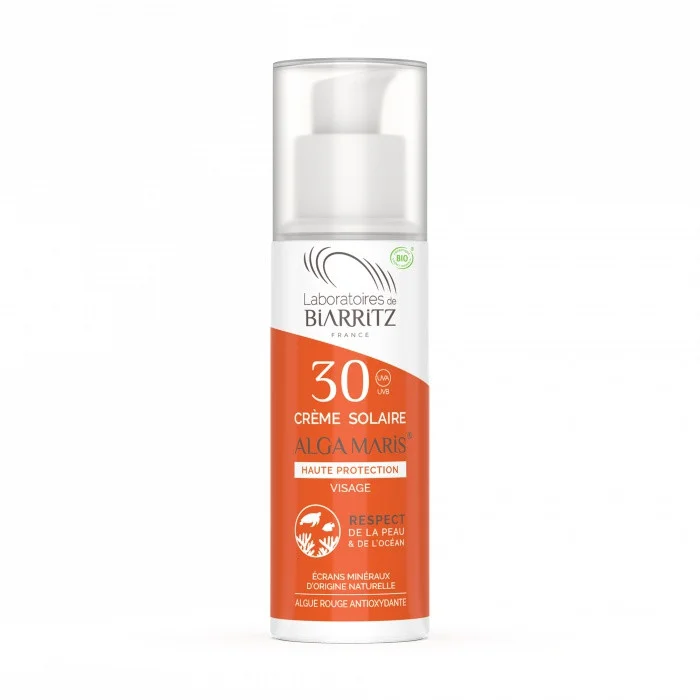
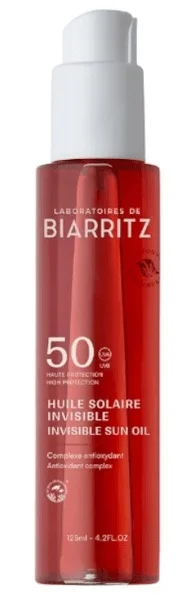
How well does your skin match with Laboratoire Biarritz 30 Creme Solaire Alga Maris?
Login to see detailsOr continue via
Quick 1-minute survey • Completely free
Ingredients
Analysis results of Ingredients


Ingredient List
| EWG | CIR | Ingredient Name & Cosmetic Function | Notes |
|---|---|---|---|
| 1 | - | (Solvent, Emollient) |  |
| 1 | - | (Solvent) | |
| 1 | A | (Solvent, Skin Conditioning, Masking, Perfuming, Emollient) | |
| 2 9 | - | (Skin Protecting, Cosmetic Colorant, Sunscreen Agent, Bulking Agent) |  |



Laboratoire Biarritz 30 Creme Solaire Alga Maris - Ingredient Explanation
Coconut Alkanes
1. Definition Coconut Alkanes:
Coconut alkanes are hydrocarbons derived from coconut oil through a process called fractional distillation. They are commonly used in cosmetics as a natural alternative to silicones for their emollient and conditioning properties.2. Use:
Coconut alkanes are used in a wide range of cosmetic products such as moisturizers, hair care products, and makeup to provide a silky smooth texture and enhance the spreadability of the product. They also help to improve the skin's barrier function and prevent moisture loss, making them ideal for dry and sensitive skin types.3. Usage Coconut Alkanes:
When using products containing coconut alkanes, it is important to patch test first to check for any allergic reactions or sensitivities. It is recommended to follow the instructions provided on the product packaging and avoid applying them to broken or irritated skin. Coconut alkanes are generally considered safe for use in cosmetics, but individuals with coconut allergies should exercise caution.4. References:
- S. M. G. C. L. E. Silva, M. S. B. Oliveira, C. S. P. Silva, L. M. S. L. A. Silva, J. A. D. S. Sousa, A. C. S. C. Teixeira, & M. S. S. G. S. Costa. (2015). Coconut oil: What do we really know about it so far? Food Quality and Safety, 1(3), 107-115.
- Rele, A. S., & Mohile, R. B. (2003). Effect of mineral oil, sunflower oil, and coconut oil on prevention of hair damage. Journal of Cosmetic Science, 54(2), 175-192.
- Korać, R. R., & Khambholja, K. M. (2011). Potential of herbs in skin protection from ultraviolet radiation. Pharmacognosy Reviews, 5(10), 164-173.
Water
1. Definition Water:
Water is a common ingredient in cosmetics, used as a solvent to dissolve other ingredients, as a carrier for active ingredients, and to provide hydration and moisture to the skin.2. Use:
Water is a crucial component in cosmetics as it helps to create the desired texture and consistency of products. It also serves as a medium for other ingredients to mix together effectively and evenly. Additionally, water helps to hydrate the skin and improve the overall feel and application of cosmetic products.3. Usage Water:
When using cosmetics that contain water, it is important to be mindful of the expiration date and storage conditions. Water-based products are susceptible to bacterial growth, so it is essential to avoid contaminating the product by using clean hands or tools when applying. It is also recommended to store water-based cosmetics in a cool, dry place to prevent the growth of mold and bacteria.4. References:
- Draelos, Z. D. (2010). Cosmetic dermatology: products and procedures. John Wiley & Sons.
- Winter, R. (2009). A consumer's dictionary of cosmetic ingredients: complete information about the harmful and desirable ingredients found in cosmetics and cosmeceuticals. Crown.
- Begoun, P. (2003). Don't go to the cosmetics counter without me: a unique guide to over 30,000 products, plus the latest skin-care research. Beginning Press.
Caprylic Triglyceride
1. Definition Caprylic Triglyceride:
Caprylic Triglyceride is a medium-chain fatty acid derived from coconut oil and glycerin. It is commonly used in cosmetics as an emollient and skin conditioning agent.2. Use:
Caprylic Triglyceride is used in various skincare and cosmetic products such as lotions, creams, and serums. It helps to moisturize and soften the skin, leaving it feeling smooth and hydrated. Additionally, it can also act as a solvent for other ingredients in the formulation, helping to improve the texture and spreadability of the product.3. Usage Caprylic Triglyceride:
When using products containing Caprylic Triglyceride, it is important to patch test first to check for any allergic reactions or sensitivities. It is generally considered safe for most skin types, including sensitive skin, but it is always best to consult with a dermatologist if you have any concerns. As with any skincare product, it is recommended to follow the instructions on the packaging for the best results.4. References:
- "Caprylic Triglyceride" by Cosmetics Info, https://cosmeticsinfo.org/ingredient/caprylic-triglyceride
- "Caprylic Triglyceride" by The Derm Review, https://thedermreview.com/caprylic-triglyceride/
- "Caprylic/Capric Triglyceride" by Paula's Choice Skincare, https://www.paulaschoice.com/ingredient-dictionary/skin-restoring/caprylic-capric-triglyceride.html
Zinc Oxide
1. Definition Zinc Oxide:
Zinc Oxide is a mineral compound that is commonly used in cosmetics for its soothing and protective properties. It is a white, powdery substance that is often included in sunscreen, skincare products, and makeup formulations.2. Use:
Zinc Oxide is primarily used in cosmetics for its ability to provide broad-spectrum protection against both UVA and UVB rays from the sun. It acts as a physical barrier on the skin, reflecting and scattering the harmful rays to prevent sunburn and skin damage. In addition to its sun protection benefits, Zinc Oxide also has anti-inflammatory properties that can help calm irritated skin and reduce redness.3. Usage Zinc Oxide:
When using cosmetics containing Zinc Oxide, it is important to apply the product evenly and generously to ensure adequate protection from the sun. Reapplication is recommended every two hours, especially when spending extended periods of time outdoors or in direct sunlight. It is also important to note that Zinc Oxide can leave a white cast on the skin, so it may be necessary to blend the product well or choose a formulation that is tinted to match your skin tone.4. References:
- Draelos, Z. D. (2010). Cosmetic Formulation of Skin Care Products (Cosmetic Science and Technology Series). CRC Press.
- Wang, S. Q., & Lim, H. W. (2007). Current status of the sunscreen regulation in the United States: 2011 Food and Drug Administration's final rule on labeling and effectiveness testing. Journal of the American Academy of Dermatology, 66(3), 489-496.
- Nasir, A., Kalam, A., Singh, P., & Sharma, K. (2019). Zinc oxide nanoparticles: a review of their biological synthesis, antimicrobial activity, uptake, translocation and biotransformation in plants. Journal of Materials Science, 54(2), 1016-1042.
Review

Didn't find
the information you need?





Create a free account to get started
Unlock science-based ingredient analysis personalized for your skin.
Already have an account? Log in
We protect your privacy. We never send spam.