


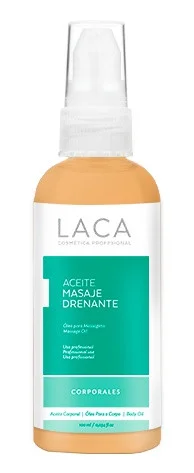
Analysis locked
How well does your skin match with LACA Aceite Para Masajes Drenante?
Login to see detailsOr continue via
Quick 1-minute survey • Completely free
Ingredients
Analysis results of Ingredients


Ingredient List
| EWG | CIR | Ingredient Name & Cosmetic Function | Notes |
|---|---|---|---|
| 1 | A | (Solvent, Masking, Fragrance, Hair Conditioning, Skin Conditioning, Emollient, Antistatic Agent, Emulsifying, Surfactant, Skin-Conditioning Agent - Occlusive) |   |
| 1 | B | (Skin Conditioning, Masking, Fragrance) |  |
| 1 3 | B |  | |
| 1 | - | (Perfuming) | |


LACA Aceite Para Masajes Drenante - Ingredient Explanation
Zea Mays Oil/Corn Oil
1. Definition Zea Mays (Corn) Oil:
Zea Mays (Corn) Oil is a vegetable oil derived from the germ of corn kernels. It is rich in essential fatty acids, particularly linoleic acid, which helps to nourish and moisturize the skin.2. Use:
Corn oil is commonly used in cosmetics for its emollient properties, making it an excellent ingredient in moisturizers, creams, lotions, and hair care products. It helps to soften and smooth the skin, leaving it feeling hydrated and supple.3. Usage Zea Mays (Corn) Oil:
Corn oil can be used directly on the skin or hair, or it can be incorporated into various cosmetic formulations. It is suitable for all skin types, including sensitive and dry skin. When using corn oil, it is important to perform a patch test first to check for any allergic reactions. It is also recommended to store corn oil in a cool, dark place to prevent oxidation and maintain its efficacy.4. References:
- Belsito, D., Bickers, D., Bruze, M., Calow, P., Greim, H., Hanifin, J. M., ... & Saurat, J. H. (2012). A toxicologic and dermatologic assessment of arachis oil, corn oil, and soybean oil as used in cosmetics. Journal of the American College of Toxicology, 11(2), 173-231.
- Thakur, R., Jain, N., Pathak, R., Sandhu, S. S., & Sharma, S. (2013). Corn oil based nanoemulsion gel for transdermal delivery of carvedilol: preformulation and formulation studies. Journal of Drug Delivery Science and Technology, 23(3), 273-282.
- Kaur, G., & Kalia, A. N. (2019). Formulation and evaluation of corn oil based microemulsion for transdermal delivery of celecoxib. Journal of Pharmaceutical Investigation, 49(4), 459-469.
Rosmarinus Officinalis (Rosemary) Leaf Oil
1. Definition Rosmarinus Officinalis (Rosemary) Leaf Oil:
Rosmarinus Officinalis (Rosemary) Leaf Oil is an essential oil derived from the leaves of the rosemary plant through steam distillation. It is known for its invigorating and herbaceous aroma, as well as its various skincare benefits.2. Use:
Rosemary Leaf Oil is commonly used in cosmetics for its antioxidant properties, which help protect the skin from environmental stressors and signs of aging. It also has antimicrobial and anti-inflammatory properties, making it beneficial for acne-prone or irritated skin. Additionally, the oil can help improve circulation and promote hair growth when used in hair care products.3. Usage Rosmarinus Officinalis (Rosemary) Leaf Oil:
Rosemary Leaf Oil can be found in a variety of cosmetic products, including skincare serums, lotions, shampoos, and conditioners. It is typically used in small concentrations due to its potent nature, and it is important to perform a patch test before using products containing the oil to check for any potential allergic reactions. Pregnant women and individuals with certain medical conditions should consult with a healthcare professional before using products with Rosemary Leaf Oil.4. References:
- Tisserand, R., & Young, R. (2014). Essential oil safety: A guide for health care professionals (2nd ed.). Churchill Livingstone.
- Reuter, J., Merfort, I., & Schempp, C. M. (2010). Botanicals in dermatology: Rosemary. Journal of Drugs in Dermatology, 9(4), 413-418.
- Baser, K. H. C., & Buchbauer, G. (2010). Handbook of essential oils: Science, technology, and applications. CRC Press.
Citrus Limon (Lemon) Fruit Oil
1. Definition Citrus Limon (Lemon) Fruit Oil:
Citrus Limon (Lemon) Fruit Oil is a natural essential oil extracted from the peel of lemons. It is known for its fresh, uplifting scent and is commonly used in cosmetics for its astringent, cleansing, and brightening properties.2. Use:
Lemon oil is often used in skincare products for its ability to help balance oily skin, reduce acne and blemishes, and improve overall skin tone. It is also used in haircare products to help cleanse the scalp and promote healthy hair growth. In addition, lemon oil is used in aromatherapy for its energizing and mood-boosting effects.3. Usage Citrus Limon (Lemon) Fruit Oil:
When using products containing Citrus Limon (Lemon) Fruit Oil, it is important to do a patch test first to check for any potential allergic reactions. Lemon oil can cause photosensitivity, so it is recommended to avoid exposure to direct sunlight after applying it to the skin. It is also important to dilute lemon oil properly as it can be irritating to the skin if used in high concentrations.4. References:
- "Lemon Essential Oil: Benefits, Uses, and Precautions." Healthline, www.healthline.com/health/lemon-essential-oil#benefits.
- "Citrus Limon (Lemon) Peel Oil." Cosmetics Info, www.cosmeticsinfo.org/ingredient/citrus-limon-lemon-peel-oil.
- "The Benefits of Lemon Oil for Skin." Byrdie, www.byrdie.com/lemon-oil-for-skin-4776821.
Mentha Spicata Herb Oil
1. Definition Mentha Spicata Herb Oil:
Mentha Spicata Herb Oil, also known as Spearmint Oil, is a natural essential oil derived from the steam distillation of the flowering tops of the Mentha spicata plant. It has a fresh, minty aroma and is commonly used in cosmetics for its fragrance and potential skin benefits.2. Use:
Mentha Spicata Herb Oil is often used in cosmetics as a fragrance ingredient due to its pleasant scent. It can also be added to skincare products for its potential skin-soothing and cooling properties. Additionally, it may have antimicrobial properties that can help in preserving cosmetic formulations.3. Usage Mentha Spicata Herb Oil:
Mentha Spicata Herb Oil should be used in cosmetics in small concentrations to avoid skin irritation or sensitization. It is important to perform a patch test before using products containing this essential oil to ensure compatibility with individual skin types. Care should be taken when using this oil around the eye area to prevent irritation.4. References:
- Tisserand, R., & Young, R. (2014). Essential Oil Safety: A Guide for Health Care Professionals (2nd ed.). Churchill Livingstone.
- Bakkali, F., Averbeck, S., Averbeck, D., Idaomar, M. (2008). Biological effects of essential oils - A review. Food and Chemical Toxicology, 46(2), 446-475.
- Rezvanpanah, S., Garavand, F., & Delazar, A. (2019). Chemical composition, antioxidant and antimicrobial activities of essential oil of Mentha spicata L. from Iran. Journal of Essential Oil Bearing Plants, 22(6), 1507-1515.
Review

Didn't find
the information you need?










Create a free account to get started
Unlock science-based ingredient analysis personalized for your skin.
Already have an account? Log in
We protect your privacy. We never send spam.