


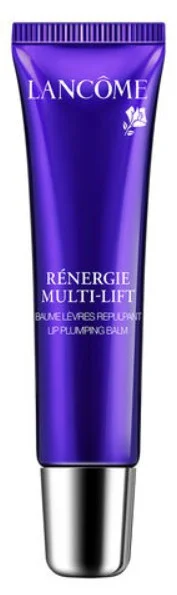
Analysis locked
How well does your skin match with Lancome Rénergie Lift Multi-Action?
Login to see detailsOr continue via
Quick 1-minute survey • Completely free
Ingredients
Analysis results of Ingredients


Ingredient List
| EWG | CIR | Ingredient Name & Cosmetic Function | Notes |
|---|---|---|---|
| 1 | A | (Solvent, Masking, Perfuming, Skin Conditioning, Emollient) | |
| 1 | A |   | |
| 1 | - | (Skin Conditioning, Emollient) | |
| 3 | - | (Emollient, Humectant) | |



Lancome Rénergie Lift Multi-Action - Ingredient Explanation
Caprylic/ Capric Triglyceride
1. Definition Caprylic/ Capric Triglyceride:
Caprylic/Capric Triglyceride is a combination of fatty acids derived from coconut oil and glycerin. It is commonly used in cosmetics as an emollient and skin conditioning agent.2. Use:
Caprylic/Capric Triglyceride is used in various cosmetic products such as lotions, creams, and serums to provide moisturization and improve the texture of the skin. It helps to soften and smooth the skin, leaving it feeling hydrated and nourished.3. Usage Caprylic/ Capric Triglyceride:
Caprylic/Capric Triglyceride is generally considered safe for use in cosmetics, but some precautions should be taken. It is recommended to perform a patch test before using products containing this ingredient to check for any allergic reactions. Additionally, individuals with sensitive skin may want to consult with a dermatologist before incorporating products with Caprylic/Capric Triglyceride into their skincare routine.4. References:
- "Caprylic/Capric Triglyceride." Cosmetics Info, www.cosmeticsinfo.org/ingredient/capryliccapric-triglyceride.
- "Caprylic/Capric Triglyceride." The Derm Review, www.thedermreview.com/caprylic-capric-triglyceride/.
- "Caprylic/Capric Triglyceride." Truth in Aging, www.truthinaging.com/ingredients/capryliccapric-triglyceride.
Butyrospermum Parkii (Shea) Butter
1. Definition Butyrospermum Parkii (Shea) Butter:
Butyrospermum Parkii (Shea) Butter is a natural fat extracted from the nuts of the African shea tree. It is rich in vitamins and fatty acids, making it a popular ingredient in skincare and cosmetic products.2. Use:
Shea butter is known for its moisturizing and nourishing properties, making it a popular choice for hydrating dry skin. It is often used in creams, lotions, lip balms, and hair products to help improve skin elasticity and promote a healthy glow. Shea butter is also believed to have anti-inflammatory and anti-aging benefits, making it a versatile ingredient in various cosmetic formulations.3. Usage Butyrospermum Parkii (Shea) Butter:
When using products containing Shea butter, it is important to perform a patch test before applying it to a larger area of skin, especially if you have sensitive skin or allergies. Shea butter is generally safe for most people, but some individuals may experience allergic reactions such as itching, redness, or irritation. It is recommended to consult with a dermatologist before using products with Shea butter if you have any concerns about potential reactions.4. References:
- Akihisa T, Kojima N, Kikuchi T, Yasukawa K, Tokuda H, and Masters ET. Anti-inflammatory and chemopreventive effects of triterpene cinnamates and acetates from shea fat. Journal of Oleo Science. 2010; 59(6):273-80.
- Lin TK, Zhong L, Santiago JL. Anti-inflammatory and skin barrier repair effects of topical application of some plant oils. International Journal of Molecular Sciences. 2018; 19(1):70.
- Aremu AO, Oyedeji AO, Oyedeji O, Okorie DO, and Nkeh-Chungag BN. Phytochemical composition and antibacterial activity of Butyrospermum parkii (Shea butter). Journal of Medicinal Plants Research. 2012; 6(26):4467-4472.
Ppg 5 Pentaerythrityl Ether
1. Definition Ppg 5 Pentaerythrityl Ether:
Ppg 5 Pentaerythrityl Ether is a synthetic compound that belongs to the class of polyethylene glycols. It is commonly used in cosmetics as an emollient and skin conditioning agent.2. Use:
Ppg 5 Pentaerythrityl Ether is primarily used in cosmetics as a moisturizing ingredient. It helps to hydrate the skin and improve its overall texture. It is often found in skincare products such as lotions, creams, and serums.3. Usage Ppg 5 Pentaerythrityl Ether:
When using products containing Ppg 5 Pentaerythrityl Ether, it is important to follow the instructions provided by the manufacturer. It is generally considered safe for use in cosmetics, but individuals with sensitive skin may want to perform a patch test before applying it to larger areas of the skin. It is also recommended to avoid contact with the eyes and to discontinue use if any irritation or allergic reaction occurs.4. References:
- Cosmeticsinfo.org. (n.d.). Ppg-5 Pentaerythrityl Ether. Retrieved from https://cosmeticsinfo.org/ingredient/ppg-5-pentaerythrityl-ether
- Personal Care Council. (2019). Ppg-5 Pentaerythrityl Ether. Retrieved from https://www.personalcarecouncil.org/ingredient/ppg-5-pentaerythrityl-ether/
- The Cosmetic Ingredient Review. (2015). Safety Assessment of Ppg-5 Pentaerythrityl Ether as Used in Cosmetics. Retrieved from https://online.personalcarecouncil.org/ctfa-static/online/lists/cir-pdfs/pr1008.pdf
Peg 5 Pentaerythrityl Ether
1. Definition Peg 5 Pentaerythrityl Ether:
Peg 5 Pentaerythrityl Ether is a synthetic compound that belongs to the group of polyethylene glycol ethers. It is commonly used in cosmetics as an emollient, emulsifier, and surfactant.2. Use:
Peg 5 Pentaerythrityl Ether is utilized in cosmetics to improve the texture and consistency of products. It helps to hydrate and soften the skin, making it a popular ingredient in moisturizers, lotions, and creams. Additionally, it can also act as a stabilizer in formulations, ensuring that the product remains effective over time.3. Usage Peg 5 Pentaerythrityl Ether:
When using cosmetics containing Peg 5 Pentaerythrityl Ether, it is important to follow the manufacturer's instructions and recommendations. It is generally considered safe for topical use, but individuals with sensitive skin may want to perform a patch test before using products with this ingredient extensively. As with any cosmetic ingredient, if irritation occurs, it is advisable to discontinue use and consult a dermatologist.4. References:
- "Safety Assessment of PEG-5 Pentaerythrityl Ether and PEG-30 Dipolyhydroxystearate as Used in Cosmetics" by the Cosmetic Ingredient Review Expert Panel (2012)
- "Polyethylene Glycols (PEGs) and Their Derivatives as Skin Penetration Enhancers: A Review" by N. Singh et al. in Drug Development and Industrial Pharmacy (2019)
- "Formulation and Evaluation of Herbal Gel Containing PEG-5 Pentaerythrityl Ether for the Treatment of Acne" by S. R. Patel et al. in International Journal of Pharmaceutical Sciences and Research (2018)
Review









Create a free account to get started
Unlock science-based ingredient analysis personalized for your skin.
Already have an account? Log in
We protect your privacy. We never send spam.