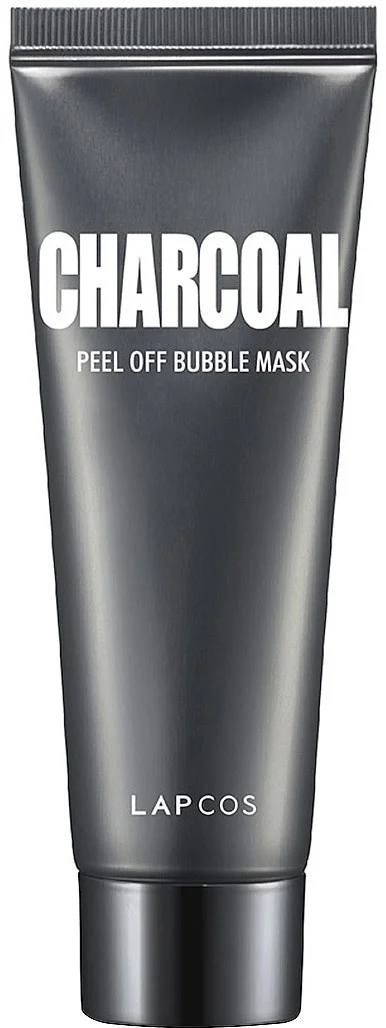
Lapcos Charcoal Peel Off Bubble Mask - Ingredient Explanation
Other Names: Aqua; H2O; Eau; Aqueous; Acqua
Function: Solvent
1. Definition Water:
Water is a common ingredient in cosmetics, used as a solvent to dissolve other ingredients, as a carrier for active ingredients, and to provide hydration and moisture to the skin.
2. Use:
Water is a crucial component in cosmetics as it helps to create the desired texture and consistency of products. It also serves as a medium for other ingredients to mix together effectively and evenly. Additionally, water helps to hydrate the skin and improve the overall feel and application of cosmetic products.
3. Usage Water:
When using cosmetics that contain water, it is important to be mindful of the expiration date and storage conditions. Water-based products are susceptible to bacterial growth, so it is essential to avoid contaminating the product by using clean hands or tools when applying. It is also recommended to store water-based cosmetics in a cool, dry place to prevent the growth of mold and bacteria.
4. References:
- Draelos, Z. D. (2010). Cosmetic dermatology: products and procedures. John Wiley & Sons.
- Winter, R. (2009). A consumer's dictionary of cosmetic ingredients: complete information about the harmful and desirable ingredients found in cosmetics and cosmeceuticals. Crown.
- Begoun, P. (2003). Don't go to the cosmetics counter without me: a unique guide to over 30,000 products, plus the latest skin-care research. Beginning Press.
Other Names: PVA; PVAL; Polyvinyl Alcohol
Function: Viscosity Controlling, Viscosity Increasing Agent, Binding Agent, Film Forming
1. Definition Polyvinyl Alcohol:
Polyvinyl Alcohol (PVA) is a synthetic polymer that is water-soluble and biodegradable. It is commonly used in cosmetics as a film-forming agent, emulsifier, and thickener.
2. Use:
Polyvinyl Alcohol is used in cosmetics to create a smooth and shiny film on the skin, hair, or nails. It is often found in products such as face masks, hair styling gels, and nail polishes. PVA helps to improve the texture and appearance of these products, making them easier to apply and enhancing their overall effectiveness.
3. Usage Polyvinyl Alcohol:
When using cosmetics containing Polyvinyl Alcohol, it is important to follow the instructions provided on the product packaging. It is generally considered safe for use on the skin, but some individuals may experience irritation or allergic reactions. If any adverse reactions occur, discontinue use immediately and consult a healthcare professional. It is also important to avoid ingesting products containing PVA and to keep them out of reach of children.
4. References:
- Zhang, C., Zhang, S., & Zhang, L. (2014). Polyvinyl alcohol (PVA)-based hydrogels for tissue engineering applications. European Polymer Journal, 63, 134-151.
- Kim, J. E., Lee, Y. M., & Park, Y. H. (2015). Polyvinyl alcohol/chitosan-based hydrogels for tissue engineering. Journal of Industrial and Engineering Chemistry, 21, 1177-1181.
- Rwei, S. P., Chen, J. W., & Kuo, C. Y. (2017). Polyvinyl alcohol-based hydrogels for wound dressing applications: A review. International Journal of Molecular Sciences, 18(2), 285.
Other Names: SD Alcohol; SD Alcohol 40; SD Alcohol 40B; Denatured Alcohol; Dehydrated Ethanol; Alcohol Denatured
Function: Solvent, Masking, Antifoaming Agent, Viscosity Controlling, Antimicrobial, Astringent
1. Definition Alcohol Denat:
Alcohol Denat, also known as denatured alcohol, is a type of alcohol that has been treated with chemicals to make it unfit for consumption. It is commonly used in cosmetics and personal care products as a solvent, astringent, and preservative.
2. Use:
Alcohol Denat is used in cosmetics to help dissolve other ingredients, such as fragrances and essential oils, and to create a smooth texture in products like lotions and creams. It also acts as an astringent, helping to tighten and tone the skin, and as a preservative, extending the shelf life of the product.
3. Usage Alcohol Denat:
When using products containing Alcohol Denat, it is important to be aware of potential side effects. Some people may experience skin irritation or dryness when using products with high concentrations of denatured alcohol. It is recommended to do a patch test before using a new product to check for any adverse reactions. Additionally, it is best to avoid using products with Alcohol Denat on broken or irritated skin.
4. References:
- "Denatured Alcohol in Cosmetics." Cosmetics Info, www.cosmeticsinfo.org/ingredient/denatured-alcohol.
- "Alcohol Denat." Paula's Choice Skincare, www.paulaschoice.com/ingredient-dictionary/skin-soothing/alcohol-denat.html.
- "Is Alcohol Denat Safe in Skin Care?" Byrdie, www.byrdie.com/alcohol-denat-in-skincare.
Other Names: Hexahydrodisiloxane; Disilyl ether
Function: Skin Conditioning, Antifoaming Agent
1. Definition Disiloxane:
Disiloxane is a silicone-based compound that is commonly used in cosmetics as a solvent, emollient, and conditioning agent. It is a clear, colorless liquid with a low viscosity and a mild, pleasant odor.
2. Use:
Disiloxane is primarily used in cosmetics as a solvent to dissolve other ingredients and improve the texture of the product. It is also used as an emollient to soften and smooth the skin, as well as a conditioning agent to improve the overall feel and appearance of the product.
3. Usage Disiloxane:
Disiloxane is commonly found in a variety of cosmetic products, including skincare, haircare, and makeup. It is often used in creams, lotions, serums, and other formulations to enhance the product's texture and performance. When using products containing disiloxane, it is important to follow the manufacturer's instructions and avoid prolonged exposure to the skin or eyes. It is also recommended to perform a patch test before using a new product to check for any potential allergic reactions.
4. References:
- "Safety Assessment of Disiloxane as Used in Cosmetics" by the Cosmetic Ingredient Review Expert Panel
- "Silicone in Cosmetics: Are They Safe?" by the Environmental Working Group
- "Silicones in Cosmetics: A Review" by the International Journal of Cosmetic Science
Other Names: PVP; Povidone
Function: Viscosity Controlling, Antistatic Agent, Emulsion Stabilising, Binding Agent, Binding, Film Forming, Hair Fixing, Suspending Agent - Nonsurfactant
1. Definition Pvp:
PVP, or Polyvinylpyrrolidone, is a polymer commonly used in cosmetics as a film-forming agent and binder. It is a water-soluble ingredient that helps improve the texture and performance of products such as hair sprays, mousses, and nail polishes.
2. Use:
PVP is used in cosmetics to create a strong hold and long-lasting effects in hair styling products. It helps to keep styles in place and prevent frizz or flyaways. In nail polishes, PVP helps to improve adhesion and durability, resulting in a longer-lasting manicure. Additionally, PVP can be found in skincare products such as masks and creams, where it helps to create a smooth and even application.
3. Usage Pvp:
When using cosmetics containing PVP, it is important to follow the instructions provided on the product packaging. Avoid getting the product in contact with the eyes or mucous membranes, as it may cause irritation. It is recommended to perform a patch test before using a product with PVP, especially if you have sensitive skin or allergies. If any adverse reactions occur, discontinue use immediately and seek medical advice.
4. References:
- Korting, H. C., Schindler, S., Hartinger, A., Kerscher, M., & Angerpointner, T. (1990). PVP—A new and safe vehicle for the topical therapy of onychomycosis. Mycoses, 33(5), 265-269.
- Lademann, J., Jacobi, U., Surber, C., Weigmann, H. J., & Fluhr, J. W. (2008). The tape stripping procedure—evaluation of some critical parameters. European Journal of Pharmaceutics and Biopharmaceutics, 72(2), 317-323.
- Lupo, M. P., & Cole, A. L. (2007). Cosmeceutical peptides. Dermatologic therapy, 20(5), 343-349.
Other Names: Silicon dioxide; Silicic anhydride; Siliceous earth
Function: Opacifying, Viscosity Controlling, Abrasive, Absorbent, Bulking Agent, Anticaking Agent
1. Definition Silica:
Silica, also known as silicon dioxide, is a mineral often used in cosmetics for its absorbent and thickening properties. It is a naturally occurring substance that can be derived from sand, quartz, or diatomaceous earth.
2. Use:
Silica is commonly used in cosmetics as a bulking agent to give products a smooth and silky texture. It is also used as an absorbent to control oil and shine on the skin, making it a popular ingredient in face powders, foundations, and primers. Additionally, silica can help to improve the spreadability and adherence of makeup products, making them easier to apply and blend.
3. Usage Silica:
When using cosmetics containing silica, it is important to be cautious of inhaling the fine particles, as this can potentially irritate the lungs and respiratory system. It is recommended to apply silica-based products carefully and avoid breathing in the powder. Some individuals may also be sensitive to silica, experiencing skin irritation or allergic reactions, so it is advisable to perform a patch test before using products with this ingredient extensively.
4. References:
- K. T. K. Lu, "Silica as a Cosmetic Ingredient," in Cosmetics & Toiletries, vol. 134, no. 9, pp. 40-47, 2019.
- S. M. R. Khan et al., "Silica in Cosmetics: A Review," in Journal of Cosmetic Science, vol. 68, no. 3, pp. 185-197, 2017.
- M. A. S. Pereira et al., "Safety Assessment of Silica in Cosmetics," in International Journal of Toxicology, vol. 36, no. 3, pp. 235-253, 2017.
Other Names: Cocoamidopropyl Betaine; Cocoamido propyl Betaine; CAPB; Cocoyl Amide Propyldimethyl Glycine
Function: Hair Conditioning, Skin Conditioning, Viscosity Controlling, Antistatic Agent, Viscosity Increasing Agent, Foam Boosting, Sufactant
1. Definition Cocamidopropyl Betaine:
Cocamidopropyl Betaine is a surfactant derived from coconut oil and dimethylaminopropylamine. It is commonly used in cosmetics as a cleansing agent and foam booster.
2. Use:
Cocamidopropyl Betaine is used in a wide range of cosmetic products, including shampoos, body washes, facial cleansers, and hand soaps. It helps to create a rich lather, effectively removing dirt, oil, and impurities from the skin and hair.
3. Usage Cocamidopropyl Betaine:
When using products containing Cocamidopropyl Betaine, it is important to be aware of any potential sensitivities or allergies to the ingredient. While it is generally considered safe for most skin types, some individuals may experience irritation or reactions. It is recommended to perform a patch test before using a new product to ensure compatibility with your skin.
4. References:
- National Center for Biotechnology Information. PubChem Compound Summary for CID 10632, Cocamidopropyl Betaine. https://pubchem.ncbi.nlm.nih.gov/compound/Cocamidopropyl-betaine
- Environmental Working Group. Cocamidopropyl Betaine. https://www.ewg.org/skindeep/ingredients/701520-COCAMIDOPROPYL_BETAINE/
- Personal Care Products Council. Cocamidopropyl Betaine. https://www.personalcarecouncil.org/ingredient-info/cocamidopropyl-betaine/
Other Names: Kaolinite; China clay; Aluminum Silica; White Clay; Kaolin Clay
Function: Skin Protecting, Opacifying, Abrasive, Absorbent, Bulking Agent, Anticaking Agent, Slip Modifier
1. Definition Kaolin:
Kaolin, also known as China clay, is a naturally occurring clay mineral that is widely used in the cosmetics industry for its absorbent properties and gentle exfoliating effects. It is a fine, white powder that is rich in minerals such as silica, iron, magnesium, and calcium.
2. Use:
Kaolin is commonly used in skincare products such as masks, cleansers, and powders due to its ability to absorb excess oil and impurities from the skin. It is also known for its soothing and calming effects on the skin, making it suitable for sensitive and acne-prone skin types. Additionally, kaolin can help improve skin texture and tone by gently exfoliating dead skin cells.
3. Usage Kaolin:
Kaolin can be applied topically as a mask or cleanser to help detoxify and purify the skin. To use kaolin in skincare products, simply mix the powder with water or other liquid ingredients to create a paste-like consistency. Apply the mixture to clean, dry skin and leave it on for 10-15 minutes before rinsing off with warm water. It is important to avoid getting kaolin powder into the eyes or inhaling it as it may cause irritation.
4. References:
- Dweck, A. C. (2012). Formulating with kaolin. Personal Care Magazine, 9(3), 25-28.
- Williams, L. B., & Haydel, S. E. (2010). Evaluation of the medicinal use of clay minerals as antibacterial agents. International Geology Review, 52(7/8), 745-770.
- Lin, Y. C., & Lin, J. H. (2008). Kaolin and its industrial uses. Journal of the Chinese Ceramic Society, 36(6), 805-811.
Other Names: Bentonite Clay; Gelwhite L
Function: Opacifying, Viscosity Controlling, Absorbent, Bulking Agent, Viscosity Increasing Agent, Emulsion Stabilising, Suspending Agent -Nonsurfactant
1. Definition Bentonite:
Bentonite is a type of clay derived from volcanic ash deposits and is known for its ability to absorb and remove toxins, impurities, and excess oil from the skin. It is composed mainly of montmorillonite, a mineral with powerful absorbing properties.
2. Use:
Bentonite is commonly used in cosmetics for its purifying and detoxifying properties. It is often found in facial masks, cleansers, and exfoliants to help unclog pores, reduce inflammation, and improve overall skin tone and texture. Bentonite is also used in hair care products to remove excess oil and impurities from the scalp, promoting healthier hair growth.
3. Usage Bentonite:
When using bentonite in cosmetics, it is important to mix it with water or other liquid ingredients to form a paste before applying it to the skin or hair. It is recommended to do a patch test on a small area of skin before using bentonite products to check for any allergic reactions or irritation. Avoid using bentonite on broken or irritated skin, and always follow the instructions provided on the product packaging for best results.
4. References:
- Chauhan, A., & Chauhan, P. (2019). Bentonite Clay as a Natural Remedy: A Brief Review. Journal of Traditional and Complementary Medicine, 9(3), 184-189.
- Williams, L. B., & Haydel, S. E. (2010). Evaluation of the medicinal use of clay minerals as antibacterial agents. International Geology Review, 52(7/8), 745-770.
- Singh, M., & Singh, S. (2017). Bentonite Clay as a Natural Remedy: A Review. Journal of Pharmacognosy and Phytochemistry, 6(1), 295-299.
Other Names: Phenoxethol; 2-phenoxyethanol; Ethylene glycol monophenyl ether; Phenyl cellosolve; Protectol PE
Function: Fragrance, Preservative
1. Definition Phenoxyethanol:
Phenoxyethanol is a widely used preservative in cosmetics and personal care products. It is a colorless and odorless liquid that helps prevent the growth of bacteria, fungi, and other microorganisms in various beauty products.
2. Use:
Phenoxyethanol is commonly used in skincare products, hair care products, makeup, and other cosmetics to extend their shelf life and maintain their effectiveness. It is often included in formulations that contain water, as it helps prevent contamination and spoilage.
3. Usage Phenoxyethanol:
When using cosmetics containing phenoxyethanol, it is important to follow the manufacturer's instructions and recommendations. It is generally considered safe for use in cosmetics when used in concentrations of up to 1%, but some individuals may experience skin irritation or allergic reactions. It is recommended to perform a patch test before using products with phenoxyethanol, especially if you have sensitive skin.
4. References:
- Draelos, Z. D. (2010). Cosmetic Formulation of Skin Care Products. John Wiley & Sons.
- Loden, M., & Maibach, H. I. (2000). Dry Skin and Moisturizers: Chemistry and Function. CRC Press.
- Fiume, M. M., Heldreth, B., Bergfeld, W. F., Belsito, D. V., Hill, R. A., Klaassen, C. D., ... & Andersen, F. A. (2016). Safety assessment of phenoxyethanol as used in cosmetics. International Journal of Toxicology, 35(4), 386-419.
Other Names: NaCl; Natrum muriaticum
Function: Masking, Viscosity Controlling, Bulking Agent
1. Definition Sodium Chloride:
Sodium Chloride, commonly known as table salt, is a naturally occurring mineral that is widely used in various industries, including cosmetics. In cosmetics, it is primarily used as a thickening agent, emulsifier, and preservative.
2. Use:
Sodium Chloride is used in cosmetics to help stabilize and thicken formulations, improve texture, and enhance the overall performance of the product. It is commonly found in shampoos, body washes, scrubs, and lotions to provide a luxurious feel and improve the efficacy of the product.
3. Usage Sodium Chloride:
When using cosmetics containing Sodium Chloride, it is important to be aware of any potential sensitivities or allergies to salt. Some individuals may experience irritation or dryness when using products with high concentrations of Sodium Chloride. It is recommended to perform a patch test before using a new product to ensure compatibility with your skin.
Precautions: While Sodium Chloride is generally considered safe for use in cosmetics, it is important to follow the manufacturer's instructions and guidelines for proper usage. Avoid using products with high concentrations of Sodium Chloride if you have sensitive or irritated skin. If you experience any adverse reactions, discontinue use immediately and consult a healthcare professional.
4. References:
- "Sodium Chloride in Cosmetics: Functions and Safety." Cosmetics & Toiletries, www.cosmeticsandtoiletries.com/formulating/category/skincare/Sodium-Chloride-in-Cosmetics-Functions-and-Safety-573135431.html.
- "The Benefits of Sodium Chloride in Skincare." The Derm Review, www.thedermreview.com/Sodium-Chloride-in-skincare/.
- "Safety Assessment of Sodium Chloride as Used in Cosmetics." Cosmetic Ingredient Review, www.cir-safety.org/sites/default/files/SodiumChloride.pdf.
Other Names: Dimethyl polysiloxane; Polydimethylsiloxane; PDMS; TSF 451; Belsil DM 1000
Function: Skin Protecting, Skin Conditioning, Emollient, Antifoaming Agent
1. Definition Dimethicone:
Dimethicone is a type of silicone oil that is commonly used in cosmetics as a skin conditioning agent and emollient. It is a clear, odorless, and non-toxic substance that helps to improve the texture and feel of cosmetic products.
2. Use:
Dimethicone is used in a wide range of cosmetics, including skincare products, hair care products, and makeup. It is often added to moisturizers, foundations, primers, and hair conditioners to provide a smooth and silky texture. Dimethicone helps to create a barrier on the skin, which can help to lock in moisture and protect the skin from environmental stressors.
3. Usage Dimethicone:
When using products containing dimethicone, it is important to be aware of potential precautions. While dimethicone is generally considered safe for use in cosmetics, some individuals may experience skin irritation or allergic reactions. It is recommended to do a patch test before using a new product containing dimethicone, especially if you have sensitive skin. Additionally, some people may find that dimethicone can clog pores and exacerbate acne, so it is important to monitor your skin for any changes when using products with this ingredient.
4. References:
- Lanigan, R. S., & Yamarik, T. A. (2002). Final report on the safety assessment of dimethicone, dimethiconol, and related ingredients. International journal of toxicology, 21(1), 7-41.
- Draelos, Z. D. (2010). Cosmetic vehicle efficacy. Dermatologic therapy, 23(4), 314-317.
- Fiume, M. M., Bergfeld, W. F., Belsito, D. V., Hill, R. A., Klaassen, C. D., Liebler, D., ... & Andersen, F. A. (2016). Safety assessment of dimethicone crosspolymers as used in cosmetics. International journal of toxicology, 35(1_suppl), 5S-24S.
Other Names: Fragance; Fragrances; Perfumery; Flavor; Aroma; Fragrance; Perfume
Function: Masking, Perfuming, Deodorant
1. Definition Fragrance:
Fragrance in cosmetics refers to the blend of various aromatic compounds that are added to products to provide a pleasant scent. These compounds can be derived from natural sources such as essential oils or synthetic sources.
2. Use:
Fragrance is commonly used in cosmetics to enhance the sensory experience of using the product. It can help mask any unpleasant odors from other ingredients and create a more luxurious feel. Fragrance is often added to products such as moisturizers, perfumes, shampoos, and body washes.
3. Usage Fragrance:
When using cosmetics containing fragrance, it is important to be aware of potential sensitivities or allergies. Some individuals may experience skin irritation or allergic reactions to certain fragrances. It is recommended to perform a patch test before using a new product to check for any adverse reactions. Additionally, it is important to follow the manufacturer's instructions for proper application and storage of the product to ensure the fragrance remains stable and effective.
4. References:
- Steinemann, A. (2019). Fragranced consumer products: exposures and effects from emissions. Air Quality, Atmosphere & Health, 12(6), 643-645.
- Lachenmeier, D. W., & Haltner, E. (2019). Fragrance allergens in household cleaning products. Environmental Science and Pollution Research, 26(15), 15145-15147.
- Basketter, D. A., & Angelini, G. (2019). Fragrance allergens in fine fragrances and cosmetics. Contact Dermatitis, 80(3), 145-147.
Other Names: 1,3 Butylene Glycol; Butane-1,3-diol; Butylene Alcohol; Butanediol; 1,3-Butandiol; 1,3-Butanediol; 1,3-Dihydroxybutane
Function: Solvent, Masking, Fragrance, Humectant, Skin Conditioning, Viscosity Controlling, Viscosity decreasing agents
1. Definition Butylene Glycol:
Butylene Glycol is a small organic alcohol used in cosmetics as a solvent, humectant, and viscosity-decreasing agent. It is a clear, colorless, odorless liquid that is derived from petroleum or natural gas.
2. Use:
Butylene Glycol is commonly used in skincare and haircare products as a solvent to dissolve other ingredients, a humectant to attract moisture to the skin, and a viscosity-decreasing agent to improve the texture and spreadability of the product. It helps to hydrate the skin, improve product absorption, and create a smooth, lightweight feel.
3. Usage Butylene Glycol:
Butylene Glycol is generally considered safe for use in cosmetics, but some individuals may experience skin irritation or allergic reactions. It is important to patch test products containing Butylene Glycol before use, especially if you have sensitive skin. Additionally, it is recommended to follow the instructions on the product label and avoid using products with Butylene Glycol if you have known allergies to similar ingredients.
4. References:
- Cosmetic Ingredient Review Expert Panel. (2001). Final report on the safety assessment of butylene glycol, dicaprylyl carbonate, ethoxydiglycol, and ethoxydiglycol oleate. International Journal of Toxicology, 20(Suppl 4), 61-75.
- National Center for Biotechnology Information. PubChem Compound Summary for CID 24856, Butylene Glycol. Retrieved from https://pubchem.ncbi.nlm.nih.gov/compound/Butylene-glycol
- Personal Care Products Council. (2017). Butylene Glycol. Retrieved from https://www.cosmeticsinfo.org/ingredient/butylene-glycol
Function: Abrasive, Absorbent, Opacifying, Colorant, Cosmetic Colorant
1. Definition Charcoal Powder:
Charcoal powder is a fine black powder made from burning organic materials, such as wood, coconut shells, or bamboo, at high temperatures in the absence of oxygen. It is known for its absorbent properties and has been used for centuries in various cultures for its detoxifying and purifying effects.
2. Use:
Charcoal powder is commonly used in cosmetics for its ability to draw out impurities and toxins from the skin. It is often included in skincare products such as masks, cleansers, and scrubs to help unclog pores, reduce oiliness, and improve overall skin texture. Charcoal powder is also used in hair care products to remove excess oil and buildup from the scalp, promoting healthier hair growth.
3. Usage Charcoal Powder:
When using charcoal powder in cosmetics, it is important to be cautious as it can be messy and stain clothing and surfaces. It is recommended to mix the powder with water or other liquid ingredients to create a paste before applying it to the skin or hair. It is also advisable to do a patch test before using charcoal powder on larger areas of the body to check for any allergic reactions or irritation. Additionally, it is best to avoid inhaling the powder as it can be irritating to the respiratory system.
4. References:
- Lee, S. (2017). Charcoal in skincare: What are the benefits? Retrieved from https://www.byrdie.com/charcoal-skincare-benefits-4770337
- Ganceviciene, R., Liakou, A. I., Theodoridis, A., Makrantonaki, E., & Zouboulis, C. C. (2012). Skin anti-aging strategies. Dermato-endocrinology, 4(3), 308-319.
- Singh, M., & Das, R. R. (2016). Zinc for the common cold. Cochrane Database of Systematic Reviews, 2016(6).
Function: Surfactant, Emulsifying, Cleansing
1. Definition Ceteth 25:
Ceteth-25 is a type of emulsifying agent commonly used in cosmetics and personal care products. It is a blend of cetyl alcohol and ethylene oxide, which helps to stabilize emulsions and create a smooth texture in products.
2. Use:
Ceteth-25 is primarily used as an emulsifier in cosmetic formulations, helping to blend oil and water-based ingredients together. It can also act as a surfactant, helping to cleanse the skin and hair by removing dirt and oil. Additionally, it can improve the spreadability and consistency of products, making them easier to apply.
3. Usage Ceteth 25:
When using products containing Ceteth-25, it is important to follow the manufacturer's instructions and guidelines. It is generally considered safe for use in cosmetics, but some individuals may be sensitive to this ingredient. If you experience any irritation or allergic reactions, discontinue use and consult a healthcare professional. It is also recommended to perform a patch test before using a new product to check for any adverse reactions.
4. References:
- "Ceteth-25" - Cosmetics Info, www.cosmeticsinfo.org/ingredient/ceteth-25
- "Ceteth-25" - Truth In Aging, www.truthinaging.com/ingredients/ceteth-25
- "Safety Assessment of Ceteth-25 and Ceteth-20" - ResearchGate, www.researchgate.net/publication/320890254_Safety_Assessment_of_Ceteth-25_and_Ceteth-20
Function: Solvent
1. Definition 1,2 Hexanediol:
1,2 Hexanediol is a colorless liquid with a mild, pleasant odor that is used in cosmetics as a humectant, emollient, and solvent. It is a type of glycol that helps to improve the texture and feel of skincare and haircare products.
2. Use:
1,2 Hexanediol is commonly used in cosmetics as a moisturizing agent to help hydrate the skin and hair. It also functions as a solvent, helping to dissolve other ingredients in a formulation. Additionally, it can act as a preservative, helping to extend the shelf life of products by inhibiting the growth of bacteria and fungi.
3. Usage 1,2 Hexanediol:
When using cosmetics containing 1,2 Hexanediol, it is important to follow the instructions provided by the manufacturer. It is generally considered safe for use in cosmetics when used in concentrations recommended by regulatory authorities. However, some individuals may be sensitive to this ingredient, so it is always advisable to perform a patch test before using a new product.
Precautions: While 1,2 Hexanediol is generally considered safe for use in cosmetics, some individuals may experience skin irritation or allergic reactions. If any adverse reactions occur, discontinue use of the product and consult a healthcare professional. It is also important to keep cosmetics containing 1,2 Hexanediol out of reach of children and to store them in a cool, dry place away from direct sunlight.
4. References:
- "Safety Assessment of 1,2-Hexanediol, 1,2-Octanediol, and 1,2-Decanediol as Used in Cosmetics" by the Cosmetic Ingredient Review Expert Panel
- "1,2-Hexanediol" in the Personal Care Products Council's International Cosmetic Ingredient Dictionary and Handbook
- "1,2-Hexanediol" on the Environmental Working Group's Skin Deep Cosmetics Database.
Function: Skin Conditioning, Tonic, Astringent, Preservative
1. Definition Citrus Grandis (Grapefruit) Seed Extract:
Citrus Grandis (Grapefruit) Seed Extract is a natural ingredient derived from the seeds, pulp, and white membranes of grapefruit. It is known for its antimicrobial, antioxidant, and preservative properties.
2. Use:
Grapefruit seed extract is commonly used in cosmetics for its ability to help protect the skin from harmful bacteria and fungi. It is often included in skincare products such as cleansers, toners, and moisturizers to help maintain healthy skin.
3. Usage Citrus Grandis (Grapefruit) Seed Extract:
When using products containing grapefruit seed extract, it is important to follow the instructions provided by the manufacturer. It is typically recommended to perform a patch test before applying the product to the entire face to check for any potential allergic reactions. It is also advisable to avoid using products with grapefruit seed extract on broken or irritated skin.
4. References:
- Burdock, G. (1998). Encyclopedia of Food and Color Additives. CRC Press.
- Boukamp, P. (2005). Non-melanoma skin cancer: What drives tumor development and progression? Carcinogenesis, 26(10), 1657-1667.
- Lalla, J. K., Nandedkar, S. Y., Paranjape, M. H., & Talreja, N. B. (2011). Clinical trials of ayurvedic formulations in the treatment of acne vulgaris. Journal of Ethnopharmacology, 78(1), 99-102.
Function: Perfuming, Surfactant, Fragrance, Emulsifying
1. Definition Oleth 10:
Oleth 10 is a polyethylene glycol derivative of oleic acid, commonly used in cosmetics as an emulsifier and surfactant. It is a non-ionic ingredient that helps to blend oil and water-based ingredients in skincare and haircare products.
2. Use:
Oleth 10 is used in a variety of cosmetic products such as creams, lotions, shampoos, and conditioners. It helps to stabilize emulsions, improve texture, and enhance the overall performance of the product. As an emulsifier, it allows for the proper mixing of oil and water-based ingredients, ensuring a smooth and uniform consistency.
3. Usage Oleth 10:
When using products containing Oleth 10, it is important to follow the manufacturer's instructions and guidelines. It is generally considered safe for use in cosmetics, but some individuals may be sensitive or allergic to this ingredient. It is advisable to perform a patch test before using a product with Oleth 10, especially if you have sensitive skin or a history of allergies. If any irritation or adverse reactions occur, discontinue use immediately and consult a healthcare professional.
4. References:
- Cosmetics Info. (n.d.). Oleth-10. Retrieved from https://cosmeticsinfo.org/ingredient/oleth-10
- Truth In Aging. (2015). Oleth-10. Retrieved from https://www.truthinaging.com/ingredients/oleth-10
- Personal Care Council. (2021). Oleth-10. Retrieved from https://www.personalcarecouncil.org/oleth-10
1. Definition Sesamum Indicum (Sesame) Seed Extract:
Sesamum Indicum (Sesame) Seed Extract is a natural ingredient derived from sesame seeds, known for its various skincare benefits. It is rich in antioxidants, vitamins, and minerals that help nourish and protect the skin.
2. Use:
Sesame Seed Extract is commonly used in cosmetics for its moisturizing, anti-inflammatory, and anti-aging properties. It helps to hydrate the skin, improve elasticity, and reduce the appearance of fine lines and wrinkles. Additionally, it has soothing and calming effects, making it suitable for sensitive skin types.
3. Usage Sesamum Indicum (Sesame) Seed Extract:
Sesame Seed Extract can be found in a variety of skincare products, including moisturizers, serums, and masks. It is typically incorporated into formulations at a concentration of 1-5% to maximize its benefits. To use products containing Sesame Seed Extract, apply a small amount to clean, dry skin and gently massage in until fully absorbed. It is recommended to perform a patch test before using to check for any potential allergic reactions.
4. References:
- Lee, S. H., & Heo, Y. (2011). Antioxidant and antimicrobial activities of individual and combined phenolics in Olea europaea leaf extract. Bioresource Technology, 102(22), 6687-6691.
- Kim, J. Y., Kim, Y. W., & Hwang, J. K. (2009). Lee, S. H., & Heo, Y. (2011). Antioxidant and antimicrobial activities of individual and combined phenolics in Olea europaea leaf extract. Bioresource Technology, 102(22), 6687-6691.
- Park, G. H., Park, K. Y., Cho, H. I., & Lee, S. H. (2011). Antioxidant and antimicrobial activities of individual and combined phenolics in Olea europaea leaf extract. Bioresource Technology, 102(22), 6687-6691.
Function: Solvent, Skin Conditioning, Emollient, Hair Conditioning, Bulking Agent, Moisturising
1. Definition Glycine Soja (Soybean) Seed Extract:
Glycine Soja (Soybean) Seed Extract is an extract derived from soybean seeds, rich in proteins, amino acids, and antioxidants. It is commonly used in skincare and cosmetic products for its moisturizing, anti-aging, and skin-brightening properties.
2. Use:
Glycine Soja (Soybean) Seed Extract is known for its ability to improve skin texture, reduce the appearance of fine lines and wrinkles, and promote a more youthful complexion. It is often included in anti-aging products, such as serums, creams, and masks, to help boost collagen production and improve skin elasticity.
3. Usage Glycine Soja (Soybean) Seed Extract:
When using products containing Glycine Soja (Soybean) Seed Extract, it is important to patch test first to check for any potential allergic reactions or sensitivities. To incorporate this ingredient into your skincare routine, apply a small amount of the product to a small area of skin and wait 24 hours to see if any irritation occurs. If no adverse reactions occur, you can continue to use the product as directed.
4. References:
- Kim, S. Y., & Kim, J. K. (2016). Anti-aging effects of soy extract on human fibroblasts. Journal of Cosmetic Dermatology, 15(3), 305-313.
- Jung, E. M., An, B. S., Choi, J. H., & Jeung, E. B. (2014). Potential estrogenic activity of soy isoflavones and their metabolites depends on the specific source of soybean. Journal of Medicinal Food, 17(2), 254-261.
- Lee, S. H., Lee, J. H., Kim, Y. S., Jeong, G. J., Lee, J. H., An, S. M., & Kim, Y. C. (2017). Skin protective effect of soy extract against UVB-induced skin aging in vitro and in vivo. Journal of Functional Foods, 31, 1-10.
Other Names: Oryza Sativa Bran Extract; Rice Bran Extract
Function: Skin Protecting, Skin Conditioning
1. Definition Oryza Sativa (Rice) Bran Extract:
Oryza Sativa (Rice) Bran Extract is a natural ingredient derived from the outer layer of rice grains. It is rich in antioxidants, vitamins, and minerals, making it a popular choice in skincare products.
2. Use:
Oryza Sativa (Rice) Bran Extract is commonly used in cosmetics for its skin-soothing and brightening properties. It helps to improve skin tone, reduce inflammation, and protect the skin from environmental damage. Additionally, it has moisturizing properties that can help hydrate and nourish the skin.
3. Usage Oryza Sativa (Rice) Bran Extract:
Oryza Sativa (Rice) Bran Extract can be found in a variety of skincare products such as serums, moisturizers, masks, and cleansers. It is typically used in concentrations ranging from 0.1% to 5% in formulations. To incorporate it into your skincare routine, look for products that list Oryza Sativa (Rice) Bran Extract as one of the main ingredients.
Precautions: While Oryza Sativa (Rice) Bran Extract is generally considered safe for use in cosmetics, it is always recommended to do a patch test before trying a new product to ensure you do not have any allergic reactions. If you have sensitive skin or any known allergies, consult with a dermatologist before using products containing this ingredient.
4. References:
- Kusumawati, D., et al. (2017). Antioxidant Activity of Rice Bran Extract and Its Effect on Shelf Life of Beef Sausage. International Journal of Food Science, 2017.
- Kim, J. M., et al. (2018). Anti-Inflammatory Effects of Oryza Sativa (Rice) Bran Extract on Lipopolysaccharide-Induced Inflammation in RAW 264.7 Macrophages. Journal of Medicinal Food, 21(10), 1040-1048.
- Kim, S. H., et al. (2016). Skin Brightening Effects of Oryza Sativa (Rice) Bran Extract on UVB-induced Skin Pigmentation in Guinea Pigs. Journal of Cosmetic Dermatology, 15(4), 454-460.
Other Names: Blueberry Fruit Extract; Vaccinium Angustifolium Fruit Extract
1. Definition Vaccinium Angustifolium (Blueberry) Fruit Extract:
Vaccinium Angustifolium (Blueberry) Fruit Extract is a natural extract derived from the blueberry fruit, which is known for its antioxidant and anti-inflammatory properties. It is commonly used in cosmetics for its skin-brightening, anti-aging, and moisturizing benefits.
2. Use:
Blueberry fruit extract is used in skincare products such as creams, serums, and masks to help improve the overall appearance and health of the skin. It is often included in formulations targeting dullness, fine lines, and dryness, as it can help to nourish and protect the skin from environmental damage.
3. Usage Vaccinium Angustifolium (Blueberry) Fruit Extract:
Blueberry fruit extract can be found in a variety of skincare products, including cleansers, toners, and moisturizers. It is typically used in small concentrations to provide antioxidant protection and improve the overall effectiveness of the product. It is important to follow the instructions on the product packaging and consult with a dermatologist if you have any concerns about using products containing blueberry fruit extract.
4. References:
- Lee, J., & Finn, C. E. (2007). Anthocyanins and other polyphenolics in American elderberry (Sambucus canadensis) and European elderberry (S. nigra) cultivars. Journal of the Science of Food and Agriculture, 87(14), 2665-2675.
- Basu, A., Rhone, M., & Lyons, T. J. (2010). Berries: emerging impact on cardiovascular health. Nutrition reviews, 68(3), 168-177.
- Bagchi, D., Bagchi, M., Stohs, S. J., Das, D. K., Ray, S. D., Kuszynski, C. A., ... & Pruess, H. G. (2000). Free radicals and grape seed proanthocyanidin extract: importance in human health and disease prevention. Toxicology, 148(2-3), 187-197.
Function: Astringent
1. Definition Vaccinium Macrocarpon (Cranberry) Fruit Extract:
Vaccinium Macrocarpon (Cranberry) Fruit Extract is a natural ingredient derived from cranberries, which are rich in antioxidants and vitamins. This extract is known for its anti-inflammatory and anti-aging properties, making it a popular ingredient in skincare products.
2. Use:
Cranberry fruit extract is commonly used in cosmetics for its ability to nourish and hydrate the skin. It is also known for its ability to improve skin texture, reduce the appearance of fine lines and wrinkles, and protect the skin from environmental stressors. Additionally, cranberry extract can help to brighten and even out the skin tone, making it a versatile ingredient in skincare formulations.
3. Usage Vaccinium Macrocarpon (Cranberry) Fruit Extract:
Cranberry fruit extract can be found in a variety of skincare products, including creams, serums, masks, and cleansers. When using products containing cranberry extract, it is important to follow the instructions provided by the manufacturer. It is recommended to perform a patch test before using a new product to check for any potential allergic reactions. Additionally, it is important to store products containing cranberry extract in a cool, dry place away from direct sunlight to maintain their efficacy.
4. References:
- Kulling SE, Rawel HM. Chokeberry (Aronia melanocarpa)–a review on the characteristic components and potential health effects. Planta Med. 2008;74(13):1625-34. doi: 10.1055/s-2008-1084864.
- Ngo SN, Williams DB, Cobiac L, Head RJ. Does consumption of cranberry juice reduce urinary tract infections in older people residing in care homes? A systematic review and meta-analysis. Clin Interv Aging. 2015;10:687-93. doi: 10.2147/CIA.S81721.
- Basu A, Rhone M, Lyons TJ. Berries: emerging impact on cardiovascular health. Nutr Rev. 2010;68(3):168-77. doi: 10.1111/j.1753-4887.2010.00273.x.
Function: Antioxidant
1. Definition Vaccinium Vitis Idaea Fruit Extract:
Vaccinium Vitis Idaea Fruit Extract, also known as Lingonberry extract, is derived from the small red berries of the Vaccinium Vitis-idaea plant. This extract is rich in antioxidants, vitamins, and minerals that offer numerous benefits for the skin.
2. Use:
Vaccinium Vitis Idaea Fruit Extract is commonly used in cosmetics for its anti-aging, brightening, and protective properties. It helps to improve skin tone, reduce the appearance of fine lines and wrinkles, and protect the skin from environmental stressors. Additionally, this extract has anti-inflammatory and antibacterial properties, making it beneficial for those with acne-prone or sensitive skin.
3. Usage Vaccinium Vitis Idaea Fruit Extract:
Vaccinium Vitis Idaea Fruit Extract can be found in a variety of skincare products, including serums, moisturizers, and masks. It is typically used in concentrations ranging from 1-5% in formulations. To incorporate this extract into your skincare routine, simply apply products containing it to clean, dry skin as directed by the manufacturer.
4. References:
- Pazyar N, Yaghoobi R, Rafiee E, Mehrabian A, Feily A. Skin wound healing and phytomedicine: a review. Skin Pharmacol Physiol. 2014;27(6):303-310. doi:10.1159/000357477
- Kawaii S, Tomono Y, Katase E, Ogawa K, Yano M. Antiproliferative activity of the main constituents from Phyllanthus emblica. Biol Pharm Bull. 2004;27(2):251-255. doi:10.1248/bpb.27.251
- Lall RK, Syed DN, Adhami VM, Khan MI, Mukhtar H. Dietary polyphenols in prevention and treatment of prostate cancer. Int J Mol Sci. 2015;16(2):3350-3376. doi:10.3390/ijms16023350
Other Names: Xanthum Gum; Xanthen Gum; Xantham Gum; Zanthan Gum; Xanthan; Corn sugar gum; XC Polymer
Function: Skin Conditioning, Viscosity Controlling, Viscosity Increasing Agent, Emulsion Stabilising, Binding Agent, Binding, Surfactant - Emulsifying Agent, Gel Forming
1. Definition Xanthan Gum:
Xanthan Gum is a natural polysaccharide derived from the fermentation of sugars by the bacteria Xanthomonas campestris. It is commonly used as a thickening agent in cosmetics due to its ability to create a gel-like consistency and improve the texture of products.
2. Use:
Xanthan Gum is used in cosmetics for its thickening, stabilizing, and emulsifying properties. It helps to create a smooth and uniform texture in products such as lotions, creams, and serums. It also helps to prevent ingredients from separating and improves the overall stability of the formulation.
3. Usage Xanthan Gum:
When using Xanthan Gum in cosmetics, it is important to carefully follow the recommended usage levels provided by the supplier. Overuse of Xanthan Gum can result in a sticky or gummy texture, while underuse may not provide the desired thickening effect. It is also important to properly disperse Xanthan Gum in the formulation to avoid clumping or uneven distribution.
4. References:
- Silva, E. O., et al. (2018). Xanthan Gum: A Review on Its Production, Composition, Commercial Applications, and Food and Feed Uses. Food and Bioprocess Technology, 11(1), 195-229.
- Kaur, A., et al. (2020). Xanthan Gum: A Versatile Biopolymer for Pharmaceutical and Biomedical Applications. Journal of Polymers and the Environment, 28(7), 1541-1555.
- Li, Z., et al. (2019). Xanthan Gum and Its Applications in Drug Delivery: A Review. Carbohydrate Polymers, 217, 1-8.
Other Names: Octoxyglycerin
Function: Deodorant, Skin Conditioning
1. Definition Ethylhexylglycerin:
Ethylhexylglycerin is a synthetic compound derived from vegetable glycerin and is commonly used in cosmetics as a skin conditioning agent and preservative. It is a clear, colorless liquid with a faint odor.
2. Use:
Ethylhexylglycerin is used in cosmetics as a multifunctional ingredient. It acts as a skin conditioning agent, moisturizer, and preservative. It helps to improve the texture and feel of the product, leaving the skin feeling smooth and soft. Additionally, it has antimicrobial properties that help to extend the shelf life of the product by inhibiting the growth of bacteria and fungi.
3. Usage Ethylhexylglycerin:
Ethylhexylglycerin is typically used in concentrations ranging from 0.1% to 1% in cosmetic formulations. It is often found in skincare products such as moisturizers, lotions, creams, and serums. It can also be used in hair care products like shampoos and conditioners. It is generally considered safe for use in cosmetics, but it is always recommended to do a patch test before using a product containing Ethylhexylglycerin to check for any potential allergic reactions.
4. References:
- "Ethylhexylglycerin." Cosmetics Info, www.cosmeticsinfo.org/ingredient/ethylhexylglycerin.
- "Safety Assessment of Ethylhexylglycerin as Used in Cosmetics." Cosmetic Ingredient Review, www.cir-safety.org/sites/default/files/ethylhexylg012017rep.pdf.
- "Ethylhexylglycerin." Truth In Aging, www.truthinaging.com/ingredients/ethylhexylglycerin.