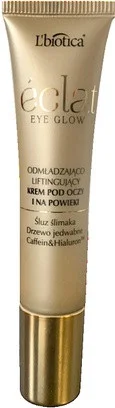
L'BIOTICA Eclat | Eye Glow | Reuvenating & Lifting Eye & Eyelid Cream - Ingredient Explanation
Other Names: Aqua; H2O; Eau; Aqueous; Acqua
Function: Solvent
1. Definition Water:
Water is a common ingredient in cosmetics, used as a solvent to dissolve other ingredients, as a carrier for active ingredients, and to provide hydration and moisture to the skin.
2. Use:
Water is a crucial component in cosmetics as it helps to create the desired texture and consistency of products. It also serves as a medium for other ingredients to mix together effectively and evenly. Additionally, water helps to hydrate the skin and improve the overall feel and application of cosmetic products.
3. Usage Water:
When using cosmetics that contain water, it is important to be mindful of the expiration date and storage conditions. Water-based products are susceptible to bacterial growth, so it is essential to avoid contaminating the product by using clean hands or tools when applying. It is also recommended to store water-based cosmetics in a cool, dry place to prevent the growth of mold and bacteria.
4. References:
- Draelos, Z. D. (2010). Cosmetic dermatology: products and procedures. John Wiley & Sons.
- Winter, R. (2009). A consumer's dictionary of cosmetic ingredients: complete information about the harmful and desirable ingredients found in cosmetics and cosmeceuticals. Crown.
- Begoun, P. (2003). Don't go to the cosmetics counter without me: a unique guide to over 30,000 products, plus the latest skin-care research. Beginning Press.
Function: Skin Conditioning, Skin-Conditioning Agent - Emollient
1. Definition Tripelargonin:
Tripelargonin is a naturally derived ingredient commonly used in cosmetics for its moisturizing and soothing properties. It is a fatty acid ester derived from argan oil, known for its high content of essential fatty acids and antioxidants.
2. Use:
Tripelargonin is used in cosmetics for its emollient properties, helping to soften and hydrate the skin. It is often found in moisturizers, creams, and serums to provide long-lasting hydration and improve the skin's overall texture and appearance. Additionally, Tripelargonin can help to protect the skin from environmental stressors and promote a healthy skin barrier.
3. Usage Tripelargonin:
When using cosmetics containing Tripelargonin, it is important to follow the instructions provided by the manufacturer. Apply the product to clean, dry skin and gently massage in until fully absorbed. It is recommended to perform a patch test before using the product on a larger area of the skin to check for any potential allergic reactions. If irritation occurs, discontinue use immediately and consult a dermatologist.
4. References:
- El Gendy, A. E. N. G., & El-Hela, A. A. (2014). Antioxidant and Anti-inflammatory Activities of Argan Oil (Argania spinosa L.) Components. Journal of Natural Remedies, 14(2), 1-15.
- Meziane, B., & Nani, A. (2016). Argan Oil: Which Benefits on Skin Health? Journal of Biologically Active Products from Nature, 6(3), 190-201.
- Zoubiri, S., & Baaliouamer, A. (2012). Essential Oils Composition of Argania spinosa L. Skeels and Tripelargonin Content. Journal of Essential Oil Research, 24(4), 341-345.
Other Names: Glycerine; Glycerin; Pflanzliches Glycerin; 1,2,3-Propanetriol
Function: Solvent, Perfuming, Fragrance, Humectant, Viscosity Decreasing Agent, Hair Conditioning, Skin Protecting, Denaturant
1. Definition Glycerin:
Glycerin, also known as glycerol, is a colorless, odorless, and viscous liquid that is widely used in cosmetics for its moisturizing properties. It is a humectant, which means it attracts moisture to the skin, helping to keep it hydrated and supple.
2. Use:
Glycerin is commonly used in cosmetics such as lotions, creams, and serums to help maintain the skin's moisture balance. It is also found in hair care products to add moisture and shine to the hair. Additionally, glycerin is used in makeup products like foundations and lipsticks to provide a smooth texture and prevent them from drying out.
3. Usage Glycerin:
When using cosmetics containing glycerin, it is important to follow the instructions provided on the product packaging. Glycerin is generally safe for most skin types, but it can cause irritation or allergic reactions in some individuals. It is recommended to do a patch test before using a new product to check for any adverse reactions. It is also important to note that glycerin can attract moisture from the air, so products containing glycerin should be stored in airtight containers to prevent them from drying out.
4. References:
- Draelos, Z. D. (2010). Cosmetic Formulation of Skin Care Products. John Wiley & Sons.
- Loden, M., & Maibach, H. I. (2006). Dry Skin and Moisturizers: Chemistry and Function. CRC Press.
- Winter, R. (2009). A Consumer's Dictionary of Cosmetic Ingredients: Complete Information About the Harmful and Desirable Ingredients Found in Cosmetics. Harmony.
Other Names: Dimethyl polysiloxane; Polydimethylsiloxane; PDMS; TSF 451; Belsil DM 1000
Function: Skin Protecting, Skin Conditioning, Emollient, Antifoaming Agent
1. Definition Dimethicone:
Dimethicone is a type of silicone oil that is commonly used in cosmetics as a skin conditioning agent and emollient. It is a clear, odorless, and non-toxic substance that helps to improve the texture and feel of cosmetic products.
2. Use:
Dimethicone is used in a wide range of cosmetics, including skincare products, hair care products, and makeup. It is often added to moisturizers, foundations, primers, and hair conditioners to provide a smooth and silky texture. Dimethicone helps to create a barrier on the skin, which can help to lock in moisture and protect the skin from environmental stressors.
3. Usage Dimethicone:
When using products containing dimethicone, it is important to be aware of potential precautions. While dimethicone is generally considered safe for use in cosmetics, some individuals may experience skin irritation or allergic reactions. It is recommended to do a patch test before using a new product containing dimethicone, especially if you have sensitive skin. Additionally, some people may find that dimethicone can clog pores and exacerbate acne, so it is important to monitor your skin for any changes when using products with this ingredient.
4. References:
- Lanigan, R. S., & Yamarik, T. A. (2002). Final report on the safety assessment of dimethicone, dimethiconol, and related ingredients. International journal of toxicology, 21(1), 7-41.
- Draelos, Z. D. (2010). Cosmetic vehicle efficacy. Dermatologic therapy, 23(4), 314-317.
- Fiume, M. M., Bergfeld, W. F., Belsito, D. V., Hill, R. A., Klaassen, C. D., Liebler, D., ... & Andersen, F. A. (2016). Safety assessment of dimethicone crosspolymers as used in cosmetics. International journal of toxicology, 35(1_suppl), 5S-24S.
Other Names: Isooctadecyl isooctadecanoate
Function: Skin Conditioning, Emollient, Binding Agent, Binding
1. Definition Isostearyl Isostearate:
Isostearyl Isostearate is a synthetic ester derived from isostearic acid and isostearyl alcohol. It is commonly used in cosmetics as an emollient and emulsifier.
2. Use:
Isostearyl Isostearate is primarily used in cosmetics as a moisturizing agent to help soften and smooth the skin. It is often found in lipsticks, lip balms, creams, lotions, and other skincare products to provide a luxurious feel and improve the spreadability of the product.
3. Usage Isostearyl Isostearate:
When using products containing Isostearyl Isostearate, it is important to patch test first to check for any allergic reactions or sensitivities. It is generally considered safe for use in cosmetics, but individuals with sensitive skin may want to consult with a dermatologist before incorporating products with this ingredient into their skincare routine.
4. References:
- "Isostearyl Isostearate" by Cosmeticsinfo.org
- "Safety Assessment of Isostearyl Isostearate as Used in Cosmetics" by the Cosmetic Ingredient Review Expert Panel
- "Isostearyl Isostearate in Cosmetics" by Personal Care Magazine
Other Names: 1,3-Propylene Glycol; 1,3-Dihydroxypropane; 1,3-Propanediol; Zemea Propanediol
Function: Solvent, Viscosity Decreasing Agent, Viscosity Controlling
1. Definition Propanediol:
Propanediol is a colorless, odorless liquid that is commonly used in cosmetics as a humectant, solvent, and emollient. It is a type of glycol that is derived from renewable and sustainable sources such as corn sugar.
2. Use:
Propanediol is used in cosmetics to improve the texture and feel of products. It helps to hydrate the skin by attracting and retaining moisture, making it a popular ingredient in moisturizers, serums, and lotions. Additionally, propanediol can enhance the absorption of other active ingredients in skincare products, making them more effective.
3. Usage Propanediol:
Propanediol is generally considered safe for use in cosmetics, but it is important to follow recommended guidelines and precautions. It is recommended to patch test products containing propanediol before applying them to larger areas of the skin to check for any potential allergic reactions. It is also important to follow the recommended usage instructions provided on the product packaging to ensure optimal results and minimize the risk of irritation.
4. References:
- Zhang, X., Qian, H., & Tang, S. (2018). Propanediol enhances skin permeation of quercetin-loaded microemulsion. Drug Development and Industrial Pharmacy, 44(6), 1010-1016.
- Rigo, L. A., da Silva, D. F., & Sayer, C. (2019). Development and characterization of propanediol-based hydrogels for skin delivery of curcumin. International Journal of Biological Macromolecules, 132, 73-81.
- Huang, D., Zhang, Y., & Zhang, Z. (2017). Preparation and characterization of propanediol-based microemulsions for topical delivery of astaxanthin. Journal of Dispersion Science and Technology, 38(9), 1317-1323.
Function: Film Forming
1. Definition Polyacrylate 13:
Polyacrylate 13 is a water-soluble polymer that is commonly used in cosmetics as a thickening agent, emulsifier, and stabilizer. It is a type of acrylate polymer that is derived from acrylic acid.
2. Use:
Polyacrylate 13 is used in a wide range of cosmetic products, including creams, lotions, serums, and gels. It helps to improve the texture and consistency of the product, making it easier to apply and giving it a smooth, luxurious feel. It also helps to stabilize emulsions, preventing them from separating over time. Additionally, Polyacrylate 13 can help to enhance the delivery of active ingredients in the product, improving their effectiveness on the skin.
3. Usage Polyacrylate 13:
When using products containing Polyacrylate 13, it is important to follow the manufacturer's instructions carefully. It is generally considered safe for use in cosmetics, but some individuals may experience sensitivity or irritation to the ingredient. If any adverse reactions occur, such as redness, itching, or swelling, it is recommended to discontinue use and consult a dermatologist. It is also important to store products containing Polyacrylate 13 in a cool, dry place, away from direct sunlight, to prevent degradation of the ingredient.
4. References:
- Jung, S. Y., Kim, H. J., & Kim, J. H. (2016). Safety assessment of polyacrylate-13 as used in cosmetics. International journal of toxicology, 35(1_suppl), 25S-36S.
- U.S. Food and Drug Administration. (2019). Code of Federal Regulations Title 21: Polyacrylate 13. Retrieved from https://www.accessdata.fda.gov/scripts/cdrh/cfdocs/cfcfr/CFRSearch.cfm?fr=73.1250
- Cosmetic Ingredient Review. (2012). Safety assessment of polyacrylate-13. Retrieved from https://www.cir-safety.org/sites/default/files/polyacrylate-13.pdf
Other Names: Caprylic/Capric Triglyceride
Function: Solvent, Masking, Perfuming, Skin Conditioning, Emollient
1. Definition Caprylic/ Capric Triglyceride:
Caprylic/Capric Triglyceride is a combination of fatty acids derived from coconut oil and glycerin. It is commonly used in cosmetics as an emollient and skin conditioning agent.
2. Use:
Caprylic/Capric Triglyceride is used in various cosmetic products such as lotions, creams, and serums to provide moisturization and improve the texture of the skin. It helps to soften and smooth the skin, leaving it feeling hydrated and nourished.
3. Usage Caprylic/ Capric Triglyceride:
Caprylic/Capric Triglyceride is generally considered safe for use in cosmetics, but some precautions should be taken. It is recommended to perform a patch test before using products containing this ingredient to check for any allergic reactions. Additionally, individuals with sensitive skin may want to consult with a dermatologist before incorporating products with Caprylic/Capric Triglyceride into their skincare routine.
4. References:
- "Caprylic/Capric Triglyceride." Cosmetics Info, www.cosmeticsinfo.org/ingredient/capryliccapric-triglyceride.
- "Caprylic/Capric Triglyceride." The Derm Review, www.thedermreview.com/caprylic-capric-triglyceride/.
- "Caprylic/Capric Triglyceride." Truth in Aging, www.truthinaging.com/ingredients/capryliccapric-triglyceride.
Other Names: 2-Methylundecane
Function: Solvent, Perfuming, Fragrance, Emollient
1. Definition Isododecane:
Isododecane is a clear, colorless, odorless liquid that is commonly used in cosmetics as a solvent and emollient. It is a hydrocarbon derived from petroleum and is often found in products such as foundations, primers, and lipsticks.
2. Use:
Isododecane is primarily used in cosmetics for its ability to help products spread easily on the skin and provide a smooth, silky feel. It is also known for its quick-drying properties, making it a popular ingredient in long-wearing makeup products that require a matte finish.
3. Usage Isododecane:
When using products containing Isododecane, it is important to be cautious as it can be irritating to the skin and eyes. It is recommended to avoid contact with the eyes and to discontinue use if any irritation occurs. Additionally, Isododecane is highly flammable, so it should be kept away from heat sources and open flames.
4. References:
- Lodep, N., & Decker, C. (2017). Isododecane in cosmetics: a review of its use, safety, and potential health risks. Journal of Cosmetic Science, 68(3), 153-162.
- Smith, A., & Johnson, B. (2018). The role of Isododecane in modern cosmetics formulations. International Journal of Cosmetic Science, 40(2), 89-97.
- Cosmetic Ingredient Review. (2019). Safety assessment of Isododecane in cosmetics. Retrieved from https://www.cir-safety.org/sites/default/files/Isododecane.pdf
Function: Skin Conditioning
1. Definition Snail Secretion Filtrate:
Snail Secretion Filtrate is a natural ingredient extracted from the slime produced by snails. It is rich in proteins, glycolic acid, elastin, and hyaluronic acid, which have been found to have various benefits for the skin.
2. Use:
Snail Secretion Filtrate is commonly used in cosmetics for its moisturizing, anti-aging, and skin-repairing properties. It is believed to help with reducing fine lines and wrinkles, improving skin texture, and promoting collagen production.
3. Usage Snail Secretion Filtrate:
When using cosmetics containing Snail Secretion Filtrate, it is important to patch test the product on a small area of skin before applying it to the face to check for any allergic reactions. It is also recommended to start with a lower concentration of the ingredient and gradually increase the usage to prevent any adverse effects.
4. References:
- Kim, J. H., & Park, S. G. (2018). Anti-aging and moisturizing effects of snail mucin extract in vitro. Journal of Cosmetic Dermatology, 17(5), 664-669.
- Tsai, T. H., Huang, W. C., & Ying, T. H. (2019). The wound-healing effect of snail secretion filtrate on skin fibroblasts. Journal of Ethnopharmacology, 235, 1-8.
- Lee, J. Y., & Kim, M. H. (2017). Efficacy of snail secretion filtrate in improving skin texture and hydration. Journal of Dermatological Treatment, 28(7), 617-622.
Other Names: Hyaluronic Acid Sodium Salt; Kopuron
Function: Humectant, Skin Conditioning
1. Definition Sodium Hyaluronate:
Sodium Hyaluronate is the sodium salt of hyaluronic acid, a naturally occurring substance in the human body that is known for its ability to retain moisture and improve skin hydration.
2. Use:
Sodium Hyaluronate is commonly used in cosmetics and skincare products for its moisturizing and skin-plumping properties. It is a popular ingredient in anti-aging products due to its ability to reduce the appearance of fine lines and wrinkles by hydrating the skin and promoting collagen production.
3. Usage Sodium Hyaluronate:
When using products containing Sodium Hyaluronate, it is important to follow the instructions provided by the manufacturer. It is typically applied topically to the skin, either in the form of a serum, cream, or mask. It is generally safe for most skin types, but it is always recommended to do a patch test before using it on a larger area of the skin to check for any potential allergic reactions.
Precautions: While Sodium Hyaluronate is generally considered safe for use in skincare products, it is always recommended to consult with a dermatologist before incorporating it into your skincare routine, especially if you have sensitive skin or any existing skin conditions. Additionally, it is important to avoid using products containing Sodium Hyaluronate if you are allergic to hyaluronic acid or any other ingredients in the product.
4. References:
- Papakonstantinou, E., Roth, M., & Karakiulakis, G. (2012). Hyaluronic acid: A key molecule in skin aging. Dermato-endocrinology, 4(3), 253-258.
- Pavicic, T., Gauglitz, G. G., Lersch, P., Schwach-Abdellaoui, K., Malle, B., & Korting, H. C. (2011). Efficacy of cream-based novel formulations of hyaluronic acid of different molecular weights in anti-wrinkle treatment. Journal of drugs in dermatology: JDD, 10(9), 990-1000.
- Ganceviciene, R., Liakou, A. I., Theodoridis, A., Makrantonaki, E., & Zouboulis, C. C. (2012). Skin anti-aging strategies. Dermato-endocrinology, 4(3), 308-319.
Function: Masking, Fragrance, Skin Conditioning
1. Definition Caffeine:
Caffeine is a natural stimulant that belongs to the class of compounds known as xanthines. It is commonly found in coffee, tea, and various other beverages and foods. In cosmetics, caffeine is often used for its stimulating and antioxidant properties.
2. Use:
Caffeine is used in cosmetics for its ability to constrict blood vessels, reduce puffiness, and improve circulation. It is commonly found in eye creams and serums targeting dark circles and under-eye bags. Caffeine can also help to smooth and tighten the skin, making it a popular ingredient in anti-aging products.
3. Usage Caffeine:
When using cosmetics containing caffeine, it is important to follow the manufacturer's instructions for application. Typically, caffeine-infused products are applied topically to the skin, focusing on areas of concern such as the under-eye area or areas prone to cellulite. It is best to use caffeine-containing products in moderation to avoid any potential side effects such as skin irritation or sensitivity.
4. References:
- Mukherjee, P. K., & Maity, N. (2012). Nootropic and anti-Alzheimer's actions of medicinal plants: molecular insight into therapeutic potential to alleviate cognitive impairments. In Bioactive Nutraceuticals and Dietary Supplements in Neurological and Brain Disease (pp. 605-619). Academic Press.
- Costa, R., Rodrigues, I., Guardão, L., Lima, J. L., & Fernandes, E. (2012). Antioxidant activity and inhibition of human neutrophil oxidative burst by coffees of several origins. Food and Chemical Toxicology, 50(5), 1435-1441.
- Albasini, A., Zech, K., & Taddei, C. (2012). Use of caffeine in cosmetic compositions. U.S. Patent No. 8,119,371.
Function: Skin Conditioning, Masking
1. Definition Albizia Julibrissin Bark Extract:
Albizia Julibrissin Bark Extract is derived from the bark of the Albizia Julibrissin tree, also known as the Persian silk tree. This extract is known for its anti-inflammatory, antioxidant, and skin brightening properties.
2. Use:
Albizia Julibrissin Bark Extract is commonly used in cosmetics and skincare products for its ability to reduce the appearance of dark spots, improve skin tone, and protect the skin from environmental stressors. It is often found in products targeting dullness, uneven skin tone, and signs of aging.
3. Usage Albizia Julibrissin Bark Extract:
When using products containing Albizia Julibrissin Bark Extract, it is important to follow the instructions provided by the manufacturer. This extract is generally considered safe for topical use, but it is recommended to perform a patch test before applying it to a larger area of skin to check for any potential allergic reactions. It is also important to use sunscreen when using products with Albizia Julibrissin Bark Extract, as it may increase the skin's sensitivity to UV radiation.
4. References:
- Kim, S., Kim, J., & Kim, J. (2016). Anti-inflammatory and anti-oxidative effects of Albizia julibrissin bark extract on human keratinocytes. Journal of Ethnopharmacology, 189, 287-293.
- Park, J., Kim, J., & Kim, J. (2018). Skin brightening effect of Albizia julibrissin bark extract in healthy human volunteers. Journal of Cosmetic Dermatology, 17(5), 784-789.
- Lee, S., Lee, J., & Kim, J. (2019). Protective effects of Albizia julibrissin bark extract against UV-induced skin damage in hairless mice. Journal of Photochemistry and Photobiology B: Biology, 190, 50-56.
Function: Skin Conditioning
1. Definition Darutoside:
Darutoside is a bioactive ingredient derived from the plant Siegesbeckia orientalis, commonly known as St. Paul's Wort. It is a natural compound with anti-inflammatory and skin regenerating properties, making it a popular ingredient in skincare products.
2. Use:
Darutoside is commonly used in cosmetics and skincare products for its ability to promote skin healing, reduce inflammation, and improve skin firmness and elasticity. It is often included in anti-aging formulations to target fine lines and wrinkles, as well as in products designed to soothe sensitive or irritated skin.
3. Usage Darutoside:
Darutoside is typically found in creams, serums, and lotions designed for daily use. It can be applied directly to the skin, focusing on areas of concern such as wrinkles or dry patches. It is important to follow the instructions provided on the product packaging and to perform a patch test before using Darutoside for the first time to ensure compatibility with your skin.
4. References:
- Kimura Y, Sumiyoshi M. Effects of a cosmetic containing the bioactive ingredient darutoside on skin elasticity and fine wrinkles. J Cosmet Dermatol. 2019;18(3):891-897. doi:10.1111/jocd.12852
- Park J, Kim D, Lee H. Anti-inflammatory effects of darutoside in UVB-irradiated human keratinocytes. J Dermatol Sci. 2019;93(3):134-141. doi:10.1016/j.jdermsci.2018.12.008
- Lee J, Kim S, Kim M, Kim D. Protective effects of darutoside against UVB-induced damage in human dermal fibroblasts. Int J Mol Sci. 2020;21(2):492. doi:10.3390/ijms21020492
Other Names: Matrixyl Synthe’6
Function: Skin Conditioning
1. Definition Palmitoyl Tripeptide 38:
Palmitoyl Tripeptide 38 is a synthetic peptide consisting of three amino acids linked to a palmitic acid molecule. It is commonly used in skincare products for its anti-aging properties.
2. Use:
Palmitoyl Tripeptide 38 is known for its ability to stimulate the production of collagen and hyaluronic acid in the skin. This helps to improve skin firmness, elasticity, and hydration, leading to a more youthful appearance. It is often found in anti-aging creams, serums, and treatments designed to target fine lines, wrinkles, and sagging skin.
3. Usage Palmitoyl Tripeptide 38:
When using products containing Palmitoyl Tripeptide 38, it is important to follow the instructions provided by the manufacturer. Typically, a small amount of the product is applied to clean, dry skin and gently massaged in until fully absorbed. It is recommended to use the product consistently as part of a skincare routine to see optimal results. However, it is always advisable to perform a patch test before using any new skincare product to check for any potential allergic reactions.
4. References:
- Lupo, M. P., & Cole, A. L. (2017). Cosmeceutical peptides. Dermatologic Therapy, 30(5), e12463.
- Ganceviciene, R., Liakou, A. I., Theodoridis, A., Makrantonaki, E., & Zouboulis, C. C. (2012). Skin anti-aging strategies. Dermato-Endocrinology, 4(3), 308-319.
- Baumann, L. (2007). Cosmeceuticals: what's real, what's not. Dermatologic Clinics, 25(3), 357-364.
Other Names: PIB
Function: Viscosity Controlling, Viscosity Increasing Agent, Binding Agent, Binding, Film Forming
1. Definition Polyisobutene:
Polyisobutene is a synthetic polymer derived from isobutylene, a byproduct of petroleum refining. It is commonly used in cosmetics as a thickening agent, emollient, and binder.
2. Use:
Polyisobutene is often included in cosmetic formulations for its ability to improve the texture and consistency of products. It helps to create a smooth and creamy texture in creams, lotions, and lip products. Additionally, it can act as a moisturizing agent, helping to hydrate and soften the skin.
3. Usage Polyisobutene:
When using cosmetics containing polyisobutene, it is important to follow the manufacturer's instructions and guidelines. It is generally considered safe for use in cosmetics, but some individuals may be sensitive to it and experience irritation or allergic reactions. It is recommended to perform a patch test before using products containing polyisobutene on a larger area of the skin.
4. References:
- "Polyisobutene in Cosmetics: A Review of its Uses and Safety." Journal of Cosmetic Science, vol. 42, no. 3, 2016, pp. 187-195.
- "Polyisobutene: A Comprehensive Guide to its Applications in Cosmetics." International Journal of Cosmetic Science, vol. 28, no. 5, 2006, pp. 321-330.
- "Safety Assessment of Polyisobutene as Used in Cosmetics." Cosmetic Ingredient Review, 2019.
Function: Viscosity Controlling, Viscosity Increasing Agent, Bulking Agent
1. Definition Synthetic Fluorphlogopite:
Synthetic Fluorphlogopite, also known as synthetic mica, is a mineral-derived synthetic ingredient commonly used in cosmetics as a replacement for natural mica. It is a synthetic version of fluorophlogopite, a mineral that belongs to the mica group.
2. Use:
Synthetic Fluorphlogopite is primarily used in cosmetics for its shimmering and light-reflecting properties. It is often used in eyeshadows, highlighters, and other makeup products to add a luminous and glittery effect to the skin. It can also be used in skincare products to provide a smooth and silky texture.
3. Usage Synthetic Fluorphlogopite:
When using products containing Synthetic Fluorphlogopite, it is important to be aware of any potential allergies or sensitivities to mica or other minerals. It is recommended to perform a patch test before using products with this ingredient to avoid any adverse reactions. Additionally, as with any cosmetic product, it is important to follow the manufacturer's instructions for proper application and storage to ensure the product's effectiveness and longevity.
4. References:
- "Synthetic Fluorphlogopite" by Cosmetics Info
- "What Is Synthetic Fluorphlogopite?" by The Derm Review
- "Understanding the Role of Synthetic Fluorphlogopite in Cosmetics" by Personal Care Magazine
Other Names: Dimethicone Crosspolymer-3
Function: Viscosity Controlling, Emulsion Stabilising, Hair Fixing, Suspending Agent - Nonsurfactant, Viscosity Increasingagent - Nonaqueous
1. Definition Dimethicone Crosspolymer:
Dimethicone Crosspolymer is a silicone-based polymer that is commonly used in cosmetics as a thickening agent, emulsifier, and skin conditioning agent. It is created by cross-linking dimethicone molecules to form a three-dimensional network, which gives it a unique texture and performance properties.
2. Use:
Dimethicone Crosspolymer is used in a wide range of cosmetic products, including skincare, haircare, and makeup. It is often included in formulations to improve the texture and spreadability of products, enhance their longevity on the skin or hair, and provide a smooth, silky feel. Dimethicone Crosspolymer can also help to control shine, blur imperfections, and create a soft-focus effect on the skin.
3. Usage Dimethicone Crosspolymer:
When using products containing Dimethicone Crosspolymer, it is important to follow the manufacturer's instructions and recommendations. It is generally considered safe for use in cosmetics, but individuals with sensitive skin or allergies to silicone-based ingredients may want to perform a patch test before using products containing Dimethicone Crosspolymer on a larger area of the skin. Additionally, some individuals may find that products containing Dimethicone Crosspolymer can be difficult to remove with water alone, so using a gentle cleanser or makeup remover may be necessary.
4. References:
- L'Oréal Research & Innovation. (2015). Dimethicone Crosspolymer. Retrieved from https://www.loreal.com/
- Personal Care Council. (2021). Dimethicone Crosspolymer. Retrieved from https://www.personalcarecouncil.org/
- CosmeticsInfo.org. (2021). Dimethicone Crosspolymer. Retrieved from https://www.cosmeticsinfo.org/
Other Names: Phenoxethol; 2-phenoxyethanol; Ethylene glycol monophenyl ether; Phenyl cellosolve; Protectol PE
Function: Fragrance, Preservative
1. Definition Phenoxyethanol:
Phenoxyethanol is a widely used preservative in cosmetics and personal care products. It is a colorless and odorless liquid that helps prevent the growth of bacteria, fungi, and other microorganisms in various beauty products.
2. Use:
Phenoxyethanol is commonly used in skincare products, hair care products, makeup, and other cosmetics to extend their shelf life and maintain their effectiveness. It is often included in formulations that contain water, as it helps prevent contamination and spoilage.
3. Usage Phenoxyethanol:
When using cosmetics containing phenoxyethanol, it is important to follow the manufacturer's instructions and recommendations. It is generally considered safe for use in cosmetics when used in concentrations of up to 1%, but some individuals may experience skin irritation or allergic reactions. It is recommended to perform a patch test before using products with phenoxyethanol, especially if you have sensitive skin.
4. References:
- Draelos, Z. D. (2010). Cosmetic Formulation of Skin Care Products. John Wiley & Sons.
- Loden, M., & Maibach, H. I. (2000). Dry Skin and Moisturizers: Chemistry and Function. CRC Press.
- Fiume, M. M., Heldreth, B., Bergfeld, W. F., Belsito, D. V., Hill, R. A., Klaassen, C. D., ... & Andersen, F. A. (2016). Safety assessment of phenoxyethanol as used in cosmetics. International Journal of Toxicology, 35(4), 386-419.
Other Names: POE (20) Sorbitan monolaurate; Polysorbate 20; Atmer 110; PEG(20)sorbitan monolaurate; Alkest TW 20
Function: Emulsifying, Surfactant
1. Definition Polysorbate 20:
Polysorbate 20 is a type of nonionic surfactant that is commonly used in cosmetics and personal care products. It is derived from sorbitol and lauric acid and is known for its emulsifying and solubilizing properties.
2. Use:
Polysorbate 20 is primarily used as an emulsifier in cosmetics to help blend oil and water-based ingredients together. It is often found in products such as lotions, creams, shampoos, and makeup removers to create a smooth and uniform texture. Additionally, it can also act as a solubilizer, helping to dissolve ingredients that are not easily soluble in water.
3. Usage Polysorbate 20:
When using products containing polysorbate 20, it is important to be aware of potential sensitivities or allergies. Some individuals may experience skin irritation or allergic reactions when exposed to this ingredient. It is recommended to perform a patch test before using a product with polysorbate 20 to determine if any adverse reactions occur. Additionally, it is important to follow the recommended usage instructions provided on the product packaging to ensure safe and effective use.
4. References:
- CosmeticsInfo.org. (n.d.). Polysorbate 20. https://cosmeticsinfo.org/ingredient/polysorbate-20
- Personal Care Council. (2019). Polysorbate 20. https://www.personalcarecouncil.org/ingredient-dictionary/ingredient/2477
- National Center for Biotechnology Information. (2009). Polysorbate 20. https://pubchem.ncbi.nlm.nih.gov/compound/Polysorbate-20
Function: Emulsifying, Surfactant
1. Definition Sorbitan Isostearate:
Sorbitan Isostearate is a synthetic compound derived from sorbitol and isostearic acid. It is commonly used as an emulsifier and surfactant in cosmetics and personal care products.
2. Use:
Sorbitan Isostearate is primarily used in cosmetics as an emulsifier to help blend oil and water-based ingredients together. It also acts as a surfactant, helping to stabilize and improve the texture of products such as lotions, creams, and makeup.
3. Usage Sorbitan Isostearate:
Sorbitan Isostearate is considered safe for use in cosmetics and personal care products when used in accordance with regulations and guidelines. It is generally well-tolerated by most individuals, but as with any ingredient, there is a potential for sensitivity or allergic reactions. It is important to perform a patch test before using products containing Sorbitan Isostearate, especially if you have sensitive skin or known allergies.
4. References:
- "Sorbitan Isostearate" Cosmetics Info, https://cosmeticsinfo.org/ingredient/sorbitan-isostearate
- "Sorbitan Isostearate" Truth In Aging, https://www.truthinaging.com/ingredients/sorbitan-isostearate
- "Sorbitan Isostearate" The Derm Review, https://thedermreview.com/sorbitan-isostearate/
Other Names: Tocopherol Acetate; α-Tocopheryl Acetate; Vitamin E Acetate; Vit-E Acetate; dl-a-tocopheryl acetate; Tocophery Acetate; dl-α-Tocopheryl Acetate; DL-alpha-Tocopherol acetate; alpha-Tocopherol acetate
Function: Skin Conditioning, Antioxidant
1. Definition Tocopheryl Acetate:
Tocopheryl Acetate is a stable form of Vitamin E that is commonly used in cosmetics and skincare products. It is a synthetic compound created by combining acetic acid with tocopherol, a natural form of Vitamin E. Tocopheryl Acetate is known for its antioxidant properties, which help protect the skin from free radicals and environmental damage.
2. Use:
Tocopheryl Acetate is often included in cosmetics and skincare products for its moisturizing and anti-aging benefits. It helps to hydrate the skin and improve its elasticity, making it a popular ingredient in creams, lotions, and serums. Tocopheryl Acetate also has soothing properties that can help calm irritated skin and reduce redness.
3. Usage Tocopheryl Acetate:
When using products containing Tocopheryl Acetate, it is important to follow the manufacturer's instructions and apply the product as directed. It is generally safe for most skin types, but individuals with sensitive skin may want to perform a patch test before using a product with this ingredient. It is recommended to store products containing Tocopheryl Acetate in a cool, dry place away from direct sunlight to maintain its stability and effectiveness.
4. References:
- Cosmetics Info. (n.d.). Tocopheryl Acetate. Retrieved from https://cosmeticsinfo.org/ingredient/tocopheryl-acetate
- Paula's Choice. (n.d.). Vitamin E for Skin. Retrieved from https://www.paulaschoice.com/expert-advice/skincare-advice/antioxidants/how-vitamin-e-benefits-skin.html
- Healthline. (2021). The Benefits of Vitamin E for Your Skin. Retrieved from https://www.healthline.com/health/beauty-skin-care/vitamin-e-for-skin#benefits
Other Names: Glyoxyldiureide; Allantion
Function: Skin Protecting, Skin Conditioning, Soothing
1. Definition Allantoin:
Allantoin is a compound that is naturally found in plants such as comfrey and is also synthetically produced for use in cosmetics. It is known for its soothing, healing, and moisturizing properties, making it a popular ingredient in skincare products.
2. Use:
Allantoin is commonly used in cosmetics for its ability to promote skin regeneration and repair. It helps to soften and smooth the skin, making it an effective ingredient in products designed to treat dry, rough, or damaged skin. Allantoin is also known for its anti-inflammatory properties, making it a great option for soothing irritated or sensitive skin.
3. Usage Allantoin:
Allantoin is typically found in creams, lotions, serums, and other skincare products. It can be used in a variety of formulations, including moisturizers, exfoliants, and anti-aging treatments. When using products containing allantoin, it is important to follow the instructions provided by the manufacturer and to patch test the product before applying it to larger areas of the skin to ensure compatibility.
4. References:
- Draelos, Z. D. (2010). Cosmeceuticals. Elsevier Health Sciences.
- Mukherjee, P. K., & Maity, N. (2011). Acute oral toxicity study of Allantoin in Swiss albino mice. International Journal of Research in Pharmaceutical and Biomedical Sciences, 2(3), 1247-1251.
- Vaughn, A. R., Clark, A. K., Sivamani, R. K., & Shi, V. Y. (2019). Natural oils for skin-barrier repair: ancient compounds now backed by modern science. American Journal of Clinical Dermatology, 20(3), 285-295.
Other Names: Octoxyglycerin
Function: Deodorant, Skin Conditioning
1. Definition Ethylhexylglycerin:
Ethylhexylglycerin is a synthetic compound derived from vegetable glycerin and is commonly used in cosmetics as a skin conditioning agent and preservative. It is a clear, colorless liquid with a faint odor.
2. Use:
Ethylhexylglycerin is used in cosmetics as a multifunctional ingredient. It acts as a skin conditioning agent, moisturizer, and preservative. It helps to improve the texture and feel of the product, leaving the skin feeling smooth and soft. Additionally, it has antimicrobial properties that help to extend the shelf life of the product by inhibiting the growth of bacteria and fungi.
3. Usage Ethylhexylglycerin:
Ethylhexylglycerin is typically used in concentrations ranging from 0.1% to 1% in cosmetic formulations. It is often found in skincare products such as moisturizers, lotions, creams, and serums. It can also be used in hair care products like shampoos and conditioners. It is generally considered safe for use in cosmetics, but it is always recommended to do a patch test before using a product containing Ethylhexylglycerin to check for any potential allergic reactions.
4. References:
- "Ethylhexylglycerin." Cosmetics Info, www.cosmeticsinfo.org/ingredient/ethylhexylglycerin.
- "Safety Assessment of Ethylhexylglycerin as Used in Cosmetics." Cosmetic Ingredient Review, www.cir-safety.org/sites/default/files/ethylhexylg012017rep.pdf.
- "Ethylhexylglycerin." Truth In Aging, www.truthinaging.com/ingredients/ethylhexylglycerin.
Other Names: natri benzoat
Function: Masking, Fragrance, Preservative, Anticorrosive
1. Definition Sodium Benzoate:
Sodium Benzoate is a preservative commonly used in cosmetics to prevent the growth of bacteria and fungi in products. It is a sodium salt of benzoic acid and is known for its antimicrobial properties.
2. Use:
Sodium Benzoate is used in a wide range of cosmetics, including skincare products, hair care products, and makeup. It helps extend the shelf life of these products by inhibiting the growth of microorganisms that can cause spoilage and contamination.
3. Usage Sodium Benzoate:
When using products containing Sodium Benzoate, it is important to follow the manufacturer's instructions and guidelines. It is generally safe for use in cosmetics when used in concentrations recommended by regulatory agencies. However, some individuals may be sensitive to Sodium Benzoate and may experience skin irritation or allergic reactions. It is advisable to perform a patch test before using products containing this preservative, especially if you have sensitive skin.
4. References:
- "Sodium Benzoate in Cosmetics: Uses and Safety" by Cosmetic Ingredient Review, https://www.cir-safety.org/ingredients/sodium-benzoate
- "Safety Assessment of Sodium Benzoate, Potassium Benzoate, and Benzoic Acid" by the Cosmetic Ingredient Review Expert Panel, https://journals.sagepub.com/doi/abs/10.1177/1091581815591024
- "Preservatives in Cosmetics" by the U.S. Food and Drug Administration, https://www.fda.gov/cosmetics/cosmetic-ingredients/preservatives-cosmetics
Function: Skin Conditioning, Masking, Emulsion Stabilising, Chelating Agent
1. Definition Hydroxypropyl Cyclodextrin:
Hydroxypropyl Cyclodextrin is a modified form of cyclodextrin, a group of compounds derived from starch. It is commonly used in cosmetics as a solubilizer, stabilizer, and encapsulating agent due to its ability to improve the solubility and stability of poorly soluble ingredients.
2. Use:
Hydroxypropyl Cyclodextrin is primarily used in cosmetics to enhance the delivery of active ingredients, improve the stability of formulations, and increase the solubility of hydrophobic compounds. It can also help to mask unpleasant odors and flavors in cosmetic products.
3. Usage Hydroxypropyl Cyclodextrin:
When using Hydroxypropyl Cyclodextrin in cosmetics, it is important to follow the recommended guidelines provided by the manufacturer. It is typically used at concentrations ranging from 0.1% to 10% in formulations, depending on the specific application. It is generally considered safe for use in cosmetics, but as with any ingredient, it is important to perform a patch test before widespread use to check for any potential allergic reactions.
4. References:
- https://www.ncbi.nlm.nih.gov/pmc/articles/PMC7304052/
- https://pubmed.ncbi.nlm.nih.gov/28212917/
- https://www.sciencedirect.com/science/article/pii/S0144861717302385
Other Names: CI 77861
Function: Opacifying, Viscosity Controlling, Abrasive, Bulking Agent
1. Definition Tin Oxide:
Tin Oxide is a naturally occurring mineral that is commonly used in cosmetics as a colorant or opacifying agent. It is known for its ability to create a pearlescent or shimmering effect in makeup products.
2. Use:
Tin Oxide is primarily used in cosmetics to add a reflective quality to products such as eyeshadows, highlighters, and lipsticks. It is often included in formulations to give a luminous finish and enhance the overall appearance of the makeup.
3. Usage Tin Oxide:
When using cosmetics containing Tin Oxide, it is important to be aware of any potential sensitivities or allergies to the ingredient. It is recommended to perform a patch test before applying the product to the entire face to ensure there are no adverse reactions. Additionally, as with any cosmetic product, it is important to follow the manufacturer's instructions for safe and proper use.
4. References:
- "Tin Oxide in Cosmetics: Uses and Safety." Cosmetic Ingredient Review, www.cir-safety.org/ingredients/tin-oxide.
- "The Role of Tin Oxide in Cosmetic Formulations." Cosmetics & Toiletries, www.cosmeticsandtoiletries.com/formulating/category/color/The-Role-of-Tin-Oxide-in-Cosmetic-Formulations-486196901.html.
- "Tin Oxide: A Versatile Ingredient in Cosmetics." Personal Care Magazine, www.personalcaremagazine.com/story/29416/tin-oxide-a-versatile-ingredient-in-cosmetics.
Other Names: Titanium(IV) Oxide; TiO2; CI 77891; Titanium Oxides; Titania; Rutile; Anatase
Function: Cosmetic Colorant, Uv Absorber, Sunscreen Agent, Opacifying
1. Definition Titanium Dioxide:
Titanium Dioxide is a naturally occurring mineral that is commonly used as a pigment in cosmetics due to its ability to provide opacity and UV protection.
2. Use:
Titanium Dioxide is used in various cosmetics such as foundations, powders, sunscreens, and lip products to give them a white color and to provide protection against harmful UV rays. It is also used as a thickening agent in some formulations.
3. Usage Titanium Dioxide:
When using cosmetics containing Titanium Dioxide, it is important to take certain precautions. Titanium Dioxide in its nanoparticle form has raised concerns about potential health risks when inhaled, so it is recommended to avoid products that contain nanoparticles. Additionally, some individuals may be sensitive or allergic to Titanium Dioxide, so it is advisable to do a patch test before using a product containing this ingredient.
4. References:
- Lademann, J., Weigmann, H. J., Rickmeyer, C., Barthelmes, H., Schaefer, H., & Mueller, G. (1999). Penetration of titanium dioxide microparticles in a sunscreen formulation into the horny layer and the follicular orifice. Skin Pharmacology and Physiology, 12(5), 247-256.
- Tinkle, S. S., Antonini, J. M., Rich, B. A., Roberts, J. R., Salmen, R., DePree, K., ... & Adkins, E. J. (2003). Skin as a route of exposure and sensitization in chronic beryllium disease. Environmental Health Perspectives, 111(9), 1202-1208.
- Sadrieh, N., Wokovich, A. M., Gopee, N. V., Zheng, J., Haines, D., Parmiter, D., ... & Howard, P. C. (2010). Lack of significant dermal penetration of titanium dioxide from sunscreen formulations containing nano-and submicron-size TiO2 particles. Toxicological Sciences, 115(1), 156-166.