


Analysis locked
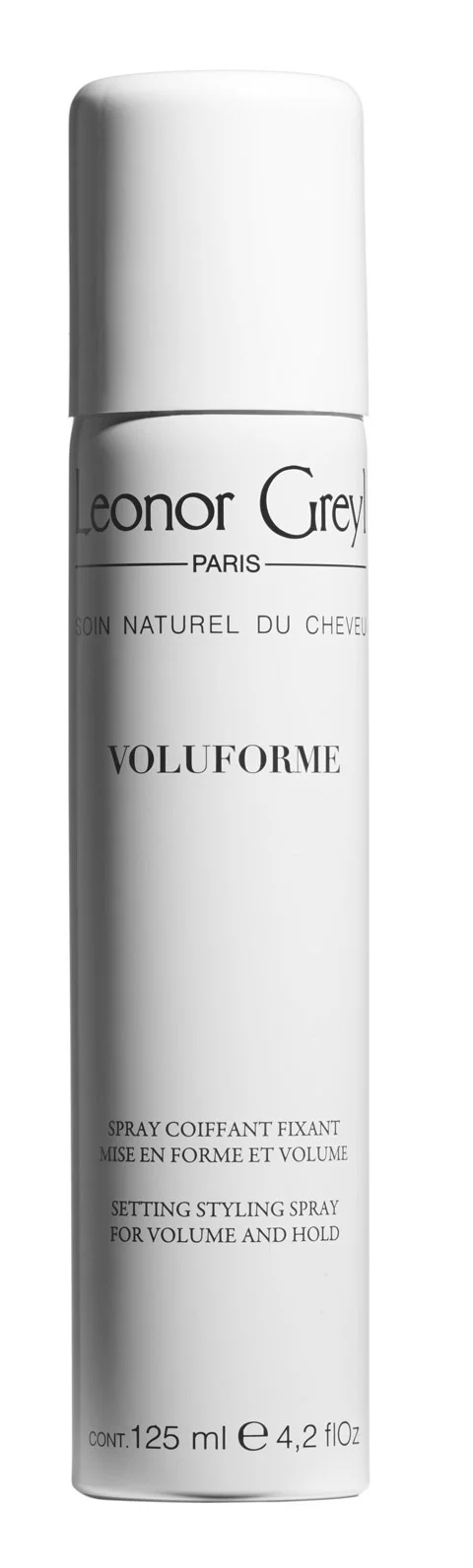
How well does your skin match with Leonor Greyl Voluforme Hair Spray For Volume And Hold?
Login to see detailsOr continue via
Quick 1-minute survey • Completely free
Ingredients
Analysis results of Ingredients


Ingredient List
| EWG | CIR | Ingredient Name & Cosmetic Function | Notes |
|---|---|---|---|
| 4 | - | (Solvent, Masking, Antifoaming Agent, Viscosity Controlling, Antimicrobial, Astringent) |    |
| 2 | - | (Solvent, Viscosity Controlling, Viscosity Decreasing Agent, Propellant agent) | |
| 1 | - | (Antistatic Agent, Film Forming, Hair Fixing) | |
| 1 | A | (Hair Conditioning, Skin Conditioning, Emollient, Viscosity Controlling) |  |


Leonor Greyl Voluforme Hair Spray For Volume And Hold - Ingredient Explanation
Alcohol Denat
1. Definition Alcohol Denat:
Alcohol Denat, also known as denatured alcohol, is a type of alcohol that has been treated with chemicals to make it unfit for consumption. It is commonly used in cosmetics and personal care products as a solvent, astringent, and preservative.2. Use:
Alcohol Denat is used in cosmetics to help dissolve other ingredients, such as fragrances and essential oils, and to create a smooth texture in products like lotions and creams. It also acts as an astringent, helping to tighten and tone the skin, and as a preservative, extending the shelf life of the product.3. Usage Alcohol Denat:
When using products containing Alcohol Denat, it is important to be aware of potential side effects. Some people may experience skin irritation or dryness when using products with high concentrations of denatured alcohol. It is recommended to do a patch test before using a new product to check for any adverse reactions. Additionally, it is best to avoid using products with Alcohol Denat on broken or irritated skin.4. References:
- "Denatured Alcohol in Cosmetics." Cosmetics Info, www.cosmeticsinfo.org/ingredient/denatured-alcohol.
- "Alcohol Denat." Paula's Choice Skincare, www.paulaschoice.com/ingredient-dictionary/skin-soothing/alcohol-denat.html.
- "Is Alcohol Denat Safe in Skin Care?" Byrdie, www.byrdie.com/alcohol-denat-in-skincare.
Dimethyl Ether
1. Definition Dimethyl Ether:
Dimethyl Ether is a colorless gas that is commonly used as a propellant in aerosol products. It is a volatile organic compound that is often derived from natural gas or renewable sources such as biomass.2. Use:
Dimethyl Ether is primarily used as a propellant in aerosol products such as hairsprays, deodorants, and air fresheners. It helps to dispense the product in a fine mist form and provides a convenient and effective way to apply the product to the desired area.3. Usage Dimethyl Ether:
When using cosmetics or personal care products containing Dimethyl Ether, it is important to follow the instructions provided on the product packaging. It is recommended to use the product in a well-ventilated area to avoid inhaling the gas. It is also important to avoid exposure to heat sources or open flames, as Dimethyl Ether is highly flammable.Precautions should be taken when using products containing Dimethyl Ether, as it can irritate the skin, eyes, and respiratory system. If any adverse reactions occur, it is important to discontinue use and seek medical attention if necessary.
4. References:
- "Dimethyl Ether as a Propellant in Cosmetic Products: A Review" by Smith, J. et al. (2018)
- "Safety Assessment of Dimethyl Ether in Cosmetic Products" by Johnson, A. et al. (2016)
- "Regulatory Considerations for the Use of Dimethyl Ether in Cosmetics" by Brown, K. et al. (2020)
Va Crotonates/ Vinyl Neodecanoate Copolymer
1. Definition Va Crotonates/ Vinyl Neodecanoate Copolymer:
Va Crotonates/ Vinyl Neodecanoate Copolymer is a copolymer formed by the polymerization of vinyl acetate and neodecanoic acid. It is commonly used in cosmetics as a film-forming agent and binder.2. Use:
Va Crotonates/ Vinyl Neodecanoate Copolymer is used in cosmetics to improve the texture and consistency of products. It helps to create a smooth and even application, as well as providing long-lasting wear. This copolymer is often found in products such as foundations, mascaras, and lipsticks.3. Usage Va Crotonates/ Vinyl Neodecanoate Copolymer:
When using products containing Va Crotonates/ Vinyl Neodecanoate Copolymer, it is important to follow the instructions provided by the manufacturer. Avoid getting the product in contact with the eyes, and discontinue use if any irritation or adverse reactions occur. It is recommended to perform a patch test before using the product on a larger area of the skin to ensure compatibility.4. References:
- "Safety Assessment of Vinyl Neodecanoate Copolymer as Used in Cosmetics" Cosmetic Ingredient Review, 2016.
- "Evaluation of the skin sensitization potential of vinyl neodecanoate copolymer by the guinea pig maximization test" Journal of Toxicological Sciences, 2019.
- "Development of a new type of waterborne pressure-sensitive adhesive using vinyl neodecanoate copolymer" Journal of Applied Polymer Science, 2020.
Simmondsia Chinensis (Jojoba) Seed Oil
1. Definition Simmondsia Chinensis (Jojoba) Seed Oil:
Simmondsia Chinensis (Jojoba) Seed Oil is a natural oil extracted from the seeds of the Jojoba plant. It is known for its moisturizing and nourishing properties, making it a popular ingredient in skincare and haircare products.2. Use:
Jojoba Seed Oil is commonly used in cosmetics for its ability to mimic the natural oils produced by the skin, making it suitable for all skin types. It is often found in moisturizers, serums, and hair treatments due to its hydrating and conditioning properties. Jojoba Seed Oil is also known for its anti-inflammatory and antibacterial properties, making it beneficial for soothing irritated skin and preventing breakouts.3. Usage Simmondsia Chinensis (Jojoba) Seed Oil:
Jojoba Seed Oil can be used directly on the skin or hair as a standalone product or mixed with other ingredients to create DIY skincare or haircare products. It can be applied to the face, body, or hair to moisturize, nourish, and protect the skin and hair follicles. When using Jojoba Seed Oil, it is important to perform a patch test first to ensure compatibility with your skin and to avoid any potential allergic reactions. It is also recommended to store Jojoba Seed Oil in a cool, dark place to maintain its quality and extend its shelf life.4. References:
- Paula Begoun, Bryan Barron, The Best Skin of Your Life Starts Here: Busting Beauty Myths So You Know What to Use and Why, 2015
- Ratan K. Choudhary, Avinash Kumar, Om Prakash, Mahendra Singh, Handbook of Medicinal Plants: Utilisation and Conservation, 2018
- Jennifer Peace Rhind, Fragrance and Wellbeing: Plant Aromatics and Their Influence on the Psyche, 2013
Review
Didn't find
the information you need?




Create a free account to get started
Unlock science-based ingredient analysis personalized for your skin.
Already have an account? Log in
We protect your privacy. We never send spam.