


Analysis locked
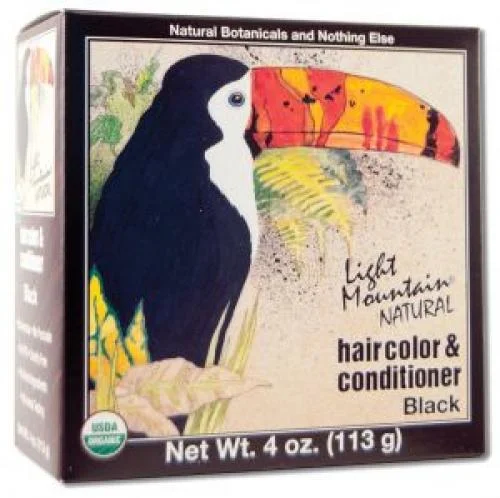
How well does your skin match with Light Mountain Natural Hair Color & Conditioner Black?
Login to see detailsOr continue via
Quick 1-minute survey • Completely free
Analysis results of Ingredients


Ingredient List
| EWG | CIR | Ingredient Name & Cosmetic Function | Notes |
|---|---|---|---|
| 1 4 | - | (Skin Conditioning) | |
| 1 | - | (Skin Conditioning) | |
Light Mountain Natural Hair Color & Conditioner Black - Ingredient Explanation
Lawsonia Inermis (Henna)
1. Definition Lawsonia Inermis (Henna):
Lawsonia Inermis, commonly known as Henna, is a plant that is used for its natural dye properties. The leaves of the Henna plant contain lawsone, a red-orange pigment that binds to proteins, making it a popular ingredient in cosmetics, particularly for hair dyeing and body art.2. Use:
Henna is primarily used for dyeing hair, giving it a natural reddish-brown color. It is also used in body art, where intricate designs are created on the skin using Henna paste. In addition to its cosmetic uses, Henna has also been used for its medicinal properties, such as treating skin conditions like eczema and fungal infections.3. Usage Lawsonia Inermis (Henna):
When using Henna in cosmetics, it is important to be aware of potential precautions. Some individuals may be allergic to Henna, so a patch test is recommended before applying it to a larger area of skin. It is also important to ensure that the Henna product being used is pure and does not contain any harmful additives. Care should be taken to follow the instructions provided with the product to achieve the desired results safely.4. References:
- Adhikari, A., & Poudel, S. (2018). Henna (Lawsonia inermis Linn.) - A Review. Journal of Pharmacognosy and Phytochemistry, 7(1), 342-345.
- Harborne, J. B., & Williams, C. A. (2000). Advances in flavonoid research since 1992. Phytochemistry, 55(6), 481-504.
- Kaur, S., & Kumar, B. (2019). Henna (Lawsonia inermis Linn.) - A Review on Ethnopharmacological and Phytochemical Properties. Journal of Pharmacognosy and Phytochemistry, 8(1), 123-128.
Indigofera Tinctoria Leaf Powder
1. Definition Indigofera Tinctoria Leaf Powder:
Indigofera Tinctoria Leaf Powder is a natural dye derived from the leaves of the Indigofera Tinctoria plant, also known as true indigo. It is commonly used in cosmetics for its vibrant blue color and skin-soothing properties.2. Use:
Indigofera Tinctoria Leaf Powder is primarily used in cosmetics as a natural colorant, providing a deep blue hue to various products such as soaps, lotions, and bath bombs. It is also known for its anti-inflammatory and antioxidant properties, making it a popular ingredient in skincare products aimed at soothing and revitalizing the skin.3. Usage Indigofera Tinctoria Leaf Powder:
When using Indigofera Tinctoria Leaf Powder in cosmetics, it is important to follow recommended guidelines for safe usage. It is typically added to formulations in small amounts to achieve the desired color intensity without staining the skin. Precautions should be taken to avoid inhalation of the powder, as it may cause irritation to the respiratory system. Patch testing is recommended before using products containing this ingredient to check for any potential allergic reactions.4. References:
- Shailaja, A. et al. (2017). Indigofera tinctoria: A review on its phytochemical and pharmacological profile. Pharmacognosy Reviews, 11(21), 43-47.
- Kumar, A. et al. (2019). Indigofera tinctoria: An overview. International Journal of Research in Pharmacy and Pharmaceutical Sciences, 4(3), 1-5.
- Choudhary, S. et al. (2020). Formulation and evaluation of herbal hair dye containing Indigofera tinctoria leaf powder. International Journal of Pharmaceutical Sciences and Research, 11(4), 1568-1574.
Review
Didn't find
the information you need?




Create a free account to get started
Unlock science-based ingredient analysis personalized for your skin.
Already have an account? Log in
We protect your privacy. We never send spam.