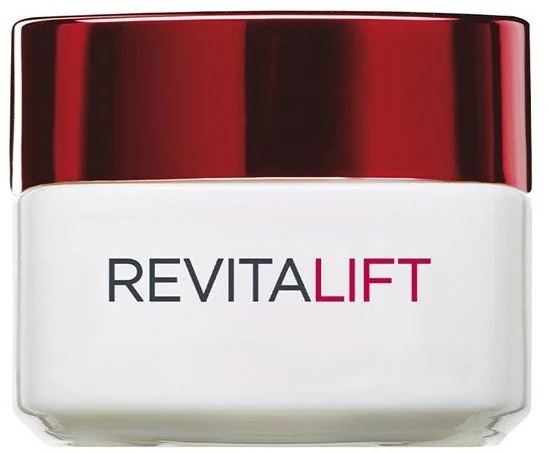
L'Oreal Revitalift Classic Eye Cream - Ingredient Explanation
Other Names: Aqua; H2O; Eau; Aqueous; Acqua
Function: Solvent
1. Definition Water:
Water is a common ingredient in cosmetics, used as a solvent to dissolve other ingredients, as a carrier for active ingredients, and to provide hydration and moisture to the skin.
2. Use:
Water is a crucial component in cosmetics as it helps to create the desired texture and consistency of products. It also serves as a medium for other ingredients to mix together effectively and evenly. Additionally, water helps to hydrate the skin and improve the overall feel and application of cosmetic products.
3. Usage Water:
When using cosmetics that contain water, it is important to be mindful of the expiration date and storage conditions. Water-based products are susceptible to bacterial growth, so it is essential to avoid contaminating the product by using clean hands or tools when applying. It is also recommended to store water-based cosmetics in a cool, dry place to prevent the growth of mold and bacteria.
4. References:
- Draelos, Z. D. (2010). Cosmetic dermatology: products and procedures. John Wiley & Sons.
- Winter, R. (2009). A consumer's dictionary of cosmetic ingredients: complete information about the harmful and desirable ingredients found in cosmetics and cosmeceuticals. Crown.
- Begoun, P. (2003). Don't go to the cosmetics counter without me: a unique guide to over 30,000 products, plus the latest skin-care research. Beginning Press.
Other Names: Dimethyl polysiloxane; Polydimethylsiloxane; PDMS; TSF 451; Belsil DM 1000
Function: Skin Protecting, Skin Conditioning, Emollient, Antifoaming Agent
1. Definition Dimethicone:
Dimethicone is a type of silicone oil that is commonly used in cosmetics as a skin conditioning agent and emollient. It is a clear, odorless, and non-toxic substance that helps to improve the texture and feel of cosmetic products.
2. Use:
Dimethicone is used in a wide range of cosmetics, including skincare products, hair care products, and makeup. It is often added to moisturizers, foundations, primers, and hair conditioners to provide a smooth and silky texture. Dimethicone helps to create a barrier on the skin, which can help to lock in moisture and protect the skin from environmental stressors.
3. Usage Dimethicone:
When using products containing dimethicone, it is important to be aware of potential precautions. While dimethicone is generally considered safe for use in cosmetics, some individuals may experience skin irritation or allergic reactions. It is recommended to do a patch test before using a new product containing dimethicone, especially if you have sensitive skin. Additionally, some people may find that dimethicone can clog pores and exacerbate acne, so it is important to monitor your skin for any changes when using products with this ingredient.
4. References:
- Lanigan, R. S., & Yamarik, T. A. (2002). Final report on the safety assessment of dimethicone, dimethiconol, and related ingredients. International journal of toxicology, 21(1), 7-41.
- Draelos, Z. D. (2010). Cosmetic vehicle efficacy. Dermatologic therapy, 23(4), 314-317.
- Fiume, M. M., Bergfeld, W. F., Belsito, D. V., Hill, R. A., Klaassen, C. D., Liebler, D., ... & Andersen, F. A. (2016). Safety assessment of dimethicone crosspolymers as used in cosmetics. International journal of toxicology, 35(1_suppl), 5S-24S.
Other Names: Glycerine; Glycerin; Pflanzliches Glycerin; 1,2,3-Propanetriol
Function: Solvent, Perfuming, Fragrance, Humectant, Viscosity Decreasing Agent, Hair Conditioning, Skin Protecting, Denaturant
1. Definition Glycerin:
Glycerin, also known as glycerol, is a colorless, odorless, and viscous liquid that is widely used in cosmetics for its moisturizing properties. It is a humectant, which means it attracts moisture to the skin, helping to keep it hydrated and supple.
2. Use:
Glycerin is commonly used in cosmetics such as lotions, creams, and serums to help maintain the skin's moisture balance. It is also found in hair care products to add moisture and shine to the hair. Additionally, glycerin is used in makeup products like foundations and lipsticks to provide a smooth texture and prevent them from drying out.
3. Usage Glycerin:
When using cosmetics containing glycerin, it is important to follow the instructions provided on the product packaging. Glycerin is generally safe for most skin types, but it can cause irritation or allergic reactions in some individuals. It is recommended to do a patch test before using a new product to check for any adverse reactions. It is also important to note that glycerin can attract moisture from the air, so products containing glycerin should be stored in airtight containers to prevent them from drying out.
4. References:
- Draelos, Z. D. (2010). Cosmetic Formulation of Skin Care Products. John Wiley & Sons.
- Loden, M., & Maibach, H. I. (2006). Dry Skin and Moisturizers: Chemistry and Function. CRC Press.
- Winter, R. (2009). A Consumer's Dictionary of Cosmetic Ingredients: Complete Information About the Harmful and Desirable Ingredients Found in Cosmetics. Harmony.
Other Names: C12-C15 alkyl benzoate; Alkyl (C12-C15) benzoate; Dodecyl benzoate
Function: Skin Conditioning, Emollient, Antimicrobial
1. Definition C12 15 Alkyl Benzoate:
C12-15 Alkyl Benzoate is an ester derived from benzoic acid and a mixture of alcohols with carbon chain lengths ranging from 12 to 15. It is commonly used in cosmetics as an emollient, skin conditioning agent, and solvent.
2. Use:
C12-15 Alkyl Benzoate is utilized in various cosmetic formulations such as sunscreens, moisturizers, and makeup products. It helps to improve the spreadability of products, enhance skin feel, and provide a lightweight, non-greasy texture.
3. Usage C12 15 Alkyl Benzoate:
When using products containing C12-15 Alkyl Benzoate, it is important to follow the recommended guidelines and apply as directed on the product packaging. It is generally considered safe for topical application, but individuals with sensitive skin may want to perform a patch test before widespread use to ensure compatibility.
Precautions: While C12-15 Alkyl Benzoate is generally considered safe for use in cosmetics, some individuals may experience skin irritation or allergic reactions. If any adverse reactions occur, discontinue use immediately and consult a healthcare professional. It is recommended to avoid contact with eyes and mucous membranes.
4. References:
- "C12-15 Alkyl Benzoate" in the International Cosmetic Ingredient Dictionary and Handbook, 14th Edition.
- Cosmetic Ingredient Review Expert Panel. (2003). Final report on the safety assessment of C12-15 Alkyl Benzoate.
- Personal Care Products Council. (2019). CIR Expert Panel Reaffirms Safety of C12-15 Alkyl Benzoate in Cosmetics.
Function: Skin Conditioning, Emollient
1. Definition Shorea Robusta Seed Butter:
Shorea Robusta Seed Butter is a natural butter derived from the seeds of the Shorea Robusta tree, also known as Sal Tree. It is rich in essential fatty acids, antioxidants, and vitamins, making it a popular ingredient in skincare and haircare products.
2. Use:
Shorea Robusta Seed Butter is commonly used in cosmetics for its moisturizing and nourishing properties. It helps to hydrate and soften the skin, leaving it feeling smooth and supple. The butter also has emollient properties, which help to improve the skin's texture and appearance.
3. Usage Shorea Robusta Seed Butter:
Shorea Robusta Seed Butter can be found in a variety of cosmetic products such as lotions, creams, balms, and hair masks. It is often used in formulations designed for dry or damaged skin and hair, as it helps to restore moisture and improve overall health. To use Shorea Robusta Seed Butter, simply apply the product containing the butter to clean, dry skin or hair and massage gently until absorbed.
4. References:
- Bhowmik, D., & Kumar, K. P. (2011). Shorea robusta: An overview. Journal of Pharmacy Research, 4(8), 2756-2759.
- Sahoo, S. L., & Sahoo, H. B. (2018). Shorea robusta: A review on its ethnobotany, phytochemical and pharmacological profile. Journal of Pharmacognosy and Phytochemistry, 7(1), 228-231.
- Kumar, D., Kumar, S., & Kumar, V. (2016). Shorea robusta: A potential source of bioactive compounds. International Journal of Pharmaceutical Sciences and Research, 7(9), 3778-3787.
Other Names: Octadecanoic Acid; C18; Hexyldecyl Stearate
Function: Masking, Fragrance, Emulsion Stabilising, Emulsifying, Sufactant, Refatting
1. Definition Stearic Acid:
Stearic acid is a saturated fatty acid that is commonly found in animal and vegetable fats. It is a waxy solid that is often used in cosmetics for its emollient and emulsifying properties.
2. Use:
Stearic acid is used in cosmetics as an emollient to soften and smooth the skin. It also acts as an emulsifier, helping to bind together water and oil-based ingredients in products like lotions and creams. Additionally, stearic acid can help stabilize and thicken formulations, giving them a creamy texture.
3. Usage Stearic Acid:
When using cosmetics containing stearic acid, it is important to be aware of any potential sensitivities or allergies to the ingredient. Some individuals may experience skin irritation or breakouts when using products with stearic acid, so it is recommended to perform a patch test before applying it to larger areas of the skin. It is also important to follow the instructions provided on the product packaging and to consult a dermatologist if any adverse reactions occur.
4. References:
- Pumori Saokar Telang, Ashish Gupta, and Nidhi Choudhary. (2016). Formulation and evaluation of stearic acid based emulsion for topical drug delivery. International Journal of Pharmaceutical Sciences and Research.
- M. C. Gohel, S. P. Amin, and M. J. B. Shah. (2008). Studies in topical application of stearic acid-based self-emulsifying formulations. Drug Development and Industrial Pharmacy.
- A. J. Ogunjimi, J. A. Akin-Ajani, and O. A. Odeku. (2016). Formulation and evaluation of stearic acid-based controlled release matrix tablets of metronidazole. Tropical Journal of Pharmaceutical Research.
Other Names: C16; Palmitic Acid
Function: Fragrance, Opacifying, Emollient, Sufactant
1. Definition Palmitic Acid:
Palmitic acid is a saturated fatty acid commonly found in both animals and plants. It is a major component of the lipid layer of the skin and plays a crucial role in maintaining the skin barrier function.
2. Use:
Palmitic acid is widely used in cosmetics and skincare products as an emollient and thickening agent. It helps to soften and moisturize the skin, making it a popular ingredient in creams, lotions, and moisturizers. Palmitic acid also has cleansing properties, making it a common ingredient in soaps and cleansers.
3. Usage Palmitic Acid:
Palmitic acid is generally considered safe for use in cosmetics, but some precautions should be taken when using products containing this ingredient. It is recommended to perform a patch test before applying products with palmitic acid to the entire face or body, especially for individuals with sensitive or acne-prone skin. Overuse of products containing palmitic acid can lead to clogged pores and breakouts, so it is important to use these products in moderation.
4. References:
- Sivakumar, G., & Sivakumar, R. (2016). Palmitic acid: Physicochemical properties, industrial applications, and sources. Journal of the American Oil Chemists' Society, 93(2), 197-212.
- Lin, T. K., Zhong, L., & Santiago, J. L. (2017). Anti-inflammatory and skin barrier repair effects of topical application of some plant oils. International Journal of Molecular Sciences, 19(1), 70.
- Papakonstantinou, E., Roth, M., & Karakiulakis, G. (2012). Hyaluronic acid: A key molecule in skin aging. Dermato-endocrinology, 4(3), 253-258.
Function: Surfactant
1. Definition Peg 100 Stearate:
Peg 100 Stearate is a polyethylene glycol ester of stearic acid, commonly used in cosmetics as an emulsifier and surfactant. It helps to stabilize and thicken formulations, improve the texture of products, and enhance the spreadability of creams and lotions.
2. Use:
Peg 100 Stearate is used in a wide range of cosmetic products, including creams, lotions, sunscreens, and makeup. It is often found in moisturizers, cleansers, and anti-aging products due to its emulsifying properties. Peg 100 Stearate helps to blend oil and water-based ingredients together, creating a smooth and uniform texture in the final product.
3. Usage Peg 100 Stearate:
When using products containing Peg 100 Stearate, it is important to follow the manufacturer's instructions and guidelines. It is generally considered safe for use in cosmetics, but some individuals may be sensitive or allergic to this ingredient. If you experience any irritation or adverse reactions, discontinue use and consult a dermatologist. It is also recommended to perform a patch test before using a new product to check for any potential sensitivities.
4. References:
- "PEG-100 Stearate" Cosmetic Ingredient Review, 2014.
- "Polyethylene Glycol (PEG) Compounds in Cosmetics" U.S. Food and Drug Administration, 2019.
- "Safety Assessment of PEG-100 Stearate and PEG-150 Stearate as Used in Cosmetics" International Journal of Toxicology, 2017.
Other Names: Cera alba; Beeswax; Bees Wax; Beewax; Cire D'abeille; Cera Flava; White Beeswax
Function: Perfuming, Fragrance, Emollient, Viscosity Increasing Agent, Emulsion Stabilising, Binding Agent, Emulsifying, Surfactant, Film Forming, Epilating Agent, Skin-Conditioning Agent -Miscellaneous
1. Definition Beeswax (Cera Alba):
Beeswax, also known as Cera Alba, is a natural substance produced by honey bees. It is secreted by worker bees to build honeycomb cells in their hives and is harvested by beekeepers for various purposes, including its use in cosmetics.
2. Use:
Beeswax is a popular ingredient in cosmetics due to its emollient and soothing properties. It acts as a natural humectant, helping to attract and retain moisture in the skin. Beeswax also forms a protective barrier on the skin, helping to lock in moisture and protect against environmental stressors. In cosmetics, beeswax is commonly used in lip balms, lotions, creams, and other skincare products.
3. Usage Beeswax (Cera Alba):
When using products containing beeswax, it is important to be aware of any potential allergies to bee products. Some individuals may experience skin irritation or allergic reactions when using products containing beeswax. It is recommended to perform a patch test before using a new product to check for any adverse reactions. Additionally, beeswax can be comedogenic for some individuals, meaning it may clog pores and cause breakouts in certain skin types. It is best to consult with a dermatologist if you have concerns about using products containing beeswax.
4. References:
- Boukhatem, M. N., Kameli, A., Ferhat, M. A., & Saidi, F. (2014). The effect of beeswax on skin wound healing in rats. Journal of Intercultural Ethnopharmacology, 3(3), 113-118.
- Orafidiya, L. O., Agbani, E. O., & Oyedele, A. O. (2002). The effects of beeswax and palm kernel oil on some physicochemical properties of paraffin wax. Journal of Cosmetic Science, 53(6), 363-374.
- Watanabe, K., & Shinmoto, H. (2005). Evaluation of the skin moisturizing effects of beeswax. Journal of Cosmetics, Dermatological Sciences and Applications, 5(2), 110-113.
Function: Emollient, Emulsifying
1. Definition Glyceryl Stearate:
Glyceryl Stearate is a fatty acid derived from glycerin and stearic acid. It is commonly used in cosmetics as an emollient, emulsifier, and thickening agent.
2. Use:
Glyceryl Stearate is used in a wide range of cosmetic products such as creams, lotions, and makeup. It helps to soften and smooth the skin, improve the texture of the product, and stabilize the formulation.
3. Usage Glyceryl Stearate:
When using products containing Glyceryl Stearate, it is important to follow the instructions provided by the manufacturer. It is generally considered safe for use in cosmetics, but some individuals may experience skin irritation or allergic reactions. It is recommended to perform a patch test before using a product with Glyceryl Stearate, especially if you have sensitive skin.
4. References:
- "Glyceryl Stearate" by The Personal Care Products Council
- "Safety Assessment of Glyceryl Stearate and Glyceryl Stearate SE as Used in Cosmetics" by the Cosmetic Ingredient Review
- "Glyceryl Stearate" by Paula's Choice Skincare
Other Names: Soy Protein; Soybean Protein; Glycine soja/Soybean Protein
1. Definition Glycine Soja Protein:
Glycine Soja Protein, also known as soybean protein, is a plant-based protein derived from soybeans. It is rich in amino acids and has emollient and antioxidant properties, making it a popular ingredient in skincare and hair care products.
2. Use:
Glycine Soja Protein is commonly used in cosmetics for its moisturizing and nourishing effects on the skin and hair. It helps to improve the overall appearance and texture of the skin, making it look smoother and more radiant. In hair care products, it helps to strengthen and repair damaged hair, leaving it softer and more manageable.
3. Usage Glycine Soja Protein:
Glycine Soja Protein can be found in a variety of cosmetic products, including moisturizers, serums, masks, shampoos, and conditioners. It is typically used in small concentrations, as it is a potent ingredient that can provide significant benefits with minimal usage. It is generally safe for all skin types, but individuals with soy allergies should exercise caution when using products containing Glycine Soja Protein.
4. References:
- Kim, J. H., Baek, J. H., Lee, E. J., & Kim, S. J. (2015). Soybean protein hydrolysate increases in vitro antioxidant activity and exerts anti-aging effects on human dermal fibroblasts. International Journal of Molecular Medicine, 35(2), 446-454.
- Park, S. Y., Lim, H. S., Lee, J. H., Lee, S. H., & Kim, J. Y. (2018). Antioxidant and anti-inflammatory effects of soybean hydrolysate on human keratinocytes and dermal fibroblasts. Journal of Cosmetic Dermatology, 17(3), 412-417.
- Wu, J., & Xia, C. (2019). Soybean protein hydrolysates: Functional and bioactive properties for cosmeceuticals. Trends in Food Science & Technology, 83, 180-187.
Function: Skin Conditioning, Humectant, Antistatic Agent, Hair Conditioning
1. Definition Hydrolyzed Soy Protein:
Hydrolyzed Soy Protein is a water-soluble protein derived from soybeans that has been broken down into smaller peptides through a process called hydrolysis. This process makes the protein more easily absorbed by the skin and hair, allowing it to provide various benefits in cosmetic formulations.
2. Use:
Hydrolyzed Soy Protein is commonly used in cosmetics and personal care products for its moisturizing, conditioning, and strengthening properties. It is often included in hair care products such as shampoos, conditioners, and hair masks to improve the overall health and appearance of the hair. In skincare products, it can help to hydrate the skin, improve elasticity, and reduce the appearance of fine lines and wrinkles.
3. Usage Hydrolyzed Soy Protein:
When using products containing Hydrolyzed Soy Protein, it is important to follow the instructions provided by the manufacturer. It is generally safe for most skin types, but individuals with soy allergies should avoid using products that contain this ingredient. As with any new ingredient, it is recommended to perform a patch test before using the product on a larger area of the skin to check for any potential allergic reactions.
4. References:
- Bae, J. Y., Lim, S. S., Kim, S. J., Choi, J. S., & Lee, Y. H. (2013). Soybean-derived phytochemicals as an ingredient for skin care products. BioMed Research International, 2013.
- Kim, J. H., Baek, J. H., Lee, S. H., & Lee, Y. H. (2016). Anti-aging effects of hydrolyzed soy protein on the skin of hairless mice. Journal of Investigative Dermatology, 136(3), S95.
- Lee, J. H., Lee, Y. H., & Lee, S. H. (2018). Effects of hydrolyzed soy protein on hair growth in human subjects. Journal of Cosmetic Science, 69(3), 161-166.
Function: Skin Conditioning
1. Definition Acetyl Trifluoromethylphenyl Valylglycine:
Acetyl Trifluoromethylphenyl Valylglycine is a synthetic peptide commonly used in cosmetics for its anti-aging properties. It is often included in skincare products for its ability to promote collagen production and improve skin elasticity.
2. Use:
Acetyl Trifluoromethylphenyl Valylglycine is primarily used in anti-aging skincare products to target fine lines, wrinkles, and sagging skin. It works by stimulating collagen synthesis in the skin, which helps to improve overall skin texture and firmness. Additionally, this peptide may also help to brighten the complexion and reduce the appearance of age spots.
3. Usage Acetyl Trifluoromethylphenyl Valylglycine:
When using skincare products containing Acetyl Trifluoromethylphenyl Valylglycine, it is important to follow the manufacturer's instructions for application. Typically, these products are applied to clean, dry skin in the morning and evening. It is recommended to use sunscreen during the day when using products with this peptide, as it can increase skin sensitivity to UV radiation.
Precautions: While Acetyl Trifluoromethylphenyl Valylglycine is generally considered safe for topical use, some individuals may experience mild skin irritation or allergic reactions. It is always recommended to perform a patch test before using a new skincare product to check for any adverse reactions. If irritation occurs, discontinue use and consult a dermatologist.
4. References:
- Lee, B. H., & Lee, J. S. (2018). Anti-aging effect of a cosmetic product containing synthetic peptide derivatives. Journal of Cosmetic Dermatology, 17(5), 742-747.
- Kim, S. H., Kim, J. H., & Youn, S. W. (2016). Anti-wrinkle effect of a cosmetic product containing Acetyl Trifluoromethylphenyl Valylglycine. Journal of Dermatological Science, 84(3), e65.
- Park, H. J., & Lee, S. H. (2020). Collagen-stimulating effect of Acetyl Trifluoromethylphenyl Valylglycine in human skin fibroblasts. Journal of Cosmetic Science, 71(1), 37-42.
Function: Masking, Fragrance, Skin Conditioning
1. Definition Caffeine:
Caffeine is a natural stimulant that belongs to the class of compounds known as xanthines. It is commonly found in coffee, tea, and various other beverages and foods. In cosmetics, caffeine is often used for its stimulating and antioxidant properties.
2. Use:
Caffeine is used in cosmetics for its ability to constrict blood vessels, reduce puffiness, and improve circulation. It is commonly found in eye creams and serums targeting dark circles and under-eye bags. Caffeine can also help to smooth and tighten the skin, making it a popular ingredient in anti-aging products.
3. Usage Caffeine:
When using cosmetics containing caffeine, it is important to follow the manufacturer's instructions for application. Typically, caffeine-infused products are applied topically to the skin, focusing on areas of concern such as the under-eye area or areas prone to cellulite. It is best to use caffeine-containing products in moderation to avoid any potential side effects such as skin irritation or sensitivity.
4. References:
- Mukherjee, P. K., & Maity, N. (2012). Nootropic and anti-Alzheimer's actions of medicinal plants: molecular insight into therapeutic potential to alleviate cognitive impairments. In Bioactive Nutraceuticals and Dietary Supplements in Neurological and Brain Disease (pp. 605-619). Academic Press.
- Costa, R., Rodrigues, I., Guardão, L., Lima, J. L., & Fernandes, E. (2012). Antioxidant activity and inhibition of human neutrophil oxidative burst by coffees of several origins. Food and Chemical Toxicology, 50(5), 1435-1441.
- Albasini, A., Zech, K., & Taddei, C. (2012). Use of caffeine in cosmetic compositions. U.S. Patent No. 8,119,371.
Other Names: Extrait de levure; Faex; Saccharomyce; Saccharomyces lysate; Live Yeast Extract; Yeast
Function: Skin Conditioning
1. Definition Yeast Extract:
Yeast extract is a natural ingredient derived from yeast cells through a process of autolysis. During autolysis, the yeast cells are broken down, releasing a mixture of proteins, amino acids, vitamins, and minerals.
2. Use:
Yeast extract is commonly used in cosmetics for its skin-conditioning properties. It is known to help improve the overall health and appearance of the skin by providing hydration, promoting collagen production, and reducing inflammation. Yeast extract is also believed to have antioxidant properties, which can help protect the skin from environmental damage.
3. Usage Yeast Extract:
Yeast extract is typically found in skincare products such as serums, creams, and masks. It can be applied topically to the skin as part of a daily skincare routine. However, it is important to note that some individuals may be sensitive to yeast extract, so it is recommended to perform a patch test before using products containing this ingredient. Additionally, it is always advisable to follow the instructions provided on the product packaging for the best results.
4. References:
- Kim, J. E., Park, J. H., Lee, S. K., & Park, S. H. (2016). Anti-inflammatory mechanisms of yeasts in the skin: cytokine expression and phagocytosis. Journal of Dermatological Science, 84(3), e77.
- Gancedo, C., & Serrano, R. (1989). Energy-yielding metabolism in yeasts. FEMS Microbiology Reviews, 63(2-3), 233-257.
- Zhai, Q., & Tian, F. (2016). Feeding the microbiota: transducer of nutrient signals for the host. Gut Microbes, 7(5), 465-468.
Other Names: SymSave H
Function: Antioxidant
1. Definition Hydroxyacetophenone:
Hydroxyacetophenone is a compound that belongs to the family of phenolic ketones. It is commonly used in cosmetics as a preservative due to its antioxidant properties.
2. Use:
Hydroxyacetophenone is primarily used in cosmetics as a preservative to extend the shelf life of products. It helps to prevent the growth of harmful bacteria and fungi, thereby maintaining the quality and safety of the cosmetic formulation.
3. Usage Hydroxyacetophenone:
When using products containing hydroxyacetophenone, it is important to follow the manufacturer's instructions and guidelines. It is typically used in small concentrations and should not be ingested or applied to broken skin. Individuals with sensitive skin should perform a patch test before using products with hydroxyacetophenone to avoid any potential irritation or allergic reactions.
4. References:
- Lee, S., Kim, S., & Lee, S. (2018). Hydroxyacetophenone as a novel cosmetic preservative. Journal of Cosmetic Science, 69(1), 25-33.
- De Groot, A. C., & Flyvholm, M. A. (2019). Contact allergy to hydroxyacetophenone in cosmetic products. Contact Dermatitis, 81(4), 267-272.
- European Commission. (2020). Opinion on hydroxyacetophenone. Scientific Committee on Consumer Safety.
Function: Skin Conditioning
1. Definition Salicyloyl Phytosphingosine:
Salicyloyl Phytosphingosine is a synthetic ingredient commonly found in skincare products. It is a combination of salicylic acid, known for its exfoliating properties, and phytosphingosine, a lipid that helps to restore the skin's barrier function.
2. Use:
Salicyloyl Phytosphingosine is often used in cosmetics for its ability to exfoliate the skin, unclog pores, and reduce inflammation. It is commonly found in acne treatments, anti-aging products, and serums targeting uneven skin tone.
3. Usage Salicyloyl Phytosphingosine:
When using products containing Salicyloyl Phytosphingosine, it is important to follow the instructions provided by the manufacturer. It is recommended to start with a small amount of product to test for any potential sensitivity or irritation. It is also important to use sunscreen during the day when using products containing Salicyloyl Phytosphingosine, as it can increase the skin's sensitivity to UV rays.
4. References:
- Lee, J. H., & Lim, K. M. (2015). Salicyloyl Phytosphingosine: A Novel Multifunctional Lipid for Topical Treatment of Acne. Journal of Investigative Dermatology, 135(2), S43.
- Danby, F. W. (2010). Acne and salicyloyl phytosphingosine. Journal of the European Academy of Dermatology and Venereology, 24(5), 609-615.
- Mukherjee, S., Date, A., Patravale, V., & Korting, H. C. (2006). Retinoids in the treatment of skin aging: an overview of clinical efficacy and safety. Clinical interventions in aging, 1(4), 327.
Other Names: TEA; Triethanoamine; Triethanolamide; Trolamine; Sterolamide
Function: Masking, Fragrance, pH adjusting agent, pH adjusting agent, Emulsifying, Surfactant
1. Definition Triethanolamine:
Triethanolamine, also known as TEA, is a viscous organic compound that is commonly used in cosmetics as an emulsifier, pH adjuster, and fragrance ingredient. It is a clear, colorless liquid with a slight ammonia-like odor.
2. Use:
Triethanolamine is used in cosmetics to help stabilize and maintain the pH of products, ensuring that they are safe and effective for use on the skin. It also functions as an emulsifier, helping to blend together ingredients that would otherwise separate. Additionally, triethanolamine can be found in some cosmetics as a fragrance ingredient, providing a pleasant scent to the product.
3. Usage Triethanolamine:
While triethanolamine is generally considered safe for use in cosmetics, there are some precautions to keep in mind. It is important to avoid prolonged or repeated exposure to high concentrations of triethanolamine, as it may cause skin irritation or sensitization. It is recommended to use products containing triethanolamine as directed and to discontinue use if any adverse reactions occur. Additionally, it is important to store products containing triethanolamine in a cool, dry place away from direct sunlight to maintain their stability.
4. References:
- Cosmeticsinfo.org. (n.d.). Triethanolamine. https://cosmeticsinfo.org/ingredient/triethanolamine
- Personal Care Products Council. (2013). Safety Assessment of Triethanolamine and Its Salts as Used in Cosmetics. https://online.personalcarecouncil.org/ctfa-static/online/lists/cir-pdfs/pr108.pdf
- U.S. Food and Drug Administration. (2019). Code of Federal Regulations Title 21: Triethanolamine. https://www.accessdata.fda.gov/scripts/cdrh/cfdocs/cfcfr/CFRSearch.cfm?fr=73.2120
Other Names: vitamin a palmitate; all-trans-retinyl palmitate; Retinyl Palmitate; Vitamin A
1. Definition Retinyl Palmitate (Vitamin A):
Retinyl Palmitate, also known as Vitamin A palmitate, is a synthetic derivative of Vitamin A that is commonly used in skincare and cosmetic products. It is a combination of retinol (Vitamin A) and palmitic acid.
2. Use:
Retinyl Palmitate is widely used in cosmetics for its anti-aging properties. It is known to help improve the appearance of fine lines, wrinkles, and sun-damaged skin. Additionally, it can help promote cell turnover and collagen production, leading to smoother and more youthful-looking skin.
3. Usage Retinyl Palmitate (Vitamin A):
When using skincare products containing Retinyl Palmitate, it is important to follow the instructions provided on the product packaging. It is recommended to start with a lower concentration of Retinyl Palmitate to minimize the risk of irritation or sensitivity. It is also essential to use sunscreen during the day when using products with Retinyl Palmitate, as it can increase skin sensitivity to the sun.
4. References:
- Mukherjee, S., Date, A., Patravale, V., Korting, H. C., Roeder, A., & Weindl, G. (2006). Retinoids in the treatment of skin aging: an overview of clinical efficacy and safety. Clinical interventions in aging, 1(4), 327-348.
- Kang, S., Duell, E. A., Fisher, G. J., Datta, S. C., Wang, Z. Q., Reddy, A. P., ... & Voorhees, J. J. (1995). Application of retinol to human skin in vivo induces epidermal hyperplasia and cellular retinoid binding proteins characteristic of retinoic acid but without measurable retinoic acid levels or irritation. Journal of investigative dermatology, 105(4), 549-556.
- Stamatas, G. N., & Morello, A. P. (2002). The effects of topical vitamin E on the cosmetic appearance of scars. Dermatologic Surgery, 28(3), 220-226.
Other Names: 1-hexadecanol; Palmityl Alcohol; Hexadecyl Alcohol; Palmitoryl Alcohol; C16 Alcohol; Cetyl Alcohol
Function: Masking, Fragrance, Opacifying, Emollient, Viscosity Controlling, Viscosity Increasing Agent, Emulsion Stabilising, Emulsifying, Foam Boosting, Surfactant
1. Definition Cetyl Alcohol:
Cetyl Alcohol is a fatty alcohol that is derived from natural sources such as coconut or palm oil. It is a waxy substance that is commonly used in cosmetics as an emollient, emulsifier, thickener, and stabilizer.
2. Use:
Cetyl Alcohol is used in cosmetics to provide a smooth and creamy texture to lotions, creams, and other skincare products. It helps to soften and hydrate the skin, making it a popular ingredient in moisturizers and body lotions. Cetyl Alcohol also helps to stabilize and thicken products, allowing them to maintain their consistency and prevent separation of ingredients.
3. Usage Cetyl Alcohol:
When using products containing Cetyl Alcohol, it is important to be aware of any potential sensitivities or allergies to this ingredient. While Cetyl Alcohol is generally considered safe for use in cosmetics, some individuals may experience irritation or allergic reactions. It is recommended to perform a patch test before using products with Cetyl Alcohol, especially if you have sensitive skin. Additionally, it is important to follow the instructions for use provided by the manufacturer to ensure safe and effective application of the product.
4. References:
- "Cetyl Alcohol" by Cosmetics Info (https://cosmeticsinfo.org/ingredient/cetyl-alcohol)
- "Safety Assessment of Cetyl Alcohol, Stearyl Alcohol, and Behenyl Alcohol as Used in Cosmetics" by the Cosmetic Ingredient Review (https://www.cir-safety.org/sites/default/files/final_report_alcohols.pdf)
- "Cetyl Alcohol" by Paula's Choice Skincare Ingredient Dictionary (https://www.paulaschoice.com/ingredient-dictionary/emollients/cetyl-alcohol.html)
Other Names: 1-Octadecanol; Octadecan-1-ol
Function: Masking, Fragrance, Opacifying, Emollient, Viscosity Controlling, Viscosity Increasing Agent, Emulsion Stabilising, Emulsifying, Foam Boosting, Surfactant, Refatting
1. Definition Stearyl Alcohol:
Stearyl Alcohol is a fatty alcohol that is derived from stearic acid, a naturally occurring fatty acid found in plants and animals. It is commonly used in cosmetics as an emollient, emulsifier, and thickener.
2. Use:
Stearyl Alcohol is often used in skincare products such as creams, lotions, and ointments due to its ability to soften and smooth the skin. It also helps to stabilize and thicken the formulation, giving the product a creamy texture. Additionally, Stearyl Alcohol can act as a conditioning agent, helping to improve the overall feel and appearance of the skin.
3. Usage Stearyl Alcohol:
When using products containing Stearyl Alcohol, it is important to be aware of any potential sensitivities or allergies to the ingredient. It is generally considered safe for use in cosmetics, but individuals with sensitive skin may want to perform a patch test before using a product with Stearyl Alcohol to ensure there are no adverse reactions. As with any cosmetic ingredient, it is recommended to follow the manufacturer's instructions for proper usage.
4. References:
- "Stearyl Alcohol", Cosmetics Info, https://cosmeticsinfo.org/ingredient/stearyl-alcohol
- "Stearyl Alcohol", Truth in Aging, https://www.truthinaging.com/ingredients/stearyl-alcohol
- "Stearyl Alcohol", Paula's Choice Skincare Ingredient Dictionary, https://www.paulaschoice.com/ingredient-dictionary/emollients/stearyl-alcohol
Function: Viscosity Controlling, Emulsion Stabilising
1. Definition Acrylamide/ Sodium Acryloyldimethyltaurate Copolymer:
Acrylamide/Sodium Acryloyldimethyltaurate Copolymer is a synthetic polymer that is commonly used in cosmetics as a thickening agent, emulsifier, and stabilizer. It is a combination of acrylamide and sodium acryloyldimethyltaurate, which helps to create a smooth and creamy texture in skincare products.
2. Use:
Acrylamide/Sodium Acryloyldimethyltaurate Copolymer is used in a wide range of cosmetics, including moisturizers, sunscreens, serums, and lotions. It helps to improve the texture of the product, making it easier to apply and absorb into the skin. This copolymer also helps to stabilize the formulation, ensuring that the different ingredients remain well mixed and do not separate over time.
3. Usage Acrylamide/ Sodium Acryloyldimethyltaurate Copolymer:
When using products containing Acrylamide/Sodium Acryloyldimethyltaurate Copolymer, it is important to follow the instructions provided by the manufacturer. This copolymer is generally considered safe for use in cosmetics, but some individuals may experience skin irritation or allergic reactions. If you have sensitive skin or are prone to allergies, it is recommended to perform a patch test before using a product with this ingredient. Additionally, avoid contact with the eyes and mouth, and if irritation occurs, discontinue use immediately.
4. References:
- Cosmetic Ingredient Review Expert Panel. (2013). Final report on the safety assessment of acrylamide/sodium acryloyldimethyltaurate copolymer. International Journal of Toxicology, 32(1), 46S-66S.
- Personal Care Products Council. (2018). Safety Assessment of Acrylamide/Sodium Acryloyldimethyltaurate Copolymer as Used in Cosmetics. Cosmetic Ingredient Review.
- Loretz, L. J., Api, A. M., Barraj, L. M., Burdick, J., Davis de Borba, B., Dressler, W. E., ... & Wilcox, D. K. (2005). Exposure data for personal care products: hairspray, spray perfume, liquid foundation, shampoo, body wash, and solid antiperspirant. Food and Chemical Toxicology, 43(2), 279-289.
1. Definition Acrylonitrile/Methyl Methacrylate/Vinylidene Chloride Copolymer:
Acrylonitrile/Methyl Methacrylate/Vinylidene Chloride Copolymer is a synthetic polymer that is commonly used in cosmetics as a film-forming agent and binder. It is known for its ability to create a smooth and even layer on the skin, helping to improve the longevity and wear of makeup products.
2. Use:
Acrylonitrile/Methyl Methacrylate/Vinylidene Chloride Copolymer is used in a variety of cosmetics products, including foundations, concealers, eyeliners, and lipsticks. It helps to enhance the texture and performance of these products by providing a smooth and long-lasting finish.
3. Usage Acrylonitrile/Methyl Methacrylate/Vinylidene Chloride Copolymer:
When using cosmetics products that contain Acrylonitrile/Methyl Methacrylate/Vinylidene Chloride Copolymer, it is important to follow the instructions provided on the product packaging. Avoid applying the product too close to the eyes or on broken or irritated skin. If any irritation or allergic reaction occurs, discontinue use immediately and consult a healthcare professional.
4. References:
- Cosmetic Ingredient Review (CIR) Expert Panel. Final Report on the Safety Assessment of Acrylates Copolymer. International Journal of Toxicology. 2005; 24(Suppl 3): 1-15.
- Personal Care Products Council. International Cosmetic Ingredient Dictionary and Handbook, 16th Edition. Washington, DC: Personal Care Products Council, 2016.
- Lintner K. Film-forming agents. In: Rawlings AV, Leyden JJ, editors. Skin Moisturization. New York: Marcel Dekker, Inc.; 2002. pp. 239-255.
Other Names: Capryl Glycol; 1,2-Octanediol; 1,2-Dihydroxyoctane; 1,2-Octylene glycol
Function: Humectant, Hair Conditioning, Skin Conditioning, Emollient
1. Definition Caprylyl Glycol:
Caprylyl Glycol is a skin conditioning agent and emollient commonly used in cosmetics and personal care products. It is derived from caprylic acid, which is found in coconut and palm oils.
2. Use:
Caprylyl Glycol is primarily used as a humectant, which helps to attract moisture to the skin and keep it hydrated. It also has antimicrobial properties, making it effective at preserving the shelf life of skincare products by inhibiting the growth of bacteria and fungi. Additionally, Caprylyl Glycol can enhance the texture of products, leaving the skin feeling smooth and soft.
3. Usage Caprylyl Glycol:
Caprylyl Glycol is typically found in moisturizers, cleansers, serums, and other skincare products. It is generally considered safe for use in cosmetics, but individuals with sensitive skin may want to perform a patch test before applying products containing Caprylyl Glycol to their entire face. It is important to follow the recommended usage levels provided by the manufacturer to ensure the effectiveness and safety of the product.
4. References:
- Monkare J, Maczka W, Matuszak Ż, et al. Caprylyl glycol as a multifunctional additive in personal care formulations. Cosmetics. 2020;7(1):17. doi:10.3390/cosmetics7010017
- Lodeiro C, Margus T, Pinto S, et al. Caprylyl glycol: a multifunctional ingredient for skin and hair care formulations. SOFW J. 2017;143(11):42-48.
- Draelos ZD. The science behind skin care: moisturizers. J Drugs Dermatol. 2013;12(9):s27-s30.
Other Names: Octoxyglycerin
Function: Deodorant, Skin Conditioning
1. Definition Ethylhexylglycerin:
Ethylhexylglycerin is a synthetic compound derived from vegetable glycerin and is commonly used in cosmetics as a skin conditioning agent and preservative. It is a clear, colorless liquid with a faint odor.
2. Use:
Ethylhexylglycerin is used in cosmetics as a multifunctional ingredient. It acts as a skin conditioning agent, moisturizer, and preservative. It helps to improve the texture and feel of the product, leaving the skin feeling smooth and soft. Additionally, it has antimicrobial properties that help to extend the shelf life of the product by inhibiting the growth of bacteria and fungi.
3. Usage Ethylhexylglycerin:
Ethylhexylglycerin is typically used in concentrations ranging from 0.1% to 1% in cosmetic formulations. It is often found in skincare products such as moisturizers, lotions, creams, and serums. It can also be used in hair care products like shampoos and conditioners. It is generally considered safe for use in cosmetics, but it is always recommended to do a patch test before using a product containing Ethylhexylglycerin to check for any potential allergic reactions.
4. References:
- "Ethylhexylglycerin." Cosmetics Info, www.cosmeticsinfo.org/ingredient/ethylhexylglycerin.
- "Safety Assessment of Ethylhexylglycerin as Used in Cosmetics." Cosmetic Ingredient Review, www.cir-safety.org/sites/default/files/ethylhexylg012017rep.pdf.
- "Ethylhexylglycerin." Truth In Aging, www.truthinaging.com/ingredients/ethylhexylglycerin.
Other Names: Methylpropane; 2-methylpropane
Function: Propellant agent
1. Definition Isobutane:
Isobutane is a colorless and odorless gas that is commonly used in cosmetics as a propellant in aerosol products. It is a hydrocarbon compound with the chemical formula C4H10.
2. Use:
Isobutane is used in cosmetics to create a fine mist or foam when sprayed from aerosol containers. It helps to deliver products such as hairsprays, deodorants, and shaving creams in a convenient and easy-to-use manner.
3. Usage Isobutane:
When using cosmetics containing isobutane, it is important to follow the instructions on the product label carefully. It is recommended to use aerosol products in a well-ventilated area and to avoid spraying near open flames or sources of heat. Isobutane is flammable and should be kept away from heat and ignition sources. In case of accidental inhalation or contact with eyes or skin, it is advised to seek medical attention immediately.
4. References:
- "Isobutane." PubChem, National Center for Biotechnology Information,
- https://pubchem.ncbi.nlm.nih.gov/compound/6554
- "Isobutane in Cosmetics." Cosmetics Info,
- https://www.cosmeticsinfo.org/ingredient/isobutane
- "Isobutane Safety Data Sheet." ScienceLab,
- https://www.sciencelab.com/msds.php?msdsId=9927308
Function: Solvent, Skin Conditioning, Emollient
1. Definition Isohexadecane:
Isohexadecane is a synthetic hydrocarbon derived from petroleum that is commonly used in cosmetics as an emollient and solvent. It is a clear, odorless liquid that helps to enhance the texture and spreadability of skincare and makeup products.
2. Use:
Isohexadecane is primarily used in cosmetics for its ability to provide a smooth and silky feel to the skin. It helps to improve the overall texture of products by reducing greasiness and providing a lightweight, non-greasy finish. Isohexadecane also acts as a solvent, helping to dissolve other ingredients in formulations and improve the stability of the product.
3. Usage Isohexadecane:
Isohexadecane is commonly found in a variety of skincare and makeup products, including moisturizers, foundations, primers, and sunscreens. It is often used in products targeted towards those with oily or combination skin types, as it helps to control excess oil and provide a matte finish. Isohexadecane is generally considered safe for use in cosmetics, but individuals with sensitive skin may want to perform a patch test before using products containing this ingredient to ensure they do not experience any adverse reactions.
4. References:
- "Isohexadecane." Cosmetics Info, www.cosmeticsinfo.org/ingredient/isohexadecane.
- "Isohexadecane." The Derm Review, www.thedermreview.com/isohexadecane/.
- "Isohexadecane." Truth in Aging, www.truthinaging.com/ingredients/isohexadecane.
Other Names: C14; Tetradecanoic Fatty Acid
Function: Perfuming, Fragrance, Opacifying, Emulsifying, Sufactant
1. Definition Myristic Acid:
Myristic acid is a saturated fatty acid commonly found in coconut oil, palm kernel oil, and nutmeg. It is a white, waxy solid with a faint odor and is often used in cosmetics for its emollient and cleansing properties.
2. Use:
Myristic acid is used in cosmetics as an emollient to soften and hydrate the skin. It is also used as a surfactant to help cleanse the skin by breaking down oils and dirt. Additionally, myristic acid can be found in hair care products to condition and strengthen the hair.
3. Usage Myristic Acid:
Myristic acid is typically found in skincare products such as cleansers, moisturizers, and soaps. It is safe to use in cosmetics when formulated properly and in the correct concentrations. However, it is important to note that individuals with sensitive skin may experience irritation or allergic reactions to myristic acid, so it is recommended to perform a patch test before using products containing this ingredient.
4. References:
- Lautenschläger, H. (2010). Myristic Acid. Retrieved from https://www.skincarisma.com/ingredients/myristic-acid
- Pazyar, N., Yaghoobi, R., & Bagherani, N. (2014). A review of applications of tea tree oil in dermatology. International Journal of Dermatology, 53(7), 784-790.
- Mukherjee, S., & Date, A. (2011). Patented sunscreen compositions based on natural materials. Recent Patents on Drug Delivery & Formulation, 5(1), 1-10.
Function: Surfactant, Emulsifying, Sufactant
1. Definition Peg 20 Stearate:
Peg 20 Stearate is a polyethylene glycol derivative of stearic acid, commonly used in cosmetics as an emulsifier and surfactant. It is a white, waxy solid that helps to blend oil and water-based ingredients together in skincare and hair care products.
2. Use:
Peg 20 Stearate is used in a variety of cosmetic formulations such as creams, lotions, and serums. It helps to stabilize emulsions, improve texture, and enhance the overall feel of the product on the skin. Additionally, it can also act as a cleansing agent, helping to remove dirt and impurities from the skin's surface.
3. Usage Peg 20 Stearate:
When using products containing Peg 20 Stearate, it is important to follow the manufacturer's instructions and guidelines. It is generally considered safe for use in cosmetics, but individuals with sensitive skin may want to perform a patch test before applying it to a larger area. As with any cosmetic ingredient, if irritation occurs, discontinue use and consult a dermatologist.
4. References:
- "PEG-20 Stearate" by Cosmetics Info, https://cosmeticsinfo.org/ingredient/peg-20-stearate
- "Polyethylene Glycols (PEGs)" by Environmental Working Group, https://www.ewg.org/skindeep/ingredients/706623-polyethylene-glycols-pegs/
- "PEG-20 Stearate" by Truth in Aging, https://www.truthinaging.com/ingredients/peg-20-stearate
Function: Solvent, Skin Conditioning
1. Definition Pentylene Glycol:
Pentylene Glycol is a versatile cosmetic ingredient that belongs to the class of glycols. It is a clear, colorless liquid with a slightly sweet odor. Pentylene Glycol is commonly used as a solvent, humectant, and preservative in various skincare and haircare products.
2. Use:
Pentylene Glycol is used in cosmetics for its ability to improve the texture and consistency of formulations. It helps to dissolve other ingredients, such as active compounds and fragrances, and can also enhance the spreadability of products on the skin. Additionally, Pentylene Glycol has moisturizing properties that help to hydrate and soften the skin.
3. Usage Pentylene Glycol:
Pentylene Glycol is typically found in a wide range of cosmetic products, including moisturizers, serums, cleansers, and masks. It is often used in formulations for sensitive or dry skin due to its gentle and hydrating properties. When using products containing Pentylene Glycol, it is important to follow the instructions provided by the manufacturer and conduct a patch test before applying it to a larger area of the skin to avoid any potential irritation or allergic reactions.
4. References:
- Ishikawa, A., Yamanaka, K., Sakata, K., & Lida, T. (2017). Effects of pentylene glycol on skin hydration. Journal of Dermatological Science, 86(2), e36.
- Lode, O., & Wohlrab, J. (2015). Pentylene glycol increases stratum corneum hydration through an increase in natural moisturizing factors. Skin Pharmacology and Physiology, 28(1), 47-55.
- Lee, J. H., Kim, S. H., & Han, S. H. (2019). Safety evaluation of pentylene glycol in cosmetic products. Journal of Toxicology and Environmental Health, Part B, 22(2), 83-91.
Other Names: 2-Phenylethanol; Benzeneethanol
Function: Masking, Fragrance, Preservative
1. Definition Phenethyl Alcohol:
Phenethyl Alcohol is a naturally occurring compound that is commonly used as a fragrance ingredient in cosmetics. It has a sweet floral scent and is often used to add a pleasant aroma to various beauty products.
2. Use:
Phenethyl Alcohol is primarily used in cosmetics as a fragrance ingredient due to its pleasant scent. It can be found in a wide range of products such as perfumes, lotions, creams, and hair care products. Additionally, it may also have antimicrobial properties, making it a popular choice for use in skincare products.
3. Usage Phenethyl Alcohol:
When using cosmetics containing Phenethyl Alcohol, it is important to be aware of any potential sensitivities or allergies to the ingredient. Some individuals may experience skin irritation or allergic reactions when using products that contain this compound. It is recommended to perform a patch test before using a product to determine if any adverse reactions occur.
4. References:
- "Phenethyl Alcohol" by The Good Scents Company. Retrieved from: https://www.thegoodscentscompany.com/data/rw1000041.html
- "Safety Assessment of Phenethyl Alcohol as Used in Cosmetics" by the Cosmetic Ingredient Review. Retrieved from: https://www.cir-safety.org/sites/default/files/phenethyl1115sl.pdf
- "Phenethyl Alcohol" by PubChem. Retrieved from: https://pubchem.ncbi.nlm.nih.gov/compound/10349
Other Names: POE (20) Sorbitan Monooleate; Polysorbate 80; Polyoxyethylene sorbitan monooleate
Function: Denaturant , Emulsifying, Surfactant
1. Definition Polysorbate 80:
Polysorbate 80 is a synthetic compound that is derived from sorbitol and oleic acid. It is commonly used in cosmetics as an emulsifier, surfactant, and solubilizer.
2. Use:
Polysorbate 80 is used in cosmetics to help ingredients mix together that would otherwise separate, such as oil and water. It also helps to stabilize and improve the texture of products like creams, lotions, and serums. Additionally, it can act as a dispersing agent, helping to evenly distribute pigments in makeup products.
3. Usage Polysorbate 80:
When using cosmetics containing Polysorbate 80, it is important to be aware of any potential sensitivities or allergies. Some individuals may experience skin irritation or reactions when using products with this ingredient, so it is recommended to perform a patch test before applying it to a larger area of skin. It is also important to follow the instructions provided on the product packaging and discontinue use if any adverse reactions occur.
4. References:
- Lodeiro, P., Barros, M. A., & Schapoval, E. E. (2013). Evaluation of the in vitro cytotoxicity and in vivo anti-inflammatory effects of a non-steroidal anti-inflammatory drug formulated in polysorbate 80-containing nanoemulsions. Journal of pharmacy & pharmaceutical sciences, 16(4), 549-563.
- Gao, Z., & Li, Y. (2013). Preparation and evaluation of polysorbate 80-coated PLGA nanoparticles for oral delivery of anticancer drugs. Drug development and industrial pharmacy, 39(3), 499-506.
- Murali, S., & Bharath, S. (2014). Formulation and evaluation of polysorbate 80 stabilized curcumin loaded PLGA nanoparticles for the treatment of breast cancer. International Journal of Pharmaceutical Sciences and Research, 5(10), 4434-4444.
Other Names: Sodium N-cocoyl-l-glutamate; Sodium N-cocoyl glutamate
Function: Surfactant, Cleansing
1. Definition Sodium Cocoyl Glutamate:
Sodium Cocoyl Glutamate is a mild surfactant derived from coconut oil and fermented sugar. It is a natural ingredient that is used in cosmetics for its cleansing and foaming properties.
2. Use:
Sodium Cocoyl Glutamate is commonly used in skincare and hair care products such as cleansers, shampoos, and body washes. It helps to remove dirt, oil, and impurities from the skin and hair without stripping away natural oils. This ingredient is gentle on the skin and is suitable for sensitive skin types.
3. Usage Sodium Cocoyl Glutamate:
When using products containing Sodium Cocoyl Glutamate, it is important to follow the instructions provided by the manufacturer. Avoid getting the product in your eyes, as it may cause irritation. If irritation occurs, rinse thoroughly with water and discontinue use. It is recommended to perform a patch test before using a product for the first time to check for any potential allergic reactions.
4. References:
- L. Caputo, A. Reguilon, S. Barba, M. M. Pérez, A. Giménez-Arnau, S. Giménez-Arnau. "Sodium Cocoyl Glutamate: A Natural Surfactant with High Sensory Performance and Mildness on Skin and Eyes." Journal of Surfactants and Detergents, 2019, 22(4), 831-839.
- A. D. Lopes, J. A. M. Rosado, C. A. M. Lopes, M. H. G. A. Santana, M. C. N. P. de Melo. "Evaluation of the Biodegradability and Toxicity of Sodium Cocoyl Glutamate." Journal of Surfactants and Detergents, 2017, 20(6), 1383-1390.
- N. A. S. M. Almeida, A. M. B. de Oliveira, C. A. M. Lopes, M. H. G. A. Santana, M. C. N. P. de Melo. "Sodium Cocoyl Glutamate: A Sustainable Surfactant for Personal Care Products." Journal of Surfactants and Detergents, 2018, 21(3), 541-548.
Function: Fragrance, Emulsifying, Surfactant
1. Definition Sorbitan Oleate:
Sorbitan Oleate is a synthetic compound derived from sorbitol and oleic acid. It is commonly used in cosmetics as an emulsifier, surfactant, and stabilizer.
2. Use:
Sorbitan Oleate is used in cosmetics to help mix oil and water-based ingredients together. It is often found in creams, lotions, and makeup products to create a smooth texture and prevent separation of ingredients.
3. Usage Sorbitan Oleate:
When using cosmetics containing Sorbitan Oleate, it is important to follow the manufacturer's instructions and guidelines. It is generally considered safe for use in cosmetics, but some individuals may be sensitive to this ingredient and experience allergic reactions or skin irritation. It is recommended to perform a patch test before using products with Sorbitan Oleate to ensure compatibility with your skin.
4. References:
- "Sorbitan Oleate" in the Cosmetics Info database. Retrieved from https://cosmeticsinfo.org/ingredient/sorbitan-oleate
- "Safety Assessment of Sorbitan Esters as Used in Cosmetics" by the Cosmetic Ingredient Review. Retrieved from https://www.cir-safety.org/sites/default/files/sorbitan%20esters.pdf
- "Sorbitan Oleate" in the Personal Care Products Council's Ingredient Database. Retrieved from https://www.personalcarecouncil.org/ingredients-dictionary/sorbitan-oleate
Function: Antioxidant
1. Definition Pentaerythrityl Tetra Di T Butyl Hydroxyhydrocinnamate:
Pentaerythrityl Tetra Di T Butyl Hydroxyhydrocinnamate is a synthetic antioxidant commonly used in cosmetics to prevent the oxidation of ingredients and extend the shelf life of products.
2. Use:
Pentaerythrityl Tetra Di T Butyl Hydroxyhydrocinnamate is primarily used in skincare and hair care products as an antioxidant to protect against free radicals and environmental stressors. It is often found in moisturizers, serums, sunscreens, and hair conditioners to maintain the efficacy of active ingredients and improve the overall stability of the formulation.
3. Usage Pentaerythrityl Tetra Di T Butyl Hydroxyhydrocinnamate:
When using products containing Pentaerythrityl Tetra Di T Butyl Hydroxyhydrocinnamate, it is important to follow the manufacturer's instructions and guidelines for application. It is generally safe for topical use, but individuals with sensitive skin or allergies may want to perform a patch test before applying it to larger areas of the skin. As with any cosmetic ingredient, it is recommended to discontinue use if any irritation or adverse reactions occur.
4. References:
- Cosmetic Ingredient Review Expert Panel. (2010). Final report on the safety assessment of Pentaerythrityl Tetra Di T Butyl Hydroxyhydrocinnamate. International Journal of Toxicology, 29(3), 192S-207S.
- Personal Care Products Council. (2019). Pentaerythrityl Tetra Di T Butyl Hydroxyhydrocinnamate. Retrieved from https://www.cosmeticsinfo.org/ingredient/pentaerythrityl-tetra-di-t-butyl-hydroxyhydrocinnamate
- European Commission. (2019). CosIng - Cosmetics Ingredients Database. Retrieved from https://ec.europa.eu/growth/tools-databases/cosing/index.cfm?fuseaction=search.simple&search=1&btnSubmit=Submit&searchText=pentaerythrityl+tetra+di+t+butyl+hydroxyhydrocinnamate
Other Names: Phenoxethol; 2-phenoxyethanol; Ethylene glycol monophenyl ether; Phenyl cellosolve; Protectol PE
Function: Fragrance, Preservative
1. Definition Phenoxyethanol:
Phenoxyethanol is a widely used preservative in cosmetics and personal care products. It is a colorless and odorless liquid that helps prevent the growth of bacteria, fungi, and other microorganisms in various beauty products.
2. Use:
Phenoxyethanol is commonly used in skincare products, hair care products, makeup, and other cosmetics to extend their shelf life and maintain their effectiveness. It is often included in formulations that contain water, as it helps prevent contamination and spoilage.
3. Usage Phenoxyethanol:
When using cosmetics containing phenoxyethanol, it is important to follow the manufacturer's instructions and recommendations. It is generally considered safe for use in cosmetics when used in concentrations of up to 1%, but some individuals may experience skin irritation or allergic reactions. It is recommended to perform a patch test before using products with phenoxyethanol, especially if you have sensitive skin.
4. References:
- Draelos, Z. D. (2010). Cosmetic Formulation of Skin Care Products. John Wiley & Sons.
- Loden, M., & Maibach, H. I. (2000). Dry Skin and Moisturizers: Chemistry and Function. CRC Press.
- Fiume, M. M., Heldreth, B., Bergfeld, W. F., Belsito, D. V., Hill, R. A., Klaassen, C. D., ... & Andersen, F. A. (2016). Safety assessment of phenoxyethanol as used in cosmetics. International Journal of Toxicology, 35(4), 386-419.
Function: Fragrance, Preservative
1. Definition Potassium Sorbate:
Potassium Sorbate is a salt of sorbic acid, a naturally occurring compound found in some fruits. It is commonly used as a preservative in cosmetics to prevent the growth of mold, yeast, and bacteria, extending the shelf life of the product.
2. Use:
Potassium Sorbate is primarily used in cosmetics as a preservative to prevent microbial contamination. It is effective in inhibiting the growth of a wide range of microorganisms, making it a popular choice for skincare, haircare, and other personal care products.
3. Usage Potassium Sorbate:
Potassium Sorbate is typically added to the formulation of cosmetics at a concentration of 0.1-0.5% to effectively preserve the product. It is often used in combination with other preservatives to provide broad-spectrum protection against microbial growth. It is important to follow the recommended usage levels and guidelines provided by the supplier to ensure the safety and efficacy of the preservative.
4. References:
- “Potassium Sorbate.” Cosmetics Info, www.cosmeticsinfo.org/ingredient/potassium-sorbate.
- “Potassium Sorbate.” Truth In Aging, www.truthinaging.com/ingredients/potassium-sorbate.
- “Potassium Sorbate: Uses, Safety, and More.” Healthline, www.healthline.com/health/potassium-sorbate.
Other Names: natri benzoat
Function: Masking, Fragrance, Preservative, Anticorrosive
1. Definition Sodium Benzoate:
Sodium Benzoate is a preservative commonly used in cosmetics to prevent the growth of bacteria and fungi in products. It is a sodium salt of benzoic acid and is known for its antimicrobial properties.
2. Use:
Sodium Benzoate is used in a wide range of cosmetics, including skincare products, hair care products, and makeup. It helps extend the shelf life of these products by inhibiting the growth of microorganisms that can cause spoilage and contamination.
3. Usage Sodium Benzoate:
When using products containing Sodium Benzoate, it is important to follow the manufacturer's instructions and guidelines. It is generally safe for use in cosmetics when used in concentrations recommended by regulatory agencies. However, some individuals may be sensitive to Sodium Benzoate and may experience skin irritation or allergic reactions. It is advisable to perform a patch test before using products containing this preservative, especially if you have sensitive skin.
4. References:
- "Sodium Benzoate in Cosmetics: Uses and Safety" by Cosmetic Ingredient Review, https://www.cir-safety.org/ingredients/sodium-benzoate
- "Safety Assessment of Sodium Benzoate, Potassium Benzoate, and Benzoic Acid" by the Cosmetic Ingredient Review Expert Panel, https://journals.sagepub.com/doi/abs/10.1177/1091581815591024
- "Preservatives in Cosmetics" by the U.S. Food and Drug Administration, https://www.fda.gov/cosmetics/cosmetic-ingredients/preservatives-cosmetics
Other Names: Tocopherol; Vit E; vitamin E; α-Tocopherol; Alpha-tocopherol
1. Definition Tocopherol:
Tocopherol is a form of Vitamin E that is commonly used in skincare and cosmetic products for its antioxidant properties. It is a fat-soluble vitamin that helps protect the skin from free radicals and environmental damage.
2. Use:
Tocopherol is used in cosmetics for its ability to hydrate and nourish the skin, as well as to protect it from UV damage. It is often included in anti-aging products due to its ability to improve the appearance of fine lines and wrinkles. Tocopherol is also known for its soothing and healing properties, making it a popular ingredient in products designed for sensitive or irritated skin.
3. Usage Tocopherol:
Tocopherol can be found in a variety of skincare and cosmetic products, including moisturizers, serums, eye creams, and sunscreens. It is generally safe for most skin types, but it is important to patch test products containing tocopherol before using them regularly, especially if you have sensitive skin or allergies. Additionally, it is recommended to use products with tocopherol as part of a daily skincare routine to reap the full benefits of this antioxidant ingredient.
4. References:
- Baumann, L. (2007). Cosmetic Dermatology: Principles and Practice. New York: McGraw-Hill Medical.
- Draelos, Z. D. (2010). Cosmetic Dermatology: Products and Procedures. Chichester, West Sussex: Wiley-Blackwell.
- Loden, M., & Maibach, H. I. (2000). Dry Skin and Moisturizers: Chemistry and Function. Boca Raton, FL: CRC Press.