


Analysis locked
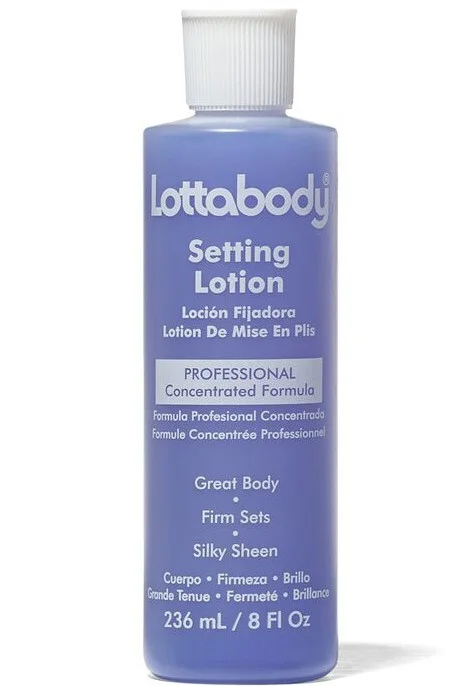
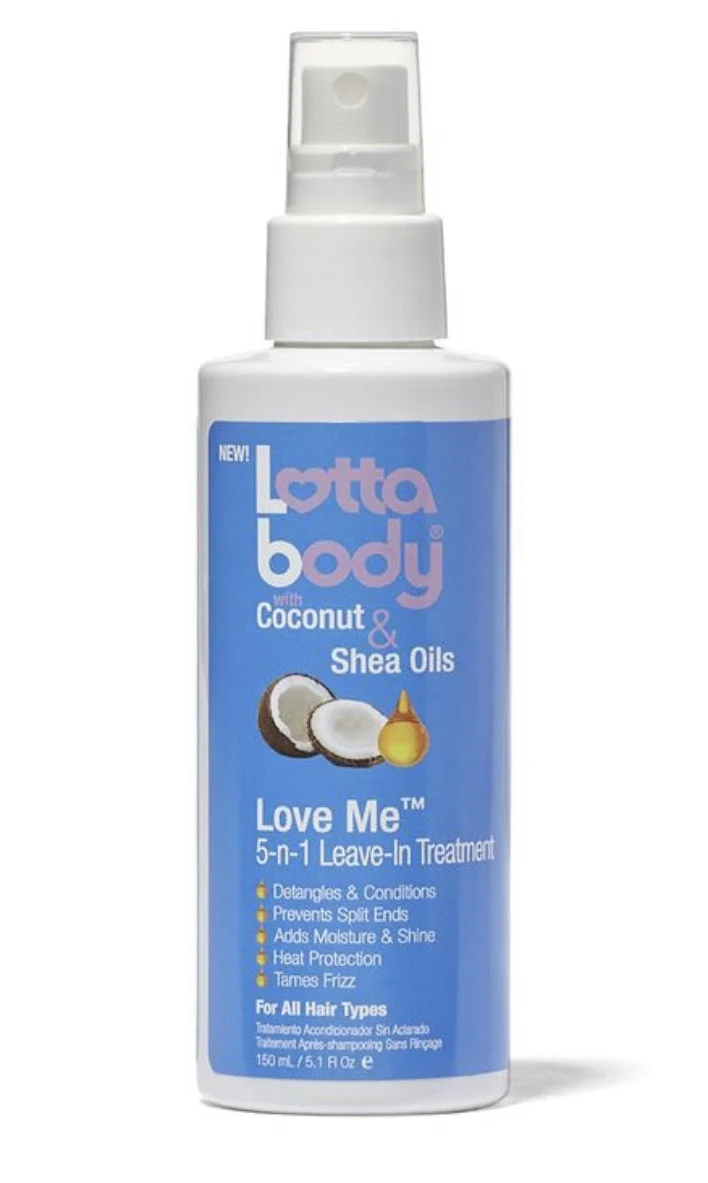
How well does your skin match with Lottabody Setting Lotion?
Login to see detailsOr continue via
Quick 1-minute survey • Completely free
Ingredients
Analysis results of Ingredients


Ingredient List
| EWG | CIR | Ingredient Name & Cosmetic Function | Notes |
|---|---|---|---|
| 1 | - | (Solvent) | |
| 1 | A | (Antistatic Agent, Film Forming, Hair Fixing) | |
| 1 3 | - | (Surfactant, Emulsifying, Sufactant) | |
| 3 | B | (Emulsifying, Surfactant) |  |


Lottabody Setting Lotion - Ingredient Explanation
Water
1. Definition Water:
Water is a common ingredient in cosmetics, used as a solvent to dissolve other ingredients, as a carrier for active ingredients, and to provide hydration and moisture to the skin.2. Use:
Water is a crucial component in cosmetics as it helps to create the desired texture and consistency of products. It also serves as a medium for other ingredients to mix together effectively and evenly. Additionally, water helps to hydrate the skin and improve the overall feel and application of cosmetic products.3. Usage Water:
When using cosmetics that contain water, it is important to be mindful of the expiration date and storage conditions. Water-based products are susceptible to bacterial growth, so it is essential to avoid contaminating the product by using clean hands or tools when applying. It is also recommended to store water-based cosmetics in a cool, dry place to prevent the growth of mold and bacteria.4. References:
- Draelos, Z. D. (2010). Cosmetic dermatology: products and procedures. John Wiley & Sons.
- Winter, R. (2009). A consumer's dictionary of cosmetic ingredients: complete information about the harmful and desirable ingredients found in cosmetics and cosmeceuticals. Crown.
- Begoun, P. (2003). Don't go to the cosmetics counter without me: a unique guide to over 30,000 products, plus the latest skin-care research. Beginning Press.
Polyquaternium 11
1. Definition Polyquaternium 11:
Polyquaternium 11 is a cationic polymer that is commonly used in cosmetic formulations for its conditioning and film-forming properties. It is a water-soluble polymer derived from quaternary ammonium compounds.2. Use:
Polyquaternium 11 is primarily used in hair care products such as shampoos, conditioners, and styling products. It helps to improve the manageability, smoothness, and shine of the hair by forming a thin film on the hair shaft. This film also helps to reduce frizz and static electricity, making the hair easier to style.3. Usage Polyquaternium 11:
When using products containing Polyquaternium 11, it is important to follow the manufacturer's instructions carefully. It is generally safe for use in cosmetic products, but individuals with sensitive skin or allergies should perform a patch test before using products containing this ingredient. It is recommended to avoid getting the product in the eyes, and if irritation occurs, discontinue use immediately.4. References:
- Lodeiro, C., et al. (2014). Polyquaternium-11 and Polyquaternium-10: A Comparative Study of Their Interaction with Keratin. Journal of Cosmetic Science, 65(3), 165-177.
- Llamas, M., et al. (2018). Evaluation of the Conditioning Performance of Polyquaternium-11 in Hair Care Formulations. International Journal of Cosmetic Science, 40(5), 479-486.
- Sathish, L., et al. (2020). Polyquaternium-11: A Versatile Polymer for Hair Care Applications. Cosmetic Technology, 26(2), 42-47.
Peg 40 Lanolin
1. Definition Peg 40 Lanolin:
Peg 40 Lanolin is a polyethylene glycol derivative of lanolin, a natural wax secreted by the sebaceous glands of sheep. It is commonly used in cosmetics and personal care products as an emulsifier, surfactant, and conditioning agent.2. Use:
Peg 40 Lanolin is primarily used in skincare products such as creams, lotions, and serums to improve the texture, consistency, and overall feel of the product. It helps to stabilize emulsions, ensuring that water and oil-based ingredients mix properly. Additionally, Peg 40 Lanolin acts as a surfactant, helping to cleanse the skin by removing dirt and impurities. It also functions as a conditioning agent, providing moisturizing and softening properties to the skin.3. Usage Peg 40 Lanolin:
When using products containing Peg 40 Lanolin, it is important to be aware of potential sensitivities or allergies to lanolin. Individuals with sensitive skin may experience irritation or allergic reactions when using products with lanolin derivatives. It is recommended to perform a patch test before using a product with Peg 40 Lanolin to determine if any adverse reactions occur. Additionally, it is advisable to consult with a dermatologist if you have any concerns about using products containing Peg 40 Lanolin.4. References:
- Loden, Marie. "The Use of Lanolin in Dermatology." Dermatology 2001;203(3):273-7.
- Mekic, S., Jacobsen, F., and Rostgaard, J. "Patch Testing with Wool Alcohols and Lanolin Alcohols." Contact Dermatitis 1998;38(2):69-74.
- Gfatter, R., Hackl, P., and Braun, F. "Effects of Skin Care and Barrier Creams on Skin Irritation in Health Care Workers." Dermatology 1997;195(3):234-9.
Polysorbate 20
1. Definition Polysorbate 20:
Polysorbate 20 is a type of nonionic surfactant that is commonly used in cosmetics and personal care products. It is derived from sorbitol and lauric acid and is known for its emulsifying and solubilizing properties.2. Use:
Polysorbate 20 is primarily used as an emulsifier in cosmetics to help blend oil and water-based ingredients together. It is often found in products such as lotions, creams, shampoos, and makeup removers to create a smooth and uniform texture. Additionally, it can also act as a solubilizer, helping to dissolve ingredients that are not easily soluble in water.3. Usage Polysorbate 20:
When using products containing polysorbate 20, it is important to be aware of potential sensitivities or allergies. Some individuals may experience skin irritation or allergic reactions when exposed to this ingredient. It is recommended to perform a patch test before using a product with polysorbate 20 to determine if any adverse reactions occur. Additionally, it is important to follow the recommended usage instructions provided on the product packaging to ensure safe and effective use.4. References:
- CosmeticsInfo.org. (n.d.). Polysorbate 20. https://cosmeticsinfo.org/ingredient/polysorbate-20
- Personal Care Council. (2019). Polysorbate 20. https://www.personalcarecouncil.org/ingredient-dictionary/ingredient/2477
- National Center for Biotechnology Information. (2009). Polysorbate 20. https://pubchem.ncbi.nlm.nih.gov/compound/Polysorbate-20
Review

Didn't find
the information you need?




Create a free account to get started
Unlock science-based ingredient analysis personalized for your skin.
Already have an account? Log in
We protect your privacy. We never send spam.