


Analysis locked
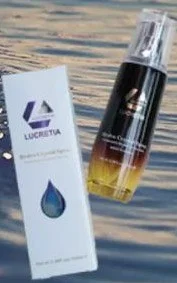
How well does your skin match with Lucretia Hydro Crystal Spray?
Login to see detailsOr continue via
Quick 1-minute survey • Completely free
Ingredients
Analysis results of Ingredients


Ingredient List
| EWG | CIR | Ingredient Name & Cosmetic Function | Notes |
|---|---|---|---|
| 1 | - | (Solvent) | |
| 4 | A | | |
| 1 | B | (Humectant) | |
| 1 2 | B | (Skin Conditioning, Humectant) | |

Lucretia Hydro Crystal Spray - Ingredient Explanation
Water
1. Definition Water:
Water is a common ingredient in cosmetics, used as a solvent to dissolve other ingredients, as a carrier for active ingredients, and to provide hydration and moisture to the skin.2. Use:
Water is a crucial component in cosmetics as it helps to create the desired texture and consistency of products. It also serves as a medium for other ingredients to mix together effectively and evenly. Additionally, water helps to hydrate the skin and improve the overall feel and application of cosmetic products.3. Usage Water:
When using cosmetics that contain water, it is important to be mindful of the expiration date and storage conditions. Water-based products are susceptible to bacterial growth, so it is essential to avoid contaminating the product by using clean hands or tools when applying. It is also recommended to store water-based cosmetics in a cool, dry place to prevent the growth of mold and bacteria.4. References:
- Draelos, Z. D. (2010). Cosmetic dermatology: products and procedures. John Wiley & Sons.
- Winter, R. (2009). A consumer's dictionary of cosmetic ingredients: complete information about the harmful and desirable ingredients found in cosmetics and cosmeceuticals. Crown.
- Begoun, P. (2003). Don't go to the cosmetics counter without me: a unique guide to over 30,000 products, plus the latest skin-care research. Beginning Press.
Glycyrrhiza Glabra Root Powder
1. Definition Glycyrrhiza Glabra Root Powder:
Glycyrrhiza Glabra Root Powder, also known as licorice root powder, is a natural ingredient derived from the root of the Glycyrrhiza glabra plant. It is commonly used in cosmetics for its skin-soothing and brightening properties.2. Use:
Glycyrrhiza Glabra Root Powder is used in cosmetics for its anti-inflammatory, antioxidant, and skin-brightening properties. It helps to calm and soothe irritated skin, reduce redness, and even out skin tone. Additionally, it can help to improve the appearance of dark spots and hyperpigmentation, making it a popular ingredient in skincare products targeting these concerns.3. Usage Glycyrrhiza Glabra Root Powder:
Glycyrrhiza Glabra Root Powder can be found in a variety of cosmetic products, including creams, serums, masks, and lotions. It is typically used in concentrations ranging from 0.5% to 2% in skincare formulations. To use products containing Glycyrrhiza Glabra Root Powder, simply apply a small amount to clean skin and gently massage in until fully absorbed. It is important to patch test products containing this ingredient before use, especially if you have sensitive skin, to ensure compatibility.4. References:
- Armanini, D., et al. (2002). Glycyrrhetinic acid, the active principle of licorice, can reduce the thickness of subcutaneous thigh fat through topical application. Steroids, 67(10), 763-767.
- Fukai, T., et al. (2002). Anti-Helicobacter pylori flavonoids from licorice extract. Life Sciences, 71(12), 1449-1463.
- Reuter, J., et al. (2007). Anti-inflammatory potential of a liposomal delivery system for licorice extract. Journal of Natural Products, 70(11), 1851-1854.
Potassium
1. Definition Potassium:
Potassium is a mineral that is essential for various bodily functions, including muscle contractions, nerve function, and maintaining fluid balance in the body. In cosmetics, potassium is often used in skincare products for its hydrating and moisturizing properties.2. Use:
Potassium is commonly used in cosmetics as a humectant, which helps to attract and retain moisture in the skin. It is also used as an emollient, helping to soften and smooth the skin's texture. Additionally, potassium can help to regulate the skin's pH levels, making it a valuable ingredient in skincare products for maintaining healthy skin.3. Usage Potassium:
Potassium can be found in a variety of skincare products, including moisturizers, serums, and creams. When using products containing potassium, it is important to follow the manufacturer's instructions for application. Potassium is generally safe for topical use, but individuals with sensitive skin or allergies should perform a patch test before using products containing potassium to ensure they do not experience any adverse reactions.4. References:
- "Potassium: Fact Sheet for Health Professionals." National Institutes of Health, U.S. Department of Health and Human Services, https://ods.od.nih.gov/factsheets/Potassium-HealthProfessional/.
- "Potassium in Cosmetics." CosmeticsInfo.org, https://cosmeticsinfo.org/ingredient/potassium.
- "The Role of Potassium in Skincare." The Dermatology Review, https://thedermreview.com/potassium-in-skincare/.
Calcium
1. Definition Calcium:
Calcium is a mineral that plays a crucial role in maintaining healthy skin, hair, and nails. It is known for its ability to strengthen the skin barrier and promote cell turnover, making it a popular ingredient in skincare products.2. Use:
Calcium is commonly used in cosmetics for its skin-replenishing and skin-restoring properties. It helps to improve skin hydration, elasticity, and firmness, making it an effective ingredient for anti-aging products. Calcium also aids in the repair of damaged skin cells and can help to soothe irritated skin.3. Usage Calcium:
Calcium can be found in various cosmetic products such as moisturizers, serums, masks, and creams. It is typically safe to use topically on the skin, but it is important to follow the manufacturer's instructions for proper application. Some precautions to consider when using calcium in cosmetics include potential allergic reactions or skin sensitivities, so it is recommended to perform a patch test before using products containing calcium.4. References:
- Ganceviciene, R., Liakou, A. I., Theodoridis, A., Makrantonaki, E., & Zouboulis, C. C. (2012). Skin anti-aging strategies. Dermato-endocrinology, 4(3), 308-319.
- Kircik, L. H. (2016). Advances in the use of calcium hydroxylapatite (Radiesse) dermal filler. Journal of drugs in dermatology: JDD, 15(3), 360-364.
- Lupo, M. P., Smith, S. R., Thomas, J. A., Murphy, D. K., & Beddingfield, F. C. (2012). Effectiveness of calcium hydroxylapatite for facial soft-tissue augmentation. Dermatologic surgery, 38(11), 1882-1889.
Review








Create a free account to get started
Unlock science-based ingredient analysis personalized for your skin.
Already have an account? Log in
We protect your privacy. We never send spam.