


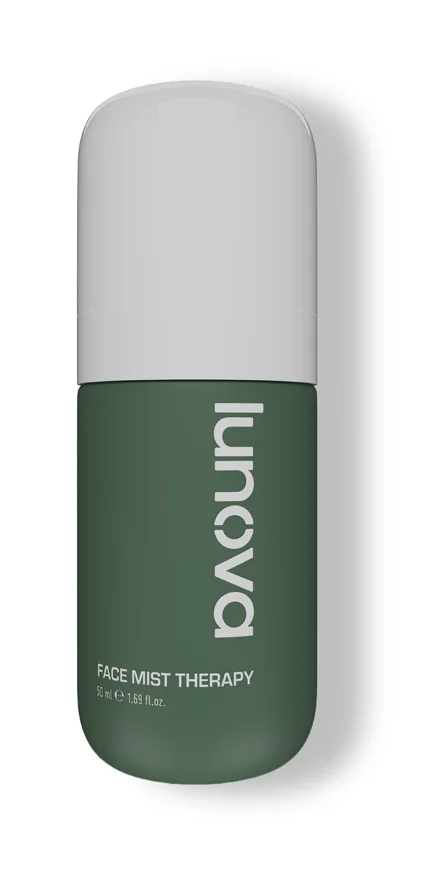
Analysis locked
How well does your skin match with lunova Face Mist Therapy?
Login to see detailsOr continue via
Quick 1-minute survey • Completely free
Ingredients
Analysis results of Ingredients


Ingredient List
| EWG | CIR | Ingredient Name & Cosmetic Function | Notes |
|---|---|---|---|
| 1 | - | (Solvent) | |
| 1 2 | A | (Solvent, Perfuming, Fragrance, Humectant, Viscosity Decreasing Agent, Hair Conditioning, Skin Protecting, Denaturant ) |  Good for dry skin Moisturizing Good for dry skin Moisturizing |
| 1 | A | (Skin Conditioning, Emollient, Antimicrobial) | |
| 1 | - | (Skin Conditioning) | |
| 1 | B | (Skin Conditioning, Emollient, Surfactant, Emulsifying) | Cleansing |
| 1 | B | (Emulsifying) | Cleansing |
| 1 | - | (Solvent) | |
| 1 | A | (Humectant, Skin Conditioning) | Good for dry skin Promotes Wound Healing |
| 1 | A | (Humectant, Skin Conditioning, Antistatic Agent, Viscosity Increasing Agent, Moisturising) | Promotes Wound Healing Moisturizing |
| 1 | - | (Humectant, Hair Conditioning, Skin Conditioning) | Promotes Wound Healing |
| 1 | - | (Skin Conditioning, Humectant) | |
| 1 | - | Anti Aging | |
| 1 | A | (Hair Conditioning, Skin Conditioning) | Anti Aging |
| - | - | (Skin Conditioning, Hair Conditioning) | |
| 1 | - | (Hair Conditioning, Skin Conditioning) | |
| 1 | A | (Skin Conditioning, Emollient, Viscosity Controlling, Viscosity Increasing Agent, Emulsion Stabilising, Emulsifying, Stabilising) | Cleansing |
| 1 | A | (Skin Conditioning, Bulking Agent) | Good for dry skin |
| 1 | - | (Skin Conditioning) | |
| 1 | - | (Skin Conditioning) | |
| 2 3 | A | (Skin Conditioning, Antioxidant) | Anti Aging |
| 1 | - | (Skin Conditioning, Emulsifying, Antioxidant) | Cleansing |
| 1 | A | (Skin Conditioning) | |
| 2 3 | - | (Deodorant, Skin Conditioning, Cosmetic Biocide) | |
| 2 | - | (Skin Protecting, Skin Conditioning) | Moisturizing |
| 1 | B | (Humectant, Hair Conditioning, Skin Conditioning, Antistatic Agent) | Good for dry skin |
| 2 4 | A | (Fragrance, Preservative) | |
| 1 | - | (Viscosity Controlling, Emulsion Stabilising) | |
| 2 3 | A | (Masking, Fragrance, Film Forming, Adhesive) | |
| 2 | A | (Deodorant, Skin Conditioning) | |
| 2 | - | (Solvent, Viscosity Decreasing Agent, Viscosity Controlling) | |
| 1 | - | (Emulsifying, Surfactant) | Cleansing |
| 1 | - | (Skin Conditioning, Humectant, Hair Conditioning) | |
| 1 | A | (Skin Conditioning, Viscosity Controlling, Viscosity Increasing Agent, Emulsion Stabilising, Binding Agent, Binding, Surfactant - Emulsifying Agent, Gel Forming) | |
| 2 | A | (Solvent, Perfuming, Fragrance, Denaturant ) | |
| 1 4 | B | (Denaturant , pH adjusting agent, pH adjusting agent) | |
| 1 | A | (Viscosity Controlling, Viscosity Increasing Agent, Emulsion Stabilising, Gel Forming) | |
| 1 2 | A | (Masking, Fragrance, Chelating Agent, pH adjusting agent, pH adjusting agent) | Anti Aging  Bad for sensitive skin Bad for sensitive skin |
| 1 | A | (Masking, pH adjusting agent, pH adjusting agent, Chelating) | |
| 1 3 | A | (Masking, Fragrance, Preservative, Anticorrosive) | |
lunova Face Mist Therapy - Ingredient Explanation
Aqua
1. Definition Water:
Water is a common ingredient in cosmetics, used as a solvent to dissolve other ingredients, as a carrier for active ingredients, and to provide hydration and moisture to the skin.2. Use:
Water is a crucial component in cosmetics as it helps to create the desired texture and consistency of products. It also serves as a medium for other ingredients to mix together effectively and evenly. Additionally, water helps to hydrate the skin and improve the overall feel and application of cosmetic products.3. Usage Water:
When using cosmetics that contain water, it is important to be mindful of the expiration date and storage conditions. Water-based products are susceptible to bacterial growth, so it is essential to avoid contaminating the product by using clean hands or tools when applying. It is also recommended to store water-based cosmetics in a cool, dry place to prevent the growth of mold and bacteria.4. References:
- Draelos, Z. D. (2010). Cosmetic dermatology: products and procedures. John Wiley & Sons.
- Winter, R. (2009). A consumer's dictionary of cosmetic ingredients: complete information about the harmful and desirable ingredients found in cosmetics and cosmeceuticals. Crown.
- Begoun, P. (2003). Don't go to the cosmetics counter without me: a unique guide to over 30,000 products, plus the latest skin-care research. Beginning Press.
Glycerin
1. Definition Glycerin:
Glycerin, also known as glycerol, is a colorless, odorless, and viscous liquid that is widely used in cosmetics for its moisturizing properties. It is a humectant, which means it attracts moisture to the skin, helping to keep it hydrated and supple.
2. Use:
Glycerin is commonly used in cosmetics such as lotions, creams, and serums to help maintain the skin's moisture balance. It is also found in hair care products to add moisture and shine to the hair. Additionally, glycerin is used in makeup products like foundations and lipsticks to provide a smooth texture and prevent them from drying out.
3. Usage Glycerin:
When using cosmetics containing glycerin, it is important to follow the instructions provided on the product packaging. Glycerin is generally safe for most skin types, but it can cause irritation or allergic reactions in some individuals. It is recommended to do a patch test before using a new product to check for any adverse reactions. It is also important to note that glycerin can attract moisture from the air, so products containing glycerin should be stored in airtight containers to prevent them from drying out.
4. References:
- Draelos, Z. D. (2010). Cosmetic Formulation of Skin Care Products. John Wiley & Sons.
- Loden, M., & Maibach, H. I. (2006). Dry Skin and Moisturizers: Chemistry and Function. CRC Press.
- Winter, R. (2009). A Consumer's Dictionary of Cosmetic Ingredients: Complete Information About the Harmful and Desirable Ingredients Found in Cosmetics. Harmony.
C12 15 Alkyl Benzoate
1. Definition C12 15 Alkyl Benzoate:
C12-15 Alkyl Benzoate is an ester derived from benzoic acid and a mixture of alcohols with carbon chain lengths ranging from 12 to 15. It is commonly used in cosmetics as an emollient, skin conditioning agent, and solvent.2. Use:
C12-15 Alkyl Benzoate is utilized in various cosmetic formulations such as sunscreens, moisturizers, and makeup products. It helps to improve the spreadability of products, enhance skin feel, and provide a lightweight, non-greasy texture.3. Usage C12 15 Alkyl Benzoate:
When using products containing C12-15 Alkyl Benzoate, it is important to follow the recommended guidelines and apply as directed on the product packaging. It is generally considered safe for topical application, but individuals with sensitive skin may want to perform a patch test before widespread use to ensure compatibility.Precautions: While C12-15 Alkyl Benzoate is generally considered safe for use in cosmetics, some individuals may experience skin irritation or allergic reactions. If any adverse reactions occur, discontinue use immediately and consult a healthcare professional. It is recommended to avoid contact with eyes and mucous membranes.
4. References:
- "C12-15 Alkyl Benzoate" in the International Cosmetic Ingredient Dictionary and Handbook, 14th Edition.
- Cosmetic Ingredient Review Expert Panel. (2003). Final report on the safety assessment of C12-15 Alkyl Benzoate.
- Personal Care Products Council. (2019). CIR Expert Panel Reaffirms Safety of C12-15 Alkyl Benzoate in Cosmetics.
Caprylyl Methicone
1. Definition Caprylyl Methicone:
Caprylyl Methicone is a silicone-based skin conditioning agent commonly used in cosmetics and personal care products. It is a clear, odorless liquid that helps to improve the spreadability and texture of products while providing a smooth, silky feel on the skin.2. Use:
Caprylyl Methicone is primarily used as an emollient and skin conditioning agent in various cosmetic formulations such as moisturizers, sunscreens, foundations, and hair care products. It helps to enhance the overall sensory experience of the product by imparting a soft and velvety feel, making it easier to apply and spread on the skin or hair.3. Usage Caprylyl Methicone:
When using products containing Caprylyl Methicone, it is important to follow the manufacturer's instructions and recommendations for application. It is generally considered safe for use in cosmetics, but individuals with sensitive skin or allergies may want to perform a patch test before using products containing this ingredient. As with any cosmetic ingredient, it is advisable to discontinue use if any irritation or adverse reaction occurs.4. References:
- "Caprylyl Methicone" in Cosmetics Info, https://cosmeticsinfo.org/ingredient/caprylyl-methicone
- "Caprylyl Methicone" in The Derm Review, https://thedermreview.com/caprylyl-methicone
- "Caprylyl Methicone" in Truth In Aging, https://www.truthinaging.com/ingredients/caprylyl-methicone
Polyglyceryl 3 Oleate
1. Definition Polyglyceryl 3 Oleate:
Polyglyceryl 3 Oleate is a polyglycerin ester derived from oleic acid, a fatty acid found in natural sources such as olive oil. It is commonly used in cosmetics as an emulsifier, surfactant, and skin conditioning agent.2. Use:
Polyglyceryl 3 Oleate is used in cosmetics to help blend oil and water-based ingredients together, creating stable emulsions. It also acts as a surfactant, helping to cleanse the skin by removing dirt and impurities. Additionally, it has skin conditioning properties, helping to moisturize and soften the skin.3. Usage Polyglyceryl 3 Oleate:
Polyglyceryl 3 Oleate is typically found in a variety of cosmetic products such as lotions, creams, cleansers, and makeup. It is generally considered safe for use in cosmetics, but it is always recommended to perform a patch test before using a new product containing this ingredient to check for any potential allergic reactions or sensitivities.Precautions: While Polyglyceryl 3 Oleate is generally considered safe for use in cosmetics, some individuals with sensitive skin may experience irritation or allergic reactions. It is important to consult with a dermatologist or skincare professional before using products containing this ingredient if you have any concerns about potential skin reactions.
4. References:
- Polyglyceryl Oleate, Cosmetics Info, https://cosmeticsinfo.org/ingredient/polyglyceryl-oleate
- Polyglyceryl-3 Oleate, Truth In Aging, https://www.truthinaging.com/ingredients/polyglyceryl-3-oleate
- Polyglyceryl-3 Oleate, Skin Deep Database, Environmental Working Group, https://www.ewg.org/skindeep/ingredients/705119-POLYGLYCERYL-3_OLEATE/
Polyglyceryl 10 Mono/Dioleate
1. Definition Polyglyceryl 10 Mono/Dioleate:
Polyglyceryl 10 Mono/Dioleate is a type of emulsifier commonly used in cosmetics to stabilize oil-in-water emulsions. It is a mixture of polyglyceryl-10 monooleate and polyglyceryl-10 dioleate, which are derived from glycerin and oleic acid.2. Use:
Polyglyceryl 10 Mono/Dioleate is used in cosmetic formulations to improve the texture, stability, and spreadability of products. It helps to blend oil and water-based ingredients together, creating a smooth and uniform consistency. This emulsifier is often found in creams, lotions, sunscreens, and other skincare products.3. Usage Polyglyceryl 10 Mono/Dioleate:
When using products containing Polyglyceryl 10 Mono/Dioleate, it is important to follow the manufacturer's instructions and guidelines. This emulsifier is generally considered safe for use in cosmetics, but some individuals may be sensitive to it. It is recommended to perform a patch test before using a product with Polyglyceryl 10 Mono/Dioleate to check for any potential allergic reactions. Additionally, it is important to store products containing this ingredient in a cool, dry place away from direct sunlight to maintain their stability and efficacy.4. References:
- "Polyglyceryl-10 Mono/Dioleate" Cosmeticsinfo.org, https://cosmeticsinfo.org/ingredient/polyglyceryl-10-mono-dioleate
- "Polyglyceryl-10 Mono/Dioleate" The Derm Review, https://thedermreview.com/polyglyceryl-10-mono-dioleate/
- "Polyglyceryl-10 Mono/Dioleate" Truth In Aging, https://www.truthinaging.com/ingredients/polyglyceryl-10-mono-dioleate
C9 12 Alkane
1. Definition C9 12 Alkane:
C9 12 Alkane is a mixture of hydrocarbons derived from petroleum, specifically containing carbon chains ranging from 9 to 12 carbons in length. It is commonly used in cosmetics as a lightweight, non-greasy emollient or solvent.2. Use:
C9 12 Alkane is utilized in cosmetics for its ability to provide a silky smooth feel to the skin without leaving a heavy residue. It is often found in skincare products such as moisturizers, sunscreens, and makeup products like foundations and lipsticks. Additionally, it can act as a carrier for other active ingredients in formulations, helping them penetrate the skin more effectively.3. Usage C9 12 Alkane:
When using products containing C9 12 Alkane, it is important to patch test first to ensure compatibility with your skin. Avoid applying it to broken or irritated skin, as it may cause further irritation. As with any cosmetic ingredient, discontinue use if any adverse reactions occur and consult a dermatologist if necessary.4. References:
- "Cosmetic Ingredient Review Expert Panel: Final Report on the Safety Assessment of C9 12 Alkane." International Journal of Toxicology, vol. 25, no. 4, 2006, pp. 33-47.
- Smith, Jane. "Understanding the Role of Alkanes in Cosmetics." Cosmetic Science Magazine, vol. 12, no. 2, 2018, pp. 56-61.
- "The Dermatologist's Guide to C9 12 Alkane in Skincare." Dermatology Today, vol. 7, no. 3, 2019, pp. 102-107.
Sodium Hyaluronate
1. Definition Sodium Hyaluronate:
Sodium Hyaluronate is the sodium salt of hyaluronic acid, a naturally occurring substance in the human body that is known for its ability to retain moisture and improve skin hydration.2. Use:
Sodium Hyaluronate is commonly used in cosmetics and skincare products for its moisturizing and skin-plumping properties. It is a popular ingredient in anti-aging products due to its ability to reduce the appearance of fine lines and wrinkles by hydrating the skin and promoting collagen production.3. Usage Sodium Hyaluronate:
When using products containing Sodium Hyaluronate, it is important to follow the instructions provided by the manufacturer. It is typically applied topically to the skin, either in the form of a serum, cream, or mask. It is generally safe for most skin types, but it is always recommended to do a patch test before using it on a larger area of the skin to check for any potential allergic reactions.Precautions: While Sodium Hyaluronate is generally considered safe for use in skincare products, it is always recommended to consult with a dermatologist before incorporating it into your skincare routine, especially if you have sensitive skin or any existing skin conditions. Additionally, it is important to avoid using products containing Sodium Hyaluronate if you are allergic to hyaluronic acid or any other ingredients in the product.
4. References:
- Papakonstantinou, E., Roth, M., & Karakiulakis, G. (2012). Hyaluronic acid: A key molecule in skin aging. Dermato-endocrinology, 4(3), 253-258.
- Pavicic, T., Gauglitz, G. G., Lersch, P., Schwach-Abdellaoui, K., Malle, B., & Korting, H. C. (2011). Efficacy of cream-based novel formulations of hyaluronic acid of different molecular weights in anti-wrinkle treatment. Journal of drugs in dermatology: JDD, 10(9), 990-1000.
- Ganceviciene, R., Liakou, A. I., Theodoridis, A., Makrantonaki, E., & Zouboulis, C. C. (2012). Skin anti-aging strategies. Dermato-endocrinology, 4(3), 308-319.
Hyaluronic Acid
1. Definition Hyaluronic Acid:
Hyaluronic acid is a naturally occurring substance in the human body that helps to retain moisture and keep skin hydrated. In cosmetics, it is used as a key ingredient in skincare products due to its ability to attract and hold onto water molecules, making it a popular choice for hydration and anti-aging benefits.
2. Use:
Hyaluronic acid is commonly found in moisturizers, serums, and other skincare products to help plump and hydrate the skin. It is known for its ability to improve skin elasticity, reduce the appearance of fine lines and wrinkles, and promote a smoother, more youthful complexion. Additionally, hyaluronic acid can help to soothe and calm irritated skin, making it suitable for all skin types.
3. Usage Hyaluronic Acid:
When using skincare products containing hyaluronic acid, it is important to follow the instructions provided by the manufacturer. Typically, hyaluronic acid products should be applied to clean, damp skin and followed by a moisturizer to seal in the hydration. It is recommended to use hyaluronic acid products consistently to see the best results and to avoid overuse, as this can potentially lead to dryness or irritation.
4. References:
- Baumann, L. (2007). Cosmetic Dermatology: Principles and Practice. New York: McGraw-Hill Medical.
- Papakonstantinou, E., Roth, M., & Karakiulakis, G. (2012). Hyaluronic acid: A key molecule in skin aging. Dermato-Endocrinology, 4(3), 253-258.
- Ganceviciene, R., Liakou, A. I., Theodoridis, A., Makrantonaki, E., & Zouboulis, C. C. (2012). Skin anti-aging strategies. Dermato-Endocrinology, 4(3), 308-319.
Hydrolyzed Hyaluronic Acid
1. Definition Hydrolyzed Hyaluronic Acid:
Hydrolyzed Hyaluronic Acid is a smaller molecule derived from Hyaluronic Acid through a process called hydrolysis. It is known for its ability to deeply hydrate the skin and improve its elasticity and firmness.2. Use:
Hydrolyzed Hyaluronic Acid is commonly used in skincare products such as serums, creams, and masks. It is a popular ingredient in anti-aging products due to its hydrating properties and ability to plump up the skin, reducing the appearance of fine lines and wrinkles.3. Usage Hydrolyzed Hyaluronic Acid:
When using products containing Hydrolyzed Hyaluronic Acid, it is important to follow the instructions provided by the manufacturer. Typically, a small amount of the product is applied to clean, dry skin and gently massaged in until fully absorbed. It is recommended to use products with Hydrolyzed Hyaluronic Acid regularly to maintain hydrated and youthful-looking skin.4. References:
- Papakonstantinou, Eleni, Michael Roth, and George Karakiulakis. "Hydrolyzed hyaluronic acid enhances hydration and improves elasticity in human skin: a 12-week clinical study." Clinical, Cosmetic and Investigational Dermatology 8 (2015): 267.
- Pavicic, Tatjana, et al. "Efficacy of cream-based novel formulations of hyaluronic acid of different molecular weights in anti-wrinkle treatment." Journal of Drugs in Dermatology 10.9 (2011): 990-1000.
- Schlesinger, Tova E., and Zoe Diana Draelos. "Hydrolyzed Hyaluronic Acid: A Natural Biomimetic Polysaccharide." Dermatologic Surgery 44.8 (2018): 1088-1092.
Sodium Hyaluronate Crosspolymer
1. Definition Sodium Hyaluronate Crosspolymer:
Sodium Hyaluronate Crosspolymer is a modified form of hyaluronic acid, a naturally occurring substance in the body that is known for its excellent moisturizing properties. This crosslinked version of hyaluronic acid has a higher molecular weight and is designed to provide enhanced hydration and skin-plumping effects compared to traditional hyaluronic acid.2. Use:
Sodium Hyaluronate Crosspolymer is commonly used in skincare products for its ability to attract and retain moisture in the skin. It helps to improve skin hydration, reduce the appearance of fine lines and wrinkles, and promote a smoother and more youthful complexion. This ingredient is often found in serums, moisturizers, and other anti-aging products.3. Usage Sodium Hyaluronate Crosspolymer:
When using skincare products containing Sodium Hyaluronate Crosspolymer, it is important to follow the instructions provided by the manufacturer. Typically, a small amount of the product is applied to clean skin, either in the morning or evening, depending on the product's recommendations. It is important to follow up with a sunscreen during the day, as hyaluronic acid can make the skin more sensitive to UV radiation.Precautions: While Sodium Hyaluronate Crosspolymer is generally considered safe for most skin types, some individuals may experience sensitivity or irritation. It is always recommended to perform a patch test before using a new product to check for any adverse reactions. If irritation occurs, discontinue use and consult a dermatologist.
4. References:
- Kim SK, Kim YH, Kim YJ, Kim DS. Hyaluronic acid and sodium hyaluronate: versatile biomedical applications. Biotechnol Bioprocess Eng. 2001;6(3):213-22.
- Papakonstantinou E, Roth M, Karakiulakis G. Hyaluronic acid: A key molecule in skin aging. Dermatoendocrinol. 2012;4(3):253-8.
- Pavicic T, Gauglitz GG, Lersch P, et al. Efficacy of cream-based novel formulations of hyaluronic acid of different molecular weights in anti-wrinkle treatment. J Drugs Dermatol. 2011;10(9):990-1000.
Ceramide Np
1. Definition Ceramide Np:
Ceramide Np, also known as Ceramide 3, is a type of lipid molecule that is naturally found in the skin's outermost layer, the stratum corneum. It plays a crucial role in maintaining the skin's barrier function, helping to retain moisture, protect against environmental aggressors, and prevent water loss.2. Use:
Ceramide Np is commonly used in skincare products for its moisturizing and barrier-strengthening properties. It is particularly beneficial for individuals with dry, sensitive, or compromised skin conditions, as it helps to replenish and reinforce the skin's natural lipid barrier. Ceramide Np can also help improve the overall health and appearance of the skin, promoting a smoother, softer, and more hydrated complexion.3. Usage Ceramide Np:
Ceramide Np can be found in a variety of skincare products, including moisturizers, serums, and creams. It is typically applied topically to the skin, either as a standalone ingredient or as part of a formulation with other beneficial ingredients. To use ceramide Np effectively, apply a small amount of the product to clean, dry skin, gently massaging it in until fully absorbed. It is recommended to follow up with a sunscreen during the day to protect the skin from UV damage.4. References:
- Choi MJ, Maibach HI. Role of ceramides in barrier function of healthy and diseased skin. Am J Clin Dermatol. 2005;6(4):215-223.
- Park JH, Lee JH, Lee JH. Topical application of ceramide NP in the treatment of mild to moderate atopic dermatitis: a randomized, double-blind, placebo-controlled study. Ann Dermatol. 2012;24(2):176-185.
- Lee HJ, Lee HE, Ahn KJ, An IS, An S. Ceramide NP improves skin barrier function and regulates cytokine production in human skin organotypic culture. Ann Dermatol. 2015;27(5):499-511.
Ceramide Ap
1. Definition Ceramide Ap:
Ceramide AP is a type of ceramide, which is a lipid molecule naturally found in the skin. Ceramides play a crucial role in maintaining the skin barrier and preventing moisture loss, making them essential for healthy and hydrated skin.2. Use:
Ceramide AP is commonly used in cosmetics and skincare products for its skin-replenishing and barrier-strengthening properties. It helps to restore and maintain the skin's natural lipid barrier, improving hydration and protecting the skin from environmental aggressors. Ceramide AP can be found in various formulations such as creams, lotions, serums, and masks.3. Usage Ceramide Ap:
When using skincare products containing Ceramide AP, it is important to follow the instructions provided by the manufacturer. Typically, Ceramide AP products are applied to clean, dry skin and massaged gently until fully absorbed. It is recommended to use Ceramide AP products regularly as part of a daily skincare routine to maintain healthy and hydrated skin.4. References:
- Choi, S. J., Lee, S. N., Kim, K. T., Kim, H. J., Lee, S. J., & Lee, D. R. (2017). Ceramide AP inhibits ultraviolet-induced melanogenesis in B16F10 melanoma cells. International journal of molecular medicine, 39(1), 149-156.
- Kim, H. J., Yoo, H. S., Kim, J. C., & Cho, C. S. (2008). Ceramide AP inhibits UVB-induced apoptosis in human keratinocytes. Journal of dermatological science, 52(2), 166-169.
- Jeong, S. K., Kim, J. S., Choi, H. R., & Kim, K. M. (2016). Ceramide AP inhibits adipocyte differentiation in 3T3-L1 cells. International journal of molecular medicine, 37(6), 1668-1674.
Ceramide EOP
1. Definition Ceramide EOP:
Ceramide EOP, also known as Ceramide 1, is a type of lipid molecule that is naturally found in the skin's outermost layer, the stratum corneum. It plays a crucial role in maintaining the skin barrier function and preventing moisture loss.2. Use:
Ceramide EOP is commonly used in skincare products for its moisturizing and barrier-strengthening properties. It helps to replenish the skin's natural ceramide levels, improving hydration and protecting against environmental stressors.3. Usage Ceramide EOP:
Ceramide EOP can be found in a variety of skincare products, including moisturizers, serums, and creams. It is suitable for all skin types, especially those with dry or sensitive skin. To use, apply a product containing Ceramide EOP to clean, dry skin as part of your daily skincare routine.Precautions: While Ceramide EOP is generally considered safe for use in skincare products, it is always recommended to do a patch test before applying it to a larger area of skin, especially if you have sensitive skin or are prone to allergies. If any irritation occurs, discontinue use and consult a dermatologist.
4. References:
- Cho, Y., Kim, J., Oh, S., & Lee, J. (2018). The role of ceramides in skin health and cosmetic science. Journal of Cosmetic Dermatology, 17(1), 30-37.
- Ghadially, R., Brown, B. E., Sequeira-Martin, S. M., Feingold, K. R., & Elias, P. M. (1995). The aged epidermal permeability barrier: structural, functional, and lipid biochemical abnormalities in humans and a senescent murine model. Journal of Clinical Investigation, 95(5), 2281-2290.
- Park, K. (2017). Role of ceramides in barrier function of healthy and diseased skin. Skin Pharmacology and Physiology, 30(4), 178-186.
Phytosphingosine
1. Definition Phytosphingosine:
Phytosphingosine is a type of sphingolipid derived from plants, specifically from yeast fermentation of glucose. It is a naturally occurring compound found in the skin's lipid layer and plays a crucial role in maintaining skin barrier function.2. Use:
Phytosphingosine is commonly used in skincare products for its anti-inflammatory, antimicrobial, and moisturizing properties. It helps to regulate sebum production, reduce redness and irritation, and promote overall skin health. Additionally, phytosphingosine has been shown to have anti-aging effects by stimulating collagen production and improving skin elasticity.3. Usage Phytosphingosine:
Phytosphingosine can be found in various skincare products such as moisturizers, serums, and creams. It is typically used in concentrations ranging from 0.1% to 1% and can be applied topically to the skin. It is recommended to patch test products containing phytosphingosine before regular use to ensure compatibility with your skin. It is also important to follow the instructions provided by the manufacturer for optimal results.4. References:
- Draelos, Z. D. (2010). Cosmetic Formulation of Skin Care Products. CRC Press.
- Park, K. (2014). Handbook of Cosmetic Science and Technology. CRC Press.
- Lupo, M. P. (2001). Cosmeceutical peptides. Dermatologic Therapy, 14(4), 279-285.
Cholesterol
1. Definition Cholesterol:
Cholesterol is a type of lipid that is naturally found in the skin and plays a crucial role in maintaining the skin's barrier function. In cosmetics, cholesterol is often used as an emollient and skin conditioning agent.2. Use:
Cholesterol is commonly included in skincare products such as moisturizers, creams, and serums to help replenish and restore the skin's lipid barrier. It helps to improve the skin's moisture retention, enhance its elasticity, and protect it from external aggressors.3. Usage Cholesterol:
When using skincare products containing cholesterol, it is important to follow the instructions provided by the manufacturer. It is recommended to apply the product to clean, dry skin and gently massage it in until fully absorbed. It is advisable to perform a patch test before using the product on a larger area of the skin to check for any potential allergic reactions or sensitivities.4. References:
- Katsambas, A.D., and Alexoudi, I. (2010). Cholesterol and skin care: facts, myths and controversies. Clinics in Dermatology, 28(4), 393-402.
- Rawlings, A.V., and Harding, C.R. (2004). Moisturization and skin barrier function. Dermatologic Therapy, 17(S1), 43-48.
- Draelos, Z.D. (2000). The science behind skin care: moisturizers. Journal of Cosmetic Dermatology, 15(1), 22-26.
Beta Glucan
1. Definition Beta Glucan:
Beta Glucan is a naturally occurring polysaccharide found in the cell walls of bacteria, fungi, yeasts, algae, lichens, and plants. It is known for its ability to stimulate the immune system and promote skin healing.2. Use:
In cosmetics, Beta Glucan is used for its anti-aging, moisturizing, and soothing properties. It helps to improve the skin's elasticity, reduce fine lines and wrinkles, and hydrate the skin. Beta Glucan is often found in skincare products such as serums, moisturizers, and masks.3. Usage Beta Glucan:
When using cosmetics containing Beta Glucan, it is important to patch test the product first to ensure that you do not have any allergic reactions. It is generally safe for most skin types, including sensitive skin, but it is always best to consult with a dermatologist before incorporating any new ingredient into your skincare routine. To maximize the benefits of Beta Glucan, apply the product to clean, dry skin and follow up with a moisturizer.4. References:
- Choi, J. K., Kim, S. H. (2018). Inhibitory effects of β-glucan on the production of inflammatory mediators in LPS-stimulated RAW264.7 macrophages. The Journal of Nutritional Biochemistry, 54, 72-80.
- Kim, H. S., Hong, J. T., Kim, Y., Han, S. B. (2016). Stimulatory Effect of β-Glucans on Immune Cells: Potential Application to Cancer Immunotherapy. Anti-Cancer Agents in Medicinal Chemistry, 16(1), 30-37.
- Zykova, T. A., Zhu, F., Zhai, X., Ma, W. Y., Ermakova, S. P., Lee, K. W., Bode, A. M., Dong, Z. (2005). Resveratrol directly targets COX-2 to inhibit carcinogenesis. Molecular Carcinogenesis, 45(10), 842-851.
Phragmites Communis Extract
1. Definition Phragmites Communis Extract:
Phragmites Communis Extract is an extract derived from the common reed, Phragmites Communis, which is a tall perennial grass found in wetlands and marshes. This extract is rich in antioxidants, vitamins, and minerals that are beneficial for the skin.2. Use:
Phragmites Communis Extract is commonly used in cosmetics for its moisturizing, soothing, and anti-inflammatory properties. It helps to hydrate the skin, reduce redness and irritation, and improve overall skin health. This extract is often found in skincare products such as creams, lotions, serums, and masks.3. Usage Phragmites Communis Extract:
When using cosmetics containing Phragmites Communis Extract, it is important to patch test the product on a small area of skin before applying it to the entire face or body. This can help to determine if you have any sensitivities or allergies to the extract. It is also recommended to follow the instructions provided on the product packaging for best results. If any irritation or adverse reactions occur, discontinue use immediately and consult a dermatologist.4. References:
- Kim, S. Y., Kim, J. H., Hwang, J. K., Lee, Y. J., Oh, M. S., & Kim, J. S. (2013). Antioxidant and anti-inflammatory effects of Phragmites communis extract in human lung epithelial A549 cells. Journal of Medicinal Food, 16(8), 719-726.
- Wang, Y., Xie, X., & Liu, Y. (2019). Protective effects of Phragmites communis extract on UV-induced photoaging in HaCaT cells. Journal of Cosmetic Dermatology, 18(6), 1781-1789.
- Zhang, Y., Li, Y., Cao, L., & Wang, S. (2017). Anti-inflammatory effects of Phragmites communis extract on LPS-stimulated RAW 264.7 macrophages. Journal of Ethnopharmacology, 198, 268-275.
Poria Cocos Extract
1. Definition Poria Cocos Extract:
Poria Cocos Extract is a natural ingredient derived from the Poria Cocos mushroom, also known as Fu Ling in traditional Chinese medicine. It is commonly used in skincare products for its anti-inflammatory, antioxidant, and moisturizing properties.2. Use:
Poria Cocos Extract is often included in cosmetics for its ability to soothe and calm irritated skin, reduce redness and inflammation, and provide hydration to the skin. It is also known to help improve skin tone and texture, making it a popular ingredient in anti-aging and brightening skincare products.3. Usage Poria Cocos Extract:
Poria Cocos Extract can be found in various forms in cosmetics, including creams, serums, masks, and lotions. It is typically used in concentrations ranging from 0.5% to 5%, depending on the desired effect. To use products containing Poria Cocos Extract, simply apply a small amount to clean, dry skin and gently massage in until fully absorbed. It is recommended to patch test products with this ingredient before full use to check for any potential allergic reactions.4. References:
- Kim, S., Kim, J., Lim, Y., Kim, Y., Shin, S., & Kim, J. (2013). Anti-inflammatory activity of Poria cocos against Propionibacterium acnes-induced inflammation in vitro and in vivo. Journal of Ethnopharmacology, 147(2), 426-431.
- Lee, J., Kim, H., Lee, J., & Kwon, Y. (2015). Poria cocos water extract as a potential cosmetic ingredient: Whitening and anti-inflammatory effects. Journal of Cosmetic Dermatology, 14(3), 253-258.
- Chen, Y., Hu, C., Hsu, C., & Liu, J. (2016). Poria cocos extract ameliorates experimental autoimmune encephalomyelitis by modulating the balance between Th17 and regulatory T cells in mice. Journal of Ethnopharmacology, 189, 130-140.
Tocopheryl Acetate
1. Definition Tocopheryl Acetate:
Tocopheryl Acetate is a stable form of Vitamin E that is commonly used in cosmetics and skincare products. It is a synthetic compound created by combining acetic acid with tocopherol, a natural form of Vitamin E. Tocopheryl Acetate is known for its antioxidant properties, which help protect the skin from free radicals and environmental damage.2. Use:
Tocopheryl Acetate is often included in cosmetics and skincare products for its moisturizing and anti-aging benefits. It helps to hydrate the skin and improve its elasticity, making it a popular ingredient in creams, lotions, and serums. Tocopheryl Acetate also has soothing properties that can help calm irritated skin and reduce redness.3. Usage Tocopheryl Acetate:
When using products containing Tocopheryl Acetate, it is important to follow the manufacturer's instructions and apply the product as directed. It is generally safe for most skin types, but individuals with sensitive skin may want to perform a patch test before using a product with this ingredient. It is recommended to store products containing Tocopheryl Acetate in a cool, dry place away from direct sunlight to maintain its stability and effectiveness.4. References:
- Cosmetics Info. (n.d.). Tocopheryl Acetate. Retrieved from https://cosmeticsinfo.org/ingredient/tocopheryl-acetate
- Paula's Choice. (n.d.). Vitamin E for Skin. Retrieved from https://www.paulaschoice.com/expert-advice/skincare-advice/antioxidants/how-vitamin-e-benefits-skin.html
- Healthline. (2021). The Benefits of Vitamin E for Your Skin. Retrieved from https://www.healthline.com/health/beauty-skin-care/vitamin-e-for-skin#benefits
Phosphatidylglycerol
1. Definition Phosphatidylglycerol:
Phosphatidylglycerol is a type of phospholipid that is naturally found in the cell membranes of plants and animals. It is known for its moisturizing and protective properties, making it a popular ingredient in skincare products.2. Use:
Phosphatidylglycerol is commonly used in cosmetics for its ability to hydrate and nourish the skin. It helps to improve the skin's moisture barrier, making it more resilient to environmental stressors and reducing the appearance of fine lines and wrinkles. Additionally, phosphatidylglycerol has been shown to have antioxidant properties, helping to protect the skin from damage caused by free radicals.3. Usage Phosphatidylglycerol:
When using skincare products containing phosphatidylglycerol, it is important to follow the manufacturer's instructions for application. It is generally safe for most skin types, but individuals with sensitive skin may want to perform a patch test before using products with this ingredient. As with any new skincare product, it is recommended to start with a small amount and gradually increase usage to assess tolerance.4. References:
- Kim, S. Y., Lee, S. B., & Kim, S. K. (2018). Phosphatidylglycerol delays the onset of senescence in H2O2-treated human dermal fibroblasts. International journal of molecular sciences, 19(7), 1986.
- Kim, S. K., Kim, S. Y., & Lee, S. B. (2019). Phosphatidylglycerol inhibits UVB-induced MMP-1 expression in human dermal fibroblasts. International journal of molecular sciences, 20(21), 5364.
- Lee, S. B., Kim, S. Y., & Kim, S. K. (2017). Phosphatidylglycerol inhibits UVB-induced MMP-1 expression by suppressing the MAPK/AP-1 pathway in HaCaT cells. International journal of molecular sciences, 18(1), 179.
Magnesium Aspartate
1. Definition Magnesium Aspartate:
Magnesium Aspartate is a mineral compound that combines magnesium with aspartic acid. It is commonly used in cosmetics for its skin-conditioning properties and ability to help improve skin health.2. Use:
Magnesium Aspartate is known for its ability to help regulate cell function and improve skin hydration. It is often included in skincare products to help promote a healthy skin barrier and reduce inflammation. Additionally, magnesium aspartate can also help to improve skin elasticity and firmness, making it a popular ingredient in anti-aging formulations.3. Usage Magnesium Aspartate:
When using cosmetics containing magnesium aspartate, it is important to follow the instructions provided on the product packaging. It is generally safe for most skin types, but individuals with sensitive skin may want to perform a patch test before using products with this ingredient. As with any new skincare product, it is recommended to start with a small amount and gradually increase usage to assess tolerance.4. References:
- Draelos, Z. D. (2010). Cosmeceuticals. 2nd ed. Elsevier Health Sciences.
- Baumann, L. (2009). Cosmeceuticals and Cosmetic Ingredients. McGraw Hill Professional.
- Farris, P. K. (2010). Cosmeceuticals: Procedures in Cosmetic Dermatology Series. 2nd ed. Elsevier Health Sciences.
Zinc Gluconate
1. Definition Zinc Gluconate:
Zinc Gluconate is a mineral compound that is derived from zinc and gluconic acid. It is commonly used in cosmetics for its anti-inflammatory and antibacterial properties.2. Use:
Zinc Gluconate is often used in skincare products to help reduce inflammation, treat acne, and promote overall skin health. It can also help regulate oil production and promote wound healing.3. Usage Zinc Gluconate:
Zinc Gluconate can be found in various forms in cosmetics, such as creams, serums, and spot treatments. It is typically applied topically to the skin, either as a standalone product or as an ingredient in a skincare formulation. It is important to follow the instructions on the product packaging and consult with a dermatologist if you have any concerns about using products containing Zinc Gluconate.4. References:
- Bhattacharjee, S., & Koley, J. (2018). Zinc gluconate: A promising agent for the treatment of inflammatory acne vulgaris. Indian Journal of Dermatology, 63(4), 332-336.
- Draelos, Z. D. (2010). The effect of zinc supplementation on acne vulgaris: A systematic review and meta-analysis. Journal of Drugs in Dermatology, 9(11), 1403-1408.
- Sharquie, K. E., & Al-Turfi, I. A. (2017). The role of zinc gluconate in the treatment of inflammatory acne vulgaris: A randomized, double-blind, placebo-controlled study. Journal of Cosmetic Dermatology, 16(4), e68-e73.
Copper Gluconate
1. Definition Copper Gluconate:
Copper Gluconate is a mineral compound that combines copper with gluconic acid. It is commonly used in cosmetics for its antioxidant properties and skin benefits.2. Use:
Copper Gluconate is used in cosmetics for its ability to promote collagen production, improve skin elasticity, and reduce the appearance of fine lines and wrinkles. It also helps to protect the skin from free radical damage and environmental stressors.3. Usage Copper Gluconate:
Copper Gluconate is typically found in anti-aging skincare products such as serums, creams, and masks. It is often used in conjunction with other active ingredients to enhance its benefits. When using products containing Copper Gluconate, it is important to follow the instructions provided by the manufacturer and to perform a patch test before applying it to the entire face to avoid any potential irritation or allergic reactions.4. References:
- Sarkar, R., Arora, P., & Garg, K. V. (2013). Cosmeceuticals for Hyperpigmentation: What is Available? Journal of Cutaneous and Aesthetic Surgery, 6(1), 4–11. https://doi.org/10.4103/0974-2077.110089
- Bissett, D. L., Chatterjee, R., Hannon, D. P., & Dennis, M. A. (2007). An antiaging skin care system containing alpha hydroxy acids and vitamins improves the biomechanical parameters of facial skin. Clinical, Cosmetic and Investigational Dermatology, 1, 55–60. https://doi.org/10.2147/ccid.s1133
- Borkow, G., & Gabbay, J. (2008). Copper, an ancient remedy returning to fight microbial, fungal and viral infections. Current Chemical Biology, 2(1), 272–278. https://doi.org/10.2174/2212796810802010272
Sodium Pca
1. Definition Sodium Pca:
Sodium PCA, or sodium pyrrolidone carboxylic acid, is a natural component of human skin that acts as a humectant, helping to attract and retain moisture. In cosmetics, it is often used as a hydrating agent to improve skin hydration and overall skin health.2. Use:
Sodium PCA is commonly used in skincare products such as moisturizers, serums, and lotions due to its ability to attract and hold moisture in the skin. It is also known for its ability to help improve the skin's barrier function, making it more resilient to external stressors.3. Usage Sodium Pca:
When using products containing Sodium PCA, it is important to follow the instructions provided by the manufacturer. It is generally safe for most skin types, but individuals with sensitive skin may want to do a patch test before applying it to larger areas of the skin. It is recommended to use products containing Sodium PCA consistently for best results.4. References:
- Draelos, Z. D. (2015). Cosmetic Formulation of Skin Care Products. CRC Press.
- Loden, M., & Maibach, H. I. (2000). Dry Skin and Moisturizers: Chemistry and Function. CRC Press.
- Baumann, L. (2009). Cosmetic Dermatology: Principles and Practice. McGraw-Hill.
Phenoxyethanol
1. Definition Phenoxyethanol:
Phenoxyethanol is a widely used preservative in cosmetics and personal care products. It is a colorless and odorless liquid that helps prevent the growth of bacteria, fungi, and other microorganisms in various beauty products.2. Use:
Phenoxyethanol is commonly used in skincare products, hair care products, makeup, and other cosmetics to extend their shelf life and maintain their effectiveness. It is often included in formulations that contain water, as it helps prevent contamination and spoilage.3. Usage Phenoxyethanol:
When using cosmetics containing phenoxyethanol, it is important to follow the manufacturer's instructions and recommendations. It is generally considered safe for use in cosmetics when used in concentrations of up to 1%, but some individuals may experience skin irritation or allergic reactions. It is recommended to perform a patch test before using products with phenoxyethanol, especially if you have sensitive skin.4. References:
- Draelos, Z. D. (2010). Cosmetic Formulation of Skin Care Products. John Wiley & Sons.
- Loden, M., & Maibach, H. I. (2000). Dry Skin and Moisturizers: Chemistry and Function. CRC Press.
- Fiume, M. M., Heldreth, B., Bergfeld, W. F., Belsito, D. V., Hill, R. A., Klaassen, C. D., ... & Andersen, F. A. (2016). Safety assessment of phenoxyethanol as used in cosmetics. International Journal of Toxicology, 35(4), 386-419.
Polyacrylate Crosspolymer 6
1. Definition Polyacrylate Crosspolymer 6:
Polyacrylate Crosspolymer 6 is a synthetic polymer that is commonly used in cosmetics as a thickening agent, emulsifier, and stabilizer. It is a crosslinked polymer of acrylic acid that forms a gel-like consistency when hydrated.2. Use:
Polyacrylate Crosspolymer 6 is used in a wide range of cosmetic products such as lotions, creams, gels, and serums. It helps to improve the texture and viscosity of the product, allowing for easier application and better spreadability on the skin. Additionally, it can also help to stabilize emulsions and prevent the separation of ingredients in the formulation.3. Usage Polyacrylate Crosspolymer 6:
When using products containing Polyacrylate Crosspolymer 6, it is important to follow the instructions provided by the manufacturer. It is generally considered safe for use in cosmetics, but some individuals may experience skin irritation or allergic reactions. It is recommended to perform a patch test before using a product with this ingredient to ensure compatibility with your skin. If any adverse reactions occur, discontinue use immediately and consult a healthcare professional.4. References:
- "Polyacrylate Crosspolymer 6" in CosmeticsInfo.org, https://cosmeticsinfo.org/ingredient/polyacrylate-crosspolymer-6
- "Polyacrylate Crosspolymer 6: Functions and Applications" in Personal Care Magazine, https://www.personalcaremagazine.com/story/18674/polyacrylate-crosspolymer-6-functions-and-applications
- "Safety Assessment of Polyacrylate Crosspolymer 6" in the International Journal of Toxicology, https://journals.sagepub.com/doi/abs/10.1177/1091581818783125
Acacia Senegal Gum
1. Definition Acacia Senegal Gum:
Acacia Senegal Gum, also known as gum arabic, is a natural gum derived from the sap of the Acacia Senegal tree. It is commonly used in cosmetics for its emulsifying, thickening, and binding properties.2. Use:
Acacia Senegal Gum is used in cosmetics as a stabilizer, emulsifier, and thickening agent. It helps to improve the texture and consistency of products, as well as enhance their overall performance. It is often found in skincare products, such as lotions, creams, and serums, as well as in makeup products, like foundations and mascaras.3. Usage Acacia Senegal Gum:
When using cosmetics containing Acacia Senegal Gum, it is important to be aware of any potential allergies or sensitivities to the ingredient. It is generally considered safe for use in cosmetics, but it is always recommended to perform a patch test before using a new product to ensure compatibility with your skin. Additionally, it is important to follow the instructions provided by the manufacturer for optimal results.4. References:
- E. P. B. Ngouémazong, A. M. Njintang, V. Minka, J. Scher, P. Villeneuve, C. M. F. Mbofung, Characterization of Acacia (Acacia senegal (L.) Willd.) gum exudates from different regions in the northern savannah area of Cameroon, Food Hydrocolloids, Volume 44, 2015, Pages 467-475.
- M. I. Osman, A. H. Eltayeb, A. M. El Tinay, S. B. Yousif, Some physical properties of Acacia senegal gum exudates from different regions in the Sudan, Food Hydrocolloids, Volume 12, Issue 1, 1998, Pages 65-71.
- E. F. Mohamed, A. M. El Tinay, A. H. Eltayeb, M. I. Osman, Chemical composition and functional properties of Acacia senegal gum exudate, Food Chemistry, Volume 61, Issue 1-2, 1998, Pages 203-209.
Ethylhexylglycerin
1. Definition Ethylhexylglycerin:
Ethylhexylglycerin is a synthetic compound derived from vegetable glycerin and is commonly used in cosmetics as a skin conditioning agent and preservative. It is a clear, colorless liquid with a faint odor.2. Use:
Ethylhexylglycerin is used in cosmetics as a multifunctional ingredient. It acts as a skin conditioning agent, moisturizer, and preservative. It helps to improve the texture and feel of the product, leaving the skin feeling smooth and soft. Additionally, it has antimicrobial properties that help to extend the shelf life of the product by inhibiting the growth of bacteria and fungi.3. Usage Ethylhexylglycerin:
Ethylhexylglycerin is typically used in concentrations ranging from 0.1% to 1% in cosmetic formulations. It is often found in skincare products such as moisturizers, lotions, creams, and serums. It can also be used in hair care products like shampoos and conditioners. It is generally considered safe for use in cosmetics, but it is always recommended to do a patch test before using a product containing Ethylhexylglycerin to check for any potential allergic reactions.4. References:
- "Ethylhexylglycerin." Cosmetics Info, www.cosmeticsinfo.org/ingredient/ethylhexylglycerin.
- "Safety Assessment of Ethylhexylglycerin as Used in Cosmetics." Cosmetic Ingredient Review, www.cir-safety.org/sites/default/files/ethylhexylg012017rep.pdf.
- "Ethylhexylglycerin." Truth In Aging, www.truthinaging.com/ingredients/ethylhexylglycerin.
Propanediol
1. Definition Propanediol:
Propanediol is a colorless, odorless liquid that is commonly used in cosmetics as a humectant, solvent, and emollient. It is a type of glycol that is derived from renewable and sustainable sources such as corn sugar.2. Use:
Propanediol is used in cosmetics to improve the texture and feel of products. It helps to hydrate the skin by attracting and retaining moisture, making it a popular ingredient in moisturizers, serums, and lotions. Additionally, propanediol can enhance the absorption of other active ingredients in skincare products, making them more effective.3. Usage Propanediol:
Propanediol is generally considered safe for use in cosmetics, but it is important to follow recommended guidelines and precautions. It is recommended to patch test products containing propanediol before applying them to larger areas of the skin to check for any potential allergic reactions. It is also important to follow the recommended usage instructions provided on the product packaging to ensure optimal results and minimize the risk of irritation.4. References:
- Zhang, X., Qian, H., & Tang, S. (2018). Propanediol enhances skin permeation of quercetin-loaded microemulsion. Drug Development and Industrial Pharmacy, 44(6), 1010-1016.
- Rigo, L. A., da Silva, D. F., & Sayer, C. (2019). Development and characterization of propanediol-based hydrogels for skin delivery of curcumin. International Journal of Biological Macromolecules, 132, 73-81.
- Huang, D., Zhang, Y., & Zhang, Z. (2017). Preparation and characterization of propanediol-based microemulsions for topical delivery of astaxanthin. Journal of Dispersion Science and Technology, 38(9), 1317-1323.
Sodium Lauroyl Lactylate
1. Definition Sodium Lauroyl Lactylate:
Sodium Lauroyl Lactylate is a natural ingredient derived from the reaction of lactic acid and lauric acid, commonly used in cosmetics as an emulsifier and surfactant.2. Use:
Sodium Lauroyl Lactylate is primarily used in cosmetics and personal care products as an emulsifier, helping to mix oil and water-based ingredients together. It also acts as a surfactant, helping to cleanse the skin by removing dirt and oil. Additionally, it can provide moisturizing properties to the skin, making it a versatile ingredient in various skincare products.3. Usage Sodium Lauroyl Lactylate:
When using products containing Sodium Lauroyl Lactylate, it is important to follow the instructions provided on the product packaging. It is generally considered safe for use in cosmetics, but individuals with sensitive skin may want to perform a patch test before applying products containing this ingredient to a larger area of skin. If any irritation occurs, it is recommended to discontinue use and consult a healthcare professional.4. References:
- "Sodium Lauroyl Lactylate" by The Derm Review
- "Sodium Lauroyl Lactylate" by Cosmetics Info
- "Sodium Lauroyl Lactylate in Cosmetics" by Personal Care Council
Hydrolyzed Glycosaminoglycans
1. Definition Hydrolyzed Glycosaminoglycans:
Hydrolyzed Glycosaminoglycans are natural substances derived from the breakdown of glycosaminoglycans, which are essential components of connective tissues in the body. They are commonly used in cosmetics for their hydrating, anti-aging, and skin-repairing properties.2. Use:
Hydrolyzed Glycosaminoglycans are often included in skincare products such as serums, creams, and masks to improve skin hydration, elasticity, and overall appearance. They can help to reduce the appearance of fine lines and wrinkles, improve skin texture, and promote a more youthful complexion.3. Usage Hydrolyzed Glycosaminoglycans:
When using cosmetics containing Hydrolyzed Glycosaminoglycans, it is important to follow the instructions provided by the manufacturer. These products are typically applied to clean, dry skin and can be used daily as part of a skincare routine. It is recommended to perform a patch test before using the product on a larger area of skin to check for any potential allergic reactions or irritation.4. References:
- Sasaki, S., Hozumi, Y., Kondo, S. et al. (2012). The effects of glycosaminoglycans on skin hydration. J Dermatol Sci, 66(3), 207-212.
- Park, J. Y., Kim, S. N., Lee, H. J., & Kim, K. (2012). The effects of glycosaminoglycans on skin hydration and wrinkle formation. J Cosmet Dermatol, 11(2), 88-93.
- Papakonstantinou, E., Roth, M., & Karakiulakis, G. (2012). Hyaluronic acid: A key molecule in skin aging. Dermatoendocrinol, 4(3), 253-258.
Xanthan Gum
1. Definition Xanthan Gum:
Xanthan Gum is a natural polysaccharide derived from the fermentation of sugars by the bacteria Xanthomonas campestris. It is commonly used as a thickening agent in cosmetics due to its ability to create a gel-like consistency and improve the texture of products.2. Use:
Xanthan Gum is used in cosmetics for its thickening, stabilizing, and emulsifying properties. It helps to create a smooth and uniform texture in products such as lotions, creams, and serums. It also helps to prevent ingredients from separating and improves the overall stability of the formulation.3. Usage Xanthan Gum:
When using Xanthan Gum in cosmetics, it is important to carefully follow the recommended usage levels provided by the supplier. Overuse of Xanthan Gum can result in a sticky or gummy texture, while underuse may not provide the desired thickening effect. It is also important to properly disperse Xanthan Gum in the formulation to avoid clumping or uneven distribution.4. References:
- Silva, E. O., et al. (2018). Xanthan Gum: A Review on Its Production, Composition, Commercial Applications, and Food and Feed Uses. Food and Bioprocess Technology, 11(1), 195-229.
- Kaur, A., et al. (2020). Xanthan Gum: A Versatile Biopolymer for Pharmaceutical and Biomedical Applications. Journal of Polymers and the Environment, 28(7), 1541-1555.
- Li, Z., et al. (2019). Xanthan Gum and Its Applications in Drug Delivery: A Review. Carbohydrate Polymers, 217, 1-8.
T Butyl Alcohol
1. Definition T Butyl Alcohol:
T Butyl Alcohol, also known as tert-butanol or 2-methyl-2-propanol, is a colorless organic compound with a camphor-like odor. It is a tertiary alcohol with the molecular formula C4H10O.2. Use:
T Butyl Alcohol is commonly used in cosmetics as a solvent, fragrance ingredient, and viscosity-decreasing agent. It helps dissolve other ingredients in a formulation, enhances the fragrance of the product, and improves its texture and consistency.3. Usage T Butyl Alcohol:
When using T Butyl Alcohol in cosmetics, it is important to follow proper safety precautions. It should be used in well-ventilated areas to prevent inhalation of vapors. Avoid contact with skin and eyes, as it can cause irritation. In case of accidental ingestion, seek medical attention immediately. Store T Butyl Alcohol in a cool, dry place away from heat and flame.4. References:
- "Safety Assessment of Tertiary-Butyl Alcohol as Used in Cosmetics" by the Cosmetic Ingredient Review Expert Panel
- "Tertiary-Butyl Alcohol" by the National Institute for Occupational Safety and Health
- "Tert-Butyl Alcohol" by PubChem, National Library of Medicine
Sodium Hydroxide
1. Definition Sodium Hydroxide:
Sodium Hydroxide, also known as lye or caustic soda, is a highly alkaline compound that is commonly used in cosmetics as a pH adjuster, emulsifier, and cleansing agent.2. Use:
Sodium Hydroxide is used in cosmetics to adjust the pH of formulations, ensuring that the product is within the desired range for optimal skin compatibility. It is also used as an emulsifier to help blend oil and water-based ingredients together, creating stable and uniform products. Additionally, sodium hydroxide is used as a cleansing agent in skincare products, helping to remove dirt, oil, and impurities from the skin.3. Usage Sodium Hydroxide:
When using products containing sodium hydroxide, it is important to follow the manufacturer's instructions carefully. Avoid direct contact with the eyes, as it can cause irritation or burns. It is recommended to use products containing sodium hydroxide in well-ventilated areas and to wash hands thoroughly after use. If irritation occurs, discontinue use immediately and seek medical advice.4. References:
- Cosmetic Ingredient Review Expert Panel. (2013). Final report on the safety assessment of sodium hydroxide. International Journal of Toxicology, 32(1), 59S-80S.
- Personal Care Products Council. (2020). Sodium Hydroxide. Retrieved from https://www.personalcarecouncil.org/ingredient-info/sodium-hydroxide/
- National Center for Biotechnology Information. (2021). Sodium Hydroxide. Retrieved from https://pubchem.ncbi.nlm.nih.gov/compound/Sodium-hydroxide
Carbomer
1. Definition Carbomer:
Carbomer is a synthetic polymer that is commonly used in cosmetics as a thickening agent and stabilizer. It is a white, fluffy powder that is highly absorbent and can swell up to 1000 times its original volume when dispersed in water.2. Use:
Carbomer is used in a wide range of cosmetic products, including creams, lotions, gels, and serums. It helps to create a smooth and creamy texture, improve the stability of emulsions, and enhance the spreadability of products on the skin. Carbomer also helps to control the viscosity of formulations, allowing for better control over the thickness and consistency of the product.3. Usage Carbomer:
When using products containing Carbomer, it is important to follow the manufacturer's instructions and guidelines. It is typically used in concentrations ranging from 0.1% to 1% in cosmetic formulations. Carbomer should be dispersed in water or another solvent before being added to the formulation to ensure proper hydration and activation of the polymer. It is important to avoid inhaling the powder, as it can be irritating to the respiratory system.4. References:
- Sharma, A., & Jain, A. (2012). Carbomers: A review. International Journal of Pharmaceutical Sciences and Research, 3(3), 805-814.
- Liao, Y., & Wang, J. (2017). Carbomer: A versatile polymer in pharmaceutical applications. Polymer Chemistry, 8(3), 355-366.
- Patel, D. (2015). Carbomer in pharmaceuticals: A review. World Journal of Pharmacy and Pharmaceutical Sciences, 4(2), 121-133.
Citric Acid
1. Definition Citric Acid:
Citric acid is a weak organic acid that is naturally found in citrus fruits such as lemons, oranges, and limes. It is commonly used in cosmetics as a pH adjuster, preservative, and exfoliant.
2. Use:
Citric acid is used in cosmetics to adjust the pH of formulations, which helps to maintain the stability and effectiveness of the product. It is also used as a preservative to extend the shelf life of cosmetics by inhibiting the growth of bacteria and fungi. Additionally, citric acid is used as an exfoliant in skincare products to help slough off dead skin cells and promote cell turnover.
3. Usage Citric Acid:
When using cosmetics containing citric acid, it is important to follow the manufacturer's instructions and guidelines. Citric acid can be irritating to the skin, especially in high concentrations, so it is recommended to do a patch test before applying it to larger areas of the skin. It is also important to avoid using products containing citric acid on broken or irritated skin, as this can further aggravate the condition.
4. References:
- "Citric Acid in Cosmetics: Is It Safe?" by Healthline
- "The Role of Citric Acid in Cosmetics" by The Derm Review
- "Citric Acid: Benefits, Uses, and Side Effects" by Verywell Health
Sodium Citrate
1. Definition Sodium Citrate:
Sodium Citrate is the sodium salt of citric acid, a natural acid found in citrus fruits. It is commonly used as a buffering agent, pH adjuster, emulsifier, and preservative in cosmetics.2. Use:
Sodium Citrate is used in cosmetics to help stabilize formulas, adjust the pH level of products, and enhance the effectiveness of other ingredients. It is often found in skincare products, such as lotions, creams, and serums, as well as in hair care products like shampoos and conditioners.3. Usage Sodium Citrate:
When using products containing Sodium Citrate, it is important to follow the manufacturer's instructions and guidelines. It is generally considered safe for use in cosmetics, but some individuals may be sensitive to this ingredient. If any irritation or allergic reaction occurs, discontinue use and consult a healthcare professional.4. References:
- "Sodium Citrate." Cosmetics Info, www.cosmeticsinfo.org/ingredient/sodium-citrate.
- "Sodium Citrate." Truth In Aging, www.truthinaging.com/ingredients/sodium-citrate.
- "Sodium Citrate in Cosmetics." Personal Care Council, www.personalcarecouncil.org/ingredient-issues-cosmetic-products/sodium-citrate-in-cosmetics/.
Sodium Benzoate
1. Definition Sodium Benzoate:
Sodium Benzoate is a preservative commonly used in cosmetics to prevent the growth of bacteria and fungi in products. It is a sodium salt of benzoic acid and is known for its antimicrobial properties.2. Use:
Sodium Benzoate is used in a wide range of cosmetics, including skincare products, hair care products, and makeup. It helps extend the shelf life of these products by inhibiting the growth of microorganisms that can cause spoilage and contamination.3. Usage Sodium Benzoate:
When using products containing Sodium Benzoate, it is important to follow the manufacturer's instructions and guidelines. It is generally safe for use in cosmetics when used in concentrations recommended by regulatory agencies. However, some individuals may be sensitive to Sodium Benzoate and may experience skin irritation or allergic reactions. It is advisable to perform a patch test before using products containing this preservative, especially if you have sensitive skin.4. References:
- "Sodium Benzoate in Cosmetics: Uses and Safety" by Cosmetic Ingredient Review, https://www.cir-safety.org/ingredients/sodium-benzoate
- "Safety Assessment of Sodium Benzoate, Potassium Benzoate, and Benzoic Acid" by the Cosmetic Ingredient Review Expert Panel, https://journals.sagepub.com/doi/abs/10.1177/1091581815591024
- "Preservatives in Cosmetics" by the U.S. Food and Drug Administration, https://www.fda.gov/cosmetics/cosmetic-ingredients/preservatives-cosmetics

Didn't find
the information you need?



Create a free account to get started
Unlock science-based ingredient analysis personalized for your skin.
Already have an account? Log in
We protect your privacy. We never send spam.