


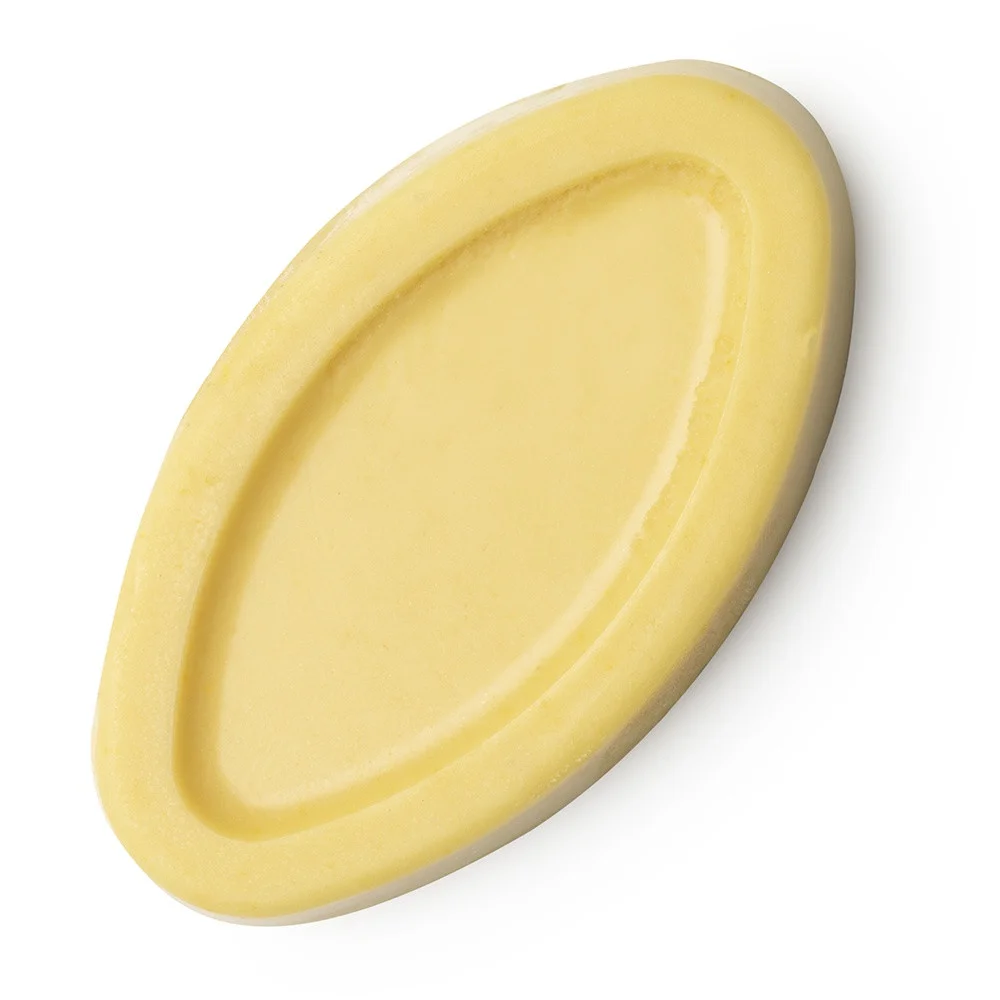
Analysis locked
How well does your skin match with LUSH Banana Skin?
Login to see detailsOr continue via
Quick 1-minute survey • Completely free
Ingredients
Analysis results of Ingredients


Ingredient List
| EWG | CIR | Ingredient Name & Cosmetic Function | Notes |
|---|---|---|---|
| 1 | A | (Skin Conditioning, Emollient) | |
| 1 | - | (Skin Conditioning, Emollient) | |
| - | - | Fresh Banana | |
| 1 | A | (Viscosity Increasing Agent) | |



LUSH Banana Skin - Ingredient Explanation
Murumuru Butter
1. Definition Murumuru Butter:
Murumuru butter is a natural butter derived from the seeds of the Murumuru palm tree (Astrocaryum murumuru) native to the Amazon rainforest. It is rich in essential fatty acids, such as lauric, myristic, and oleic acid, as well as vitamin A and C, making it a highly nourishing and moisturizing ingredient for skincare and haircare products.2. Use:
Murumuru butter is commonly used in cosmetics for its emollient and conditioning properties. It helps to soften and hydrate the skin, making it an ideal ingredient for moisturizers, lotions, and lip balms. In haircare products, it can help to improve the overall health and appearance of the hair by providing moisture and enhancing shine.3. Usage Murumuru Butter:
When using Murumuru butter in cosmetics, it is important to consider the concentration and formulation of the product. It is generally safe for most skin types, but individuals with sensitive skin may want to perform a patch test before applying it to larger areas. As with any new ingredient, it is recommended to consult with a dermatologist or skincare professional if you have any concerns or experience any adverse reactions.4. References:
- Araujo, L. S., et al. (2016). Murumuru (Astrocaryum murumuru Mart.) butter: Extraction, fractionation, physicochemical characterization, and application. Food and Bioproducts Processing, 99, 144-151.
- Souza, R. B., et al. (2018). Murumuru butter as a potential ingredient for cosmetic formulations: A review. Journal of Cosmetic Dermatology, 17(5), 597-602.
- Santos, R. S., et al. (2020). Murumuru butter (Astrocaryum murumuru) as a potential raw material for cosmetic and pharmaceutical applications. Industrial Crops and Products, 145, 112116.
Organic Illipe Butter
1. Definition Illipe Butter (Shorea Stenoptera):
Illipe Butter, also known as Shorea Stenoptera, is a natural fat extracted from the seeds of the Illipe tree, native to Southeast Asia. It is rich in fatty acids and has a high melting point, making it a popular ingredient in cosmetic formulations.2. Use:
Illipe Butter is commonly used in skincare and hair care products for its moisturizing and emollient properties. It helps to soften and hydrate the skin, making it a great ingredient for dry and sensitive skin types. In hair care products, Illipe Butter can help to nourish and condition the hair, leaving it soft and manageable.3. Usage Illipe Butter (Shorea Stenoptera):
Illipe Butter can be found in a variety of cosmetic products, including creams, lotions, balms, and hair masks. It can be used as a standalone ingredient or combined with other oils and butters to enhance its benefits. When using products containing Illipe Butter, it is important to patch test first to ensure compatibility with your skin and hair. It is generally considered safe for external use, but individuals with nut allergies should exercise caution.4. References:
- Akihisa, T., Yasukawa, K., Oinuma, H., Kasahara, Y., Yamanouchi, S., & Takido, M. (1990). Triterpene alcohols from the seeds of Shorea Stenoptera. Phytochemistry, 29(11), 3663-3668.
- Dweck, A. C. (2002). Illipe Butter. Personal Care Magazine, 3(3), 18-20.
- Ravi, A., & Vasudevan, P. (2018). Illipe Butter: A review on its properties, applications, and extraction methods. Journal of Cosmetic Science and Technology, 4(2), 65-70.
Fresh Banana
Ingredient data is being updated. Please check back later.
Tapioca Starch
1. Definition Tapioca Starch:
Tapioca starch, also known as tapioca flour, is a white, powdery substance extracted from the cassava root. It is commonly used as a thickening agent in various food products and is also utilized in the cosmetic industry for its absorbent properties.2. Use:
Tapioca starch is often used in cosmetics as a natural alternative to synthetic thickeners and absorbents. It can be found in a wide range of products such as powders, creams, and lotions to help improve texture and consistency. Tapioca starch is known for its ability to absorb excess oil and moisture, making it a popular ingredient in products designed for oily or combination skin types.3. Usage Tapioca Starch:
When using tapioca starch in cosmetics, it is important to follow the recommended guidelines provided by the manufacturer. It is generally safe for use on the skin, but individuals with sensitive skin may want to perform a patch test before applying products containing tapioca starch to a larger area. Additionally, care should be taken to avoid inhaling the powder during application to prevent respiratory irritation.4. References:
- Lee, S., & Lee, D. (2017). Tapioca starch as a natural alternative in cosmetics. Journal of Cosmetic Science, 68(3), 185-192.
- Silva, M. F., & Costa, D. (2019). Tapioca starch: Properties and applications in cosmetics. International Journal of Cosmetic Science, 41(2), 123-129.
- Chen, Y., & Wang, H. (2020). The role of tapioca starch in cosmetic formulations. Cosmetic Technology, 18(4), 45-50.
Review








Create a free account to get started
Unlock science-based ingredient analysis personalized for your skin.
Already have an account? Log in
We protect your privacy. We never send spam.