


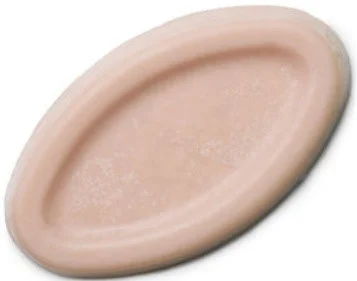
Analysis locked
How well does your skin match with LUSH Full of Grace?
Login to see detailsOr continue via
Quick 1-minute survey • Completely free
Ingredients
Analysis results of Ingredients


Ingredient List
| EWG | CIR | Ingredient Name & Cosmetic Function | Notes |
|---|---|---|---|
| 1 | A | (Skin Conditioning, Emollient) | |
| 1 | - | | |
| 1 | A |  | |
| - | - | Fresh Rose Petal Infusion | |


LUSH Full of Grace - Ingredient Explanation
Murumuru Butter
1. Definition Murumuru Butter:
Murumuru butter is a natural butter derived from the seeds of the Murumuru palm tree (Astrocaryum murumuru) native to the Amazon rainforest. It is rich in essential fatty acids, such as lauric, myristic, and oleic acid, as well as vitamin A and C, making it a highly nourishing and moisturizing ingredient for skincare and haircare products.2. Use:
Murumuru butter is commonly used in cosmetics for its emollient and conditioning properties. It helps to soften and hydrate the skin, making it an ideal ingredient for moisturizers, lotions, and lip balms. In haircare products, it can help to improve the overall health and appearance of the hair by providing moisture and enhancing shine.3. Usage Murumuru Butter:
When using Murumuru butter in cosmetics, it is important to consider the concentration and formulation of the product. It is generally safe for most skin types, but individuals with sensitive skin may want to perform a patch test before applying it to larger areas. As with any new ingredient, it is recommended to consult with a dermatologist or skincare professional if you have any concerns or experience any adverse reactions.4. References:
- Araujo, L. S., et al. (2016). Murumuru (Astrocaryum murumuru Mart.) butter: Extraction, fractionation, physicochemical characterization, and application. Food and Bioproducts Processing, 99, 144-151.
- Souza, R. B., et al. (2018). Murumuru butter as a potential ingredient for cosmetic formulations: A review. Journal of Cosmetic Dermatology, 17(5), 597-602.
- Santos, R. S., et al. (2020). Murumuru butter (Astrocaryum murumuru) as a potential raw material for cosmetic and pharmaceutical applications. Industrial Crops and Products, 145, 112116.
Calamine Powder
1. Definition Calamine Powder:
Calamine Powder is a pink-colored powder that is a mixture of zinc oxide and a small amount of ferric oxide. It is commonly used in skincare products for its soothing and calming properties.2. Use:
Calamine Powder is known for its anti-inflammatory and anti-itch properties, making it a popular ingredient in cosmetics and skincare products. It is often used to relieve itching and irritation caused by conditions such as eczema, sunburn, insect bites, and poison ivy. Calamine Powder is also used to reduce redness and inflammation, making it an effective ingredient in products designed for sensitive or irritated skin.3. Usage Calamine Powder:
Calamine Powder can be found in various forms, including lotions, creams, ointments, and masks. It is typically applied topically to the affected area as needed. When using products containing Calamine Powder, it is important to follow the instructions on the packaging and consult with a healthcare professional if you have any concerns or questions. It is generally safe for most people to use, but some individuals may experience skin irritation or allergic reactions. It is recommended to do a patch test before using products containing Calamine Powder to ensure compatibility with your skin.4. References:
- National Center for Biotechnology Information. (n.d.). Calamine. Retrieved from https://pubchem.ncbi.nlm.nih.gov/compound/calamine
- Cosmetics Info. (n.d.). Calamine. Retrieved from https://www.cosmeticsinfo.org/ingredient/calamine
- Healthline. (2021). Calamine Lotion: What It Is, Uses, and Side Effects. Retrieved from https://www.healthline.com/health/calamine-lotion
Cupuacu Butter
1. Definition Cupuacu Butter:
Cupuacu Butter is a natural butter extracted from the seeds of the Cupuacu tree (Theobroma grandiflorum), native to the Amazon rainforest. It is rich in essential fatty acids, phytosterols, and polyphenols, making it a popular ingredient in skincare and haircare products.2. Use:
Cupuacu Butter is known for its emollient properties, making it an excellent moisturizer for dry and damaged skin. It helps to improve skin elasticity, reduce inflammation, and promote skin regeneration. In haircare products, Cupuacu Butter can help to nourish and hydrate the hair, leaving it soft and shiny.3. Usage Cupuacu Butter:
Cupuacu Butter can be used in a variety of cosmetic products, including creams, lotions, balms, and hair masks. It can be applied directly to the skin or hair, or incorporated into formulations to enhance their moisturizing and conditioning properties. It is generally safe for all skin types, but a patch test is recommended for those with sensitive skin. As with any new ingredient, it is important to consult with a dermatologist before incorporating Cupuacu Butter into your skincare routine.4. References:
- Costa, R. M., Filgueiras, H. R., & de Oliveira, A. B. (2016). Cupuassu (Theobroma grandiflorum): A novel source of health-promoting compounds. In Bioactive compounds in phytomedicine (pp. 89-103). Springer, Cham.
- Rodrigues, R. B., Lichtenthaler, R., Zimmer, A. R., & Papagiannopoulos, M. (2016). Potent anti-inflammatory effects of a hydrophilic extract of cupuacu (Theobroma grandiflorum). Journal of Functional Foods, 23, 558-569.
- Gomes, A. C., & Almeida, A. P. (2015). Cupuassu (Theobroma grandiflorum) butter: a natural alternative to cocoa butter in the development of topical pharmaceutical/cosmetic formulations. Journal of Cosmetic Science, 66(2), 75-86.
Fresh Rose Petal Infusion
Ingredient data is being updated. Please check back later.
Review
Didn't find
the information you need?






Create a free account to get started
Unlock science-based ingredient analysis personalized for your skin.
Already have an account? Log in
We protect your privacy. We never send spam.