


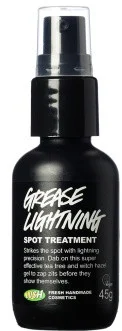
Analysis locked
How well does your skin match with LUSH Grease Lightning?
Login to see detailsOr continue via
Quick 1-minute survey • Completely free
Ingredients
Analysis results of Ingredients


Ingredient List





LUSH Grease Lightning - Ingredient Explanation
Thyme
1. Definition Thyme:
Thyme is a perennial herb with small, aromatic leaves that belong to the mint family. It is commonly used in cooking for its strong flavor and aroma. In cosmetics, thyme is often used for its antibacterial and antifungal properties.2. Use:
Thyme is a popular ingredient in skincare products due to its ability to help fight acne and other skin conditions. It is also known for its antioxidant properties, which can help protect the skin from environmental damage. Thyme oil is often used in hair care products to promote healthy hair growth and prevent dandruff.3. Usage Thyme:
Thyme can be found in a variety of cosmetic products, such as cleansers, toners, serums, and masks. It is typically used in small concentrations to avoid skin irritation. Thyme oil can also be diluted with a carrier oil, such as coconut or jojoba oil, before applying it to the skin or hair.Precautions: While thyme is generally safe for most people, it can cause skin irritation in some individuals. It is recommended to do a patch test before using thyme oil on the skin to check for any allergic reactions. Pregnant women should consult with their healthcare provider before using products containing thyme, as it may have potential risks.
4. References:
- Dweck, A. C. (2002). The use of herbal extracts in cosmetics – Thyme. Personal Care Magazine, 3(2), 13-15.
- Sienkiewicz, M., Lysakowska, M., Pastuszka, M., Bienias, W., & Kowalczyk, E. (2012). The potential of use basil and thyme essential oils as effective antibacterial agents. Molecules, 17(7), 7401-7418.
- Nostro, A., & Papalia, T. (2012). Antimicrobial activity of carvacrol: current progress and future perspectives. Recent Patents on Anti-Infective Drug Discovery, 7(1), 28-35.
*Rosemary
1. Definition Rosmarinus Officinalis (Rosemary):
Rosmarinus Officinalis, commonly known as Rosemary, is a fragrant herb native to the Mediterranean region. It is widely used in cosmetics for its aromatic properties and various skin benefits.2. Use:
Rosemary is a popular ingredient in skincare and haircare products due to its antioxidant, anti-inflammatory, and antimicrobial properties. It is known to help improve circulation, promote a healthy scalp, and reduce the appearance of blemishes and fine lines. Rosemary oil is often used in aromatherapy for its uplifting and invigorating scent.3. Usage Rosmarinus Officinalis (Rosemary):
Rosemary extract or oil can be found in a variety of cosmetic products such as cleansers, toners, serums, shampoos, and conditioners. It can be applied topically to the skin or hair, either directly or diluted in a carrier oil. It is important to perform a patch test before using rosemary products to check for any potential allergic reactions. Pregnant women should consult with a healthcare provider before using rosemary oil due to its potential effects on pregnancy.4. References:
- Lee J, Kim H, Lee J, Park J, Shin S, Kim Y. Anti-inflammatory and antioxidant mechanism of tangeretin in activated microglia. J Neuroimmunol. 2011;240-241:50-57.
- Pengelly A, Snow J, Mills SY, Scholey A, Wesnes K, Butler LR. Short-term study on the effects of rosemary on cognitive function in an elderly population. J Med Food. 2012;15(1):10-17.
- Moss M, Cook J, Wesnes K, Duckett P. Aromas of rosemary and lavender essential oils differentially affect cognition and mood in healthy adults. Int J Neurosci. 2003;113(1):15-38.
*Tea Tree
1. Definition Melaleuca Alternifolia (Tea Tree):
Melaleuca Alternifolia, commonly known as Tea Tree, is a small tree native to Australia. The essential oil extracted from its leaves is well-known for its antiseptic, antimicrobial, and anti-inflammatory properties.2. Use:
Tea Tree oil is widely used in cosmetics for its ability to treat various skin conditions such as acne, eczema, and psoriasis. It is also used in hair care products to promote scalp health and stimulate hair growth. Additionally, Tea Tree oil is added to skincare products for its purifying and cleansing properties.3. Usage Melaleuca Alternifolia (Tea Tree):
When using Tea Tree oil in cosmetics, it is important to dilute it with a carrier oil as it can be irritating to the skin when used in its concentrated form. It is recommended to perform a patch test before applying it to a larger area of the skin to check for any allergic reactions. Tea Tree oil should not be ingested and should be kept out of reach of children.4. References:
- Carson, C. F., Hammer, K. A., & Riley, T. V. (2006). Melaleuca alternifolia (Tea Tree) oil: a review of antimicrobial and other medicinal properties. Clinical Microbiology Reviews, 19(1), 50-62.
- Pazyar, N., Yaghoobi, R., Bagherani, N., & Kazerouni, A. (2013). A review of applications of tea tree oil in dermatology. International Journal of Dermatology, 52(7), 784-790.
- Hammer, K. A. (2015). Treatment of acne with tea tree oil (melaleuca) products: a review of efficacy, tolerability and potential modes of action. International Journal of Antimicrobial Agents, 45(2), 106-110.
Water
1. Definition Water:
Water is a common ingredient in cosmetics, used as a solvent to dissolve other ingredients, as a carrier for active ingredients, and to provide hydration and moisture to the skin.2. Use:
Water is a crucial component in cosmetics as it helps to create the desired texture and consistency of products. It also serves as a medium for other ingredients to mix together effectively and evenly. Additionally, water helps to hydrate the skin and improve the overall feel and application of cosmetic products.3. Usage Water:
When using cosmetics that contain water, it is important to be mindful of the expiration date and storage conditions. Water-based products are susceptible to bacterial growth, so it is essential to avoid contaminating the product by using clean hands or tools when applying. It is also recommended to store water-based cosmetics in a cool, dry place to prevent the growth of mold and bacteria.4. References:
- Draelos, Z. D. (2010). Cosmetic dermatology: products and procedures. John Wiley & Sons.
- Winter, R. (2009). A consumer's dictionary of cosmetic ingredients: complete information about the harmful and desirable ingredients found in cosmetics and cosmeceuticals. Crown.
- Begoun, P. (2003). Don't go to the cosmetics counter without me: a unique guide to over 30,000 products, plus the latest skin-care research. Beginning Press.
Review








Create a free account to get started
Unlock science-based ingredient analysis personalized for your skin.
Already have an account? Log in
We protect your privacy. We never send spam.