


Analysis locked
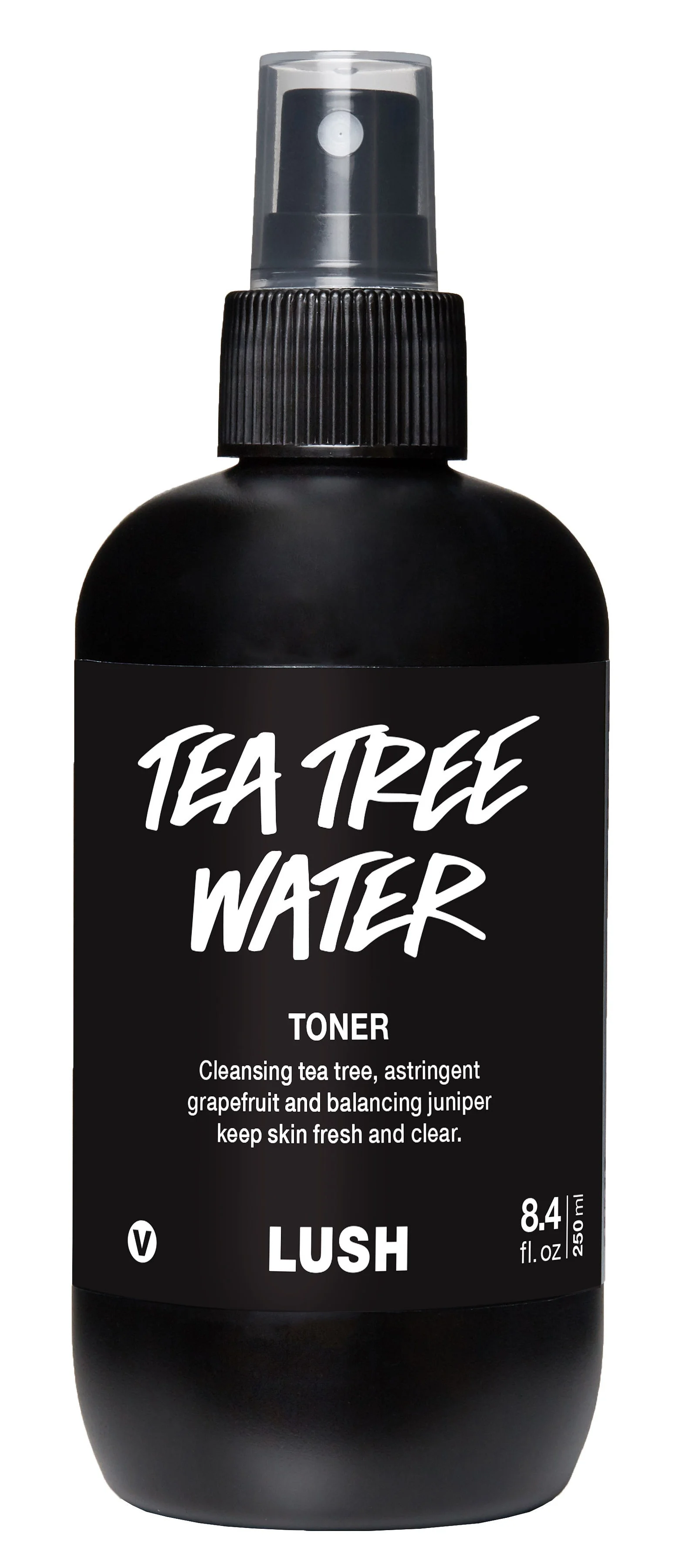
How well does your skin match with LUSH Tea Tree Water?
Login to see detailsOr continue via
Quick 1-minute survey • Completely free
Ingredients
Analysis results of Ingredients


Ingredient List
| EWG | CIR | Ingredient Name & Cosmetic Function | Notes |
|---|---|---|---|
| - | - | | |
| - | - | Grape Fruit Water (Citrus Paradisi) | |
| - | - | Juniperberry Water (Juniperus Communis) | |
| 4 5 | - | (Solvent, Perfuming, Deodorant) |   |

LUSH Tea Tree Water - Ingredient Explanation
Tea Tree Water (Melaleuca Alternifolia)
1. Definition Melaleuca Alternifolia (Tea Tree) Leaf Water:
Melaleuca Alternifolia (Tea Tree) Leaf Water is a natural ingredient derived from the leaves of the tea tree plant. It is known for its antimicrobial, anti-inflammatory, and soothing properties, making it a popular choice in skincare products.2. Use:
Tea Tree Leaf Water is commonly used in cosmetics for its ability to help treat acne, reduce redness and inflammation, and promote overall skin health. It is often found in products such as cleansers, toners, and spot treatments targeting blemish-prone skin.3. Usage Melaleuca Alternifolia (Tea Tree) Leaf Water:
When using products containing Tea Tree Leaf Water, it is important to patch test first to ensure there is no allergic reaction. It is recommended to use products with this ingredient as directed by the manufacturer and to avoid using it in high concentrations, as it may cause skin irritation in some individuals.4. References:
- Carson, C. F., Hammer, K. A., & Riley, T. V. (2006). Melaleuca alternifolia (Tea Tree) oil: a review of antimicrobial and other medicinal properties. Clinical Microbiology Reviews, 19(1), 50-62.
- Hammer, K. A., Carson, C. F., & Riley, T. V. (2012). Antifungal activity of the components of Melaleuca alternifolia (tea tree) oil. Journal of Applied Microbiology, 95(4), 853-860.
- Pazyar, N., Yaghoobi, R., Bagherani, N., & Kazerouni, A. (2013). A review of applications of tea tree oil in dermatology. International Journal of Dermatology, 52(7), 784-790.
Grape Fruit Water (Citrus Paradisi)
Ingredient data is being updated. Please check back later.
Juniperberry Water (Juniperus Communis)
Ingredient data is being updated. Please check back later.
Limonene
1. Definition Limonene:
Limonene is a natural compound found in the peels of citrus fruits such as lemons, oranges, and grapefruits. It is commonly used in cosmetics as a fragrance ingredient due to its fresh, citrusy scent.2. Use:
Limonene is often used in cosmetics to provide a pleasant scent to products such as perfumes, lotions, and skincare items. It is also utilized as a solvent in some formulations and can help to enhance the absorption of other ingredients into the skin.3. Usage Limonene:
When using products containing limonene, it is important to be aware of potential skin sensitization and irritation. Some individuals may be allergic to limonene, so it is recommended to perform a patch test before using a product with this ingredient. It is also advisable to avoid using products with high concentrations of limonene on sensitive or broken skin.4. References:
- Burdock, G. A. (2010). Fenaroli's handbook of flavor ingredients. CRC Press.
- Reifenrath, W. G., & Chirico, S. (2012). Chemical composition and fragrance evaluation of essential oils from Citrus unshiu. Journal of essential oil research, 24(1), 61-69.
- Jäger, W., Buchbauer, G., Jirovetz, L., Fritzer, M., & Woidich, A. (1992). Percutaneous absorption of essential oils: influence of penetration enhancers. Journal of pharmaceutical sciences, 81(3), 254-258.
Review
Didn't find
the information you need?








Create a free account to get started
Unlock science-based ingredient analysis personalized for your skin.
Already have an account? Log in
We protect your privacy. We never send spam.