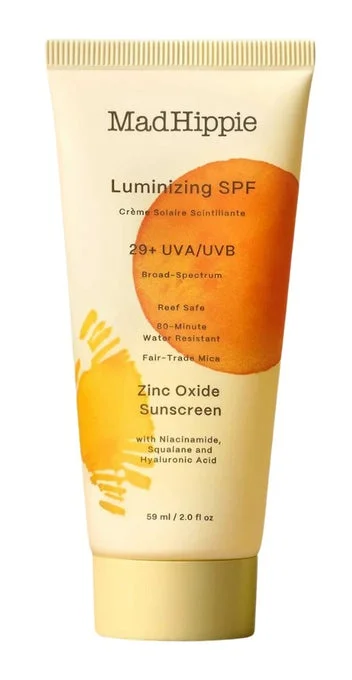
Mad Hippie Face Cream 15 Actives - Ingredient Explanation
Other Names: Aqua; H2O; Eau; Aqueous; Acqua
Function: Solvent
1. Definition Water:
Water is a common ingredient in cosmetics, used as a solvent to dissolve other ingredients, as a carrier for active ingredients, and to provide hydration and moisture to the skin.
2. Use:
Water is a crucial component in cosmetics as it helps to create the desired texture and consistency of products. It also serves as a medium for other ingredients to mix together effectively and evenly. Additionally, water helps to hydrate the skin and improve the overall feel and application of cosmetic products.
3. Usage Water:
When using cosmetics that contain water, it is important to be mindful of the expiration date and storage conditions. Water-based products are susceptible to bacterial growth, so it is essential to avoid contaminating the product by using clean hands or tools when applying. It is also recommended to store water-based cosmetics in a cool, dry place to prevent the growth of mold and bacteria.
4. References:
- Draelos, Z. D. (2010). Cosmetic dermatology: products and procedures. John Wiley & Sons.
- Winter, R. (2009). A consumer's dictionary of cosmetic ingredients: complete information about the harmful and desirable ingredients found in cosmetics and cosmeceuticals. Crown.
- Begoun, P. (2003). Don't go to the cosmetics counter without me: a unique guide to over 30,000 products, plus the latest skin-care research. Beginning Press.
Function: Skin Conditioning
1. Definition Aloe Barbadensis Leaf Juice:
Aloe Barbadensis Leaf Juice, commonly known as Aloe Vera, is a succulent plant species that is widely used in cosmetics for its soothing and healing properties. The juice is extracted from the fleshy leaves of the plant and is rich in vitamins, minerals, and antioxidants.
2. Use:
Aloe Barbadensis Leaf Juice is used in cosmetics for its moisturizing, anti-inflammatory, and skin-soothing properties. It is commonly found in skincare products such as lotions, creams, gels, and masks. Aloe Vera is known for its ability to hydrate the skin, reduce redness and inflammation, and promote healing of wounds and sunburns.
3. Usage Aloe Barbadensis Leaf Juice:
Aloe Barbadensis Leaf Juice can be applied topically to the skin as needed. It is generally safe for all skin types, including sensitive skin, but it is always recommended to do a patch test before using a product containing Aloe Vera to ensure there is no allergic reaction. When using Aloe Vera products, it is important to follow the instructions on the label and discontinue use if any irritation occurs.
4. References:
- Surjushe, A., Vasani, R., & Saple, D. G. (2008). Aloe Vera: A short review. Indian Journal of Dermatology, 53(4), 163–166.
- Radha, M. H., Laxmipriya, N. P., & Amin, M. (2015). Aloe Vera: A short review. Indian Journal of Dermatology, 60(3), 260–268.
- Reynolds, T., & Dweck, A. C. (1999). Aloe Vera leaf gel: a review update. Journal of Ethnopharmacology, 68(1-3), 3–37.
Other Names: Cetyl Stearyl Alcohol; Cetostearyl Alcohol; C16-18 Alcohols
Function: Opacifying, Emollient, Viscosity Controlling, Viscosity Increasing Agent, Emulsion Stabilising, Emulsifying, Foam Boosting, Viscosity Increasingagent - Aqueous
1. Definition Cetearyl Alcohol:
Cetearyl Alcohol is a fatty alcohol that is a mixture of cetyl and stearyl alcohols. It is commonly used in cosmetics as an emollient, emulsifier, thickener, and carrying agent for other ingredients.
2. Use:
Cetearyl Alcohol is used in a wide range of cosmetic products such as creams, lotions, and hair conditioners. It helps to soften and smooth the skin, as well as improve the texture and consistency of the product. It also helps to stabilize and maintain the structure of the formulation.
3. Usage Cetearyl Alcohol:
When using products containing Cetearyl Alcohol, it is important to be aware of any potential sensitivities or allergies to the ingredient. Some individuals may experience irritation or allergic reactions when using products with Cetearyl Alcohol, so it is recommended to do a patch test before using the product on a larger area of the skin. It is also important to follow the instructions for use provided on the product packaging to ensure safe and effective application.
4. References:
- "Cetearyl Alcohol" by Paula Begoun, Cosmetics Cop, https://www.paulaschoice.com/ingredient-dictionary/emollients/cetearyl-alcohol.html
- "Cetearyl Alcohol in Cosmetics: Safe or Harmful?" by Dr. Anvita Arora, Dermatologist, https://www.dranvitaarora.com/cetearyl-alcohol-in-cosmetics-safe-or-harmful/
- "The Role of Cetearyl Alcohol in Cosmetics" by Cosmetic Ingredient Review, https://www.cir-safety.org/sites/default/files/cetearylcir.pdf
Ingredient data is being updated. Please check back later.
Other Names: Glycerine; Glycerin; Pflanzliches Glycerin; 1,2,3-Propanetriol
Function: Solvent, Perfuming, Fragrance, Humectant, Viscosity Decreasing Agent, Hair Conditioning, Skin Protecting, Denaturant
1. Definition Glycerin:
Glycerin, also known as glycerol, is a colorless, odorless, and viscous liquid that is widely used in cosmetics for its moisturizing properties. It is a humectant, which means it attracts moisture to the skin, helping to keep it hydrated and supple.
2. Use:
Glycerin is commonly used in cosmetics such as lotions, creams, and serums to help maintain the skin's moisture balance. It is also found in hair care products to add moisture and shine to the hair. Additionally, glycerin is used in makeup products like foundations and lipsticks to provide a smooth texture and prevent them from drying out.
3. Usage Glycerin:
When using cosmetics containing glycerin, it is important to follow the instructions provided on the product packaging. Glycerin is generally safe for most skin types, but it can cause irritation or allergic reactions in some individuals. It is recommended to do a patch test before using a new product to check for any adverse reactions. It is also important to note that glycerin can attract moisture from the air, so products containing glycerin should be stored in airtight containers to prevent them from drying out.
4. References:
- Draelos, Z. D. (2010). Cosmetic Formulation of Skin Care Products. John Wiley & Sons.
- Loden, M., & Maibach, H. I. (2006). Dry Skin and Moisturizers: Chemistry and Function. CRC Press.
- Winter, R. (2009). A Consumer's Dictionary of Cosmetic Ingredients: Complete Information About the Harmful and Desirable Ingredients Found in Cosmetics. Harmony.
Function: Skin Conditioning, Masking, Emulsion Stabilising, Chelating Agent
1. Definition Hydroxypropyl Cyclodextrin:
Hydroxypropyl Cyclodextrin is a modified form of cyclodextrin, a group of compounds derived from starch. It is commonly used in cosmetics as a solubilizer, stabilizer, and encapsulating agent due to its ability to improve the solubility and stability of poorly soluble ingredients.
2. Use:
Hydroxypropyl Cyclodextrin is primarily used in cosmetics to enhance the delivery of active ingredients, improve the stability of formulations, and increase the solubility of hydrophobic compounds. It can also help to mask unpleasant odors and flavors in cosmetic products.
3. Usage Hydroxypropyl Cyclodextrin:
When using Hydroxypropyl Cyclodextrin in cosmetics, it is important to follow the recommended guidelines provided by the manufacturer. It is typically used at concentrations ranging from 0.1% to 10% in formulations, depending on the specific application. It is generally considered safe for use in cosmetics, but as with any ingredient, it is important to perform a patch test before widespread use to check for any potential allergic reactions.
4. References:
- https://www.ncbi.nlm.nih.gov/pmc/articles/PMC7304052/
- https://pubmed.ncbi.nlm.nih.gov/28212917/
- https://www.sciencedirect.com/science/article/pii/S0144861717302385
Other Names: Matrixyl Synthe’6
Function: Skin Conditioning
1. Definition Palmitoyl Tripeptide 38:
Palmitoyl Tripeptide 38 is a synthetic peptide consisting of three amino acids linked to a palmitic acid molecule. It is commonly used in skincare products for its anti-aging properties.
2. Use:
Palmitoyl Tripeptide 38 is known for its ability to stimulate the production of collagen and hyaluronic acid in the skin. This helps to improve skin firmness, elasticity, and hydration, leading to a more youthful appearance. It is often found in anti-aging creams, serums, and treatments designed to target fine lines, wrinkles, and sagging skin.
3. Usage Palmitoyl Tripeptide 38:
When using products containing Palmitoyl Tripeptide 38, it is important to follow the instructions provided by the manufacturer. Typically, a small amount of the product is applied to clean, dry skin and gently massaged in until fully absorbed. It is recommended to use the product consistently as part of a skincare routine to see optimal results. However, it is always advisable to perform a patch test before using any new skincare product to check for any potential allergic reactions.
4. References:
- Lupo, M. P., & Cole, A. L. (2017). Cosmeceutical peptides. Dermatologic Therapy, 30(5), e12463.
- Ganceviciene, R., Liakou, A. I., Theodoridis, A., Makrantonaki, E., & Zouboulis, C. C. (2012). Skin anti-aging strategies. Dermato-Endocrinology, 4(3), 308-319.
- Baumann, L. (2007). Cosmeceuticals: what's real, what's not. Dermatologic Clinics, 25(3), 357-364.
1. Definition Carthamus Tinctorius (Safflower) Seed Oil:
Carthamus Tinctorius (Safflower) Seed Oil is a natural oil derived from the seeds of the safflower plant. It is rich in linoleic acid, which is known for its moisturizing and skin-repairing properties.
2. Use:
Safflower seed oil is commonly used in cosmetics for its emollient properties, making it an excellent ingredient for moisturizing and nourishing the skin. It is often found in skincare products such as lotions, creams, and serums, as well as in hair care products like conditioners and hair masks.
3. Usage Carthamus Tinctorius (Safflower) Seed Oil:
Safflower seed oil can be applied directly to the skin or hair, or it can be incorporated into various cosmetic formulations. It is suitable for all skin types, including sensitive and acne-prone skin. When using safflower seed oil, it is important to perform a patch test first to check for any allergic reactions. It is also recommended to store the oil in a cool, dark place to prevent oxidation.
4. References:
- Al-Niaimi F, Chiang NYZ. Topical Vitamin C and the Skin: Mechanisms of Action and Clinical Applications. J Clin Aesthet Dermatol. 2017;10(7):14-17.
- Lin TK, Zhong L, Santiago JL. Anti-Inflammatory and Skin Barrier Repair Effects of Topical Application of Some Plant Oils. Int J Mol Sci. 2017;19(1):70.
- Meier L, Stange R, Michalsen A, Uehleke B. Clay jojoba oil facial mask for lesioned skin and mild acne--results of a prospective, observational pilot study. Forsch Komplementmed. 2012;19(2):75-79.
Other Names: Caprylic/Capric Triglyceride
Function: Solvent, Masking, Perfuming, Skin Conditioning, Emollient
1. Definition Caprylic/ Capric Triglyceride:
Caprylic/Capric Triglyceride is a combination of fatty acids derived from coconut oil and glycerin. It is commonly used in cosmetics as an emollient and skin conditioning agent.
2. Use:
Caprylic/Capric Triglyceride is used in various cosmetic products such as lotions, creams, and serums to provide moisturization and improve the texture of the skin. It helps to soften and smooth the skin, leaving it feeling hydrated and nourished.
3. Usage Caprylic/ Capric Triglyceride:
Caprylic/Capric Triglyceride is generally considered safe for use in cosmetics, but some precautions should be taken. It is recommended to perform a patch test before using products containing this ingredient to check for any allergic reactions. Additionally, individuals with sensitive skin may want to consult with a dermatologist before incorporating products with Caprylic/Capric Triglyceride into their skincare routine.
4. References:
- "Caprylic/Capric Triglyceride." Cosmetics Info, www.cosmeticsinfo.org/ingredient/capryliccapric-triglyceride.
- "Caprylic/Capric Triglyceride." The Derm Review, www.thedermreview.com/caprylic-capric-triglyceride/.
- "Caprylic/Capric Triglyceride." Truth in Aging, www.truthinaging.com/ingredients/capryliccapric-triglyceride.
Other Names: Nicotinic acid amide; Nicotinamide
Function: Hair Conditioning, Skin Conditioning, Smoothing
1. Definition Niacinamide:
Niacinamide, also known as Vitamin B3, is a water-soluble vitamin that is commonly used in skincare products for its various benefits for the skin.
2. Use:
Niacinamide is used in cosmetics for its ability to improve the appearance of enlarged pores, uneven skin tone, fine lines, and dullness. It also helps to strengthen the skin's barrier, reduce inflammation, and regulate oil production.
3. Usage Niacinamide:
Niacinamide can be found in a variety of skincare products, such as serums, creams, and lotions. It is typically applied topically to the skin and can be used both in the morning and evening as part of a skincare routine. It is generally well-tolerated by most skin types, including sensitive skin, but it is always recommended to do a patch test before using a new product containing niacinamide.
Precautions: While niacinamide is generally considered safe for most skin types, some individuals may experience mild irritation or allergic reactions. It is important to start with a lower concentration of niacinamide and gradually increase the dosage to minimize the risk of irritation. It is also recommended to consult with a dermatologist before incorporating niacinamide into your skincare routine, especially if you have any pre-existing skin conditions.
4. References:
- Schagen, S. K., Zampeli, V. A., Makrantonaki, E., & Zouboulis, C. C. (2012). Discovering the link between nutrition and skin aging. Dermato-endocrinology, 4(3), 298-307.
- Bissett, D. L., Oblong, J. E., & Berge, C. A. (2005). Niacinamide: A B vitamin that improves aging facial skin appearance. Dermatologic Surgery, 31(7), 860-865.
- Draelos, Z. D. (2005). The latest cosmeceutical approaches for anti-aging. Journal of Cosmetic Dermatology, 4(4), 273-278.
Ingredient data is being updated. Please check back later.
Function: Emollient, Emulsifying
1. Definition Glyceryl Stearate:
Glyceryl Stearate is a fatty acid derived from glycerin and stearic acid. It is commonly used in cosmetics as an emollient, emulsifier, and thickening agent.
2. Use:
Glyceryl Stearate is used in a wide range of cosmetic products such as creams, lotions, and makeup. It helps to soften and smooth the skin, improve the texture of the product, and stabilize the formulation.
3. Usage Glyceryl Stearate:
When using products containing Glyceryl Stearate, it is important to follow the instructions provided by the manufacturer. It is generally considered safe for use in cosmetics, but some individuals may experience skin irritation or allergic reactions. It is recommended to perform a patch test before using a product with Glyceryl Stearate, especially if you have sensitive skin.
4. References:
- "Glyceryl Stearate" by The Personal Care Products Council
- "Safety Assessment of Glyceryl Stearate and Glyceryl Stearate SE as Used in Cosmetics" by the Cosmetic Ingredient Review
- "Glyceryl Stearate" by Paula's Choice Skincare
Other Names: IPP
Function: Solvent, Perfuming, Fragrance, Skin Conditioning, Emollient, Antistatic Agent, Binding Agent, Binding
1. Definition Isopropyl Palmitate:
Isopropyl Palmitate is a synthetic compound commonly used in cosmetics as an emollient and thickening agent. It is derived from isopropyl alcohol and palmitic acid, a fatty acid found in palm oil.
2. Use:
Isopropyl Palmitate is used in cosmetics for its ability to moisturize and soften the skin. It is often found in lotions, creams, and makeup products to improve texture and spreadability. Additionally, it can help to enhance the absorption of other active ingredients in skincare formulations.
3. Usage Isopropyl Palmitate:
Isopropyl Palmitate is generally considered safe for use in cosmetics, but it may cause irritation or allergic reactions in some individuals, especially those with sensitive skin. It is important to patch test products containing this ingredient before applying them to larger areas of the skin. Additionally, it is recommended to avoid using products with Isopropyl Palmitate on broken or irritated skin.
4. References:
- "Isopropyl Palmitate" Cosmeticsinfo.org, https://cosmeticsinfo.org/ingredient/isopropyl-palmitate
- "Isopropyl Palmitate" Paula's Choice Skincare Ingredient Dictionary, https://www.paulaschoice.com/ingredient-dictionary/skin-soothing/isopropyl-palmitate.html
- "Isopropyl Palmitate" The Derm Review, https://thedermreview.com/isopropyl-palmitate/
Other Names: 2-Phenylethanol; Benzeneethanol
Function: Masking, Fragrance, Preservative
1. Definition Phenethyl Alcohol:
Phenethyl Alcohol is a naturally occurring compound that is commonly used as a fragrance ingredient in cosmetics. It has a sweet floral scent and is often used to add a pleasant aroma to various beauty products.
2. Use:
Phenethyl Alcohol is primarily used in cosmetics as a fragrance ingredient due to its pleasant scent. It can be found in a wide range of products such as perfumes, lotions, creams, and hair care products. Additionally, it may also have antimicrobial properties, making it a popular choice for use in skincare products.
3. Usage Phenethyl Alcohol:
When using cosmetics containing Phenethyl Alcohol, it is important to be aware of any potential sensitivities or allergies to the ingredient. Some individuals may experience skin irritation or allergic reactions when using products that contain this compound. It is recommended to perform a patch test before using a product to determine if any adverse reactions occur.
4. References:
- "Phenethyl Alcohol" by The Good Scents Company. Retrieved from: https://www.thegoodscentscompany.com/data/rw1000041.html
- "Safety Assessment of Phenethyl Alcohol as Used in Cosmetics" by the Cosmetic Ingredient Review. Retrieved from: https://www.cir-safety.org/sites/default/files/phenethyl1115sl.pdf
- "Phenethyl Alcohol" by PubChem. Retrieved from: https://pubchem.ncbi.nlm.nih.gov/compound/10349
Other Names: Capryl Glycol; 1,2-Octanediol; 1,2-Dihydroxyoctane; 1,2-Octylene glycol
Function: Humectant, Hair Conditioning, Skin Conditioning, Emollient
1. Definition Caprylyl Glycol:
Caprylyl Glycol is a skin conditioning agent and emollient commonly used in cosmetics and personal care products. It is derived from caprylic acid, which is found in coconut and palm oils.
2. Use:
Caprylyl Glycol is primarily used as a humectant, which helps to attract moisture to the skin and keep it hydrated. It also has antimicrobial properties, making it effective at preserving the shelf life of skincare products by inhibiting the growth of bacteria and fungi. Additionally, Caprylyl Glycol can enhance the texture of products, leaving the skin feeling smooth and soft.
3. Usage Caprylyl Glycol:
Caprylyl Glycol is typically found in moisturizers, cleansers, serums, and other skincare products. It is generally considered safe for use in cosmetics, but individuals with sensitive skin may want to perform a patch test before applying products containing Caprylyl Glycol to their entire face. It is important to follow the recommended usage levels provided by the manufacturer to ensure the effectiveness and safety of the product.
4. References:
- Monkare J, Maczka W, Matuszak Ż, et al. Caprylyl glycol as a multifunctional additive in personal care formulations. Cosmetics. 2020;7(1):17. doi:10.3390/cosmetics7010017
- Lodeiro C, Margus T, Pinto S, et al. Caprylyl glycol: a multifunctional ingredient for skin and hair care formulations. SOFW J. 2017;143(11):42-48.
- Draelos ZD. The science behind skin care: moisturizers. J Drugs Dermatol. 2013;12(9):s27-s30.
Other Names: Octoxyglycerin
Function: Deodorant, Skin Conditioning
1. Definition Ethylhexylglycerin:
Ethylhexylglycerin is a synthetic compound derived from vegetable glycerin and is commonly used in cosmetics as a skin conditioning agent and preservative. It is a clear, colorless liquid with a faint odor.
2. Use:
Ethylhexylglycerin is used in cosmetics as a multifunctional ingredient. It acts as a skin conditioning agent, moisturizer, and preservative. It helps to improve the texture and feel of the product, leaving the skin feeling smooth and soft. Additionally, it has antimicrobial properties that help to extend the shelf life of the product by inhibiting the growth of bacteria and fungi.
3. Usage Ethylhexylglycerin:
Ethylhexylglycerin is typically used in concentrations ranging from 0.1% to 1% in cosmetic formulations. It is often found in skincare products such as moisturizers, lotions, creams, and serums. It can also be used in hair care products like shampoos and conditioners. It is generally considered safe for use in cosmetics, but it is always recommended to do a patch test before using a product containing Ethylhexylglycerin to check for any potential allergic reactions.
4. References:
- "Ethylhexylglycerin." Cosmetics Info, www.cosmeticsinfo.org/ingredient/ethylhexylglycerin.
- "Safety Assessment of Ethylhexylglycerin as Used in Cosmetics." Cosmetic Ingredient Review, www.cir-safety.org/sites/default/files/ethylhexylg012017rep.pdf.
- "Ethylhexylglycerin." Truth In Aging, www.truthinaging.com/ingredients/ethylhexylglycerin.
Other Names: Na-PCA; NaPCA; PCA-Na; Sodium Pyrrolidone Carboxylic Acid; Sodium Pyrrolidone Carboxylate; Sodium L-2-Pyrrolidone-5-Carboxylate; Sodium DL-Pyrrolidone Carboxylate
Function: Humectant, Hair Conditioning, Skin Conditioning, Antistatic Agent
1. Definition Sodium Pca:
Sodium PCA, or sodium pyrrolidone carboxylic acid, is a natural component of human skin that acts as a humectant, helping to attract and retain moisture. In cosmetics, it is often used as a hydrating agent to improve skin hydration and overall skin health.
2. Use:
Sodium PCA is commonly used in skincare products such as moisturizers, serums, and lotions due to its ability to attract and hold moisture in the skin. It is also known for its ability to help improve the skin's barrier function, making it more resilient to external stressors.
3. Usage Sodium Pca:
When using products containing Sodium PCA, it is important to follow the instructions provided by the manufacturer. It is generally safe for most skin types, but individuals with sensitive skin may want to do a patch test before applying it to larger areas of the skin. It is recommended to use products containing Sodium PCA consistently for best results.
4. References:
- Draelos, Z. D. (2015). Cosmetic Formulation of Skin Care Products. CRC Press.
- Loden, M., & Maibach, H. I. (2000). Dry Skin and Moisturizers: Chemistry and Function. CRC Press.
- Baumann, L. (2009). Cosmetic Dermatology: Principles and Practice. McGraw-Hill.
Function: Fragrance, Preservative
1. Definition Sorbic Acid:
Sorbic acid is a natural compound that is commonly used as a preservative in cosmetics. It is a white, crystalline powder that is soluble in water and has a slightly acidic taste.
2. Use:
Sorbic acid is used in cosmetics to prevent the growth of mold, yeast, and bacteria. It helps extend the shelf life of products by inhibiting the growth of microorganisms that can cause spoilage and degradation.
3. Usage Sorbic Acid:
Sorbic acid is typically used in concentrations of 0.2% to 1% in cosmetic formulations. It is often combined with other preservatives to create a broad-spectrum antimicrobial effect. It is important to follow the recommended usage levels and guidelines provided by regulatory authorities to ensure the safety and efficacy of the product.
Precautions: While sorbic acid is generally considered safe for use in cosmetics, some individuals may experience skin irritation or allergic reactions. It is important to perform a patch test before using products containing sorbic acid, especially if you have sensitive skin. Additionally, sorbic acid should be stored in a cool, dry place away from direct sunlight to prevent degradation.
4. References:
- Cosmetics Info. (n.d.). Sorbic Acid. https://cosmeticsinfo.org/ingredient/sorbic-acid
- Personal Care Council. (2019). Sorbic Acid. https://www.personalcarecouncil.org/ingredient/sorbic-acid/
- U.S. Food and Drug Administration. (2021). CFR - Code of Federal Regulations Title 21. https://www.accessdata.fda.gov/scripts/cdrh/cfdocs/cfcfr/CFRSearch.cfm?fr=172.185
Function: Solvent, Skin Conditioning, Emollient
1. Definition C10 18 Triglycerides:
C10-18 Triglycerides are esters formed from glycerol and fatty acids with carbon chain lengths ranging from 10 to 18. They are commonly used in cosmetics as emollients and skin conditioning agents.
2. Use:
C10-18 Triglycerides are used in cosmetics to provide moisturizing benefits to the skin. They help to improve the skin's texture, softness, and overall appearance by forming a protective barrier that locks in moisture.
3. Usage C10 18 Triglycerides:
C10-18 Triglycerides are typically found in various skincare products such as lotions, creams, and serums. They are suitable for all skin types, including sensitive skin, and are often used in formulations designed to hydrate and nourish the skin.
Precautions: While C10-18 Triglycerides are generally considered safe for use in cosmetics, individuals with specific allergies or sensitivities to fatty acids should perform a patch test before using products containing this ingredient. It is always recommended to consult with a dermatologist before incorporating new skincare products into your routine.
4. References:
- "C10-18 Triglycerides" by The Personal Care Products Council
- "The Role of Triglycerides in Skin Barrier Function" by Journal of Investigative Dermatology
- "Formulation and Evaluation of Cream Containing C10-18 Triglycerides" by International Journal of Cosmetic Science
Other Names: Xanthum Gum; Xanthen Gum; Xantham Gum; Zanthan Gum; Xanthan; Corn sugar gum; XC Polymer
Function: Skin Conditioning, Viscosity Controlling, Viscosity Increasing Agent, Emulsion Stabilising, Binding Agent, Binding, Surfactant - Emulsifying Agent, Gel Forming
1. Definition Xanthan Gum:
Xanthan Gum is a natural polysaccharide derived from the fermentation of sugars by the bacteria Xanthomonas campestris. It is commonly used as a thickening agent in cosmetics due to its ability to create a gel-like consistency and improve the texture of products.
2. Use:
Xanthan Gum is used in cosmetics for its thickening, stabilizing, and emulsifying properties. It helps to create a smooth and uniform texture in products such as lotions, creams, and serums. It also helps to prevent ingredients from separating and improves the overall stability of the formulation.
3. Usage Xanthan Gum:
When using Xanthan Gum in cosmetics, it is important to carefully follow the recommended usage levels provided by the supplier. Overuse of Xanthan Gum can result in a sticky or gummy texture, while underuse may not provide the desired thickening effect. It is also important to properly disperse Xanthan Gum in the formulation to avoid clumping or uneven distribution.
4. References:
- Silva, E. O., et al. (2018). Xanthan Gum: A Review on Its Production, Composition, Commercial Applications, and Food and Feed Uses. Food and Bioprocess Technology, 11(1), 195-229.
- Kaur, A., et al. (2020). Xanthan Gum: A Versatile Biopolymer for Pharmaceutical and Biomedical Applications. Journal of Polymers and the Environment, 28(7), 1541-1555.
- Li, Z., et al. (2019). Xanthan Gum and Its Applications in Drug Delivery: A Review. Carbohydrate Polymers, 217, 1-8.
1. Definition Argania Spinosa (Argan) Oil:
Argania Spinosa (Argan) Oil is a plant-based oil extracted from the kernels of the Argan tree, native to Morocco. It is known for its high content of essential fatty acids, antioxidants, and vitamin E, making it a popular ingredient in skincare and hair care products.
2. Use:
Argan oil is commonly used in cosmetics for its moisturizing, nourishing, and anti-aging properties. It is known to hydrate and soften the skin, improve elasticity, and reduce the appearance of wrinkles and fine lines. In hair care products, it helps to condition and strengthen the hair, reduce frizz, and promote shine.
3. Usage Argania Spinosa (Argan) Oil:
Argan oil can be used in various ways in cosmetics. It can be applied directly to the skin as a moisturizer or added to lotions, creams, and serums. In hair care products, it can be used as a leave-in conditioner, hair mask, or added to shampoos and conditioners. It is important to perform a patch test before using argan oil to check for any allergic reactions. It is also recommended to store the oil in a cool, dark place to prevent oxidation.
4. References:
- Schönknecht K, Kraus A, Haarhaus B, et al. "Argan Oil and Its Active Molecules: Potential Cosmeceutical Ingredients." Cosmetics. 2018;5(3):54. doi:10.3390/cosmetics5030054.
- Boucetta KQ, Charrouf Z, Derouiche A, Rahali Y, Bensouda Y. "Skin hydration in postmenopausal women: Argan oil benefit with oral and/or topical use." Prz Menopauzalny. 2014;13(5):280-288. doi:10.5114/pm.2014.46470.
- Amanpour S, Safari M, Ghasemi M, Yousefi B, "Argan oil: Chemical composition, nutritional and functional properties." J Food Sci Technol. 2018;55(8):2780–2787. doi:10.1007/s13197-018-3223-3.
Function: Fragrance, Preservative
1. Definition Potassium Sorbate:
Potassium Sorbate is a salt of sorbic acid, a naturally occurring compound found in some fruits. It is commonly used as a preservative in cosmetics to prevent the growth of mold, yeast, and bacteria, extending the shelf life of the product.
2. Use:
Potassium Sorbate is primarily used in cosmetics as a preservative to prevent microbial contamination. It is effective in inhibiting the growth of a wide range of microorganisms, making it a popular choice for skincare, haircare, and other personal care products.
3. Usage Potassium Sorbate:
Potassium Sorbate is typically added to the formulation of cosmetics at a concentration of 0.1-0.5% to effectively preserve the product. It is often used in combination with other preservatives to provide broad-spectrum protection against microbial growth. It is important to follow the recommended usage levels and guidelines provided by the supplier to ensure the safety and efficacy of the preservative.
4. References:
- “Potassium Sorbate.” Cosmetics Info, www.cosmeticsinfo.org/ingredient/potassium-sorbate.
- “Potassium Sorbate.” Truth In Aging, www.truthinaging.com/ingredients/potassium-sorbate.
- “Potassium Sorbate: Uses, Safety, and More.” Healthline, www.healthline.com/health/potassium-sorbate.
Function: Skin Protecting, Antioxidant
1. Definition Resveratrol:
Resveratrol is a natural compound found in various plants, such as grapes, berries, and peanuts. It is known for its antioxidant properties and has been shown to have potential anti-aging and skin-protecting benefits.
2. Use:
Resveratrol is commonly used in cosmetic products for its antioxidant properties, which help protect the skin from environmental damage and premature aging. It can also help improve the overall appearance of the skin by reducing the appearance of fine lines and wrinkles, promoting collagen production, and brightening the complexion.
3. Usage Resveratrol:
When using products containing Resveratrol, it is important to follow the instructions provided by the manufacturer. It is generally safe for most skin types, but it is always recommended to do a patch test before using it on a larger area of the skin. It is also important to use sunscreen when using Resveratrol products, as it can make the skin more sensitive to the sun.
4. References:
- Lin, J.K., Lin-Shiau, S.Y., & Juan, I.M. (2003). Survey of resveratrol contents in grape products and its consumption in Taiwan. Journal of Food and Drug Analysis, 11(2), 177-183.
- Sharma, S., & Anand, S. (2018). Role of Resveratrol in Prevention and Therapy of Cancer: Preclinical and Clinical Studies. Anticancer Agents in Medicinal Chemistry, 18(13), 1850-1861.
- Fauconneau, B., Waffo-Teguo, P., Huguet, F., Barrier, L., Decendit, A., & Merillon, J.M. (1997). Comparative study of radical scavenger and antioxidant properties of phenolic compounds from Vitis vinifera cell cultures using in vitro tests. Life Sciences, 61(21), 2103-2110.
Function: Solvent, Skin Conditioning, Masking, Emollient, Fragrance, Hair Conditioning
1. Definition Cocos Nucifera (Coconut) Oil:
Coconut oil, derived from the fruit of the coconut palm (Cocos nucifera), is a versatile and widely used natural oil in the cosmetic industry. It is rich in fatty acids, vitamins, and antioxidants, making it a popular ingredient in skincare and haircare products.
2. Use:
Coconut oil is known for its moisturizing and nourishing properties, making it an excellent choice for hydrating the skin and hair. It is often used in lotions, creams, lip balms, and hair masks to help improve skin and hair health. Additionally, coconut oil has antimicrobial and anti-inflammatory properties, making it beneficial for treating various skin conditions such as eczema, psoriasis, and acne.
3. Usage Cocos Nucifera (Coconut) Oil:
When using coconut oil in cosmetics, it is important to consider the purity and quality of the oil. Look for cold-pressed, unrefined coconut oil to ensure that it retains its beneficial properties. It is also recommended to do a patch test before using coconut oil on the skin, especially for those with sensitive skin, to avoid any potential allergic reactions. Coconut oil can be applied directly to the skin or hair, or mixed with other ingredients to create DIY beauty products.
4. References:
- Rele, A. S., & Mohile, R. B. (2003). Effect of mineral oil, sunflower oil, and coconut oil on prevention of hair damage. Journal of cosmetic science, 54(2), 175-192.
- Evangelista, M. T., Abad-Casintahan, F., & Lopez-Villafuerte, L. (2014). The effect of topical virgin coconut oil on SCORAD index, transepidermal water loss, and skin capacitance in mild to moderate pediatric atopic dermatitis: a randomized, double-blind, clinical trial. International Journal of Dermatology, 53(1), 100-108.
- Nevin, K. G., & Rajamohan, T. (2010). Beneficial effects of virgin coconut oil on lipid parameters and in vitro LDL oxidation. Clinical biochemistry, 43(4-5), 349-357.
Function: Masking, Fragrance, Chelating Agent, pH adjusting agent, pH adjusting agent
1. Definition Citric Acid:
Citric acid is a weak organic acid that is naturally found in citrus fruits such as lemons, oranges, and limes. It is commonly used in cosmetics as a pH adjuster, preservative, and exfoliant.
2. Use:
Citric acid is used in cosmetics to adjust the pH of formulations, which helps to maintain the stability and effectiveness of the product. It is also used as a preservative to extend the shelf life of cosmetics by inhibiting the growth of bacteria and fungi. Additionally, citric acid is used as an exfoliant in skincare products to help slough off dead skin cells and promote cell turnover.
3. Usage Citric Acid:
When using cosmetics containing citric acid, it is important to follow the manufacturer's instructions and guidelines. Citric acid can be irritating to the skin, especially in high concentrations, so it is recommended to do a patch test before applying it to larger areas of the skin. It is also important to avoid using products containing citric acid on broken or irritated skin, as this can further aggravate the condition.
4. References:
- "Citric Acid in Cosmetics: Is It Safe?" by Healthline
- "The Role of Citric Acid in Cosmetics" by The Derm Review
- "Citric Acid: Benefits, Uses, and Side Effects" by Verywell Health
Function: Skin Conditioning, Masking, Emollient, Fragrance, Humectant, Antimicrobial, Skin Protecting, Uv Absorber, Antioxidant, Tonic, Astringent, Skin-Conditioning Agent -Miscellaneous
1. Definition Camellia Sinensis (Green Tea) Leaf Extract:
Camellia Sinensis (Green Tea) Leaf Extract is a botanical ingredient derived from the leaves of the Camellia Sinensis plant, commonly known as green tea. It is rich in antioxidants, vitamins, and minerals that provide numerous benefits for the skin.
2. Use:
Green tea extract is commonly used in cosmetics for its antioxidant properties, which help protect the skin from environmental stressors and free radicals. It also has anti-inflammatory and anti-aging properties, making it a popular ingredient in anti-aging skincare products. Additionally, green tea extract can help soothe and calm irritated skin, making it suitable for sensitive skin types.
3. Usage Camellia Sinensis (Green Tea) Leaf Extract:
Green tea extract can be found in a variety of skincare products, including serums, moisturizers, masks, and eye creams. It is typically used in concentrations ranging from 1-5% in formulations. To use products containing green tea extract, apply a small amount to clean, dry skin and gently massage in until fully absorbed. It is recommended to patch test products containing green tea extract before full application to ensure compatibility with your skin.
4. References:
- Yoon, H. S., Hyun, C. G., & Shin, S. (2009). Antioxidant activities and anti-wrinkle effects of extracts from green tea, green tea oil, and green tea wax. Journal of the American Oil Chemists' Society, 86(6), 601-608.
- Katiyar, S. K., Ahmad, N., & Mukhtar, H. (2000). Green tea and skin. Archives of Dermatology, 136(8), 989-994.
- Hsu, S. (2005). Green tea and the skin. Journal of the American Academy of Dermatology, 52(6), 1049-1059.
Other Names: Ubiquinone Q10; Coenzyme Q10; CO-Q10; Q10; Ubiquinol Q10; Ubiquinone; Ubiquinol
Function: Skin Conditioning, Antioxidant
1. Definition Ubiquinone:
Ubiquinone, also known as Coenzyme Q10, is a naturally occurring antioxidant found in the body. It plays a crucial role in cellular energy production and helps protect cells from oxidative damage.
2. Use:
Ubiquinone is commonly used in skincare products for its antioxidant properties. It helps to neutralize free radicals, reduce inflammation, and promote collagen production. This can result in firmer, smoother, and more youthful-looking skin.
3. Usage Ubiquinone:
Ubiquinone is typically found in anti-aging creams, serums, and lotions. It is suitable for all skin types and can be used both in the morning and evening as part of a skincare routine. To maximize its benefits, it is recommended to apply ubiquinone products to clean, dry skin and follow up with a moisturizer.
Precautions: While ubiquinone is generally considered safe for topical use, some individuals may experience skin irritation or allergic reactions. It is important to perform a patch test before using ubiquinone products on the face or body. Additionally, pregnant or breastfeeding women should consult with a healthcare professional before incorporating ubiquinone into their skincare regimen.
4. References:
- Katsiki, N., & Banach, M. (2018). Coenzyme Q10 and cardiovascular risk. A review. Journal of the American College of Cardiology, 71(16), 1696-1708.
- Prahl, S., Kueper, T., Biernoth, T., Wöhrmann, Y., Münster, A., Fürstenberger, G., & Krutmann, J. (2006). Aging skin is functionally anaerobic: importance of coenzyme Q10 for anti aging skin care. BioFactors, 32(1-4), 245-255.
- Blatt, T., Littarru, G. P., & Biochemistry, C. (1995). Biochemical rationale and experimental data on the antiaging properties of CoQ 10 at skin level. Biofactors, 6(3), 229-234.
Ingredient data is being updated. Please check back later.
Other Names: Tocopherol; Vit E; vitamin E; α-Tocopherol; Alpha-tocopherol
Function: Skin Conditioning
1. Definition Vitamin E:
Vitamin E is a fat-soluble antioxidant that helps protect skin cells from damage caused by free radicals and UV radiation. It is commonly used in cosmetics for its moisturizing and anti-aging properties.
2. Use:
Vitamin E is often included in skincare products such as creams, lotions, and serums to help hydrate and nourish the skin. It is also used in hair care products to promote healthy hair growth and prevent split ends. In addition, Vitamin E can help improve the appearance of scars and stretch marks by promoting skin regeneration.
3. Usage Vitamin E:
When using Vitamin E in cosmetics, it is important to follow the instructions provided on the product packaging. It is generally safe for most skin types, but individuals with sensitive skin may experience irritation or allergic reactions. It is recommended to do a patch test before using Vitamin E products on a larger area of the skin. Additionally, Vitamin E should be stored in a cool, dark place to prevent oxidation and maintain its efficacy.
4. References:
- Baumann, L. (2007). Cosmetic Dermatology: Principles and Practice. New York: McGraw-Hill Medical.
- Farris, P. K. (2007). Cosmeceuticals and Cosmetic Practice. Hoboken, NJ: Wiley-Blackwell.
- Draelos, Z. D. (2010). Cosmetic Formulation of Skin Care Products. Boca Raton, FL: CRC Press.
1. Definition White Tea Extract:
White Tea Extract is derived from the leaves of the Camellia sinensis plant, specifically harvested at a young age before the leaves are fully open. It is known for its high concentration of antioxidants, including catechins and polyphenols, which can help protect the skin from damage caused by free radicals.
2. Use:
White Tea Extract is commonly used in cosmetics for its anti-aging and skin-protecting properties. It can help reduce the appearance of fine lines and wrinkles, improve skin elasticity, and promote a more youthful complexion. Additionally, white tea extract has anti-inflammatory and antibacterial properties, making it beneficial for those with acne-prone or sensitive skin.
3. Usage White Tea Extract:
White Tea Extract can be found in a variety of skincare products, including serums, moisturizers, and masks. It is typically used in concentrations ranging from 1% to 5% in formulations. To incorporate white tea extract into your skincare routine, simply apply the product containing the extract to clean, dry skin, following the instructions provided by the manufacturer. It is important to patch test products containing white tea extract before applying them to the entire face to ensure compatibility with your skin.
4. References:
- Lin, J., & Lin, Y. (2016). White tea extract induces lipolysis and inhibits adipogenesis in human subcutaneous (pre)-adipocytes. Journal of Functional Foods, 26, 90-100.
- Chakraborty, S., & Roy, M. (2018). White tea (Camellia sinensis) and its anti-inflammatory properties: A review. International Journal of Food Properties, 21(1), 385-403.
- Williams, S., & Burke, K. (2019). The role of white tea extract in skincare formulations: A comprehensive review. Journal of Cosmetic Dermatology, 18(3), 731-739.
Function: Skin Conditioning
1. Definition Punica Granatum (Pomegranate) Seed Extract:
Punica Granatum (Pomegranate) Seed Extract is derived from the seeds of the pomegranate fruit. It is known for its antioxidant properties and is often used in cosmetics for its ability to protect the skin from environmental damage and promote overall skin health.
2. Use:
Pomegranate seed extract is commonly used in skincare products such as serums, moisturizers, and masks. It is known for its anti-inflammatory and anti-aging properties, making it a popular ingredient in products aimed at improving the appearance of fine lines, wrinkles, and uneven skin tone. Additionally, pomegranate seed extract is believed to help promote collagen production and improve skin elasticity.
3. Usage Punica Granatum (Pomegranate) Seed Extract:
When using products containing pomegranate seed extract, it is important to follow the instructions provided by the manufacturer. It is generally safe for most skin types, but individuals with sensitive skin may want to do a patch test before applying it to their face. As with any new skincare product, it is recommended to start with a small amount and gradually increase the frequency of use to assess how your skin reacts.
4. References:
- Aslam MN, Lansky EP, Varani J. Pomegranate as a cosmeceutical source: pomegranate fractions promote proliferation and procollagen synthesis and inhibit matrix metalloproteinase-1 production in human skin cells. J Ethnopharmacol. 2006;103(3):311-8.
- Afaq F, Saleem M, Krueger CG, Reed JD, Mukhtar H. Anthocyanin- and hydrolyzable tannin-rich pomegranate fruit extract modulates MAPK and NF-kappaB pathways and inhibits skin tumorigenesis in CD-1 mice. Int J Cancer. 2005;113(3):423-33.
- Mphahlele RR, Fawole OA, Stander MA, Opara UL. Effect of ripeness on the antioxidant and polyphenol content of pomegranate (Punica granatum L.) cv. Bhagwa juice. Food Chem. 2014;163:69-74.
1. Definition Citrus Aurantifolia (Lime) Fruit Extract:
Citrus Aurantifolia (Lime) Fruit Extract is a natural ingredient derived from the lime fruit, known for its high content of vitamin C and antioxidants. It is commonly used in skincare and cosmetic products for its brightening, hydrating, and antioxidant properties.
2. Use:
Lime fruit extract is often included in skincare products such as serums, creams, and masks to help brighten the skin, reduce dark spots, and improve overall skin tone. Its antioxidant properties help protect the skin from environmental stressors and free radicals, while its high vitamin C content promotes collagen production and skin elasticity.
3. Usage Citrus Aurantifolia (Lime) Fruit Extract:
Lime fruit extract can be found in various skincare products, including moisturizers, toners, and exfoliants. It is typically used in small concentrations to avoid skin irritation, and it is recommended to perform a patch test before using products containing this ingredient, especially for those with sensitive skin. Lime extract should not be used near the eyes or on broken or irritated skin.
4. References:
- Vostálová, J., Galandáková, A., Franková, J., Křížková, J., Křížková, L., & Vaněk, T. (2016). Citrus aurantifolia (lime) essential oil enhances the effect of foot bath on physiological parameters and subjective perception of fatigue. Evidence-Based Complementary and Alternative Medicine, 2016.
- Almeida, I. F., Fernandes, E., Lima, J. L. F. C., Costa, P. C., & Bahia, M. F. (2007). Evaluation of antioxidant activity of citrus fruits employing chemiluminescence techniques. Food Chemistry, 104(3), 1014-1019.
- Pumthong, G., Asawanonda, P., & Varothai, S. (2019). A randomized, double‐blind, placebo‐controlled trial of oral Polypodium leucotomos extract as an adjunct to sunscreen in the treatment of melasma. Journal of Cosmetic Dermatology, 18(6), 1650-1656.